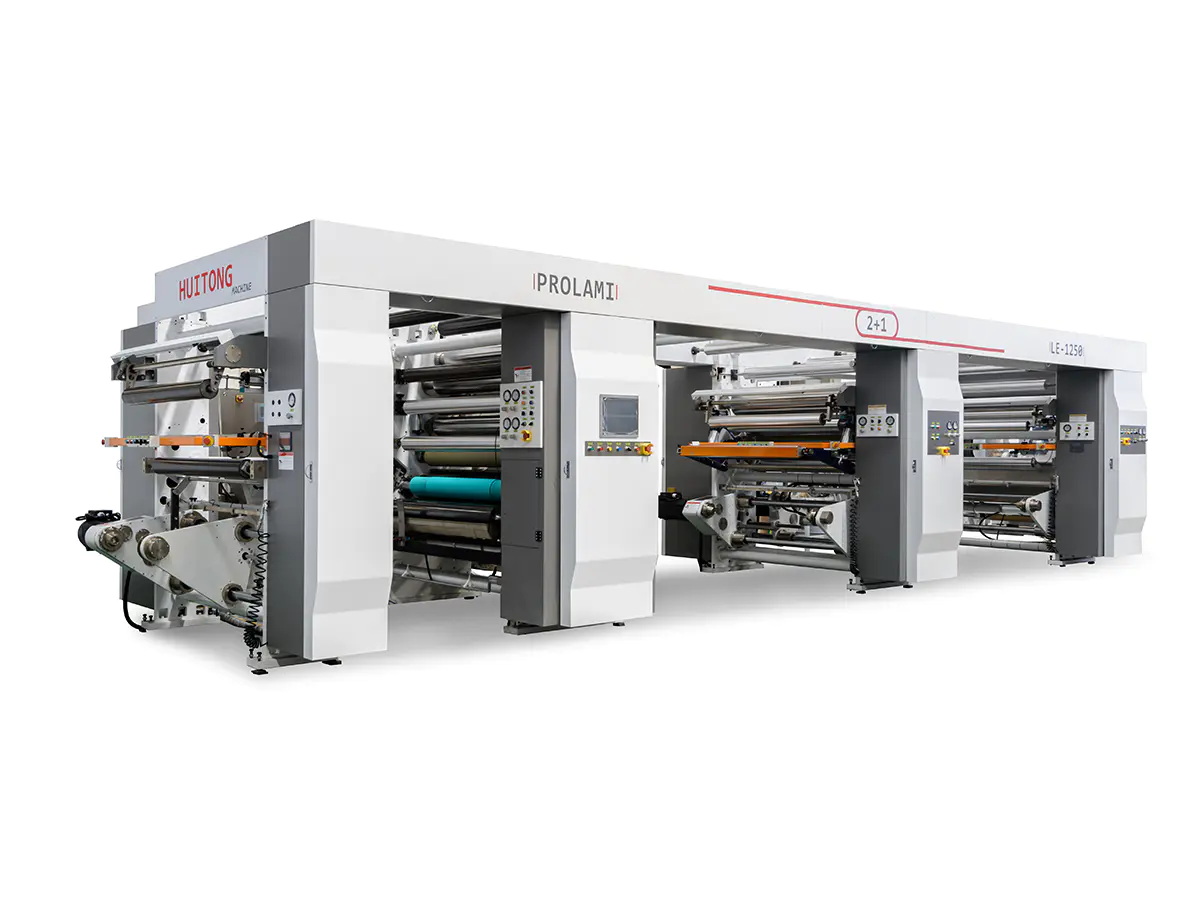
Consider a flexible packaging plant that buys its first high-speed press on the strength of a single number: the maximum speed printed in the brochure. The machine performs impressively on paper, yet within a year the team realizes that most of its orders are short runs of a few thousand meters. The press spends more time waiting for cylinder changes, ink adjustments and drying trials than it spends running at full speed. The machine was not the problem. The question the buyer asked was.
This guide takes a different starting point. Rather than ranking equipment by maximum speed, it explains how three tiers of high-speed rotogravure presses differ in the areas that shape daily output: effective run speed, register accuracy, tension control, automation and total cost of ownership. The goal is to help you match a press to your order book, not to crown a single winner.
Speed is the starting point of a press decision, not the conclusion. The right machine is the one whose capabilities match the work you actually sell.
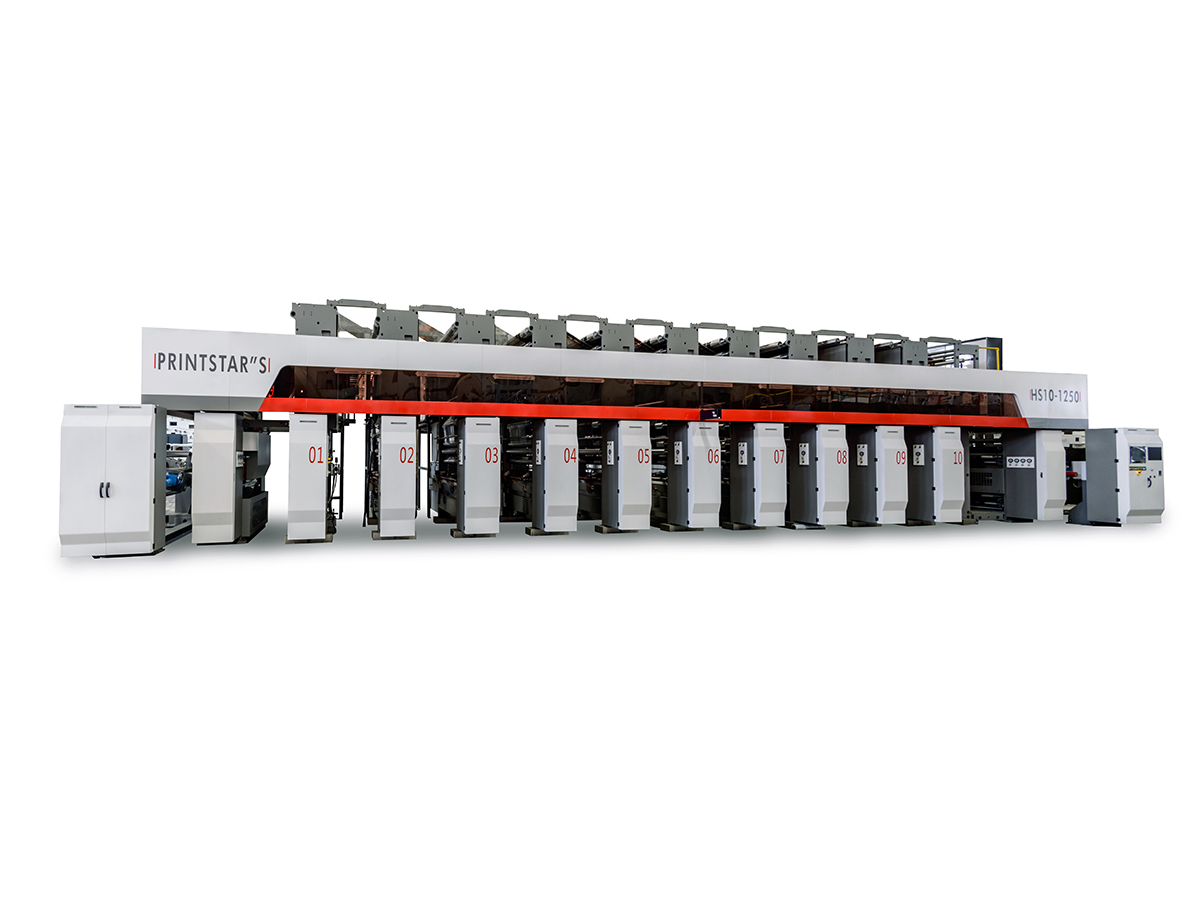
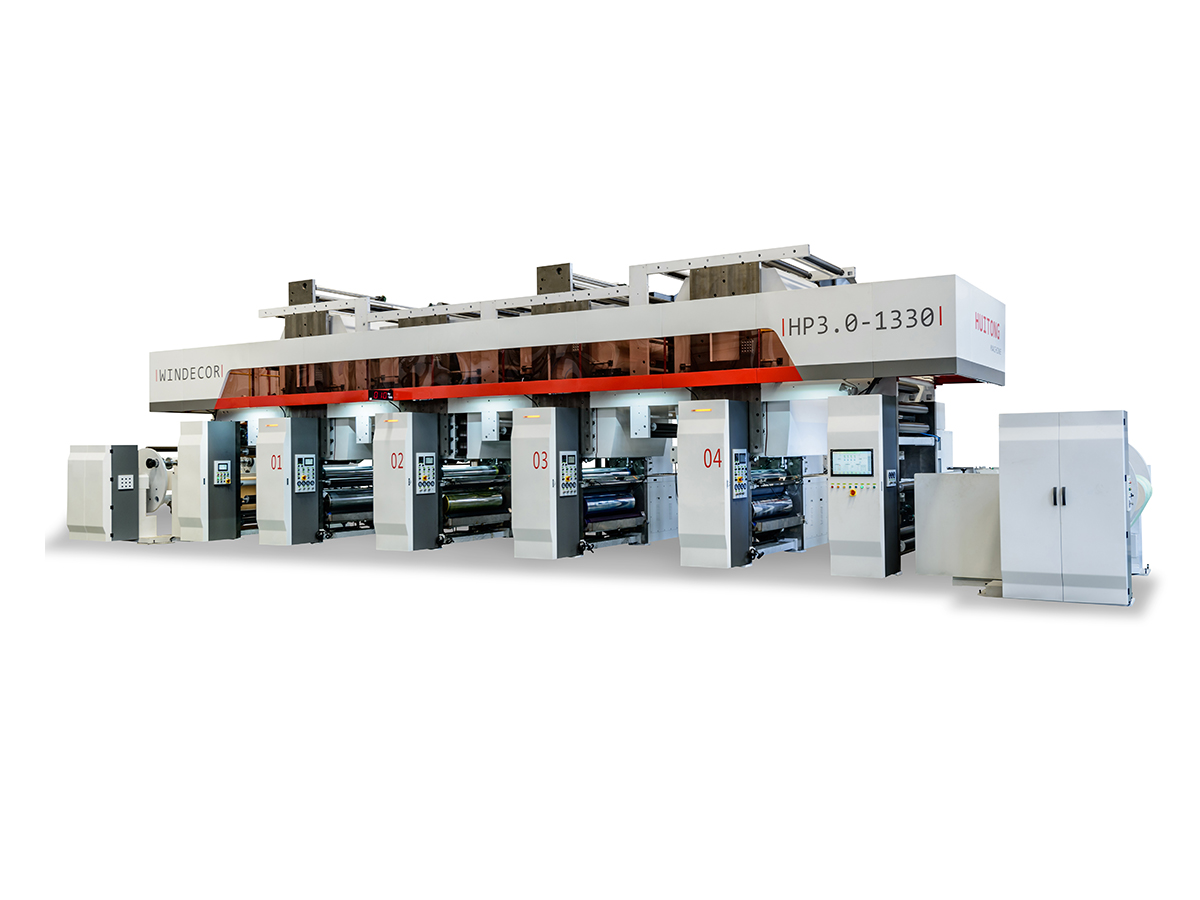
Each tier reflects a different production logic. The top tier is built for maximum throughput on long runs and demanding print jobs. The mid tier targets the largest share of commercial work, where speed, stability and price must be balanced. The entry tier focuses on economy, approachable operation and lower service costs for shops that are growing into gravure or handling varied short orders.
| Dimension | Top tier | Mid tier | Entry tier |
|---|---|---|---|
| Rated top speed | 450 m/min | 350 m/min | 260 m/min |
| Typical order size | Large, high-volume runs | Medium to large runs | Small to medium runs |
| Register system | Advanced unit-level control | Servo-driven, stable registration | Standard registration |
| Operator skill needed | Intermediate to advanced | Intermediate | Entry level |
| Service intensity | Higher | Moderate | Lower |
Speed is only one column in this table, and it is the one buyers look at first. The other rows explain why two presses with similar speeds can behave very differently on a real production floor.
maximum speed.Rated speed describes what a press can do for a short period under ideal conditions. Effective output describes what it delivers across a month of real orders. The gap between the two is where many purchase decisions go wrong.
A common assumption is that running faster consumes disproportionately more energy for every meter printed. Published trial data from equipment testing tells a more nuanced story. In one reported comparison, a press drawing roughly 100 kilowatts at 400 m/min used only slightly more power than the same press at 200 m/min, which drew around 98 kilowatts. Because hourly output is much higher at the faster speed, the energy used per square meter drops substantially. Fixed overheads such as lighting, climate control and standby systems are spread across far more meters.
Three factors usually determine whether a press can hold its rated speed on a real order.
A press that rarely reaches its rated speed because of drying or changeover limits is effectively a slower press at a higher price. Reviewing these constraints before purchase is more useful than comparing headline numbers.
Print quality depends on how consistently each color station lands on the same spot. Register accuracy is shaped by the drive architecture and by how well web tension is controlled from unwind to rewind.
Traditional shaft-driven layouts link printing units through mechanical shafts, gears and couplings. They are robust and well understood, but backlash and gear tolerances accumulate, so register drift can creep in during long runs. Electronic line-shaft architectures replace much of that mechanical linkage with servo motors that drive each unit and synchronize them electronically. Synchronization can be held to very tight tolerances, which matters most for fine graphics and small type.
A press that holds register at the start of a run but drifts by the end wastes film and labor, regardless of its speed rating.
Films in the twenty-micron range are particularly sensitive to tension. At high speed, small fluctuations are amplified, and the film can stretch, wrinkle or shift laterally. The table below summarizes how substrate sensitivity maps to the control level a press should provide.
| Substrate | Tension sensitivity | Recommended control level |
|---|---|---|
| Thin polyethylene film | High | Closed-loop, multi-zone tension |
| Biaxially oriented polypropylene film | Medium to high | Automatic dancer control |
| Polyester film | Medium | Automatic tension control |
| Paper and heavier substrates | Low to medium | Standard tension control |
Simpler systems are perfectly adequate for thicker, dimensionally stable substrates. The mistake is paying for sophisticated tension zones you will never use, or the reverse mistake of buying a basic system for films that demand precision.
The purchase price is visible on the quotation. Total cost of ownership is spread across the life of the press and includes labor, waste, changeover time, energy, spare parts and service intervals. Buyers who focus only on the first number often discover the real costs years later.
| Feature | Top tier | Mid tier | Entry tier |
|---|---|---|---|
| Automatic splicing | Included | Included | Included |
| Registration system | Advanced unit-level | Servo-based | Standard |
| Tension control | Fully automatic precision | Automatic | Standard |
| Operator skill needed | Intermediate to advanced | Intermediate | Entry level |
| Maintenance cost | Higher | Moderate | Lower |
The mid tier is the most common choice in the market, and that is not an accident. At around 350 m/min it covers the large majority of commercial packaging orders, where most jobs are long enough to benefit from good speed but not long enough to keep a top-tier press fully loaded. Servo-driven registration delivers stable print quality across a wide range of substrates, and its balance of price and output is hard to beat for a shop running a varied but mainly medium-volume order book.
A lower-speed press is not a lower-quality press. The entry tier is designed around lower maintenance cost, simpler operation and parts that are inexpensive and quick to replace. For a plant entering gravure, or one that handles frequent short runs across many job types, an approachable machine that reaches production quickly can pay back faster than a faster machine waiting for work.
The most useful selection question is not how fast a press can run but what kind of work you want it to run. The table below maps common production profiles to the tier that fits them best.
| Production profile | Best-fit tier | Main reason |
|---|---|---|
| Long runs for food or household packaging | Top tier | Maximum output lowers cost per meter |
| Medium to large orders with mixed substrates | Mid tier | Best balance of speed and stability |
| Frequent short runs and changeovers | Entry tier | Faster setup and quicker return on investment |
| Fine graphics requiring tight register | Top tier | Advanced registration protects consistency |
| Tight budget during early ramp-up | Entry tier | Lower entry cost and simpler upkeep |
Answering these five questions honestly usually narrows the choice to one tier. If the answers point in different directions, the mismatch is useful information in itself, because it shows which capability deserves priority. Review the full specifications of each rotogravure printing machine before finalizing a shortlist, and ask suppliers to model your actual order book against each configuration.
Most regrets in press purchasing trace back to a handful of avoidable errors.
Avoiding these errors does not require a more expensive machine. It requires a clearer picture of the work the press will actually do.
The difference is less about the peak number and more about the kind of work each press suits. The faster press is designed to spread fixed costs over very long runs, while the slower press suits shops that change jobs often. A 450 m/min press only delivers its advantage when orders are long enough to keep it running near its rated speed.
It can be, provided the job profile fits. Food packaging often involves high-quality graphics and barrier films, so the decisive factors are registration consistency and tension control on the specific substrates used. For smaller food packaging runs with standard films, an entry-tier press can perform well. For very long runs on demanding films, a higher tier is usually the better fit.
Look at the graphics first. If your designs include fine detail, small type, fine halftones or multiple overlapping colors that must align tightly, the advanced registration system pays for itself through fewer rejects. If your graphics are bold and forgiving, the mid-tier servo system usually delivers more than enough precision at a lower total cost.
Not necessarily. A more expensive press lowers cost per meter only if it runs at a high effective speed, wastes little film and needs limited changeover time on your order mix. If the extra capability sits idle, the cost per meter can be higher than that of a less expensive machine that matches the work more closely.

Contact Us
Recommended Products
Joining Hands With Huitong
Customize Your Flexible Packaging Equipment Solution
Inquire now
Products
contact us

Tel: +86-0510-86328508
+86-0510-86324508
Mob: +86-13914908980
Email: [email protected]
ADD: No. 429 Xizhang Road, Gushan Town, Jiangyin City, Jiangsu Province, China

 English
 русский
 Español
 عربى
عربى