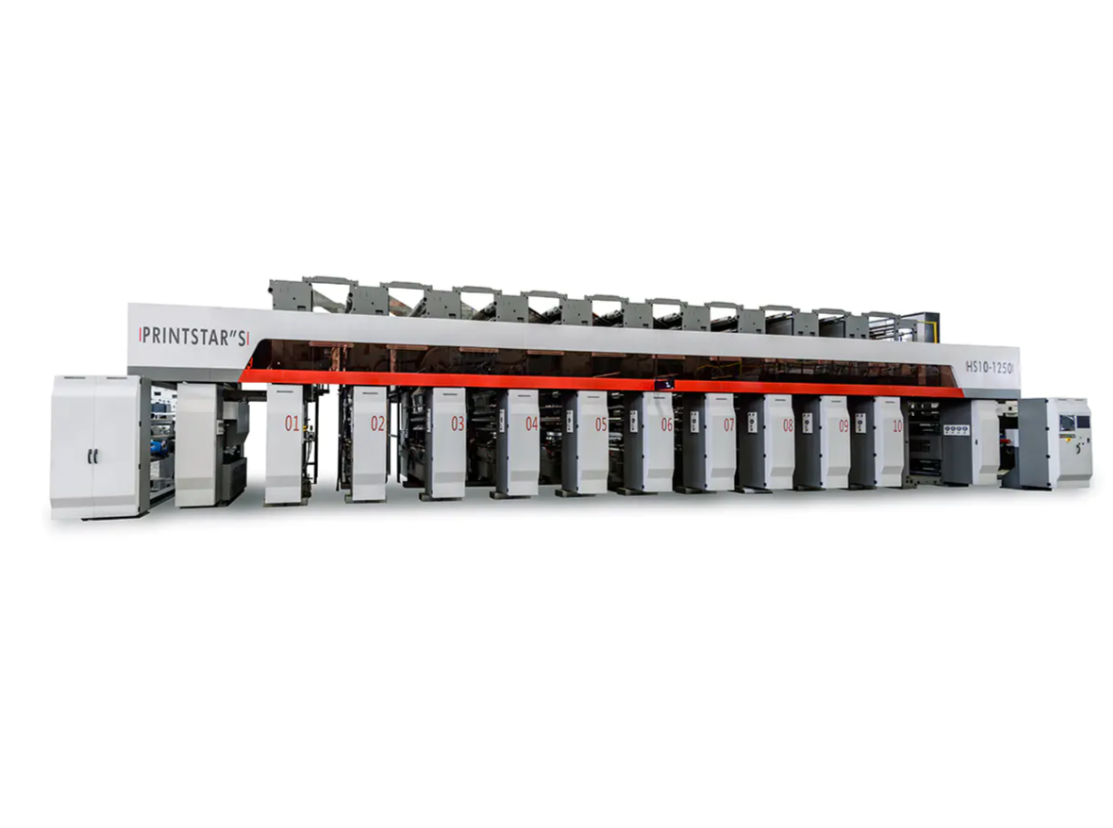
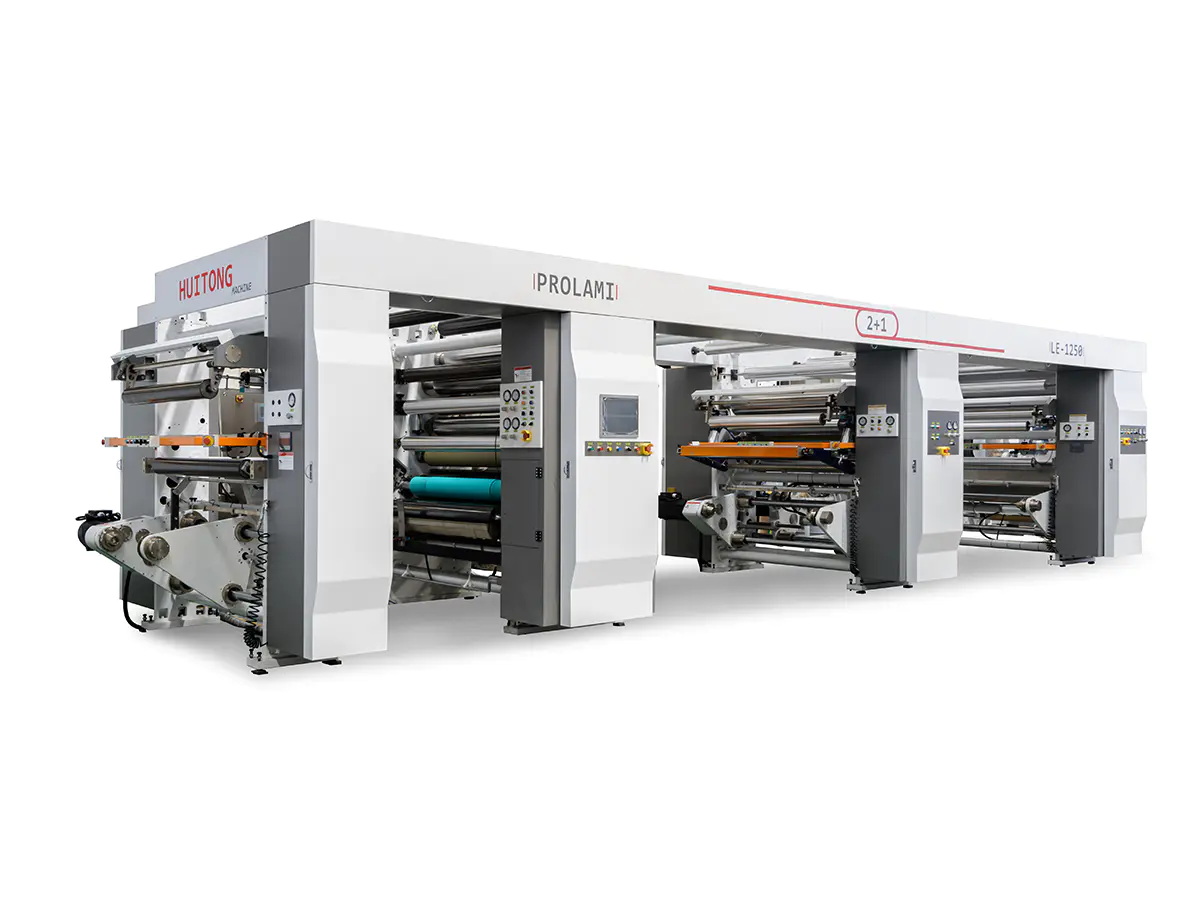
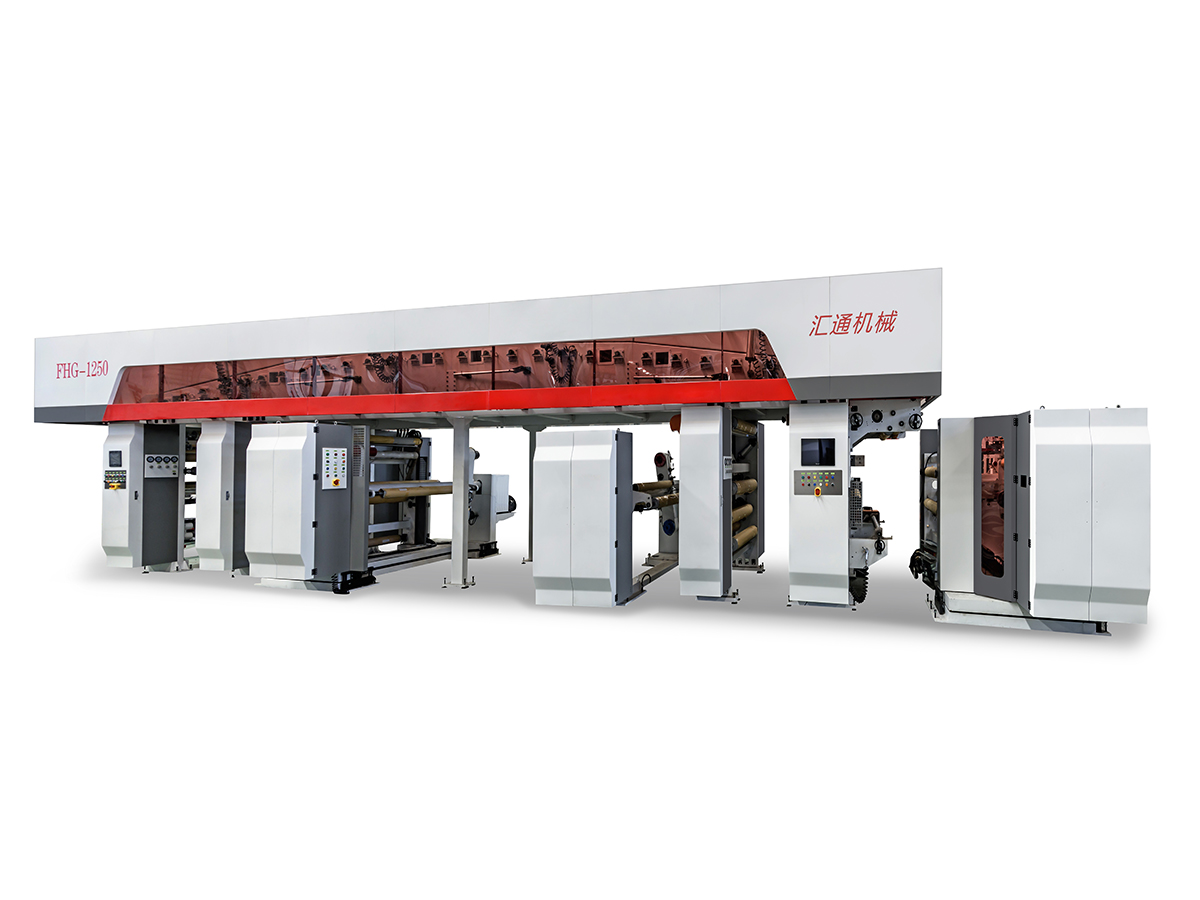
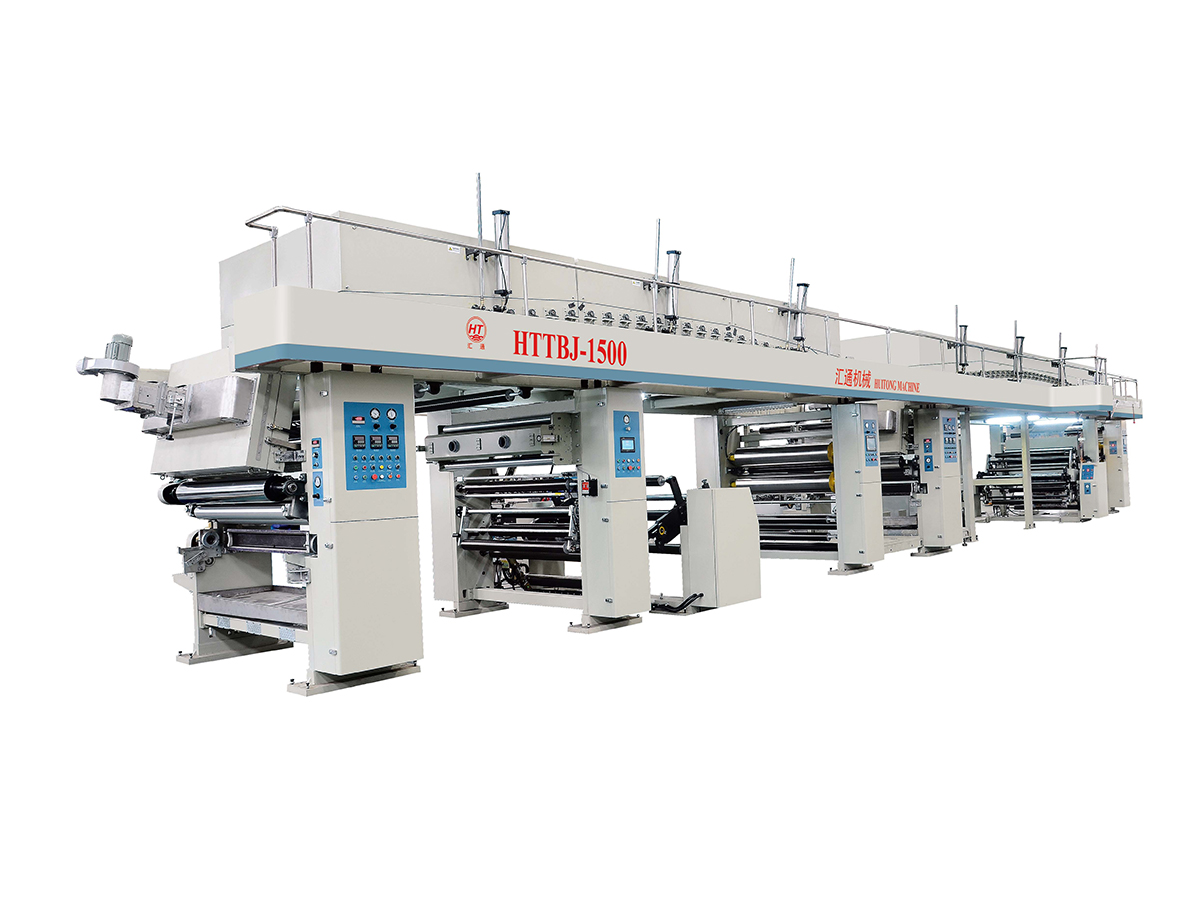
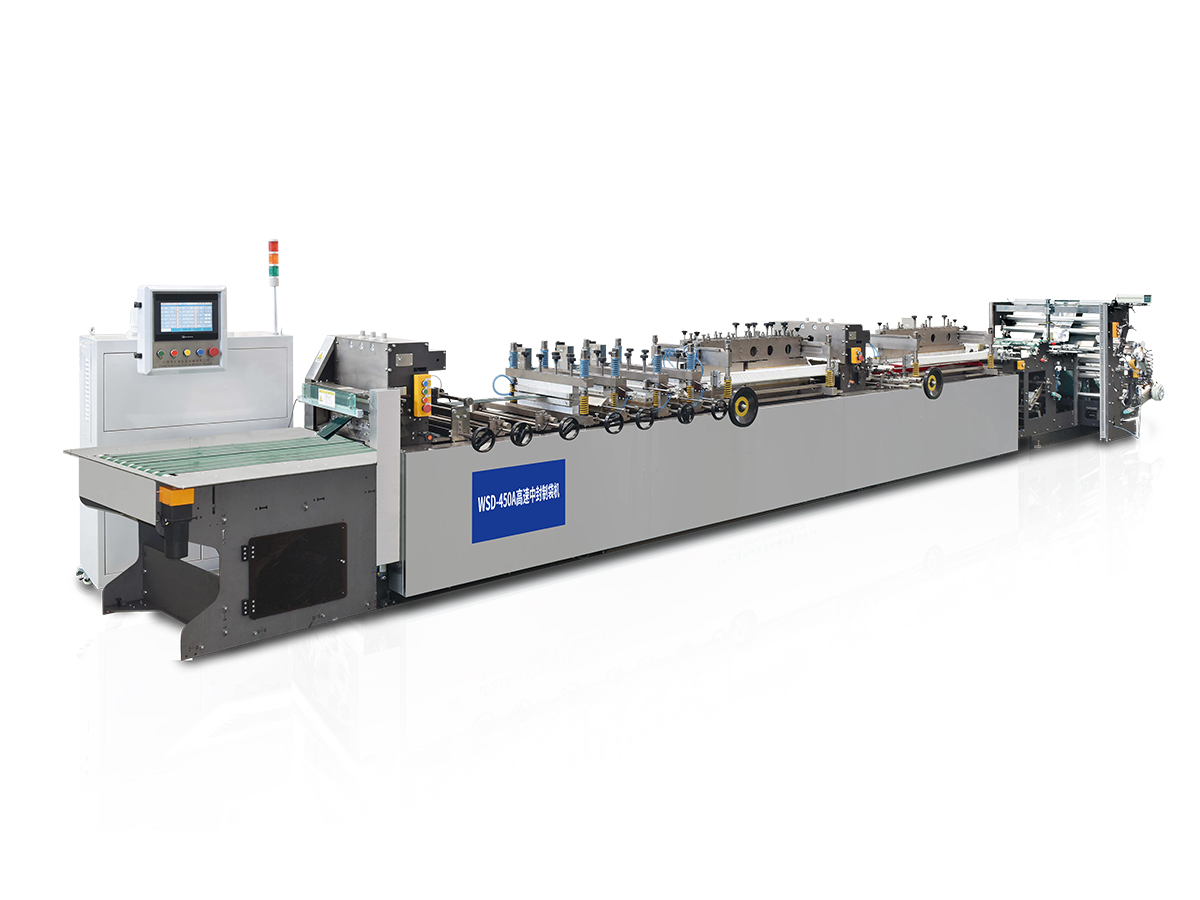
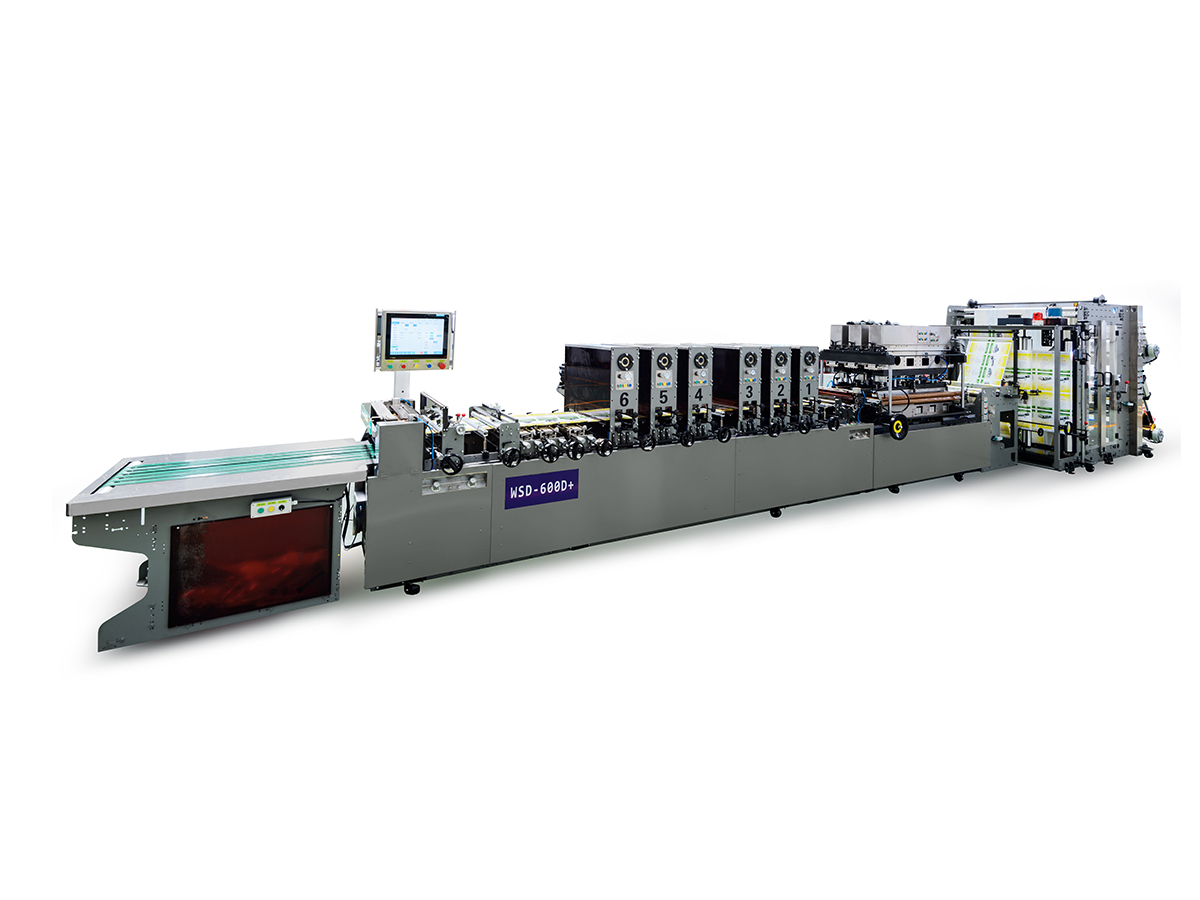
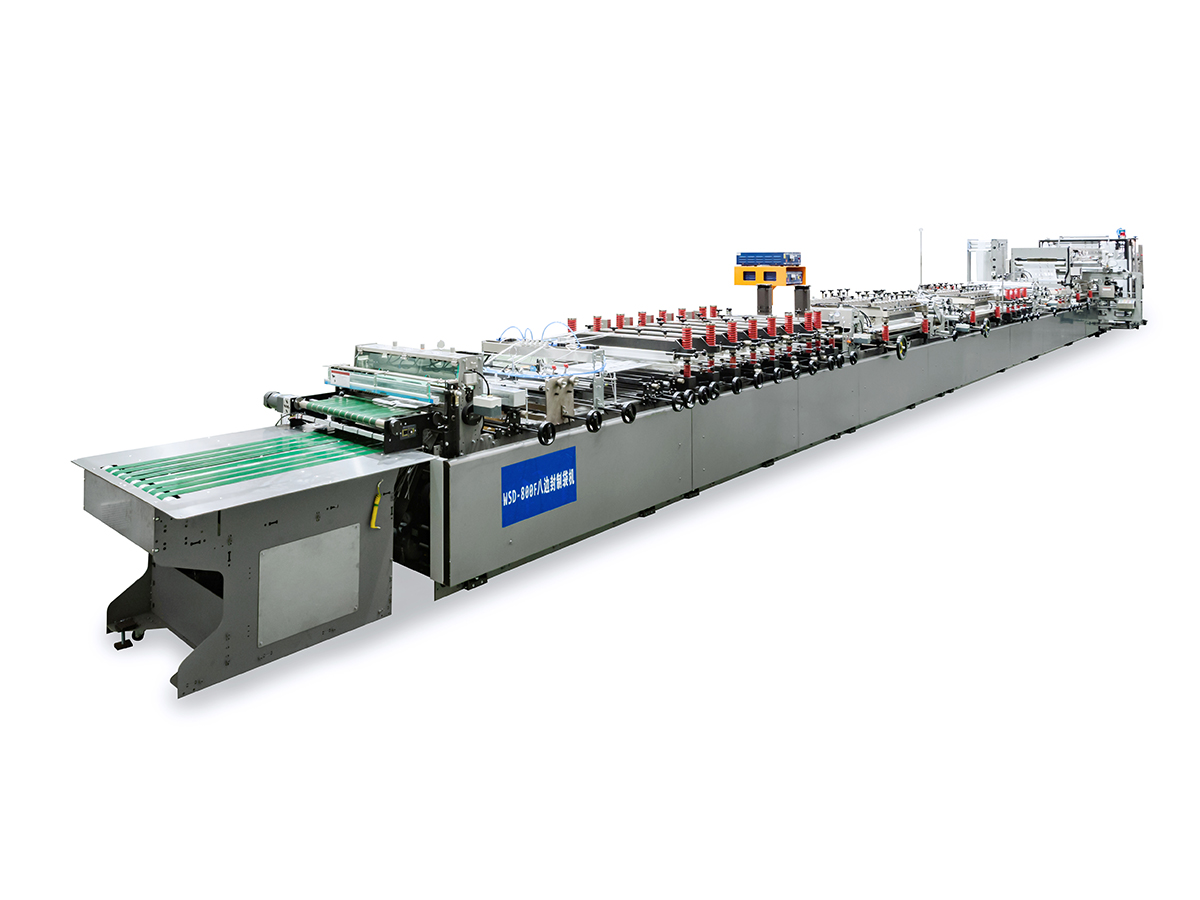
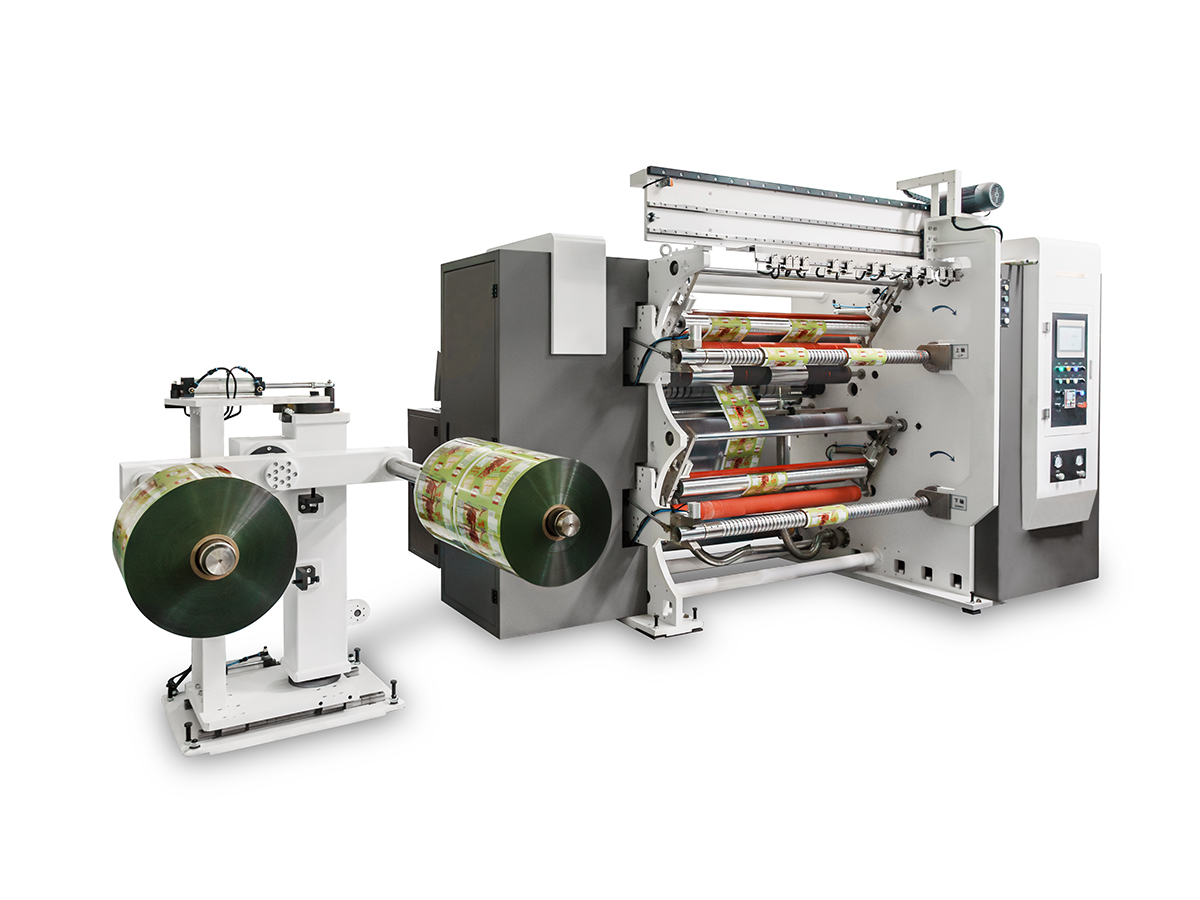
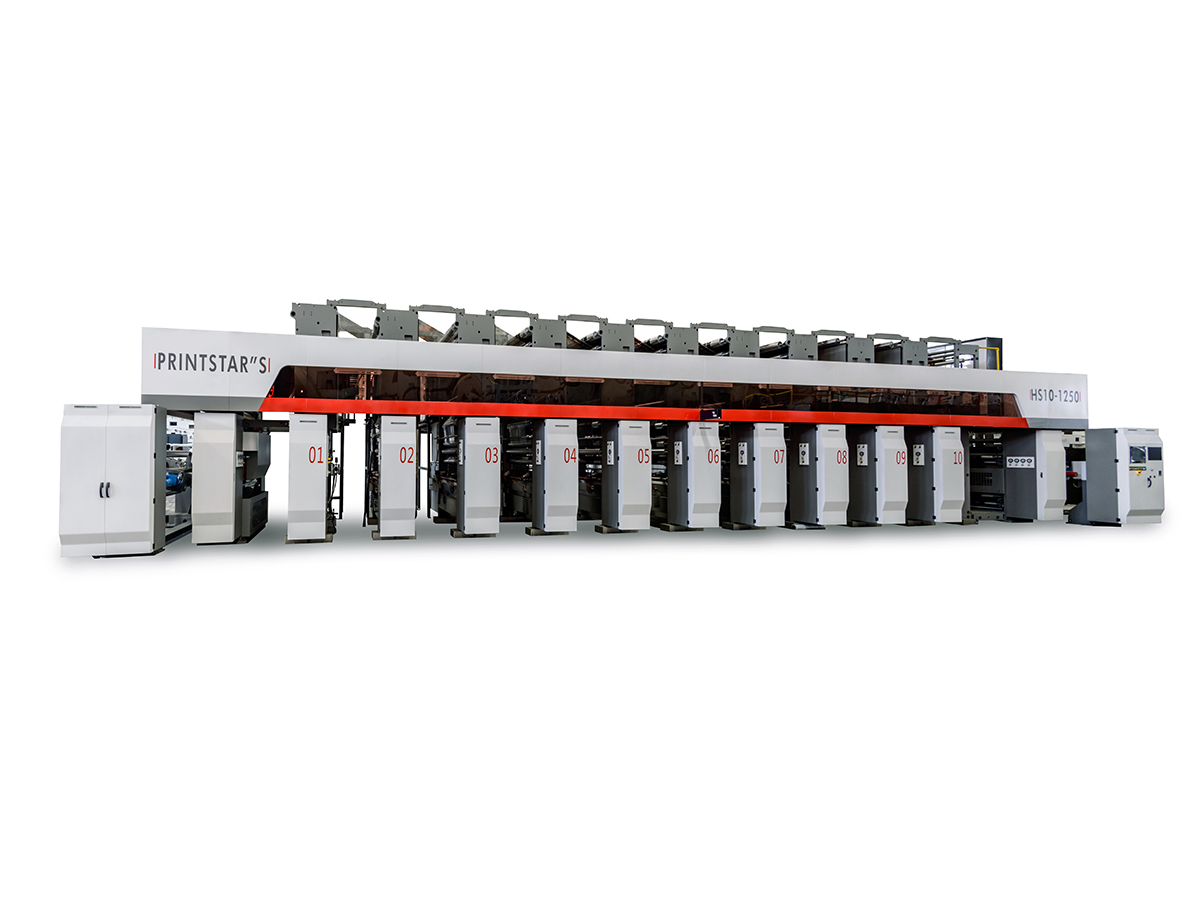
Manufacturers evaluating flexible packaging equipment often begin with a single question: will this machine actually run the materials my product line depends on. The answer varies significantly depending on machine type, sealing method, and film structure. Unlike rigid packaging systems that work with a narrow range of preformed containers, flexible systems are built to accommodate a wide spectrum of roll-fed substrates.
Material compatibility affects everything downstream, including seal integrity, line speed, and shelf life performance. Before selecting flexible packaging machinery, it helps to understand the categories of materials these systems are engineered to handle and the technical reasons certain films work better with specific machine configurations.
Flexible packaging machine platforms are generally designed around roll-fed film handling, which opens compatibility to several substrate families. The table below outlines common categories and their typical processing characteristics.
| Material Category | Typical Thickness Range | Common Sealing Method | Typical Applications |
|---|---|---|---|
| Polyethylene (PE) films | 25 to 150 microns | Heat sealing | Bags, liners, pouches |
| Polypropylene (BOPP/CPP) | 20 to 80 microns | Heat sealing | Snack bags, wraps |
| Metalized films | 15 to 60 microns | Heat sealing with adjusted dwell time | Coffee, barrier pouches |
| Laminated multilayer films | 40 to 200 microns | Heat or impulse sealing | Frozen food, retort pouches |
| Paper-based composites | 30 to 120 gsm | Heat sealing with coated liner | Eco-friendly bags, sachets |
| Aluminum foil laminates | 20 to 70 microns | Heat sealing at higher temperature | Pharmaceutical, moisture-sensitive goods |
Each material behaves differently under heat, tension, and folding. A machine calibrated only for thin PE film may struggle with a thicker laminate, while a system built for laminates may overheat and distort lighter films if settings are not adjusted.
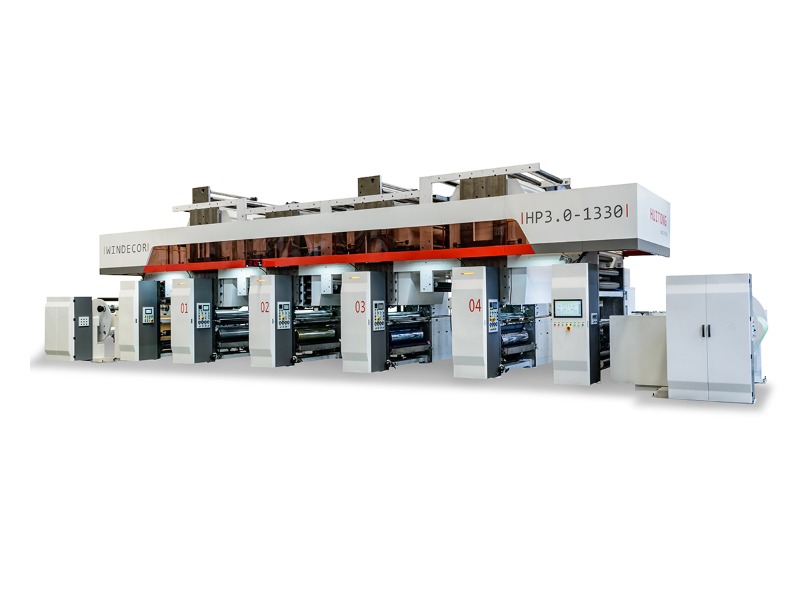
One recurring point of confusion involves the distinction between flexible and rigid packaging formats. This comparison clarifies why material handling differs so significantly between the two.
The diagram below illustrates a simplified relationship between film layers and the sealing parameters that packaging equipment must adjust for each structure.
Because material versatility is central to flexible systems, adoption spans multiple sectors. The following list highlights common industry applications and their typical material demands.
Selecting the right packaging equipment starts with a clear inventory of the materials a production line will use, not just current volume needs. A few practical considerations help narrow the decision.
Equipment rated for a wide thickness range offers flexibility for future product changes without requiring a full machine replacement.
Impulse sealing suits thinner films with precision, while continuous heat sealing better serves thicker laminates running at higher speeds.
High output facilities should confirm that a machine's rated speed remains stable across the specific material types they intend to run, since speed often drops when switching from simple films to complex laminates.
| Requirement | Key Question to Ask |
|---|---|
| Material Variety | Can the machine switch between film types without major retooling |
| Seal Strength | Does the sealing method match the barrier properties needed |
| Production Volume | Does rated speed hold steady across different material weights |
| Maintenance Access | How easily can heating elements and seal bars be serviced |
Running diverse materials on the same line increases the importance of consistent maintenance scheduling. Residue buildup from adhesive-coated films, for example, can affect seal bar performance over time if not addressed.
Pricing for flexible packaging systems varies based on how many material types a machine is engineered to handle, along with automation level and throughput capacity. Systems built for a narrow material range tend to carry lower upfront costs but may require replacement sooner as product lines diversify. Equipment designed for broader material compatibility, including foil laminates and heavier composites, generally involves a higher initial investment but reduces the likelihood of future retooling expenses.
Facilities should weigh this against projected product changes over a three to five year horizon, since material versatility often determines long-term equipment lifespan more than raw production speed alone.
Flexible packaging uses roll-fed films and laminates that conform to product shape, while rigid packaging relies on preformed containers like bottles or trays that hold a fixed shape regardless of contents.
Most systems process polyethylene films, polypropylene films, metalized films, multilayer laminates, paper-based composites, and foil laminates, with sealing parameters adjusted for each material type.
Cost depends heavily on material versatility, automation level, and throughput capacity, with machines built for broader material compatibility generally requiring a higher initial investment.
Common industries include snack food, frozen food, coffee and beverage, pharmaceutical, and household goods manufacturing, each with distinct material and barrier requirements.
Start by identifying the range of materials your product line requires, then evaluate sealing technology, line speed stability across material types, and ease of maintenance access.
Seal bars should be inspected weekly on multi-material lines, with full mechanical inspections typically scheduled quarterly for high-volume operations.
Contact Us
Recommended Products
Joining Hands With Huitong
Customize Your Flexible Packaging Equipment Solution
Inquire now
Products
contact us

Tel: +86-0510-86328508
+86-0510-86324508
Mob: +86-13914908980
Email: [email protected]
ADD: No. 429 Xizhang Road, Gushan Town, Jiangyin City, Jiangsu Province, China

 English
 русский
 Español
 عربى
عربى