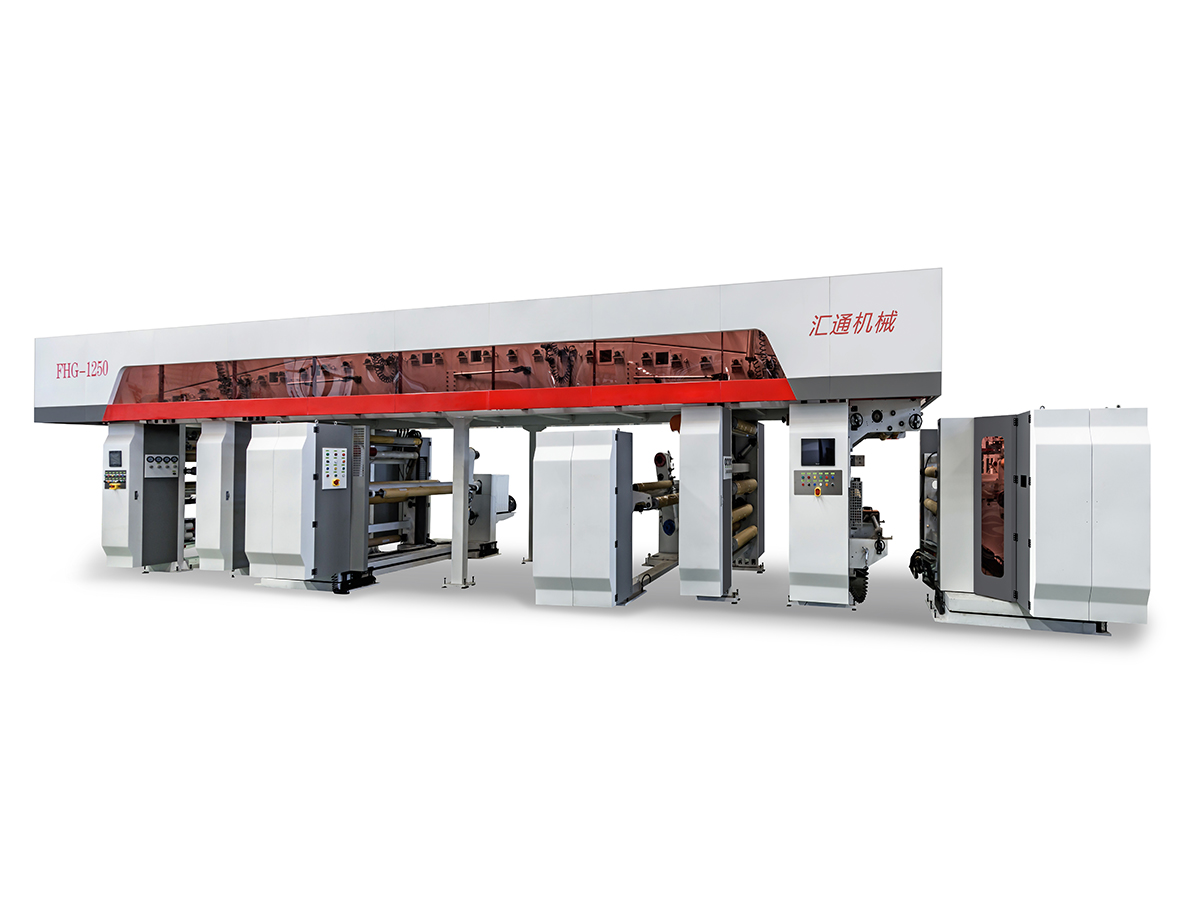
Modern packaging buyers face a crowded market of machines, configurations and promises. Whether a factory is expanding capacity, replacing aging lines or entering food-grade film production for the first time, the core question remains the same: which combination of machines will deliver consistent quality at a realistic cost? This guide walks through the main categories of flexible packaging equipment, the technical factors that separate a suitable line from an unsuitable one, and the practical checks that help manufacturers avoid expensive mismatches.
A well-matched line is rarely the most expensive one. It is the one whose speed, width, drying capacity and material handling align with the products the factory actually sells.
The term covers a chain of machines that transform raw film, paper or foil into finished pouches, wraps and laminated structures. Each stage adds a function, and the chain is only as strong as its weakest link.
| Machine Type | Primary Function | Typical Materials |
|---|---|---|
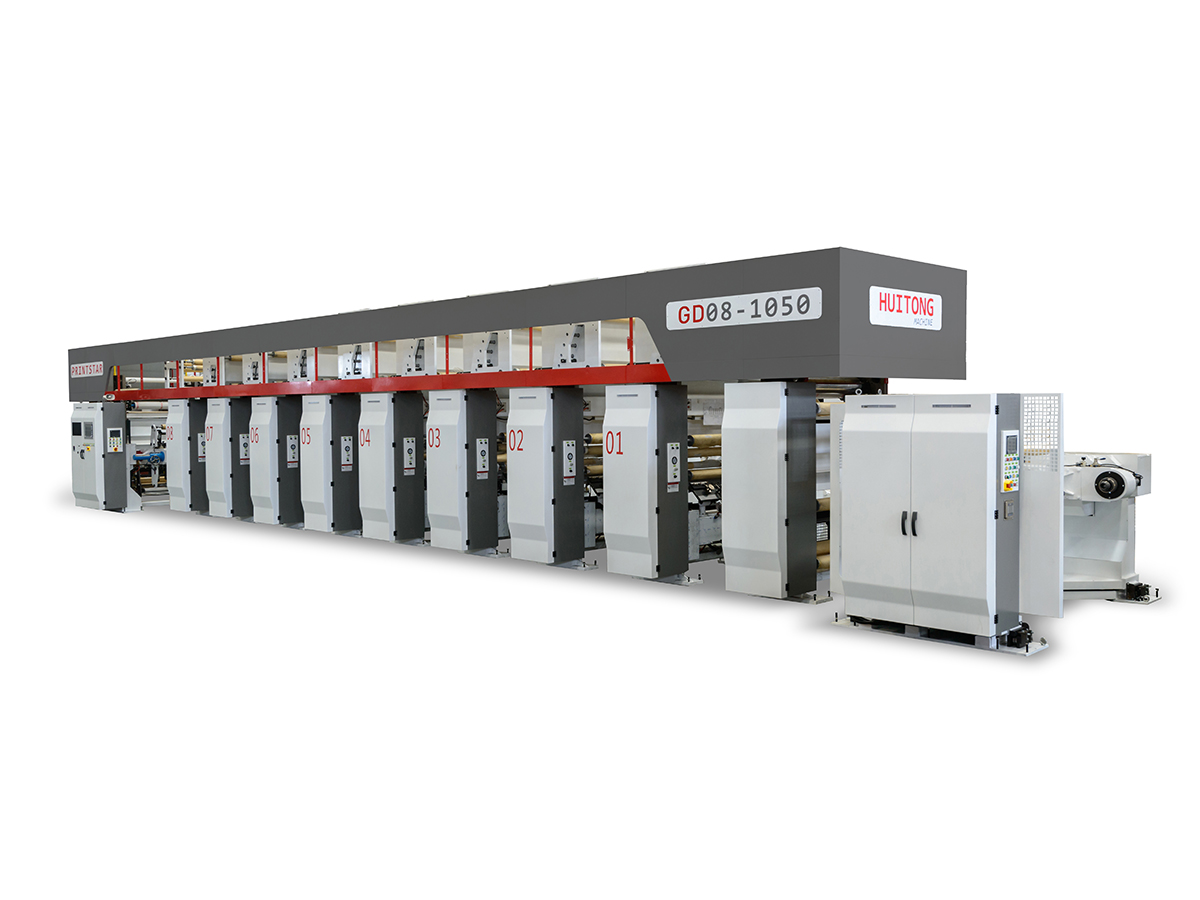
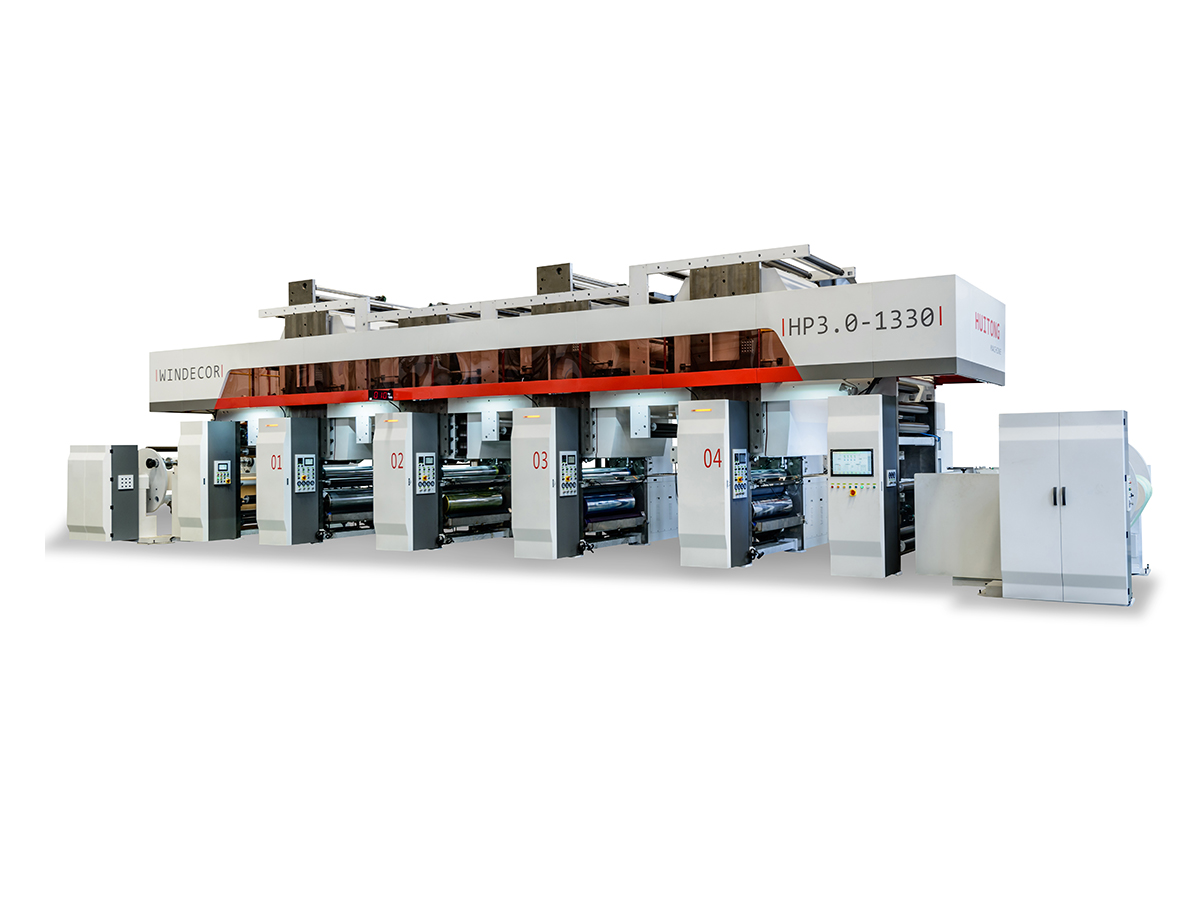
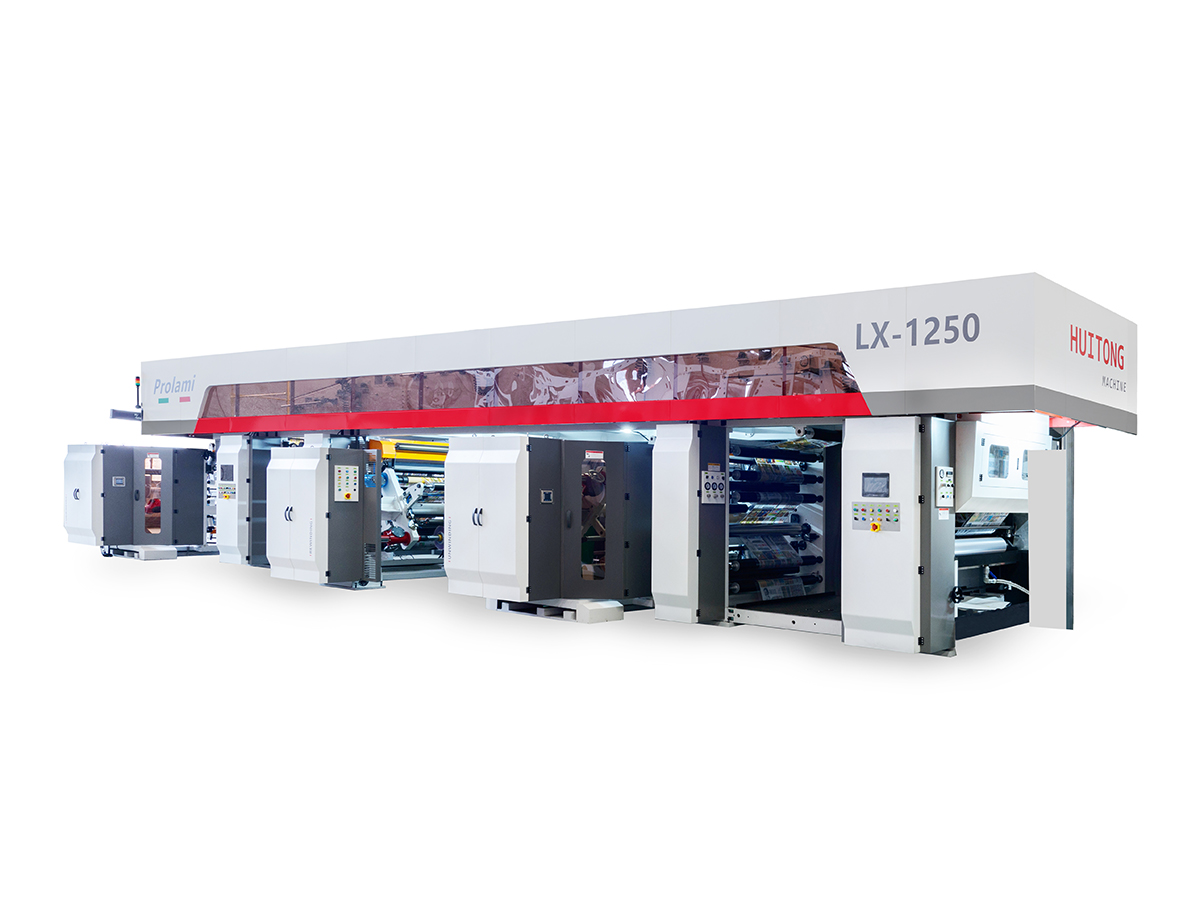
| Rotogravure printing machine | High-resolution decoration of film | OPP, PET, PE, paper |
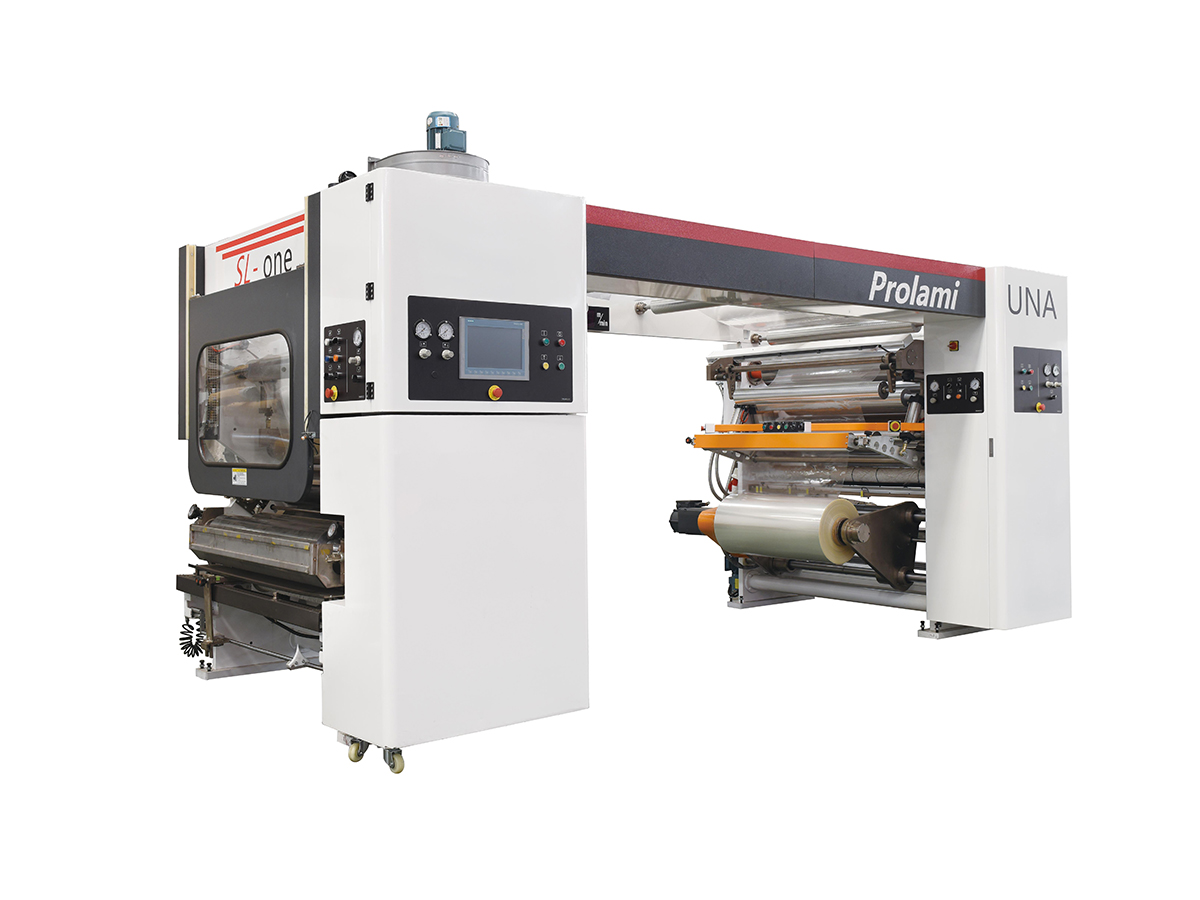
| Solvent-free laminator | Bonding films without solvent residue | PET, aluminum foil, PE |
| Dry laminating machine | Multi-layer composite structures | BOPP, nylon, metallized film |
| Coating machine | Barrier and functional surface layers | PVDC, PET, paper |
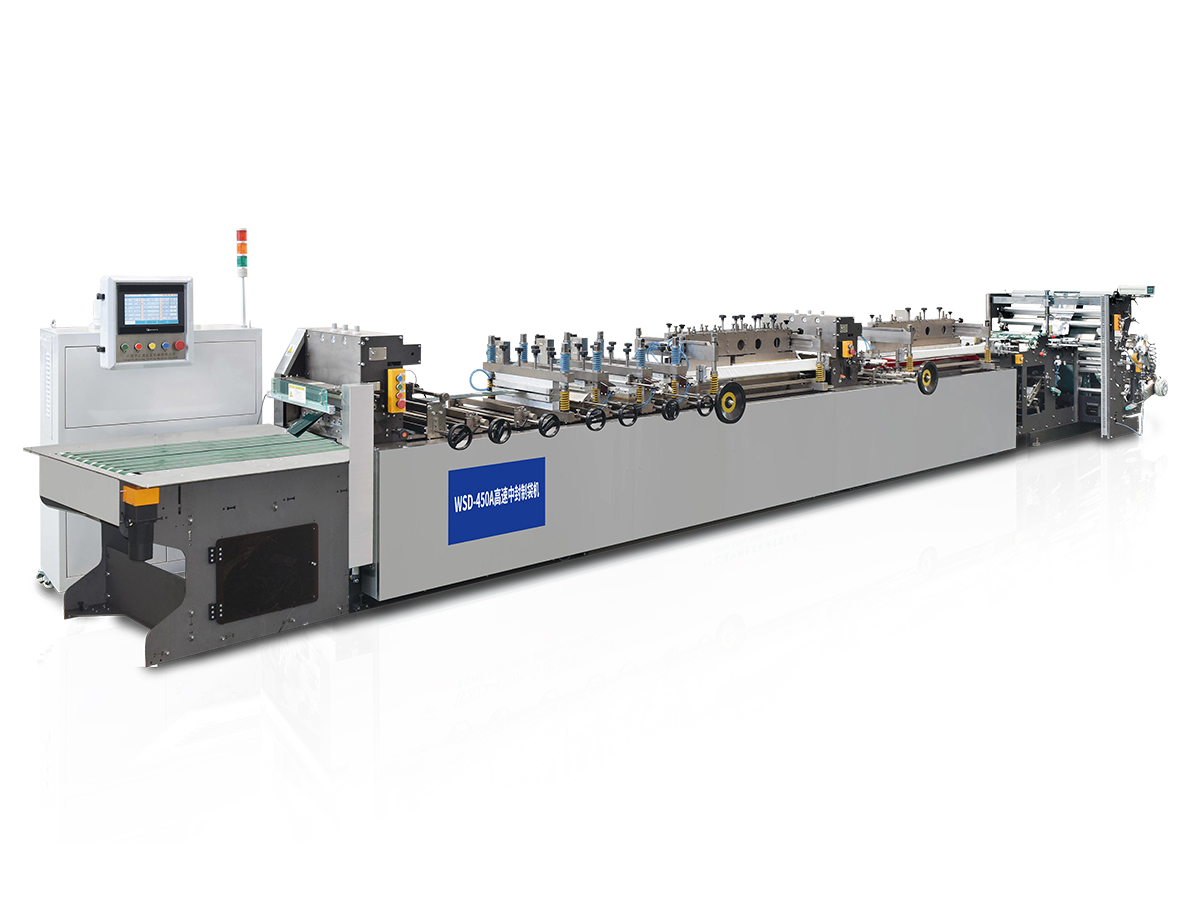
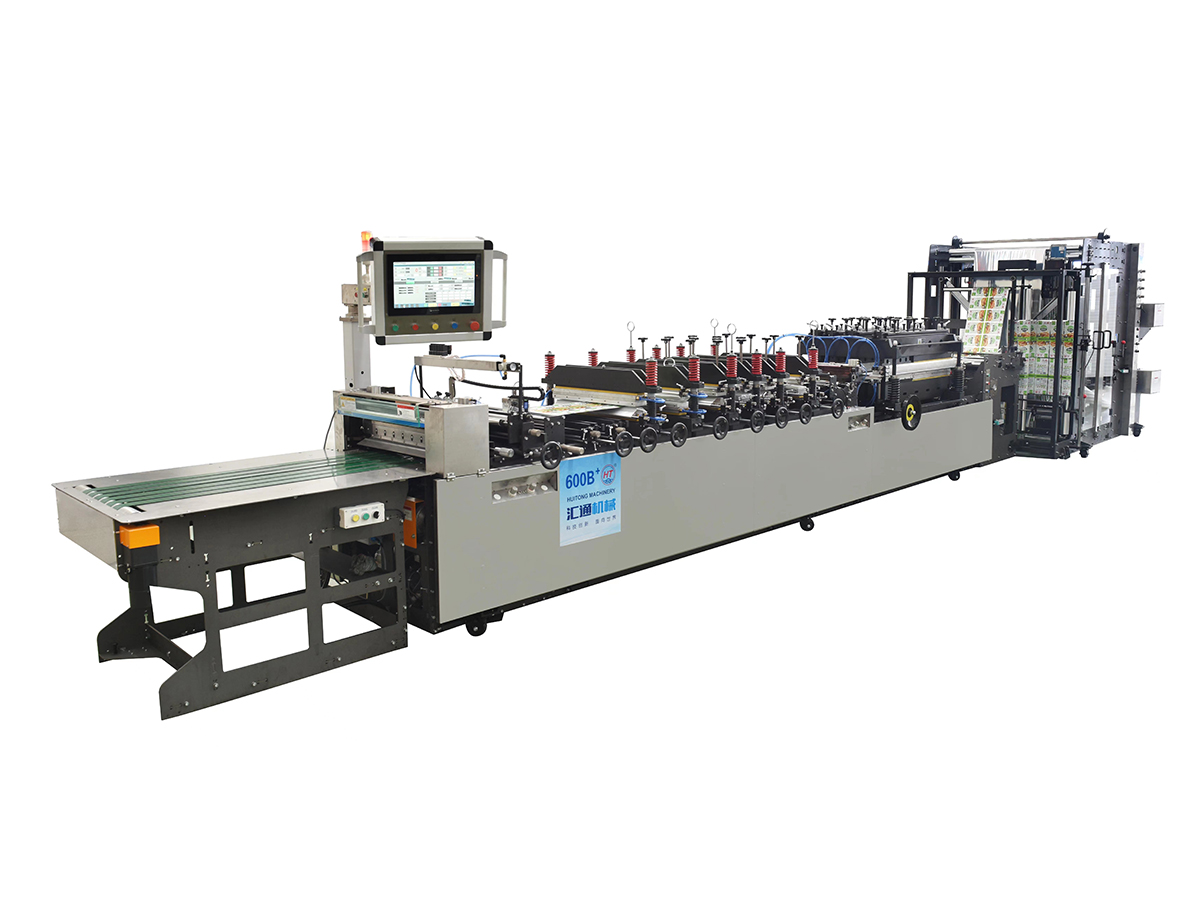
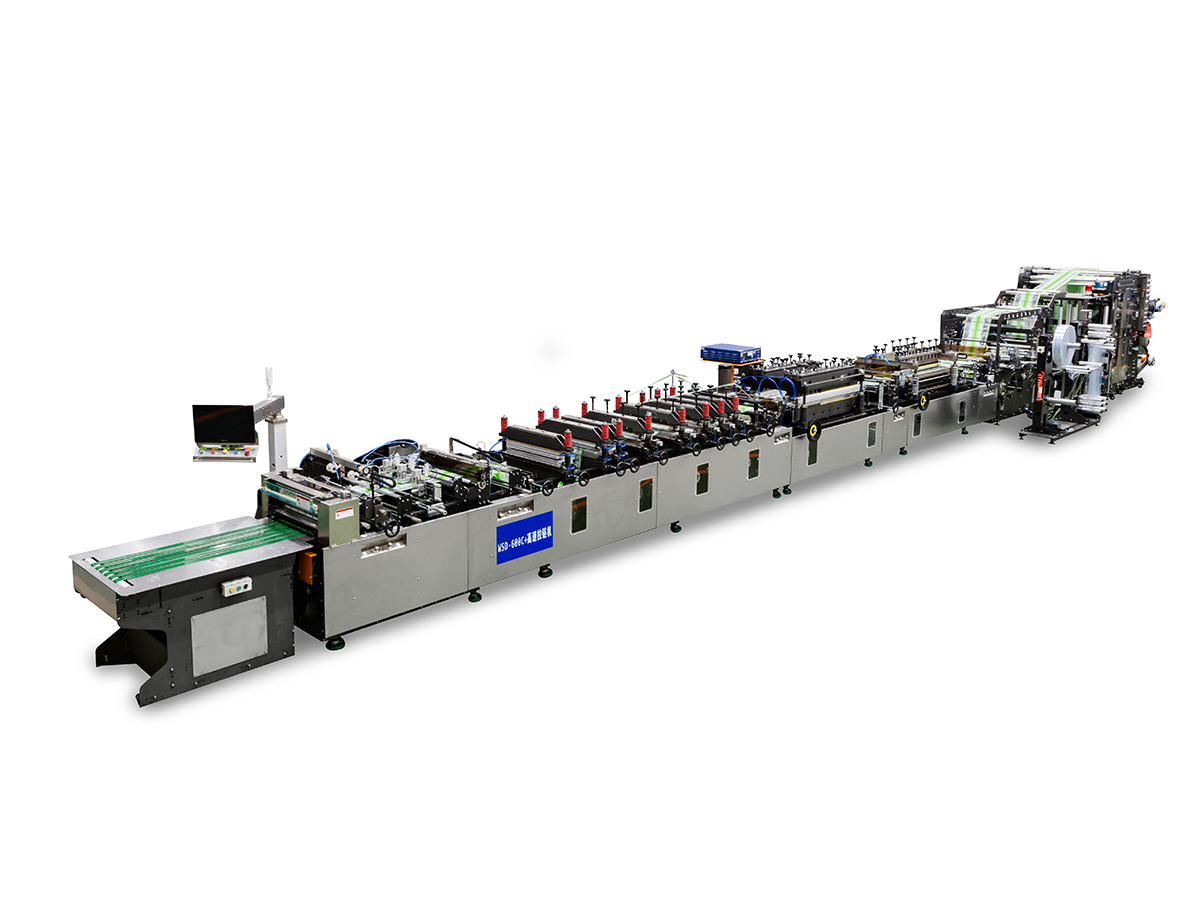
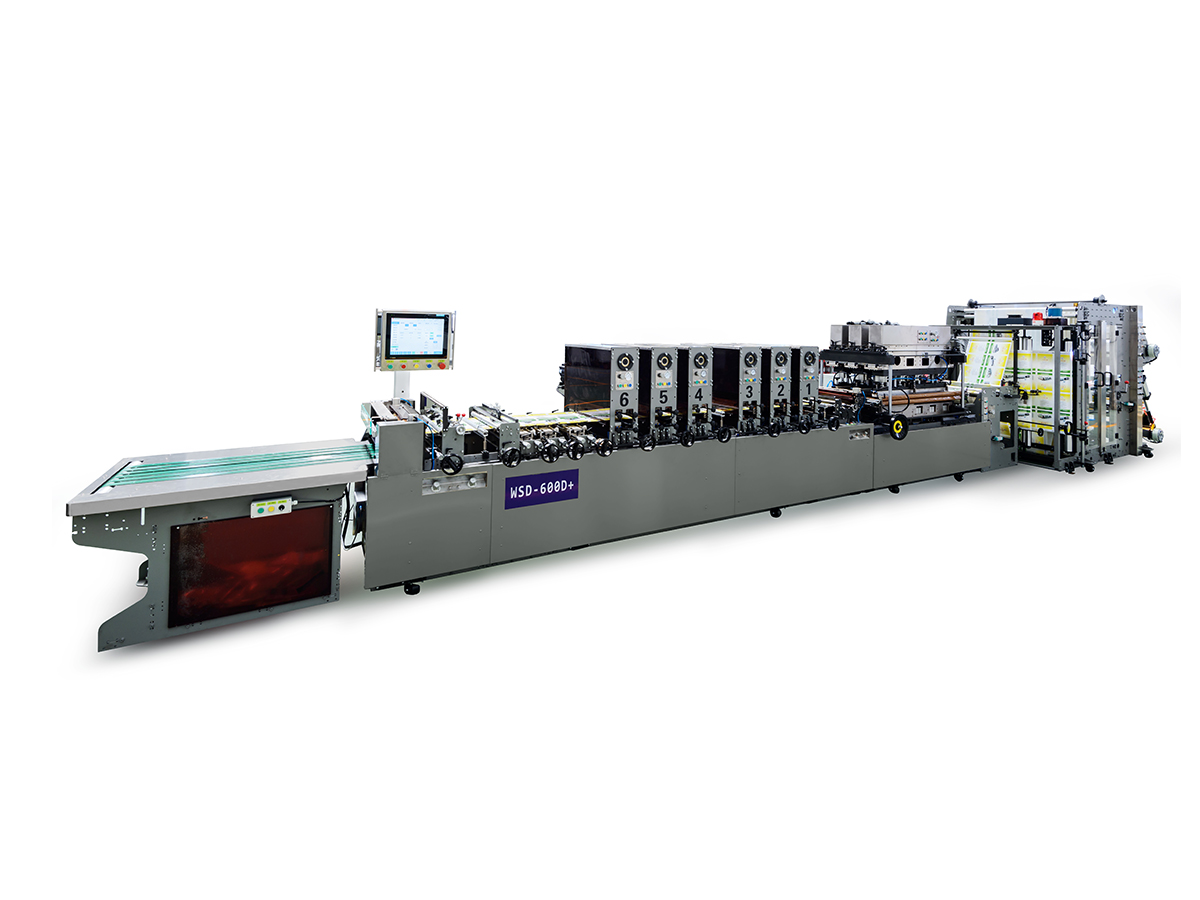
| Pouch making machine | Converting film into bags | Laminated film, PE, PP |
Newer equipment is judged less by raw speed and more by stability over long runs. Manufacturers report that consistent tension control and precise registration reduce waste far more than headline speed figures suggest.
Different end markets place different demands on the same basic machine types. Understanding these demands early prevents over-specifying or under-specifying a line.
Food packaging requires strong barrier layers and clean, solvent-free bonding. Snack producers often need laminates that stay sealed through temperature changes during shipping.
These sectors value precise registration and contamination control. Tighter print tolerances and cleanroom-compatible layouts are common requirements.
Decor printing emphasizes color consistency across very wide webs. Machines in this segment are usually judged by color repeatability and ink handling.
Heavy-duty pouches for detergents or chemicals need puncture resistance and reliable seal strength. Bag-making units with adjustable seal profiles are typically preferred.
Selection works best as a sequence of decisions rather than a price comparison. Each answer narrows the field before the next question is asked.
A standard machine suits factories with stable product mixes. A customized line becomes worthwhile when the factory needs unusual widths, multi-station printing, or integration with existing downstream equipment. Many buyers underestimate how much integration work can add to a project, so it helps to request a layout drawing before committing.
The diagram below shows how a film typically moves through a complete flexible packaging line. Spacing between stages matters because each transition needs room for tension rollers and drying.
| Checkpoint | What to Verify | Risk if Ignored |
|---|---|---|
| Working width | Matches the widest planned product | Forced second machine purchase |
| Drying capacity | Tested with your ink and solvent system | Residual odor and adhesion failure |
| Tension control | Closed-loop with documented accuracy | Wrinkles and misregistration |
| Service response | Local or remote support with a stated timeline | Extended downtime during faults |
It usually includes printing, laminating, coating and bag-making machines, along with unwinding, rewinding and drying units that connect them into one production line.
Installation time depends on line length and site preparation. Factories should plan for foundation work, power connection and a trial run period before full production begins.
Yes. Smaller operations often benefit from modular configurations that can be expanded later, which spreads investment over time without sacrificing future capacity.
Look for operator training, spare parts lists, remote diagnostics and a clear response time for faults. These elements affect uptime more than many buyers expect.
Most lines handle plastic films such as PET, BOPP and PE, along with aluminum foil and paper. Compatibility should always be confirmed against the actual film thickness and structure.
Choosing flexible packaging equipment is ultimately a matter of matching machine capability to product reality. Speed, width, drying and service all matter, but their value depends on the products a factory plans to run for years.
If your team is reviewing options, start by documenting your product list, target output and floor constraints. Then request a written layout and waste guarantee for your specific films. Factories that prepare this information early typically reach a confident decision faster and avoid costly later changes.
Ready to compare configurations for your production goals? Explore flexible packaging equipment options and share your requirements with the engineering team.
Contact Us
Recommended Products
Joining Hands With Huitong
Customize Your Flexible Packaging Equipment Solution
Inquire now
Products
contact us

Tel: +86-0510-86328508
+86-0510-86324508
Mob: +86-13914908980
Email: [email protected]
ADD: No. 429 Xizhang Road, Gushan Town, Jiangyin City, Jiangsu Province, China

 English
 русский
 Español
 عربى