Flexible Packaging Equipment Guide
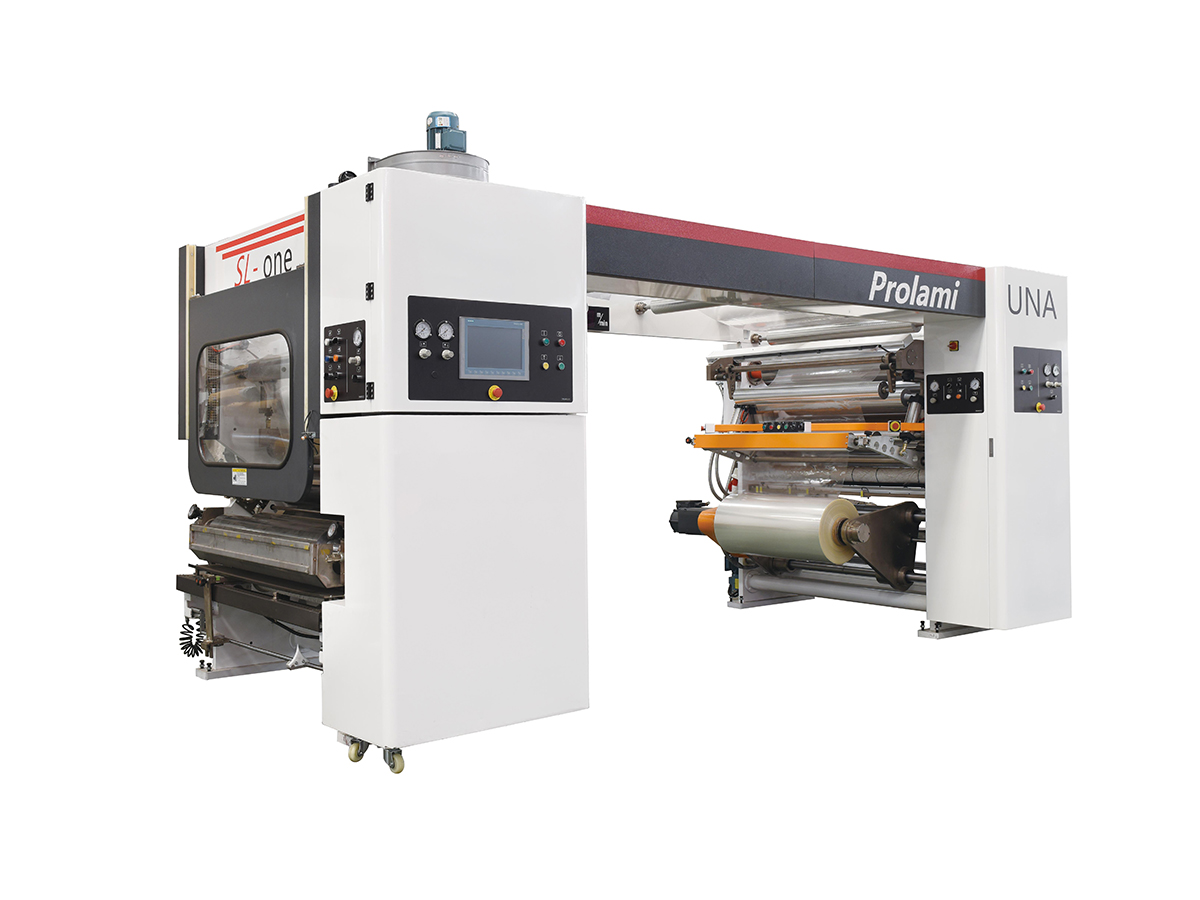
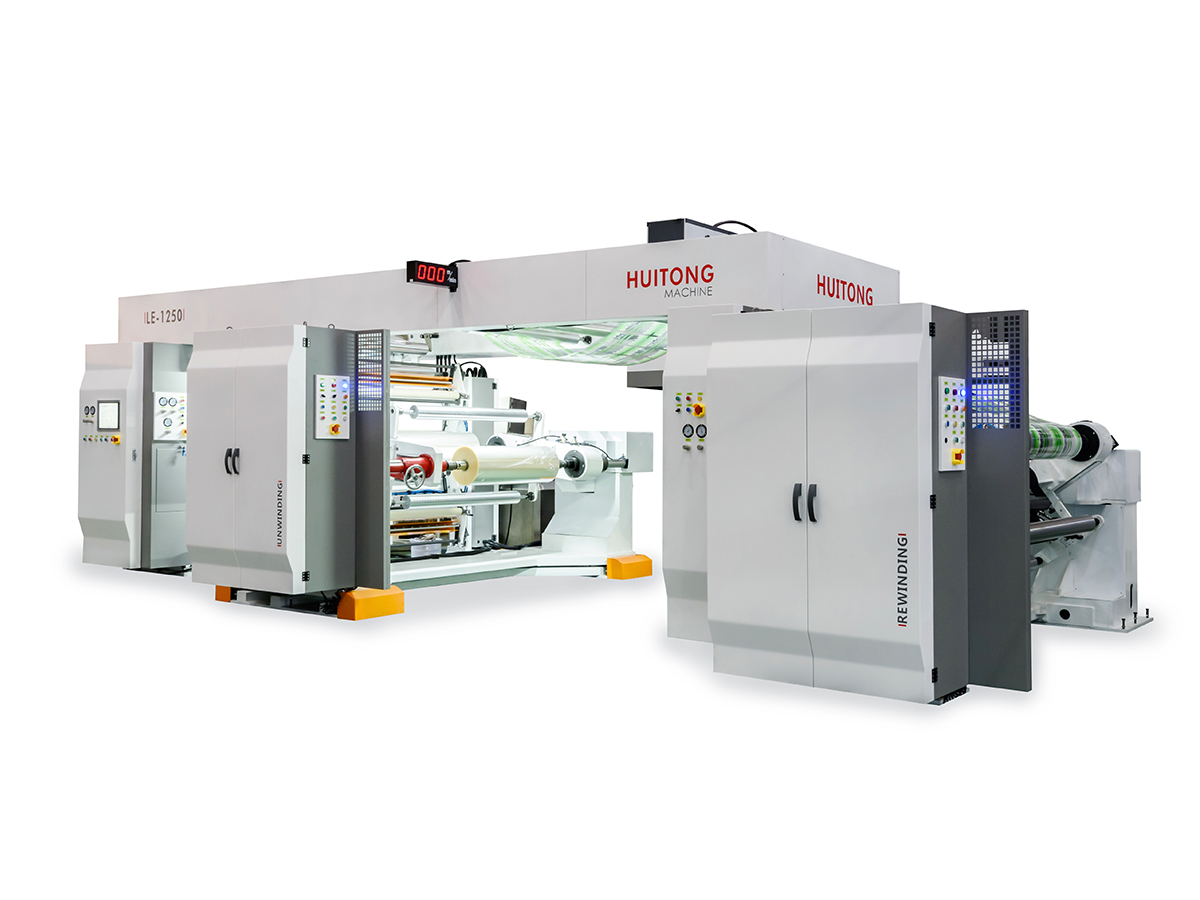
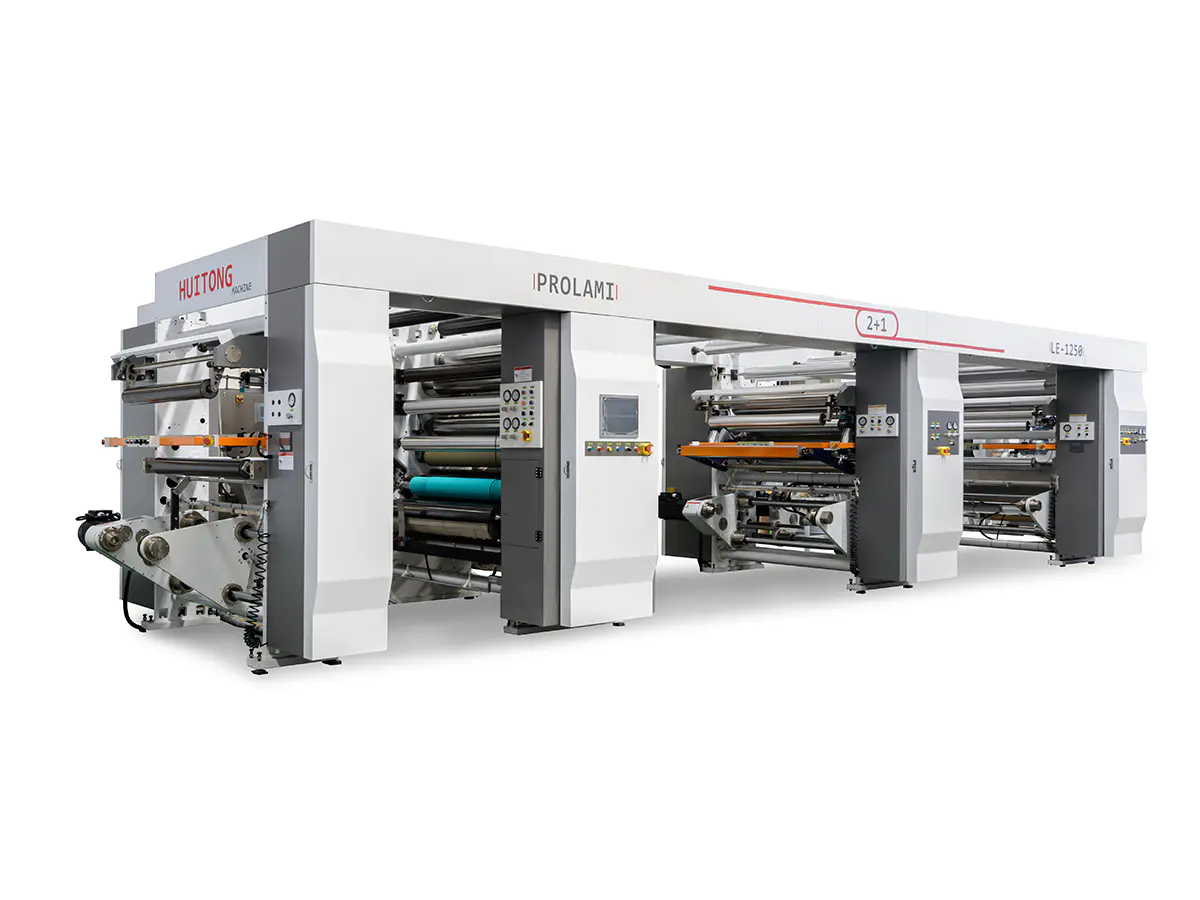
Many buyers begin their search for a solvent based dry laminating machine by comparing maximum speed and width. Those numbers matter, but they rarely explain why one line produces consistent, residue-free laminates while another struggles with wrinkles, glue waste, and failed retort tests. The difference usually lies in a handful of core functions that determine how the machine behaves under real production conditions.
Solvent-based dry lamination remains the preferred route for demanding applications. Its bond strength holds up under hot water and steam sterilization, its resistance to aggressive contents is well proven, and its optical clarity suits premium food, pharmaceutical, and personal care packaging. Although solventless systems are growing, solvent-based lines continue to dominate high-performance structures.
The gravure coating station meters the adhesive onto the film through an engraved roller. The cell geometry and roller speed set the coat weight, and consistent coat weight is the foundation of stable bond strength and a clean visual appearance. Uneven application leads to dry spots, tunneling, and streaks that surface only after the laminate is wound and printed.
Manual mixing introduces variation in adhesive solids and viscosity, which forces operators to over-apply glue as a safety margin. An automatic mixing system doses the base adhesive, hardener, and solvent in a controlled ratio and monitors viscosity in-line. Plants that move from manual to automated mixing typically report adhesive savings in the range of 10 to 20 percent, along with lower solvent evaporation losses from open mixing vessels.
| Mixing Approach | Ratio Accuracy | Typical Adhesive Waste | Operator Dependence |
|---|---|---|---|
| Manual batch mixing | Moderate | Higher | High |
| Semi-automatic dosing | Good | Moderate | Medium |
| Fully automatic mixing | Tight | Lowest | Low |
The drying tunnel has two jobs. It must evaporate the solvent quickly enough to keep line speed up, and it must remove solvent thoroughly enough that the finished laminate passes odor and migration requirements. Residual solvent is one of the most common causes of rejected food and pharmaceutical packaging, because trapped solvent can create off-odors in the contents or fail compliance testing after storage.
Multi-zone temperature control is the feature that separates a flexible drying system from a rigid one. Zones set at progressively adjusted temperatures let the coating dry gently at the entry and finish at higher heat near the exit. Heat recovery options, such as secondary air return or hot-air circulation, cut the energy consumed per kilogram of laminate, which has a direct effect on utility bills.
Heating power alone tells you very little. Ask how the exhaust system maintains negative pressure across the tunnel, how temperature uniformity is measured across the web width, and how the airflow is balanced so that the film does not flutter or cool unevenly. A tunnel with strong airflow but poor uniformity will still leave residue in the center of the roll.
Materials such as PET, BOPP, and aluminum foil respond differently to tension. Thin or heat-sensitive webs stretch under excessive pull and recover unevenly, which produces wrinkles and register drift. A closed-loop tension system uses load cells or a dancer roller to read web tension continuously and adjust the drive torque in real time. Operators who move from open-loop control to closed-loop control commonly see a meaningful drop in web breaks and wrinkle-related rejects, which is why this function appears so often in quality audits.
Tension stability is rarely noticed when it works, and almost always blamed when it fails.
A dual-unwind station lets the line prepare the next reel while the current one is running. When the first reel runs out, the splice is made on the fly, and production continues without a full stop. For plants running long orders, this reduces the number of startups per shift, and every avoided startup saves film, adhesive, and the time needed to bring the drying system back to temperature.
Solvent vapor is flammable, and a responsible machine design treats it as a constant hazard. Standard safety features include explosion-proof motors and electrical components in solvent zones, concentration monitoring that tracks the lower explosive limit, and automatic ventilation interlocks that respond when vapor levels rise. These elements are not optional extras in most regions; they are part of the compliance package that insurers and fire authorities review.
Solvent recovery units capture evaporated solvent from the exhaust stream and return it for reuse. Waste heat recovery can preheat incoming air and reduce fuel demand. Together they lower both emissions and operating cost. The return on these systems depends on solvent prices, operating hours, and local emission limits, so the business case should be modeled against your actual production schedule.
| Option | Main Benefit | Best Fit |
|---|---|---|
| Solvent recovery unit | Reduces solvent purchase and emissions | High-volume solvent use |
| Waste heat recovery | Lowers energy consumption | Continuous, long-run lines |
| Basic exhaust only | Lower initial investment | Small or intermittent production |
A well-configured machine can laminate substrates ranging from very thin films to heavier foil structures. Applications span snack packaging, retort pouches that must survive sterilization, medical blister and pouch packaging, and cosmetic tube laminates. Each application places different demands on the nip pressure, drying profile, and tension range, so flexibility is a matter of engineering choices rather than a single headline specification.
Return on investment improves when one line can serve several product tiers. A machine that handles both everyday snack structures and high-barrier pharmaceutical laminates keeps capacity utilized across the year, rather than sitting idle between seasonal orders.
Ask suppliers to separate maximum mechanical speed from realistic working speed for your structure. The gap between the two often reveals how much the drying system and tension control limit production in practice. Also request the drying tunnel length, the maximum zone temperatures, and how quickly a coating roller can be changed, since roller changeover time directly affects how many product changes your team can handle per shift.
A lower purchase price can hide higher operating costs. Weak adhesive metering leads to excess glue consumption, limited drying capacity forces slower line speed, and a basic tension system generates more rejects on thin films. Over a multi-year period, these losses frequently exceed the initial savings, especially for plants running several shifts.
| Cost Source | Low-Price Machine | Well-Specified Machine |
|---|---|---|
| Adhesive consumption | Higher variance | Controlled and repeatable |
| Line speed | Limited by drying | Matched to drying capacity |
| Reject rate on thin films | Higher | Lower with closed-loop tension |
| Changeover time | Longer | Shorter with quick-change rollers |
A high-quality solvent based dry laminating machine balances three things at once: coating precision, drying efficiency, and stable tension. When any one of these is weak, the others cannot fully compensate, and the result shows up as glue waste, slower lines, or rejected rolls. Evaluating the five functions described here gives you a practical framework for comparing configurations and understanding where your investment actually goes.
Ready to calculate the return for your specific packaging structure?
Share your substrate combination, target speed, and solvent safety requirements, and our engineers will recommend a configuration and provide a detailed quotation within 24 hours. Explore the full laminating machine range to compare options.
Final pricing for a solvent based dry laminating machine depends on working width, drying system design, and safety package. Request a customized quote rather than relying on a generic price list, since the right configuration for a 1050 mm line can differ substantially from one for a 1600 mm line.
Solvent-based systems use an adhesive dissolved in a volatile solvent, which evaporates in the drying tunnel. This route is widely used where high bond strength, heat resistance, and strong chemical resistance are needed. Solventless systems avoid solvent emissions entirely but may have different performance limits for certain sterilization or barrier requirements.
Acceptable limits depend on the target market, the packaged food, and the applicable regulations. Manufacturers typically confirm residual solvent levels through laboratory testing and align drying parameters with those targets. Working with your packaging lab and regulatory advisor is the most reliable way to set a specification.
Thin films have low stiffness and react quickly to changes in pull force. Closed-loop control continuously measures tension and adjusts drive torque, which reduces stretching, wrinkling, and web breaks. The benefit is most noticeable on thin, heat-sensitive, or metallized substrates.
It depends on solvent consumption, operating hours, and local emission rules. Small or intermittent operations often find that basic exhaust with careful solvent management is sufficient. A recovery unit usually makes more sense when solvent use is high and runs throughout the year.
Prepare your target substrates and their thicknesses, the laminate structures you run, required line speed, working width, fire classification of the installation room, and any sterilization or certification requirements. A complete brief allows the supplier to recommend a configuration that matches your actual production.
Contact Us
Recommended Products
Joining Hands With Huitong
Customize Your Flexible Packaging Equipment Solution
Inquire now
Products
contact us

Tel: +86-0510-86328508
+86-0510-86324508
Mob: +86-13914908980
Email: [email protected]
ADD: No. 429 Xizhang Road, Gushan Town, Jiangyin City, Jiangsu Province, China

 English
 русский
 Español
 عربى