Flexible packaging has become the preferred format for food, pharmaceutical, personal care, pet supply and household goods brands. Its light weight, low material consumption and strong shelf-life protection reduce shipping costs and give manufacturers real design freedom. Yet behind every stand-up pouch or sachet sits a sequence of precise industrial steps, each depending on specialized equipment.
Many buyers evaluate machines one at a time, without seeing how they connect. A rotogravure press that runs at high speed can still create bottlenecks if the slitting or inspection stage cannot keep pace. Viewing the full flexible packaging entire production line helps you match equipment capacity, film type and output goals before committing to a purchase.
This guide walks through each stage of the process, explains what equipment each stage requires and offers practical criteria for building an efficient line. The goal is to help plant managers and technical buyers make informed decisions rather than simply compare specification sheets.
Flexible packaging refers to containers whose shape changes when filled or sealed. It includes pouches, bags, wraps, sachets and rollstock films made from plastics, aluminum foil, paper or combinations of these materials. Unlike rigid containers, flexible formats use far less material by weight and collapse as product is consumed, which reduces empty-space waste.
Common application sectors include:
A complete flexible packaging manufacturing process follows a logical sequence. Each stage transforms the material closer to a finished pouch, and quality issues found late in the sequence are expensive to correct. The table below summarizes the stages before we examine each one.
| Stage | Main Purpose | Equipment Category |
|---|---|---|
| Design | Define size, structure and graphics | No machine required |
| Printing | Transfer graphics onto film | Rotogravure printing machine |
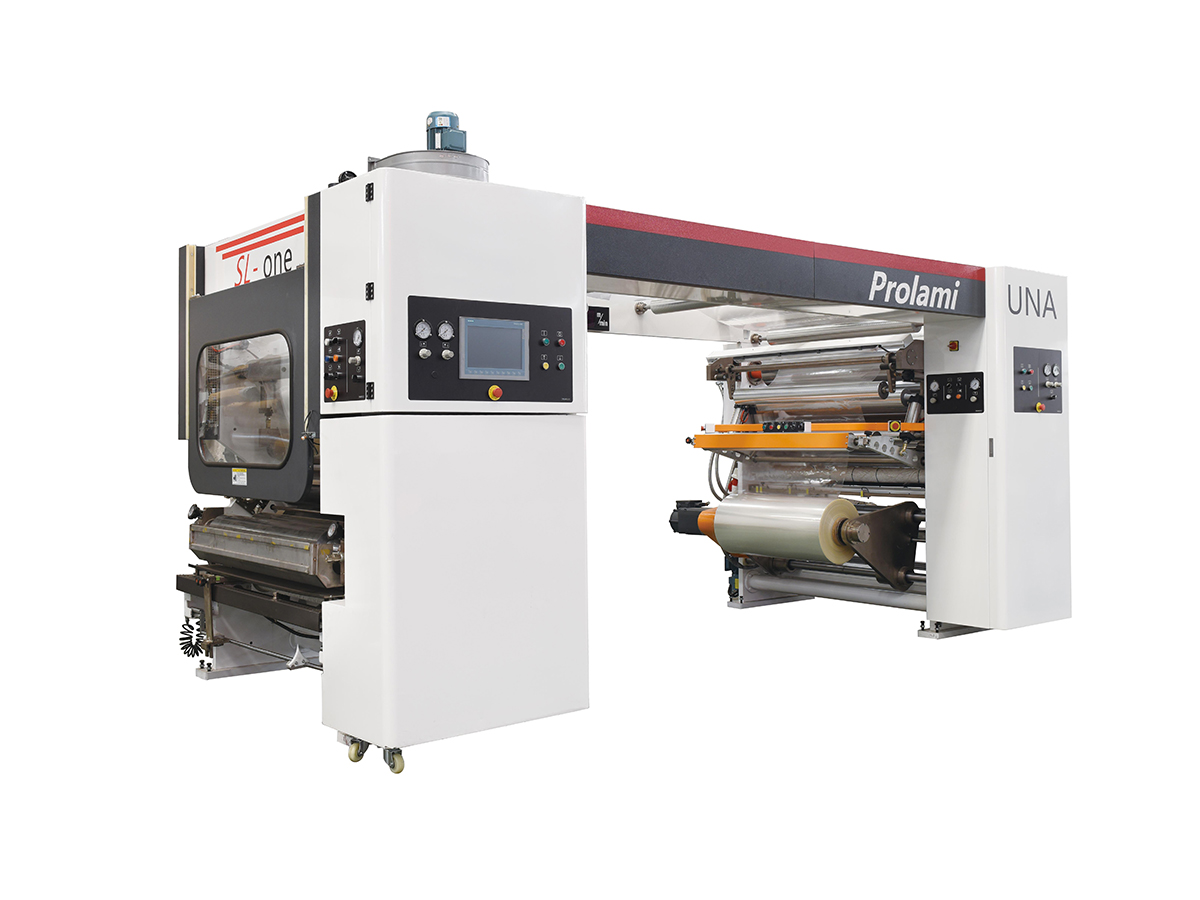
| Lamination and Coating | Build barrier and functional layers | Laminating machine, coating machine |
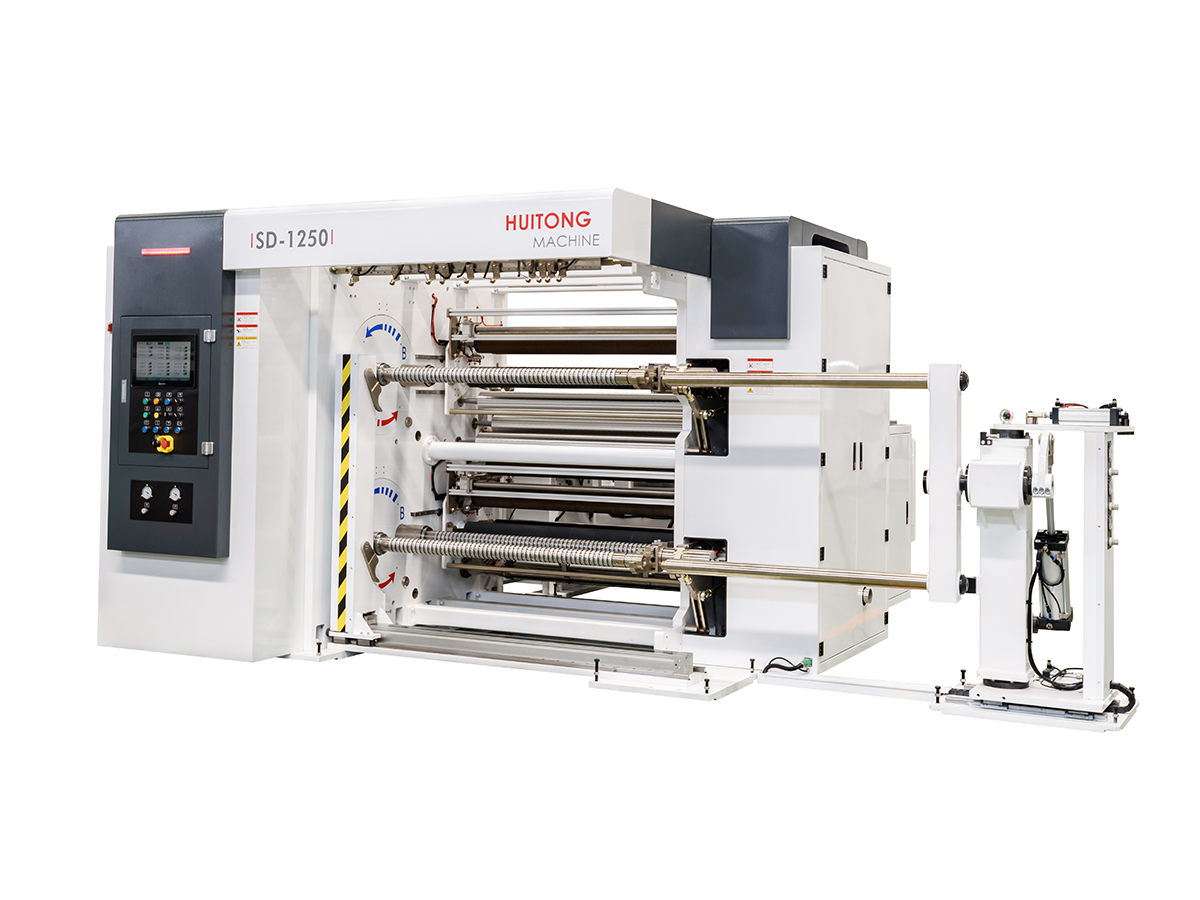
| Slitting and Rewinding | Cut master rolls to working widths | Slitting machine |
| Inspection | Detect defects before conversion | Inspection machine |
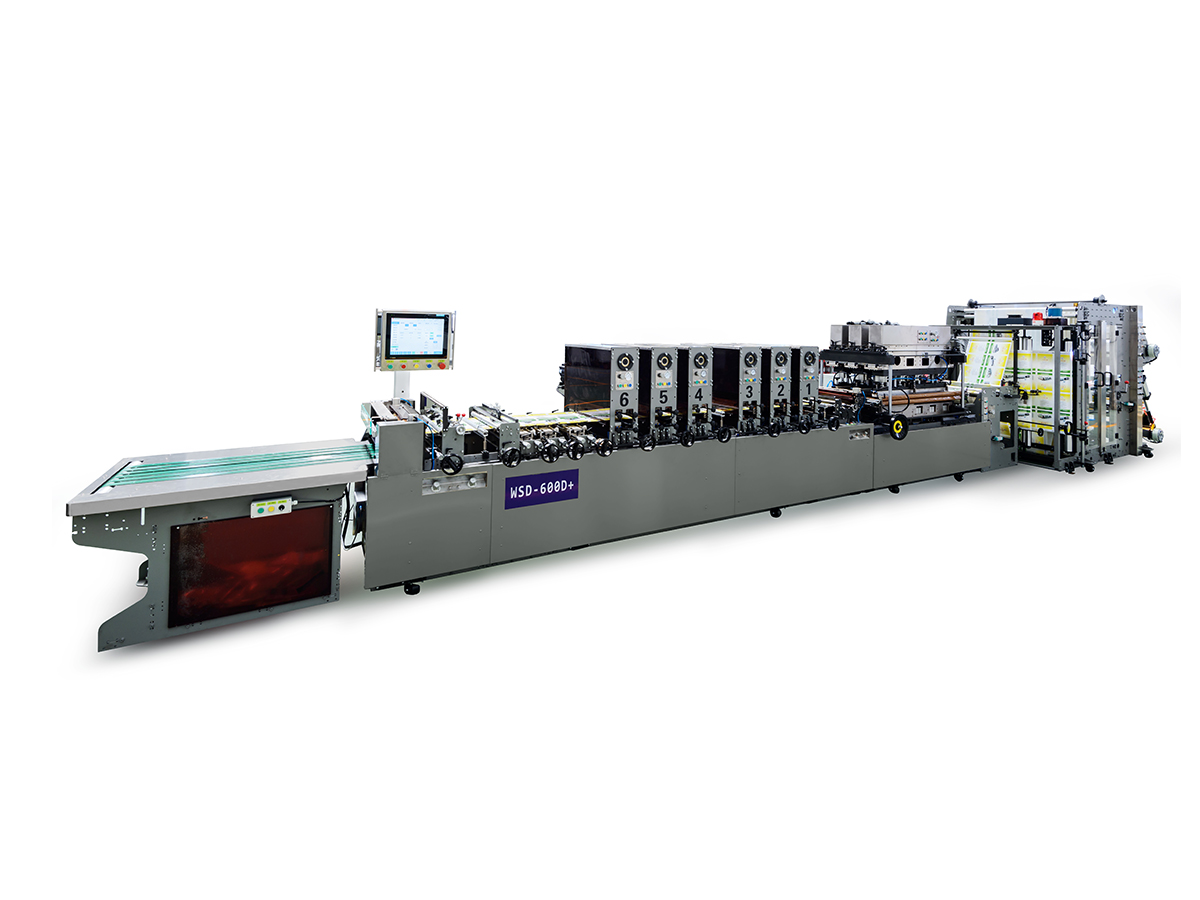
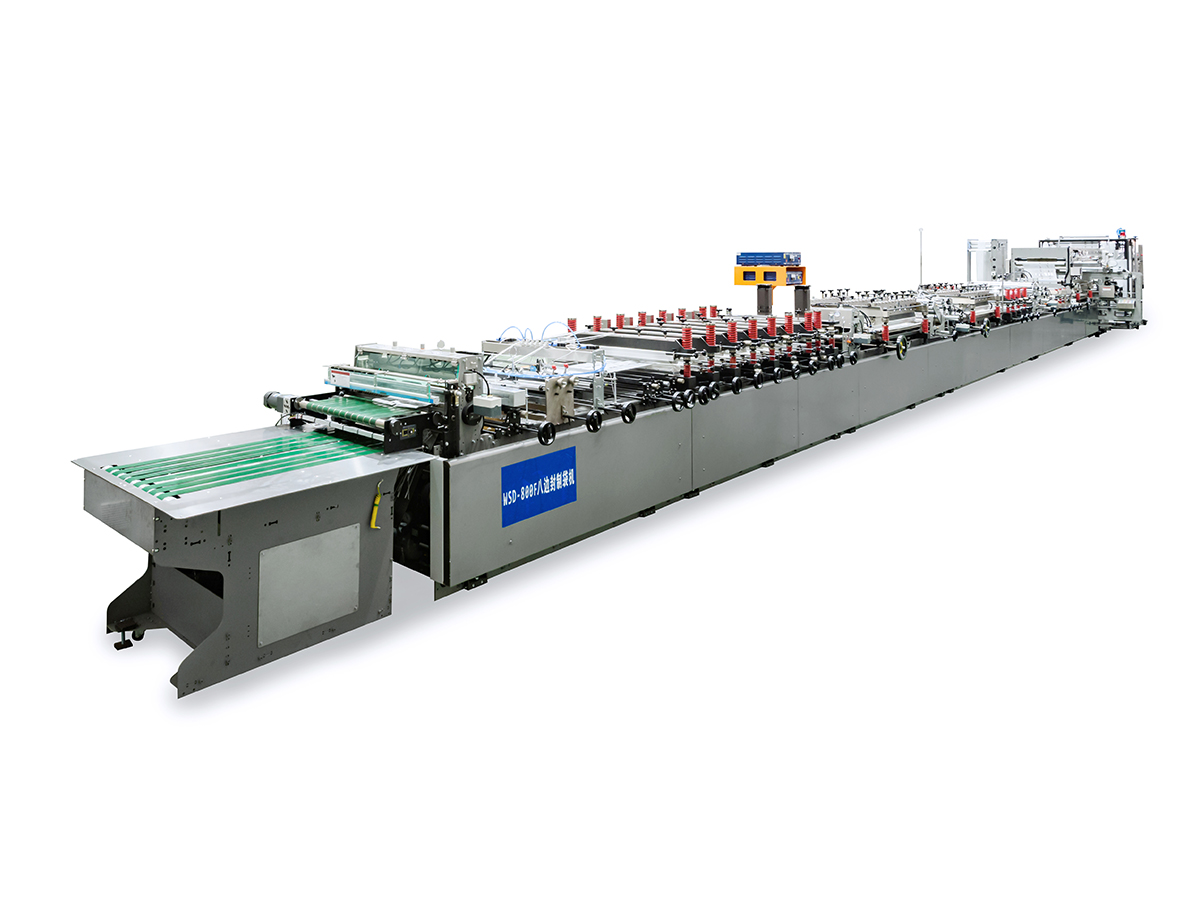
| Bag Making | Convert film into finished pouches | Bag making machine |
Design work happens before any machine starts. Teams define the pouch dimensions, graphics, color palette and typography, then choose a film structure based on the product's barrier needs. A snack item that goes stale quickly may need an aluminum-foil layer, while a dry powder may only require a moisture-resistant polymer. Special features such as spouts, resealable zippers and tear notches are also specified at this point. Once artwork and structure are approved, the files move to the printing department.
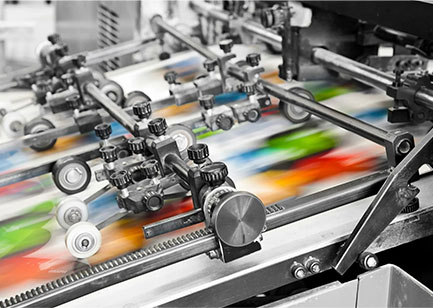
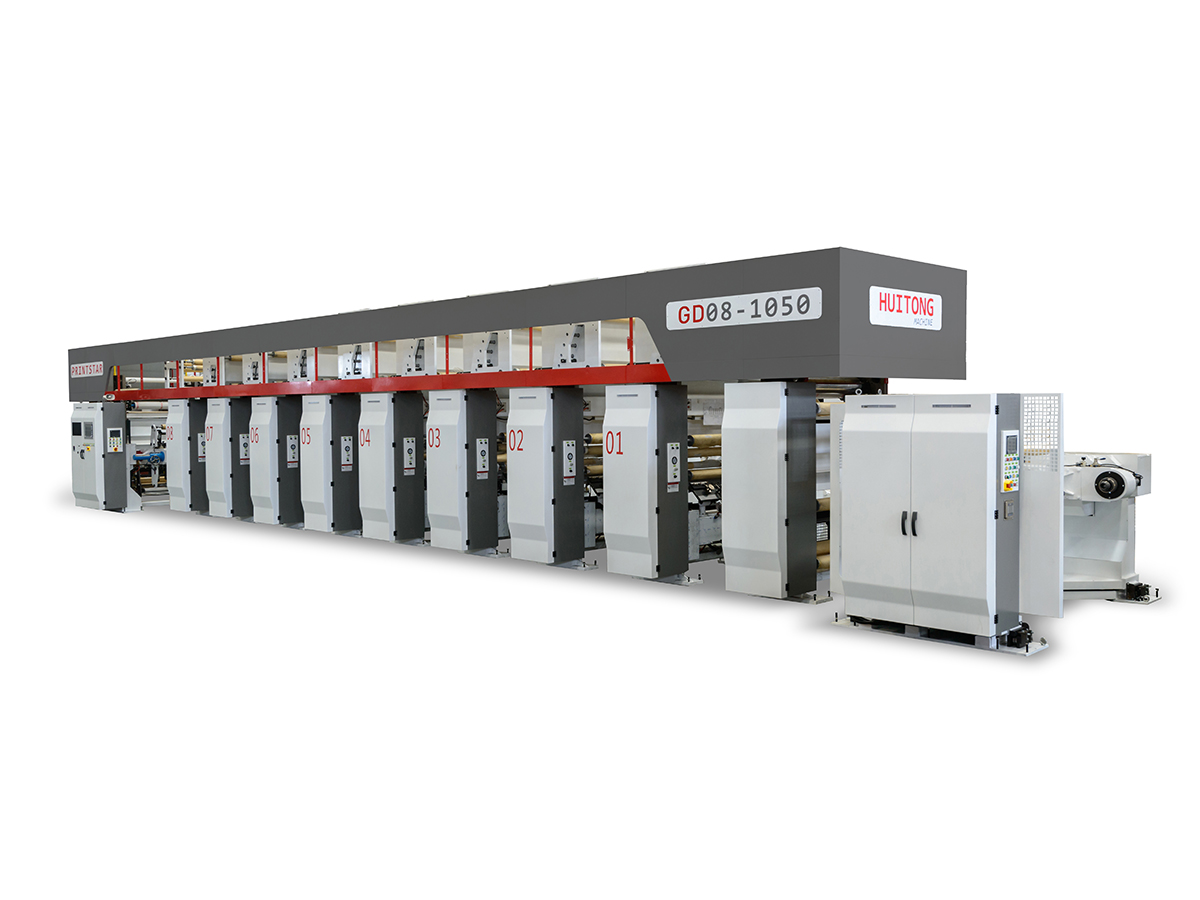
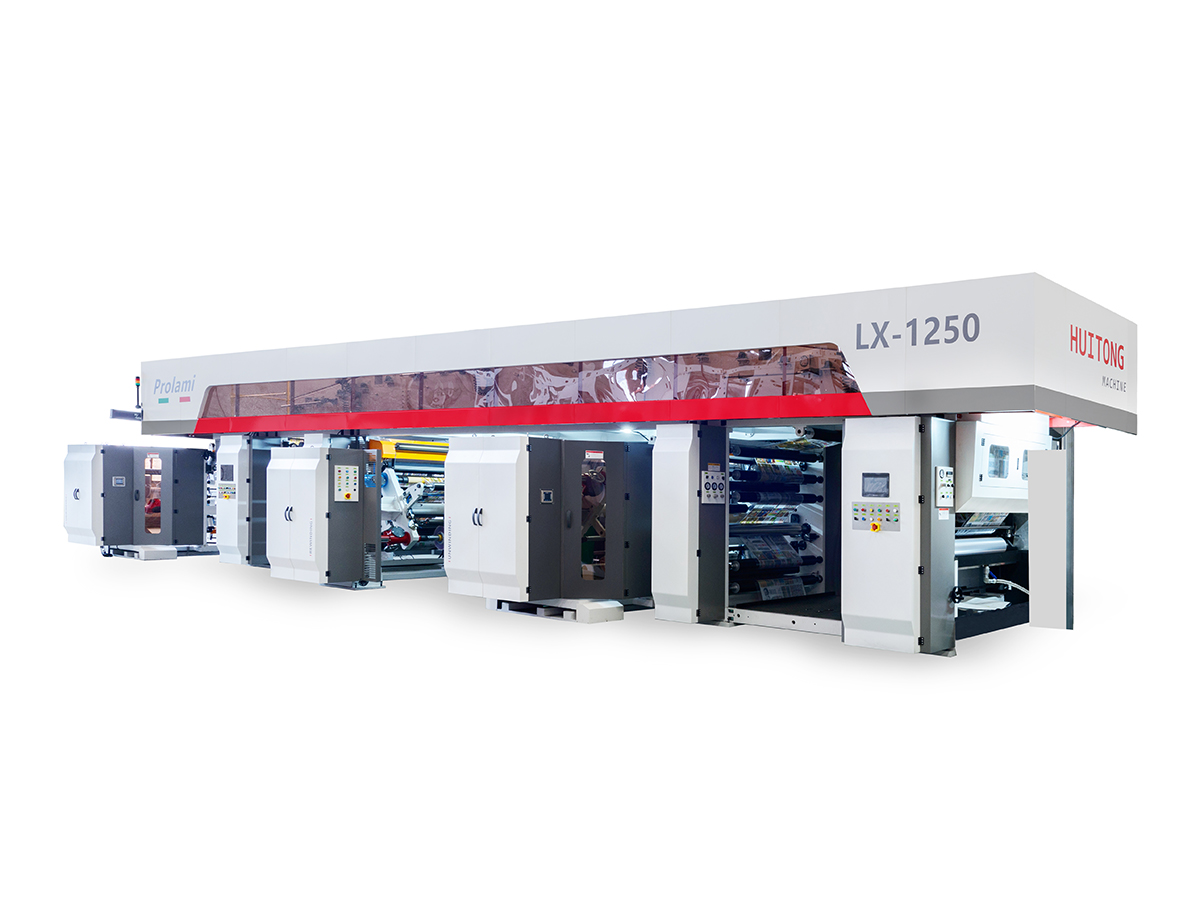
Rotogravure printing remains the benchmark for large-volume flexible packaging. The process uses engraved cylinders that carry ink into tiny cells, transferring images to the film with consistent color density. Because cylinder preparation is costly, the method pays off most on long production runs. Typical press setups use multiple color stations, and drying units cure the ink so the print resists scuffing and adheres firmly during later converting steps.
Selecting a rotogravure printing machine depends on print speed, registration accuracy, ink control and the capacity of the drying system.
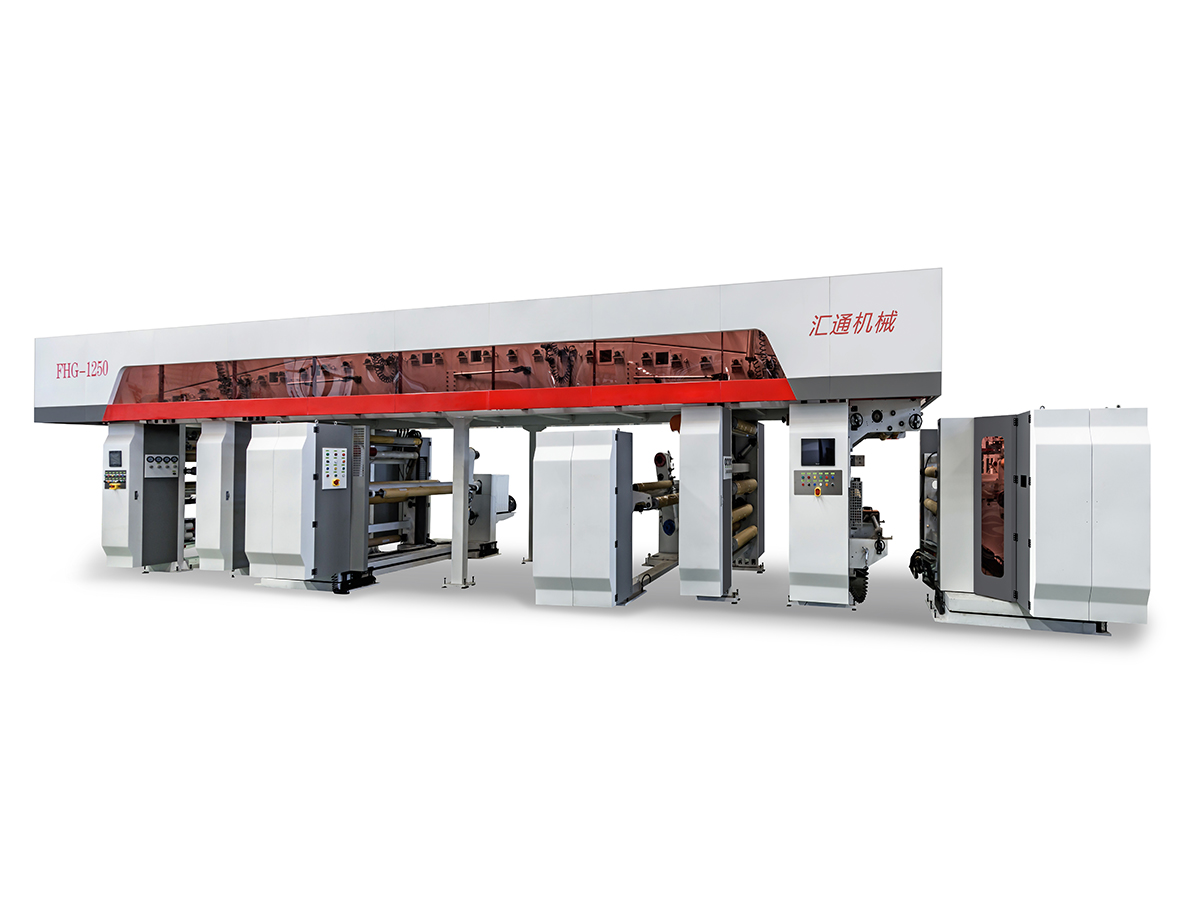
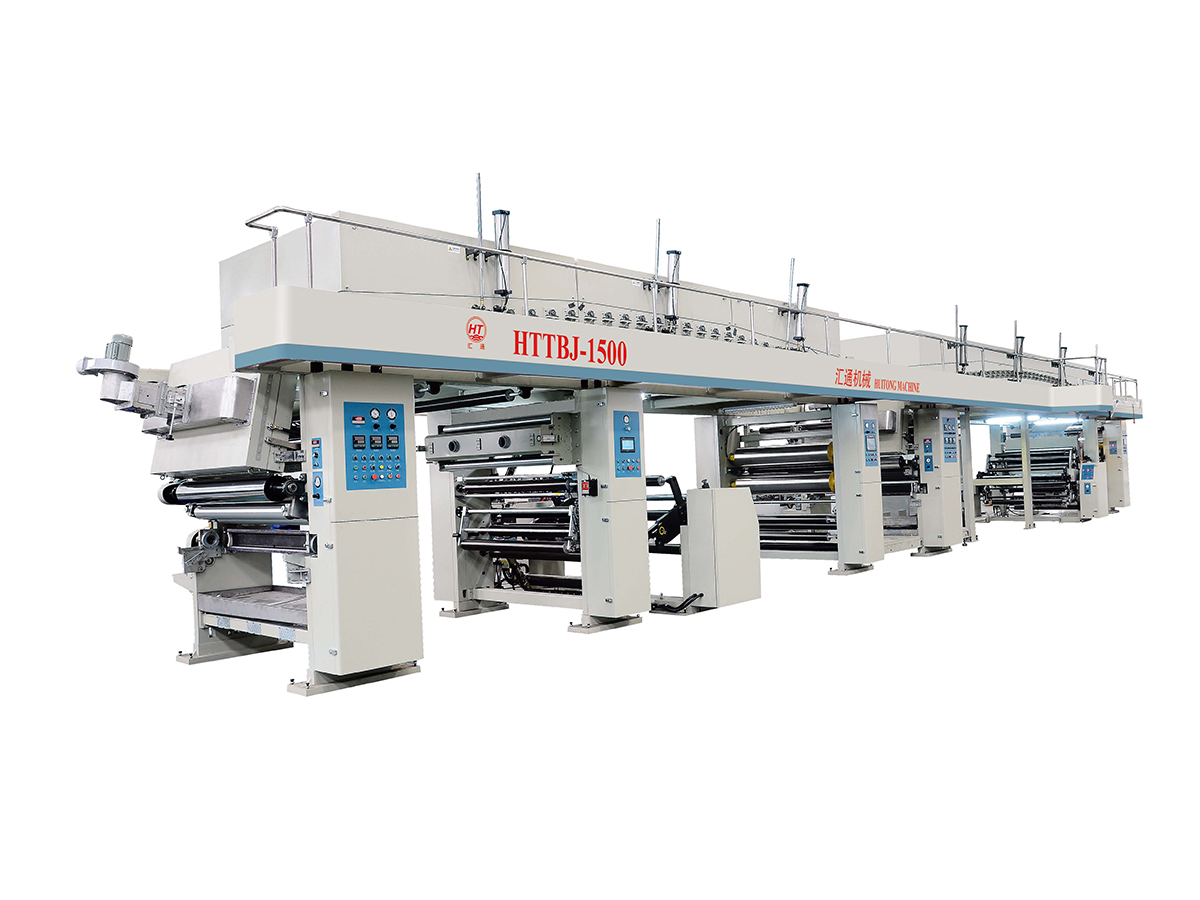
Many pouches combine several materials because no single film delivers every property. Lamination bonds two or more webs together using adhesives or heat, creating a structure in which each layer contributes strength, barrier protection or sealability. Coating applies a thin functional layer to a substrate surface, improving properties such as moisture resistance, heat sealing, UV protection, anti-fog or anti-static behavior.
Joins two or more roll substrates into one composite film, typically using adhesive application followed by curing and nip rollers.
Spreads liquid, gel or powder-based materials evenly across a film surface to add a functional property.
Adhesive choice, curing temperature and web tension all affect bond strength. Buyers should confirm whether their target structure needs solventless or solvent-based adhesive systems, since these influence drying requirements and emission controls.
Printed and laminated master rolls are often very wide. Slitting divides them into narrower reels that match the requirements of the bag-making line. A slitting machine uses tension control and precision cutting blades to produce neatly wound rolls. Accurate slitting reduces edge damage, telescoping and wrinkling, all of which lead to scrap during downstream conversion.
Common materials handled by slitting equipment include plastic film, paper, metal foil and nonwoven substrates. Tension control is the most important factor for consistent results, because uneven winding can cause creases that only become visible after pouch sealing.
Inspection catches problems before they become expensive. An inspection machine scans printed or composite film for color variation, registration errors, pinholes, streaks and dimensional deviation. Rejecting a defective roll at this stage costs far less than discovering the same flaw after the film has been converted into finished pouches. Many plants use inspection data to trace defects back to specific press or lamination runs, which supports continuous process improvement.
The final stage transforms processed film into finished packaging. Bag making machines cut, fold, seal and assemble components such as zippers, spouts and hang holes. Machines can often be configured for several formats, allowing one line to serve multiple customer orders.
| Pouch Type | Typical Feature | Common Use |
|---|---|---|
| Stand-up pouch | Bottom gusset allows upright display | Snacks, coffee, pet food |
| Flat pouch | Simple two-side seal | Sachets, single-serve goods |
| Gusseted bag | Side folds increase volume | Bulk dry goods |
| Zipper pouch | Resealable closure | Frequently opened foods |
| Spout pouch | Integrated fitment for liquids | Beverages, sauces, baby food |
Equipment works best when each stage is sized to match the next. A press that prints faster than the laminator can consume will create a backlog, while an oversized slitter sitting idle adds cost without benefit. The sequence below illustrates the typical flow of material through a converting plant.
Many manufacturers add equipment in phases. Starting with printing and bag making, then adding lamination, coating and inspection as volume grows, can spread capital investment over time while maintaining product consistency.
Consistent printing, bonding and sealing keep finished pouches uniform from batch to batch.
Matched speeds across stages shorten lead times and reduce idle equipment.
Tight tension control and early inspection limit scrap at every stage.
A single line can often produce several pouch styles for different customers.
Flexible packaging is a container format that changes shape when filled or sealed, such as pouches, bags and wraps. It typically uses multi-layer film structures that protect product while using less material than rigid alternatives.
The sequence runs from design to printing, lamination and coating, slitting and rewinding, inspection and finally bag making. Each stage prepares the material for the next and contributes to the final quality of the pouch.
Rotogravure printing delivers consistent color density and stable registration across long runs. Its cost per unit falls as volume rises, which makes it well suited to high-volume orders.
A complete line typically includes a rotogravure printing machine, a laminating machine, a coating machine, a slitting machine, an inspection machine and a bag making machine. The exact combination depends on product structure and output targets.
Precise tension control in slitting, accurate registration in printing and early defect detection with inspection equipment all reduce scrap. Matching machine speeds across stages also prevents material from piling up or running short.
Flexible packaging manufacturing combines precise material science with carefully sequenced machinery. Equipment accuracy and capacity directly shape product quality and plant profitability. As market demands evolve, selecting machinery that fits your order profile is one of the most effective ways to stay competitive.
If you are planning a new line or upgrading existing equipment, review the full flexible packaging entire production line range and compare options against your product structure, volume and quality targets.
Contact Us
Recommended Products
Joining Hands With Huitong
Customize Your Flexible Packaging Equipment Solution
Inquire now
Products
contact us

Tel: +86-0510-86328508
+86-0510-86324508
Mob: +86-13914908980
Email: [email protected]
ADD: No. 429 Xizhang Road, Gushan Town, Jiangyin City, Jiangsu Province, China

 English
 русский
 Español
 عربى