English
 русский
 Español
 عربى

Daily Maintenance Priorities
Material contact surfaces Clean and inspect
Web guiding components Check alignment
Unwinding and rewinding Check operation
Safety devices Verify function
Inspection records Update documentation
Maintaining consistent print quality is a critical requirement in flexible packaging manufacturing. During continuous printing, laminating, slitting and rewinding operations, defects such as misregistration, wrinkles, scratches, ink contamination and material tears can affect the appearance and usability of finished packaging. If these problems remain undetected, they may lead to material waste, production interruptions, customer complaints and additional processing costs. An inspection machine provides a controlled method of examining moving web materials, identifying visible defects and supporting quality decisions before defective sections enter subsequent production stages.
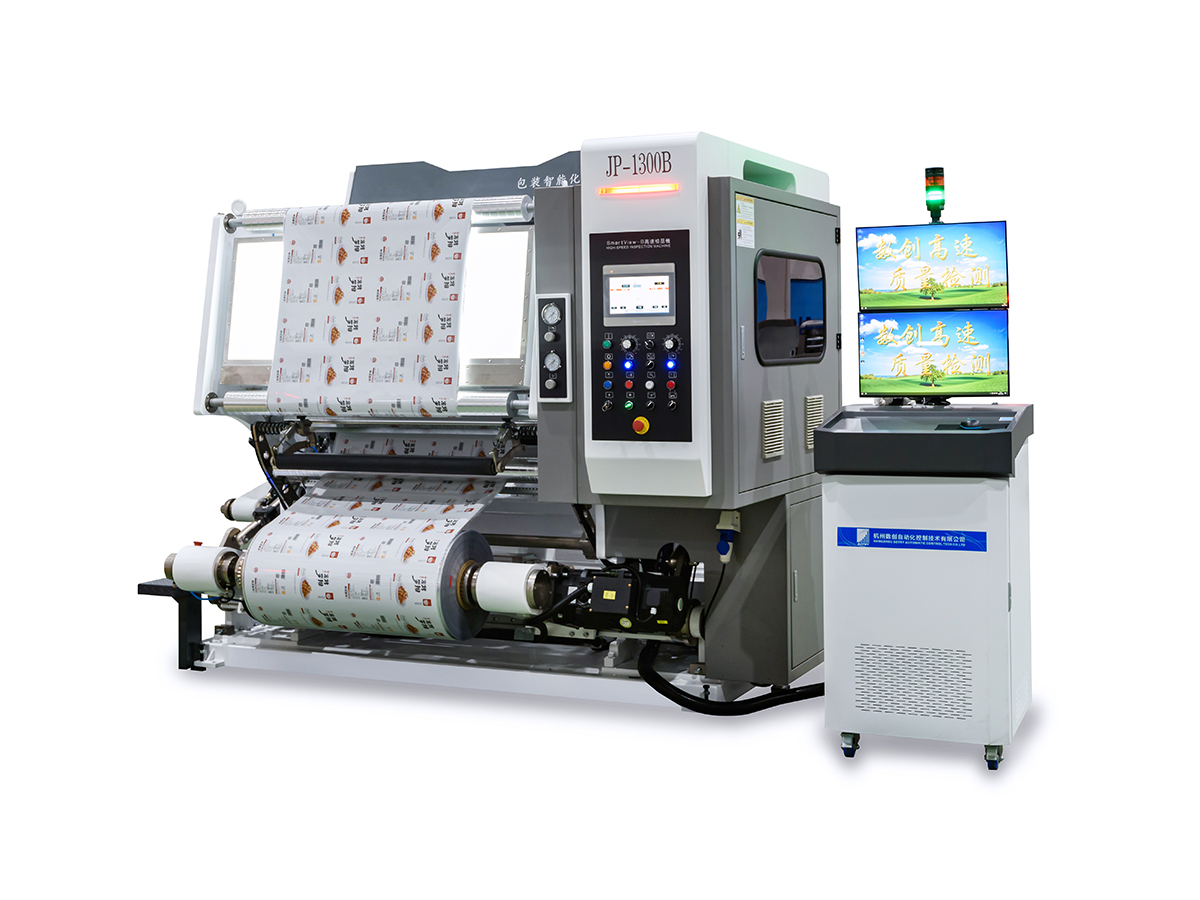
A high-speed inspection machine is particularly relevant to manufacturers handling large rolls of printed plastic film, laminated structures and other flexible packaging materials. By combining controlled unwinding, web guiding, visual observation, defect identification and rewinding, it allows operators to examine materials while maintaining production continuity. The SV-B high-speed inspection machine is designed around a maximum inspection speed of 350 m/min, a rewinding width of 1250 mm and unwinding and rewinding diameters of up to 800 mm. Its German BST deviation correction configuration supports web alignment during operation.
However, selecting suitable inspection equipment involves more than comparing running speeds. Material characteristics, defect categories, roll dimensions, inspection methods, rewinding requirements and operator workflows all influence the final configuration. Understanding these factors helps packaging manufacturers determine whether an inspection system can meet their actual production requirements.
Flexible packaging production involves multiple processes in which defects can be introduced or become more visible. Printing conditions, substrate properties, tension variations, lamination quality and handling operations all influence the final roll. Even when upstream equipment operates within its normal production range, individual defects may still occur because of changes in material behavior, environmental conditions or process stability.
An inspection machine creates an additional quality control stage in which the processed web can be examined before delivery or further conversion. Instead of relying entirely on sampling, operators can inspect a continuous length of material and identify defective sections that require marking, removal or further evaluation.
Manual inspection remains useful in many packaging factories, particularly for checking samples, investigating unusual defects and evaluating material appearance. However, depending exclusively on manual inspection can create operational limitations when production volumes increase.
Mechanized web handling provides a more organized working environment for inspecting long rolls. The operator can observe the moving material under controlled conditions, identify questionable areas and coordinate corrective actions with the production team. The objective is not simply to increase inspection speed, but to establish a repeatable process that supports material quality and production planning.
Inspection results are valuable only when they can be translated into practical production decisions. For example, a printed film roll containing intermittent contamination may need localized defect removal, while a roll with repeated registration problems may require feedback to the printing department.
By identifying the nature and location of defects before the material reaches the next production stage, manufacturers can make better decisions about roll acceptance, rework, segregation and process adjustment. This is particularly important for packaging materials used in food, pharmaceutical and personal care applications, where visual consistency and material integrity form part of the customer's quality requirements.
An inspection machine should be evaluated as part of the complete production quality system. Its effectiveness depends on inspection conditions, operator procedures, defect classification standards and the corrective actions available after a problem is identified.
A high-speed inspection machine processes flexible materials through a controlled web path. The material is unwound from its original roll, guided through the inspection area and rewound onto a receiving shaft. During this movement, the operator or configured inspection system examines the material surface and identifies defects according to the production quality requirements.
Although equipment configurations differ, the working process generally consists of several interconnected stages. Each stage contributes to stable material transportation, clear observation and properly controlled roll formation.
The inspection process begins with the installation of the incoming material roll. The roll must be positioned correctly, and its width, diameter, winding direction and material condition should be checked before operation.
Correct roll installation helps prevent problems such as uneven feeding, edge damage and unstable material movement. Operators should also verify that the material is suitable for the selected inspection settings. Thin films, laminated materials and printed substrates may respond differently to tension and guiding adjustments.
Web alignment is essential when processing flexible packaging films. If the material moves laterally during operation, its position within the inspection area may change, making visual observation and subsequent rewinding less consistent.
A web guiding system detects deviations in material position and coordinates corrective movement to maintain the intended web path. The SV-B configuration uses a German BST deviation correction system. This arrangement supports stable edge positioning and helps reduce alignment-related handling problems during continuous operation.
When evaluating a web guiding configuration, manufacturers should consider the material width, edge characteristics, roll condition and the stability of the incoming web. Correct sensor positioning and appropriate operating settings are also necessary for reliable correction.
Once the material enters the inspection area, operators examine the printed or laminated surface. Inspection conditions should provide sufficient visibility to distinguish acceptable material variations from defects that violate the customer's specifications.
Depending on the equipment configuration, inspection may rely on operator observation, auxiliary visual systems or integrated automated inspection functions. The supplied application requirements should determine which method is appropriate.
For manufacturers considering AI vision inspection, it is important to distinguish between visual assistance and verified automatic detection performance. An automated system requires suitable cameras, lighting, image processing, defect classification settings and validation using representative production samples. Detection capability should not be assumed without confirming the actual configuration.
After inspection, the material is collected onto a rewinding shaft. The objective is to form a roll that meets the required winding condition while preserving material integrity.
Rewinding quality is influenced by tension control, roll alignment, material thickness, surface friction and the physical properties of the substrate. Excessive or insufficient tension may result in telescoping, wrinkles, loose winding or other roll defects. These conditions can complicate storage, transportation and subsequent converting operations.
For practical production management, operators should record the inspected roll identification, material specification, defect locations and any sections requiring further treatment. This information makes it easier to coordinate inspection results with printing, lamination and slitting departments.
The actual mechanical arrangement and inspection functions depend on the selected machine configuration.
Defect inspection for printed film involves identifying surface, printing and material abnormalities that may affect packaging appearance or functional quality. Different defects have different causes, and the inspection method should be selected according to the material structure and the quality criteria defined by the manufacturer.
For example, a printing defect may originate from ink transfer or registration instability, while a material defect may result from substrate damage, handling or lamination conditions. Identifying the defect category is an important first step toward determining the appropriate corrective action.
Color layers or printed patterns do not align correctly, resulting in blurred edges, displaced graphics or inconsistent visual details.
Unwanted ink spots, stains or foreign marks appear on the printed surface and affect the visual cleanliness of the packaging.
Changes in printed color appearance may occur across the roll, requiring evaluation against approved samples and color specifications.
Some graphic elements, text or printed areas are incomplete or absent because of interruptions in the printing process.
Not necessarily. The detection capability of an inspection machine depends on the inspection method, lighting arrangement, camera resolution where applicable, material characteristics and defect recognition settings. A system designed for visible surface abnormalities may not identify internal bonding problems or hidden defects within an opaque laminate.
Similarly, transparent films, reflective substrates, metallic materials and glossy printed surfaces may require different illumination and observation conditions. Defects with low contrast or very small dimensions may need specialized inspection arrangements.
Manufacturers should therefore prepare representative defect samples before purchasing equipment. These samples should include normal material variations as well as actual defects that the production team needs to identify. Testing the samples under operating conditions provides a more reliable basis for evaluating detection suitability than relying on general equipment descriptions.
Do not assume that a high running speed automatically guarantees complete defect detection. Maximum mechanical speed, inspection visibility, automated recognition capability and acceptable defect size are separate performance considerations that should be verified independently.
Technical specifications provide the starting point for determining whether an inspection machine can match a packaging factory's material dimensions and production requirements. However, individual parameters should always be evaluated together. A machine with sufficient running speed may still be unsuitable if its working width, roll capacity or material handling arrangement does not match the incoming production rolls.
The following table summarizes the available technical information for the SV-B high-speed inspection machine. Configuration details beyond the supplied specifications should be confirmed with the equipment manufacturer before finalizing an order.
| Technical Item | SV-B Specification | Purchasing Consideration |
|---|---|---|
| Maximum Inspection Speed | 350 m/min | Suitable speed range should be evaluated against actual inspection requirements. |
| Rewinding Width | 1250 mm | Check compatibility with the width of incoming film rolls. |
| Unwinding Diameter | Up to 800 mm | Confirm incoming roll dimensions and loading requirements. |
| Rewinding Diameter | Up to 800 mm | Consider finished roll requirements and downstream handling. |
| Web Guiding System | German BST deviation correction | Supports material position correction during web transportation. |
| Rewinding Structure | Multiple structural configurations | Selection depends on slitting, rewinding and production requirements. |
| Customization | Available according to requirements | Confirm technical feasibility and configuration before ordering. |
The maximum running speed is an important parameter for factories processing large quantities of flexible packaging materials. A 350 m/min inspection machine provides a stated maximum speed that can support high-throughput production planning.
Nevertheless, the maximum specification should not be confused with the recommended inspection speed for every material. Actual operating speed may need adjustment according to defect visibility, film thickness, substrate stability, lighting conditions, roll diameter and operator response requirements.
For example, a relatively stable printed film with clearly visible defects may be inspected at a higher speed than a material requiring close examination of subtle color differences. Production trials can help determine the appropriate balance between inspection efficiency and defect identification reliability.
Working width determines whether the equipment can accommodate the material dimensions required by a particular packaging line. A 1250 mm rewinding width should be compared with the maximum incoming material width, edge condition, usable inspection area and required finished roll dimensions.
It is also important to clarify whether the quoted width represents the effective material width or another mechanical dimension. Purchasing teams should provide actual roll specifications rather than relying only on nominal film dimensions.
The unwinding and rewinding diameter affects roll capacity, loading arrangements and production continuity. A maximum diameter of 800 mm provides a reference for evaluating incoming and finished rolls.
Before ordering, manufacturers should confirm the core diameter, roll weight, material thickness and loading method. These details influence whether the machine can handle the intended rolls safely and efficiently.
Flexible packaging manufacturers may have different requirements for finished roll separation, material collection and subsequent processing. Some production tasks prioritize the inspection of full-width rolls, while others require additional slitting or customized rewinding arrangements.
The selection of a suitable structure should consider finished roll width, winding direction, core dimensions, roll diameter and downstream equipment compatibility. Customization should be based on a documented production specification to avoid unnecessary mechanical complexity.
Choosing an inspection machine for plastic film requires a clear understanding of the materials being processed and the quality standards expected by customers. Flexible packaging includes a wide range of substrates and laminated structures. Their optical properties, mechanical strength, thickness and surface characteristics can vary considerably.
As a result, a configuration that works well for one printed film may not provide the same inspection conditions for another material. A systematic evaluation can reduce purchasing risks and help ensure that the equipment matches the actual production environment.
The first step is to list every material category that the equipment will process. Common examples include printed plastic films, transparent films, laminated packaging materials, coated substrates and other flexible web materials.
For each category, the purchasing team should record its thickness range, width, roll diameter, surface finish, transparency and typical defect characteristics. These details help the manufacturer assess material compatibility and identify any special inspection requirements.
Not all packaging factories need to identify the same defects. One manufacturer may focus on printing appearance and registration, while another may prioritize tears, wrinkles, surface contamination or lamination-related visual abnormalities.
A useful defect specification should include the following information:
Providing actual defect samples is especially useful. Photographs can support preliminary communication, but physical samples are more suitable for evaluating material behavior, surface reflection and inspection visibility.
The required inspection speed should be determined by the production volume, average roll length, inspection frequency and available operating time. Purchasing a machine with a high maximum speed does not automatically reduce the total inspection cycle if material loading, defect evaluation or roll changeover remains inefficient.
Factories should assess the complete working cycle, including preparation, threading, acceleration, steady operation, deceleration, defect handling and unloading. This provides a more realistic understanding of equipment productivity than comparing maximum speeds alone.
Flexible materials are sensitive to changes in tension and lateral positioning. Thin films may stretch or wrinkle under unsuitable operating conditions, while laminated materials may require more careful handling to maintain roll quality.
Purchasing teams should explain the material properties, incoming roll condition and expected running speed. The web guiding arrangement should be assessed alongside the unwinding and rewinding structure rather than as an isolated component.
An inspection machine may operate as a standalone quality control station or as part of a broader converting workflow. Its physical layout, roll loading arrangement, material direction and finished roll handling should be compatible with the factory's existing production environment.
Manufacturers should also consider available floor space, electrical requirements, operator access, maintenance clearance and material transportation routes. These practical details influence installation efficiency and daily operation.
A flexible packaging inspection machine is used in production environments where roll-based materials require visual quality verification. Its suitability depends on the mechanical configuration, working width, roll capacity and inspection requirements of each application.
Food packaging materials often contain printed graphics, product information, branding elements and multiple material layers. Appearance defects can affect the presentation of the finished package, while material damage may require additional quality evaluation.
Inspection can help manufacturers identify printing abnormalities, contamination, wrinkles and other visible problems before the material enters pouch making or other converting processes. Consistent inspection records also support communication between printing, lamination and packaging departments.
Pharmaceutical packaging requires careful control of printed information, visual consistency and material condition. Missing text, displaced graphics and visible contamination may result in material rejection or additional verification requirements.
An inspection stage can support the examination of printed flexible materials before further processing. However, visual inspection should not be treated as a replacement for specialized pharmaceutical quality systems, regulatory validation or tests designed to verify barrier properties and material safety.
Packaging for detergents, cosmetics, tissues and household products frequently uses printed film and laminated substrates. Product presentation, graphic alignment and surface appearance are important considerations in these applications.
Inspection equipment can help identify visible print defects, surface scratches, folds and material damage. The appropriate inspection criteria should be established according to the customer's artwork approval and finished packaging specifications.
Printed plastic film is widely used for bags, pouches, sachets and other flexible packaging formats. Laminated structures may combine different functional layers to meet specific mechanical, barrier and printing requirements.
Because these materials undergo multiple processing stages, defects may originate at different points in the manufacturing workflow. Inspection after printing or lamination can help identify visible abnormalities and prevent unsuitable material from proceeding to subsequent operations.
Printed films, pouches and laminated rolls
Printed packaging substrates and roll materials
Cosmetic, detergent and household packaging films
Plastic film, coated substrates and laminates
Production efficiency should be measured through more than the amount of material processed per minute. A well-organized inspection process also influences defect containment, material utilization, labor allocation, roll quality and coordination between production departments.
When defects are identified before material reaches downstream converting processes, manufacturers have more opportunities to determine whether the affected sections can be removed, reworked or segregated. This helps prevent additional processing resources from being spent on material that may eventually be rejected.
For example, if a printed roll contains intermittent ink contamination, inspection records can help operators identify affected sections and communicate their positions to the next processing department. The actual amount of recoverable material depends on defect distribution, customer requirements and the available rework method.
Uncontrolled defect management can result in excessive rejection, unnecessary trimming or repeated inspection. A structured process helps production teams distinguish between acceptable variations and defects requiring corrective action.
Clear defect classification is particularly important when the material contains localized imperfections. Instead of automatically rejecting an entire roll, quality personnel can evaluate the severity and distribution of defects according to established acceptance standards.
For factories processing long rolls, equipment speed influences the time required for inspection. The SV-B specification of up to 350 m/min provides a reference for high-speed web inspection applications.
Actual productivity depends on more than the maximum running speed. Roll changes, material preparation, operator response, inspection complexity and the frequency of defective sections all influence the total working cycle. Production planning should account for these factors when estimating capacity.
Inspection records can provide useful information for production analysis. When defects are classified and their positions are recorded, quality teams can compare findings across different rolls, production batches and processing stages.
Repeated defects may indicate problems with printing conditions, material handling, tension control or upstream process stability. Sharing this information with the relevant departments supports more targeted troubleshooting and helps prevent recurring quality issues.
Flexible packaging factories do not always process identical roll dimensions or material structures. Different orders may require different finished widths, winding directions, core sizes and inspection procedures.
Customized slitting and rewinding structures can help adapt the equipment to specific production workflows. However, the configuration should be developed around documented requirements. Excessive customization without a clear operational purpose may increase maintenance complexity and purchasing costs.
| Evaluation Area | Manual Inspection | Mechanized Inspection |
|---|---|---|
| Material Movement | May require additional manual handling | Controlled unwinding and rewinding |
| Inspection Continuity | Depends on operator workflow | Supports continuous roll processing |
| Web Alignment | Depends on handling arrangements | Can use a dedicated web guiding system |
| Defect Management | Requires manual recording and coordination | Can support standardized inspection procedures |
| Production Adaptability | Flexible for small-scale checks | Suitable for organized roll inspection workflows |
The two methods can complement each other. Mechanized equipment does not eliminate the need for operator judgment or quality verification.
Inspection accuracy is determined by the complete inspection environment rather than one isolated machine specification. As web speed increases, operators and inspection systems have less time to observe individual material areas. Stable material movement, suitable lighting and clearly defined defect criteria become increasingly important.
Unstable material movement can create wrinkles, vibration and inconsistent positioning within the inspection area. These conditions may make it difficult to distinguish actual product defects from temporary movement or deformation.
Appropriate tension settings should be established according to substrate properties and roll conditions. Thin films may require more careful handling than relatively rigid materials. Excessive tension should be avoided because it can stretch or damage flexible substrates.
Lighting conditions influence the visibility of printed and material defects. Glossy, transparent, metallic and dark-colored substrates may reflect or transmit light differently, affecting the appearance of small defects.
For visual inspection systems, lighting should be selected according to the material surface and the defects that need to be identified. The inspection area should also minimize unwanted reflections and maintain consistent observation conditions.
Increasing speed may improve throughput, but it can also reduce the time available for detailed observation. The practical inspection speed should therefore reflect the difficulty of the inspection task rather than simply the machine's maximum capability.
Operators should receive training in defect identification, material handling, machine adjustment and abnormal condition response. Standard operating procedures help ensure that inspection decisions remain consistent across shifts.
Without clearly defined acceptance standards, different operators may interpret the same material condition differently. Manufacturers should establish defect categories, acceptable limits and handling procedures before routine inspection begins.
Approved samples, visual reference guides and documented inspection records can help align quality judgments between departments. These measures are also useful when communicating quality requirements with customers and suppliers.
Routine maintenance is essential for keeping inspection equipment in a stable operating condition. Flexible packaging materials can generate dust, ink residues and other contaminants during processing. If these materials accumulate around rollers, sensors or guiding components, they may affect machine operation and inspection conditions.
Operators should monitor material tracking, roll formation, running stability and unusual mechanical noise. Changes in web position, tension or winding appearance should be investigated rather than ignored.
Defective material should be handled according to the established inspection procedure. If a recurring defect is identified, the operator should record the relevant information and notify the responsible production or quality personnel.
When the inspection task is complete, accumulated dust and residues should be removed using appropriate cleaning methods. The inspection area, material contact surfaces and accessible mechanical components should be checked for contamination or wear.
Finished rolls should be identified and stored according to material specifications and factory procedures. Inspection records should include roll information, defect findings, operating abnormalities and maintenance activities where applicable.
Periodic maintenance should follow the equipment manufacturer's recommendations. Relevant tasks may include checking mechanical fasteners, inspecting bearings and transmission components, verifying guiding system operation and reviewing electrical connections.
Where visual or automated inspection components are installed, their condition and settings should also be checked. Cameras, lenses, lighting units and sensors should be maintained according to their specific technical requirements.
Choosing an inspection machine manufacturer requires an evaluation of technical capability, equipment configuration, manufacturing experience and service arrangements. The purchasing decision should be based on whether the supplier can understand the factory's material requirements and provide a technically appropriate solution.
Buyers should understand the manufacturer's experience in flexible packaging machinery, mechanical design, electrical integration and equipment assembly. The ability to coordinate different technical departments is important when developing equipment for specific roll dimensions or production workflows.
Factory visits, production videos, equipment photographs and technical discussions can provide useful information about manufacturing processes. Buyers should also request details about quality inspection procedures and the verification performed before shipment.
A custom inspection machine may be necessary when the factory handles non-standard material widths, special rewinding requirements or specific production layouts. The supplier should review the application before confirming a customized configuration.
Useful information includes material specifications, roll dimensions, required inspection speed, defect categories, working conditions and the expected finished roll arrangement. A clear technical agreement helps both parties understand the scope of customization.
Purchasing a machine is only one part of equipment implementation. Installation, commissioning, operator training, maintenance guidance and troubleshooting arrangements also affect long-term usability.
Before placing an order, buyers should confirm the available documentation, spare parts arrangements, technical communication channels and service responsibilities. For overseas customers, it is particularly important to clarify remote support procedures and the availability of installation assistance.
Equipment quotations should be evaluated according to their actual technical scope rather than the purchase price alone. Different configurations may include different rewinding structures, guiding arrangements, control functions and optional inspection components.
A useful quotation comparison should cover the machine specification, included components, customization scope, delivery conditions, installation arrangements, warranty terms and after-sales responsibilities. This approach reduces the risk of comparing technically different machines as if they were identical.
Obtaining an accurate quotation requires more than providing a general equipment name. Since flexible packaging factories process different materials and roll dimensions, the proposed configuration should be reviewed against the actual application.
Buyers looking for an SV-B inspection machine price should prepare the following information before contacting a supplier. More complete technical information helps the manufacturer assess equipment suitability and identify any customization requirements.
Prepare the following production details for a more accurate equipment evaluation.
Printed plastic film, laminated film, coated material or other flexible substrates.
Film width, thickness, incoming roll diameter and core specifications.
Required inspection speed, daily working hours and estimated production volume.
Defect categories, sample photographs and required inspection standards.
Finished roll width, diameter, winding direction and slitting requirements.
Special machine structure, production layout and optional inspection functions.
The price of an inspection machine is influenced by its mechanical configuration, working dimensions, web guiding arrangement, rewinding structure and optional functions. Special material requirements and customized production layouts may also affect the final quotation.
Other commercial considerations include delivery arrangements, installation requirements, spare parts and after-sales support. For this reason, a single general price cannot accurately represent every equipment configuration.
Material samples help the supplier understand the actual substrate properties and inspection difficulties. They are particularly useful when the factory handles transparent, reflective, laminated or specially coated materials.
Representative defect samples can also help clarify whether the proposed inspection method is suitable. Buyers should identify both acceptable material variations and unacceptable defects so that the equipment requirements are based on practical quality standards.
Before confirming an order, both parties should review the technical specification, equipment layout, included components, customization details and acceptance requirements. Important parameters such as maximum speed, working width and roll diameter should be stated clearly in the technical agreement.
Purchasing teams should also confirm production lead time, payment terms, shipment arrangements, commissioning responsibilities and warranty coverage. Clear documentation reduces misunderstandings during manufacturing, delivery and installation.
The SV-B is intended for roll-based flexible packaging inspection applications. Potential material categories include printed plastic films, laminated packaging materials and other suitable flexible web substrates. Actual compatibility depends on material width, thickness, surface properties, roll dimensions and the selected machine configuration. Buyers should provide detailed material specifications and representative samples to confirm suitability before ordering.
The stated maximum inspection speed is 350 m/min. However, the appropriate operating speed depends on material stability, defect visibility, inspection requirements and production conditions. Manufacturers should evaluate actual material samples and confirm the recommended working speed for their applications rather than assuming that every substrate can be inspected at the maximum rated speed.
The stated rewinding width is 1250 mm. Buyers should compare this specification with their actual incoming film width and finished roll requirements. It is also advisable to confirm the effective working width, roll core dimensions and customized rewinding arrangements during technical communication.
The specified unwinding and rewinding diameter is up to 800 mm. This parameter should be evaluated together with the incoming roll weight, core dimensions, material thickness and finished roll requirements. Confirming these details helps determine whether the equipment can accommodate the factory's normal production rolls.
Depending on the inspection method and configuration, visible defects may include print misregistration, ink spots, missing print, color variation, scratches, wrinkles, creases, tears and foreign particles. Actual detection capability depends on defect size, material transparency, surface reflection, lighting conditions and inspection settings. Representative samples should be used to verify the required inspection performance.
The SV-B configuration includes a German BST deviation correction system. Web guiding helps maintain the intended material position during transportation and supports stable alignment through the inspection and rewinding process. Correct sensor positioning, material conditions and operating adjustments remain important for effective performance.
Customized equipment arrangements can be evaluated according to material dimensions, roll specifications, production speed, rewinding requirements and factory layout. Buyers should provide detailed technical information before requesting a customized solution. The final configuration should be confirmed through a technical review to ensure that the proposed structure matches the intended production process.
The quotation depends on the selected machine configuration, working dimensions, rewinding structure, web guiding arrangement and additional functional requirements. Custom engineering, installation arrangements and after-sales service may also affect the total purchasing cost. To obtain an accurate quotation, buyers should provide material specifications, required speed, roll dimensions and customization details.
Evaluate the supplier's flexible packaging machinery experience, manufacturing capability, engineering support, customization process and quality verification procedures. It is also important to review installation arrangements, technical documentation, spare parts availability and after-sales support. A detailed technical discussion based on actual material samples can help determine whether the proposed equipment is appropriate for the application.
Prepare the material type, film width, thickness, incoming and finished roll diameters, required inspection speed, defect categories and rewinding requirements. If special functions or customized structures are needed, include these details in the inquiry. Providing photographs or physical samples can also help the supplier assess material compatibility and recommend a suitable equipment configuration.
No. Mechanized inspection can improve material handling and support continuous quality examination, but operator judgment remains important. Manual verification may still be necessary for evaluating unusual defects, confirming acceptance standards and investigating quality abnormalities. The most appropriate inspection workflow combines suitable equipment, trained operators and documented quality procedures.
Routine maintenance generally includes cleaning material contact surfaces, checking rollers and shafts, inspecting web guiding components, monitoring unwinding and rewinding conditions and verifying safety devices. Periodic checks should follow the manufacturer's maintenance recommendations. If automated visual inspection components are included, their lenses, lighting and sensors should also be maintained according to their technical requirements.
Choosing suitable inspection equipment starts with understanding your materials, roll dimensions, production speed and quality requirements. The SV-B high-speed inspection machine offers a maximum inspection speed of 350 m/min, a rewinding width of 1250 mm, roll diameters of up to 800 mm and German BST deviation correction.
Whether your factory processes printed plastic film, laminated packaging materials or other flexible substrates, a detailed technical assessment can help determine the appropriate inspection and rewinding arrangement. Provide your production specifications, material samples and customization requirements to obtain a configuration proposal and equipment quotation.
Request a Quote for an SV-B Inspection Machine
Contact the equipment supplier with your material type, required working width, roll dimensions and expected production speed to discuss technical details and pricing.
Contact Us
Recommended Products
Joining Hands With Huitong
Customize Your Flexible Packaging Equipment Solution
Inquire now
Products
contact us

Tel: +86-0510-86328508
+86-0510-86324508
Mob: +86-13914908980
Email: [email protected]
ADD: No. 429 Xizhang Road, Gushan Town, Jiangyin City, Jiangsu Province, China