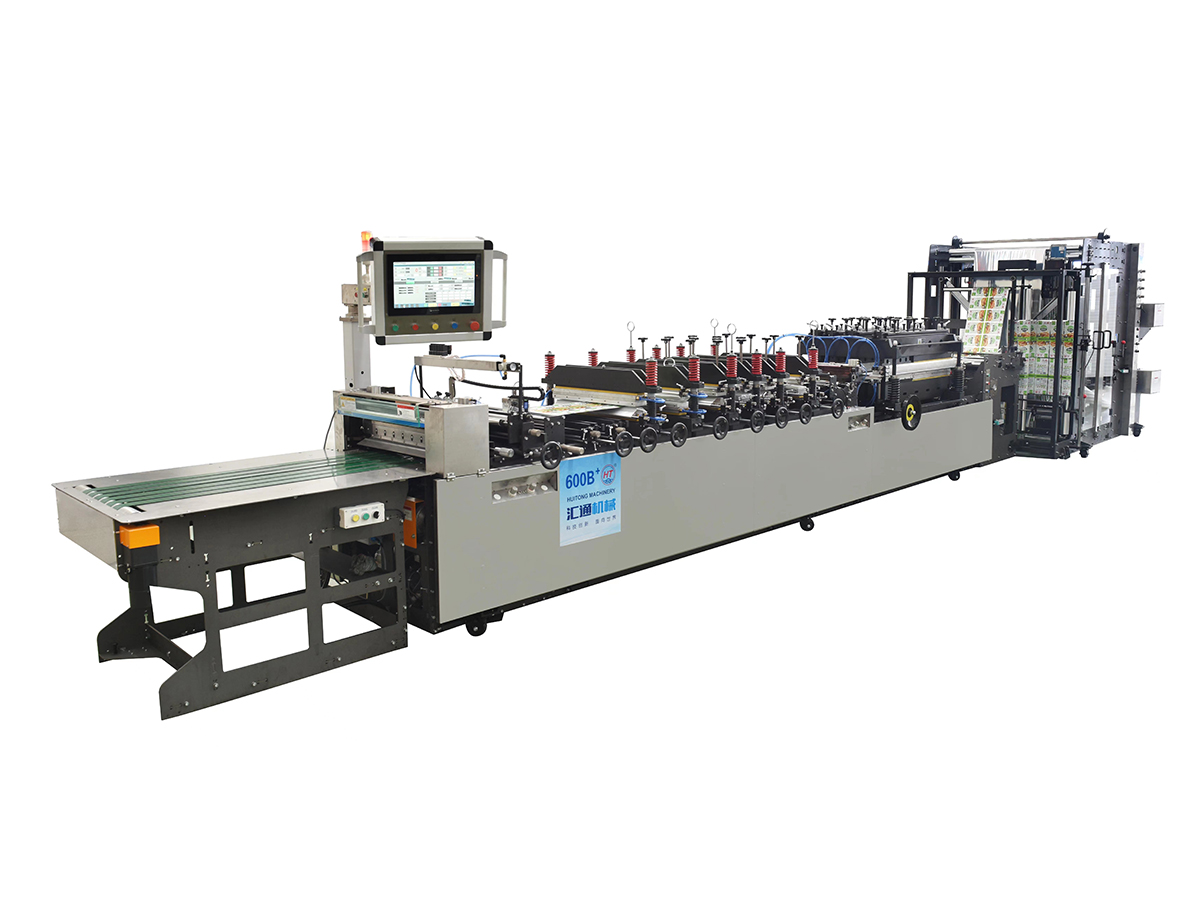
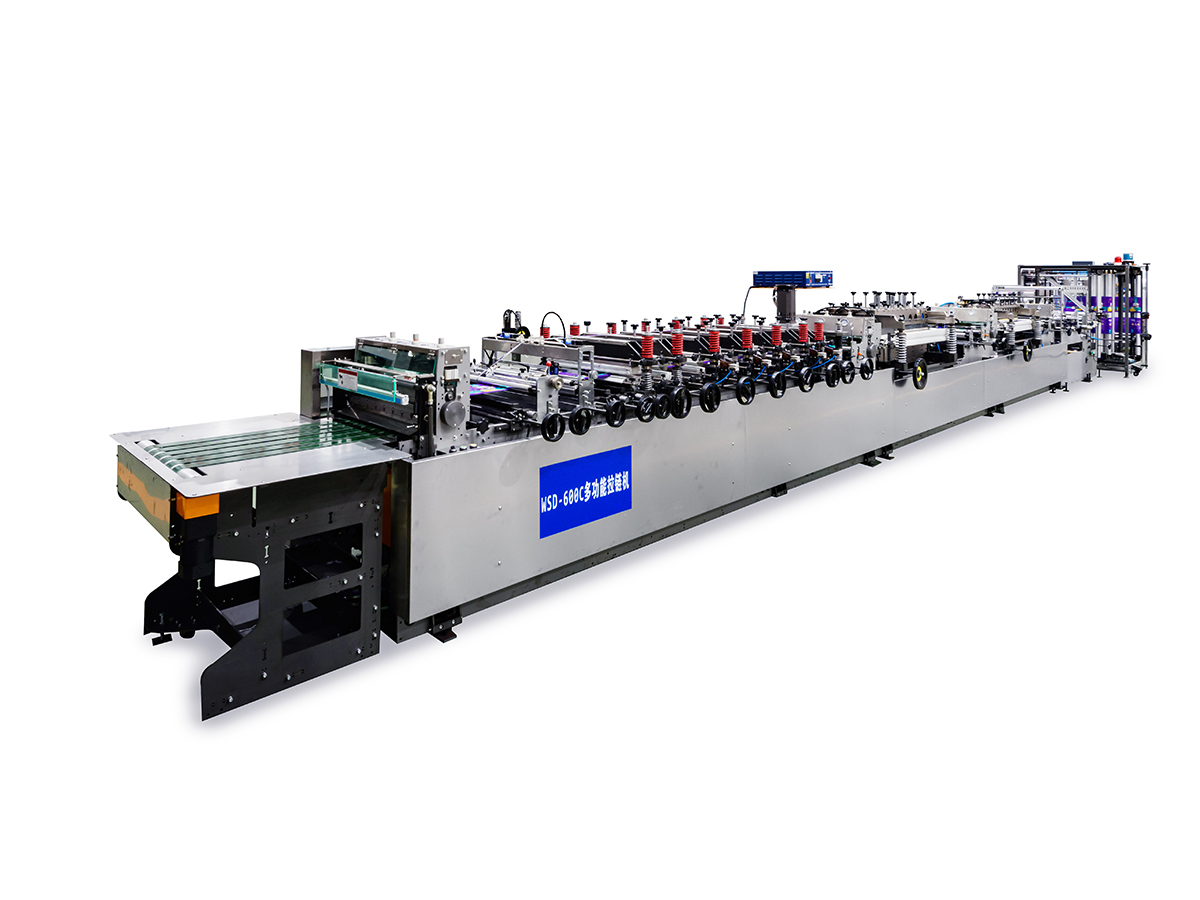
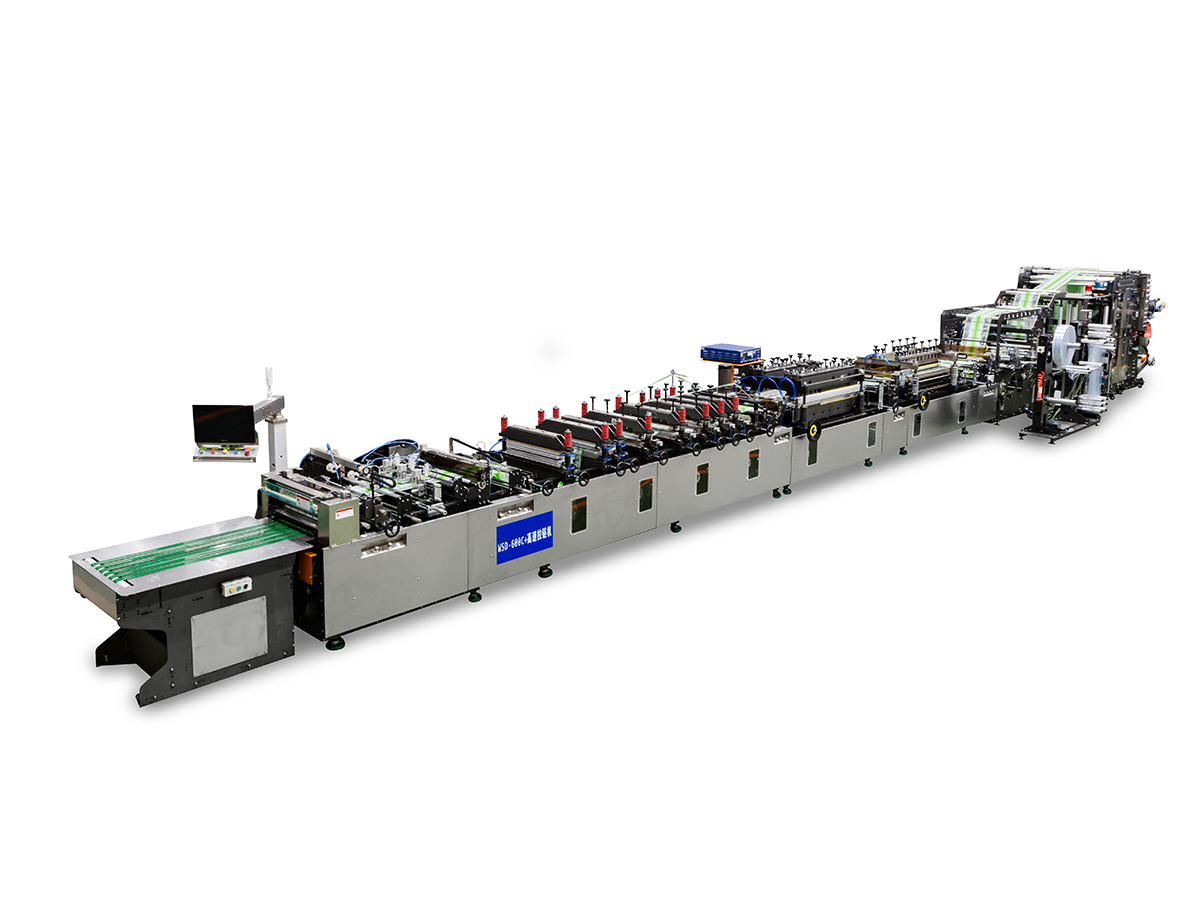
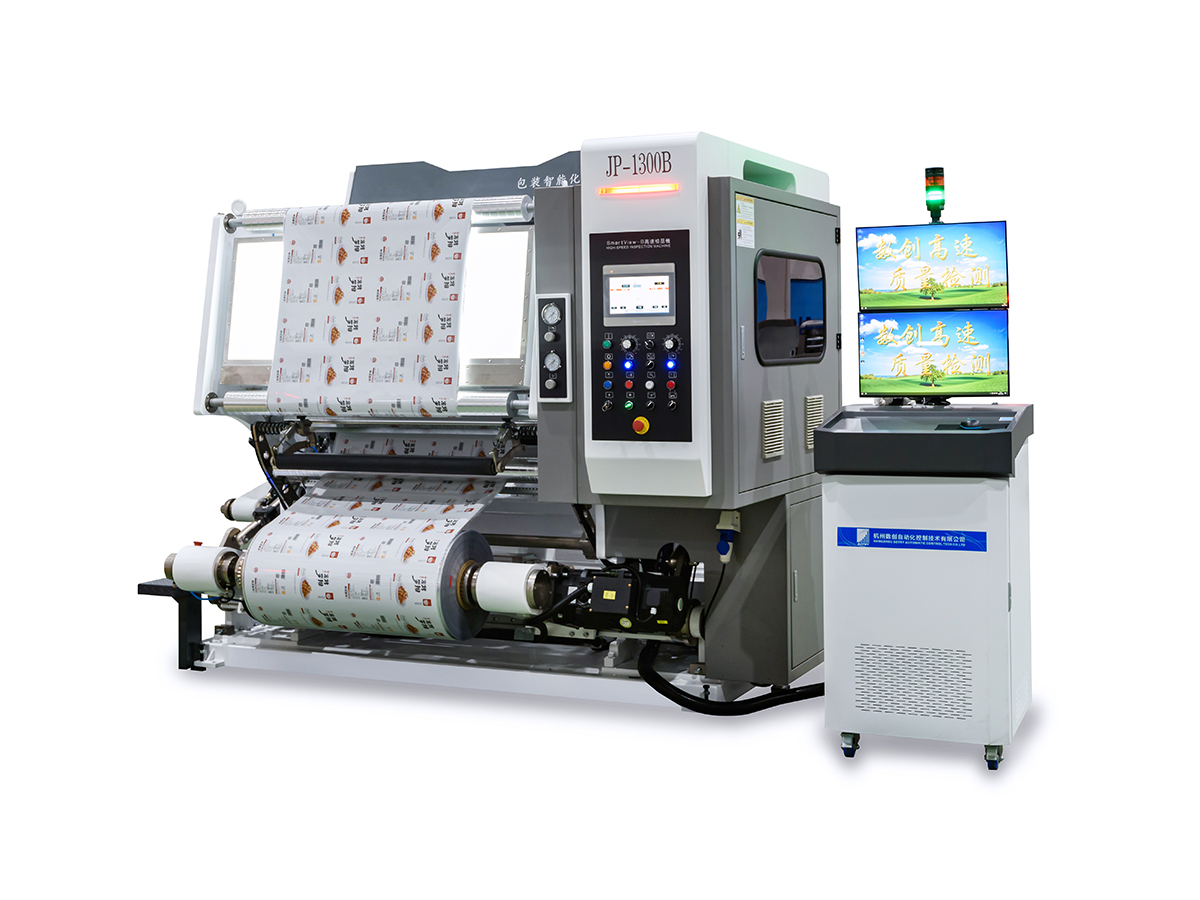
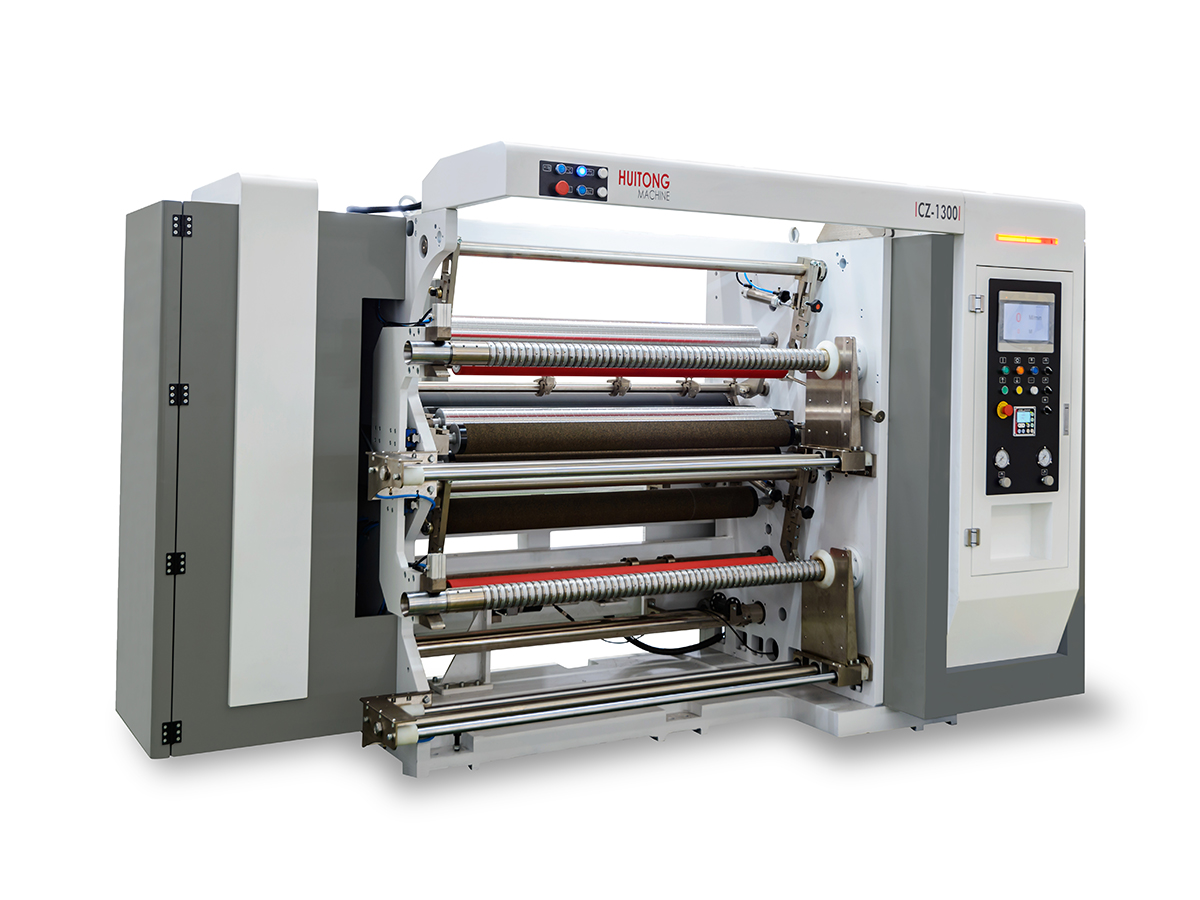
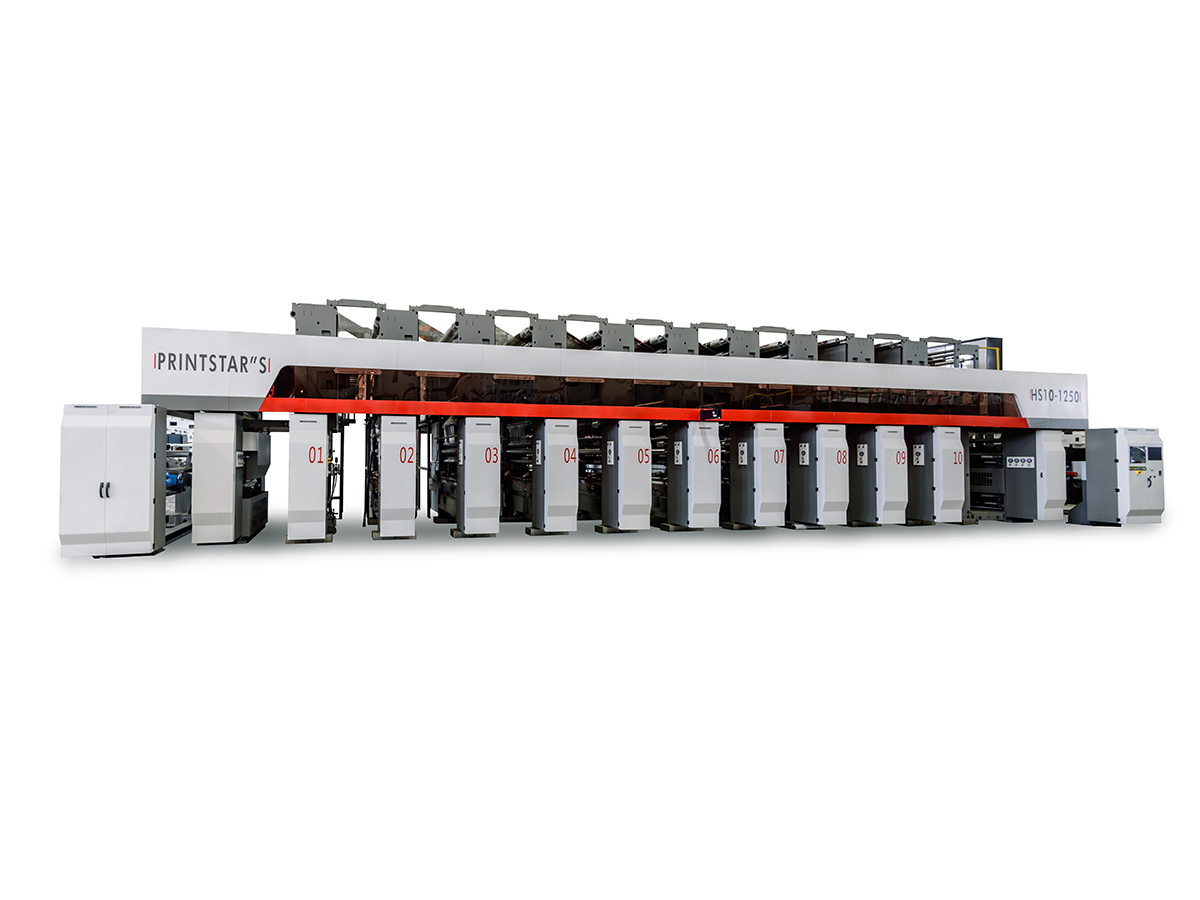
Choosing among high speed slitting cutting machine suppliers is one of the most consequential equipment decisions a converting plant will make. A slitter that drifts out of tolerance can scrap thousands of meters of material in a single shift, while a machine that cannot sustain the target line speed quietly caps the output of every downstream process. For buyers, the challenge is not finding a machine that looks capable on a specification sheet. It is identifying a manufacturing partner whose equipment, engineering depth and service network will still perform after months of continuous production.
Most procurement teams start their search for one of three reasons. Their existing equipment is losing precision as speeds increase, their product mix has outgrown a standard configuration, or their current supplier can no longer respond quickly enough to protect production uptime. Whatever the trigger, the decision benefits from a clear understanding of how slitting technology works, which materials it must handle, how machine configurations differ and which supplier qualities actually predict long-term success.
A slitting machine takes a wide parent roll and converts it into several narrower rolls, each cut to a precise width and rewound under controlled tension. The principle is straightforward, but achieving clean, consistent edges at production speed depends on the coordinated behavior of every subsystem in the line. Small errors that would be invisible at low speed become visible defects when the web is moving quickly through the cutting zone.
Most high speed lines follow the same basic sequence. Each stage affects the stages that follow, so a weakness in one area usually appears as a defect in the finished reel.
The unwinding station holds the master roll and releases material at a controlled rate. Edge guiding sensors then correct any lateral drift so the web enters the cutting zone along a straight path. Circular blades on upper and lower shafts perform the cut, and the tension control system keeps pull consistent across every slit lane before the rewinding station produces finished reels.
At higher line speeds, minor disturbances are amplified. Vibration in a blade holder, a slight change in web tension or a small misalignment between rolls can produce burrs, telescoping or uneven widths. Machines designed for high speed generally use rigid frames, servo-driven shafts, closed-loop tension sensors and automatic edge detection. These features allow the machine to hold tolerances that are difficult to achieve with manual adjustment or low-speed equipment.
A slitter that performs well at moderate speed may still produce unacceptable edges at its rated maximum. Buyers should request performance data at the speeds they actually plan to run, not only the figure printed in the brochure.
Slitting machines serve a wide range of industries, and each material introduces its own requirements for blade selection, tension, dust control and handling. Understanding these differences helps buyers define the machine they actually need rather than the one that happens to be listed first.
| Material | Typical Web Width | Main Challenge | Key Machine Requirement |
|---|---|---|---|
| Packaging film | 300 to 1600 mm | Static and wrinkling | Anti-static bars and steady tension |
| Paper | 500 to 2000 mm | Dust and edge fraying | Sharp blades and dust extraction |
| Metal foil | 200 to 1300 mm | Edge burrs | Precise blade gap and gentle handling |
| Non-woven fabric | 800 to 3200 mm | Lint and stretching | Low tension and clean cutting action |
| Battery separator | 100 to 800 mm | Micro-dust and tight tolerance | Clean operation and precise web guiding |
The ranges above describe typical industry practice rather than fixed limits. Final specifications depend on material thickness, coating and the quality level required by the end customer.
Suppliers usually offer several configurations, and the right choice depends on the number of product formats, the precision requirement and the expected production volume. Three configurations are common in today's market.
Standard models are designed for general-purpose cutting of films and paper. They offer a straightforward layout, short installation time and a lower purchase price. For plants with stable product ranges and moderate speed requirements, a standard machine often delivers the best value.
Split-frame designs separate the unwinding and rewinding sections into modular units. This structure simplifies maintenance because individual sections can be serviced without disturbing the entire line. It also suits plants that change product formats frequently, since the layout can be adjusted for different roll diameters and core sizes.
A four-axis linkage slitting machine coordinates several servo-controlled axes so that reel shafts, blade positioning and web guiding respond together. The result is more consistent edge quality during acceleration, deceleration and changes in roll diameter. This configuration is typically chosen for high-precision work, lithium battery materials and long production runs where small variations would otherwise accumulate into significant waste.
| Configuration | Best Use | Main Strength | Main Trade-off |
|---|---|---|---|
| Standard | General film and paper | Simple setup and lower cost | Limited precision at top speed |
| Split-frame | Frequent format changes | Easy maintenance and access | Larger floor footprint |
| Four-axis linkage | High-precision volume runs | Consistent edges at high speed | Higher investment and skilled setup |
Specification sheets describe what a machine can do under ideal conditions. Supplier evaluation focuses on what the company can deliver over the full life of the equipment. The following criteria help buyers compare candidates on a consistent basis.
Standard machines rarely fit every production line exactly. A capable supplier should be able to adapt maximum web width, roll diameter, core size, line speed, blade configuration and rewinding format. Ask for examples of similar custom projects and find out how the supplier handled design changes after the initial specification was agreed.
Machine accuracy begins with how frames, shafts and blade assemblies are produced. Look for suppliers that use precision machining centers, documented inspection procedures and coordinate measuring equipment for critical components. Ask whether the factory operates a recognized quality management system and how finished machines are tested before shipment, including a trial run with customer-supplied material when possible.
Engineering capacity determines how well a supplier can solve problems that were not anticipated in the original design. A team experienced in tension control, web guiding and blade technology can adjust a machine for new materials rather than simply replacing components. Patents and technical publications are useful indicators, but buyers should also ask for references from customers running similar materials.
Downtime is often more expensive than the machine itself. Evaluate installation support, the operator training program, remote diagnostic capability and the spare parts strategy. A well-organized inventory with clear part identification and fast shipping procedures can shorten recovery time dramatically when a critical component fails.
Many disappointing purchases share the same root causes. Recognizing them early makes it easier to compare offers fairly and to ask the right questions during negotiations.
Avoiding these errors does not guarantee a perfect purchase, but it substantially reduces the risk of costly surprises after installation.
Quoted prices for slitting equipment vary widely because machines differ in width capacity, speed rating, automation level and the number of cutting and rewinding stations. Buyers comparing offers should understand which factors are driving each price.
Lead time depends on custom engineering, component sourcing and factory testing schedules. Suppliers that clarify these stages early tend to deliver more predictable projects.
The lowest initial price rarely produces the lowest total cost. Energy use, scrap rate, spare parts consumption and downtime should all be included when comparing offers over a multi-year operating horizon.
A detailed request allows suppliers to propose an accurate solution quickly, while vague requests lead to generic offers and extra rounds of clarification. Prepare the following information before contacting a slitting machine supplier.
Providing this information at the start shortens the proposal cycle and helps both parties agree on realistic performance commitments.
The main differences lie in engineering depth, manufacturing precision, customization ability and after-sales coverage. Two machines with similar rated speeds can deliver very different results depending on frame rigidity, tension control quality and the supplier's experience with your material.
No. A standard or split-frame machine is often sufficient for stable products and moderate tolerances. Multi-axis coordination becomes valuable when edge precision, high speed and frequent roll changes must be maintained together over long runs.
Ask for documented inspection procedures, evidence of calibrated measuring equipment and a clear description of how each machine is tested before shipment. A supplier that can explain its testing sequence in detail is usually better prepared to support you after installation.
At minimum, it should cover installation guidance, operator training, remote troubleshooting, a clear spare parts plan and defined response times. Get these commitments in writing so they can be measured if problems arise.
The best purchase decision balances machine capability with supplier capability. Specifications matter, but they only reflect performance on the day of testing. Engineering support, manufacturing discipline, customization flexibility and service responsiveness determine how the machine performs over years of production.
When comparing high speed slitting cutting machine suppliers, build your evaluation around your own materials, speeds and tolerances. Request measured data, insist on a sample trial and confirm the support commitments before signing. A supplier that welcomes these steps is usually one that expects its equipment to perform.
Contact Us
Recommended Products
Joining Hands With Huitong
Customize Your Flexible Packaging Equipment Solution
Inquire now
Products
contact us

Tel: +86-0510-86328508
+86-0510-86324508
Mob: +86-13914908980
Email: [email protected]
ADD: No. 429 Xizhang Road, Gushan Town, Jiangyin City, Jiangsu Province, China

 English
 русский
 Español
 عربى