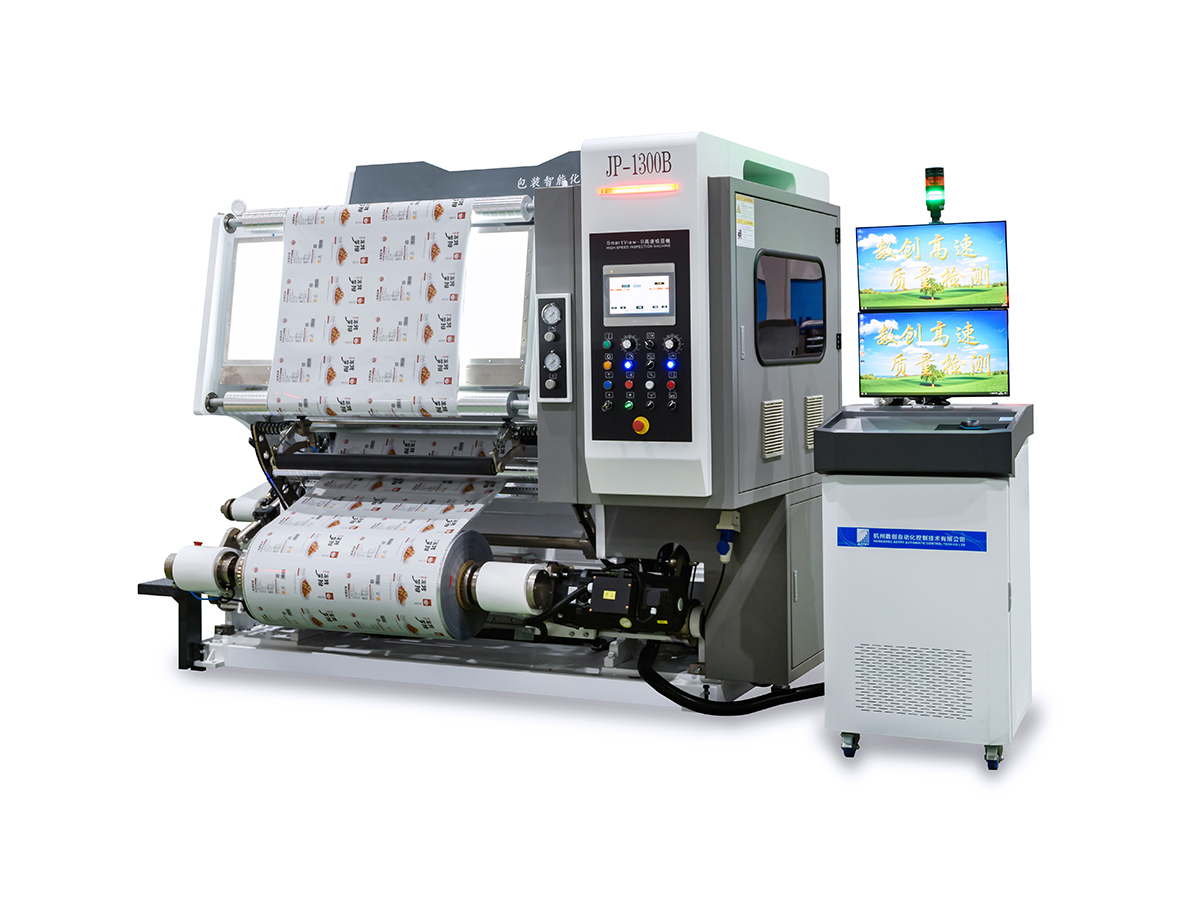
In today’s fast-paced manufacturing environment, automation has become essential for maintaining competitiveness, improving efficiency, and ensuring product consistency. Among the numerous automated solutions available, high speed slitting machines play a pivotal role in streamlining production lines, particularly in industries where precision cutting of materials is crucial. These machines are designed to enhance throughput while minimizing human intervention, resulting in faster turnaround times, improved product quality, and lower operational costs.
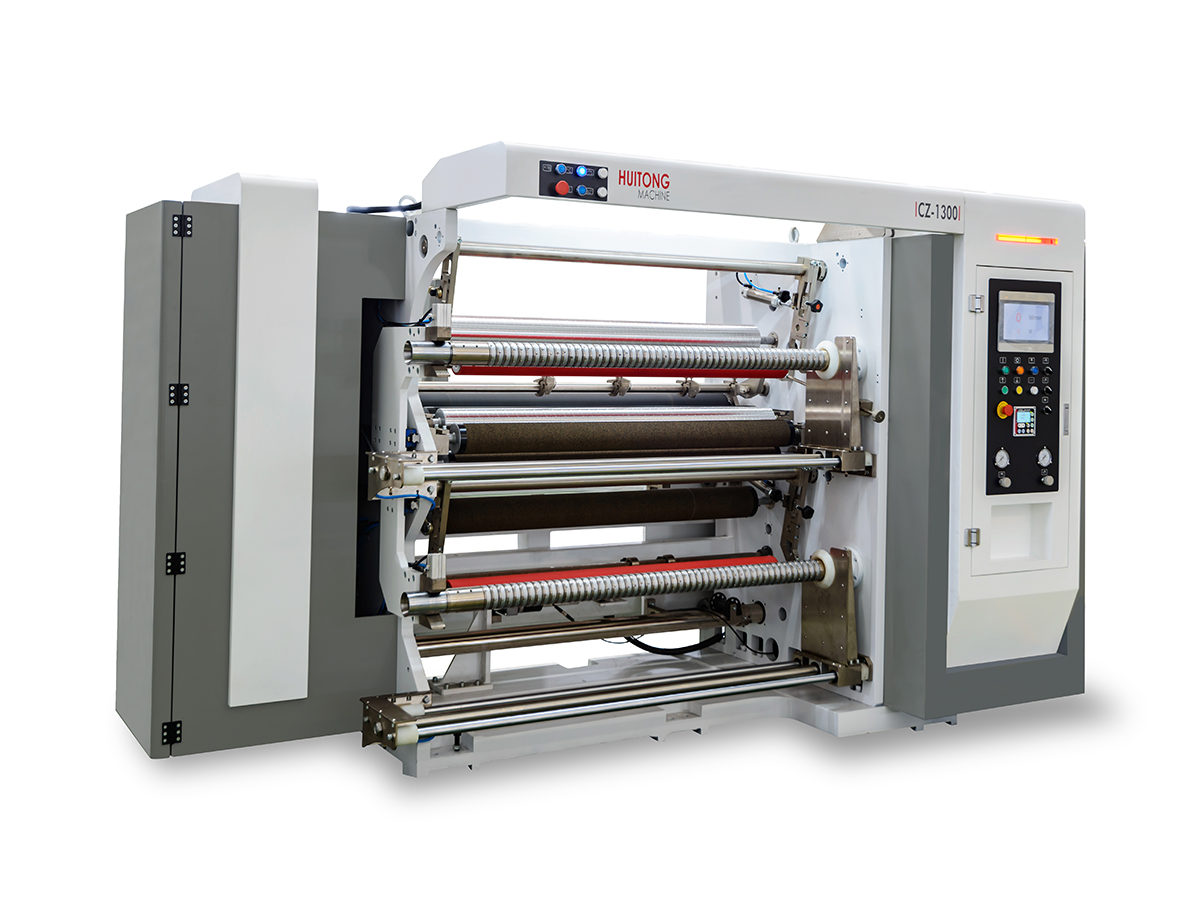
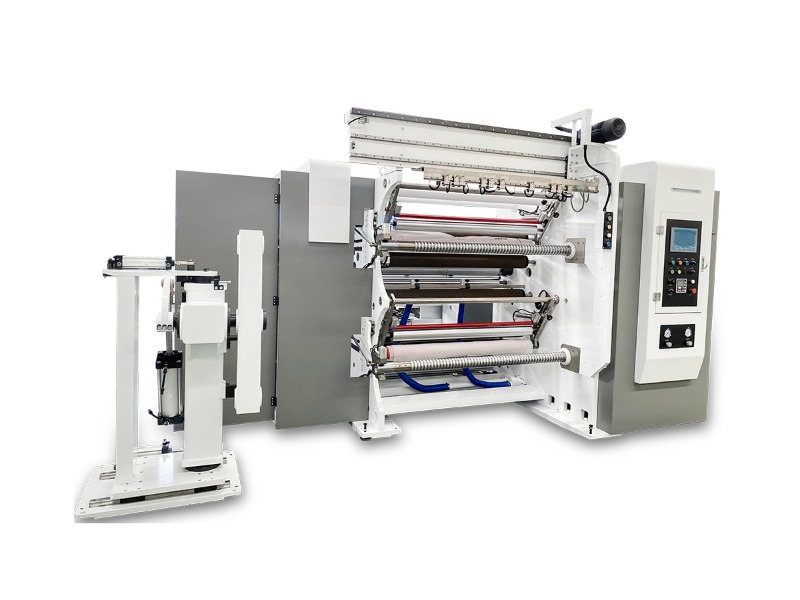
A high speed slitting machine is designed to cut large rolls of material—usually metal, paper, plastic, or other flexible materials—into narrower strips. These machines utilize automated processes to perform precise cuts at high speeds, significantly increasing production capacity compared to manual methods.
The key features of a high speed slitting cutting machine include:
The primary benefit of automation in high speed slitting machines is the dramatic reduction in human intervention. By incorporating automated processes into the machine’s design, manufacturers can achieve the following:
Automation accelerates the cutting process, which increases production capacity and reduces bottlenecks. By eliminating manual adjustments and simplifying the operation of the machine, companies can achieve continuous, high-speed processing. Automation also optimizes material flow, enabling the slitting machine to perform its tasks without unnecessary delays.
One of the challenges with manual slitting is inconsistency in the quality of cuts. However, automation ensures that each cut is precise and uniform, which results in higher product quality and reduced waste. Automated high-speed slitting cutting machines maintain strict tolerances, resulting in more reliable and predictable output.
With automation, manufacturers reduce the need for manual intervention during operation. This translates into significant cost savings as fewer personnel are needed to oversee the cutting process. Additionally, automated machines require less maintenance and can run for longer periods without interruption, further reducing labor costs.
Traditionally, roll changes were a manual and time-consuming process, often resulting in production downtime. With automated roll changing mechanisms, high-speed slitting machines can handle roll changes without the need for human operators, reducing downtime and enhancing overall system efficiency.
Maintaining the correct tension of the material being slit is crucial for achieving precise cuts. Automated tension control systems within high-speed slitting cutting machines ensure that the material is held under consistent tension throughout the process. This leads to higher precision and a reduction in material defects.
Automation in high-speed slitting machines includes integrated sensors and monitoring systems that track various operational parameters in real-time. These systems detect deviations in material feed, cutting accuracy, and machine performance, allowing for automatic adjustments to maintain performance. This reduces the need for manual interventions and ensures that production remains smooth and efficient.
By eliminating manual tasks such as adjusting settings, feeding materials, and monitoring progress, automated high-speed slitting machines can operate continuously at peak speeds. This results in faster turnaround times and the ability to handle more orders in a shorter period.
Automation reduces the risk of human error in the cutting process. Machines can perform precise cuts, even at high speeds, ensuring that the finished product meets strict specifications. The integration of advanced control systems ensures that the cutting blades maintain sharpness, reducing wear and tear while optimizing the cutting process.
Automated machines typically include advanced safety mechanisms that protect workers from the risks associated with high-speed cutting operations. Sensors and emergency stop functions automatically shut down the machine in case of an emergency, ensuring a safer working environment.
| Feature | Description |
|---|---|
| Cutting Speed | Capable of cutting materials at high speeds, increasing throughput. |
| Automated Roll Handling | Automatically feeds material and manages roll changes. |
| Precise Cutting Mechanism | Ensures uniform cut widths and clean edges for high-quality products. |
| Tension Control | Maintains consistent material tension to prevent defects. |
| Safety Features | Includes sensors and automatic shut-off mechanisms for operator protection. |
| Remote Monitoring | Real-time tracking and adjustments through integrated sensors. |
By reducing the need for manual labor and minimizing material waste, automated high-speed slitting machines significantly cut down on operational costs. The reduction in human intervention means fewer errors, and the faster production speeds reduce the amount of time required to process each batch.
Additionally, automated systems are often designed to optimize the use of materials. For example, advanced systems can monitor the remaining material in a roll and adjust cutting patterns to ensure that as little material is wasted as possible.
While automation offers significant benefits, there are certain challenges to consider:
1. What materials can be processed using a high-speed slitting machine?
High-speed slitting machines are designed to process a variety of materials, including metals, paper, plastics, and other flexible substrates.
2. How does automation improve the accuracy of slitting?
Automation ensures consistent cutting by reducing human error, using precise control systems, and maintaining tension and speed during the cutting process.
3. Can a high-speed slitting machine handle multiple cutting widths?
Yes, many high-speed slitting machines are equipped with adjustable blades and controls that allow them to handle multiple cutting widths, making them versatile for different production needs.
4. What are the safety features in automated slitting machines?
Automated slitting machines include safety features such as emergency stop functions, protective covers, and sensors that detect material irregularities and stop the machine in case of an issue.
5. How does automation reduce material waste in high-speed slitting?
By optimizing cutting patterns and maintaining consistent tension, automation ensures that the material is used efficiently, minimizing waste during the slitting process.
Contact Us
Recommended Products
Joining Hands With Huitong
Customize Your Flexible Packaging Equipment Solution
Inquire now
Products
contact us

Tel: +86-0510-86328508
+86-0510-86324508
Mob: +86-13914908980
Email: [email protected]
ADD: No. 429 Xizhang Road, Gushan Town, Jiangyin City, Jiangsu Province, China

 English
 русский
 Español
 عربى
عربى