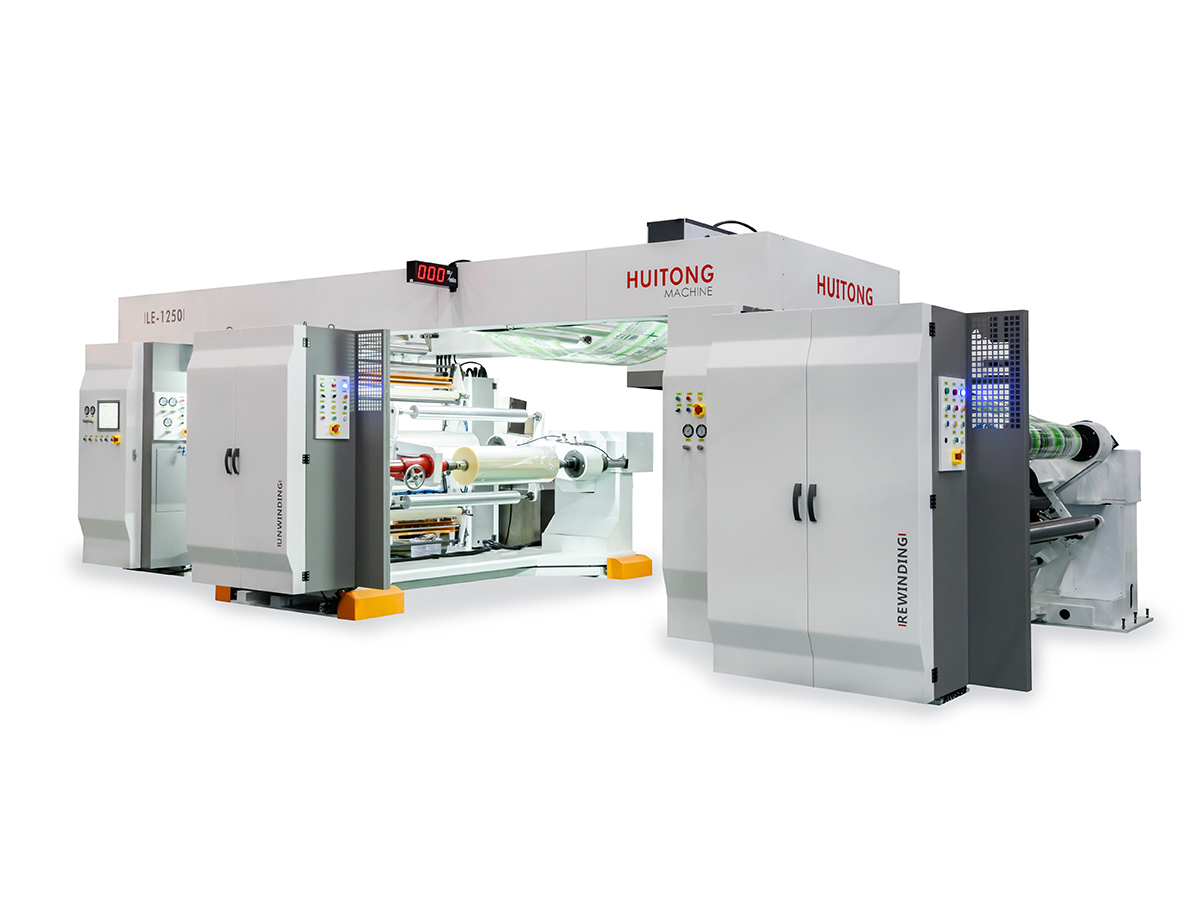
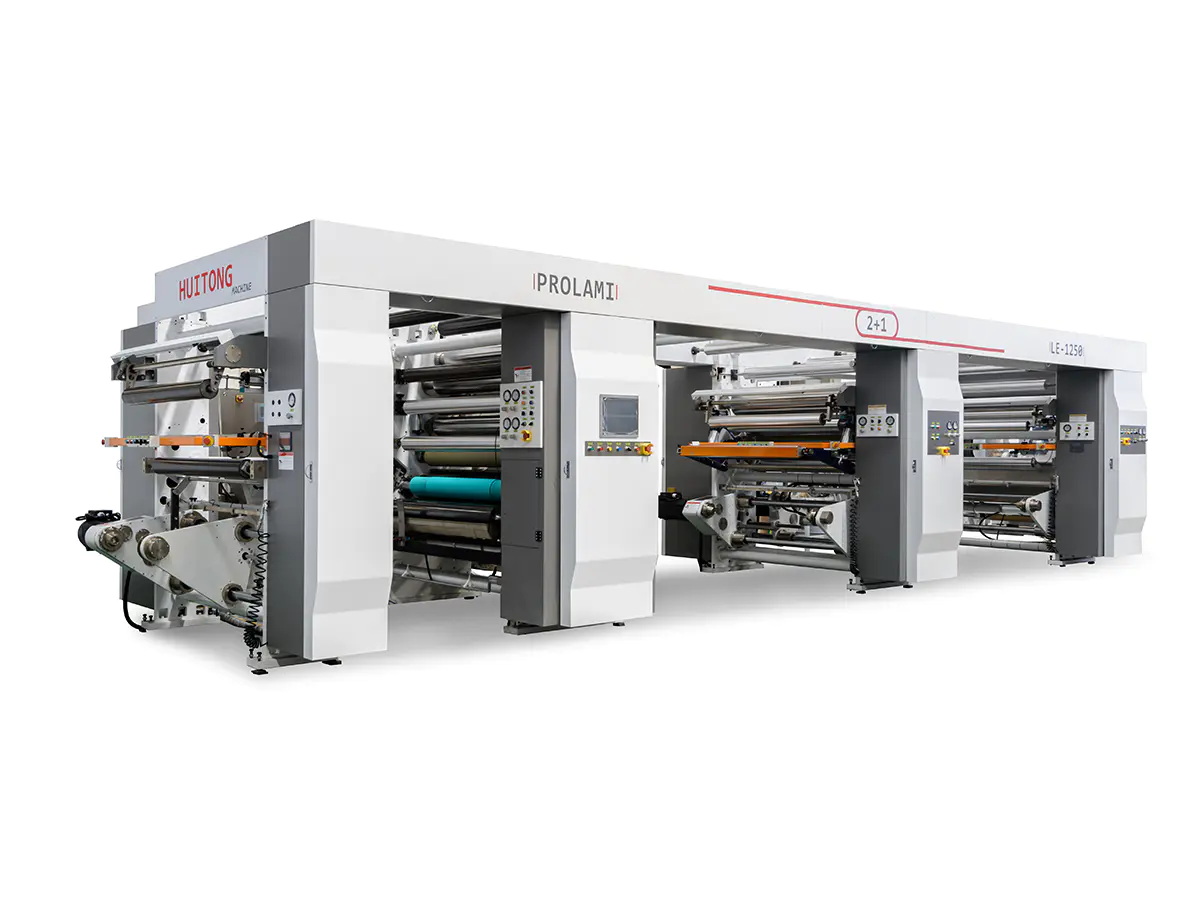
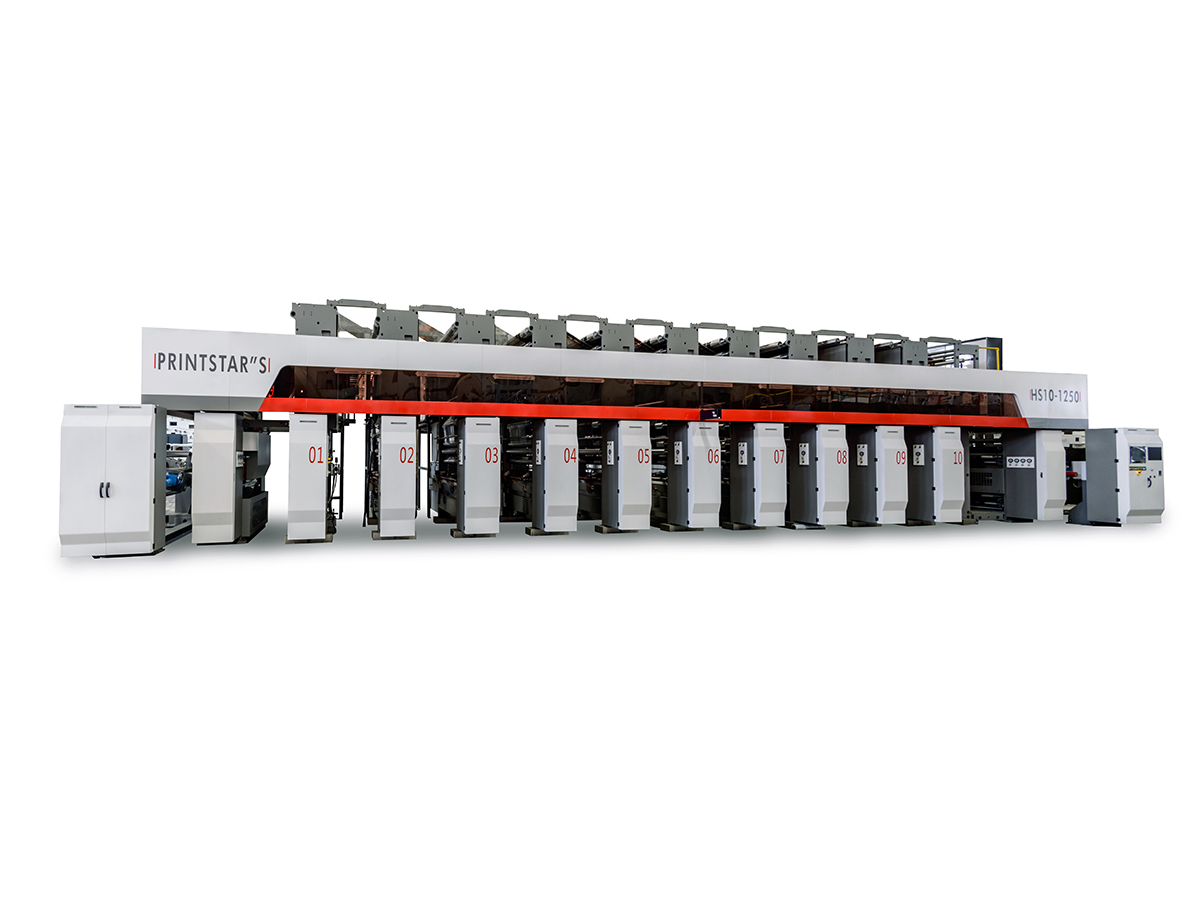
The solvent-based dry laminating process is one of the effective methods for achieving strong, durable adhesive bonds between different substrates. This process, often performed using a solvent-based dry laminating machine, enhances adhesion strength by utilizing precise chemical interactions between the adhesive and the materials being bonded. The evolution of lamination technologies has led to the development of more efficient machines, including both solvent-based and solventless laminating machines, which significantly improve the overall quality of laminating applications across various industries.
The solvent-based dry laminating process involves the use of adhesives dissolved in a solvent, which are applied to substrates before they are bonded together. This method differs from the traditional wet laminating process, where adhesives are applied in their liquid form and require drying time before bonding. In solvent-based dry laminating, the solvent evaporates rapidly, leaving behind a layer of adhesive that creates a strong bond between the materials.
Key Steps in the Process:
Preparation of Substrates: The substrates are cleaned to ensure bonding efficiency.
Coating with Adhesive: An adhesive, typically a resin-based formula, is applied to the surface of one of the substrates.
Lamination: The coated substrate is then brought into contact with the second substrate, and the bonding occurs under pressure.
Drying: The solvent evaporates during the lamination process, leaving a high-strength adhesive layer.
This dry process offers several advantages, such as faster production speeds and lower energy consumption, making it highly beneficial for high-volume manufacturing environments.
Solvent-based dry laminating machines offer several benefits in terms of improving the adhesion strength between substrates. These include:
When it comes to choosing between a solvent-based dry laminating machine and a solventless laminating machine, each offers unique advantages. The key difference lies in the type of adhesive used and the environmental impact.
Solvent-Based Laminating Machine:
Solventless Laminating Machine:
Adhesion strength is critical in determining the quality and longevity of a laminate product. In the context of the solvent-based dry laminating process, the chemical interactions between the adhesive and the substrates are the primary drivers of adhesion. A properly chosen adhesive ensures that the bond remains intact even under stress and environmental challenges.
The solvent-based dry laminating process finds applications in various industries due to its versatility and strong bonding capabilities. Some common applications include:
While both solvent-based dry laminating and traditional wet laminating involve the bonding of two substrates using adhesives, they differ in key aspects:
| Feature | Solvent-Based Dry Laminating | Traditional Wet Laminating |
|---|---|---|
| Adhesive Application | Solvent-based adhesives | Water-based adhesives |
| Drying Method | Solvent evaporation | Longer drying times |
| Production Speed | Faster | Slower |
| Environmental Impact | Higher VOC emissions | Lower VOC emissions |
| Bond Strength | Higher | Moderate |
| Cost Efficiency | More cost-effective | Less cost-effective |
As shown in the table, solvent-based dry laminating offers faster processing speeds, better adhesion strength, and higher cost efficiency, which makes it the preferred method in many industrial applications.
The solvent-based dry laminating process is a highly efficient method for bonding substrates together, providing strong and durable adhesion. This process enhances the overall quality of the laminated materials, making it ideal for industries such as packaging, automotive, electronics, and textiles. Solvent-based dry laminating machines are integral to improving production speeds and reducing costs, all while offering bonding strength.
1. What is the difference between solvent-based dry laminating and solventless laminating?
Solvent-based dry laminating uses adhesives dissolved in solvents, which evaporate during the process, while solventless laminating uses adhesives that do not require solvents, making it more environmentally friendly.
2. Can solvent-based dry laminating be used for all materials?
Yes, solvent-based dry laminating is highly versatile and can be used on a variety of materials, including films, foils, papers, and fabrics.
3. How does the choice of adhesive affect adhesion strength?
The composition of the adhesive, including its resin and plasticizer content, plays a key role in determining the adhesion strength. A well-chosen adhesive ensures a strong, durable bond between substrates.
4. Is the solvent-based dry laminating process faster than traditional wet laminating?
Yes, the solvent-based dry laminating process is faster because it requires less drying time, making it ideal for high-speed production environments.
5. Are solvent-based dry laminating machines environmentally harmful?
While solvent-based dry laminating machines release VOCs (volatile organic compounds) due to the evaporation of solvents, advancements in technology have led to machines that minimize emissions and comply with environmental regulations.
Contact Us
Recommended Products
Joining Hands With Huitong
Customize Your Flexible Packaging Equipment Solution
Inquire now
Products
contact us

Tel: +86-0510-86328508
+86-0510-86324508
Mob: +86-13914908980
Email: [email protected]
ADD: No. 429 Xizhang Road, Gushan Town, Jiangyin City, Jiangsu Province, China

 English
 русский
 Español
 عربى
عربى