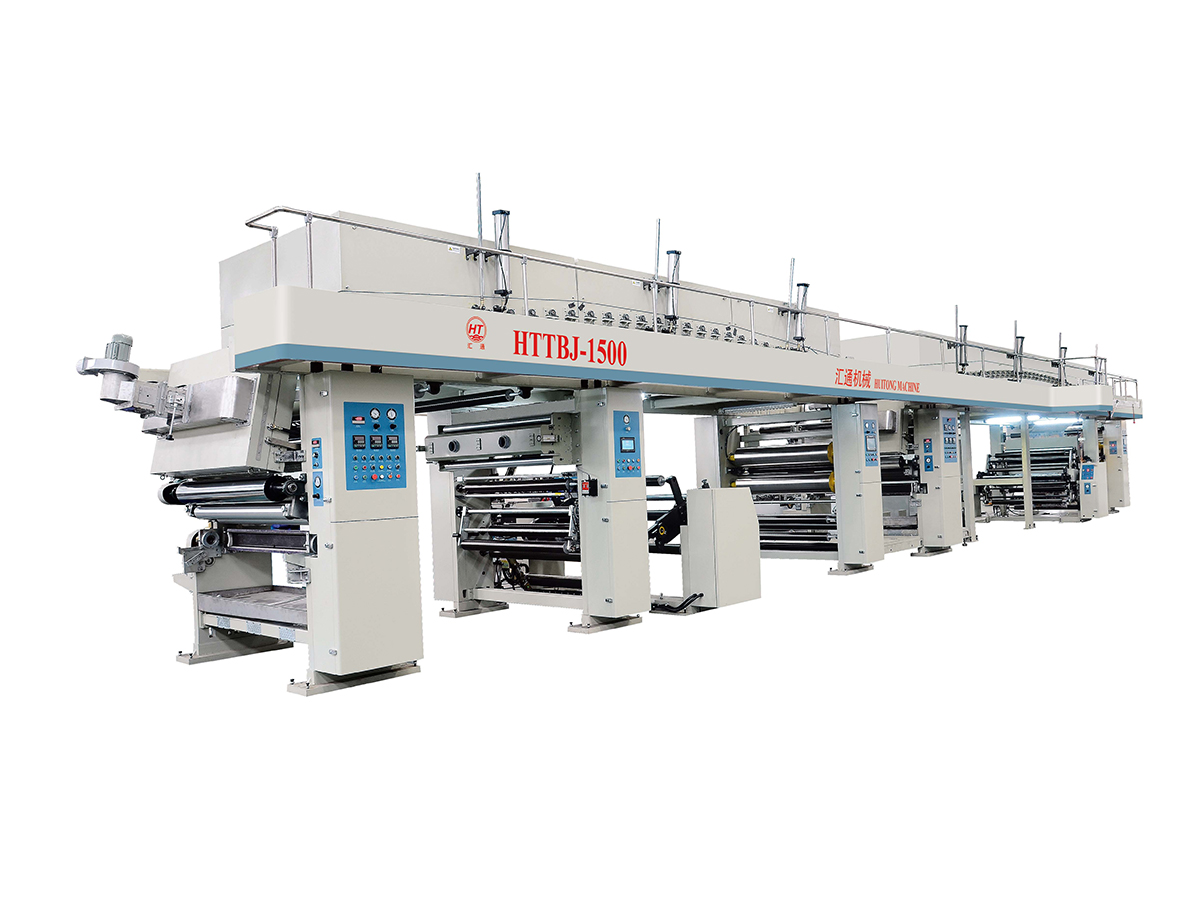
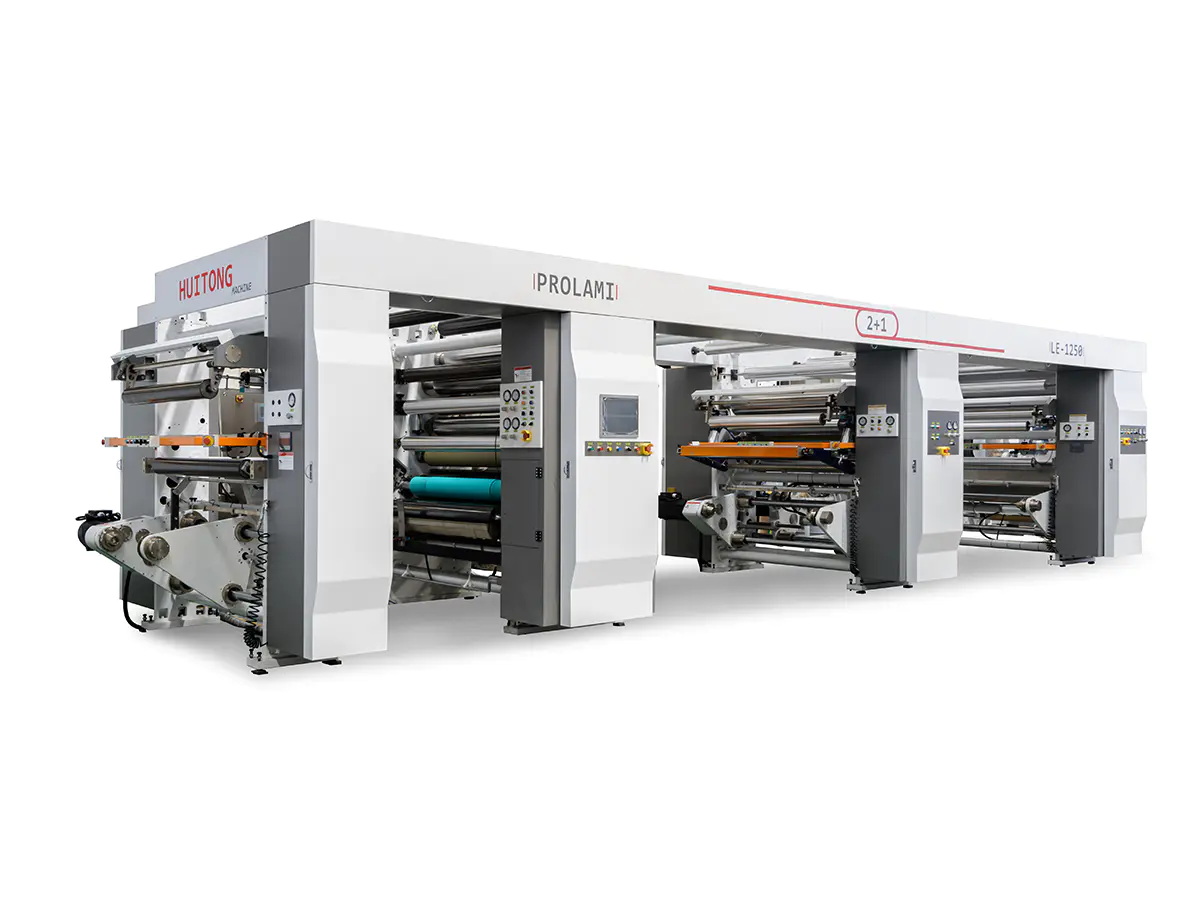
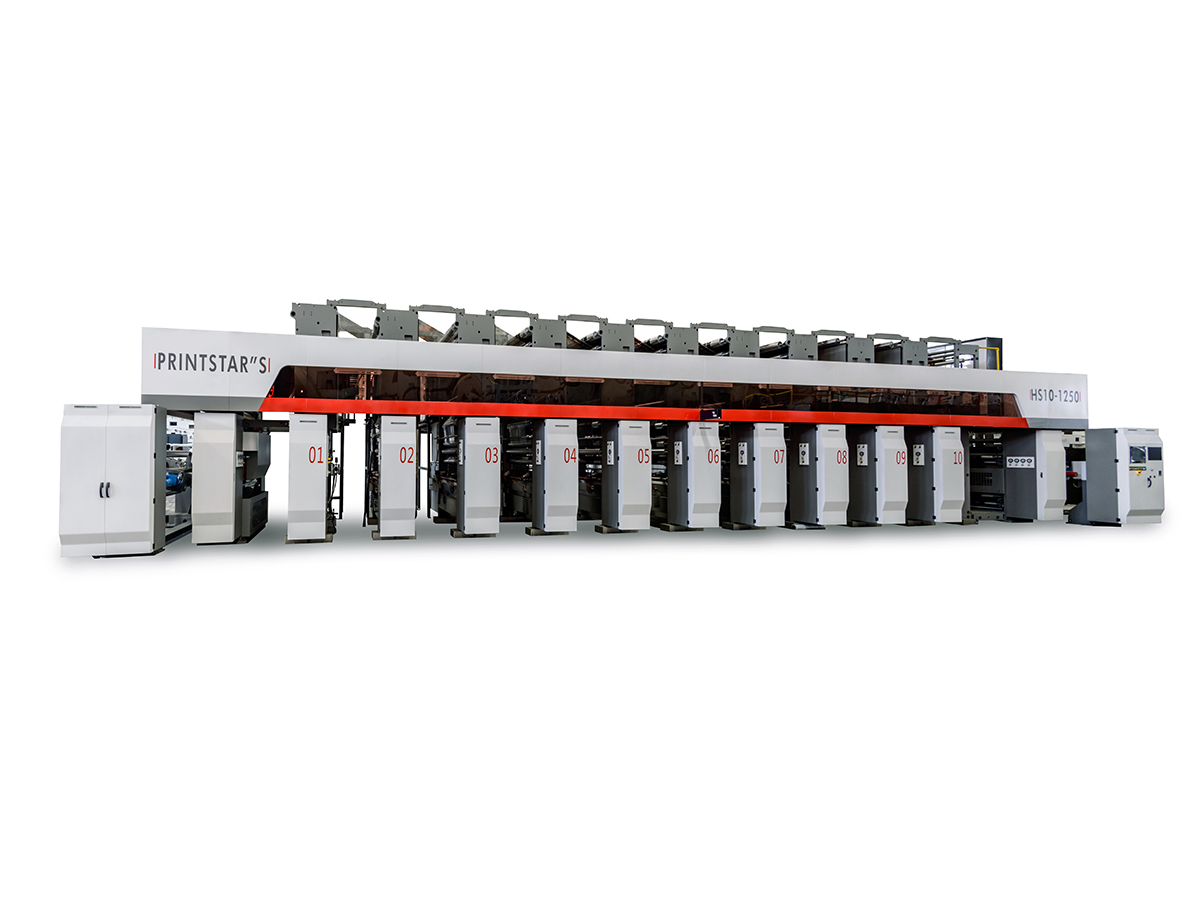
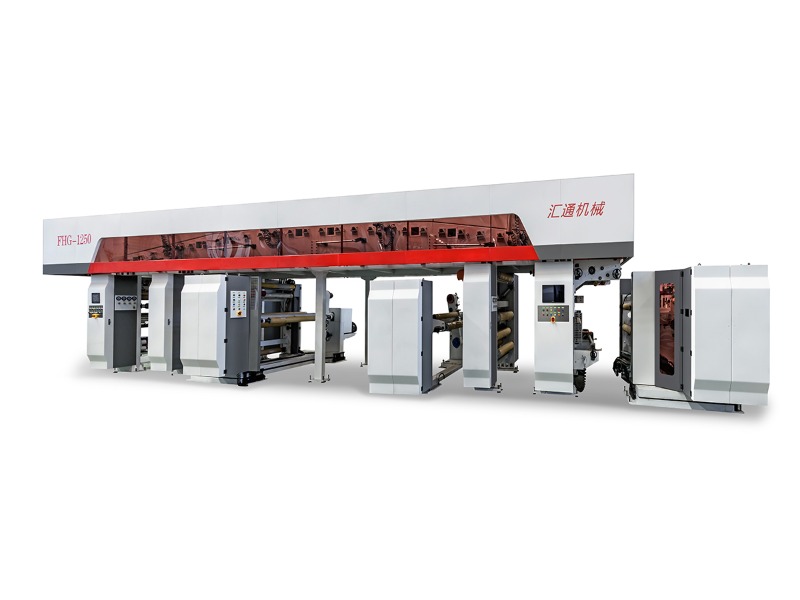
In the world of flexible packaging, a solvent based dry laminating machine is an essential piece of equipment used to enhance the functionality, durability, and aesthetics of packaging materials. This machine utilizes a dry lamination process where adhesives are applied to substrates without the need for a solvent-based medium, which makes it an efficient choice for various industries. By bonding different materials together, the solvent based dry laminating machine contributes to producing high-quality packaging that meets the specific needs of product protection, branding, and shelf-life extension.
A solvent based dry laminating machine is designed to laminate different layers of film, paper, and other materials, using a dry adhesive that is applied to a substrate through the machine’s advanced system. This machine operates in a precise manner, ensuring that the adhesive bonds are strong and even without relying on solvent-based liquids. The dry adhesive typically consists of various resins that are activated under controlled conditions, offering an eco-friendly alternative to traditional solvent-laminating methods.
Key components of the machine include:
The solvent based dry laminating machine works by feeding two substrates into the machine, where a dry adhesive is applied to one of the materials. The two substrates are then passed through the machine’s lamination rollers, where the adhesive bonds the materials together. The process also includes a drying system that ensures the adhesive sets properly without leaving solvent residues, which could be harmful to the environment and the final product.
Material Preparation: Substrates (films, papers, or foils) are prepared by unwinding them from rolls.
Adhesive Coating: The dry adhesive is uniformly applied to the substrate through a coating station.
Lamination: The second substrate is brought into contact with the adhesive-coated substrate using rollers that apply pressure to ensure a firm bond.
Drying: The adhesive is cured using heat or UV light to ensure proper bonding, and to remove any excess moisture or solvents.
This entire process ensures that the laminated product is durable, flexible, and suitable for packaging a variety of products.
The solvent based dry laminating machine has multiple benefits that make it highly preferred in the flexible packaging industry. Below are some key advantages:
Since the dry laminating process eliminates the need for solvent-based adhesives, it is more environmentally friendly compared to traditional wet lamination techniques. This process reduces the risk of harmful emissions and solvents that could affect both the environment and the workers in the facility.
Lamination using a dry adhesive results in a stronger bond between the layers. This leads to greater durability and resistance to tearing, punctures, and moisture. The final packaging product is more robust and able to withstand the stresses that occur during transportation and handling.
The smooth, glossy finish achieved through dry lamination enhances the overall appearance of the packaging. This can improve product visibility on shelves and contribute to brand perception, which is critical in the competitive market of flexible packaging.
The dry lamination process speeds up production times as it does not require long drying times associated with wet adhesives. This results in a more efficient workflow and the ability to handle higher volumes of packaging production.
The solvent based dry laminating machine can be used with various substrates, including films, foils, paper, and non-woven materials. This versatility makes it suitable for different packaging applications, from food and beverage packaging to medical supplies and industrial products.
The solvent based dry laminating machine is widely used across several industries, including but not limited to:
Food and Beverage Packaging: Provides a moisture-resistant barrier to extend the shelf-life of products.
Medical Packaging: Ensures sterile packaging solutions for medical devices and pharmaceuticals.
Consumer Goods: Enhances the look and feel of product packaging, adding a premium touch to retail items.
Industrial Packaging: Protects heavy-duty items during transport and storage.
While solvent based dry laminating machines offer numerous advantages, there are a few key considerations that should be taken into account when implementing them in a packaging production line:
Solvent based dry laminating machines are revolutionizing the flexible packaging industry. Their eco-friendly operation, high-speed production, and improved durability make them an essential tool in modern packaging processes. By eliminating solvents from the equation, these machines help reduce environmental impact while ensuring high-quality laminated products for a wide range of industries.
1. What materials can be laminated using a solvent based dry laminating machine?
A solvent based dry laminating machine can laminate a variety of materials such as films, foils, paper, and non-woven fabrics, making it suitable for diverse applications in packaging.
2. Is the dry lamination process faster than wet lamination?
Yes, the dry lamination process is generally faster as it does not require drying time for solvent-based adhesives. This leads to quicker turnaround times in production.
3. Are solvent based dry laminating machines more environmentally friendly than traditional laminating machines?
Yes, they are more eco-friendly as they do not use solvent-based adhesives, which reduces harmful emissions and the risk of solvent residues in the final product.
4. What are the main advantages of using dry adhesives in the lamination process?
Dry adhesives provide a strong bond between layers, improve durability, enhance product aesthetics, and speed up the overall production process.
5. How does a solvent based dry laminating machine improve packaging efficiency?
The machine enhances efficiency by reducing drying times, increasing production speed, and providing a more consistent bond quality, which ultimately leads to lower production costs.
Contact Us
Recommended Products
Joining Hands With Huitong
Customize Your Flexible Packaging Equipment Solution
Inquire now
Products
contact us

Tel: +86-0510-86328508
+86-0510-86324508
Mob: +86-13914908980
Email: [email protected]
ADD: No. 429 Xizhang Road, Gushan Town, Jiangyin City, Jiangsu Province, China

 English
 русский
 Español
 عربى
عربى