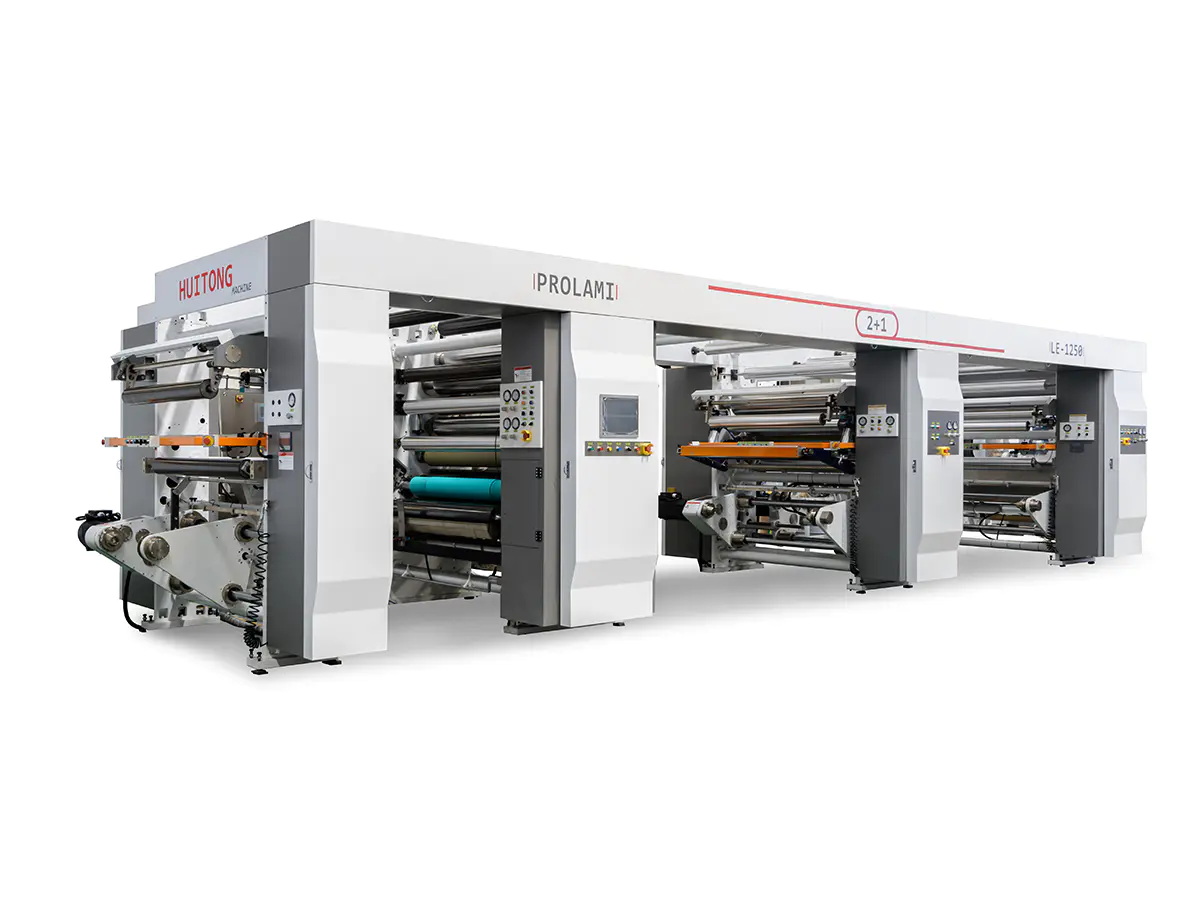
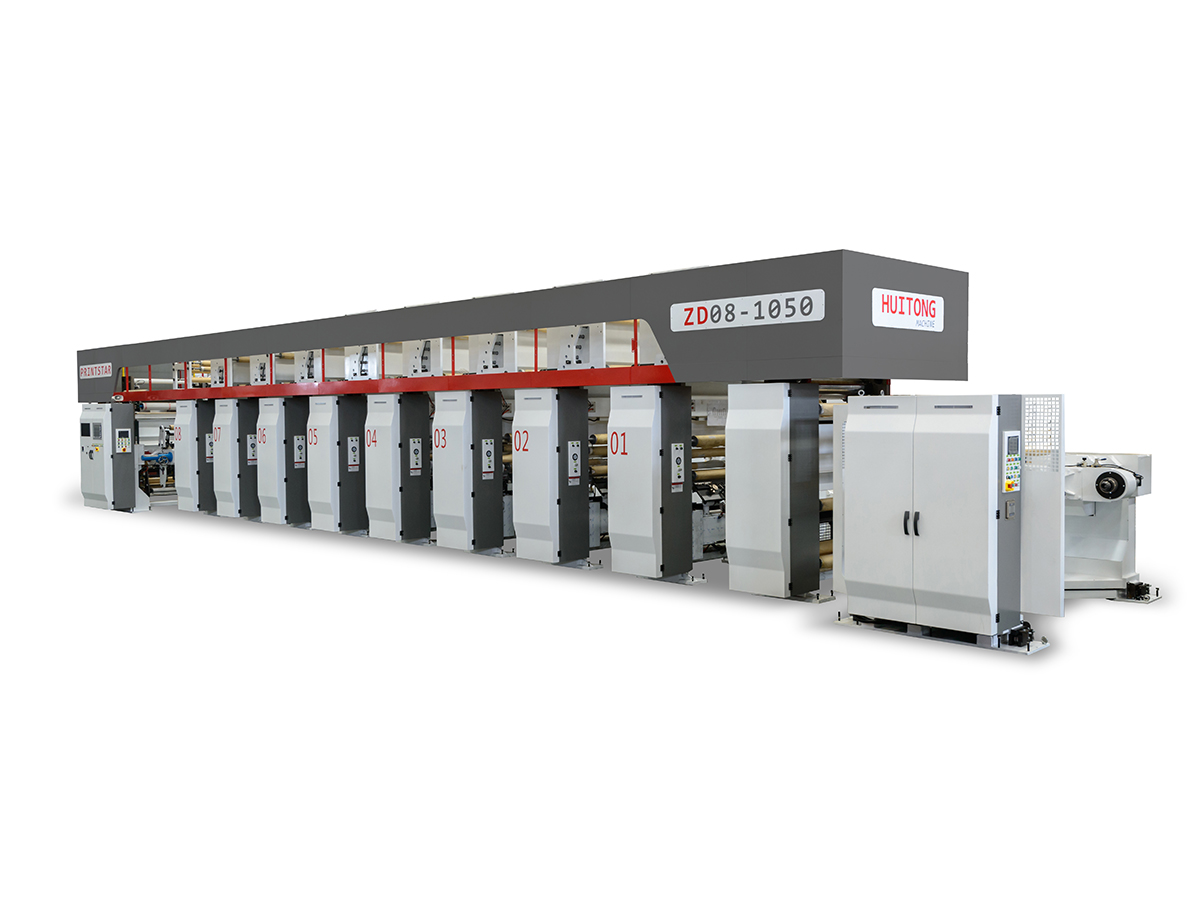
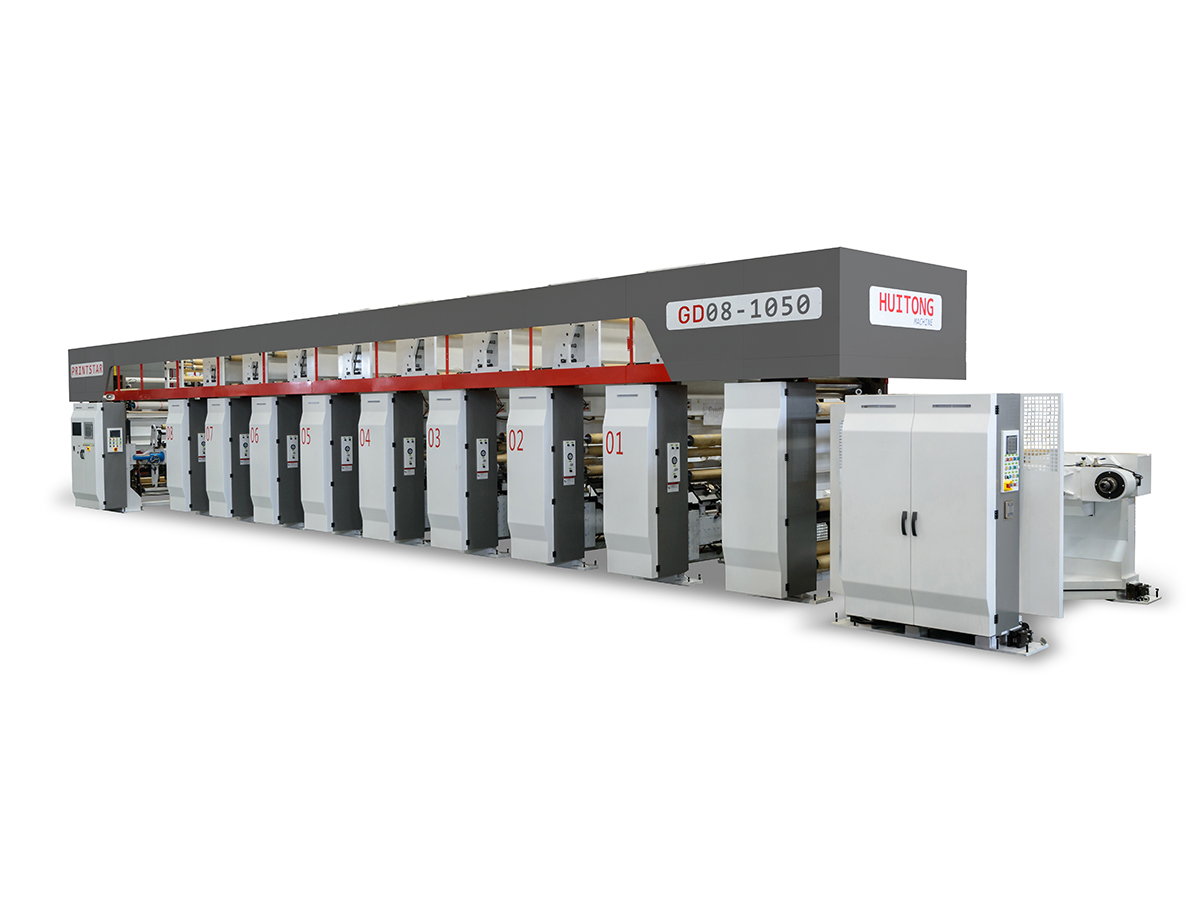
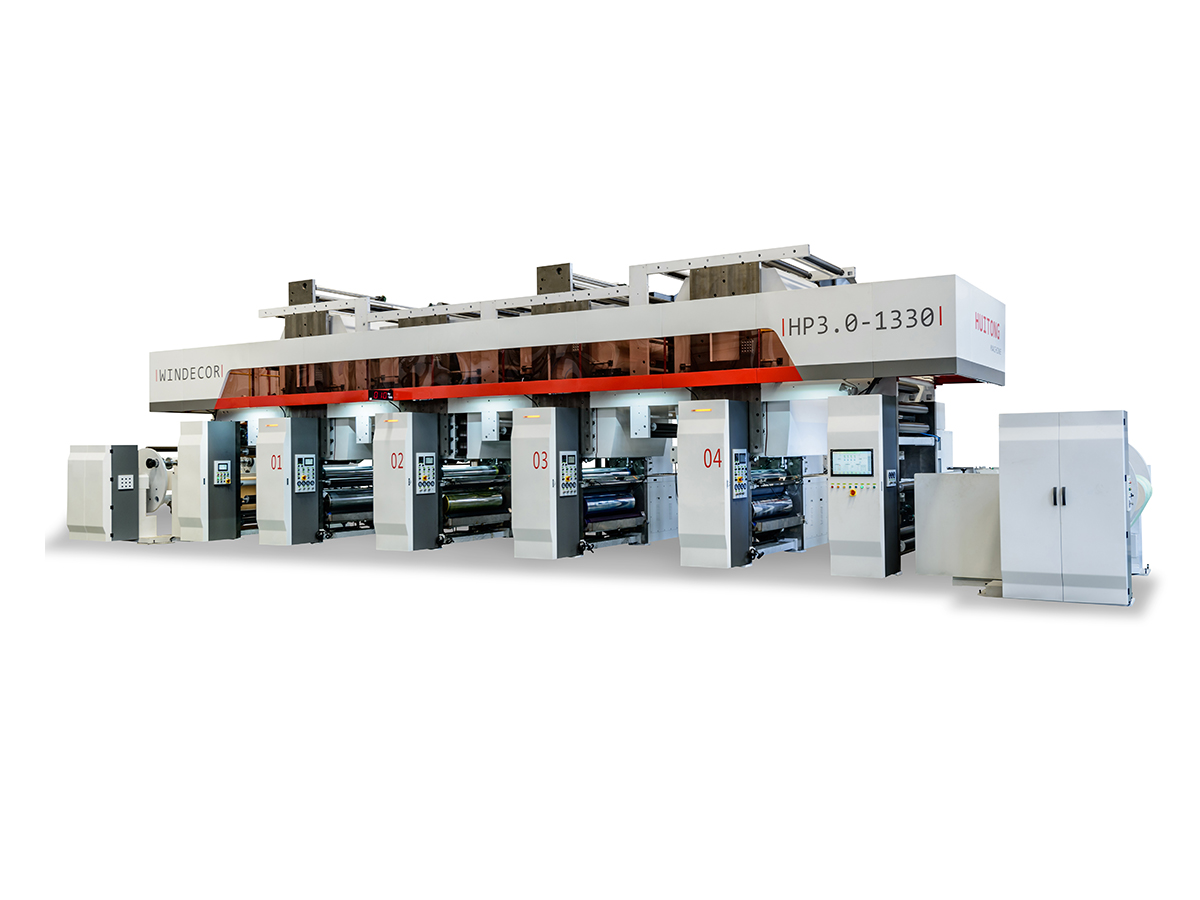
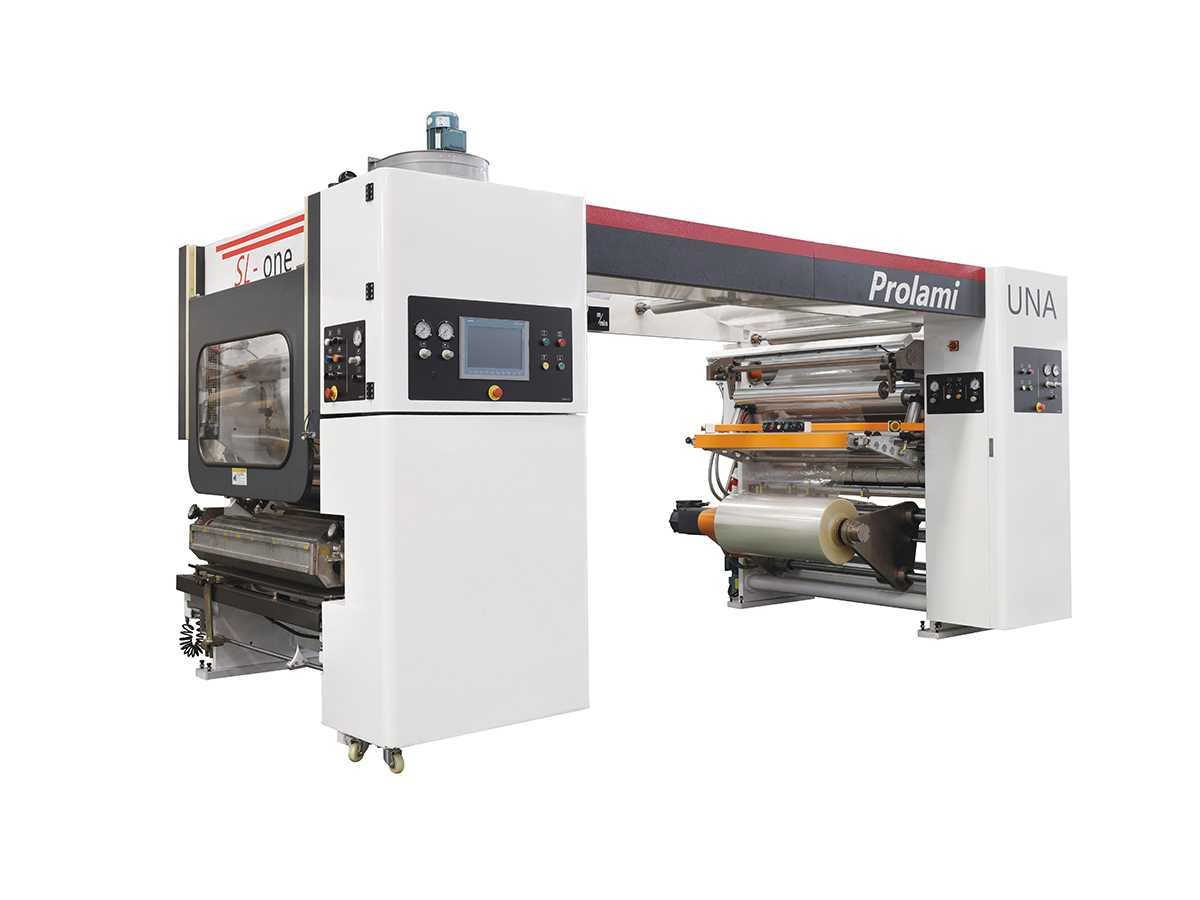
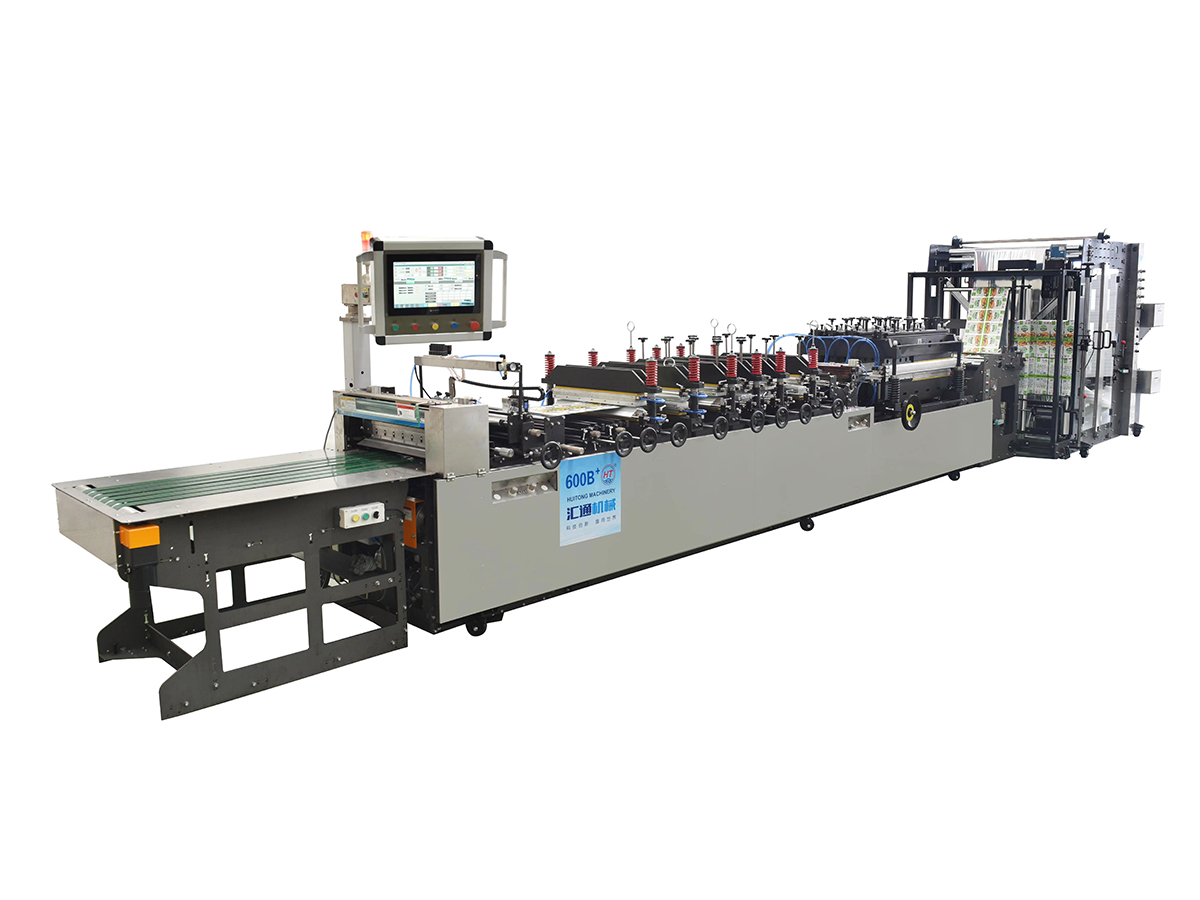
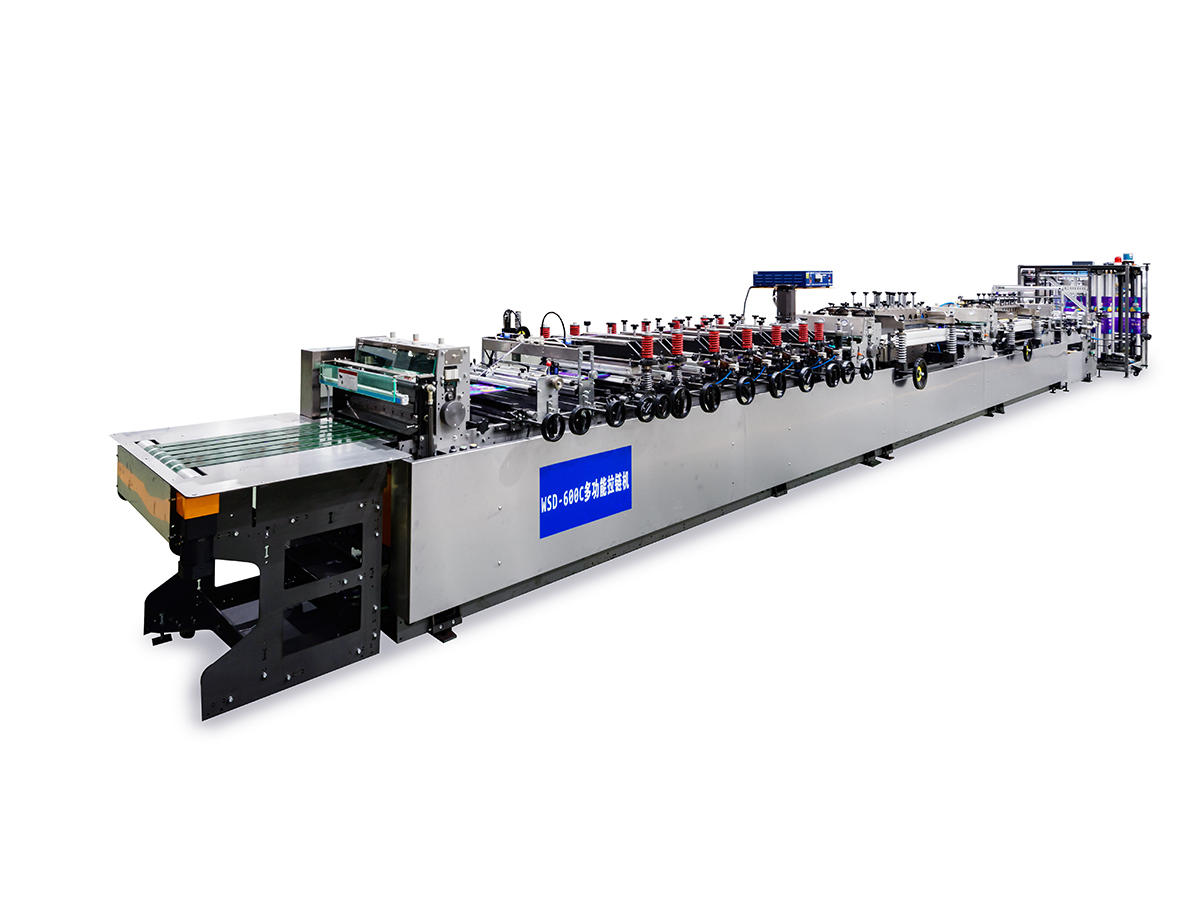
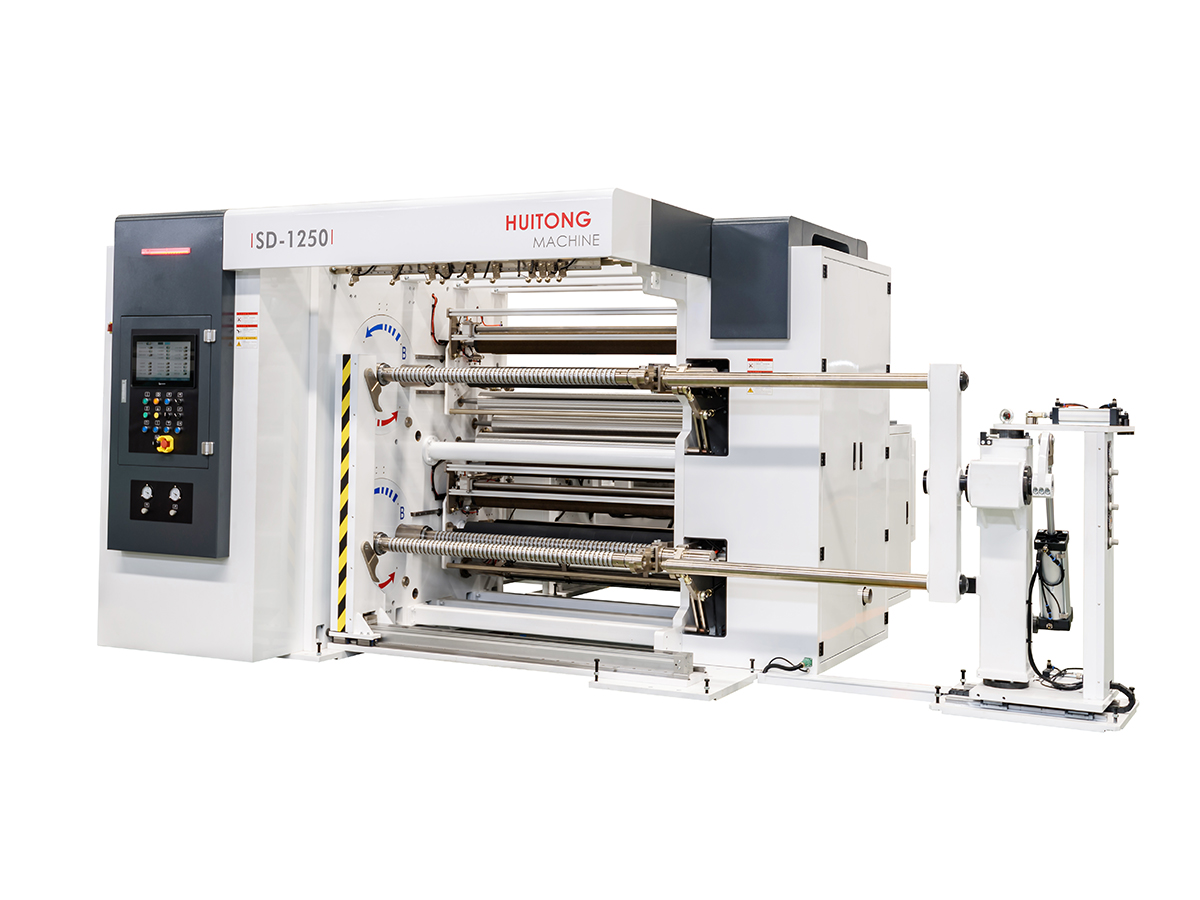
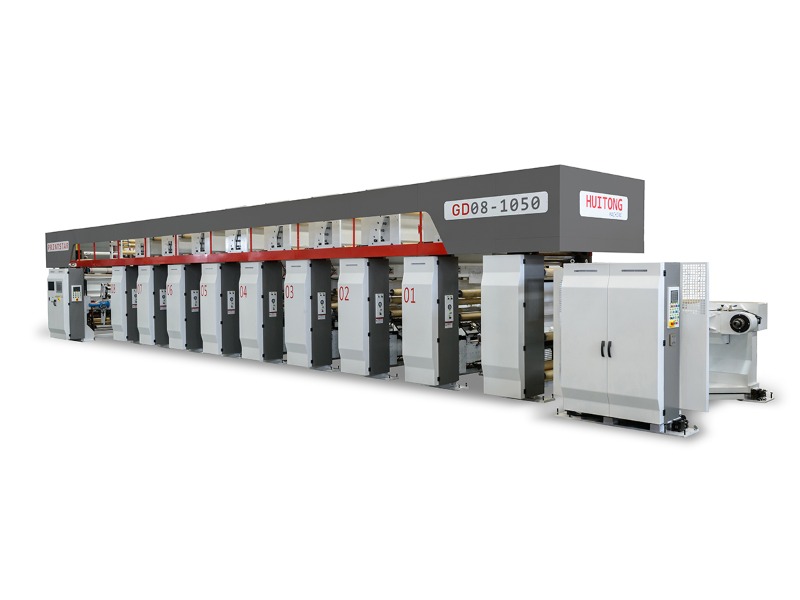
In the modern manufacturing landscape, the transition toward versatile and lightweight materials has placed flexible packaging at the forefront of the industry. As consumer demand for convenience and sustainability rises, the pressure on manufacturers to maintain uncompromising safety and quality standards has never been greater. Central to this achievement is the evolution of flexible packaging equipment. These sophisticated systems are no longer mere containment tools; they are the primary guardians of product integrity, employing advanced engineering to mitigate risks and enhance shelf life.
The critical function of flexible packaging equipment is the creation of a reliable, airtight seal. For products sensitive to environmental factors—such as moisture, oxygen, or light—any breach in the seal can premature spoilage or chemical degradation. Modern equipment utilizes precision thermal and ultrasonic sealing technologies to ensure that every pouch or bag is hermetically closed.
Unlike traditional methods, contemporary systems allow for the fine-tuning of temperature, pressure, and dwell time. This level of control is essential because different flexible materials, ranging from mono-polymer recyclables to complex multi-layer laminates, require specific parameters to bond correctly without compromising the material’s structural integrity.
Product safety begins with the environment in which it is packaged. Flexible packaging equipment is increasingly designed with “hygienic-first” principles. This involves the use of stainless steel construction, sloped surfaces to prevent liquid accumulation, and a reduction in “dead spaces” where bacteria or product residue could hide.
Furthermore, automated cleaning systems, often referred to as Clean-in-Place (CIP) protocols, allow for thorough sanitation without necessitating the complete disassembly of the machinery. This reduces the risk of human error and cross-contamination, particularly in facilities that handle allergens or sensitive pharmaceutical components.
Quality is often defined by consistency. Flexible packaging equipment integrates high-precision weighing and dosing systems that ensure each unit contains the exact specified amount of product. Whether dealing with liquids, powders, or solids, these systems use vacuum-filling or auger-feeding mechanisms to minimize waste and prevent under-filling, which can regulatory non-compliance and consumer dissatisfaction.
| Feature | Impact on Safety/Quality | Technical Mechanism |
|---|---|---|
| Gas Flushing (MAP) | Extends shelf life and prevents oxidation | Displacement of O2 with Nitrogen or CO2 |
| Ultrasonic Sealing | Ensures seal through product contamination | High-frequency vibration bonding |
| Vision Inspection | Identifies defective units in real-time | High-speed camera and AI analysis |
| Tension Control | Prevents material tearing and wrinkles | Automated servo-motor adjustment |
To ensure that every item leaving the production line meets quality benchmarks, flexible packaging equipment is now outfitted with integrated inspection modules. Vision systems can detect micro-perforations in the film or misaligned graphics that might indicate a deeper mechanical issue.
Moreover, the integration of the Internet of Things (IoT) allows for real-time data collection. Operators can monitor the performance of the equipment continuously, identifying deviations in heat or pressure before they result in a batch of defective products. This proactive approach to quality control shifts the focus from “detecting failures” to “preventing failures.”
The way flexible packaging equipment handles material is just as important as the material itself. High-speed lines must manage film tension with precision. If the tension is too high, the barrier layers within the film can stretch and thin, creating “micro-cracks” that allow oxygen to permeate. If it is too low, wrinkles can form in the seal area, creating leak paths. Sophisticated servo-driven systems ensure that the film remains stable throughout the forming, filling, and sealing process, preserving the inherent protective qualities of the packaging material.
As global supply chains become more complex, the role of flexible packaging equipment in securing the safety and quality of goods cannot be overstated. By blending mechanical precision with digital intelligence, these systems ensure that products reach the end-user in the exact condition intended by the manufacturer.
1. How does flexible packaging equipment prevent food spoilage?
The equipment utilizes Modified Atmosphere Packaging (MAP) to replace oxygen within the pouch with inert gases like nitrogen. This, combined with high-integrity thermal sealing, prevents the growth of aerobic bacteria and slows down the oxidation process, significantly extending shelf life.
2. Can these machines handle different types of packaging materials?
Yes. Modern flexible packaging equipment is designed for high versatility. Through programmable logic controllers (PLCs), operators can switch between different material profiles, such as bio-plastics, aluminum foils, or polyethylene, by automatically adjusting the sealing and tension parameters.
3. What role does automation play in ensuring product quality?
Automation removes the variability of human intervention. Automated dosing ensures precise weight, while integrated vision systems inspect every package at speeds impossible for a human eye, identifying flaws like incorrect labels or compromised seals instantly.
4. How is cross-contamination managed in flexible packaging systems?
Systems are built with sanitary designs that feature easy-to-clean surfaces and tool-less disassembly. Many machines also feature specialized air filtration and enclosed filling zones to prevent airborne contaminants from entering the product stream during the packaging process.
Contact Us
Recommended Products
Joining Hands With Huitong
Customize Your Flexible Packaging Equipment Solution
Inquire now
Products
contact us

Tel: +86-0510-86328508
+86-0510-86324508
Mob: +86-13914908980
Email: [email protected]
ADD: No. 429 Xizhang Road, Gushan Town, Jiangyin City, Jiangsu Province, China

 English
 русский
 Español
 عربى
عربى