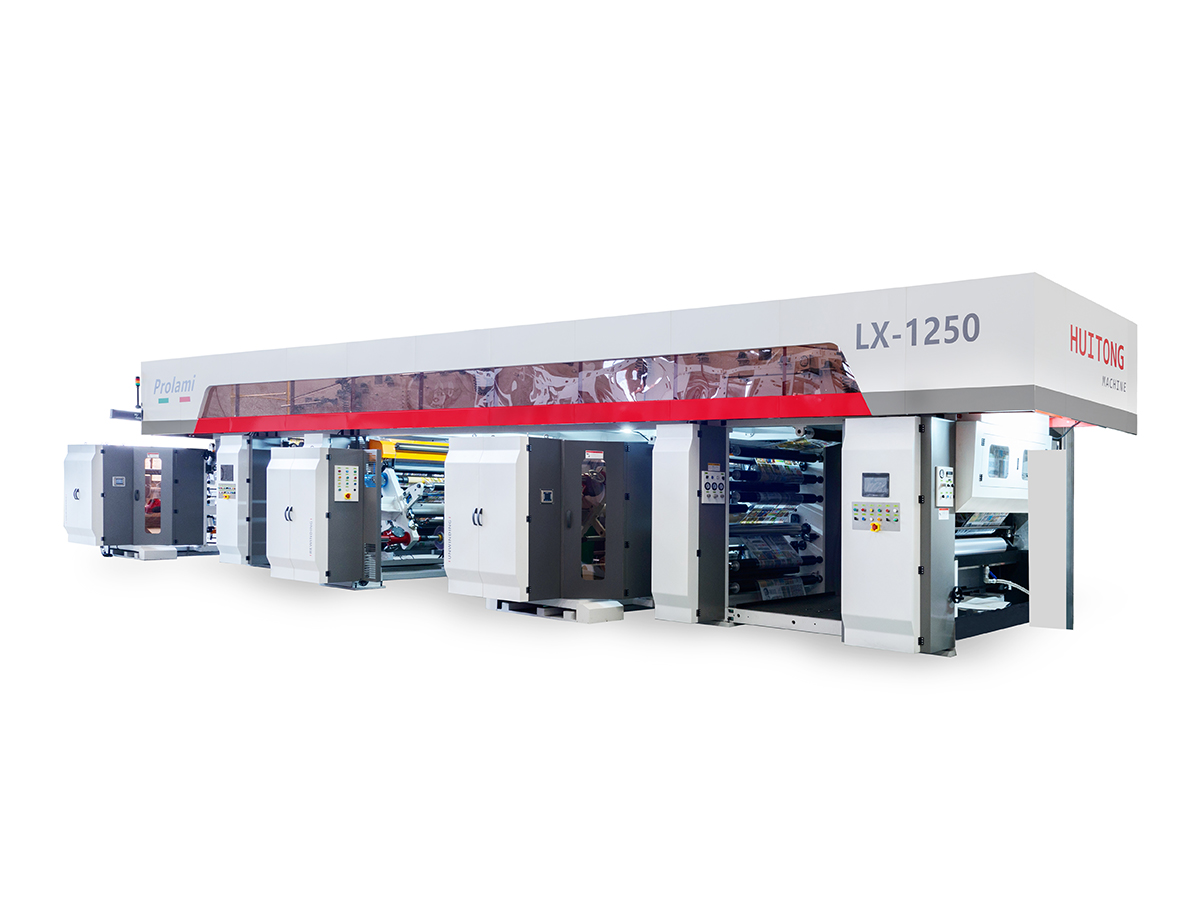
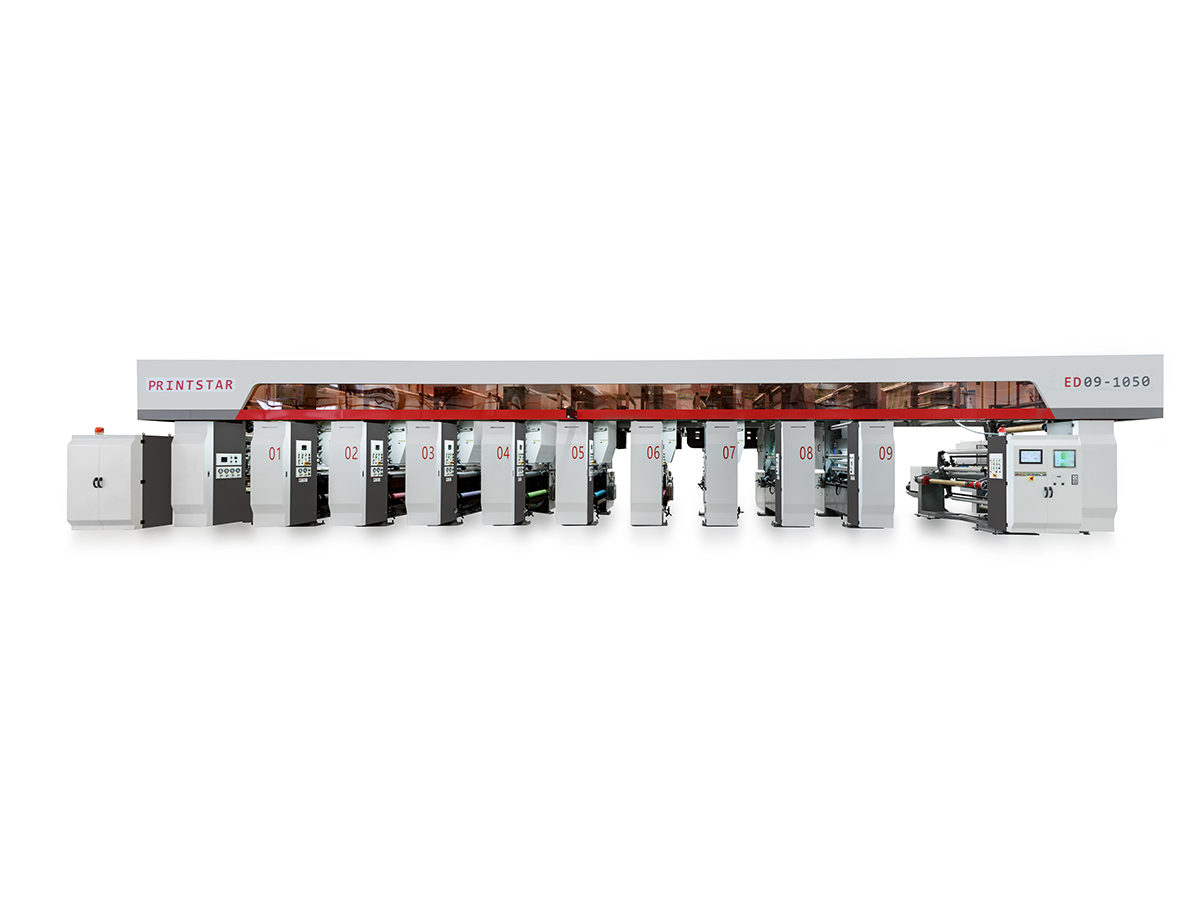
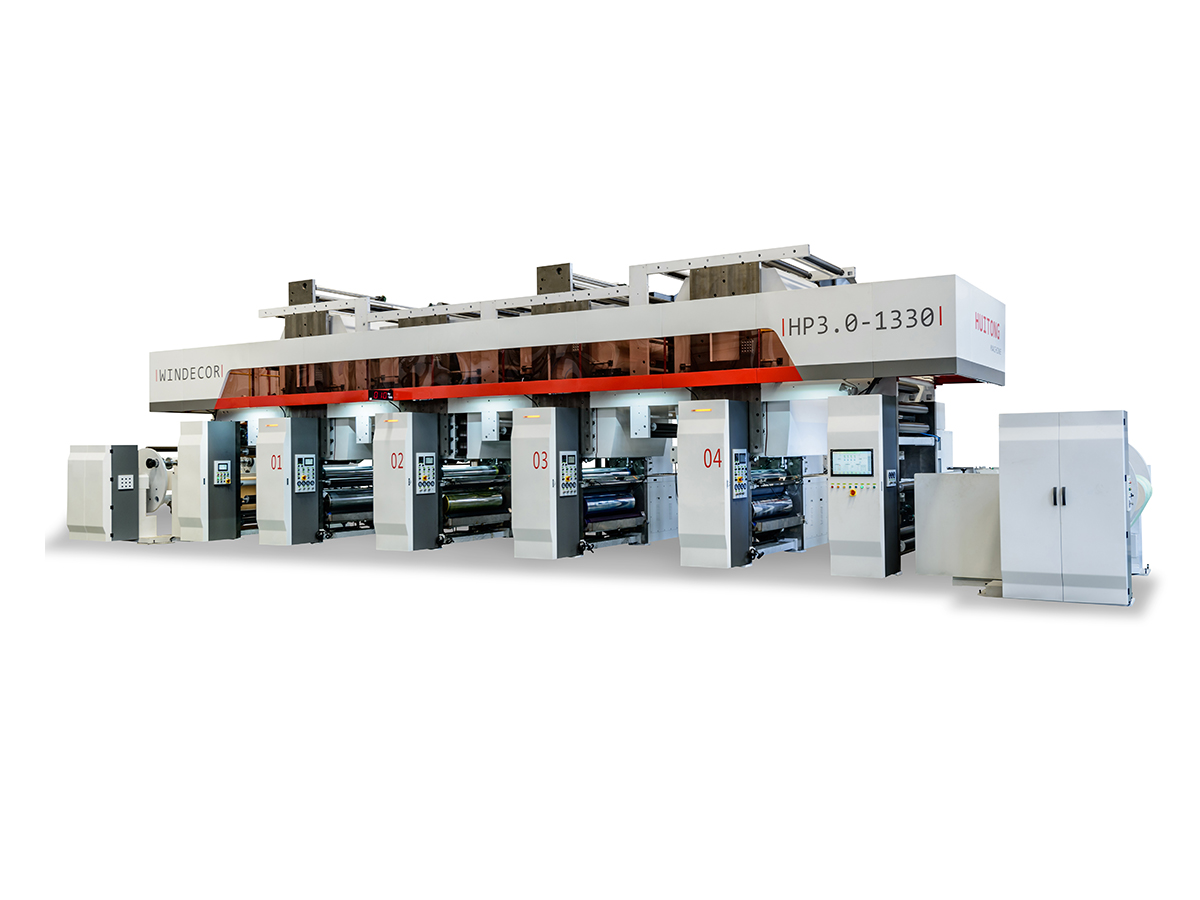
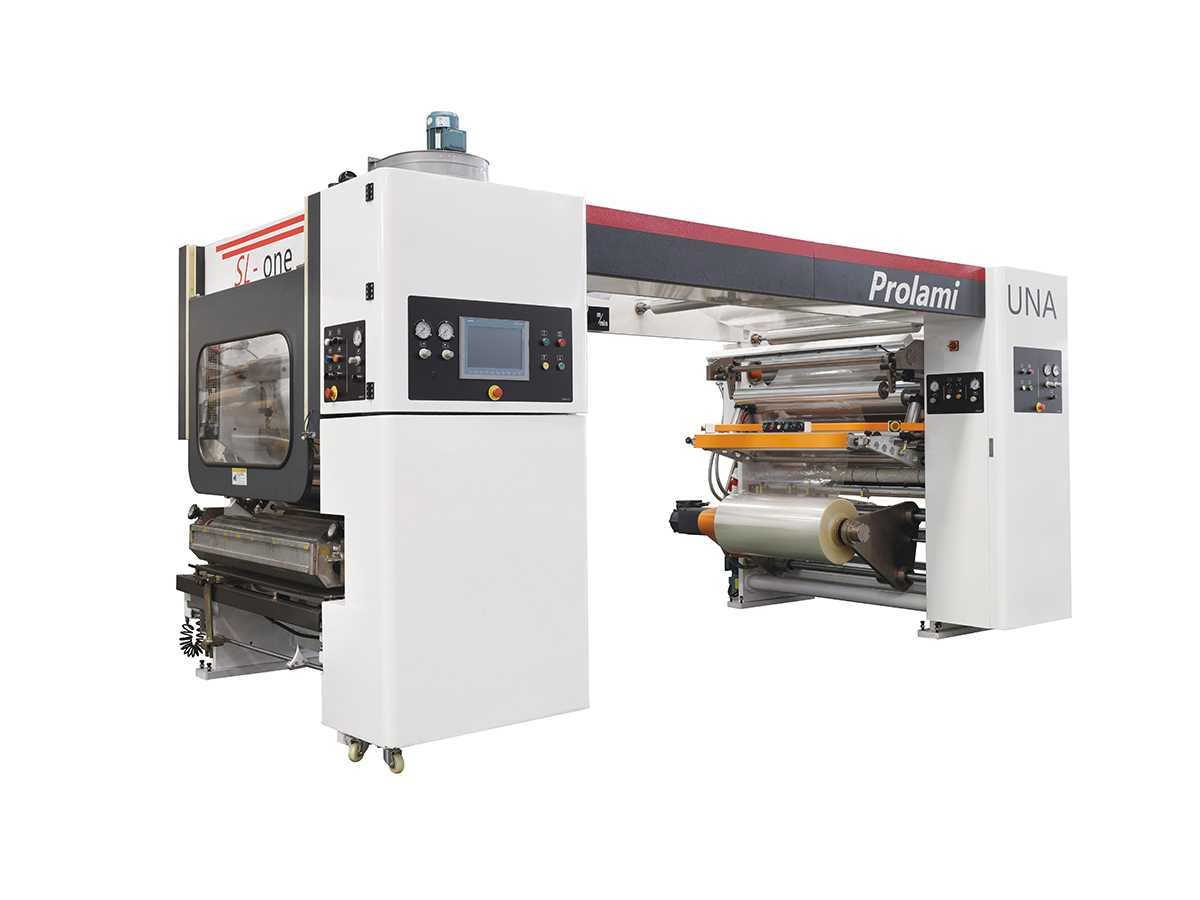
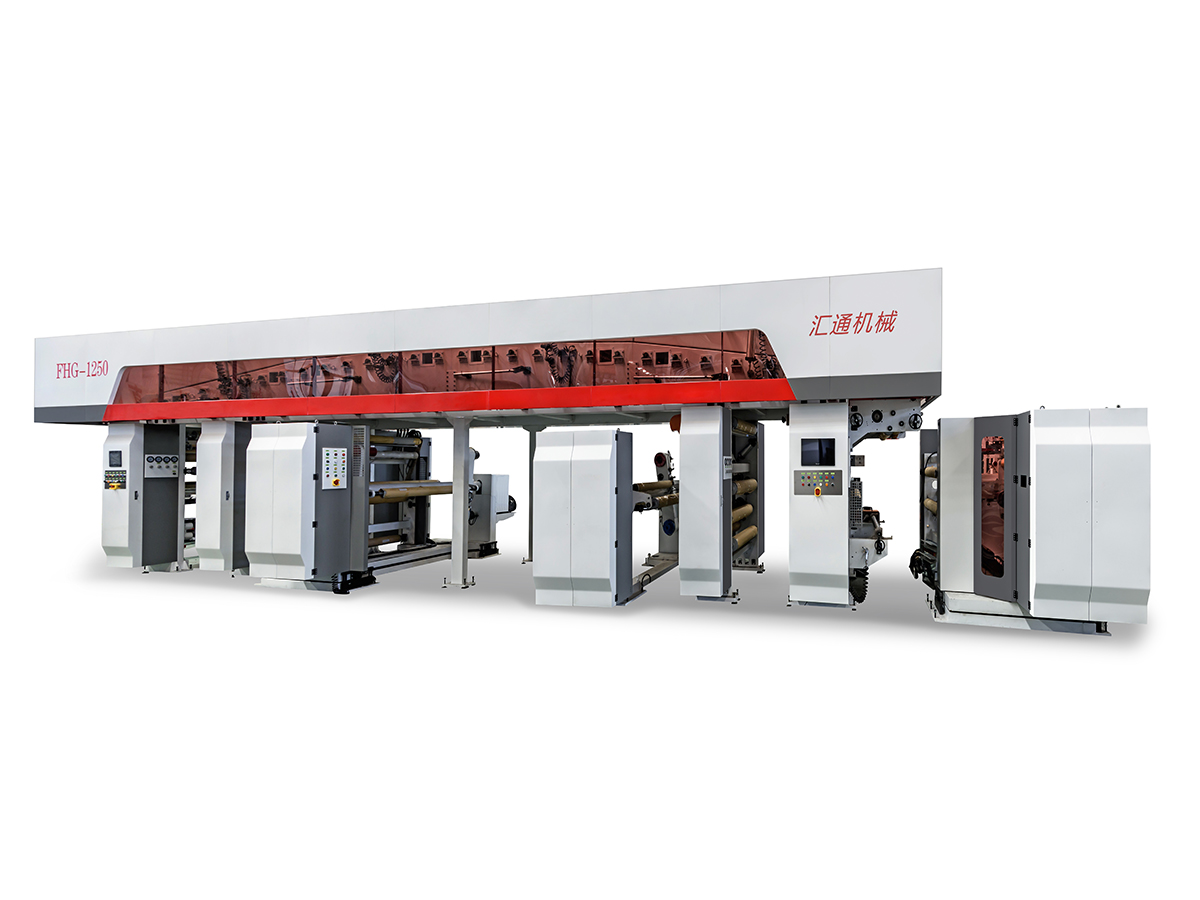
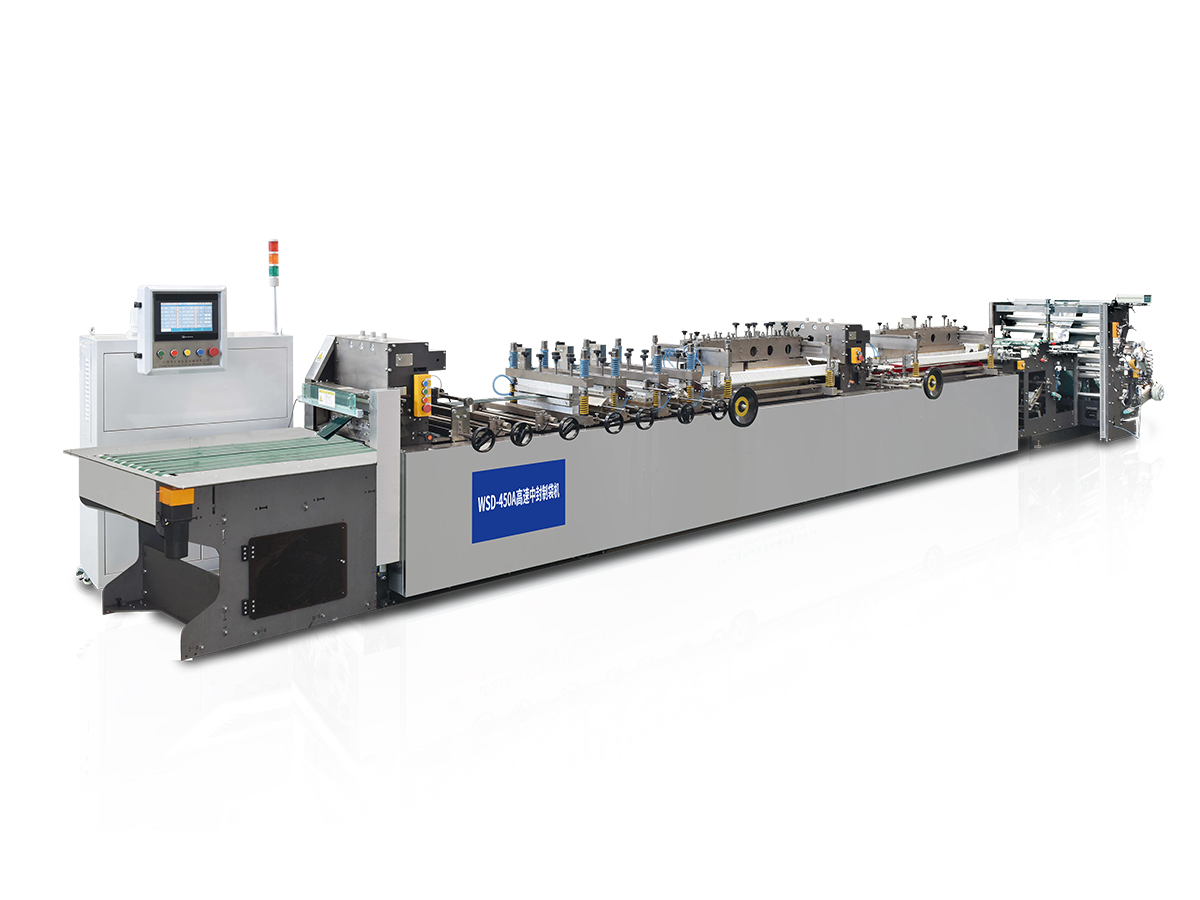
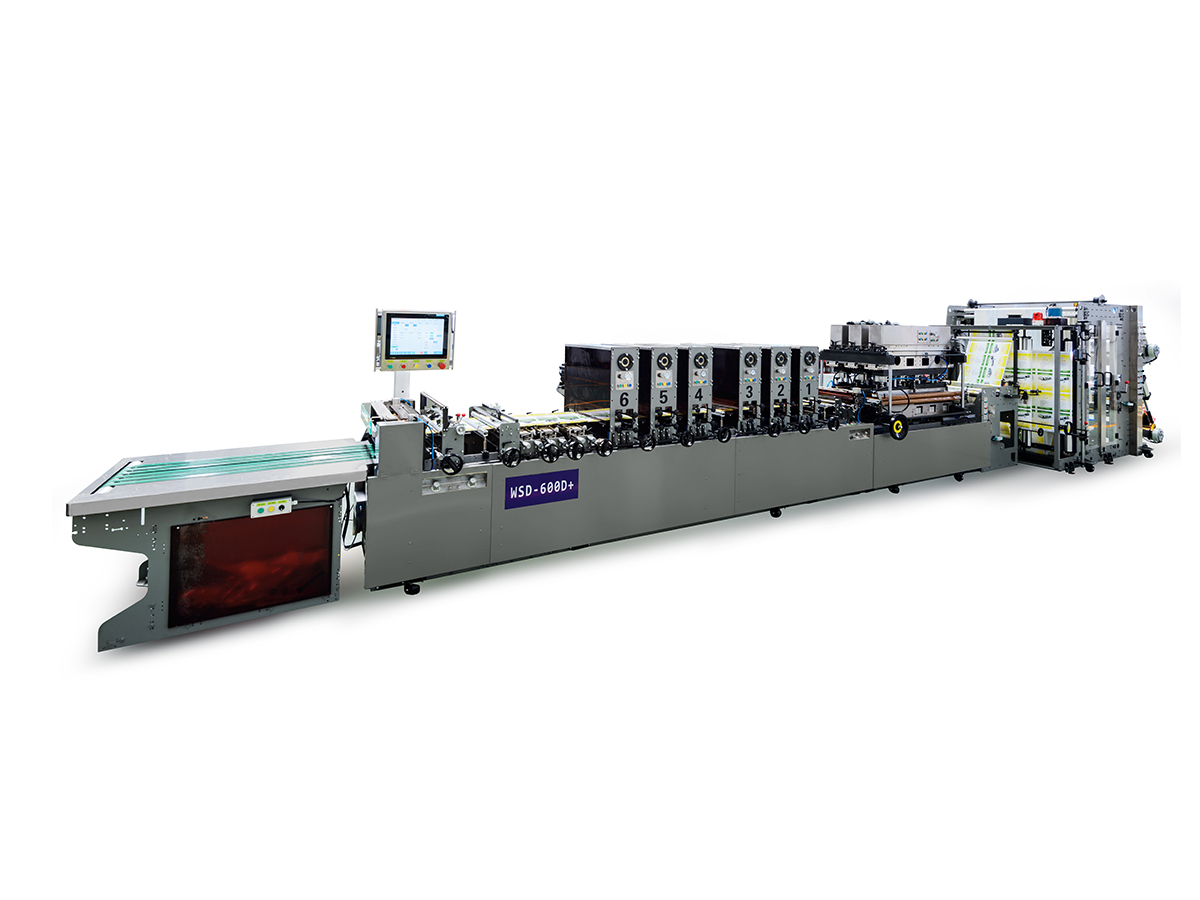
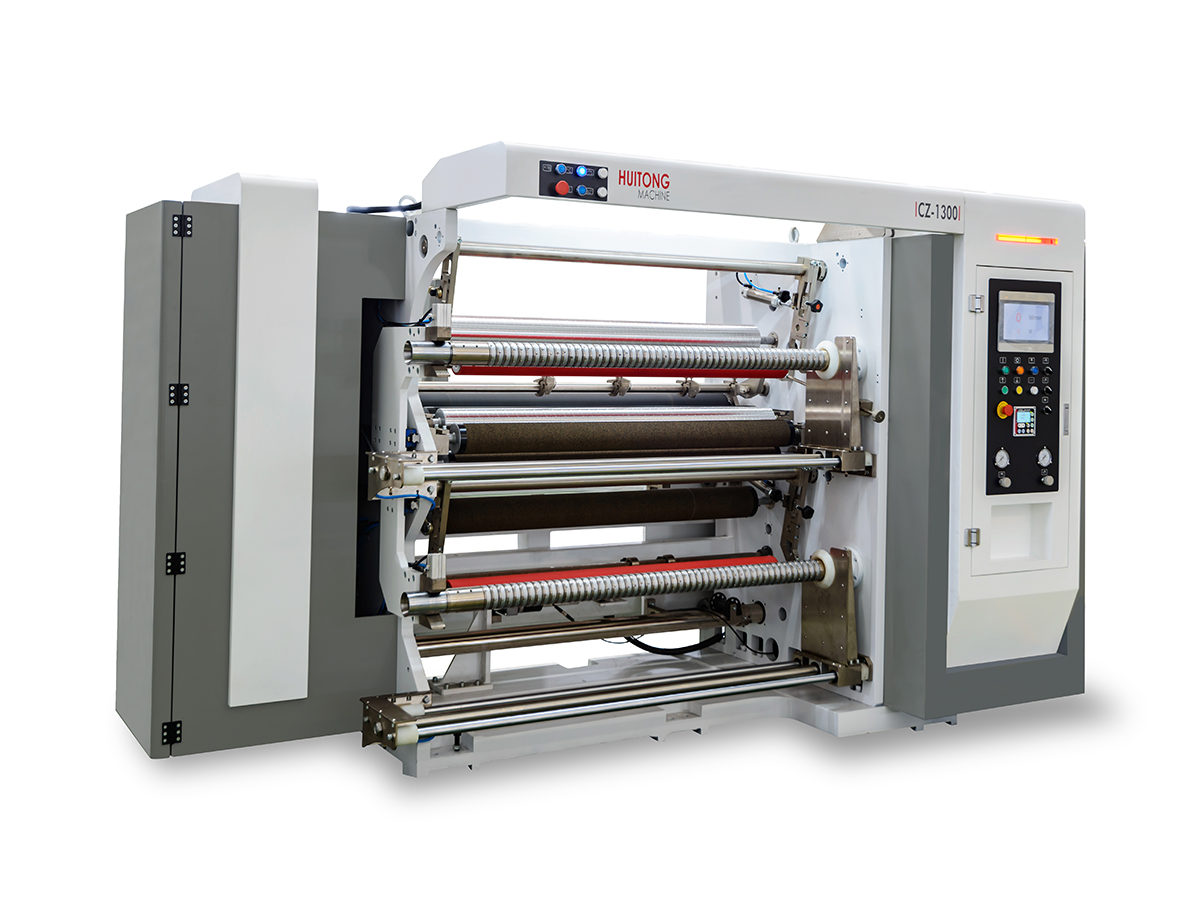
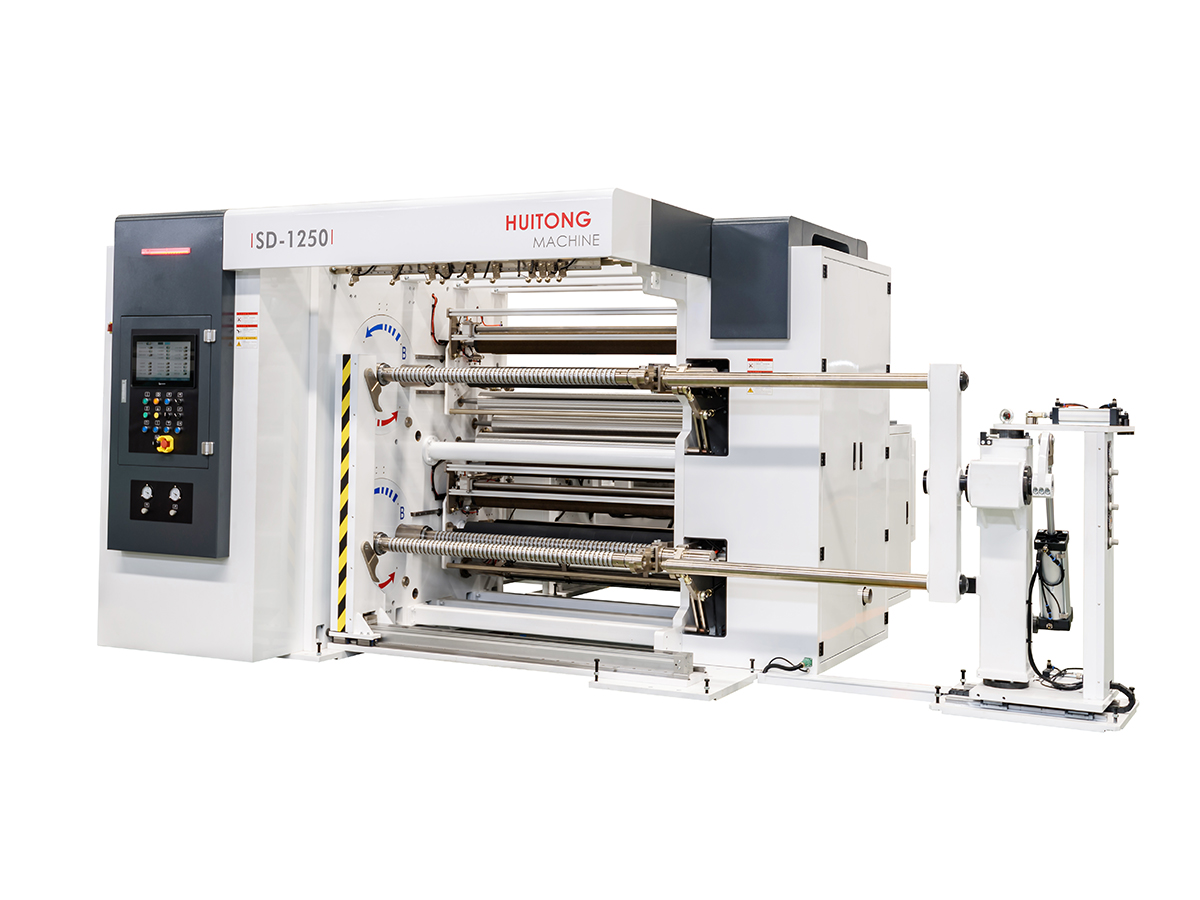
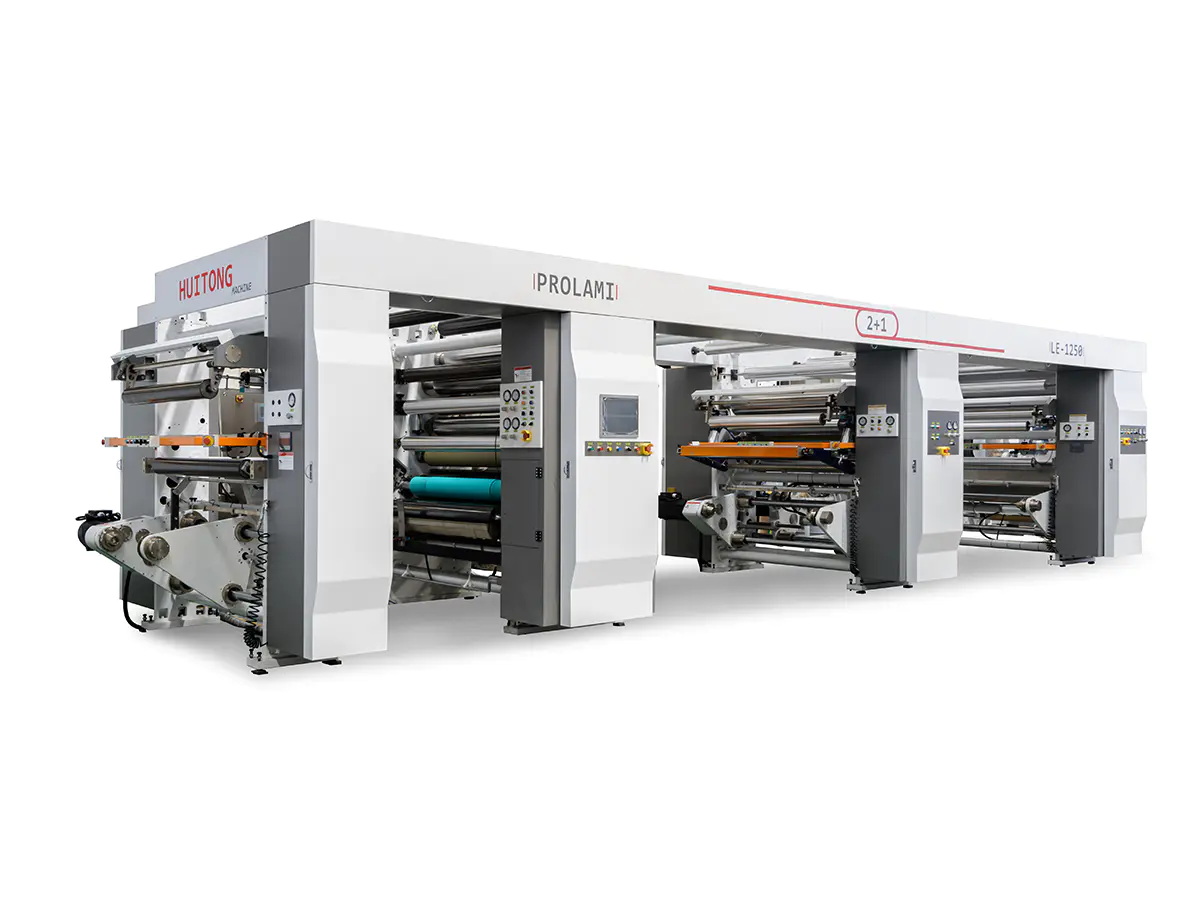
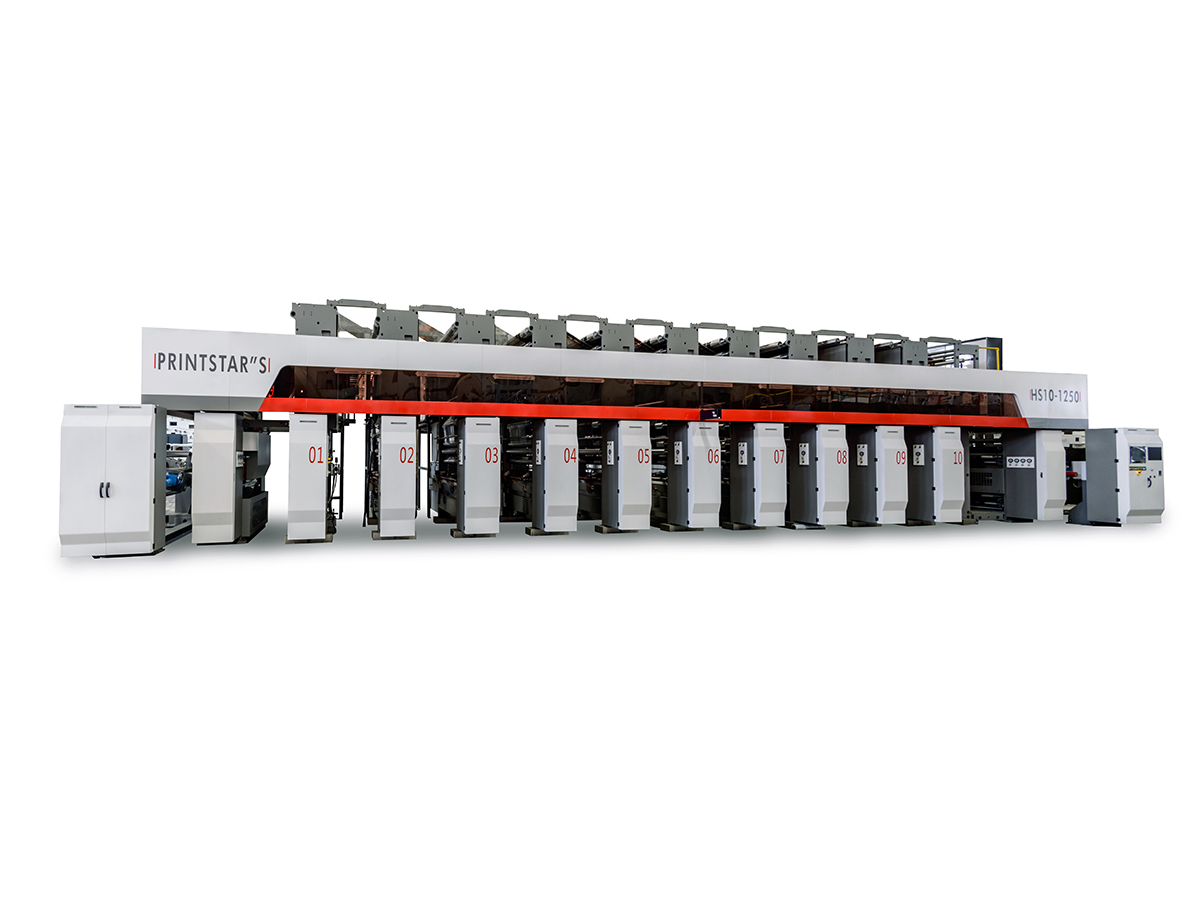
The flexible packaging entire production line has revolutionized the way businesses manufacture packaging for a wide range of products. This type of production line focuses on flexibility, speed, and precision, which are crucial for improving overall efficiency in packaging operations. The integration of advanced technology, automation, and optimized processes enables manufacturers to meet growing consumer demands while minimizing errors and waste.
A flexible packaging production line refers to a comprehensive, automated system designed to produce a variety of flexible packaging formats. These systems typically handle materials such as films, foils, and laminates to create packaging for products like food, beverages, pharmaceuticals, and consumer goods. The production line includes multiple stages, from material feeding and printing to sealing and cutting.
A key advantage of using a flexible packaging production line is the ability to increase production speed without compromising quality. Automation and the integration of advanced technology ensure that production runs smoothly, allowing businesses to meet higher volume demands.
Flexibility in packaging design means that production lines can minimize material waste. Whether through precise cutting or optimized material usage, a flexible packaging entire production line can significantly reduce scrap and waste.
With advanced printing and sealing technology, flexible packaging production lines ensure that the final products meet high-quality standards. Consistent print quality, precise sealing, and uniform material properties result in durable and visually appealing packaging.
One of the defining features of flexible packaging is its ability to accommodate various package types, sizes, and materials. A production line designed with this flexibility in mind allows manufacturers to quickly switch between different packaging formats, meeting the varied needs of customers.
Automation is at the heart of a flexible packaging production line. By automating the majority of the processes involved in flexible packaging, businesses can achieve several efficiency gains:
| Aspect | Manual Production | Automated Production |
|---|---|---|
| Labor Requirements | High | Low |
| Setup Time | Long | Short |
| Error Rate | High | Low |
| Production Speed | Moderate | High |
| Waste Generation | High | Low |
Another critical factor in improving efficiency is minimizing downtime. Modern flexible packaging production lines are designed to be highly reliable, reducing the chances of unexpected stoppages.
Efficiency improvements cost reductions in several areas:
Different industries and products may require different packaging formats. A flexible packaging production line should be adaptable to these needs, offering a range of formats, sizes, and materials.
When introducing a flexible packaging production line, it’s essential to ensure that it integrates smoothly with other systems, such as inventory management and shipping. This creates a cohesive workflow that can further improve efficiency.
While automation is beneficial, the production line still requires skilled personnel to oversee operations, troubleshoot problems, and perform maintenance. Adequate training is crucial for performance.
1. What is flexible packaging?
Flexible packaging is a form of packaging made from flexible materials like films, foils, and laminates, commonly used for products such as food, beverages, and consumer goods.
2. How does automation improve packaging efficiency?
Automation improves efficiency by reducing labor costs, minimizing errors, speeding up production times, and ensuring consistent quality across large volumes of packaging.
3. What types of products benefit from flexible packaging?
Flexible packaging is ideal for products such as food items, beverages, medical supplies, and cosmetics, which require versatile, lightweight, and cost-effective packaging solutions.
4. What are the environmental benefits of flexible packaging?
Flexible packaging reduces material waste, minimizes energy consumption, and is often made from recyclable materials, making it an environmentally friendly option compared to rigid packaging.
5. How can companies ensure the quality of flexible packaging?
By incorporating automated quality control systems into the production line, companies can ensure consistent print quality, precise sealing, and durability of the packaging.
The flexible packaging entire production line is an essential tool for improving efficiency in the packaging industry. Through automation, reduced waste, faster production times, and higher-quality products, businesses can meet growing demands while reducing costs.
Contact Us
Recommended Products
Joining Hands With Huitong
Customize Your Flexible Packaging Equipment Solution
Inquire now
Products
contact us

Tel: +86-0510-86328508
+86-0510-86324508
Mob: +86-13914908980
Email: [email protected]
ADD: No. 429 Xizhang Road, Gushan Town, Jiangyin City, Jiangsu Province, China

 English
 русский
 Español
 عربى
عربى