In an era where consumer preferences are ever-evolving, custom packaging has become an essential part of brand identity. The ability to create tailored packaging that reflects a company’s values and meets the unique needs of different products is crucial. This is where flexible packaging equipment plays a vital role. Flexible packaging, as opposed to rigid packaging, offers significant advantages in terms of versatility, efficiency, and cost-effectiveness.
Flexible packaging is a sector of packaging that includes materials like films, pouches, and bags, which can bend or flex without losing their structural integrity. Unlike traditional rigid packaging, such as glass or metal containers, flexible packaging materials can conform to the shape of the product they contain. These materials are lightweight, space-efficient, and often more sustainable.
With the increasing demand for customized and innovative packaging designs, flexible packaging solutions have seen widespread adoption across various industries, from food and beverages to personal care and pharmaceuticals. The flexibility inherent in both the materials and the equipment used to produce them has allowed businesses to respond quickly to consumer trends and market changes.
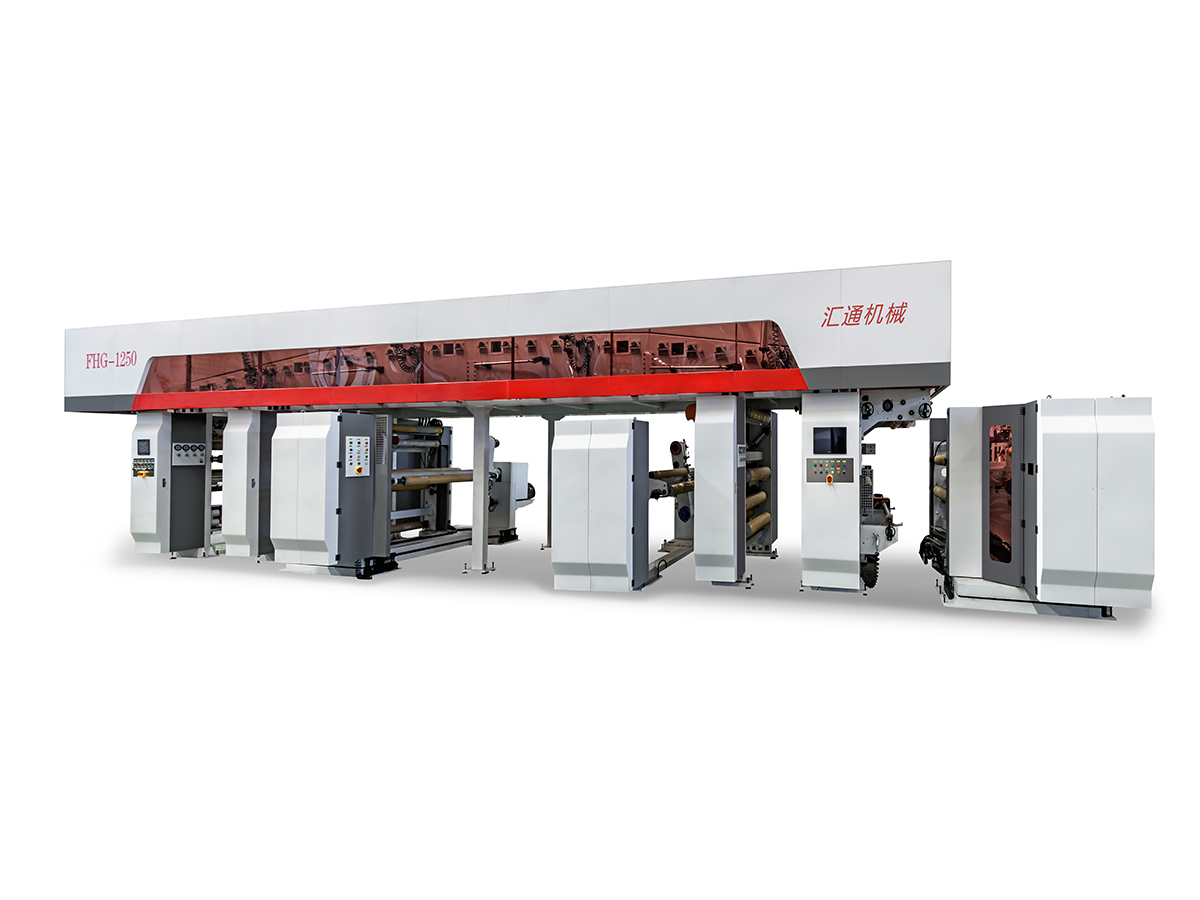
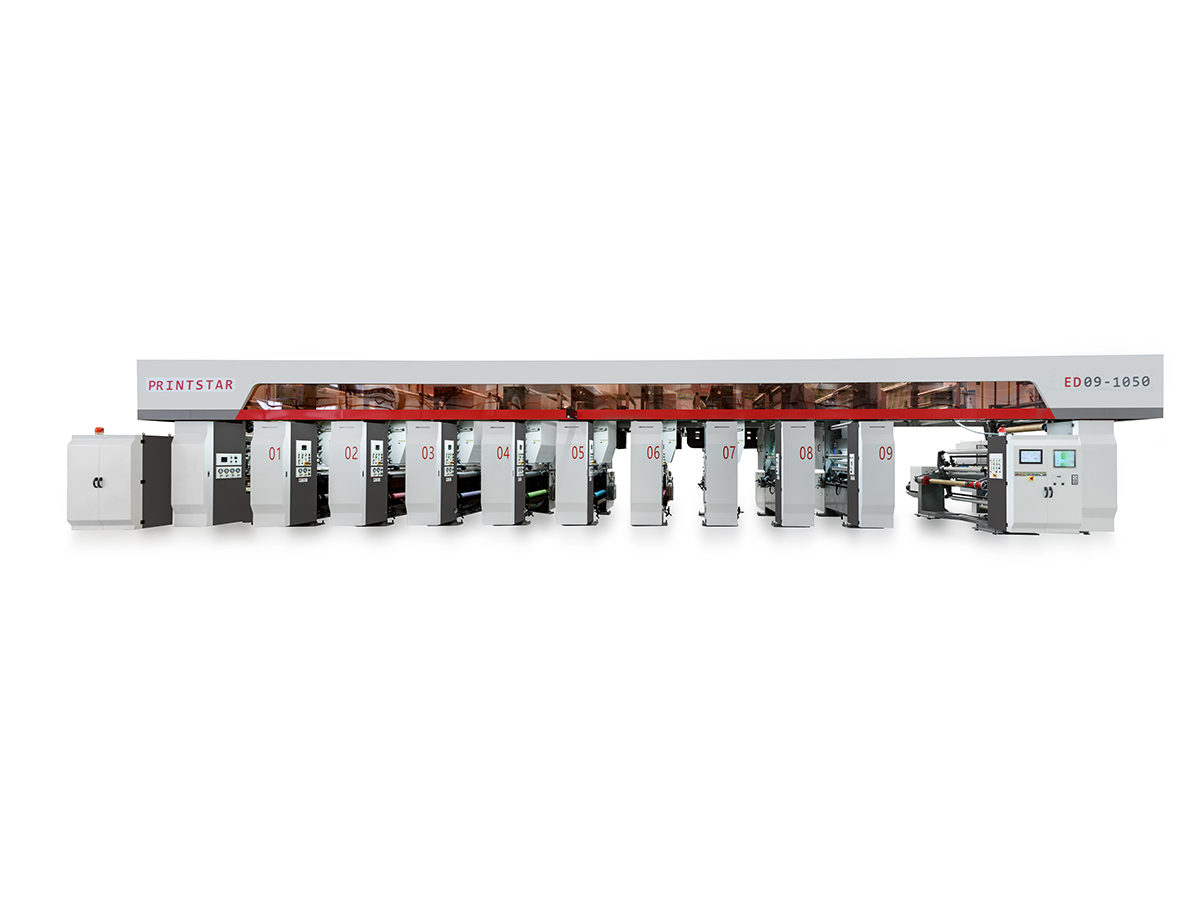
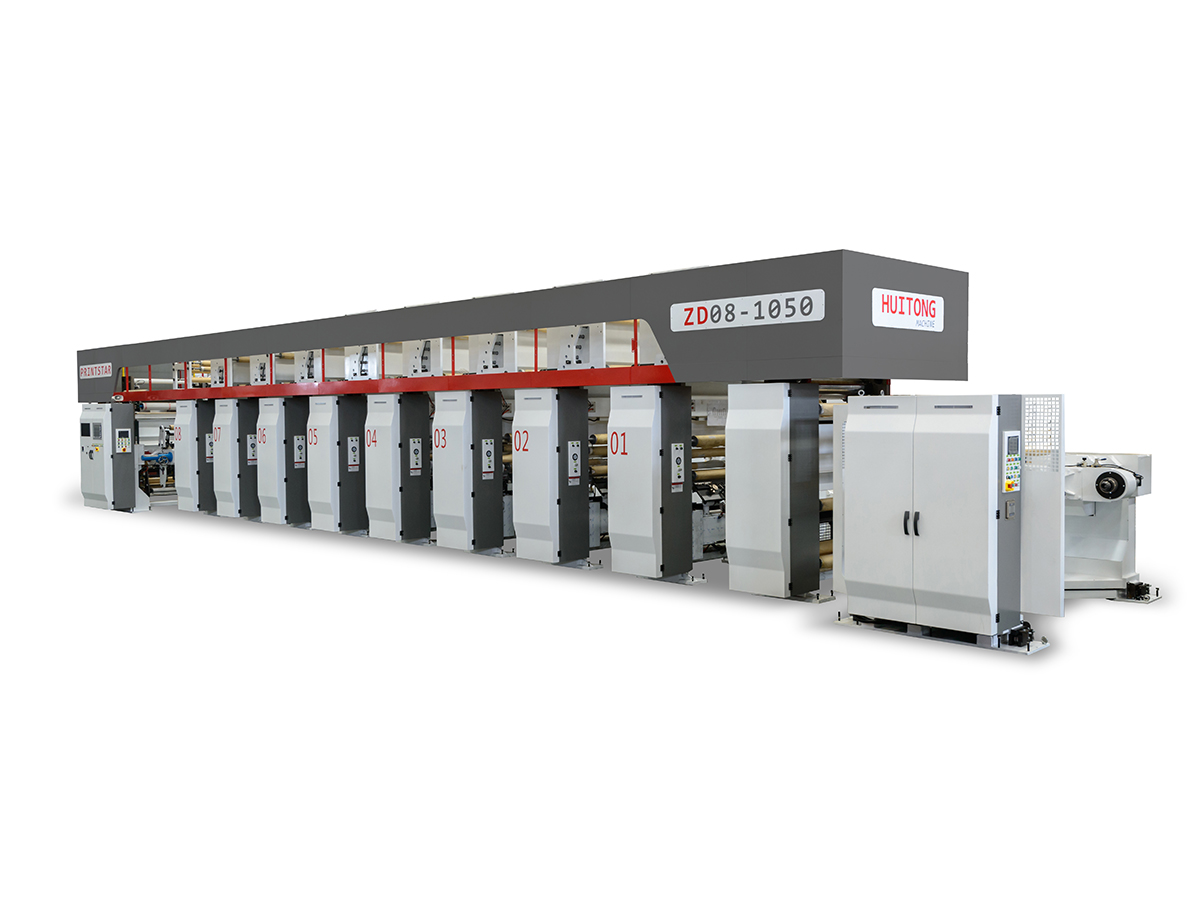
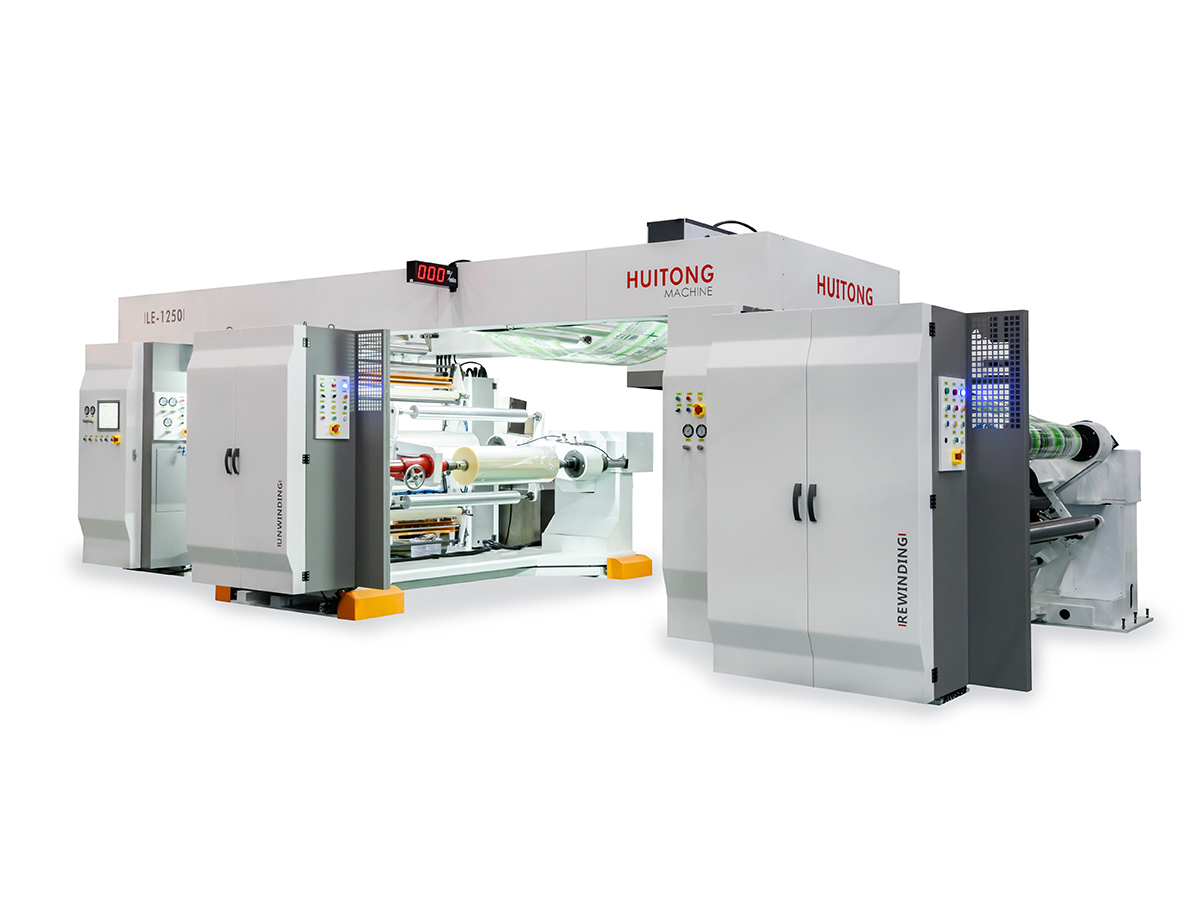
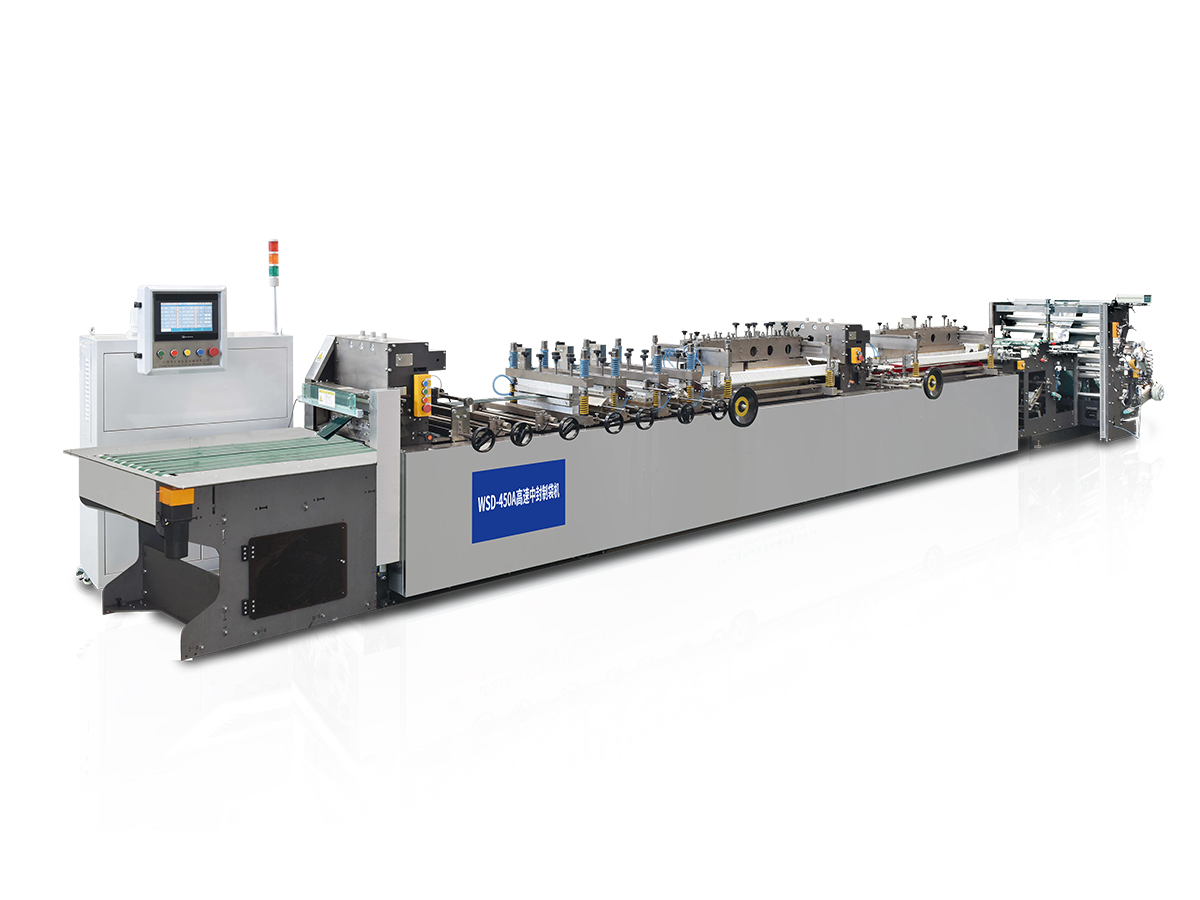
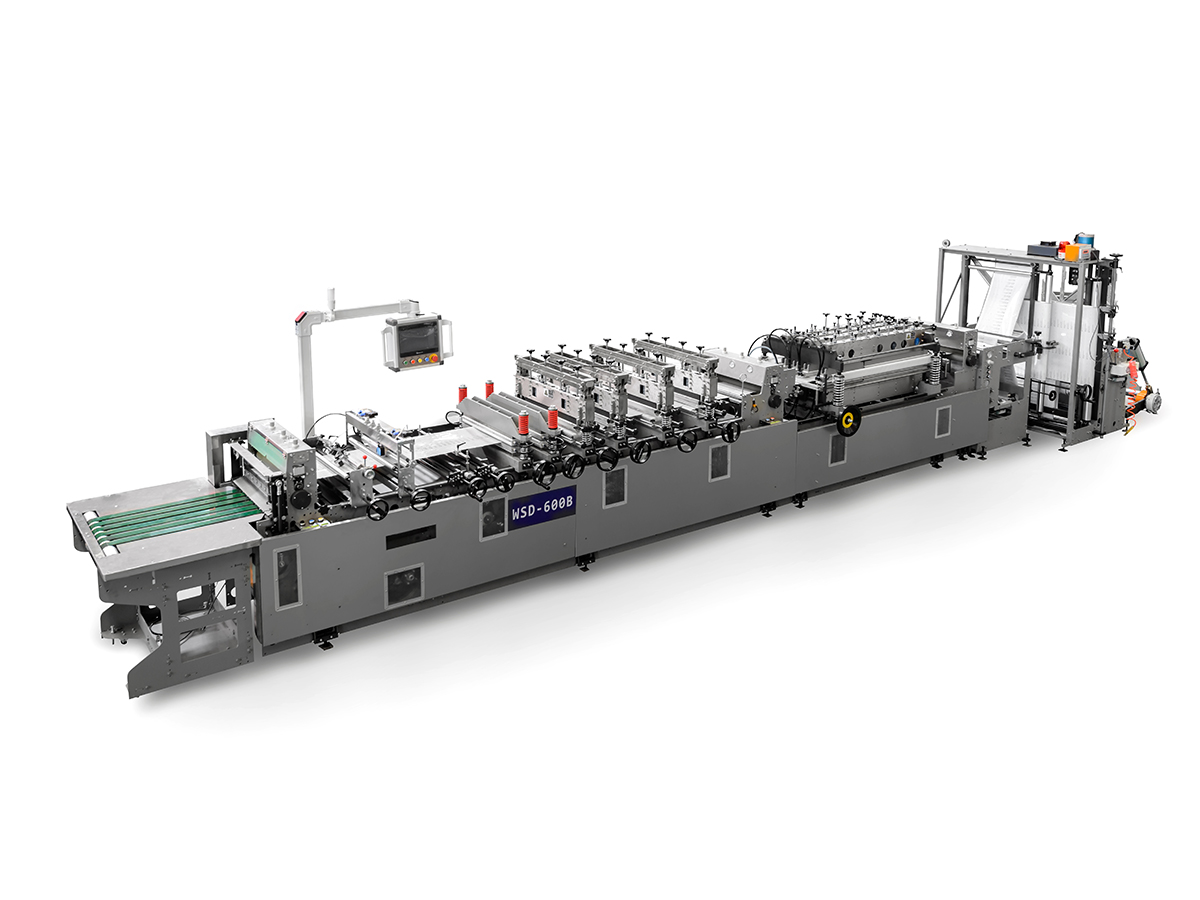
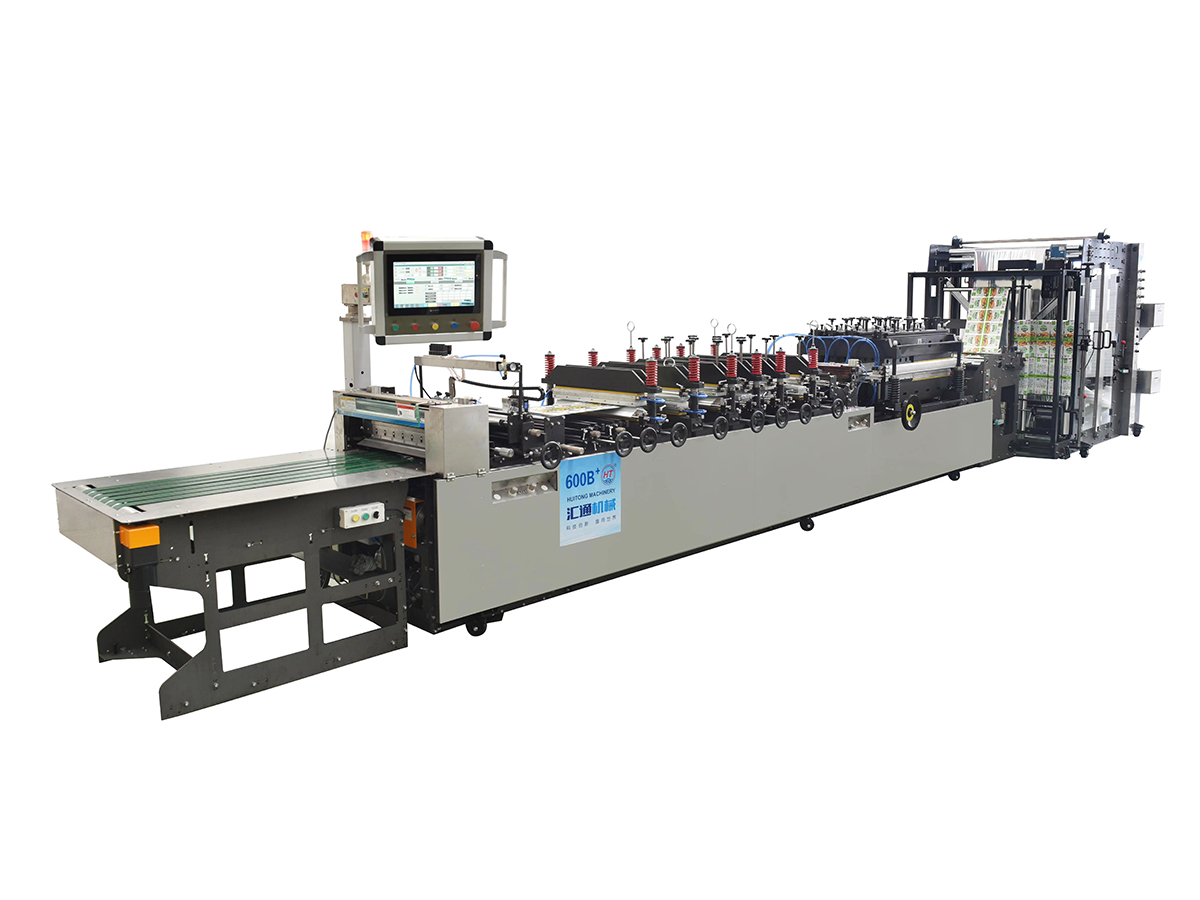
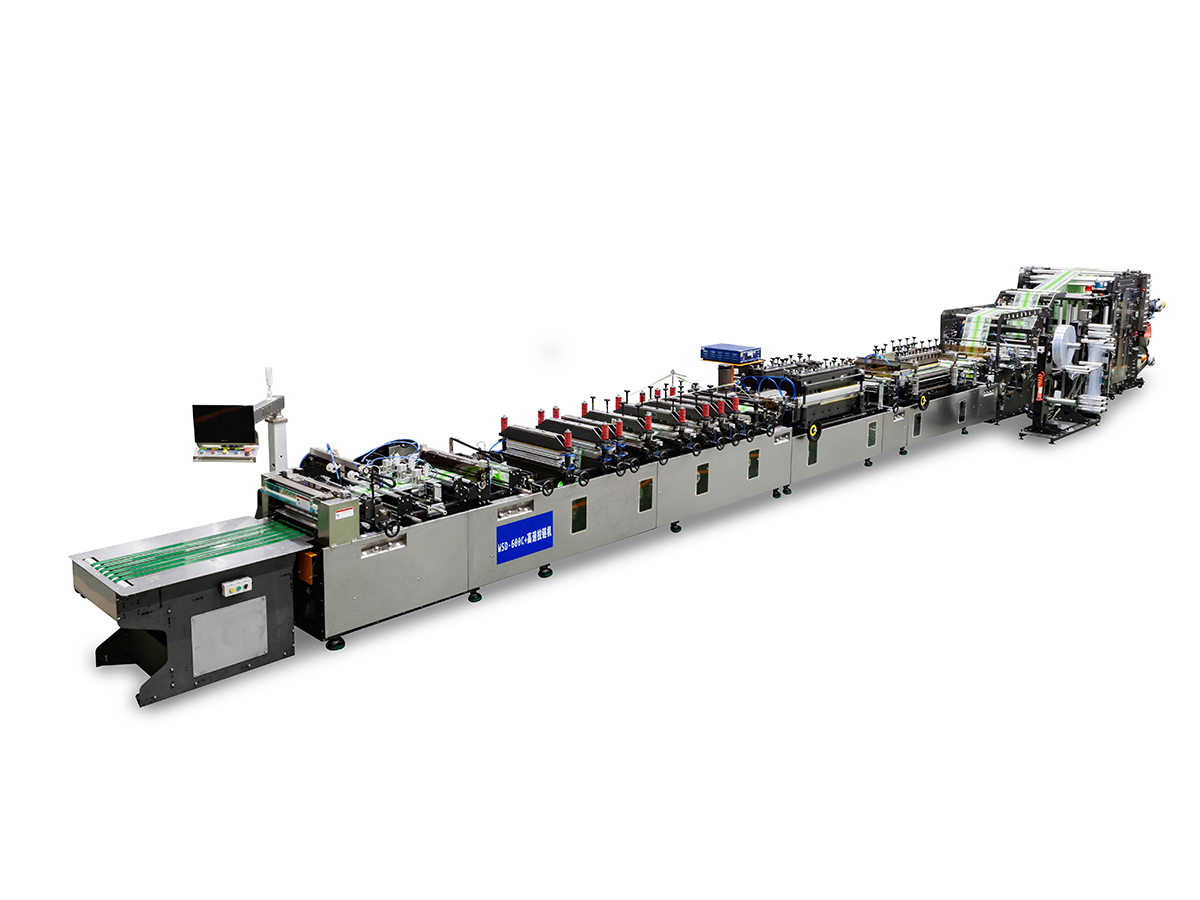
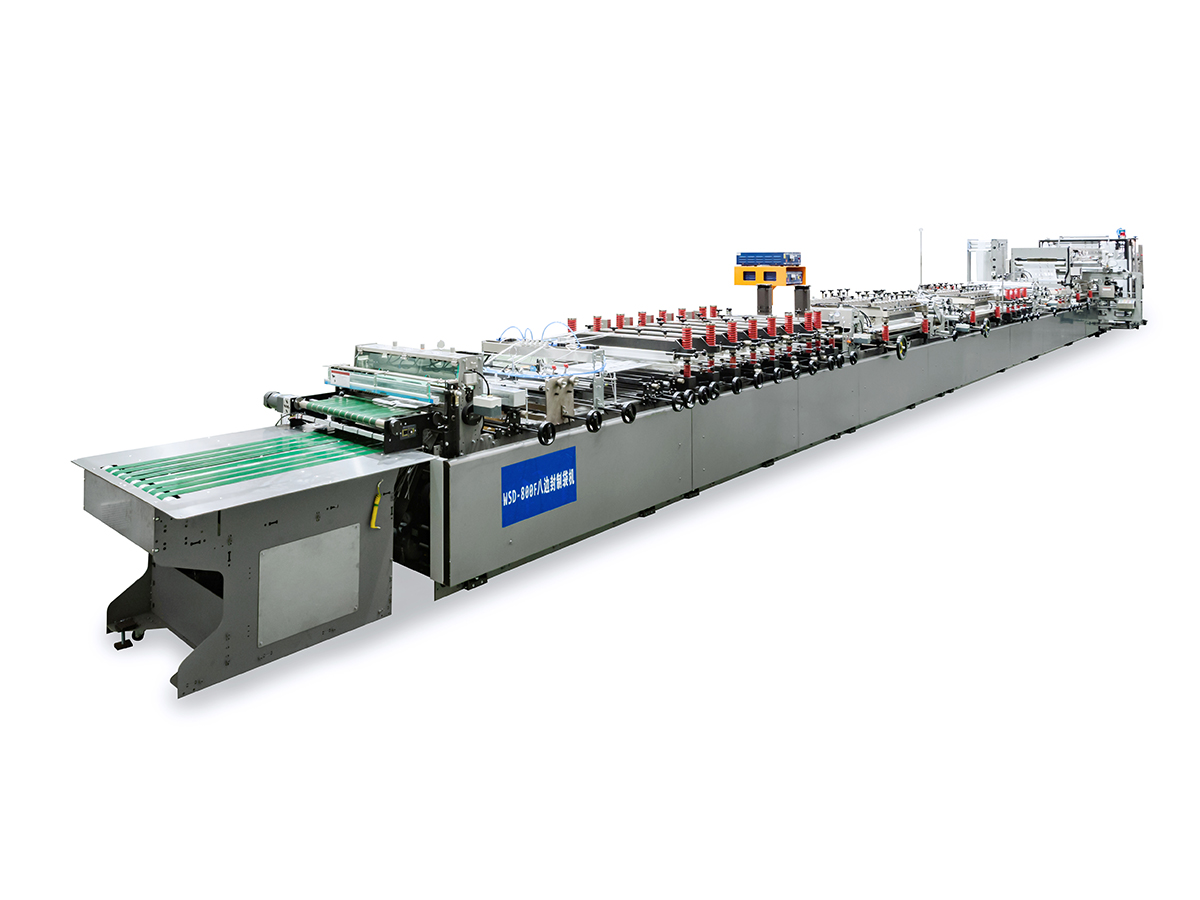
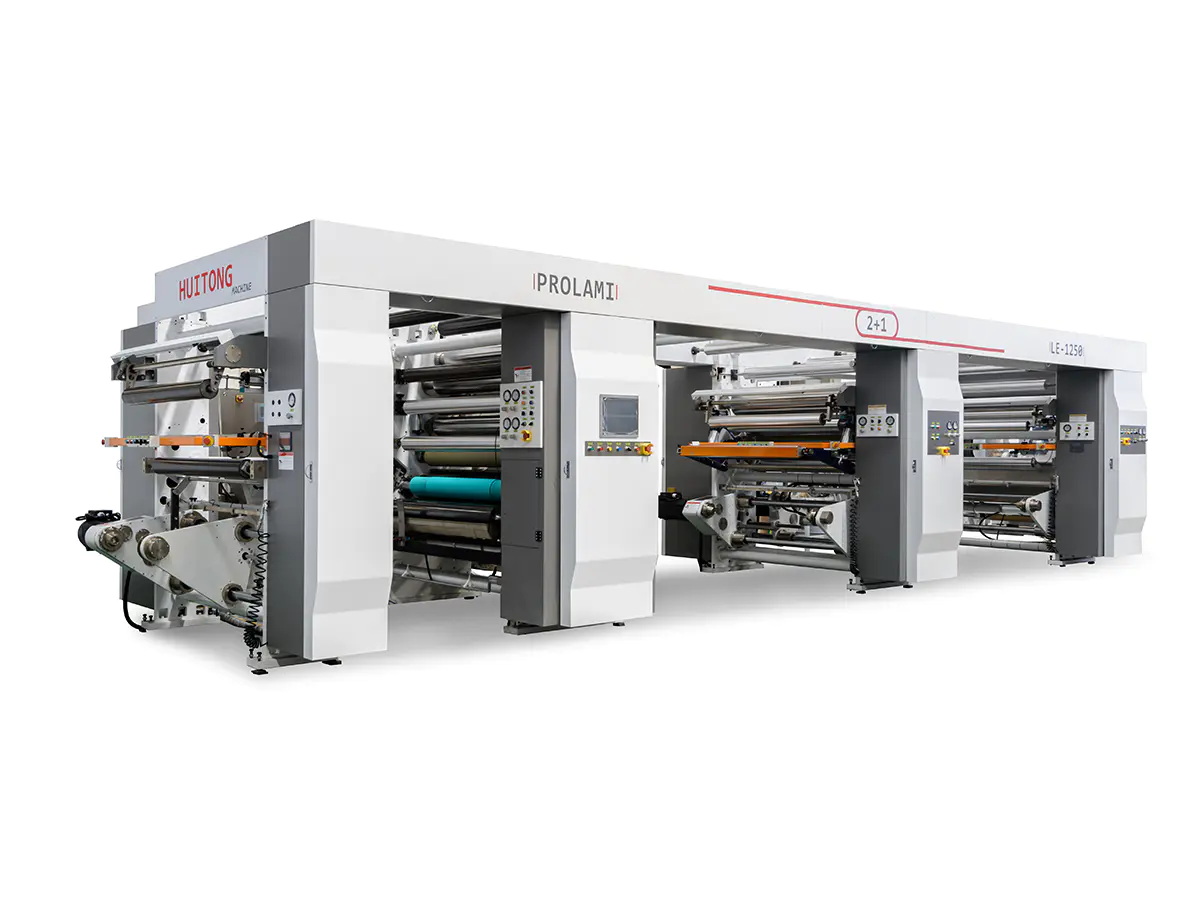
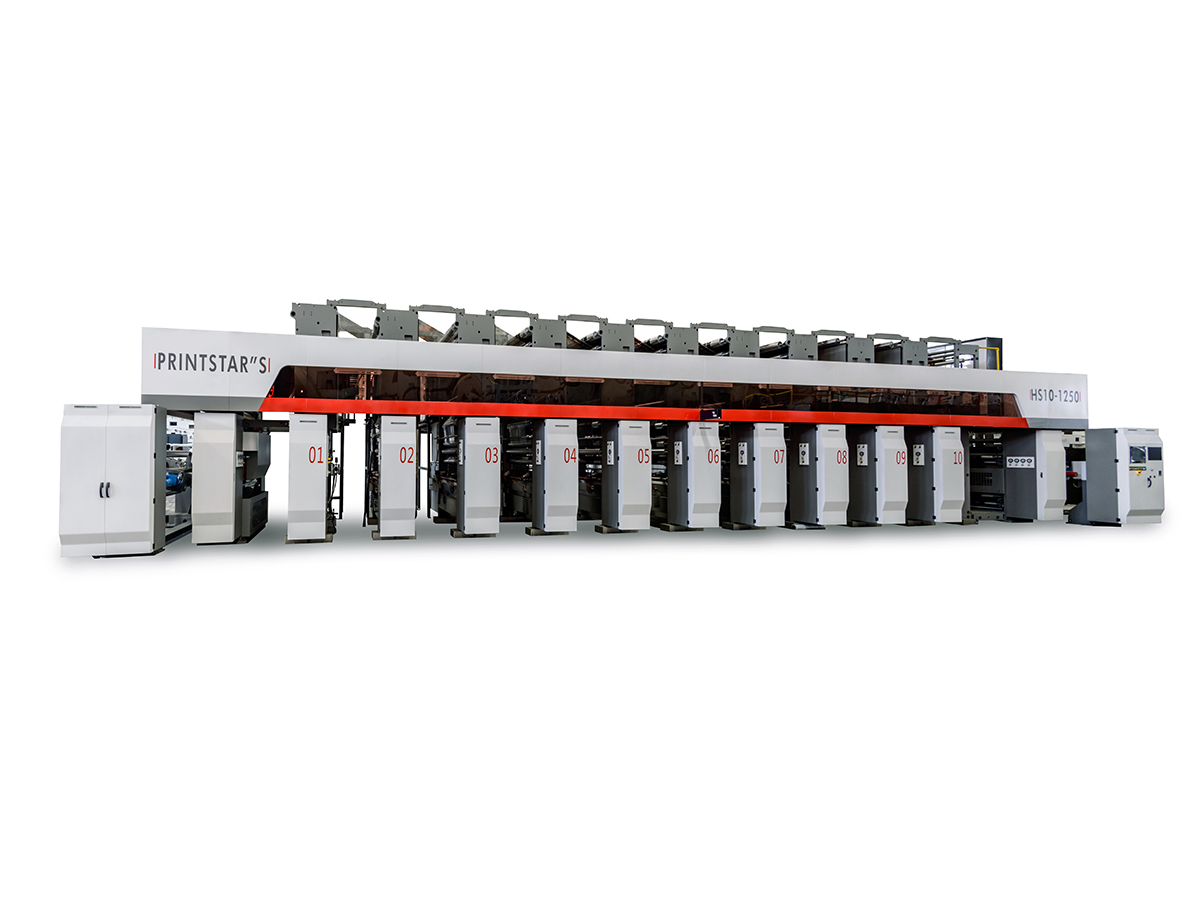
At the heart of flexible packaging solutions is the flexible packaging equipment that enables manufacturers to produce these custom products. This equipment includes a range of machines and technologies designed for the printing, forming, sealing, and finishing of flexible packaging materials.
The key aspects of flexible packaging equipment include:
Printing Technology – Flexographic printing, rotogravure, and digital printing technologies allow for high-quality, full-color prints on flexible materials. These technologies ensure that brands can create custom designs and logos that capture consumer attention.
Forming and Shaping Machines – These machines are responsible for converting flat films into pouches, bags, or other shapes. They can form packages in custom sizes and shapes that are tailored to specific product dimensions.
Sealing and Wrapping Systems – Sealing machines ensure that flexible packages are securely closed to preserve the contents, often incorporating heat-sealing and cold-sealing technology depending on the materials used.
Automated Packaging Lines – Automated systems for filling, sealing, and labeling flexible packaging materials increase production speed and reduce human error, allowing businesses to efficiently produce custom packaging solutions at scale.
The use of flexible packaging equipment for custom packaging solutions offers numerous advantages. Here are some of the primary benefits:
Flexible packaging is often less expensive to produce than rigid packaging due to lower material costs and reduced shipping expenses. Packaging equipment designed for flexibility allows businesses to streamline production, minimize waste, and optimize material usage. This translates to lower operational costs and higher profitability.
Custom packaging is a powerful marketing tool, and flexible packaging equipment enables manufacturers to create bespoke packaging solutions tailored to the specific needs of their customers. Whether it’s custom-sized pouches, eco-friendly materials, or high-quality prints, flexible packaging equipment offers manufacturers the ability to adjust their production process to meet market demands and customer preferences.
As consumers become more conscious of environmental concerns, the demand for sustainable packaging solutions has grown. Flexible packaging is often more sustainable than rigid packaging, as it uses fewer materials and is lighter in weight, which reduces transportation costs and lowers carbon emissions. The advent of eco-friendly materials and recycling options in flexible packaging equipment further enhances its sustainability benefits.
Flexible packaging materials offer protection for products, preserving freshness and extending shelf life. The flexible packaging equipment used for sealing and forming allows for airtight, moisture-resistant, and tamper-evident packages that ensure the quality of the contents is maintained throughout their lifecycle.
Customized packaging enhances brand visibility and recognition, appealing directly to consumers. The ability to incorporate eye-catching designs, vibrant colors, and unique shapes through flexible packaging equipment creates a memorable product experience, potentially boosting sales and enhancing customer loyalty.
Flexible packaging equipment facilitates the creation of custom packaging in various ways:
Flexible packaging equipment can work with a variety of materials, including plastic films, laminates, aluminum foil, and paper-based materials. This adaptability allows businesses to experiment with different materials based on product requirements, offering both functional and aesthetic benefits. For example, certain products may require packaging that offers UV protection, while others may need a high barrier to moisture or oxygen.
Custom packaging solutions can be produced in both small and large quantities. Flexible packaging equipment offers the scalability needed to support short-run and mass production. Whether a company is looking to create a limited-edition product with specialized packaging or a high-volume product with standard packaging, flexible packaging equipment can be adjusted to meet varying production needs.
As trends shift, businesses need the ability to quickly modify their packaging designs. With flexible packaging equipment, design changes can be implemented swiftly without disrupting the production line. This flexibility allows businesses to adapt to consumer preferences, marketing campaigns, or regulatory changes with ease.
Modern flexible packaging equipment incorporates advanced technologies such as automation, smart sensors, and real-time data analytics to optimize production. These innovations can further enhance the customization of packaging, allowing for greater precision and flexibility in design, size, and printing quality.
While flexible packaging offers numerous benefits, there are challenges that businesses must consider when adopting custom packaging solutions:
Material Selection and Compatibility
Choosing the right material for custom packaging is crucial. Not all flexible packaging materials are suitable for all products. It is essential to consider factors like the product’s shelf life, exposure to environmental factors, and storage conditions.
Cost of Equipment
While flexible packaging equipment can be a cost-effective solution, the initial investment can be significant. Businesses must carefully assess the costs of purchasing and maintaining flexible packaging machinery to ensure it aligns with their production goals and budget.
Complexity of Customization
Creating highly customized packaging can be complex, requiring precise control over design elements like size, shape, color, and material properties. Businesses need to have a thorough understanding of the production process to ensure that they can meet the desired specifications and quality standards.
Flexible packaging equipment is at the forefront of enabling custom packaging solutions that meet the diverse needs of consumers and businesses alike. By providing manufacturers with the ability to create tailored packaging that is cost-effective, sustainable, and visually appealing, this equipment has revolutionized the packaging industry.
1. What are the main types of flexible packaging equipment?
Flexible packaging equipment includes machines for printing (flexographic, rotogravure, and digital printing), forming (pouch and bag machines), sealing, and finishing.
2. How does flexible packaging contribute to sustainability?
Flexible packaging uses fewer materials and is lighter, which reduces transportation costs and lowers carbon emissions. Additionally, eco-friendly materials and recycling options make it more sustainable than rigid packaging.
3. What industries benefit from custom flexible packaging?
Industries such as food and beverage, pharmaceuticals, personal care, and consumer goods benefit from custom flexible packaging due to its versatility, branding potential, and protective qualities.
4. Can flexible packaging equipment accommodate small production runs?
Yes, flexible packaging equipment is adaptable and scalable, allowing businesses to produce both small custom runs and large-scale productions efficiently.
Contact Us
Recommended Products
Joining Hands With Huitong
Customize Your Flexible Packaging Equipment Solution
Inquire now
Products
contact us

Tel: +86-0510-86328508
+86-0510-86324508
Mob: +86-13914908980
Email: [email protected]
ADD: No. 429 Xizhang Road, Gushan Town, Jiangyin City, Jiangsu Province, China

 English
 русский
 Español
 عربى
عربى