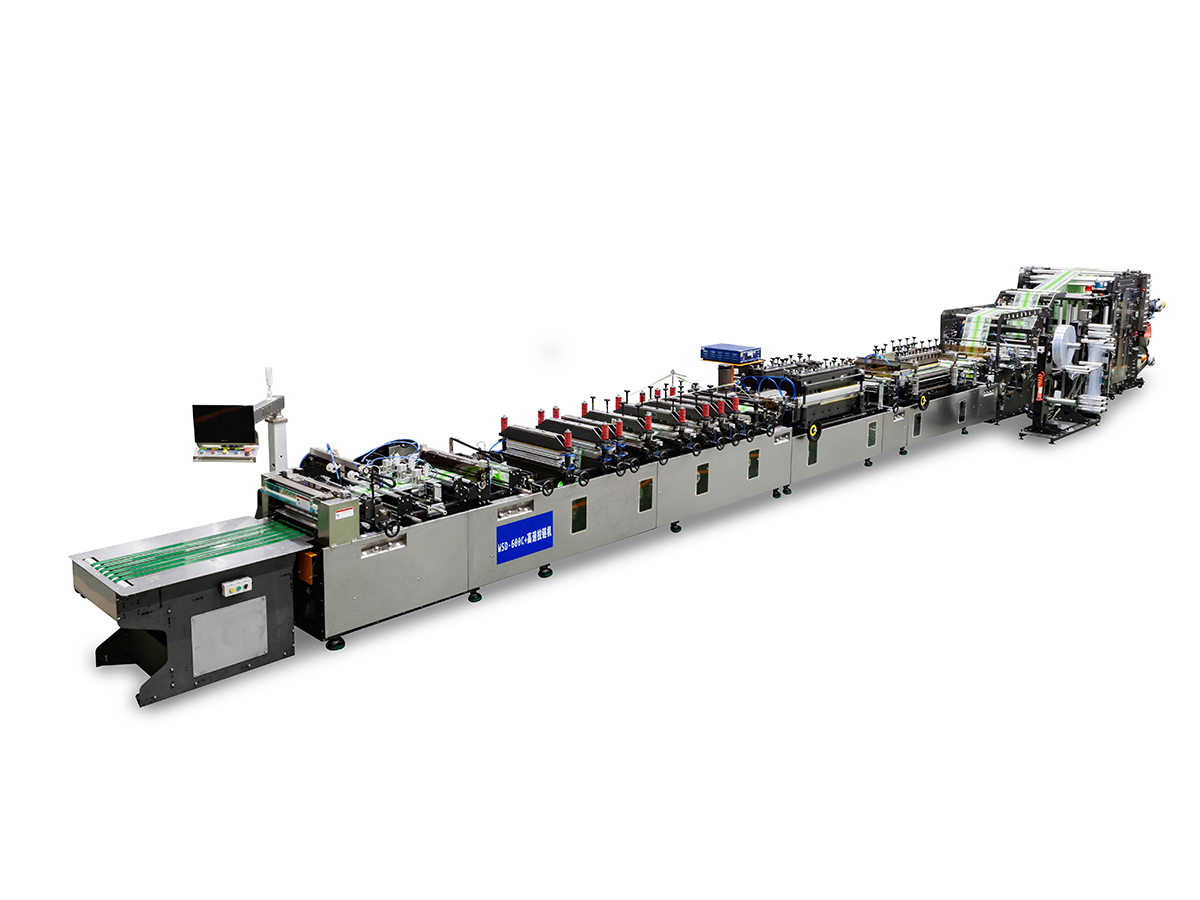
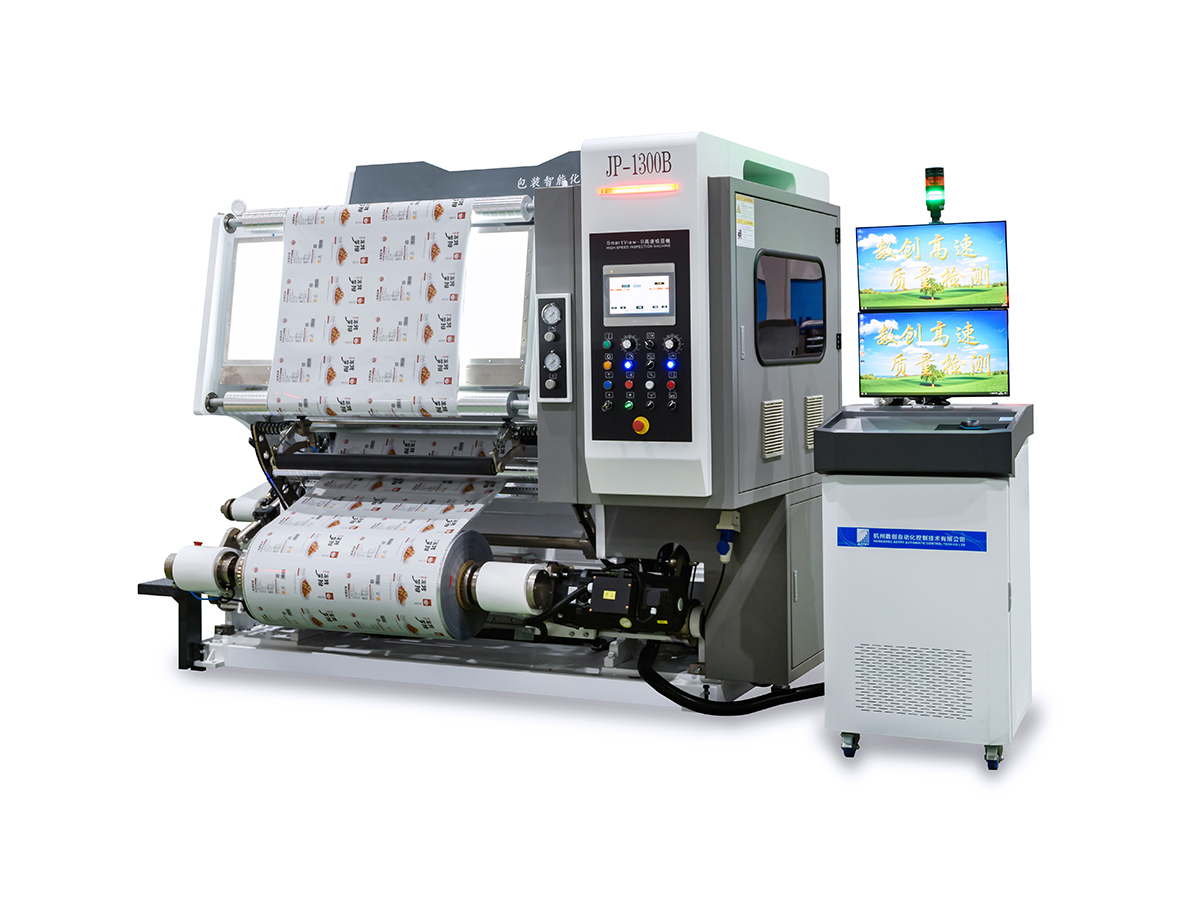
The cost of a high speed slitting machine varies significantly depending on multiple factors including machine specifications, production capacity, automation features, and material handling capabilities. Understanding these variables helps manufacturers make informed purchasing decisions that align with their production requirements and budget constraints.
A basic manual slitting machine may start at modest price points, while fully automated systems with advanced control features can represent substantial capital investments. The pricing spectrum reflects the complexity of engineering, quality of components, and technological sophistication embedded in modern slitting equipment.
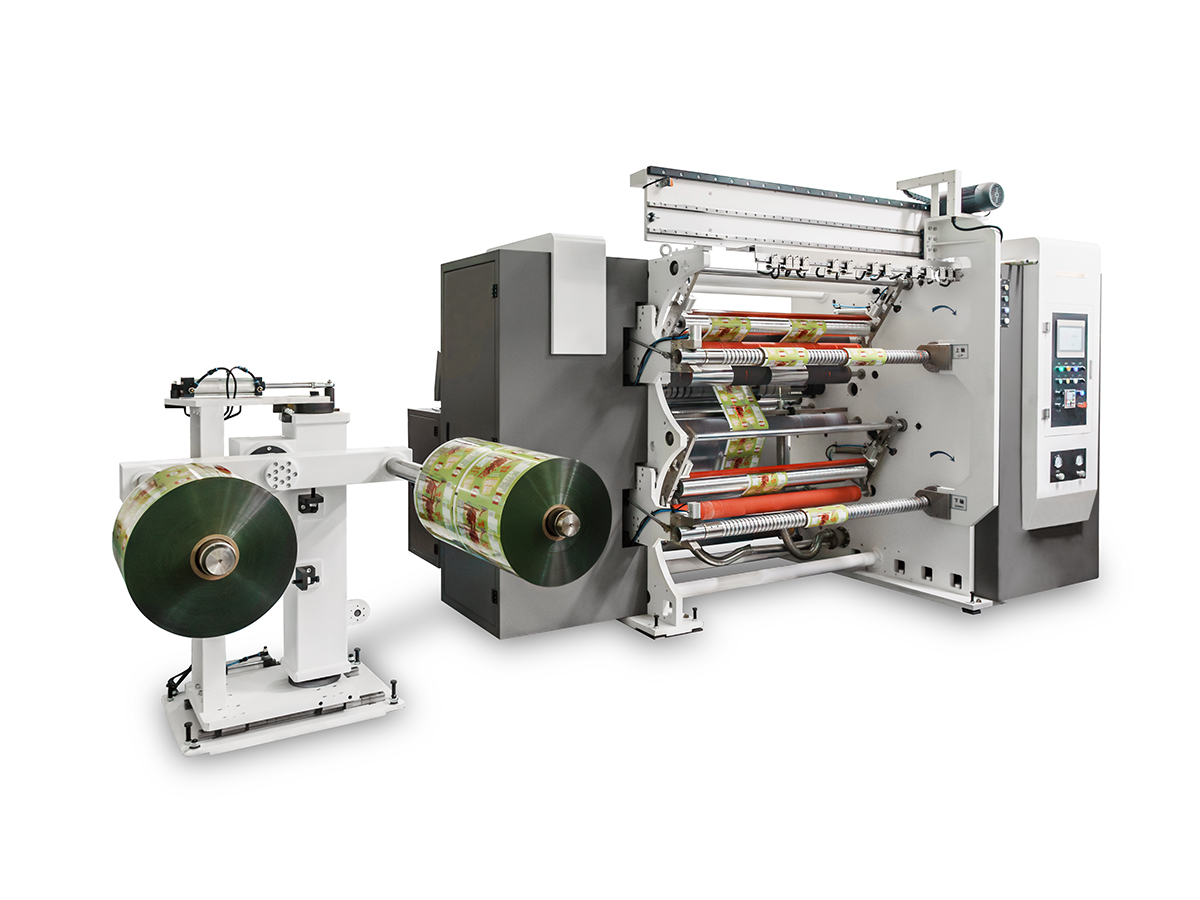
Different types of slitting machines command different price ranges. Standard rewinding slitters differ in cost from specialized precision cutting systems. A high speed slitter machine designed for continuous operation requires reinforced construction and precision components that impact overall investment.
Machine speed directly correlates with pricing. Higher speed ratings require advanced motor systems, precision bearing assemblies, and sophisticated control electronics. A machine capable of processing materials at 500 meters per minute costs significantly more than equipment operating at 200 meters per minute.
The maximum cutting width also affects pricing. Equipment accommodating wider material widths requires larger frame construction, longer cutting blades, and more powerful drive systems.
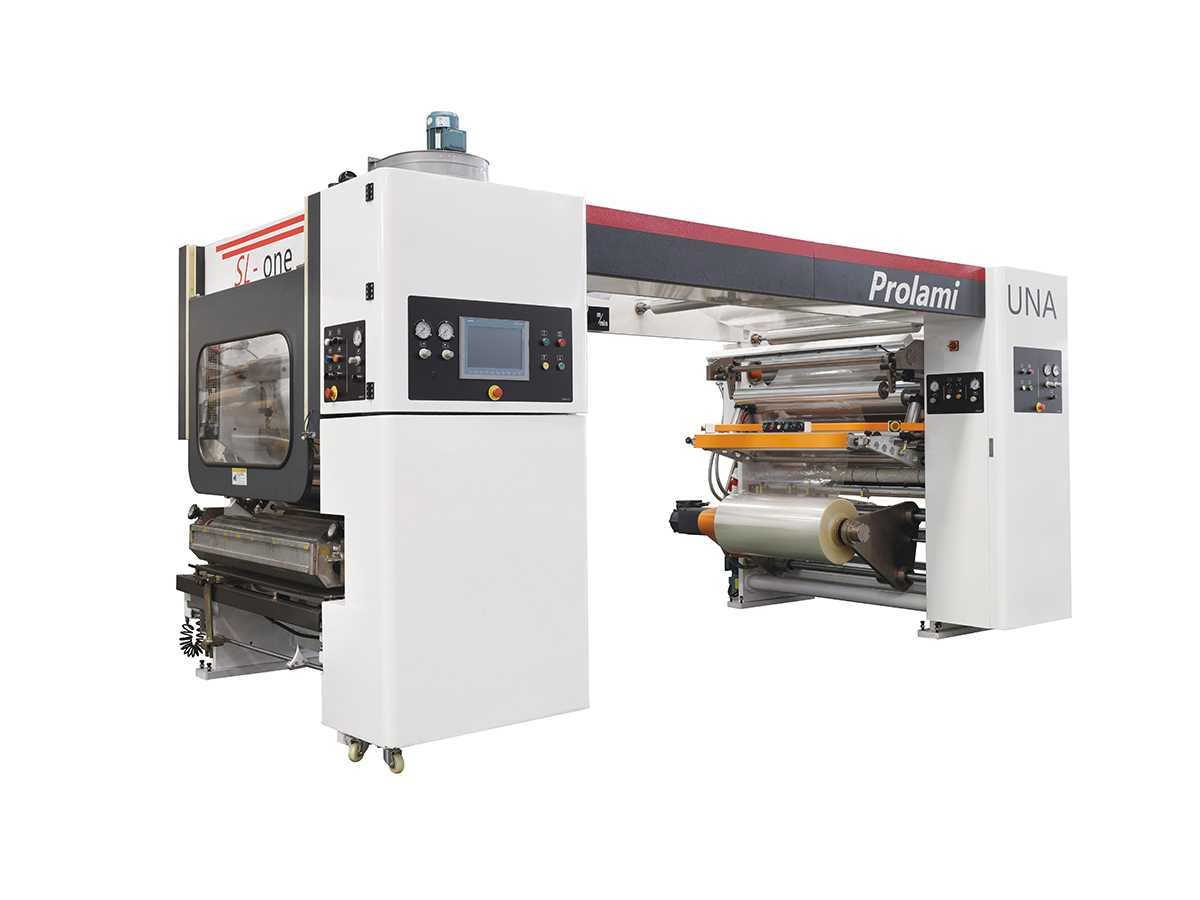
Machines designed for specific material types carry different cost implications. Equipment optimized for flexible packaging slitting differs from systems handling rigid films. Specialized coating systems for anti-static properties or static dissipation add to the base machine investment.
Modern slitting equipment incorporates sophisticated control systems that significantly impact pricing. Advanced features include:
The following breakdown provides general guidance on pricing segments within the slitting equipment market:
| Machine Category | Typical Price Range | Typical Applications |
|---|---|---|
| Basic Manual Slitter | Budget-friendly segment | Small-scale operations, prototype development |
| Semi-Automatic System | Mid-range investment | Medium production facilities, flexible operations |
| Automatic High Speed System | Significant capital allocation | High-volume production, continuous operations |
| Specialized Precision Equipment | Premium investment | Critical tolerance requirements, specialty films |
Beyond the equipment purchase price, facilities must budget for installation expenses. Professional setup ensures proper alignment, calibration, and integration with existing production infrastructure. Installation costs typically include site preparation, electrical connection, machine positioning, and initial testing.
Quality cutting blades represent an ongoing cost component. Different material types and thickness ranges require specific blade configurations. Initial tooling packages for an automatic slitting machine may include multiple blade sets optimized for various applications.
Operator training ensures efficient machine utilization and reduces downtime from improper operation. Comprehensive training programs cover standard procedures, troubleshooting, maintenance schedules, and safety protocols specific to slitting equipment operation.
Ongoing operational costs include preventive maintenance, spare component inventory, and service agreements. Budget allocation for bearing replacement, blade maintenance, calibration services, and emergency parts availability ensures continuous production capability.
Understanding technical parameters helps justify equipment investment decisions. These specifications directly impact both machine cost and operational efficiency:
Equipment offering tight tolerance cutting requires advanced positioning systems and control electronics. Machines capable of maintaining plus or minus 1mm tolerances across continuous runs command premium pricing compared to standard precision equipment.
Machines accommodating diverse material specifications increase initial investment but enhance operational flexibility. A plastic film slitting machine engineered for multiple thickness ranges, from thin films to heavier substrates, requires more robust construction than single-specification equipment.
Whether the system includes integrated rewinding functions affects overall cost. Inline rewinding systems that simultaneously slit and rewind material onto finished rolls integrate additional mechanical and control complexity compared to cutting-only systems.
While higher-capacity automatic slitting machines represent substantial upfront investments, they often deliver superior return on investment through operational efficiency gains. Consider these financial impact areas:
Automatic systems eliminate manual intervention time, reducing labor costs per unit produced. A facility processing materials at speeds approaching 500 meters per minute achieves significantly higher daily production volumes compared to manual operations, directly affecting cost per completed item.
Precision cutting systems minimize material waste through accurate cutting tolerances and consistent performance throughout production runs. This waste reduction compounds economically over extended operating periods, effectively lowering the true cost of goods produced.
Advanced slitting equipment maintains consistent product quality across extended production runs. This reliability reduces customer returns, quality-related disputes, and rework expenses that increase production costs beyond the direct material investment.
Modern automatic slitting machines accommodate frequent product changes through rapid tool changeovers and programmable cutting specifications. This flexibility enables facilities to serve diverse customer requirements without maintaining separate equipment for different product lines.
Selecting appropriate slitting equipment requires balancing initial investment against operational capacity needs. Several factors guide this decision:
Accurately forecast annual production volumes to determine necessary machine capacity. A facility processing 200 tons of material annually requires different equipment than operations handling 2,000 tons. Oversizing equipment wastes capital on unused capacity, while undersizing creates bottlenecks limiting growth.
Evaluate the range of materials requiring processing. Operations handling diverse film types, thickness ranges, and cutting specifications benefit from versatile automatic systems despite higher initial investment. Single-specification facilities may achieve adequate results with simpler, less expensive equipment.
Physical facility constraints impact equipment selection. Compact semi-automatic systems fit smaller operations while maintaining reasonable productivity. Large-scale automatic slitters demand dedicated floor space and robust utility infrastructure including electrical capacity and compressed air systems.
Facility staff capabilities influence equipment selection. Operations with experienced technical personnel better utilize advanced automatic systems. Facilities with limited technical expertise may initially perform better with simpler semi-automatic equipment requiring less sophisticated troubleshooting and maintenance.
Equipment availability from local suppliers with established service networks provides significant operational advantages. Rapid response to equipment issues and readily available spare parts minimize downtime costs. Consider vendor proximity and support infrastructure when evaluating equipment options.
Several approaches help manage the capital requirements of equipment acquisition:
Outright purchase provides complete ownership and tax advantages through depreciation deductions. This approach works well for facilities with sufficient capital reserves and long-term operational stability.
Leasing preserves working capital while transferring equipment risk to leasing companies. Monthly lease expenses function as operational costs rather than capital expenditures, providing accounting advantages for some business structures. Lease programs often include maintenance coverage reducing unexpected downtime costs.
Equipment financing through specialized lenders enables capital distribution over time. Interest costs must be calculated into total ownership expenses when comparing financing arrangements to outright purchases.
Previously owned slitting machines from reputable sources offer significant cost savings compared to new equipment. However, used equipment purchases require thorough inspection and testing to verify operational condition and identify potential maintenance requirements.
Initial equipment price represents only one component of true ownership cost. Equipment quality and reliability significantly influence long-term financial outcomes:
Equipment reliability directly impacts production continuity. A facility processing materials at 300 meters per minute loses substantial revenue during unplanned downtime. More robust, higher-quality equipment costs more initially but reduces expensive production interruptions.
Well-engineered slitting machines with quality components require less frequent repairs and maintenance interventions. Inferior equipment with cheap components creates escalating maintenance costs that eventually exceed the additional investment in higher-quality systems.
Premium equipment incorporates durable materials and precision engineering extending component service life. Standard components in inferior equipment require more frequent replacement, accumulating significant expenses across equipment lifetime.
Modern slitting equipment increasingly incorporates features supporting environmental responsibility and worker safety:
Contemporary systems include variable frequency drives and optimized motor specifications reducing electrical consumption. While these features increase equipment cost, energy savings over extended operating periods offset initial investment through reduced utility expenses.
Modern equipment incorporates emergency stops, guard systems, and operator protection features meeting current safety standards. Compliance reduces workplace injury risks and associated insurance costs, compensating for safety feature investments.
Integrated waste collection and environmental containment systems prevent material scatter and environmental contamination. These systems add to equipment cost but eliminate external cleanup expenses and environmental compliance issues.
Current industry developments affect equipment costs and availability:
Global component availability and manufacturing capacity influence equipment pricing. Supply constraints may increase lead times and component costs, affecting overall equipment pricing during shortage periods.
Rapid advancement in control systems and automation technology accelerates performance improvements. Equipment specifications that seemed advanced five years ago may have become standard offerings, affecting relative pricing of new versus used equipment.
Increasing customer emphasis on environmentally responsible production drives demand for efficient slitting systems. This demand encourages innovation in energy-efficient designs and waste reduction capabilities, gradually changing equipment specifications and pricing.
Packaging industry growth cycles affect equipment demand, influencing manufacturer production schedules and pricing. During periods of strong industry growth, equipment demand may exceed supply, allowing suppliers to maintain or increase pricing. Economic downturns may create temporary pricing advantages as suppliers compete for reduced demand.
Several approaches can influence equipment pricing and overall acquisition terms:
Facilities requiring multiple machines or planning equipment replacement cycles can negotiate volume discounts. Long-term supply agreements may provide pricing advantages compared to single-unit purchases.
Purchasing during periods of slower industry demand may provide negotiating leverage. Conversely, rush purchases during high-demand periods offer less pricing flexibility.
Soliciting quotes from multiple suppliers creates competitive pressure potentially resulting in improved pricing or added value features. Transparent comparison of technical specifications across suppliers ensures pricing reflects genuine capability differences.
Negotiating extended payment terms, prepayment discounts, or staged payment arrangements can improve cash flow management and financing options. Trade-in value for existing equipment represents another negotiation point affecting net acquisition cost.
Well-maintained slitting equipment typically operates effectively for 10 to 15 years or longer. Lifespan depends on production volume, material types processed, maintenance consistency, and equipment quality. Regular preventive maintenance extends component life and overall machine reliability. Some facilities operate equipment beyond 20 years through component upgrades and refurbishment, though such equipment may lack modern automation features.
Annual maintenance costs typically represent 3 to 8 percent of equipment purchase price, depending on machine complexity and production intensity. Basic annual maintenance including lubrication, bearing inspection, and blade replacement costs considerably less than major component repairs. Predictive maintenance monitoring systems help identify problems before expensive failures occur, potentially reducing maintenance costs through early intervention.
Quality used equipment from reputable manufacturers often provides excellent performance at substantially reduced cost compared to new systems. Thorough pre-purchase inspection and operational testing verify condition and performance capability. However, used equipment lacks warranty protection and may have higher maintenance requirements. Purchase consideration should include available service support for older equipment models.
Automatic systems eliminate manual intervention, reducing labor costs per unit produced. Advanced control systems enable consistent cutting precision throughout extended production runs. Programmable specifications allow rapid product changeovers without manual adjustment. Integration with production line systems provides real-time monitoring and quality control data. These capabilities combine to reduce per-unit production costs despite higher equipment acquisition costs.
Different materials including thin films, heavy-gauge plastics, coated substrates, and specialty materials require different equipment specifications. Machines designed for wide material compatibility require more robust construction and flexible control systems, increasing equipment cost. Single-material facilities can optimize equipment specifically for target materials, potentially reducing costs through simpler specifications.
Tighter cutting tolerances require advanced servo systems, precision positioning, and sophisticated control electronics, increasing equipment cost significantly. Applications requiring plus or minus 0.5mm tolerance demand higher-grade equipment than processes accepting plus or minus 2mm tolerances. The cost premium for precision capability must be justified by application requirements and customer specifications.
Upgrade decisions should consider repair costs relative to new equipment investment, production capacity needs growth, and modernization benefits. When repair costs approach 30 to 50 percent of new equipment cost annually, replacement becomes economically justified. Modernization benefits including improved energy efficiency, automation capabilities, and reduced downtime often justify replacement despite extended remaining equipment life.
Access to spare parts, rapid service response, technical support availability, and training resources significantly impact operational success. Equipment from suppliers with extensive local service networks experiences less downtime and lower service costs. Established relationships with vendor technical support teams provide valuable assistance with troubleshooting and optimization, reducing long-term ownership costs despite potentially higher initial equipment pricing.
Contact Us
Recommended Products
Joining Hands With Huitong
Customize Your Flexible Packaging Equipment Solution
Inquire now
Products
contact us

Tel: +86-0510-86328508
+86-0510-86324508
Mob: +86-13914908980
Email: [email protected]
ADD: No. 429 Xizhang Road, Gushan Town, Jiangyin City, Jiangsu Province, China

 English
 русский
 Español
 عربى
عربى