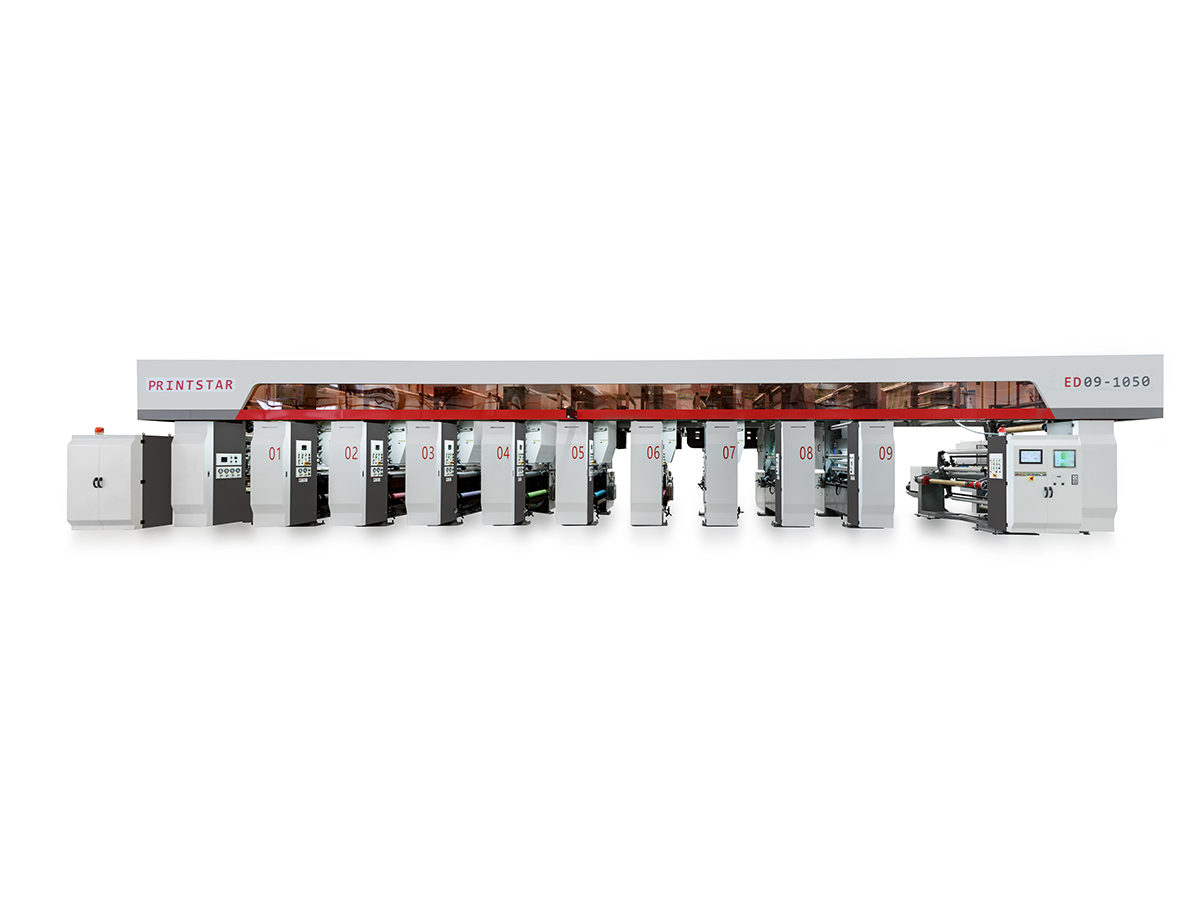
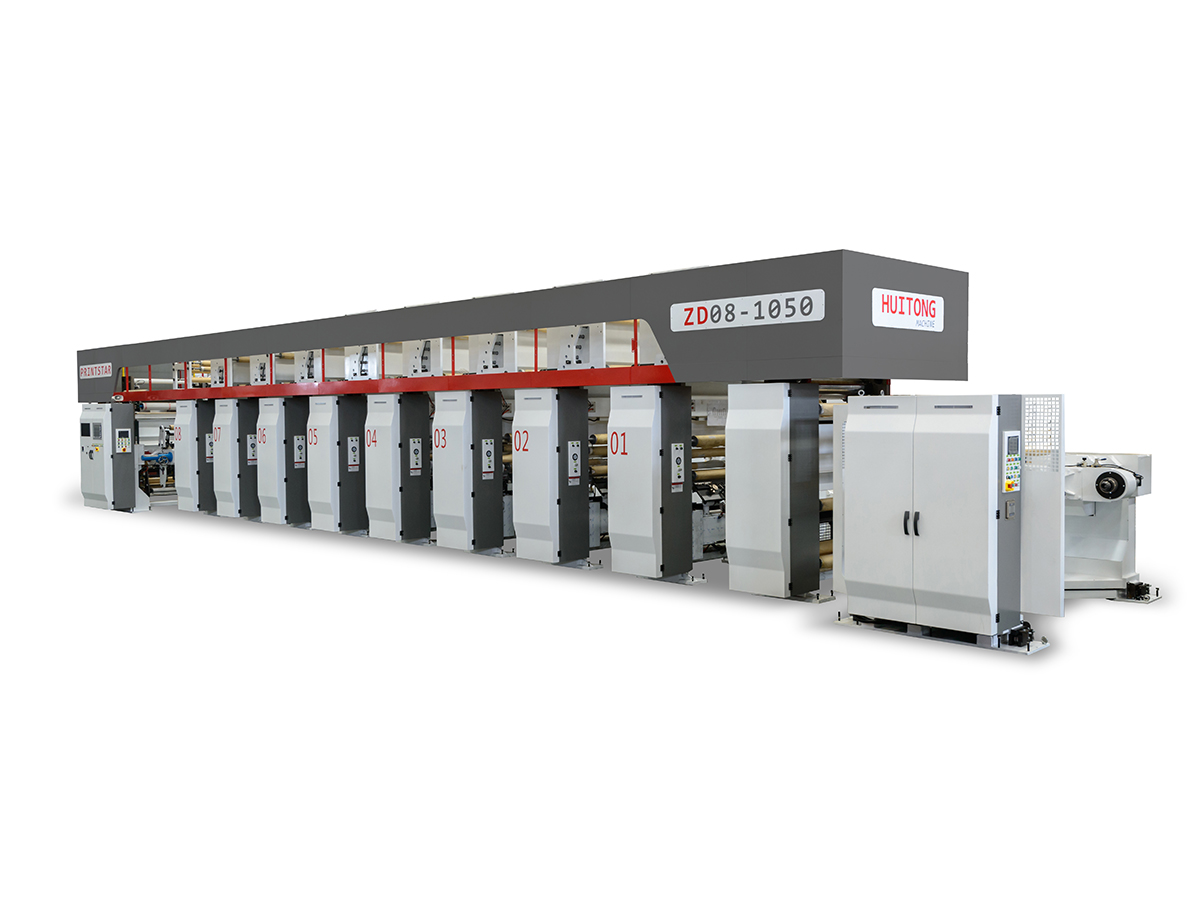
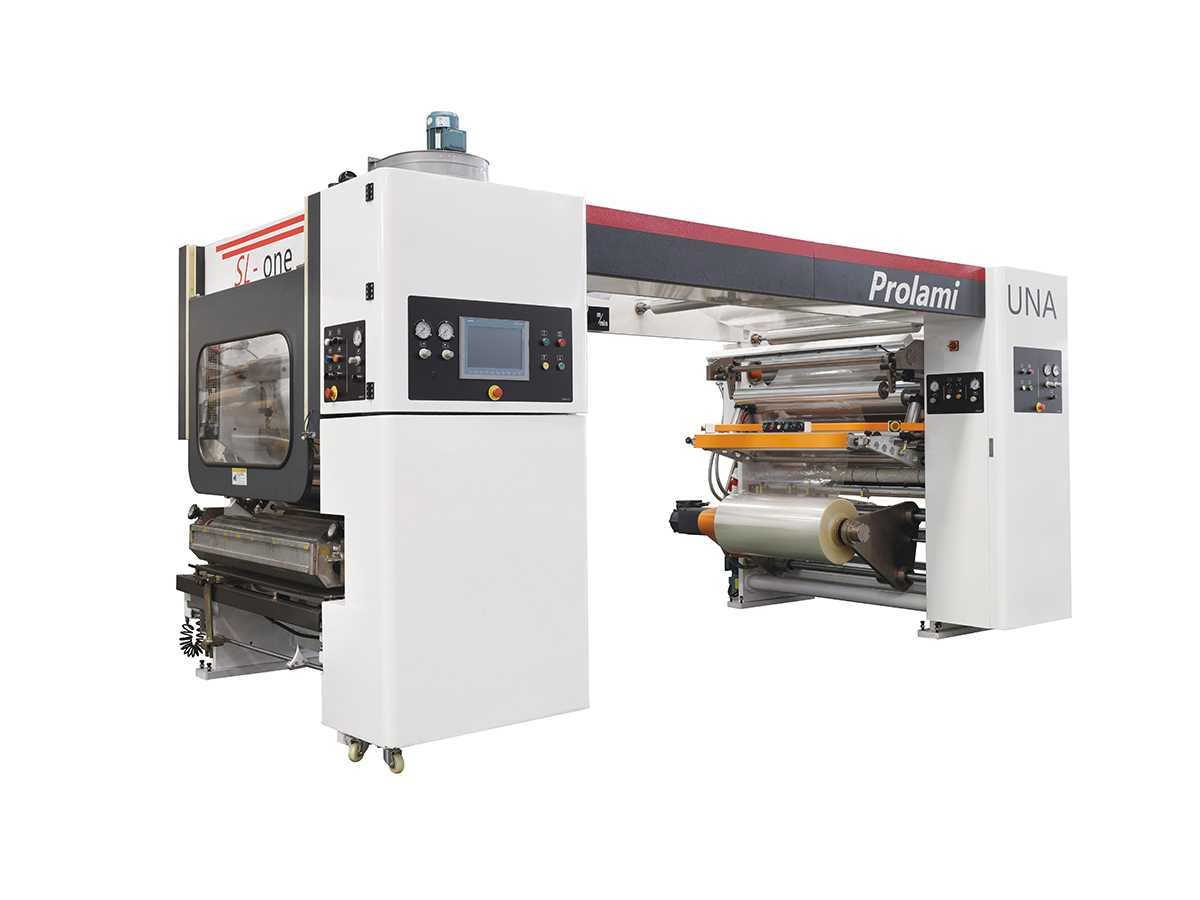
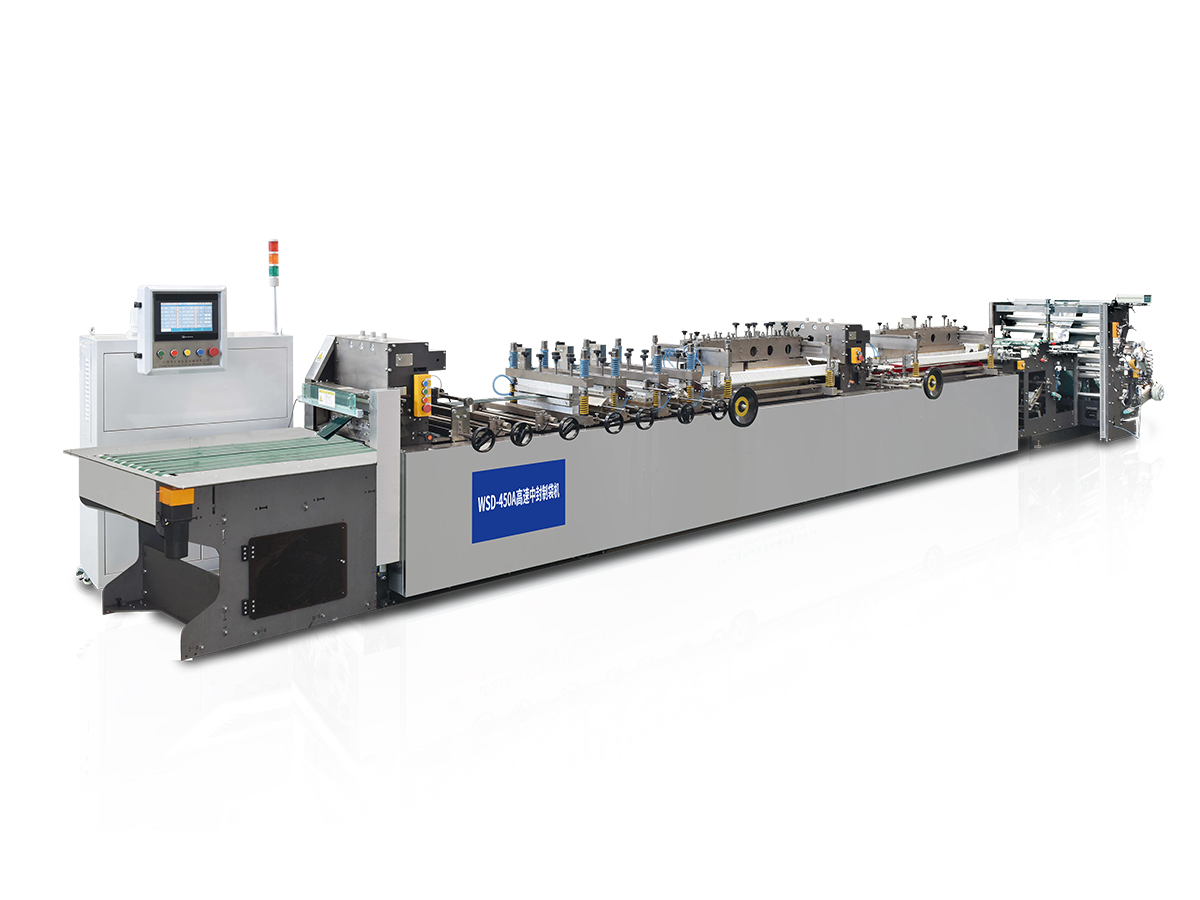
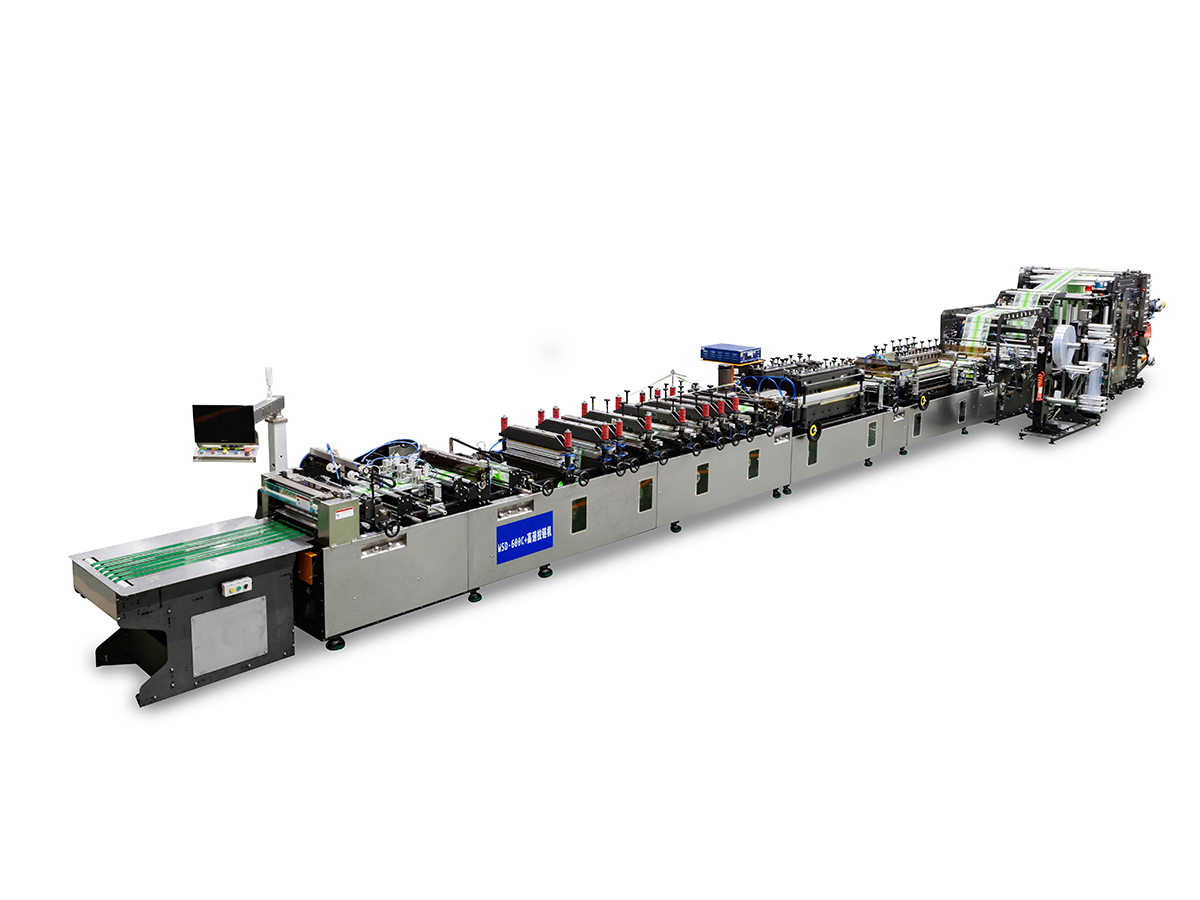
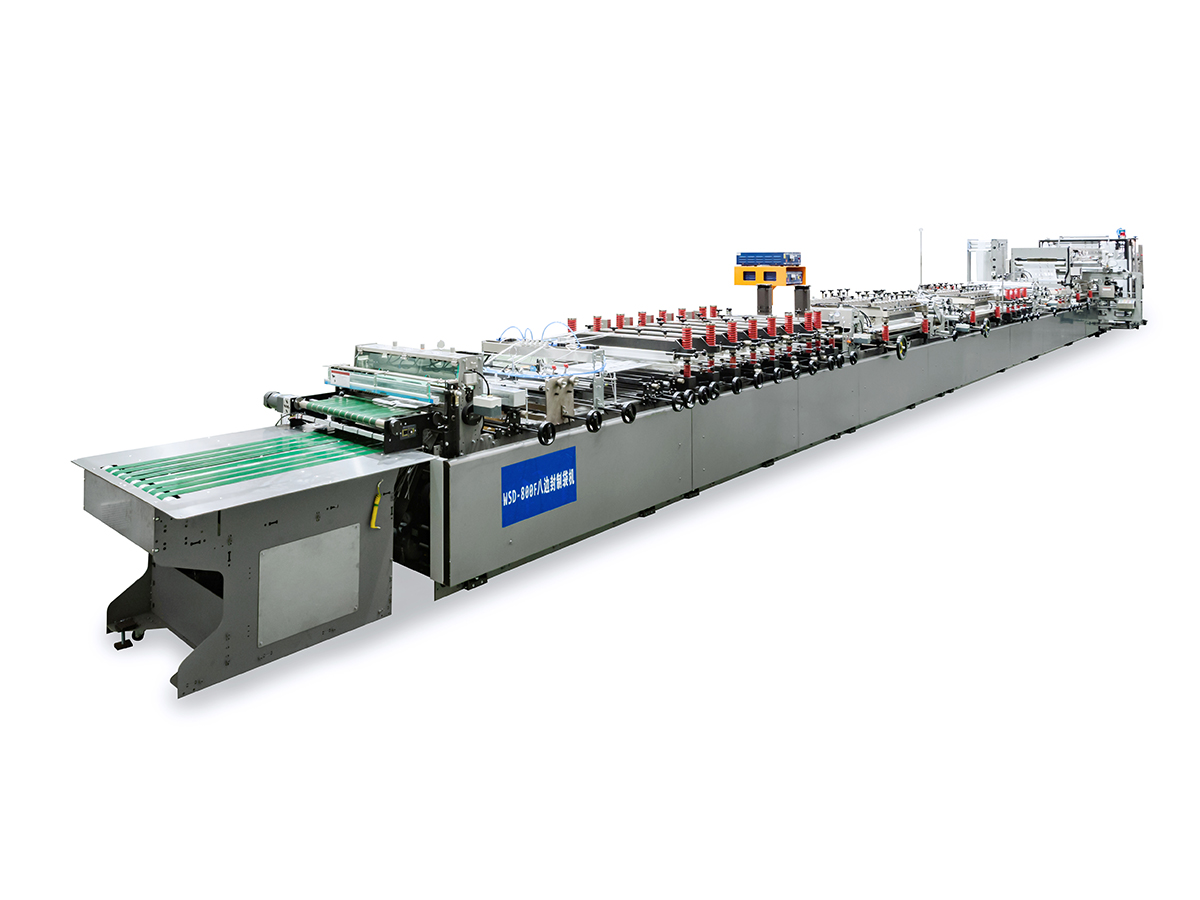
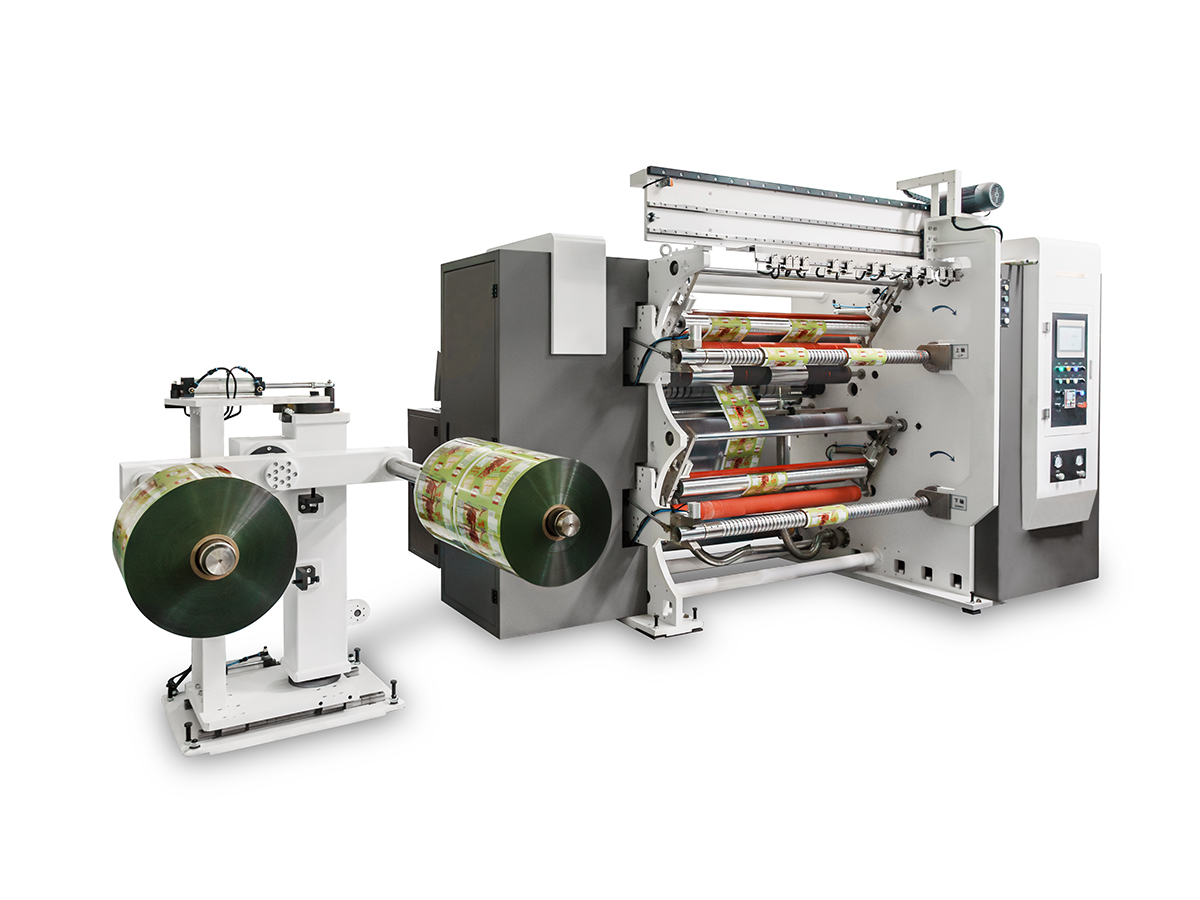
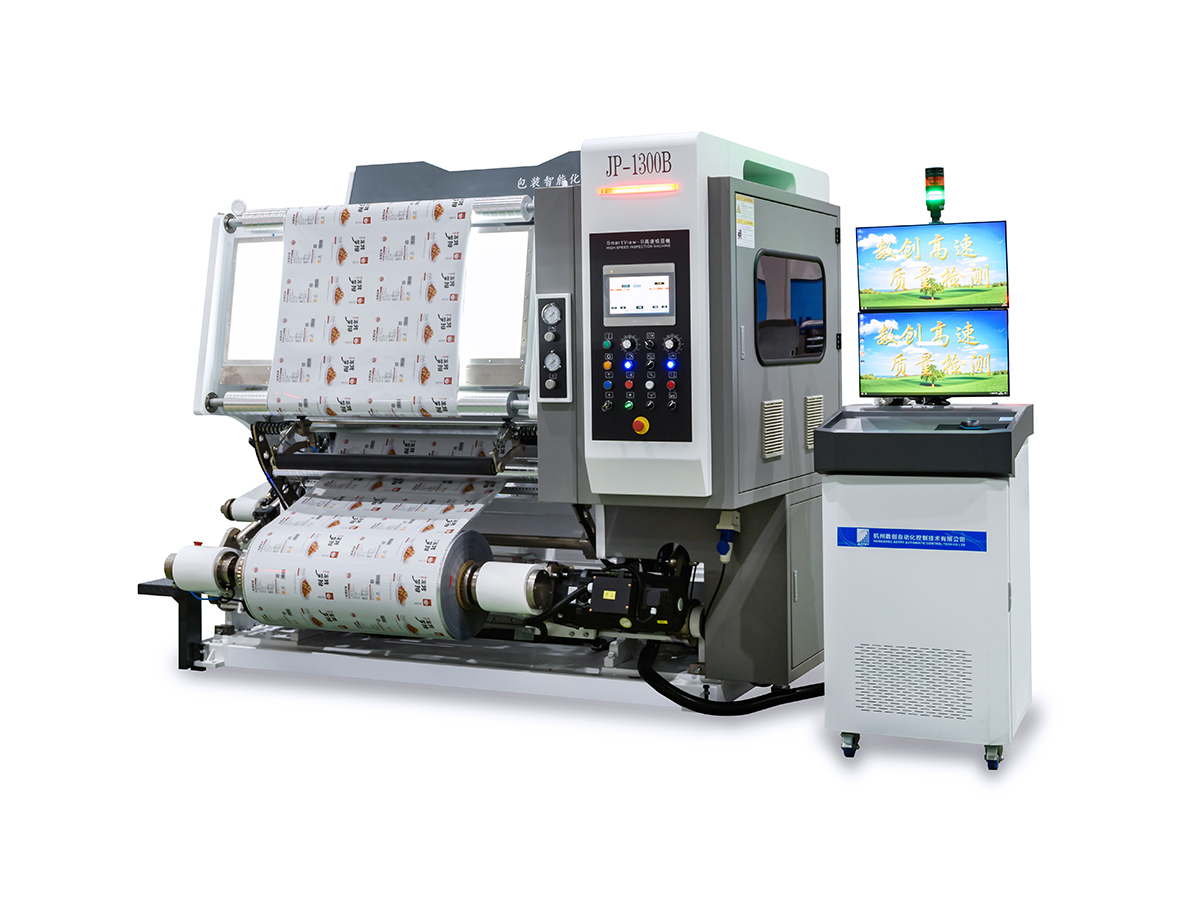
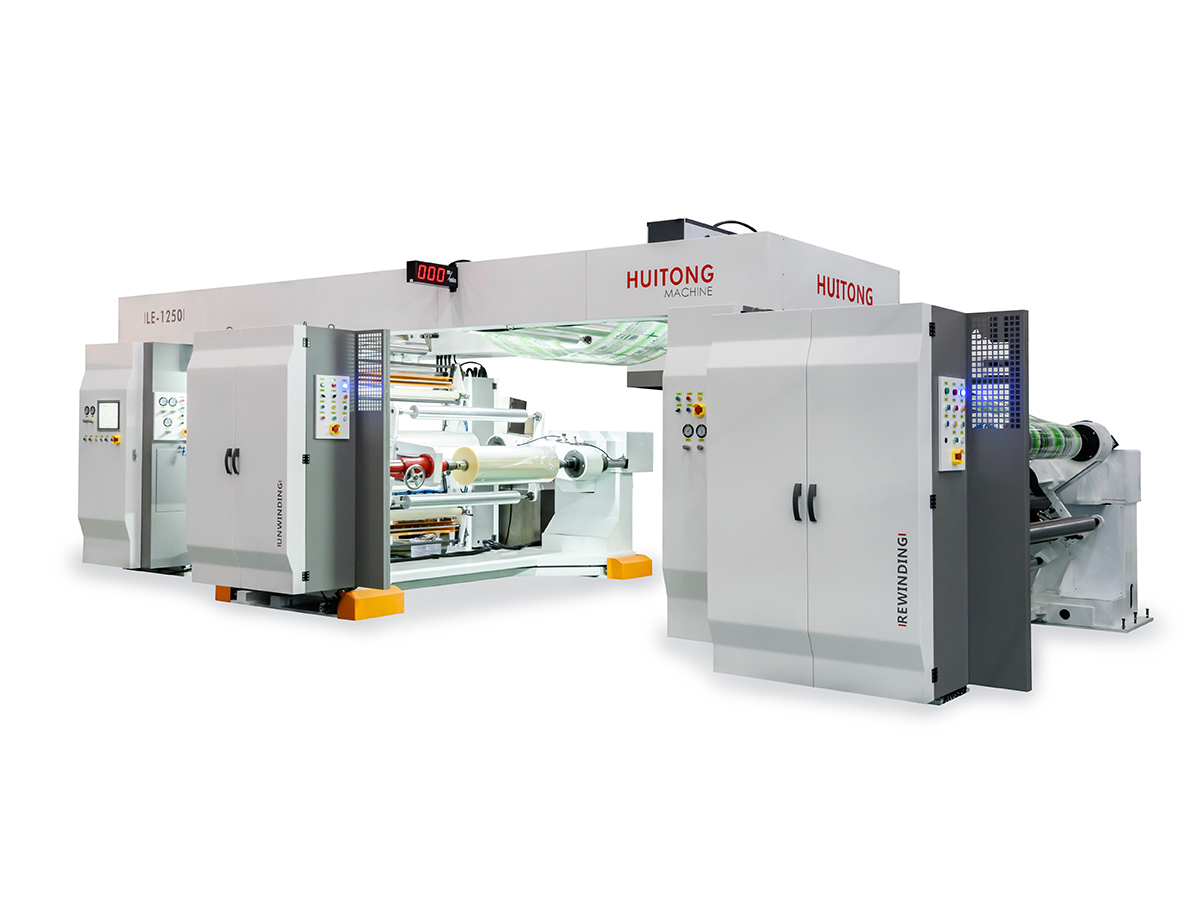
The solventless laminating machine operates on a fundamentally different principle than solvent-based systems. Instead of applying adhesives diluted with organic solvents that must be evaporated in long drying ovens, solventless technology uses 100% solid adhesives. The adhesive system — typically a two-component polyurethane formulation — is metered with precision gear pumps and mixed immediately before application. The adhesive is applied to the first substrate using a metering roller system that controls coating weight to within ±0.5 g/m². The second substrate is then pressed against the coated film through laminating rollers, and the composite is wound under controlled tension. The adhesive cures through chemical reaction over 24–72 hours, developing full bond strength. A solventless laminating machine eliminates the drying section entirely, reducing machine length by 50–70% compared to solvent-based laminators.
Solventless laminating machines use two primary adhesive systems. Two-component polyurethane adhesives consist of a resin and a hardener that are mixed in precise ratios — typically 80:20 to 95:5 — before application. The mixing system must maintain ratio accuracy within ±2% to ensure proper curing and bond strength. These adhesives offer excellent heat resistance, chemical resistance, and bond strength for demanding packaging applications. One-component adhesives are moisture-curing polyurethanes that react with atmospheric moisture after application, simplifying the adhesive system and reducing mixing requirements. The adhesive is applied using a metering roller system with precision ground rollers that transfer a thin, uniform film to the substrate. Coating weight is controlled by the gap between the metering roller and the application roller, typically 1.0–4.0 g/m² depending on the substrate and application requirements.
Solventless laminating machines deliver significant advantages over traditional lamination technologies. The elimination of drying ovens reduces machine footprint by 50–70%, saving valuable factory floor space. Energy consumption is reduced by 60–80% compared to solvent-based systems, substantially lowering operating costs. VOC emissions are virtually eliminated, improving workplace safety and environmental compliance. The solventless process is also faster to start up — no warm-up time for drying ovens — and product changeover is quicker, increasing production flexibility. Bond strength is comparable to or better than solvent-based lamination, with the additional benefit of no solvent residue that can affect food safety or packaging performance. Modern solventless laminators achieve speeds of 300–600 m/min with automatic tension control and defect detection systems that ensure consistent quality.
Solventless laminating machines are available in several configurations to meet different production requirements. Standard two-substrate laminators are the most common, processing two film webs simultaneously. Multi-layer laminators incorporate additional unwinding and coating stations to produce three-layer or more composite structures in a single pass — reducing waste and improving efficiency for complex packaging designs. High-speed machines with advanced automation features are designed for large-scale production facilities, while compact laminators are available for smaller operations or specialty applications. The working width typically ranges from 800 mm to 2,200 mm, with wider machines offering higher throughput. Custom configurations can include features such as corona treatment, edge trimming, automatic splice tables, and integrated quality inspection systems.
The choice between solventless and solvent-based lamination involves evaluating multiple factors. Solventless technology delivers lower operating costs through reduced energy consumption, no solvent purchase or disposal costs, and faster production speeds. The environmental advantages are compelling — zero VOC emissions and a smaller carbon footprint. Solvent-based systems offer broader adhesive compatibility, particularly for applications requiring high-temperature resistance or specialised chemical resistance. However, solvent-based machines require extensive drying ovens, solvent recovery systems, and stringent safety measures that increase capital and operating costs. For most flexible packaging applications, solventless lamination is the preferred choice, with solvent-based technology reserved for niche applications where specific adhesive properties are required.
Proper installation of a solventless laminating machine requires careful planning. The machine must be installed on a level foundation with adequate clearance for operator access and maintenance. Electrical supply must meet the machine's power requirements, with dedicated circuits for the main drive, heaters, and control systems. The adhesive mixing and supply system requires space for component storage and access for maintenance. Environmental conditions — temperature and humidity — affect adhesive performance and should be controlled within manufacturer specifications. Commissioning includes calibration of the metering system, tension control tuning, and verification of adhesive mixing ratios. Operator training is essential for achieving consistent quality; training should cover adhesive handling, machine operation, and quality control procedures. Regular maintenance includes roller cleaning, adhesive system calibration, and inspection of tension control components.
Contact Us
Recommended Products
Joining Hands With Huitong
Customize Your Flexible Packaging Equipment Solution
Inquire now
Products
contact us

Tel: +86-0510-86328508
+86-0510-86324508
Mob: +86-13914908980
Email: [email protected]
ADD: No. 429 Xizhang Road, Gushan Town, Jiangyin City, Jiangsu Province, China

 English
 русский
 Español
 عربى
عربى