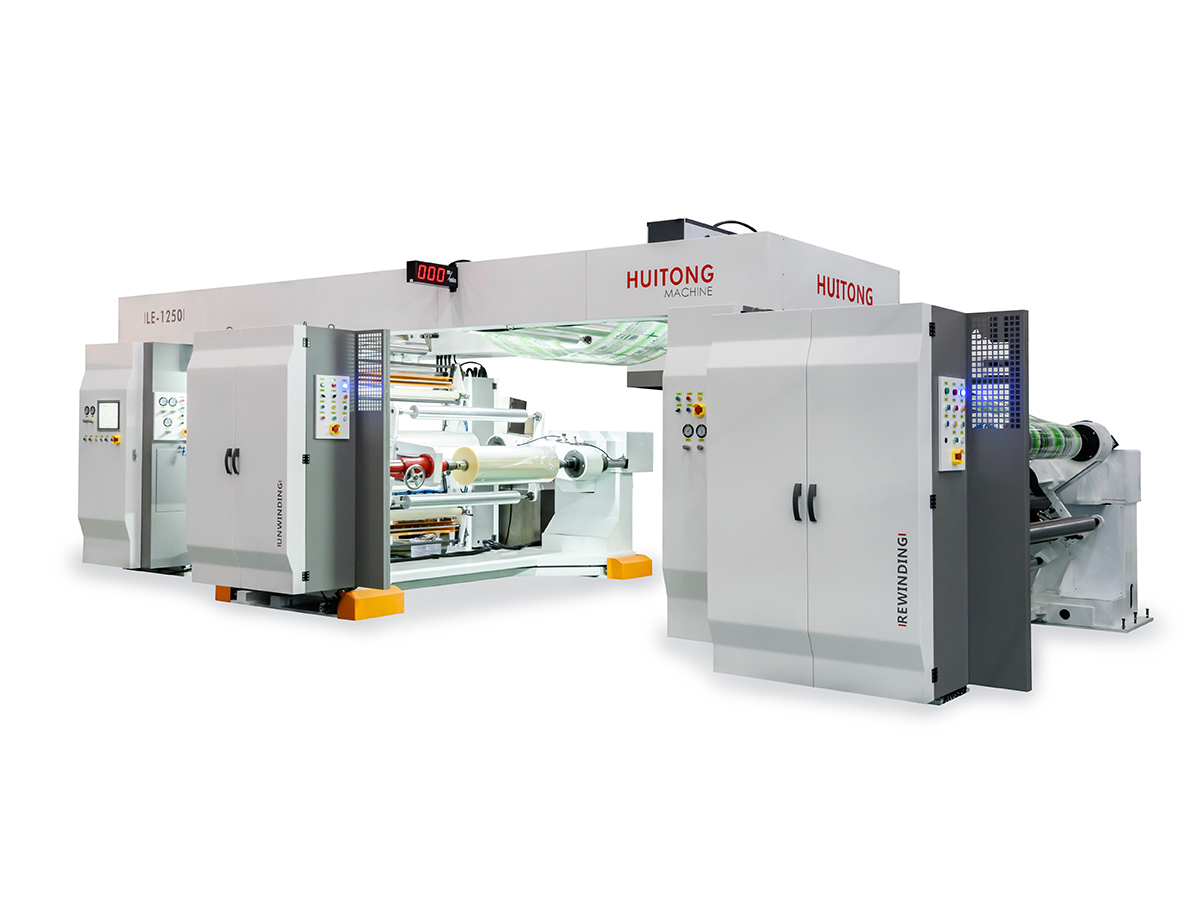
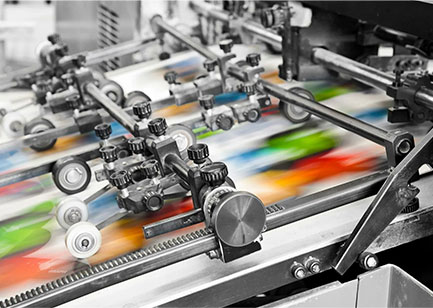
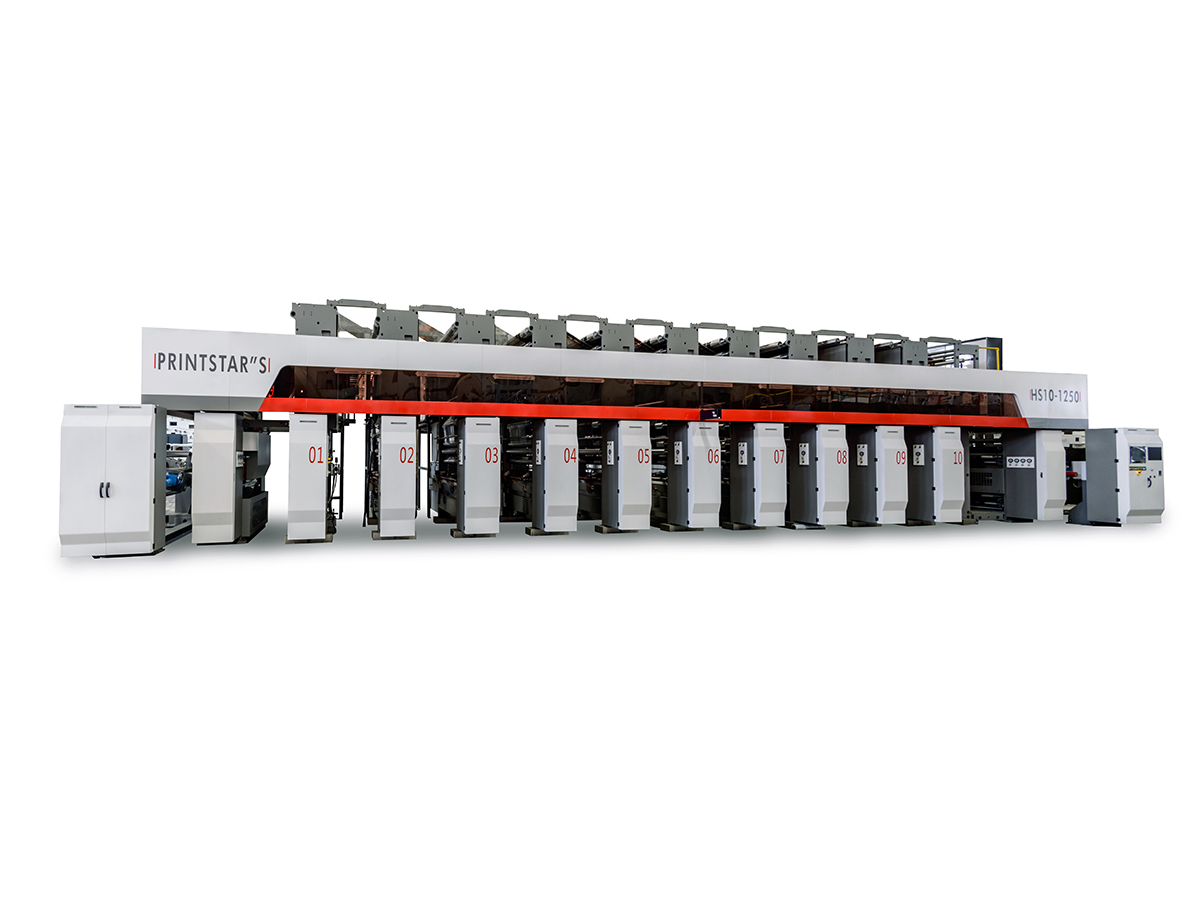
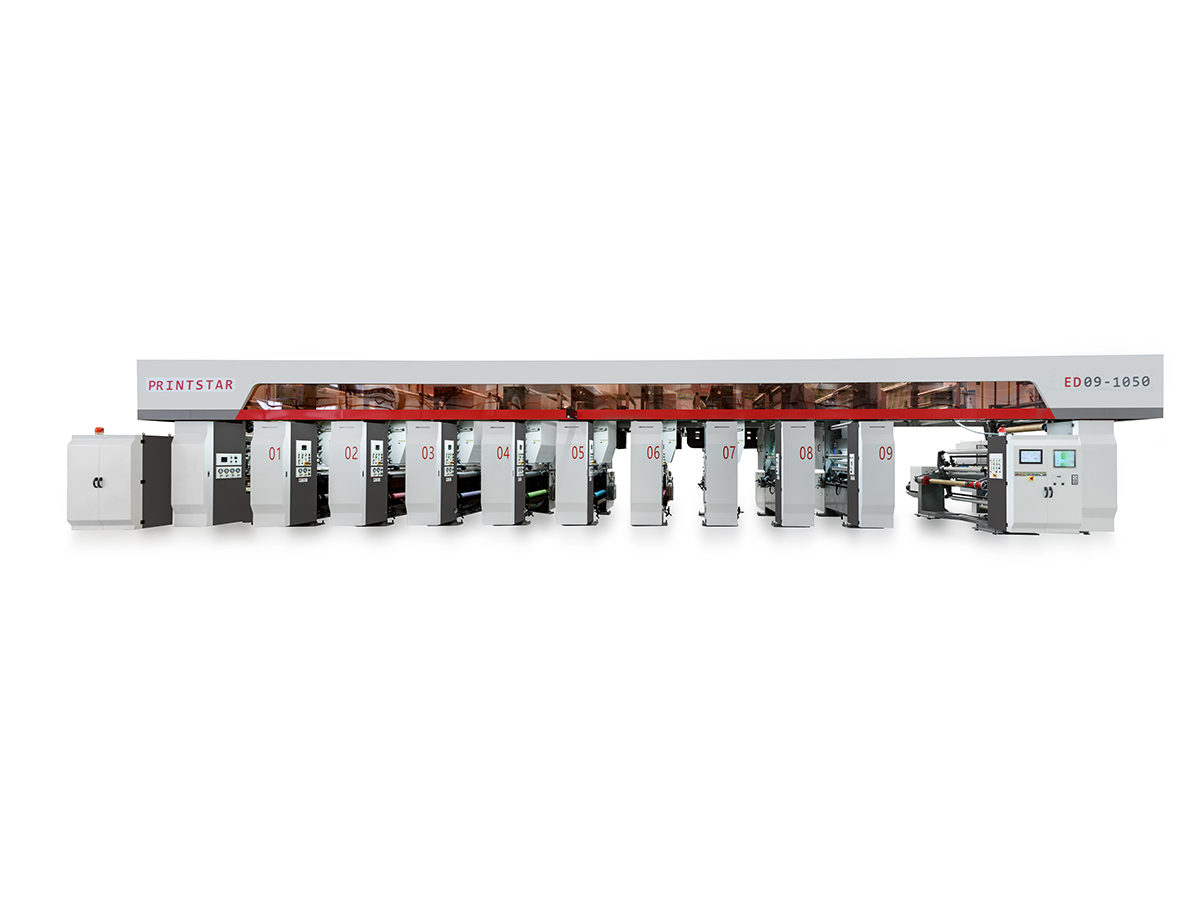
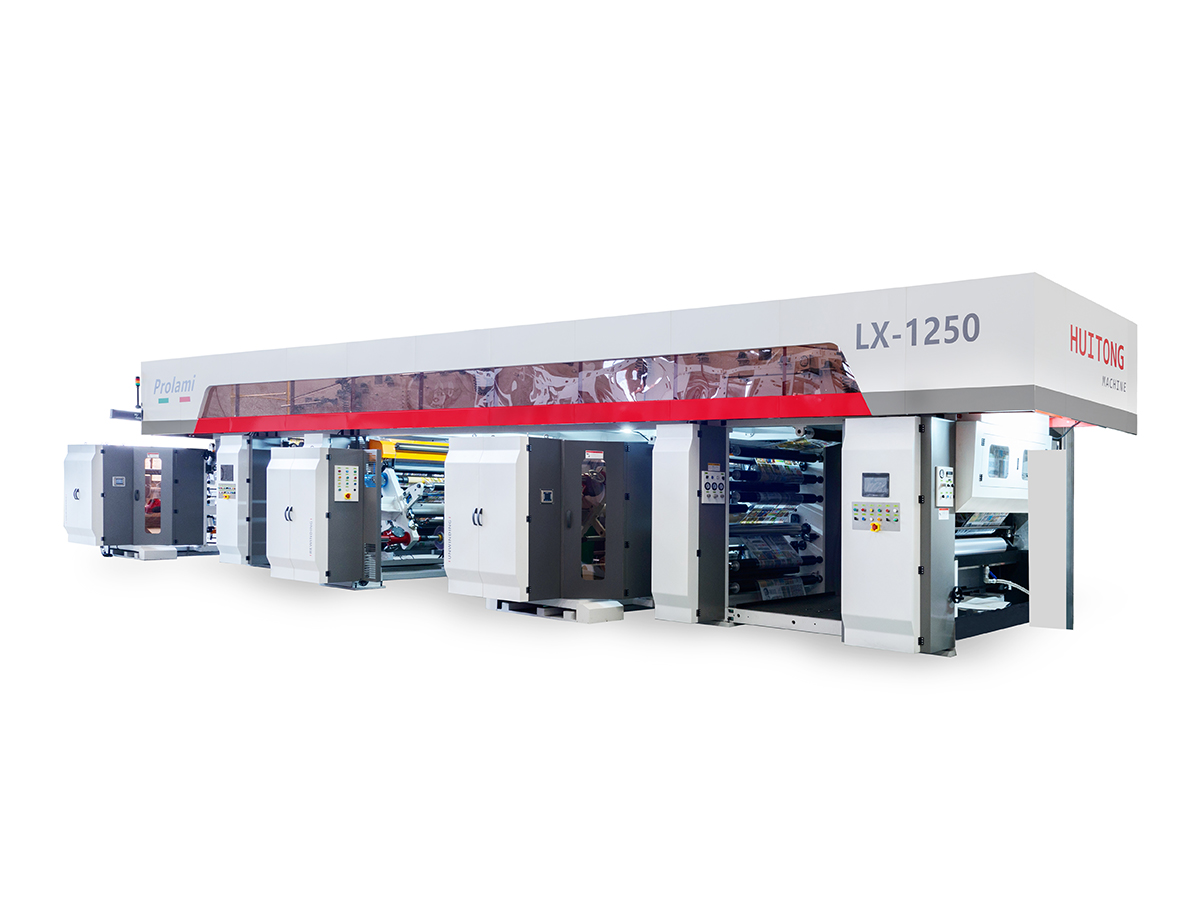
The difference between a traditional gravure press and an automatic rotogravure printing machine comes down to how many decisions the machine makes on its own. Registration, tension, drying temperature, and roll changing are handled by sensors and controllers instead of an operator's hands — which is what makes high-speed, low-waste production possible at scale.
Automation on a modern gravure press isn't a single feature — it's a set of coordinated control loops running continuously during printing.
Sensors detect print marks and adjust cylinder position in real time.
Maintains stable web movement across unwinding and rewinding.
Hot air circulation adjusts automatically per printing unit.
Automated splicing reduces stoppage between substrate rolls.
The practical impact shows up in three places: output volume, defect rate, and how many operators a line requires to run.
| Attribute | Automatic | Traditional |
| Operation | Automated control | Manual adjustment |
| Printing accuracy | Higher | Depends on operator |
| Material waste | Lower | Higher |
| Production stability | Excellent | Moderate |
Printing speed, printing width, number of colors, and cylinder diameter set the production ceiling.
Automation level, drying capacity, substrate thickness range, and power consumption affect operating cost.
An automatic rotogravure printing machine earns its cost through reduced waste and labor over the life of the equipment, not just faster printing. Matching automation level, drying capacity, and registration precision to your actual product mix is what determines whether that return shows up quickly or takes years to materialize.
Contact Us
Recommended Products
Joining Hands With Huitong
Customize Your Flexible Packaging Equipment Solution
Inquire now
Products
contact us

Tel: +86-0510-86328508
+86-0510-86324508
Mob: +86-13914908980
Email: [email protected]
ADD: No. 429 Xizhang Road, Gushan Town, Jiangyin City, Jiangsu Province, China

 English
 русский
 Español
 عربى
عربى