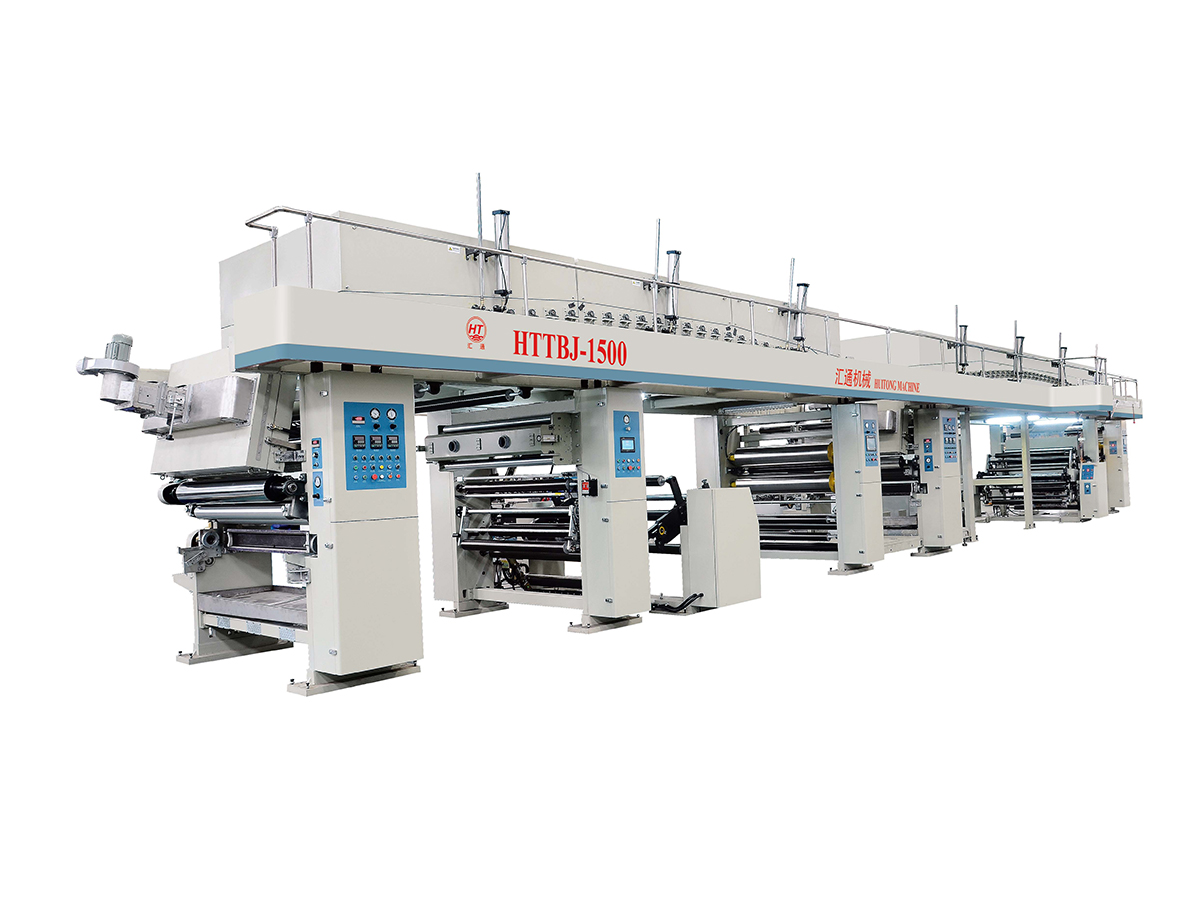
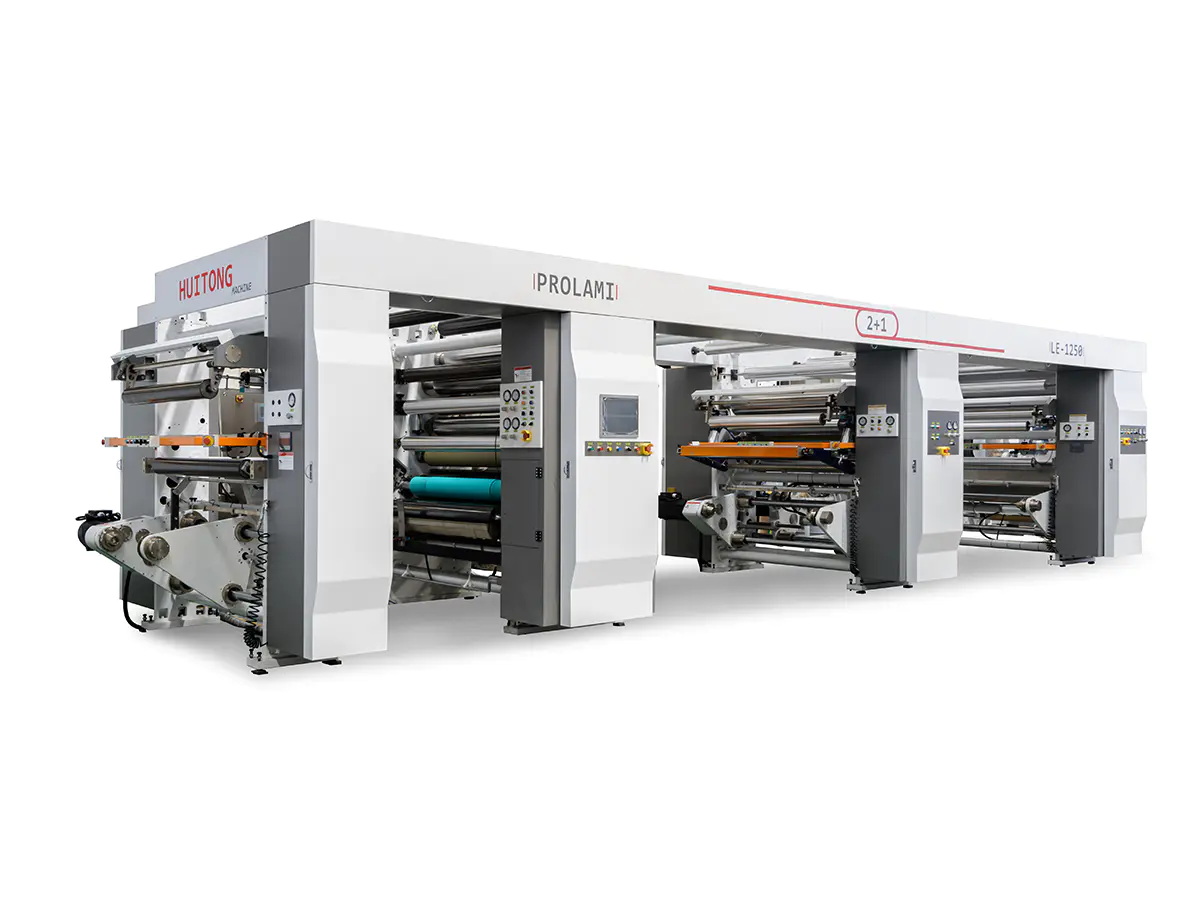
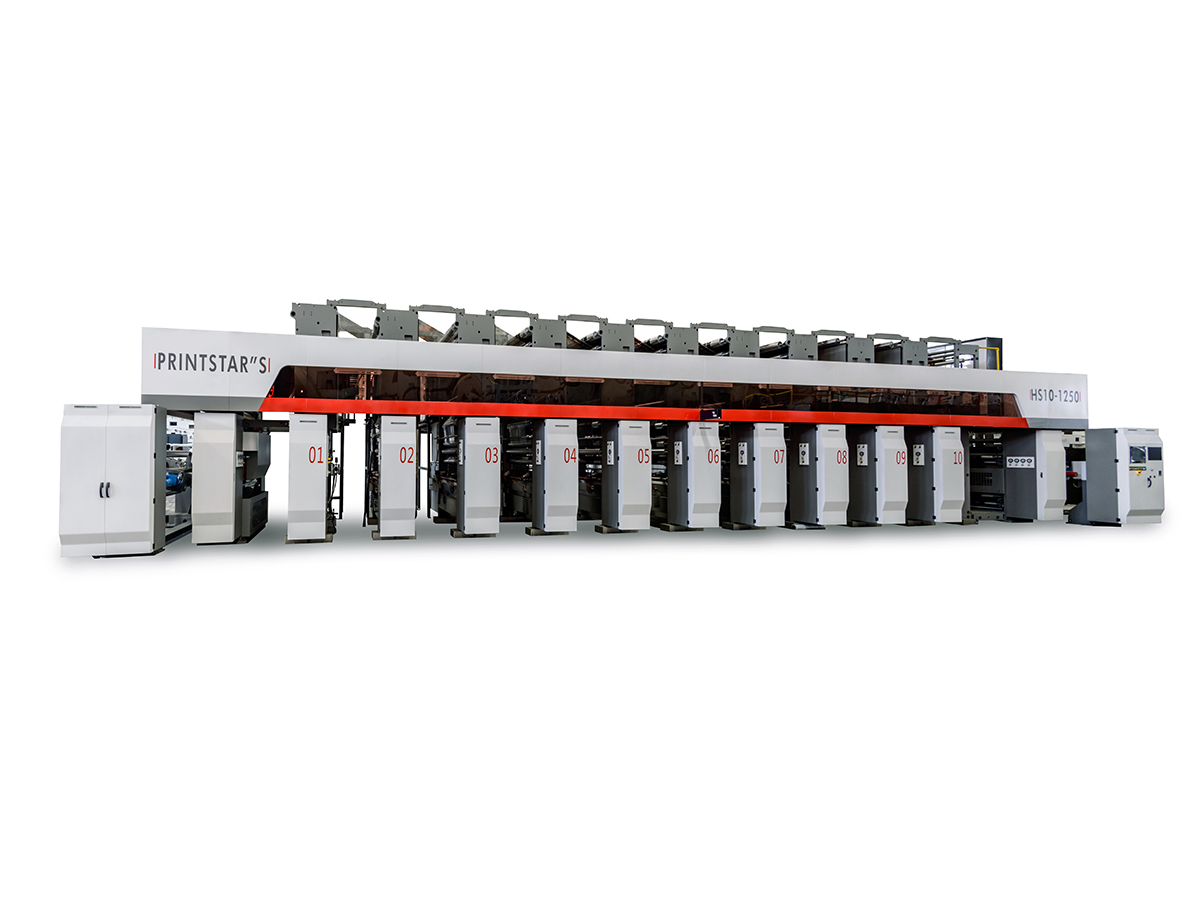
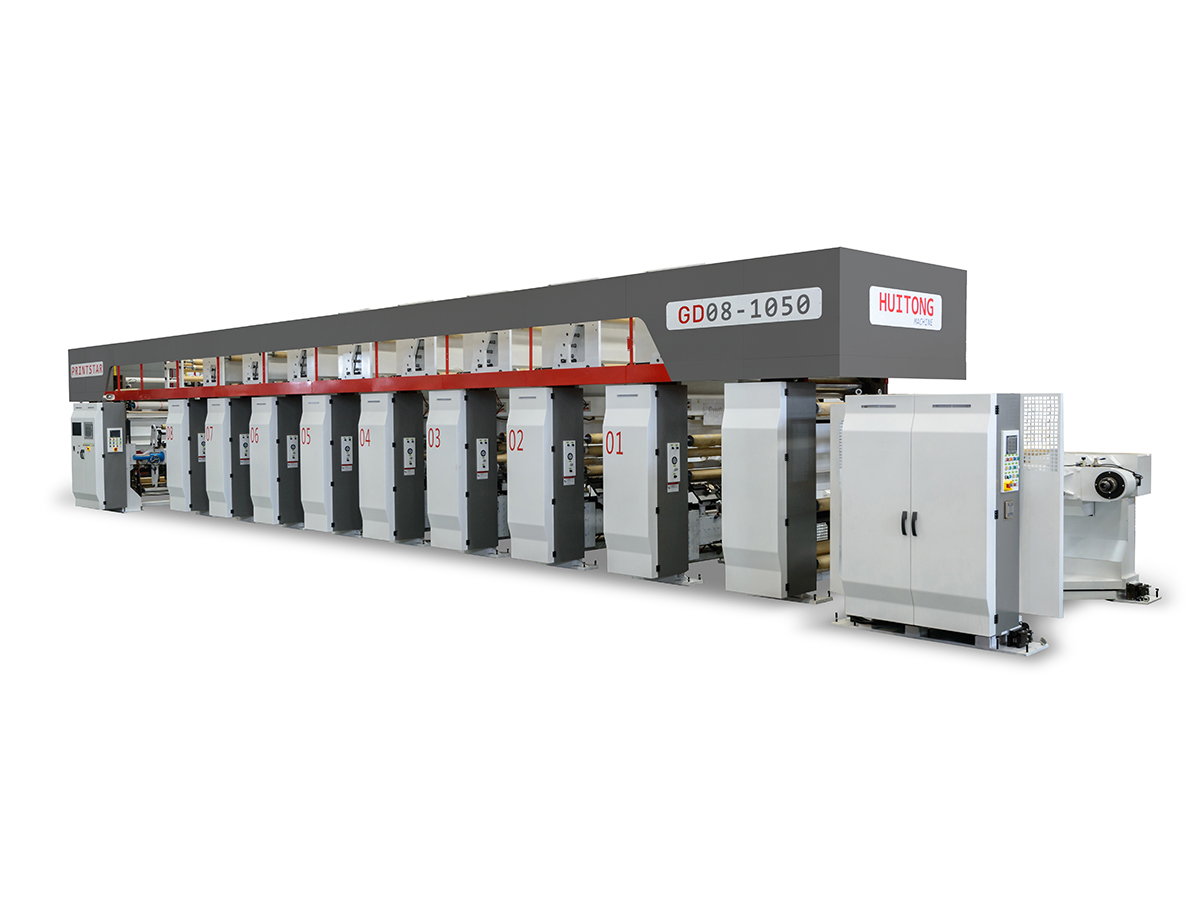
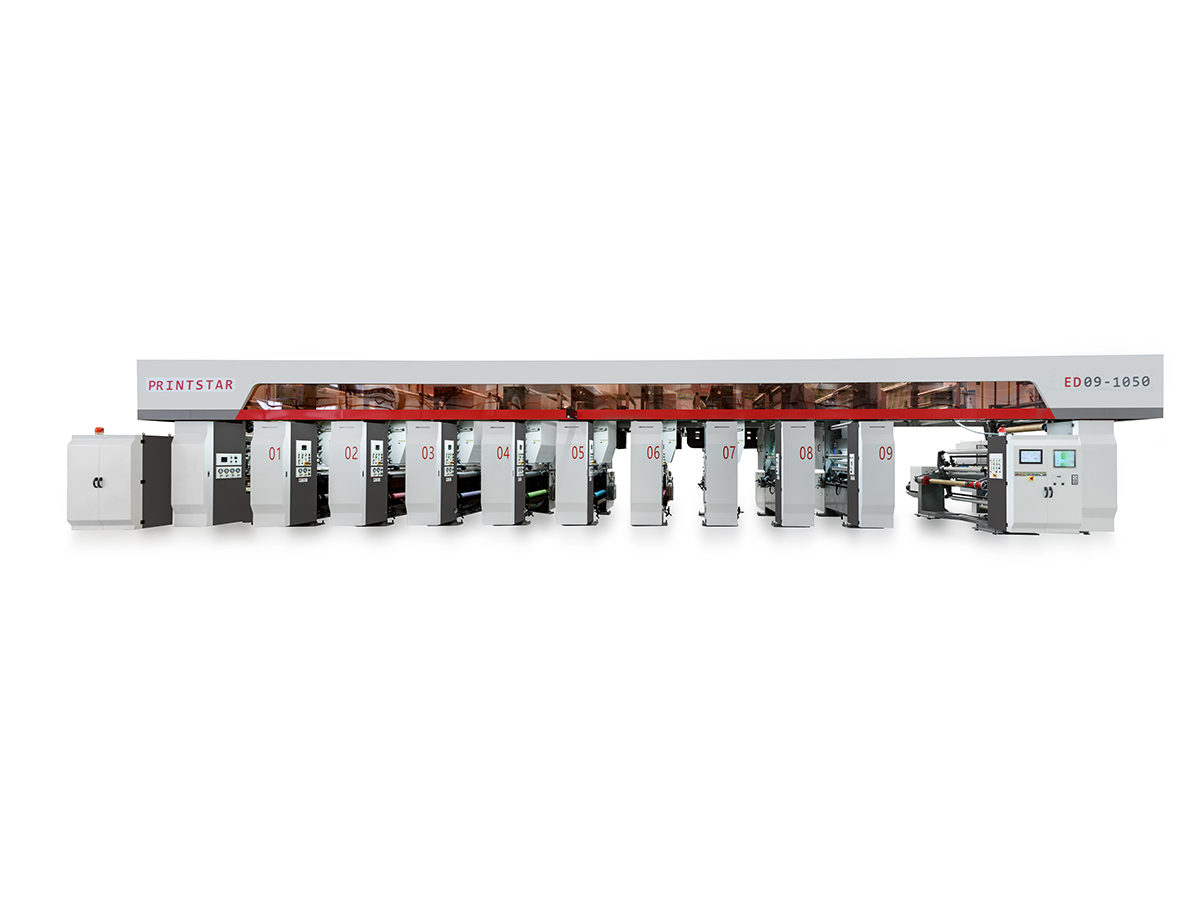
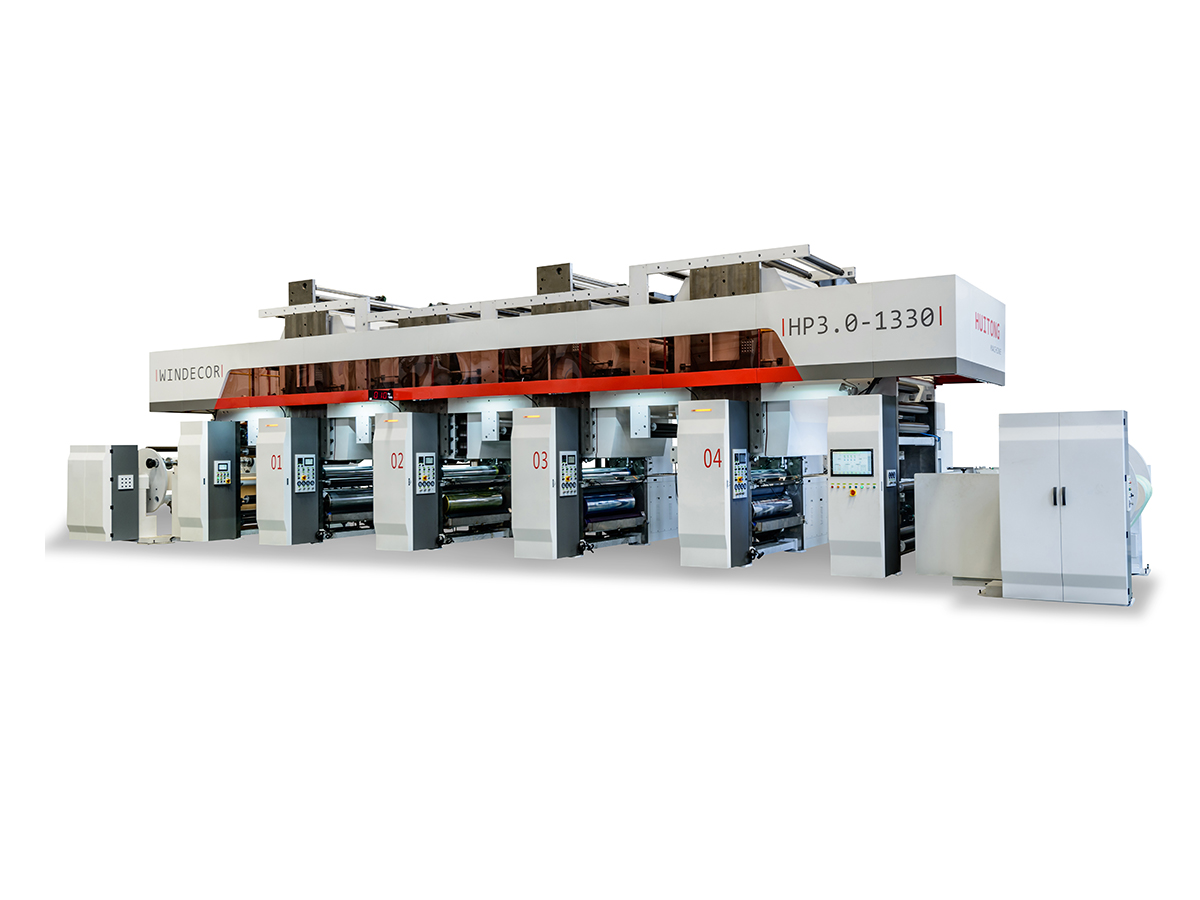
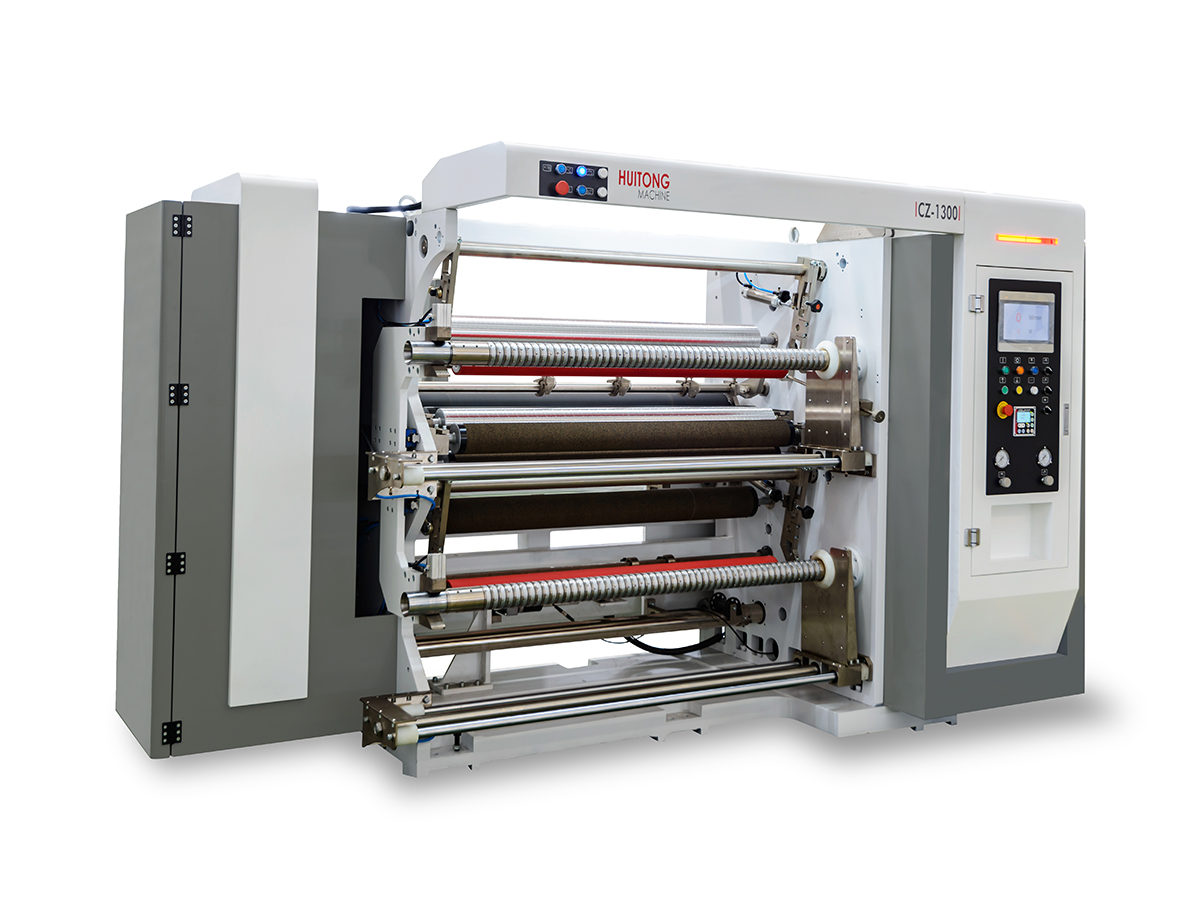
High speed rotogravure printing machines are essential tools in the printing industry, designed to meet the demands of mass production and high-quality output. As technology evolves, these machines continue to integrate advanced features that enhance productivity and efficiency.
High speed rotogravure printing machines are a type of rotary printing press used for high-volume printing on a variety of materials, such as paper, film, and flexible packaging. These machines utilize engraved cylinders to transfer ink onto the substrate, ensuring sharp details and high-definition results. The term “high-speed” refers to the ability of these machines to operate at elevated speeds while maintaining consistent print quality.
High-Speed Capabilities
The defining feature of these machines is their ability to operate at speeds far greater than other printing technologies. Advanced mechanisms and precision engineering allow for consistent, high-quality prints even at high operational speeds, often exceeding several thousand meters per minute.
Automated Tension Control
Tension control systems in high speed rotogravure printing machines ensure that the substrate remains evenly tensioned throughout the printing process. This is crucial for preventing distortions in the print, which can occur when the material stretches or compresses unevenly.
Ink Management Systems
Ink management is vital to achieving consistent color accuracy and print quality. Modern high speed rotogravure printing machines are equipped with advanced ink circulation and automatic viscosity control systems. These systems help regulate the ink supply, reduce waste, and ensure uniform ink distribution across the substrate.
Precision Engraving and Cylinder Design
One of the key factors in achieving high-quality results is the engraving of the printing cylinders. These machines feature precision engraving systems that allow for fine detailing and intricate designs. The cylinders are engineered to retain their sharpness over extended print runs, maintaining high resolution throughout the process.
Advanced Register Systems (B&R Register System)
The B&R register system is a critical component for ensuring accurate alignment of printed images, even at high speeds. This advanced system uses sensors to monitor the position of the substrate and adjusts the printing cylinders in real-time to maintain registration. It improves print precision and minimizes errors during production.
Integrated Drying Systems
High speed rotogravure printing machines often incorporate sophisticated drying systems, which are essential for fast ink curing. These systems use air or infrared drying technologies to speed up the drying process, preventing smudging or color bleeding during high-speed runs.
Versatility in Substrate Handling
These machines are designed to handle a variety of substrates, from delicate films to thick paper stocks. The flexibility of substrate handling is a significant feature, making high-speed rotogravure printing machines ideal for applications ranging from packaging to decorative printing.
Energy Efficiency
Energy-efficient features are increasingly integrated into high-speed rotogravure printing machines. These include optimized drive systems, advanced cooling methods, and reduced energy consumption in drying and ink management, contributing to cost savings and sustainability in the long term.
Automated Job Changeover
High speed rotogravure printing machines often feature automated job changeover functions, which streamline the transition between print jobs. This reduces downtime and ensures that the machine can quickly adapt to different print specifications without manual intervention.
High-speed rotogravure printing machines offer a host of benefits that make them a popular choice in the industry. Some of these benefits include:
Cylinder Engraving Technologies
Engraving technology has advanced significantly, allowing for more intricate designs and higher resolution printing. Laser and diamond engraving systems are often used to achieve fine details on the printing cylinders.
Ink Systems and Automation
Modern high speed rotogravure printing machines feature automated ink feeding systems that adjust the ink viscosity and flow rate to ensure consistency. These automated systems help reduce waste and improve color accuracy.
Electronic Web Guiding
Web guiding systems ensure that the substrate is aligned properly throughout the printing process. This feature is critical for preventing misalignment and ensuring the printed product maintains its precision, even at high speeds.
Closed-Loop Control Systems
These systems are used to continuously monitor the printing process and make adjustments in real-time to maintain print quality. Closed-loop control systems are essential for achieving consistent results in high-speed production environments.
While high-speed rotogravure printing machines offer many benefits, there are challenges to consider. These include the initial setup costs, maintenance requirements, and the need for skilled operators to manage the machine’s sophisticated systems. Additionally, print defects such as ink smudging, misregistration, and color inconsistencies may arise if the machine is not properly calibrated.
High-speed rotogravure printing machines continue to be an essential tool in industries requiring high-volume, high-quality printing. With features like automated tension control, advanced register systems such as the B&R register system, and energy-efficient technologies, these machines have revolutionized the way print production is managed. Despite the challenges associated with their operation, the advantages in speed, quality, and efficiency make high-speed rotogravure printing machines a critical asset in modern printing applications.
1. What is the speed of a high-speed rotogravure printing machine?
High-speed rotogravure printing machines can operate at speeds of up to several thousand meters per minute, depending on the machine’s design and specifications.
2. How does the B&R register system improve printing accuracy?
The B&R register system continuously monitors the substrate’s position during printing and adjusts the cylinders to maintain alignment, improving print precision and reducing errors.
3. Can high-speed rotogravure printing machines handle different types of materials?
Yes, these machines are versatile and can print on a variety of substrates, including paper, plastic films, and other flexible materials.
4. What are the main advantages of using high-speed rotogravure printing machines over other printing technologies?
They offer high productivity, print quality, cost-effectiveness, and versatility, making them ideal for large-volume, high-precision printing jobs.
5. What maintenance is required for high-speed rotogravure printing machines?
Routine maintenance includes cleaning the ink systems, checking the cylinders for wear, adjusting tension controls, and ensuring that the drying systems are functioning efficiently.
Contact Us
Recommended Products
Joining Hands With Huitong
Customize Your Flexible Packaging Equipment Solution
Inquire now
Products
contact us

Tel: +86-0510-86328508
+86-0510-86324508
Mob: +86-13914908980
Email: [email protected]
ADD: No. 429 Xizhang Road, Gushan Town, Jiangyin City, Jiangsu Province, China

 English
 русский
 Español
 عربى
عربى