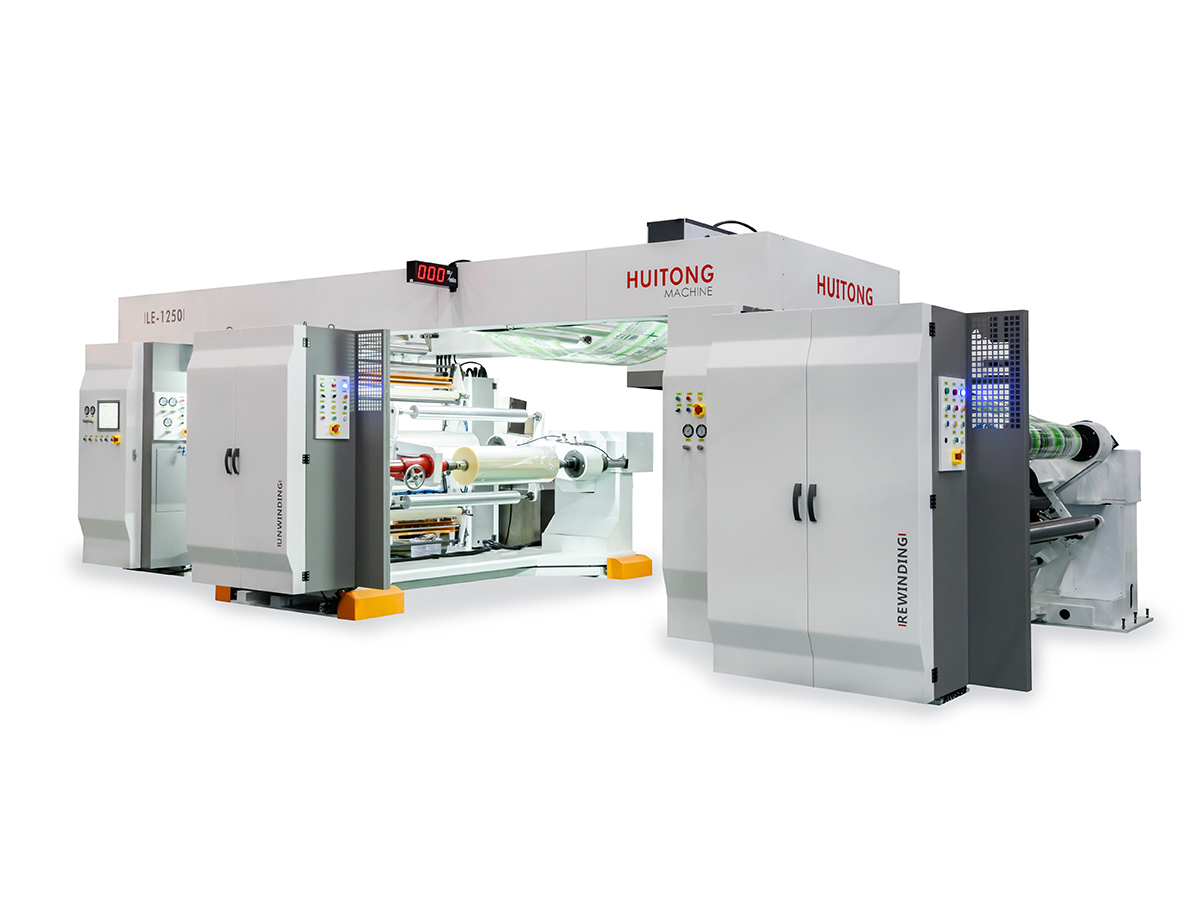
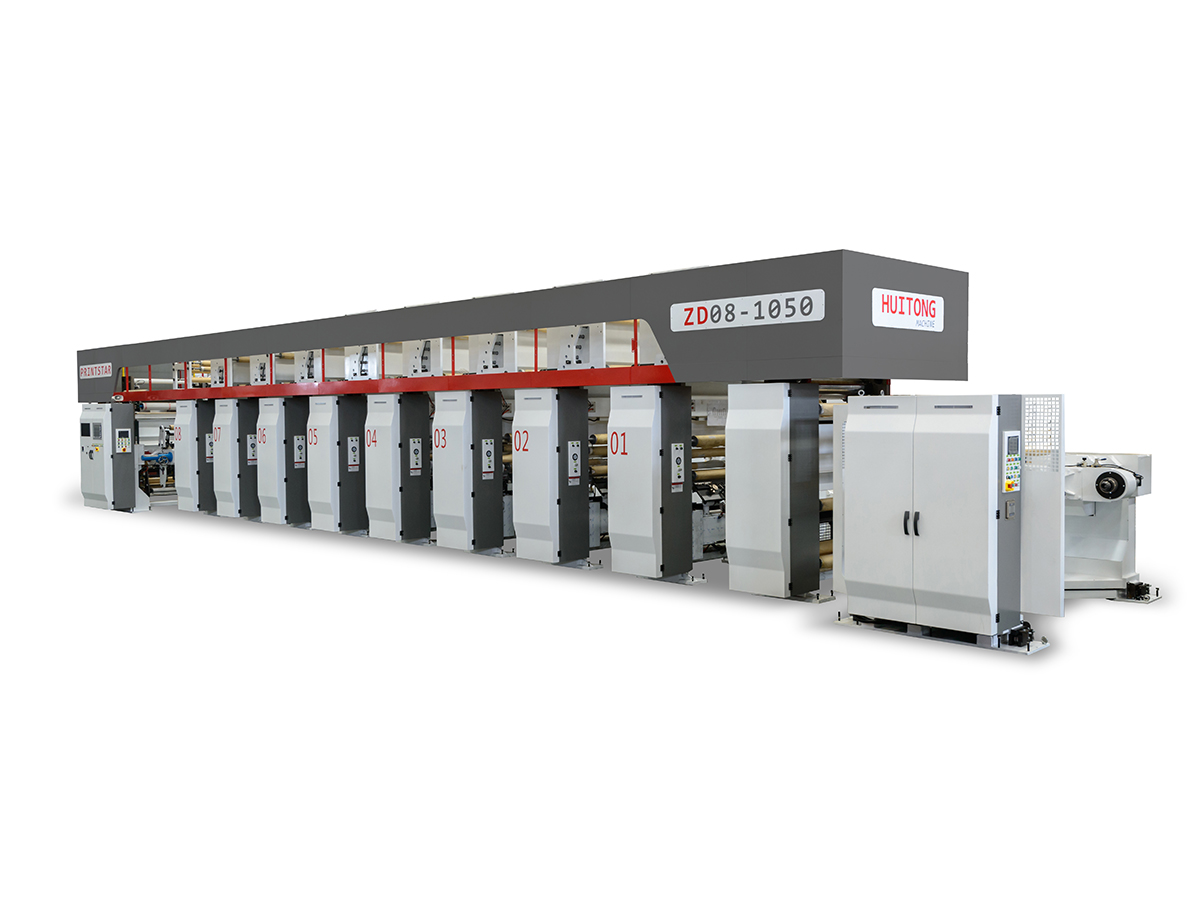
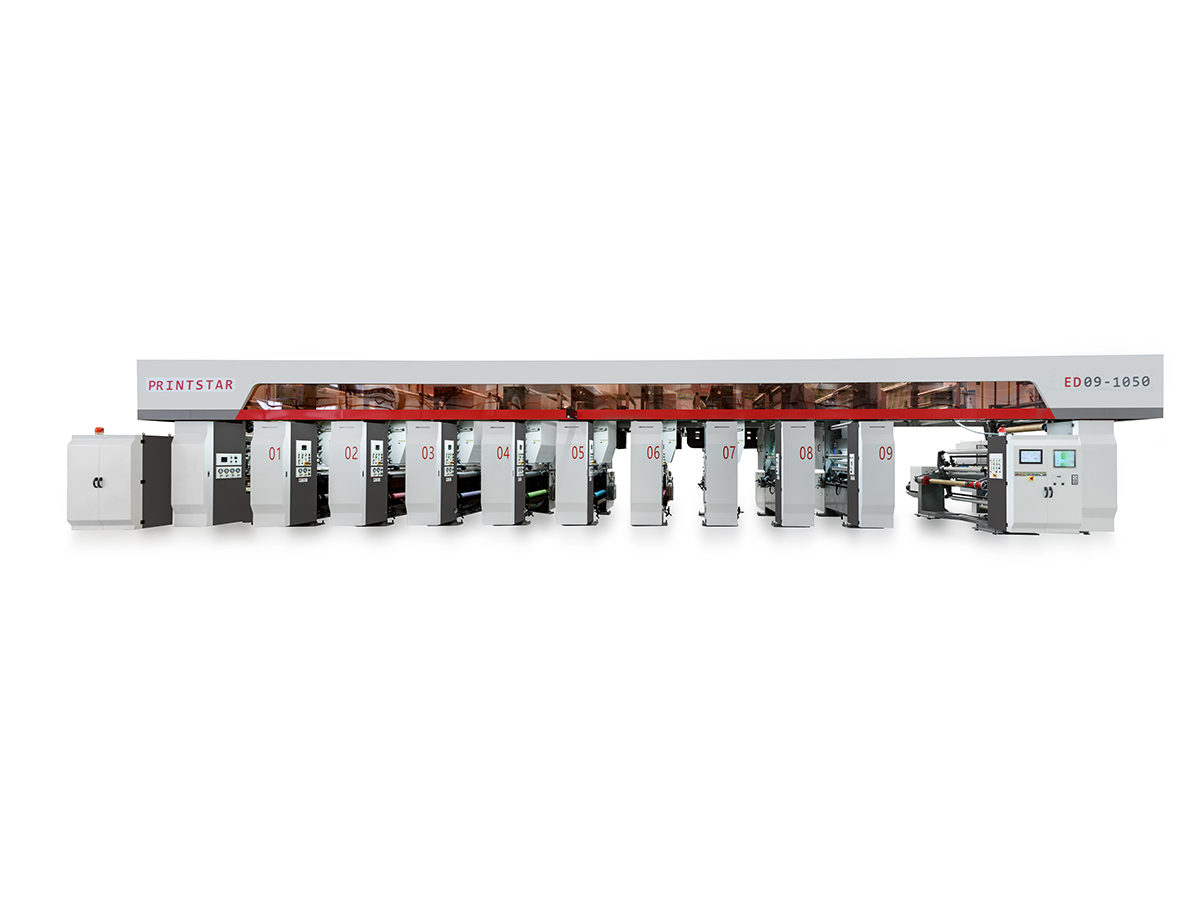
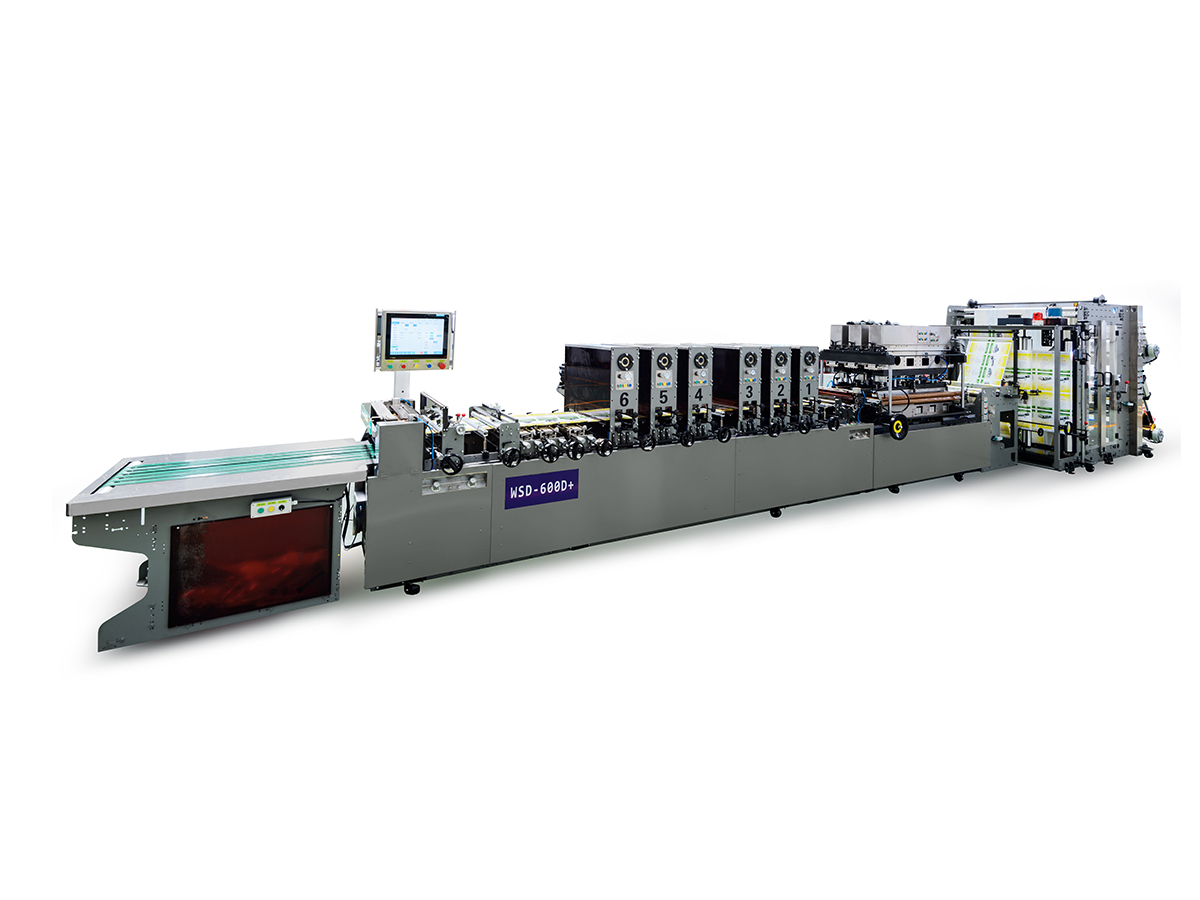
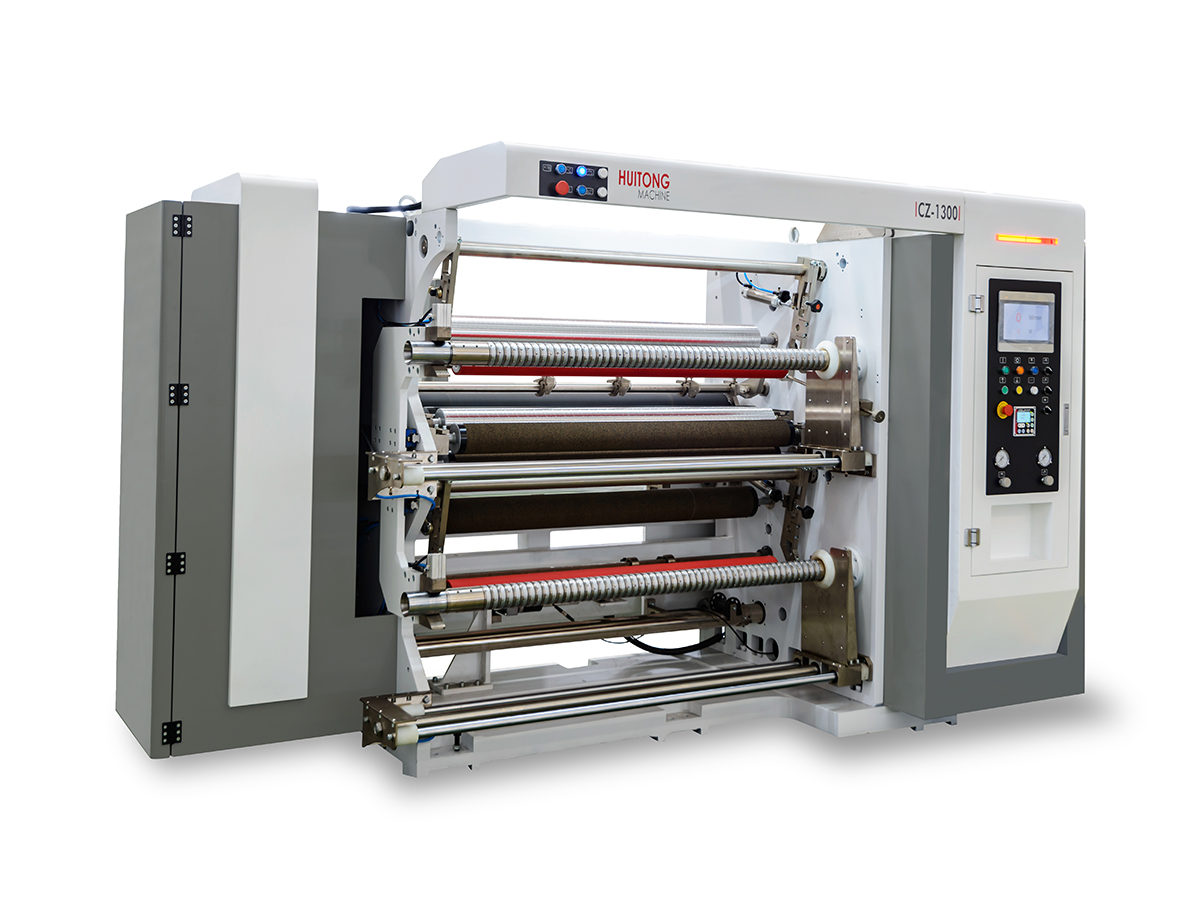
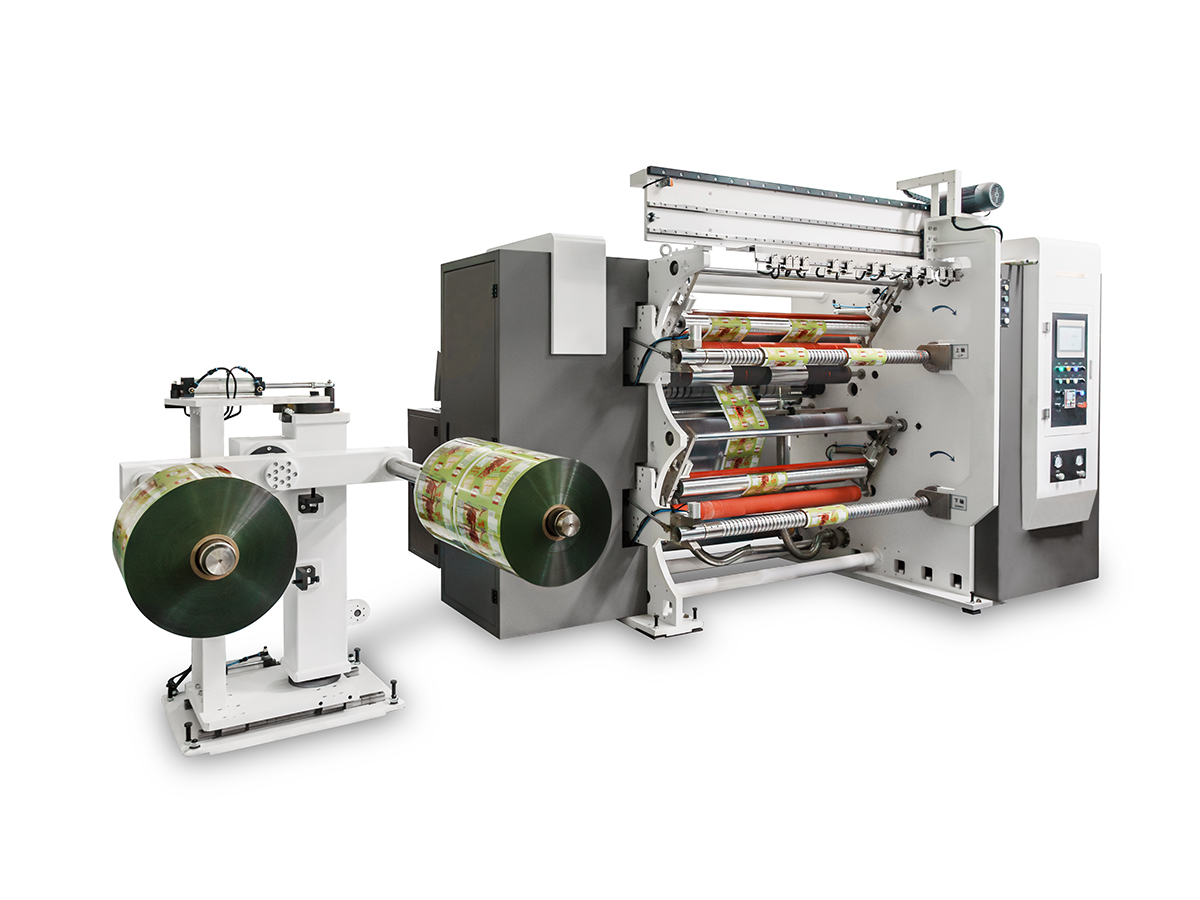
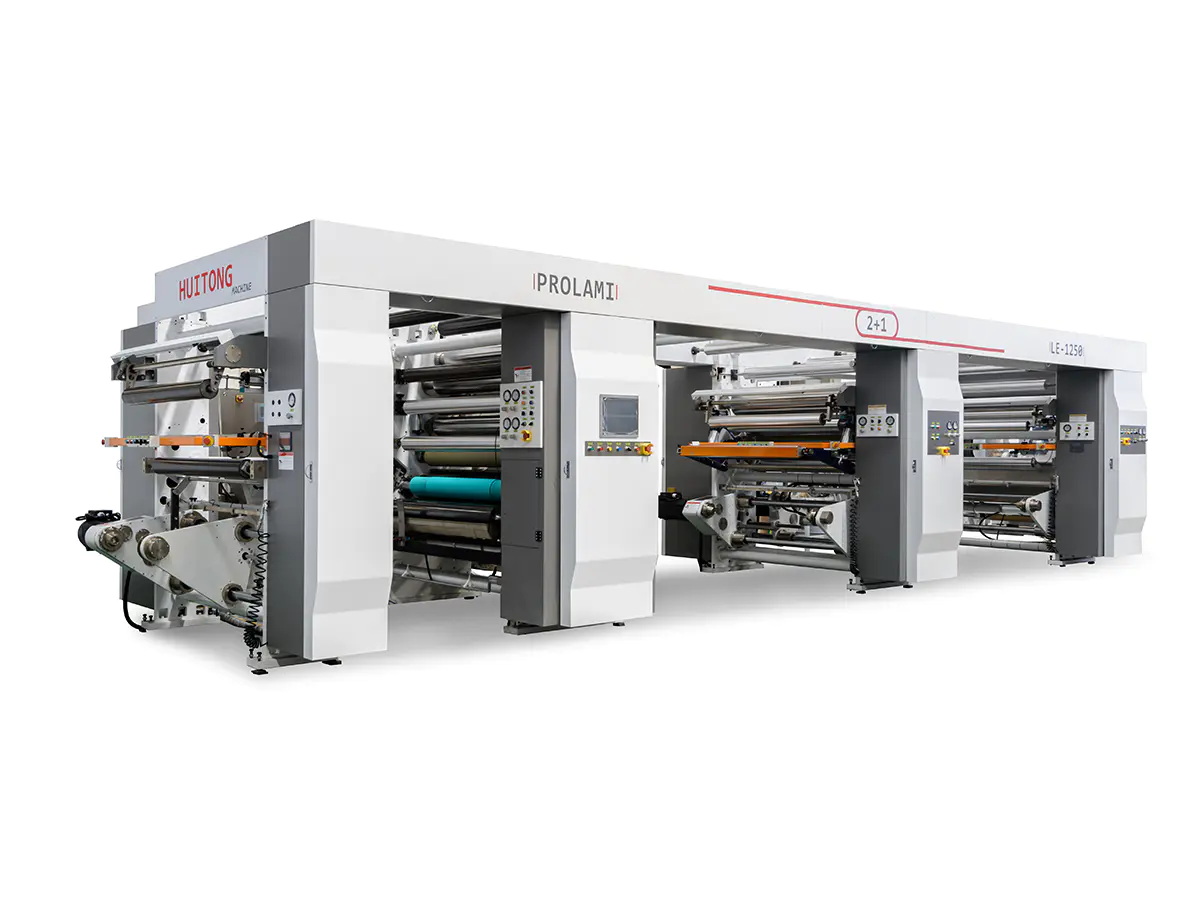
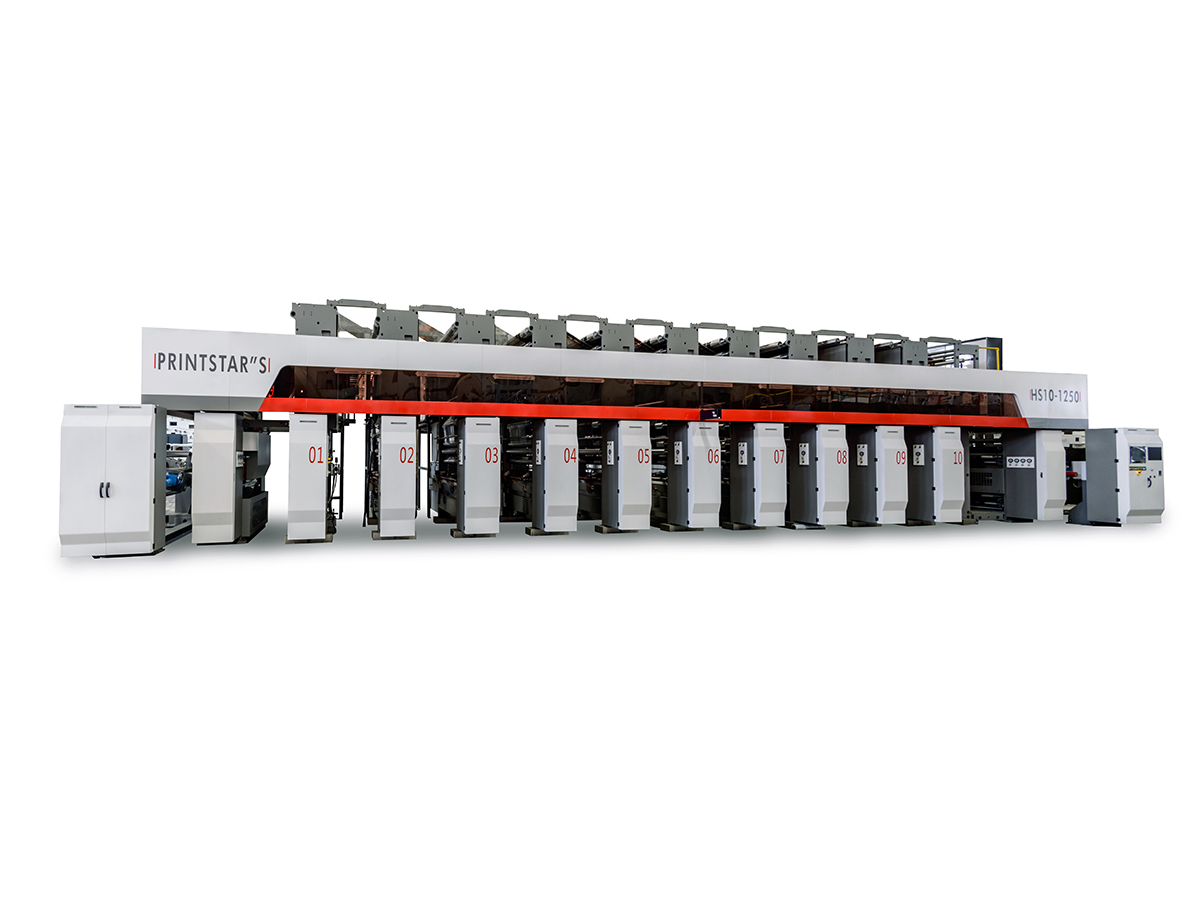
Flexible packaging equipment is engineered to convert rollstock films, laminates, or pouches into finished packages at high speeds with precision. The five primary functions are: film handling & tension control, forming & filling, sealing (heat/cold), cutting & perforating, and auxiliary processes (printing, coding, inspection). These integrated operations enable the production of stand-up pouches, pillow bags, quad-seal bags, and more, directly impacting line efficiency, material savings, and product shelf life. Modern flexible packaging machines achieve up to 300 cycles per minute while maintaining seal integrity below 0.5% failure rate, demonstrating the critical nature of each function.
Without robust execution of these functions, flexible packaging lines suffer from wrinkling, misalignment, leakage, and excessive material waste. Understanding each functional role allows manufacturers to troubleshoot, optimize speed, and select equipment tailored to specific product types—from granulated snacks to liquid detergents.
The function involves unwinding flexible film from a roll while maintaining consistent tension. Precision tension control prevents stretching, wrinkling, or misregistration. Equipment utilizes load cells, dancer rollers, and servo-driven unwind stands to regulate tension within ±2 N/m tolerance. Without proper management, up to 3-5% of film can be wasted due to telescoping or breaks.
Advanced equipment integrates real-time tension feedback loops; for example, when packaging lightweight powders, lower tension settings (8-12N) prevent deformation, while heavier laminates require >25N. The result is consistent material flow into the forming section, directly affecting seal quality and package appearance.
This function transforms flat film into a three-dimensional package shape (e.g., pillow bag, gusseted pouch) while simultaneously depositing the product. Flexible packaging equipment achieves this via forming collars (for vertical form fill seal – VFFS) or pre-made pouch openers (for horizontal HFFS). Forming accuracy determines fill volume consistency: advanced systems can achieve fill weight variation of ≤ ±0.5% for free-flowing products.
Fill systems vary by product: volumetric cups (for dry goods, accuracy ±1%), multi-head weighers (high-speed, up to 120 weighments/min), or liquid piston fillers (viscous fluids, precision ±0.3ml). Equipment flexibility here allows changeovers within 10-15 minutes, accommodating bag widths from 50mm to 400mm. Without precise filling control, giveaways can cost a midsize producer over $100,000 annually in overfilling.
Sealing is arguably the critical function, as it creates hermetic closures that protect contents from moisture, oxygen, and contaminants. Flexible packaging equipment employs jaw designs (flat, serrated, or knurled) and sealing technologies: impulse heat sealing (0.2–1.5s cycle), constant heat (for high-speed, up to 300 bags/min), ultrasonic sealing (for contamination-prone areas), and cold seal (pressure-sensitive adhesives for heat-sensitive products). Seal strength must exceed 30 N/15mm width for barrier applications.
Data shows that 85% of flexible package failures originate from seal defects (pinholes, incomplete fusion, or contamination). Modern equipment includes real-time seal inspection using thermal imaging or air leak testers, rejecting defective pouches inline with rejection rates < 0.1%.
Once sealed, the continuous web must be separated into individual packages. Cutting mechanisms include rotary blades, guillotine cutters, or laser cutters (for non-contact, ultra-clean cuts). Performance metrics: cut accuracy ±0.5mm, repeatability of over 2 million cycles without blade change. Perforation functions add consumer convenience: tear notches, line perforations for easy-open, or micro-perforations for product respiration (e.g., fresh produce).
Equipment with integrated punch modules creates hang holes or euro slots for retail displays. Maintaining cut quality reduces rejects by up to 40% compared to worn blade operations, directly impacting OEE (Overall Equipment Effectiveness).
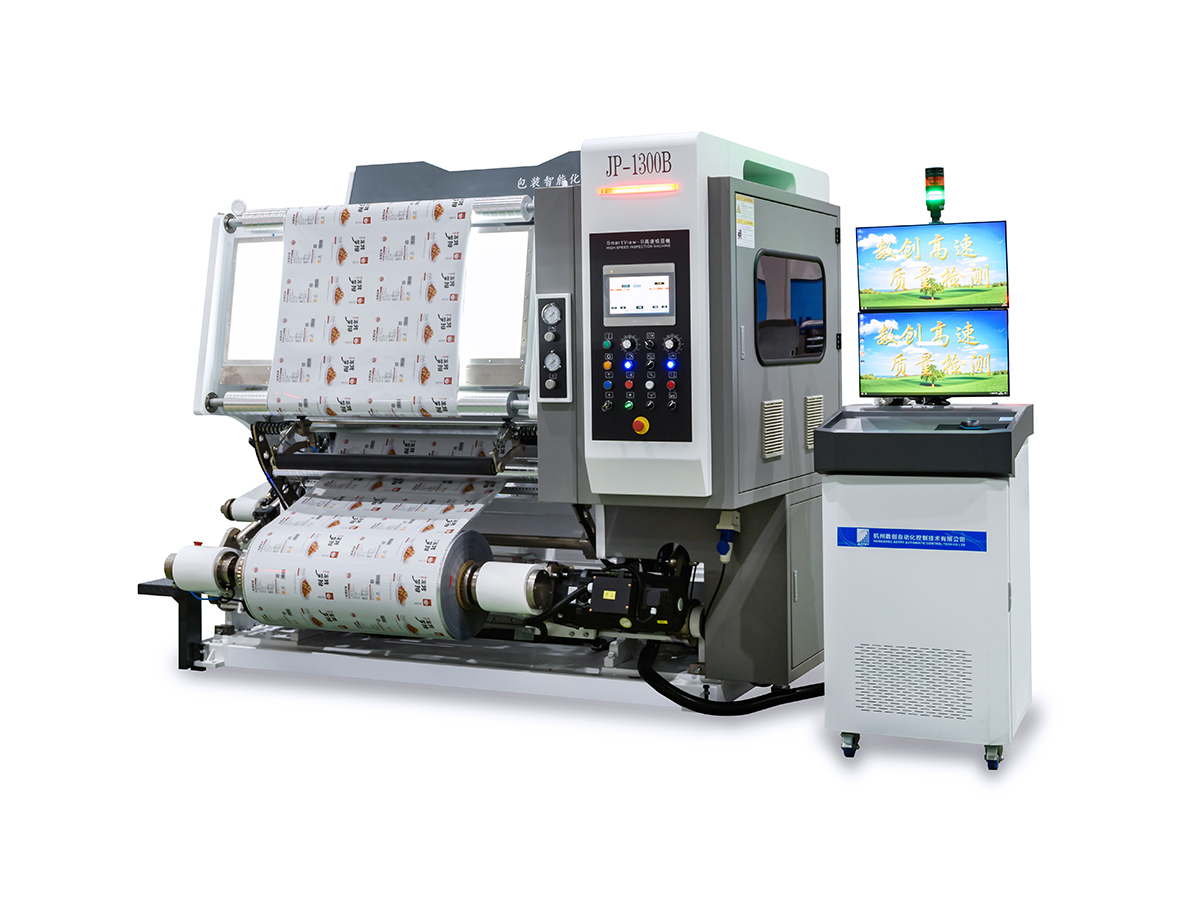
Modern flexible packaging lines are not isolated; they incorporate secondary functions that add value and compliance. These include inline printing (date/lot codes, QR codes), label applicators, and vision inspection. Over 90% of flexible packages require variable data printing for traceability or regulatory compliance (FDA, EU regulations).
| Function | Typical Technology | Performance Indicator |
|---|---|---|
| Inkjet coding | CIJ (Continuous Inkjet) or Thermal Inkjet | Print up to 300 m/min, resolution 600 dpi |
| Vision inspection | High-speed cameras + AI defect detection | Detects seal pinholes >0.2mm, missing codes → 99.7% accuracy |
| Vacuum/gas flush | Modified Atmosphere Packaging (MAP) nozzles | Reduces residual oxygen to <0.5% for shelf-life extension up to 300% |
| Metal detection/checkweighing | Electromagnetic sensors + load cells | Sensitivity Fe ≥0.5mm, weight control ±0.2g |
These auxiliary modules are often integrated into the same control platform (PLC/HMI) as the main packaging functions, enabling centralized data logging and recipe-based changeovers. For example, a snack food line simultaneously prints 'best by' dates, verifies seal integrity, and rejects underweight pouches at speeds up to 180 bags/min without human intervention. By embedding these capabilities, flexible packaging equipment reduces rework by an average of 25-35% annually.
When all functions work in harmony, the economic impact is substantial. Data from packaging lines indicate that optimized flexible packaging equipment yields 3-8% material savings through reduced film waste and better seal width management. Additionally, higher machine uptime (target >95% OEE) comes from servo-driven axes and quick-change sealing jaws.
Furthermore, integrated leak testing as an auxiliary function prevents recalls: a single recall due to faulty seals costs an average of $10 million in the food industry. Equipment that performs inline inspection eliminates that risk. Therefore, the main functions extend beyond mechanical movement — they directly drive profitability and brand protection.
The main functions of flexible packaging equipment — film handling, forming/filling, sealing, cutting/perforation, and auxiliary processes — are interdependent. A weakness in any one function compromises overall output and quality. For manufacturers, prioritizing equipment with closed-loop tension control, servo-driven sealing with thermal monitoring, and integrated vision inspection consistently delivers higher first-pass yield (typically 97-99%).
Given current packaging trends toward sustainable materials (mono-material PE, compostable films), flexible packaging equipment must adapt its functions to handle thinner, heat-sensitive substrates. Equipment with precision temperature modulation (±0.5°C accuracy) and low-inertia tension control becomes essential. Therefore, when evaluating flexible packaging equipment, production managers must assess each core function’s ability to run at target speed with minimal defects.
The bottom line: flexible packaging equipment is not just a set of motors and heaters; it is a precision system where film handling, forming, filling, sealing, cutting, and inspection functions must operate synchronously to achieve the cost per quality package.
Contact Us
Recommended Products
Joining Hands With Huitong
Customize Your Flexible Packaging Equipment Solution
Inquire now
Products
contact us

Tel: +86-0510-86328508
+86-0510-86324508
Mob: +86-13914908980
Email: [email protected]
ADD: No. 429 Xizhang Road, Gushan Town, Jiangyin City, Jiangsu Province, China

 English
 русский
 Español
 عربى
عربى