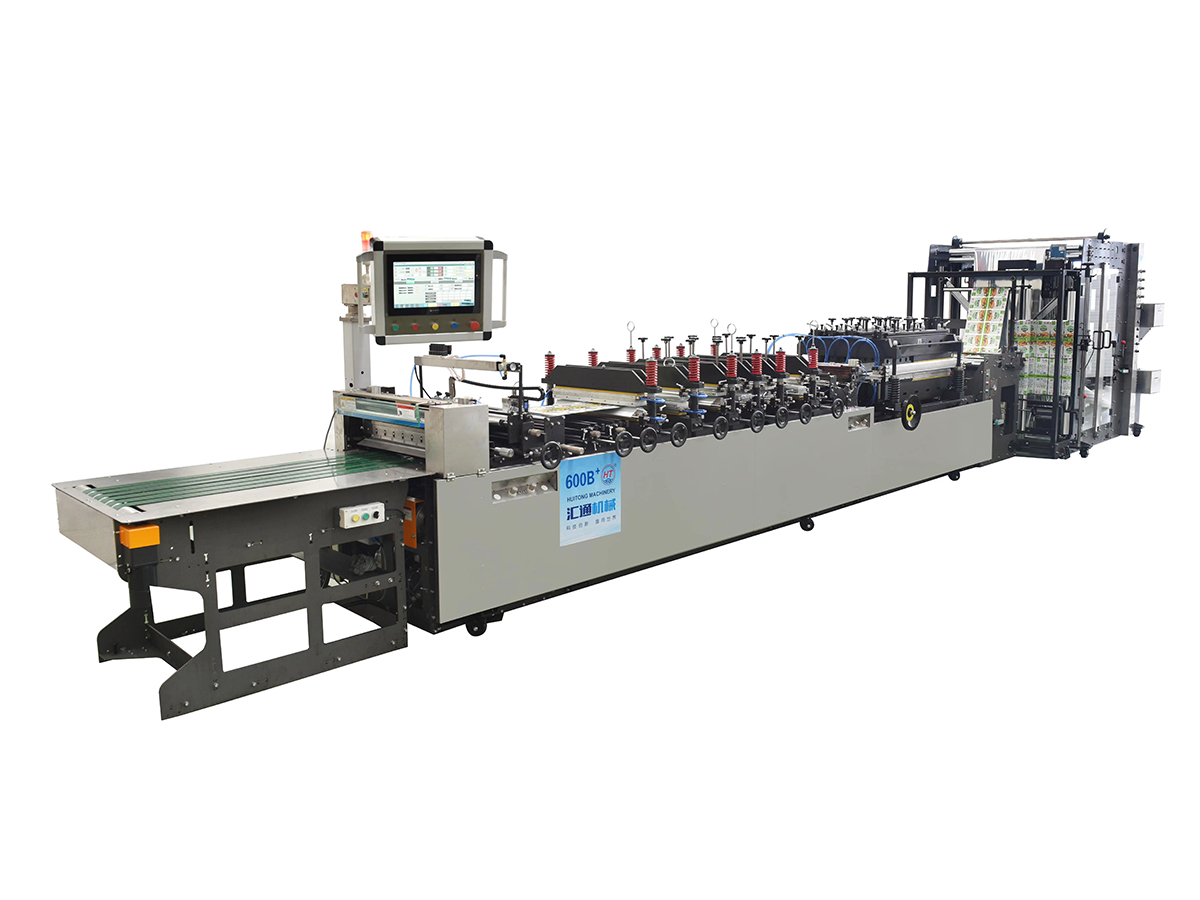
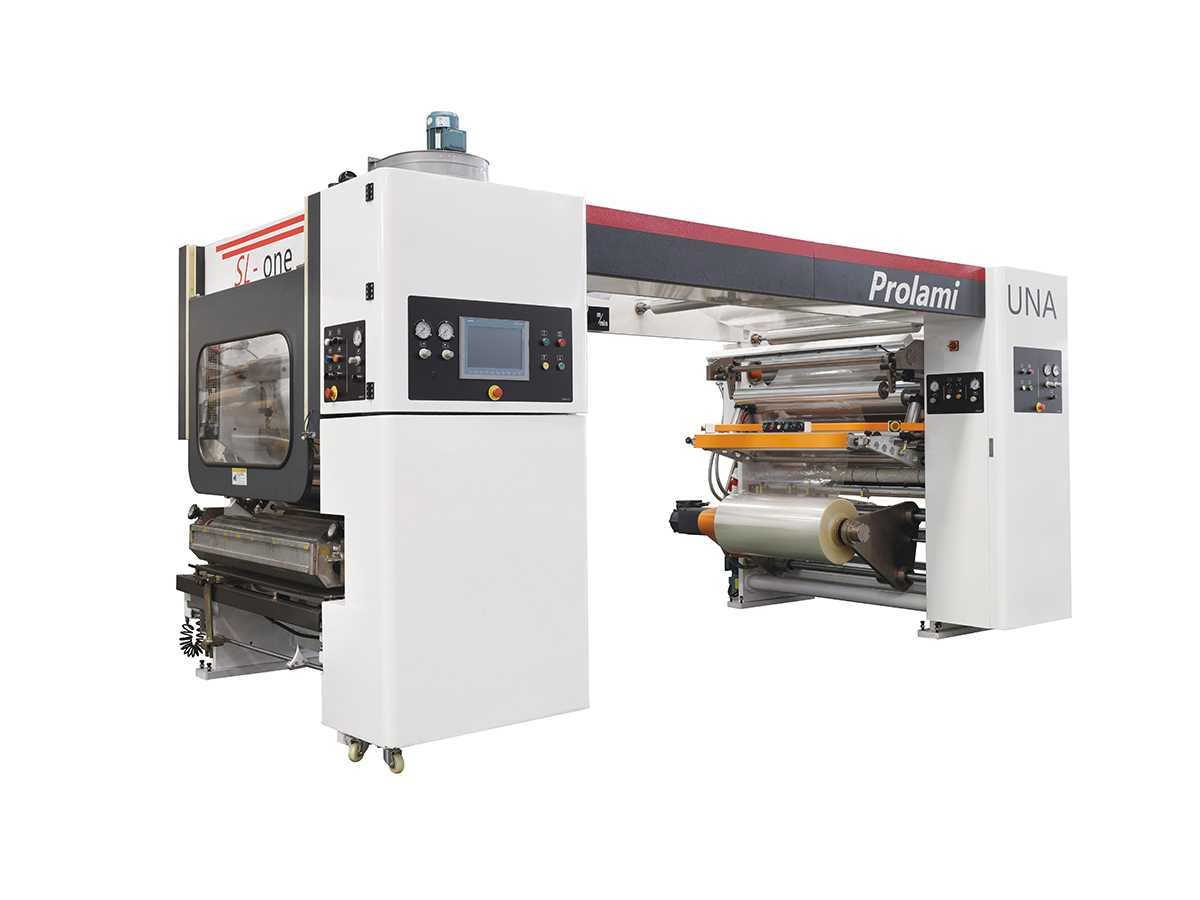
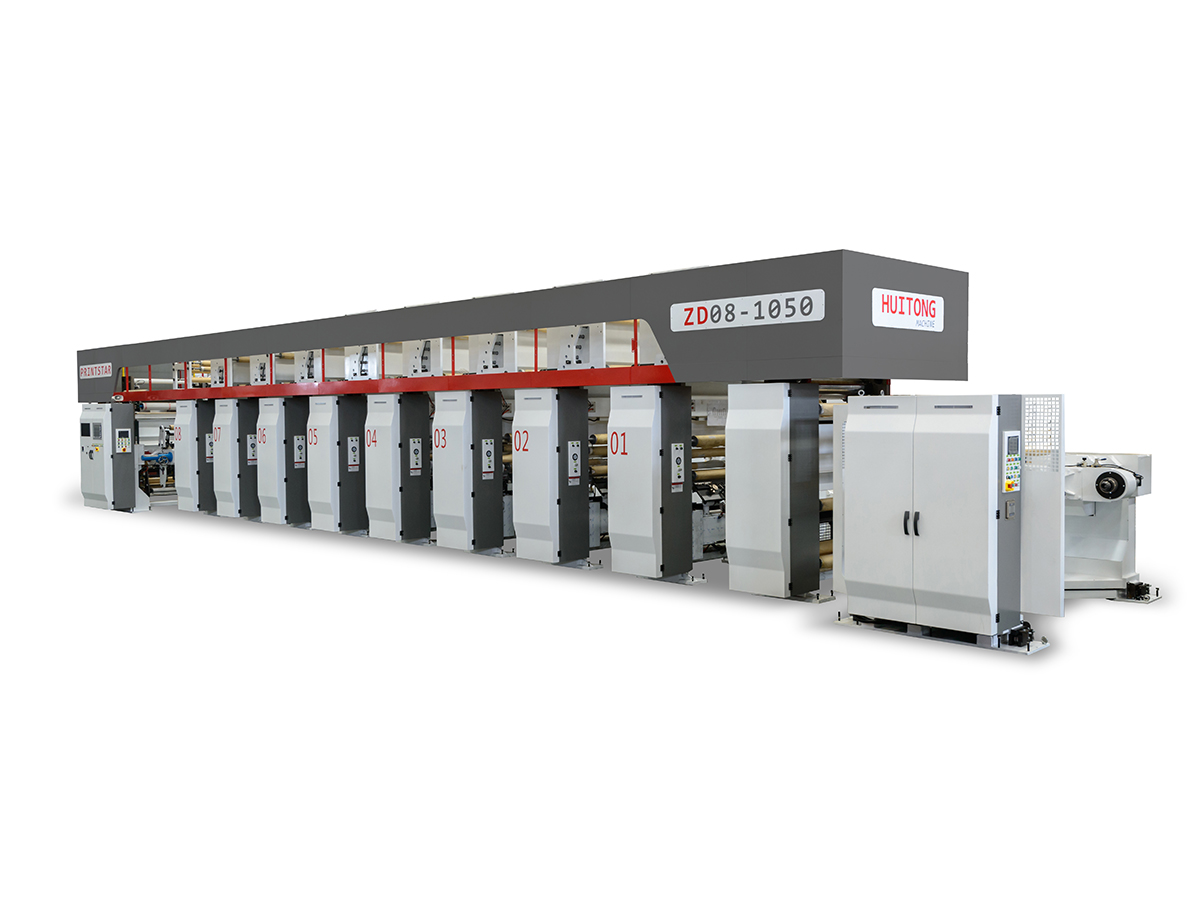
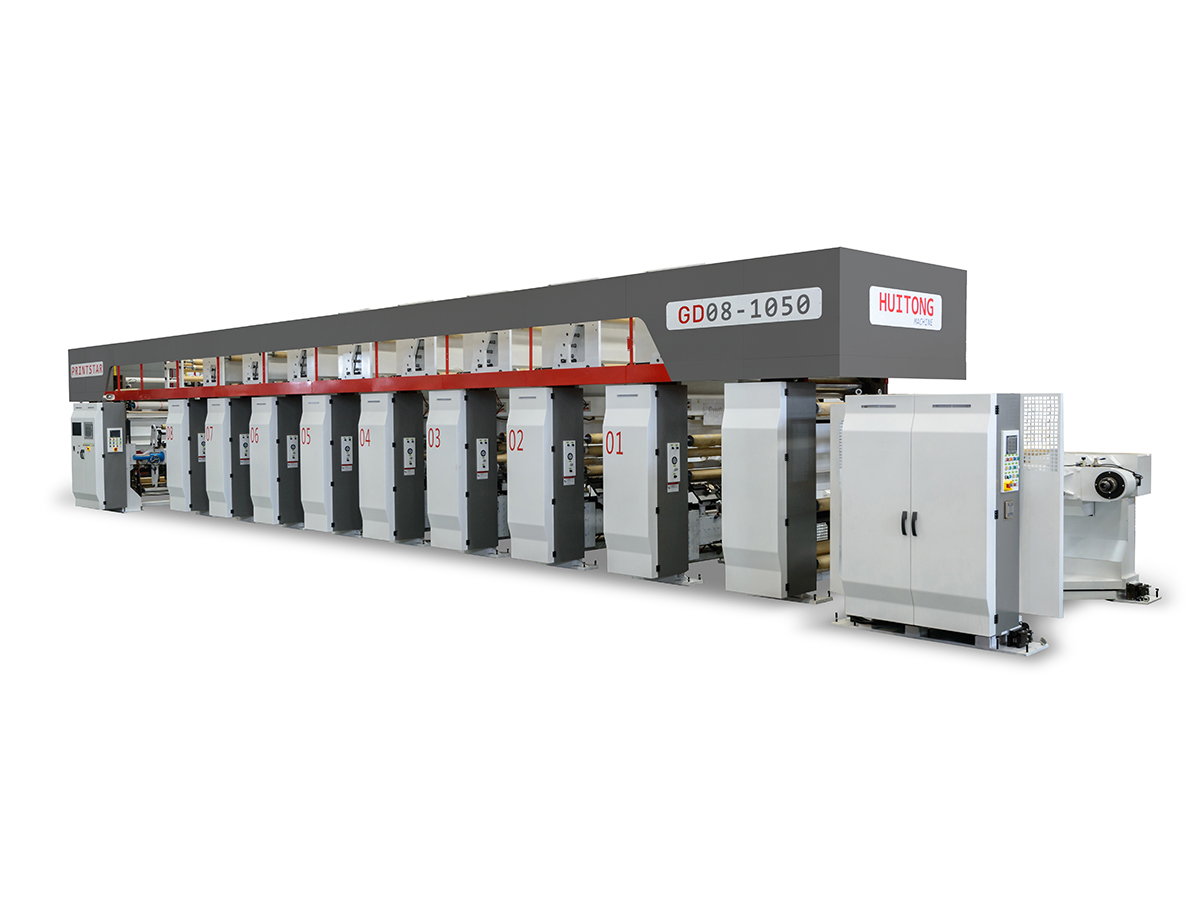
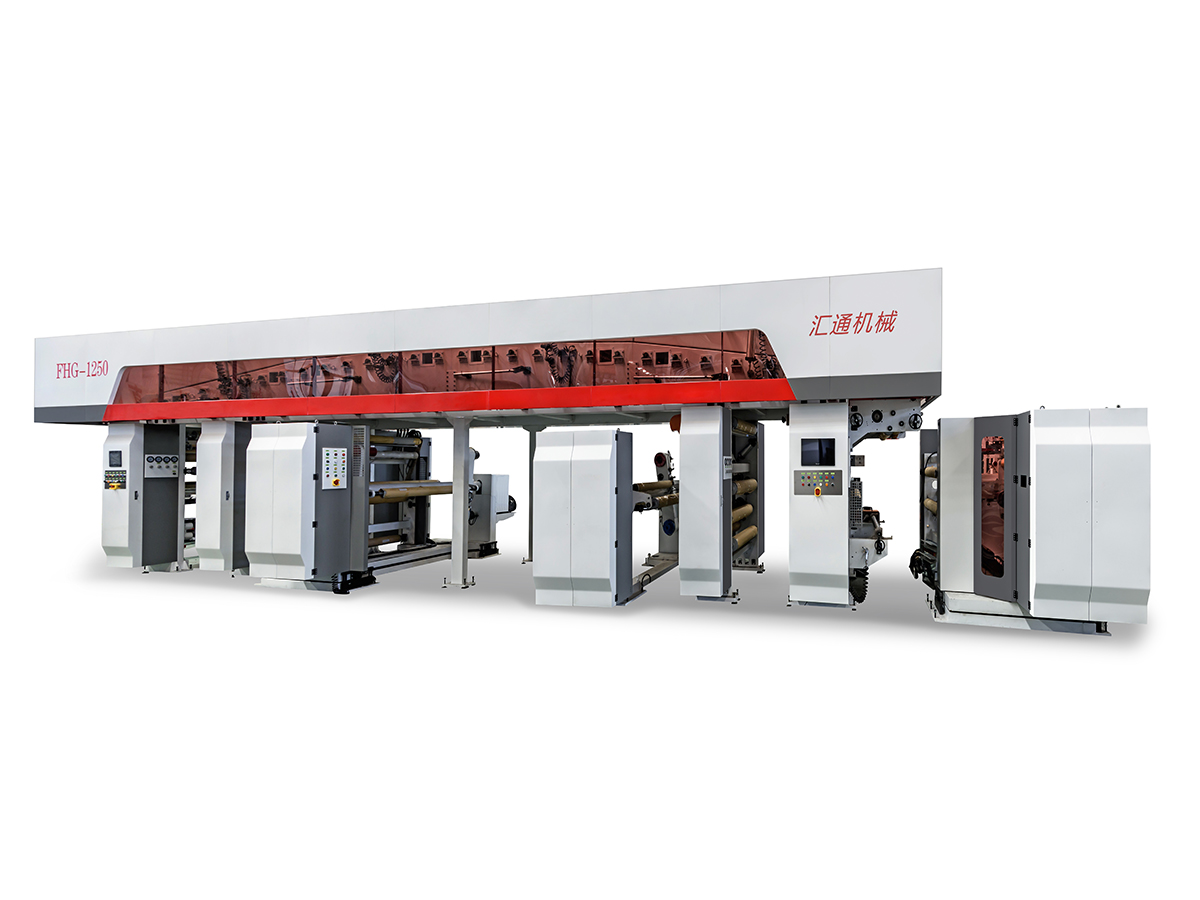
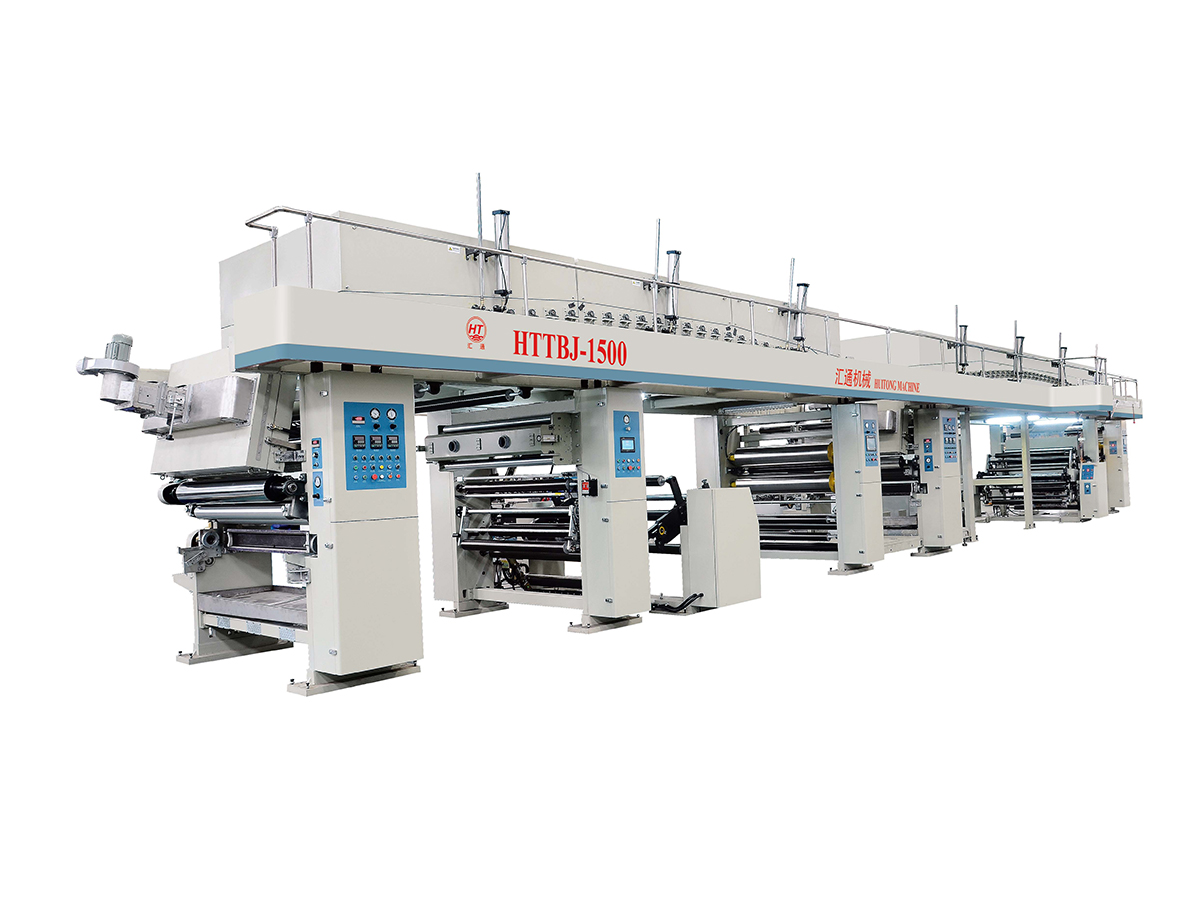
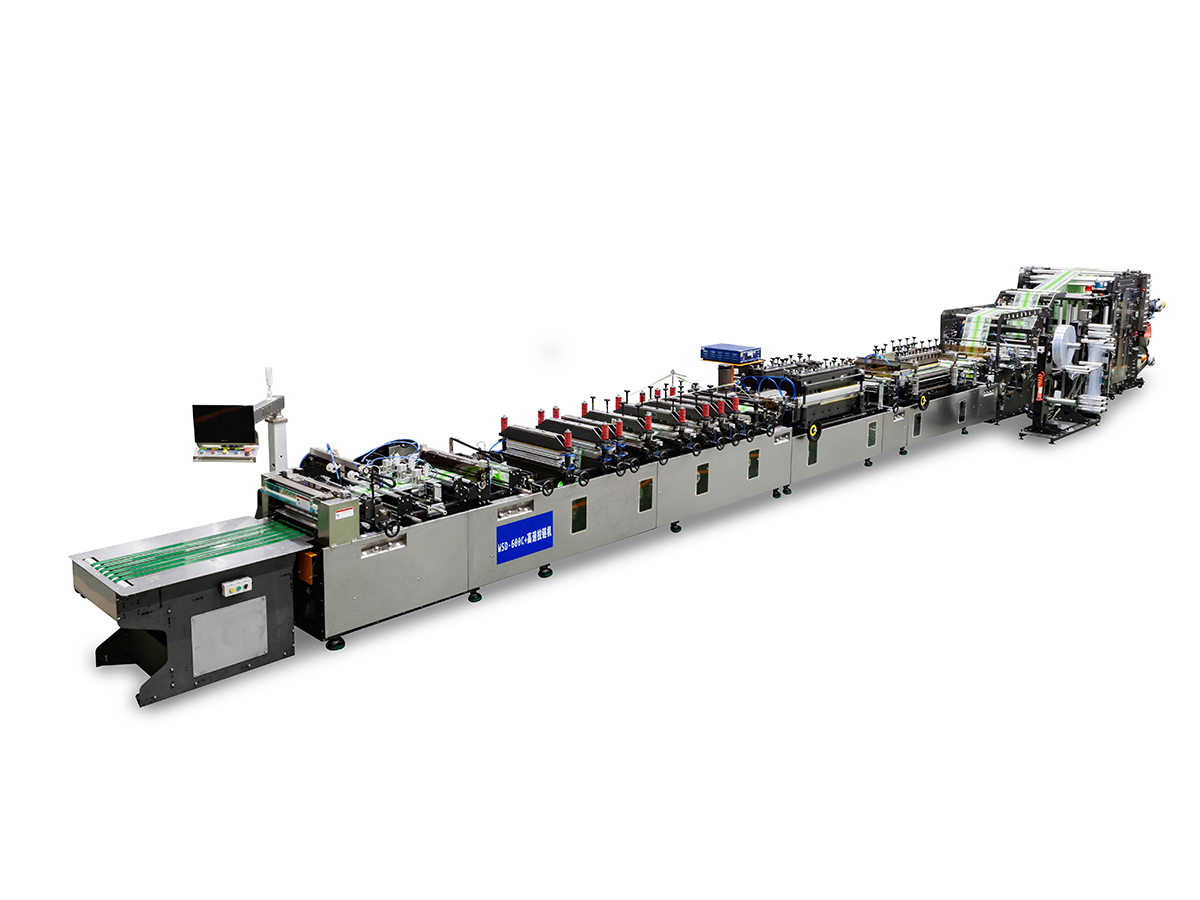
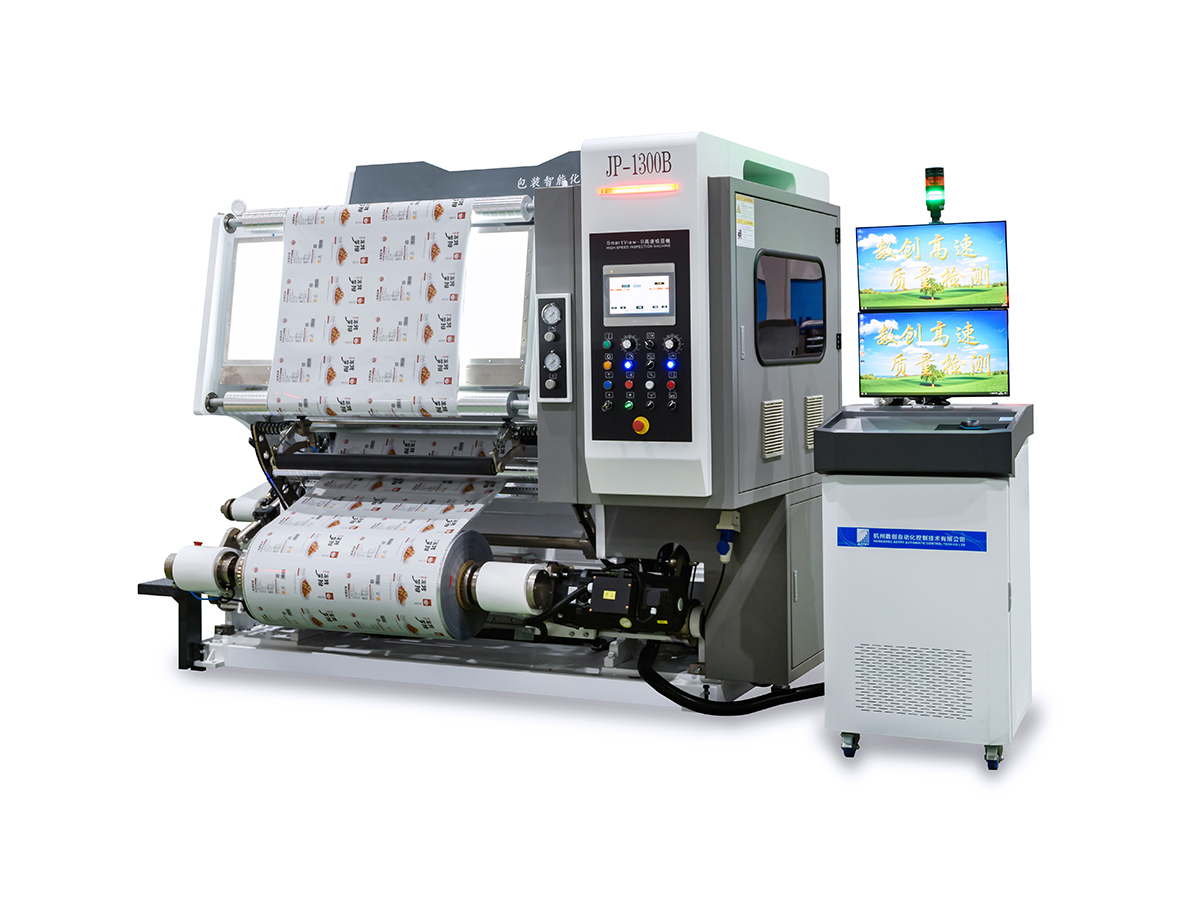
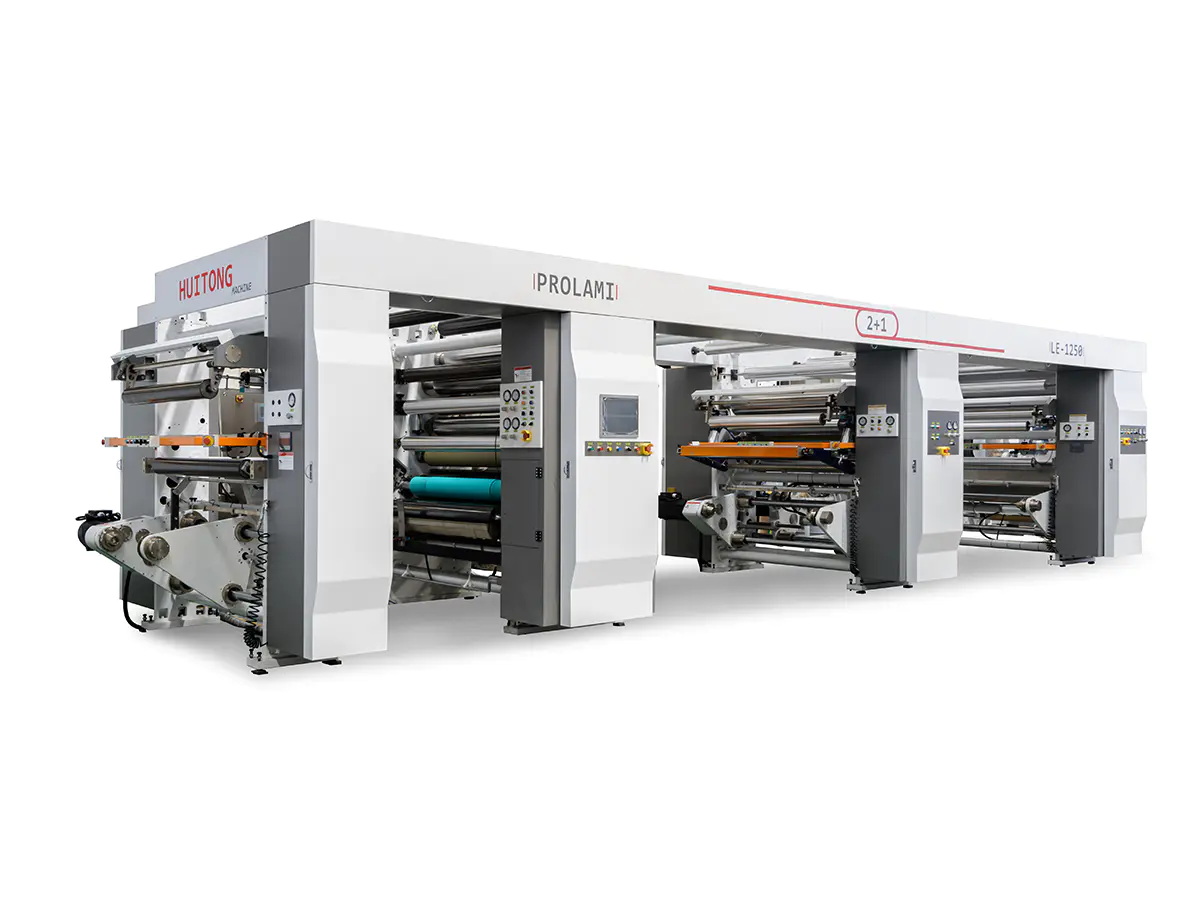
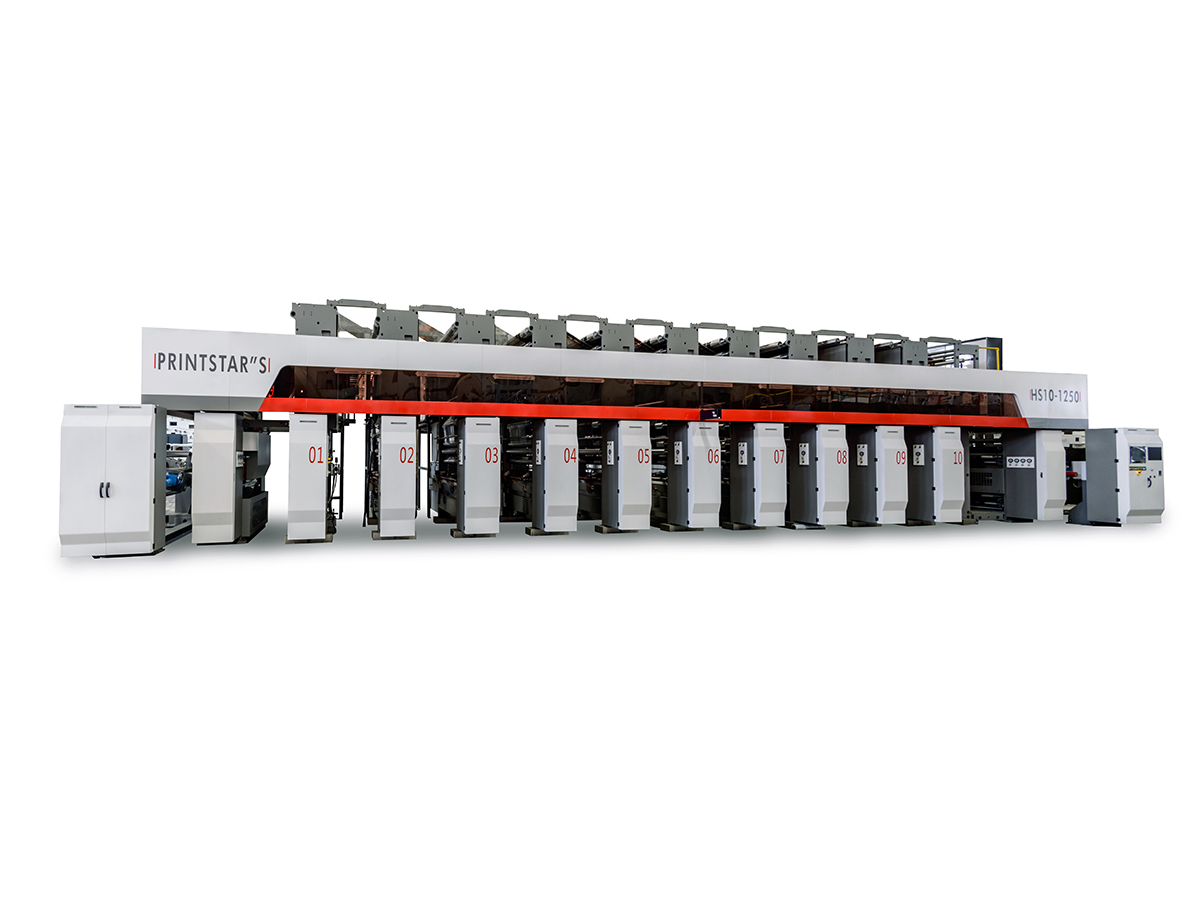
In the modern manufacturing landscape, the pursuit of operational excellence is often hindered by the fragmentation of machinery. For facilities specializing in versatile containment solutions, the transition toward a flexible packaging entire production line represents a fundamental shift from reactive troubleshooting to proactive productivity. When individual components—from material feeding and printing to forming and sealing—operate as a singular, cohesive organism, the traditional catalysts of downtime are systematically neutralized.
Many production managers historically opted for a “best-of-breed” approach, selecting disparate machines for different stages of the process. While each unit may boast high individual specifications, the lack of native synchronization often leads to “communication lag.” A seamless flexible packaging entire production line eliminates these digital and mechanical silos. By utilizing a unified control architecture, the line ensures that a slowdown in the primary filler is immediately communicated to the secondary cartoning unit, preventing the pile-ups and mechanical stresses that typically necessitate emergency stops.
One of the significant contributors to extended downtime is the complexity of diagnostic procedures across mismatched systems. In an integrated environment, the standardization of parts and software interfaces simplifies the technician’s task.
| Feature | Fragmented Production Setup | Seamless Entire Production Line |
|---|---|---|
| Diagnostic Speed | High (Multiple interfaces/protocols) | Rapid (Centralized monitoring) |
| Spare Parts Inventory | Complex (Diverse hardware brands) | Streamlined (Standardized components) |
| Software Updates | Frequent compatibility conflicts | Synchronized system-wide patches |
| Operator Training | Steep learning curve for each unit | Unified interface and logic |
By adopting a flexible packaging entire production line, facilities reduce the “mean time to repair” (MTTR). Technicians no longer need to navigate different logic controllers or mechanical standards; instead, they work within a predictable ecosystem where every sensor and motor speaks the same language.
Downtime is not always the result of a sudden break; it is often the culmination of micro-stresses caused by poor synchronization. In a flexible packaging entire production line, the “electronic line shafting” ensures that every movement is timed to the millisecond.
When tension control in the film-unwinding phase is perfectly calibrated with the speed of the sealing jaws, the risk of material tearing or jam-ups is nearly eliminated. This precision reduces the physical wear and tear on mechanical components. In contrast, mismatched lines often suffer from “start-stop jitter,” where machines must constantly accelerate and decelerate to compensate for the inconsistencies of the preceding unit. Over time, this erratic behavior leads to premature component failure and unscheduled maintenance intervals.
A unified line acts as a massive data harvester. Because the flexible packaging entire production line operates under a single umbrella of data acquisition, it provides a “single source of truth” for performance metrics.
Advanced sensors across the line can detect subtle deviations in vibration, temperature, or power consumption. In a fragmented setup, these signals are often lost in translation between different brands of equipment. In a seamless line, this data is aggregated to trigger predictive maintenance alerts. Instead of waiting for a bearing to seize and halt production for eight hours, the system notifies the team to perform a ten-minute replacement during a scheduled changeover.
In the realm of flexible packaging, the ability to switch between different pouch sizes, film types, or closure systems is essential. However, changeovers are notorious for being “hidden downtime.”
A flexible packaging entire production line utilizes synchronized “recipe” management. With a single command at the central HMI (Human-Machine Interface), every machine in the line adjusts its parameters—width, temperature, torque, and speed—simultaneously. This eliminates the manual fine-tuning usually required at every junction of a fragmented line, where operators must walk from station to station to ensure alignment. The result is a vertical startup: the package off the line after a changeover is just as viable as the last one from the previous run.
The move toward a flexible packaging entire production line is an investment in stability. By removing the friction between stages of production, manufacturers can move away from the chaotic cycle of firefighting and toward a state of continuous flow. In an industry where minutes of downtime equate to significant revenue loss, the synergy of an integrated system is not just a luxury—it is the backbone of sustainable profitability and reliable delivery.
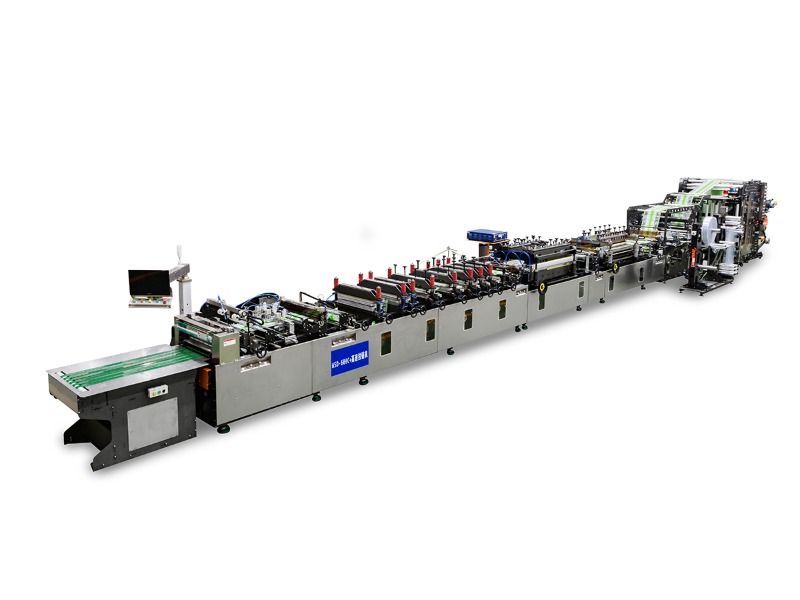
Contact Us
Recommended Products
Joining Hands With Huitong
Customize Your Flexible Packaging Equipment Solution
Inquire now
Products
contact us

Tel: +86-0510-86328508
+86-0510-86324508
Mob: +86-13914908980
Email: [email protected]
ADD: No. 429 Xizhang Road, Gushan Town, Jiangyin City, Jiangsu Province, China

 English
 русский
 Español
 عربى
عربى