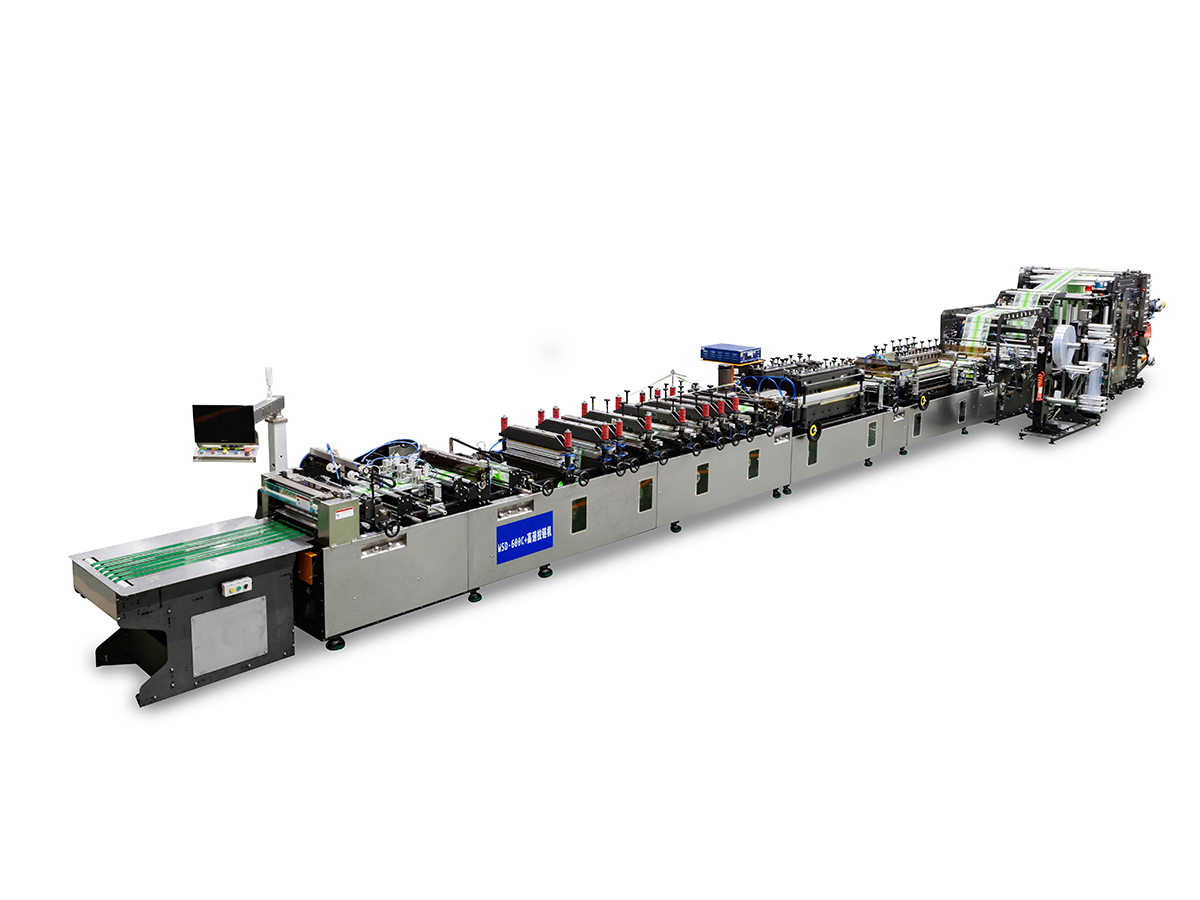
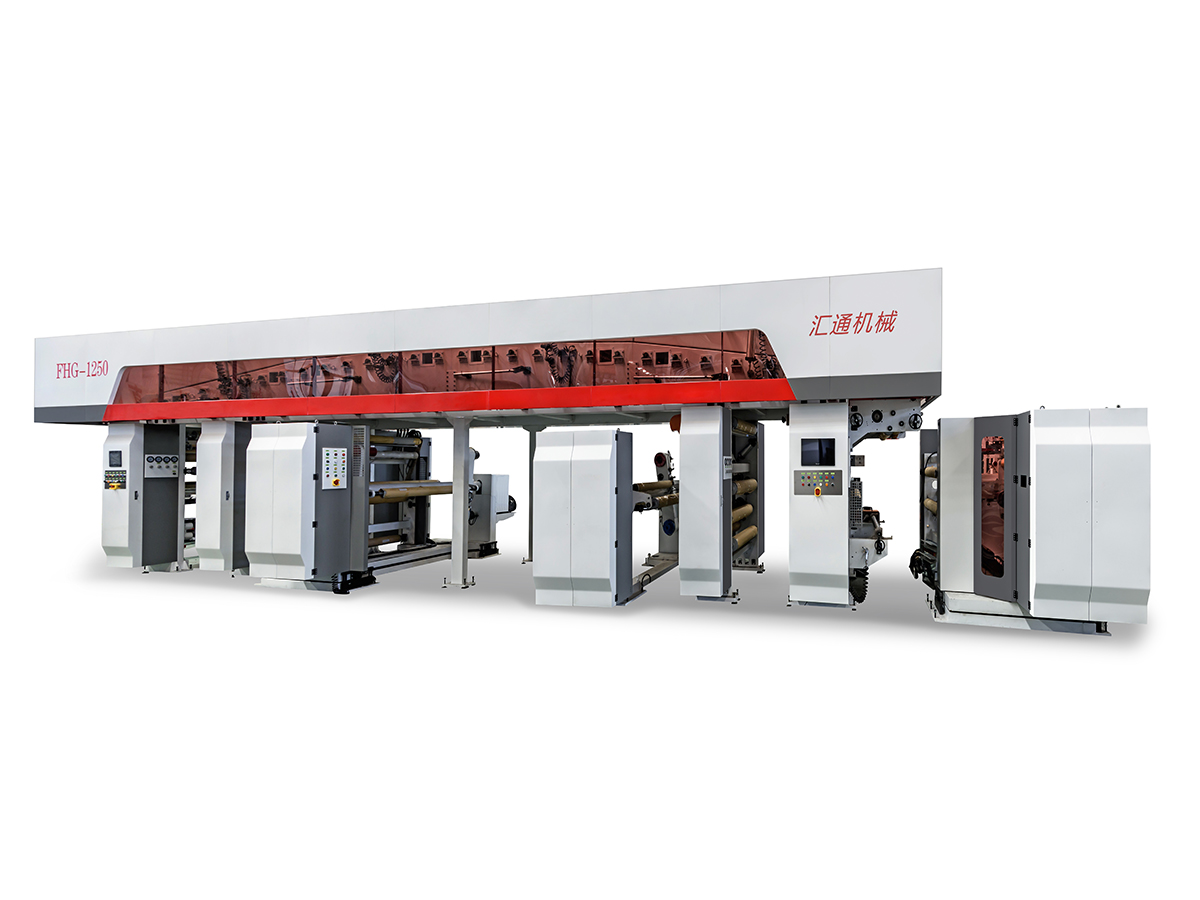
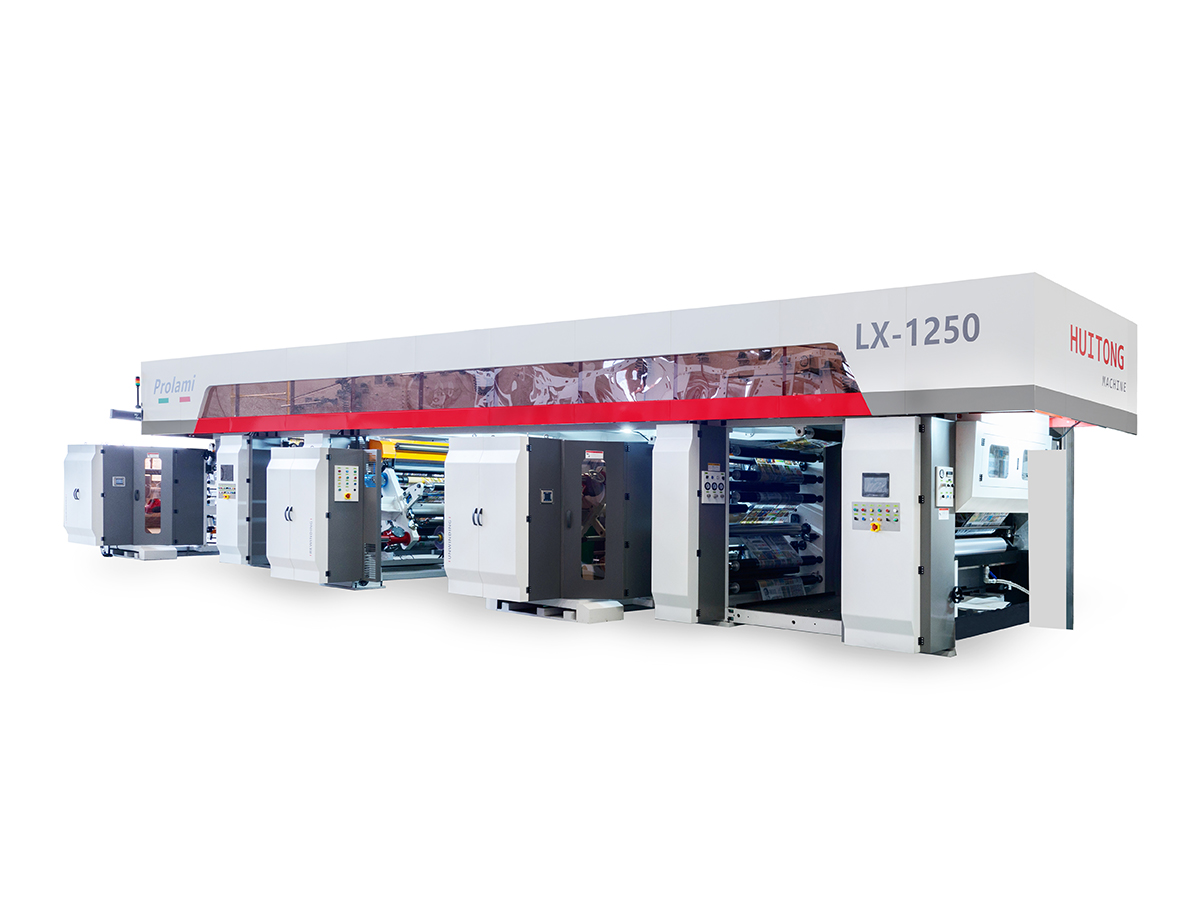
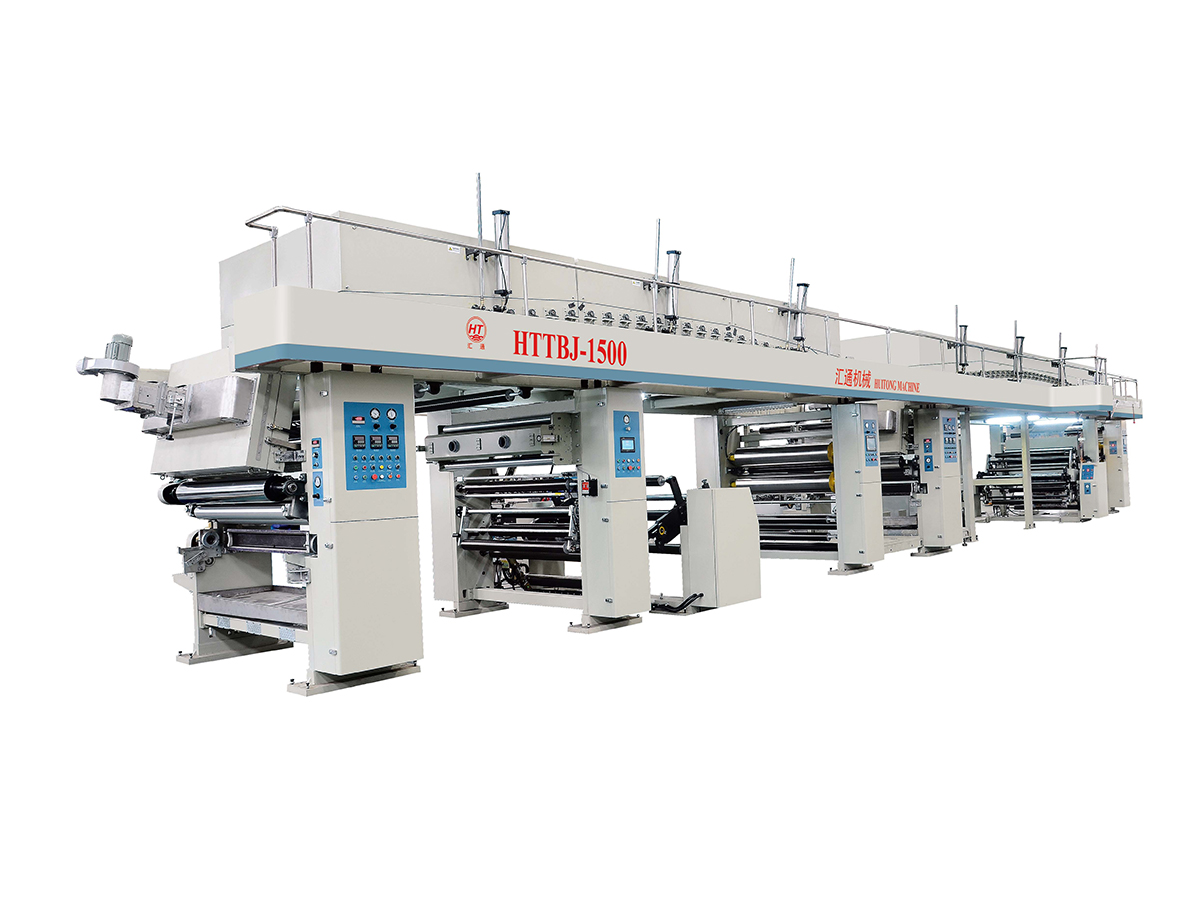
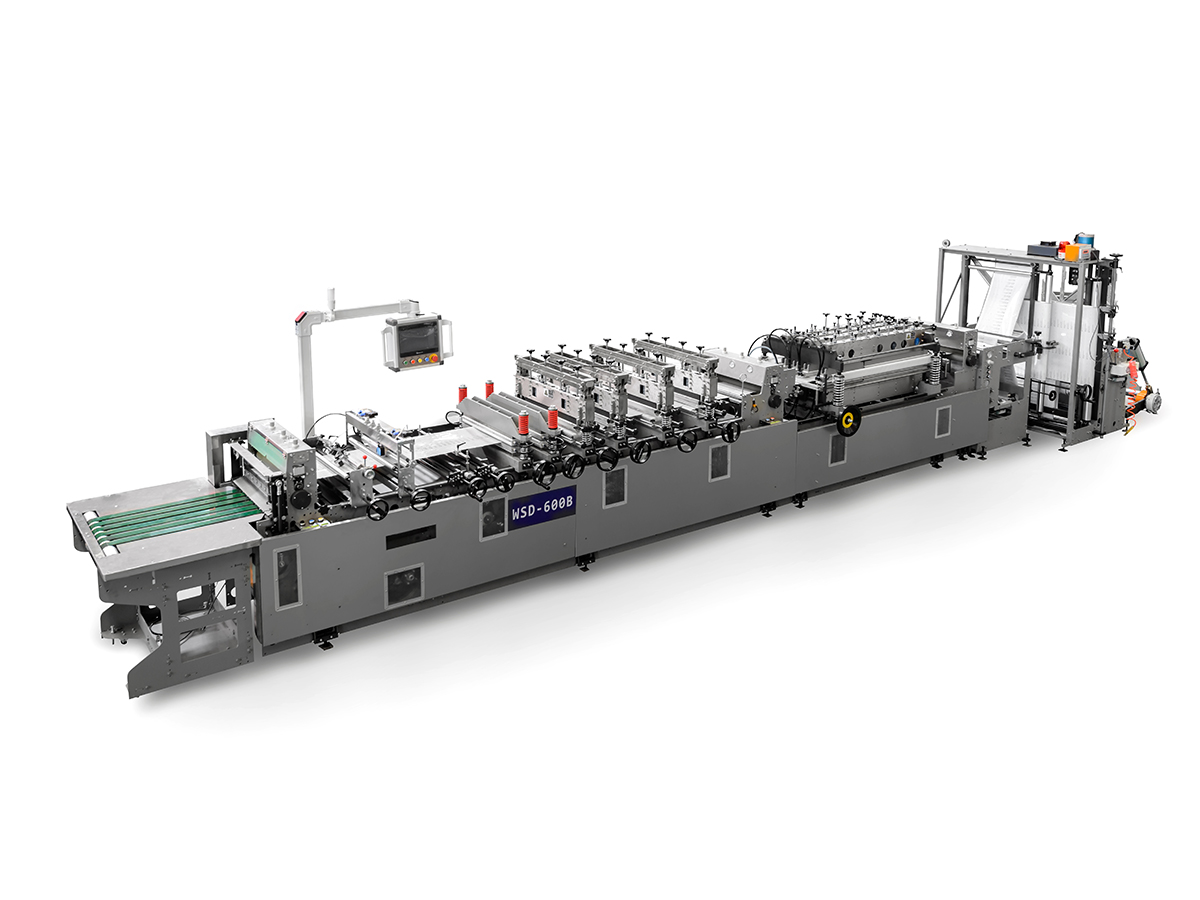
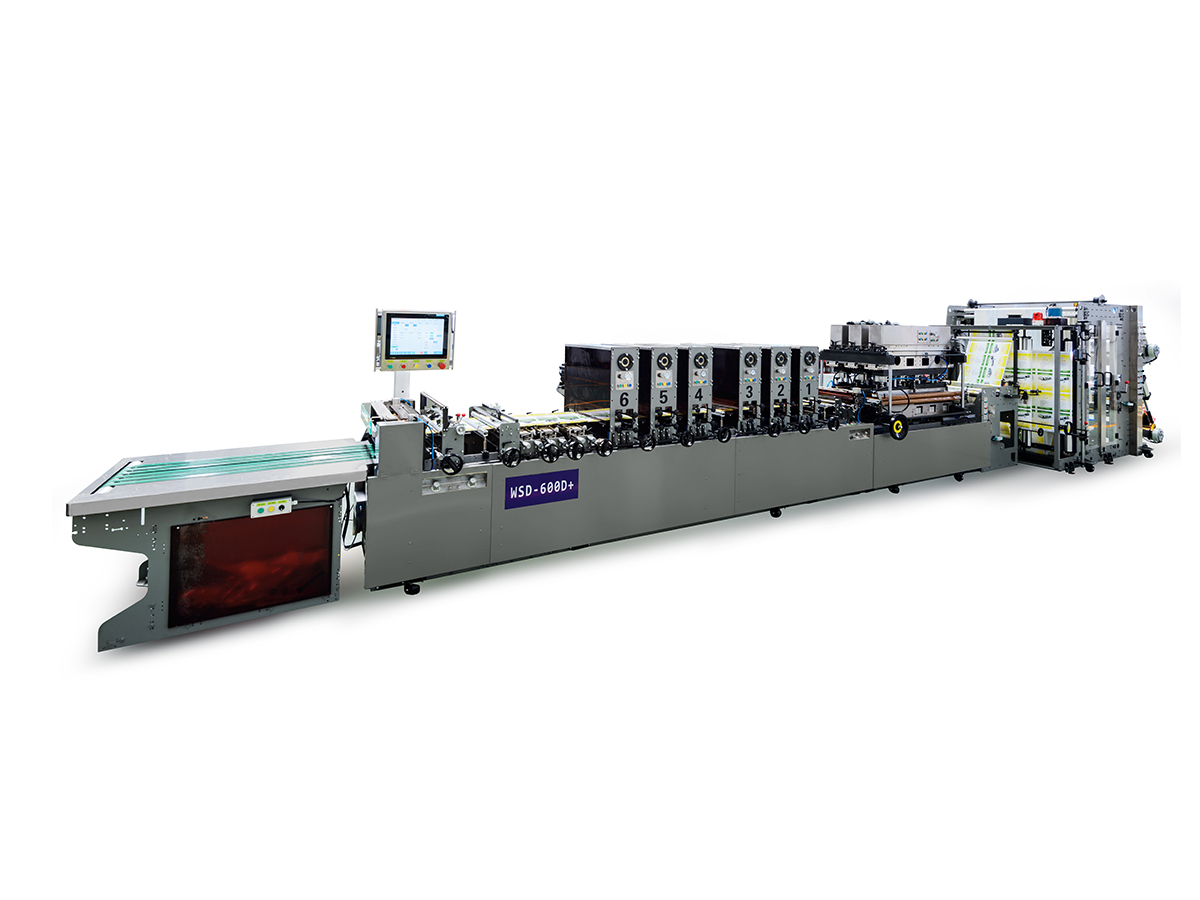
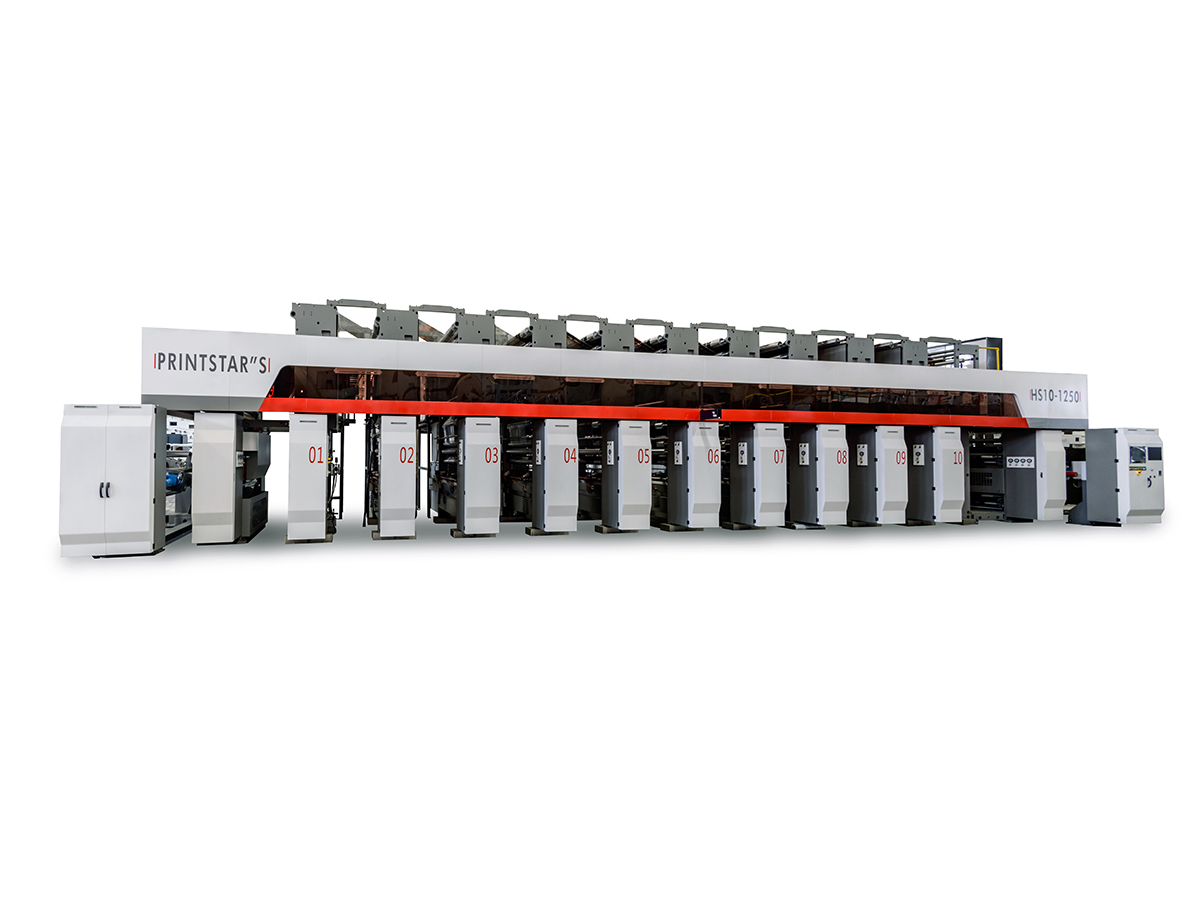
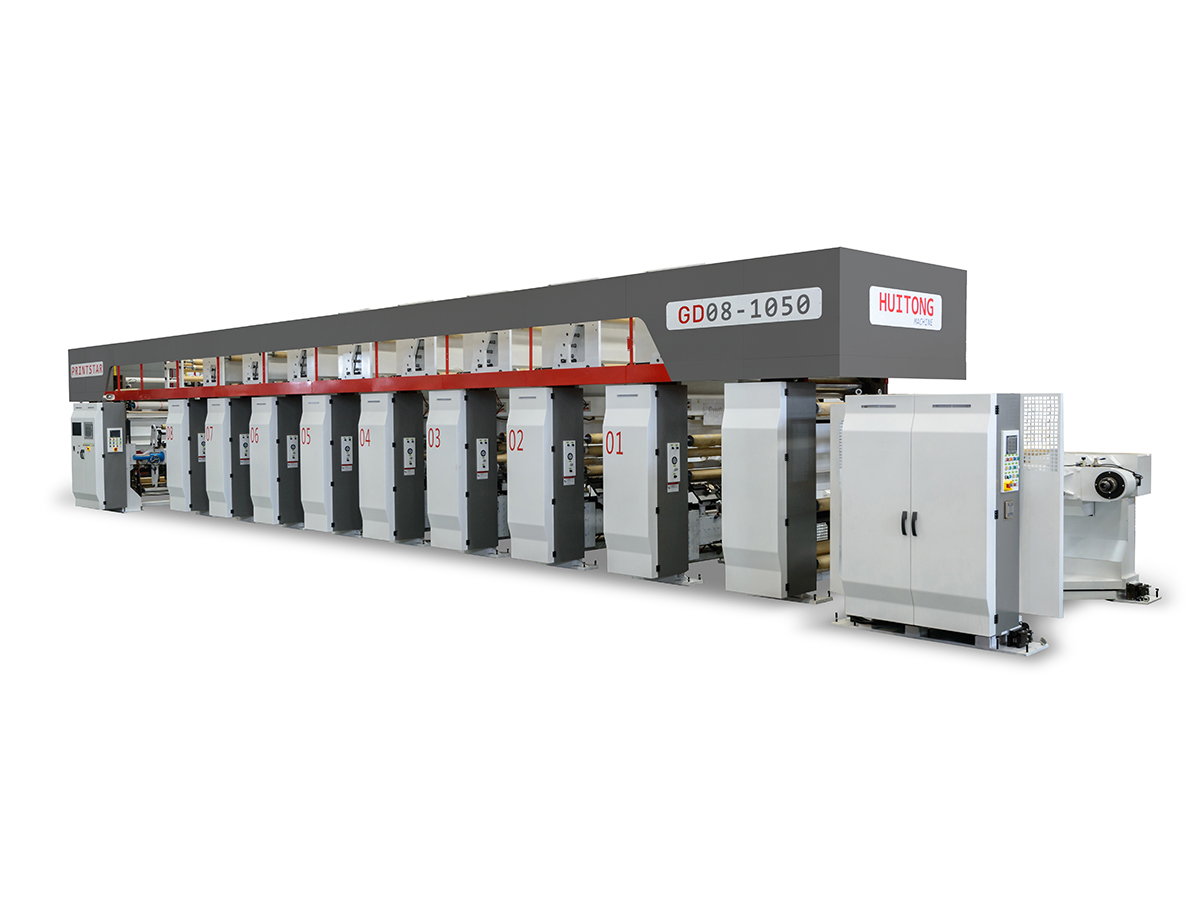
In today’s fast-moving manufacturing environment, high-speed production lines are no longer a luxury but a necessity. As consumer expectations rise and product life cycles shorten, the ability to produce quickly without sacrificing quality determines market competitiveness. One of the effective ways to achieve this balance is by adopting flexible packaging equipment. Unlike traditional rigid systems, this category of machinery offers adaptability, speed, and precision—qualities essential for modern high-output operations.
High-speed production is not merely about running machines faster. It involves maintaining consistent output quality, minimizing changeover times, and responding swiftly to different product formats or sizes. Conventional packaging lines often struggle here because they are designed for single-format runs. When a production switch is needed, hours can be lost in mechanical adjustments.
Flexible packaging equipment solves this by integrating modular designs and servo-driven controls. These machines can handle multiple bag styles, film types, and sealing patterns without extensive manual reconfiguration. For a high-speed production line, this means uptime increases significantly. The ability to change formats in minutes rather than hours directly translates to higher overall equipment effectiveness (OEE).
One of the cited benefits in facilities running at high speed is rapid changeover capability. Flexible packaging equipment often features programmable formats, where settings for pouch width, length, and fill volume are stored digitally. Operators can recall these recipes instantly. Mechanical parts such as forming tubes, sealing jaws, and film guides are designed for tool-less or quick-handle adjustments.
This reduces non-productive time—a critical factor when line speeds exceed 100 packs per minute. Even a 15-minute reduction in changeover time per shift can recover hours of production weekly. For high-speed operations, every second counts, and flexible packaging equipment delivers that edge.
Speed can introduce risks: film misalignment, seal integrity loss, or inaccurate fills. However, modern flexible packaging equipment incorporates real-time sensors and feedback loops. Vision systems monitor seal positions, load cells check fill weights, and tension controls adjust film feed dynamically. If a deviation occurs, the system corrects it instantly or rejects the faulty pack without stopping the entire line.
For high-speed production lines, this closed-loop control is vital. It prevents cumulative errors that would otherwise result in massive rework or recalls. Moreover, because the equipment accommodates various film materials—from polyethylene to high-barrier laminates—producers can match speed with appropriate material characteristics without compromising seal strength or appearance.
Downtime is the enemy of high-speed production. Unexpected stops due to jams, film breaks, or mis-set parameters can cascade into schedule delays. Flexible packaging equipment addresses this with predictive diagnostics. The machine tracks wear on seals, bearings, and drives, alerting maintenance before a failure occurs. Some systems even log data to suggest cleaning or part replacement intervals.
Furthermore, the open architecture of flexible packaging equipment allows integration with line management software. This means the packaging machine can communicate with upstream fillers and downstream cartoners. In a high-speed production line, synchronization across all nodes prevents bottlenecks. If one unit slows briefly, others adjust automatically, maintaining flow rather than halting abruptly.
While flexible packaging equipment may have a higher initial investment compared to dedicated single-format machines, the return on calculation favors flexibility in high-speed settings. Consider a line running three different product sizes daily. With a conventional system, you might need three separate lines or extended downtime for changeovers. With flexible equipment, one line handles all three at near-maximum speed.
This capital efficiency reduces floor space requirements, lowers energy consumption per pack, and minimizes labor needed for changeovers. For high-speed production lines, where output targets are aggressive, the ability to run multiple stock-keeping units (SKUs) on a single line provides a competitive buffer against demand fluctuations.
| Feature | Traditional Fixed System | Flexible Packaging Equipment |
|---|---|---|
| Changeover time | 60–120 minutes | 5–15 minutes |
| SKU range per line | 1–2 | 5–10+ |
| Average speed variation | Stable only for one format | Stable across 80% of formats |
| Downtime due to format switch | High | Low |
| Predictive maintenance | Limited | Integrated |
| Integration with line controls | Possible but rigid | Native and adaptive |
This table illustrates why high-speed production managers increasingly shift toward flexible packaging equipment. The gains in agility directly support high-volume targets.
Choosing flexible packaging equipment for high-speed production is not merely a technical decision—it is a strategic one. It aligns manufacturing capability with market realities: variety, speed, and quality. The reduction in changeover downtime, the ability to maintain seal integrity at high cycles, and the integration with industry 4.0 monitoring systems make it the rational choice for any facility operating at pace.
Contact Us
Recommended Products
Joining Hands With Huitong
Customize Your Flexible Packaging Equipment Solution
Inquire now
Products
contact us

Tel: +86-0510-86328508
+86-0510-86324508
Mob: +86-13914908980
Email: [email protected]
ADD: No. 429 Xizhang Road, Gushan Town, Jiangyin City, Jiangsu Province, China

 English
 русский
 Español
 عربى
عربى