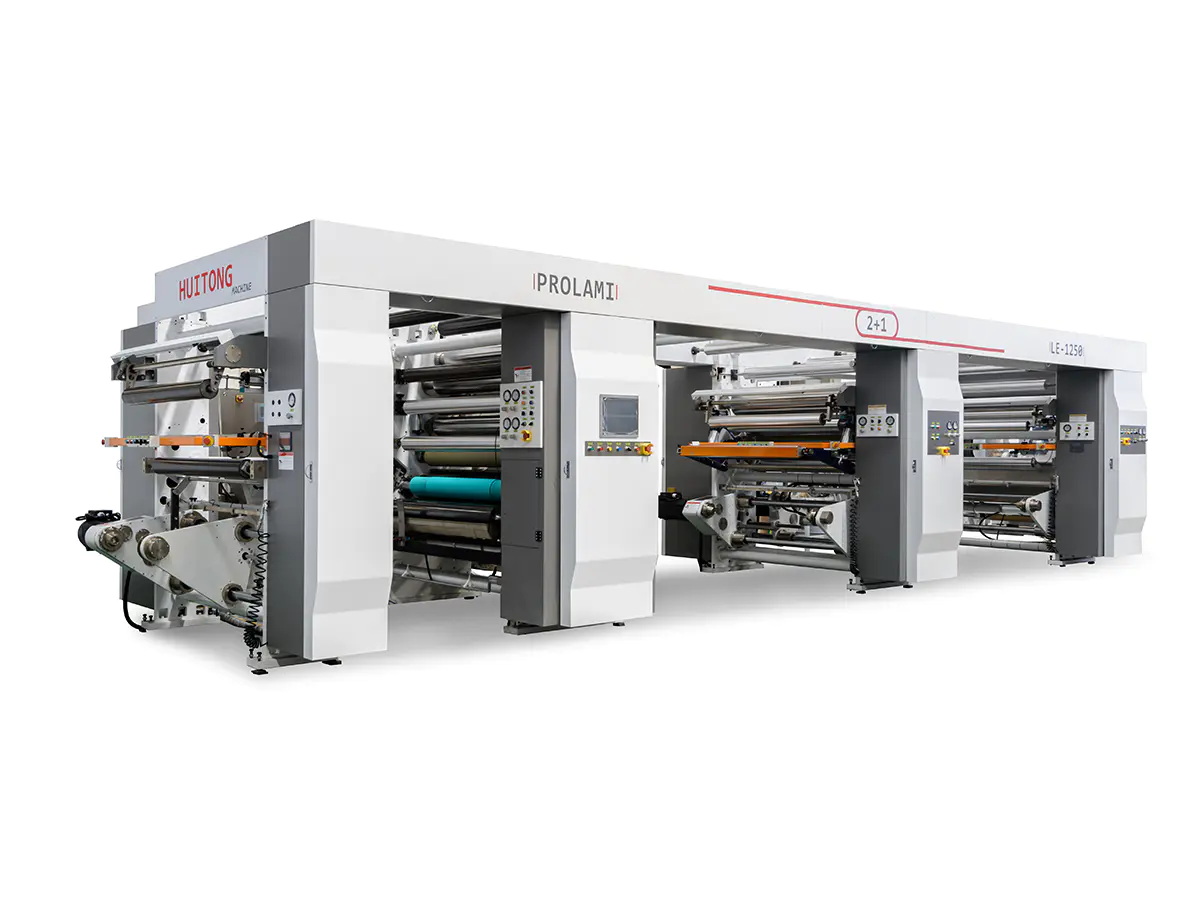
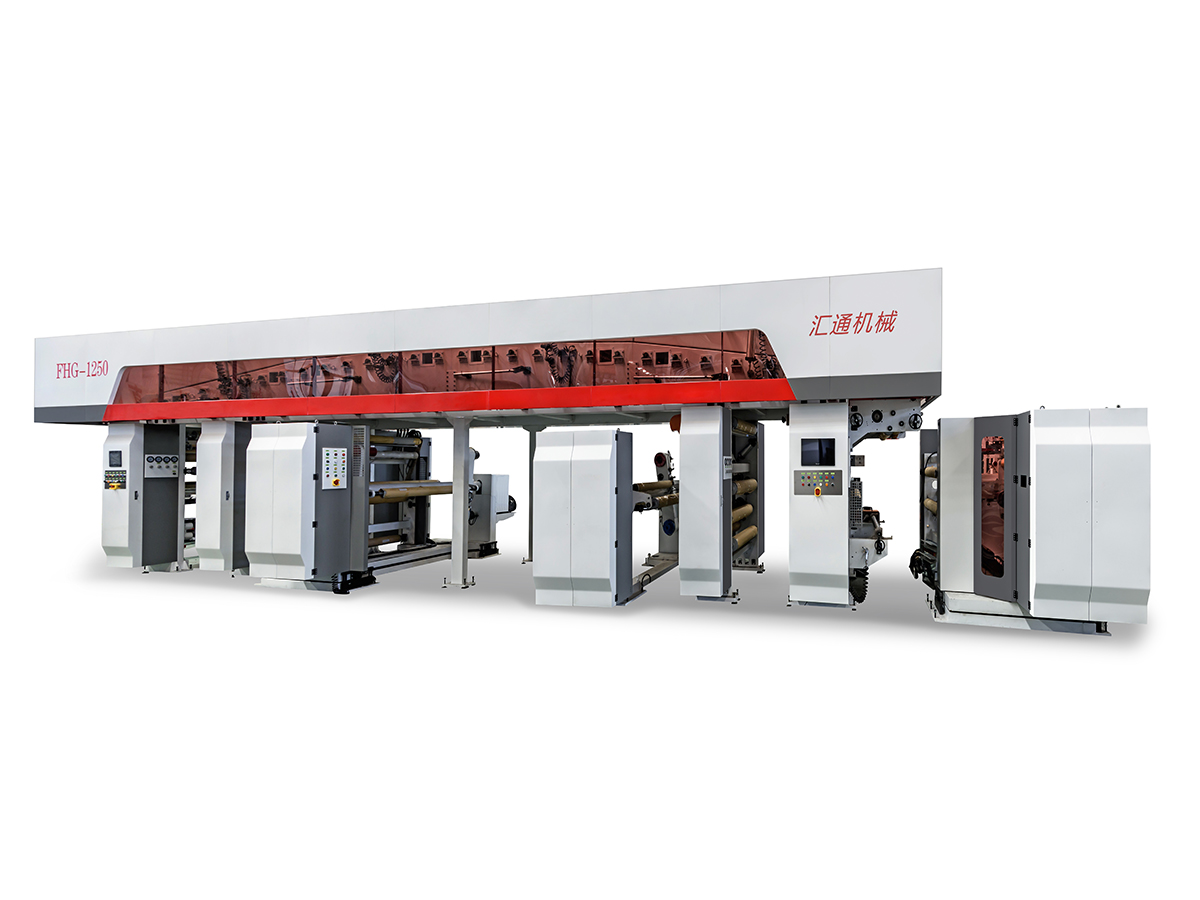
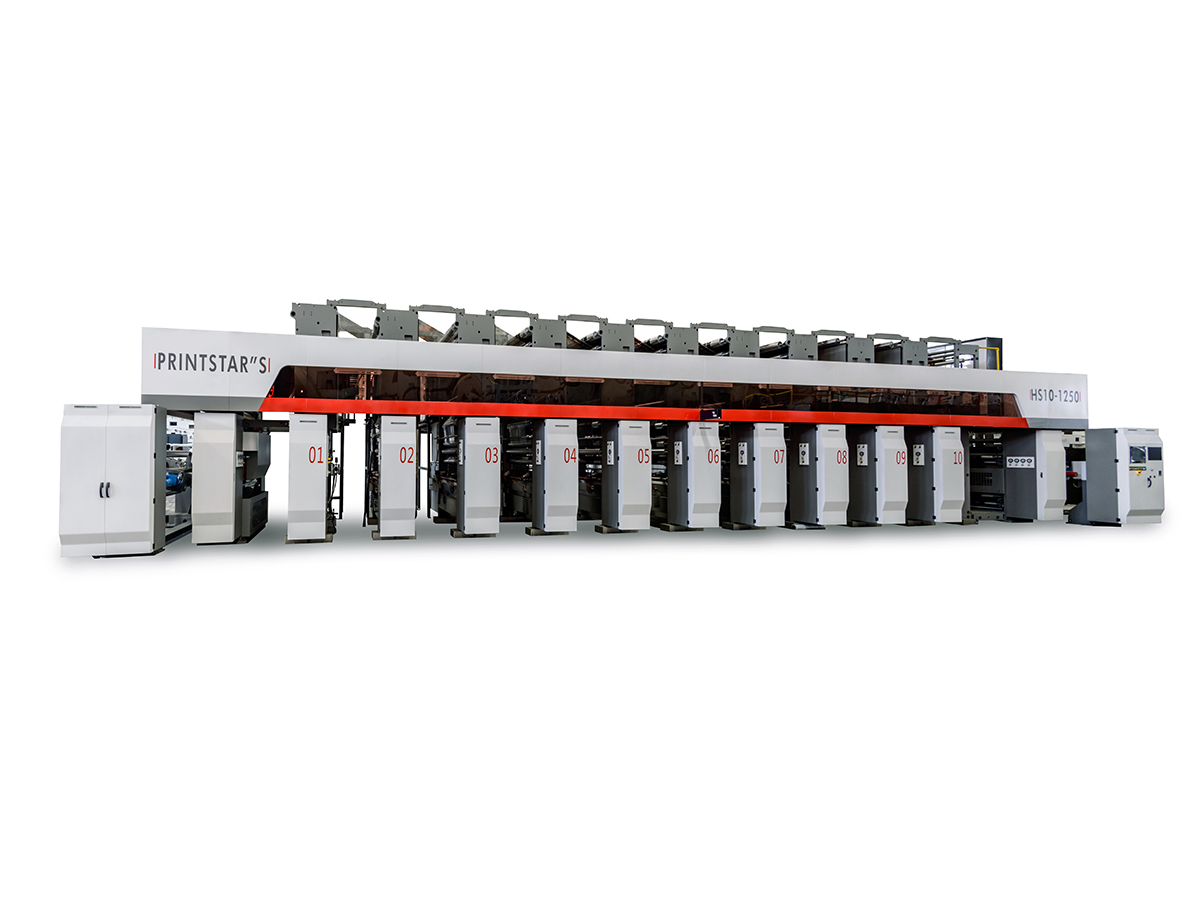
In modern industrial applications, the laminating process plays a crucial role in packaging, building materials, medical fields, and more. Among the various laminating technologies available, the solvent-based dry laminating machine stands out due to its versatility and efficiency in bonding multiple substrates. This type of laminating machine employs solvent-based adhesives that are volatilized in an oven, and the substrates are then hot-pressed together to create a strong and durable composite.
A laminating machine is industrial equipment designed to bond two or more substrates—such as films, paper, aluminum foil, and various other materials—into a single composite. This is achieved using adhesives or through the hot pressing process. Laminating machines are essential in various industries like packaging, medical, and building materials due to their ability to create durable and protective materials.
Solvent based dry lamination refers to the use of solvent adhesives, which are volatilized in an oven to facilitate bonding. The process involves applying a thin layer of solvent-based adhesive to the substrate, evaporating the solvent through heating, and then using a hot-press method to create a strong bond. This method is particularly suitable for high-barrier food packaging, where durability and protection are critical.
The operation of a solvent-based dry laminating machine involves a multi-step process. Below, we break down the key stages of the process:
The step involves coating one or more substrates with a thin layer of solvent-based adhesive. The adhesive is applied evenly across the surface of the material, ensuring complete coverage. Typically, a gravure coating process or reverse coating method is used for uniform application.
Once the adhesive is applied, the solvent needs to be evaporated. The coated substrate is passed through a heated oven where the solvent is volatilized, leaving behind only the adhesive. The temperature and time spent in the oven depend on the type of adhesive and the desired bonding strength.
After the solvent has evaporated, the two substrates are brought together and passed through a hot-press roller. The pressure and temperature applied during this stage ensure that the substrates adhere strongly to each other, forming a solid, durable composite material.
Once the lamination is complete, the material passes through a cooling zone where it solidifies. This step helps set the bond and ensures that the layers maintain their integrity without delaminating.
The solvent based dry laminating machine offers several key advantages, making it ideal for specific applications:
High Barrier Properties: This type of lamination creates products with exceptional barrier properties, particularly for food packaging. The lamination helps prevent moisture, oxygen, and light from penetrating, which extends the shelf life of the product.
Strong Adhesion: The hot-press process combined with the solvent-based adhesive creates a strong bond that is resistant to tearing, puncturing, and peeling, which is crucial for packaging materials.
Versatility: Solvent-based laminating machines can be used with a wide range of substrates, including films, papers, and aluminum foils. This flexibility makes them useful across industries such as packaging, medical, and construction.
Cost-Effective for Bulk Production: Although the initial setup costs for solvent-based machines can be high, they offer cost-effective solutions for bulk production of laminated materials, especially when high durability is required.
Solvent-based dry laminating machines find application in several industries due to their ability to provide high-quality, durable laminates:
In the packaging sector, solvent-based dry lamination is used to produce high-barrier materials that protect the contents from environmental factors such as moisture, air, and UV radiation. This is particularly important for food packaging, where maintaining freshness and extending shelf life is crucial. Additionally, the lamination process enhances the aesthetic appeal of packaging materials by providing a glossy, smooth finish.
In the medical industry, solvent-based dry lamination is used to produce packaging for pharmaceutical products, medical devices, and sterilized equipment. The high durability and resistance to external elements provided by solvent-based laminates ensure the safety and longevity of these sensitive products.
Laminated films are also used in the production of building materials, such as insulation films and protective coatings for construction. The strong, high-performance lamination offered by solvent-based machines is essential for products that need to withstand conditions.
The substrates used in solvent-based dry laminating machines can vary widely, depending on the end product’s requirements. Some common substrates include:
When selecting a solvent-based dry laminating machine, several factors need to be taken into account to ensure the machine meets production needs effectively:
| Factor | Description |
|---|---|
| Adhesive Type | The choice of solvent adhesive is crucial, as it must match the substrates being laminated and meet the specific bonding requirements. |
| Speed and Efficiency | The machine’s production speed can affect operational efficiency and cost-effectiveness. |
| Temperature Control | Accurate temperature control during the evaporation and pressing stages ensures the desired bond strength and quality. |
| Substrate Compatibility | The machine must be compatible with the types of substrates being used to achieve results. |
Like any industrial equipment, solvent-based dry laminating machines require regular maintenance to ensure they operate at peak efficiency. Key maintenance tasks include:
Solvent-based dry lamination uses a solvent adhesive that is volatilized in an oven before the substrates are bonded, while wet lamination uses a water-based adhesive that adheres to the substrates directly and then dries.
Yes, solvent-based dry laminating machines are highly versatile and can be used with a variety of substrates, including films, paper, and aluminum foil.
Solvent-based dry laminating machines are commonly used in the packaging, medical, and building materials industries.
While solvent-based dry laminating machines use solvents, the process can be made more environmentally friendly by choosing low-emission adhesives and employing proper ventilation systems to minimize solvent exposure.
The main advantages include strong adhesion, high barrier properties, versatility in substrate usage, and cost-effectiveness for bulk production.
The solvent-based dry laminating machine is an essential piece of equipment in industries that require high-quality, durable lamination. By using solvent adhesives and employing a dry lamination process, these machines provide strong bonding and high barrier properties, which are critical for packaging, medical, and construction applications. Understanding the working mechanism, benefits, and maintenance requirements of these machines can help businesses optimize their production processes and achieve high-quality results in their laminated products.
Contact Us
Recommended Products
Joining Hands With Huitong
Customize Your Flexible Packaging Equipment Solution
Inquire now
Products
contact us

Tel: +86-0510-86328508
+86-0510-86324508
Mob: +86-13914908980
Email: [email protected]
ADD: No. 429 Xizhang Road, Gushan Town, Jiangyin City, Jiangsu Province, China

 English
 русский
 Español
 عربى
عربى