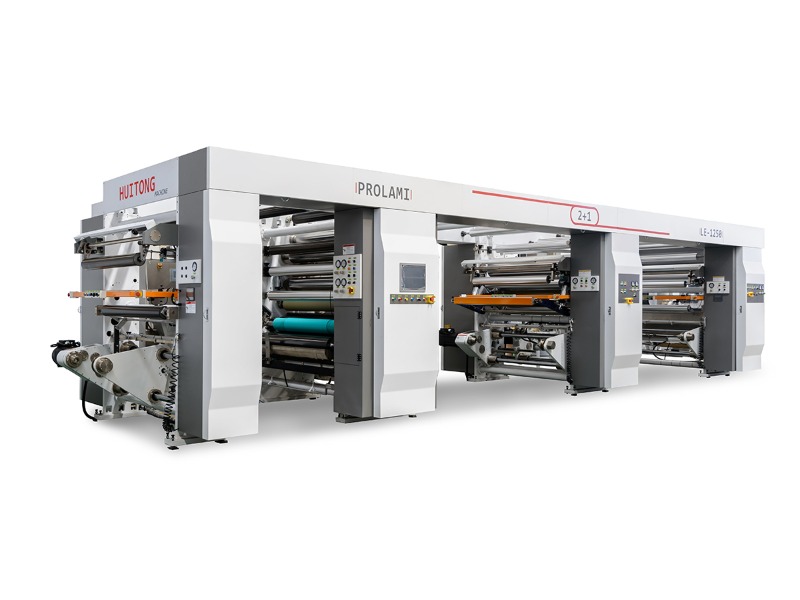
The dry lamination process plays a crucial role in modern packaging and material processing. Among the different types of dry laminating machines available, solvent-based and solvent-free machines are two of the commonly used options. Each of these technologies offers distinct advantages and is suited to specific applications, depending on the requirements of the production line.
Before delving into the specifics of solvent-based and solvent-free machines, it is essential to understand what dry lamination entails. Dry lamination is a process where layers of material are bonded together using an adhesive. Unlike wet lamination, which uses liquid adhesives, dry lamination uses adhesives that are either pre-applied or activated by heat.
Dry lamination offers several advantages, including high-speed processing, minimal solvent usage, and the ability to laminate a wide range of materials. The method is commonly used in packaging, labels, and other industries requiring durable, high-quality laminated films.
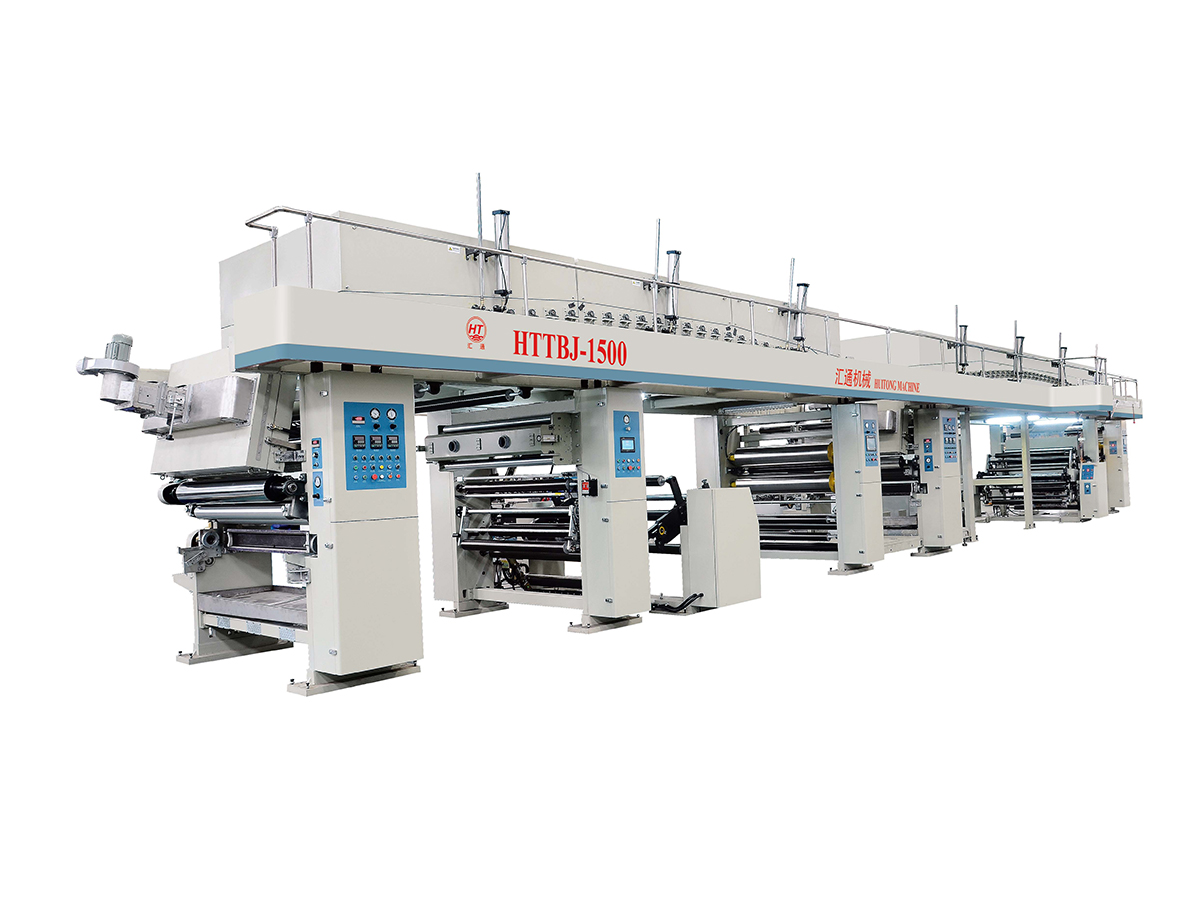
A solvent based dry laminating machine uses adhesives that contain volatile solvents. These adhesives are applied to one of the materials being laminated and are then dried using heat before the materials are bonded together. The solvents in the adhesive evaporate during the drying process, leaving behind a thin layer of adhesive that holds the two materials together.
Fast Drying Process: The solvent evaporates quickly, ensuring a fast drying time.
Versatility: Suitable for a wide range of materials, including films, foils, and papers.
High Bond Strength: Solvent-based adhesives often provide stronger bonds, making them ideal for demanding applications.
Precise Control: Advanced control systems allow for precise adjustment of the drying temperature and adhesive application.
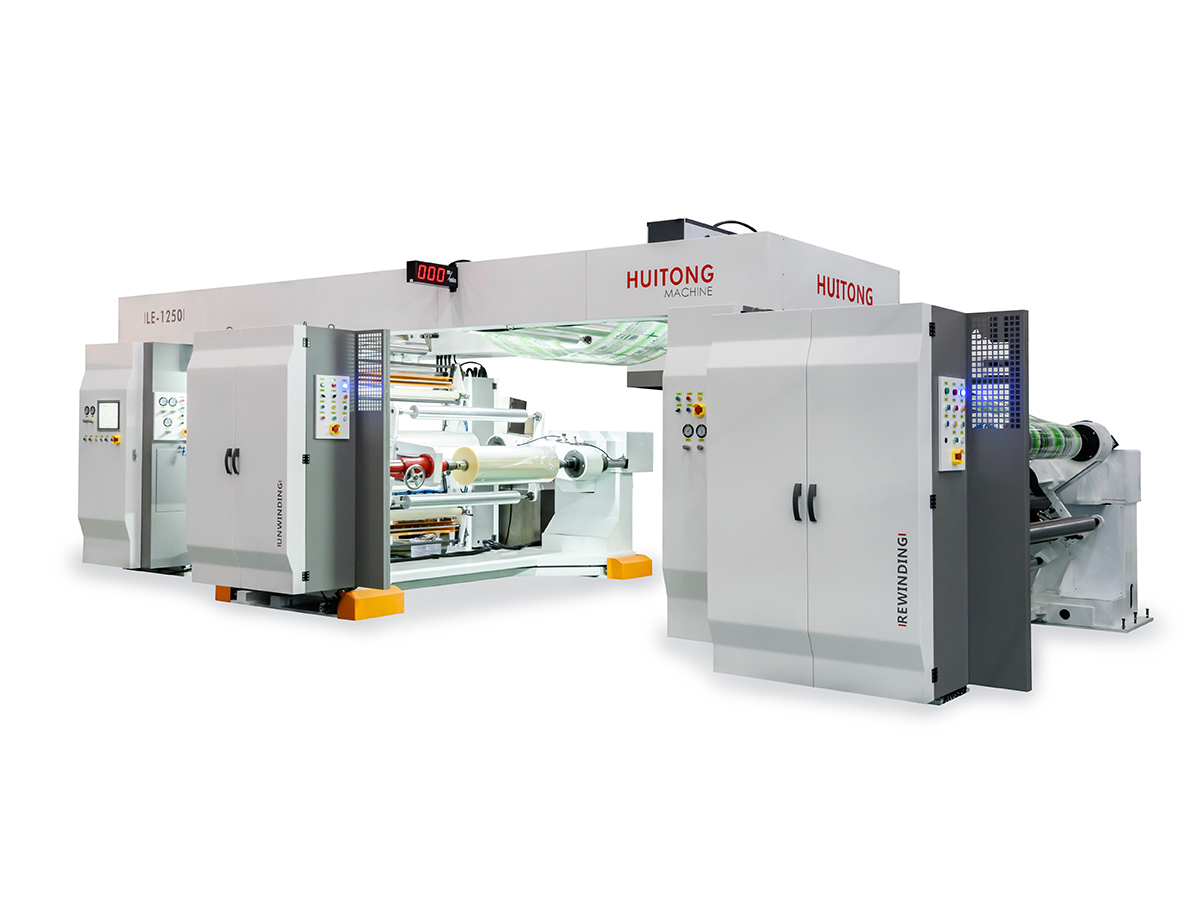
As the name suggests, solvent-free dry laminating machines do not use solvents in the adhesive. Instead, they rely on solvent-free adhesives that do not require any drying or evaporation. These adhesives are typically pre-applied or activated by heat during the lamination process.
Environmentally Friendly: No solvents are used, reducing the environmental impact of the lamination process.
Lower Health Risks: Since no solvents are involved, the risks associated with volatile organic compounds (VOCs) are significantly reduced.
Energy Efficiency: Solvent-free adhesives often require less energy for drying and curing, improving overall energy efficiency.
Cleaner Operations: With no solvents to handle, the operation is cleaner, requiring fewer safety protocols and less maintenance.
| Feature | Solvent-Based Dry Laminating Machine | Solvent-Free Dry Laminating Machine |
|---|---|---|
| Adhesive Type | Solvent-based adhesive | Solvent-free adhesive |
| Drying Process | Requires solvent evaporation | No drying process required |
| Environmental Impact | Higher VOC emissions | Lower VOC emissions |
| Health and Safety | Risk of solvent exposure | Safer, no solvent exposure |
| Energy Efficiency | Higher energy consumption | More energy-efficient |
| Bond Strength | Generally stronger bonds | Suitable for applications |
| Cost | Often lower upfront cost | Higher initial equipment cost |
| Applications | Flexible packaging, medical packaging, labels | Food packaging, sustainable products, non-toxic items |
High-Speed Production: The drying process is faster, resulting in shorter production times.
Strong Bonds: The solvent-based adhesives often offer bonding strength, ideal for more demanding applications.
Versatility: Can be used with a wider variety of materials.
Environmental Impact: The release of VOCs during the evaporation of solvents can have a significant environmental impact.
Health Concerns: Workers must take extra precautions to avoid exposure to hazardous solvents.
Higher Operational Costs: The need for ventilation, solvent recovery, and safety measures increases operational costs.
Eco-Friendly: No harmful emissions are released into the environment, making these machines more sustainable.
Safer Working Environment: Without solvents, workers are not exposed to harmful chemicals.
Energy Efficiency: No need for drying solvents, which reduces overall energy consumption.
Higher Equipment Costs: The initial cost of solvent-free laminating machines can be higher than solvent-based machines.
Bonding Limitations: Solvent-free adhesives may not offer the same level of bond strength as solvent-based adhesives in certain applications.
Slower Processing Speed: While faster than wet lamination, solvent-free machines may not match the processing speeds of solvent-based machines in some cases.
Both solvent-based and solvent-free dry laminating machines have their unique benefits and limitations, making them suitable for different applications. While solvent-based machines are ideal for high-speed production and strong bonding, solvent-free machines offer a more eco-friendly and safer alternative, particularly in industries where sustainability is a priority. By understanding the differences between these two technologies, manufacturers can make informed decisions based on their production needs, environmental goals, and operational budgets.
1. What is the main difference between solvent-based and solvent-free dry laminating machines?
The key difference lies in the adhesive used. Solvent-based machines use adhesives that contain volatile solvents, while solvent-free machines use adhesives that do not contain solvents.
2. Are solvent-free dry laminating machines better for the environment?
Yes, solvent-free laminating machines produce lower levels of volatile organic compounds (VOCs), making them a more environmentally friendly option.
3. Which type of machine offers stronger bonds?
Solvent-based machines generally provide stronger bonds due to the nature of the adhesives used.
4. Can solvent-free dry laminating machines be used for food packaging?
Yes, solvent-free laminating machines are often preferred for food packaging due to their safer and non-toxic adhesive materials.
5. Which type of laminating machine is more cost-effective?
Solvent-based machines typically have lower upfront costs, but solvent-free machines may offer long-term savings in terms of energy use and environmental impact.
Contact Us
Recommended Products
Joining Hands With Huitong
Customize Your Flexible Packaging Equipment Solution
Inquire now
Products
contact us

Tel: +86-0510-86328508
+86-0510-86324508
Mob: +86-13914908980
Email: [email protected]
ADD: No. 429 Xizhang Road, Gushan Town, Jiangyin City, Jiangsu Province, China

 English
 русский
 Español
 عربى
عربى