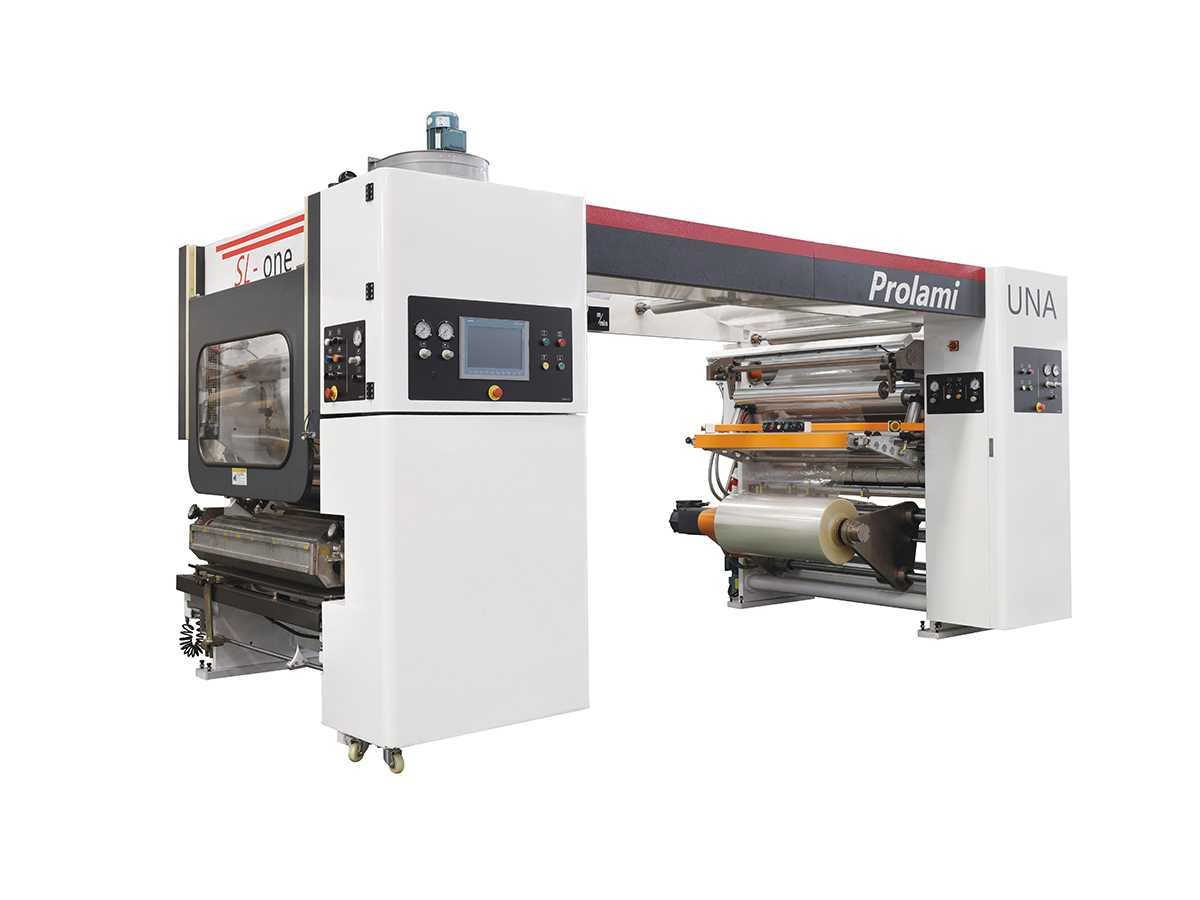
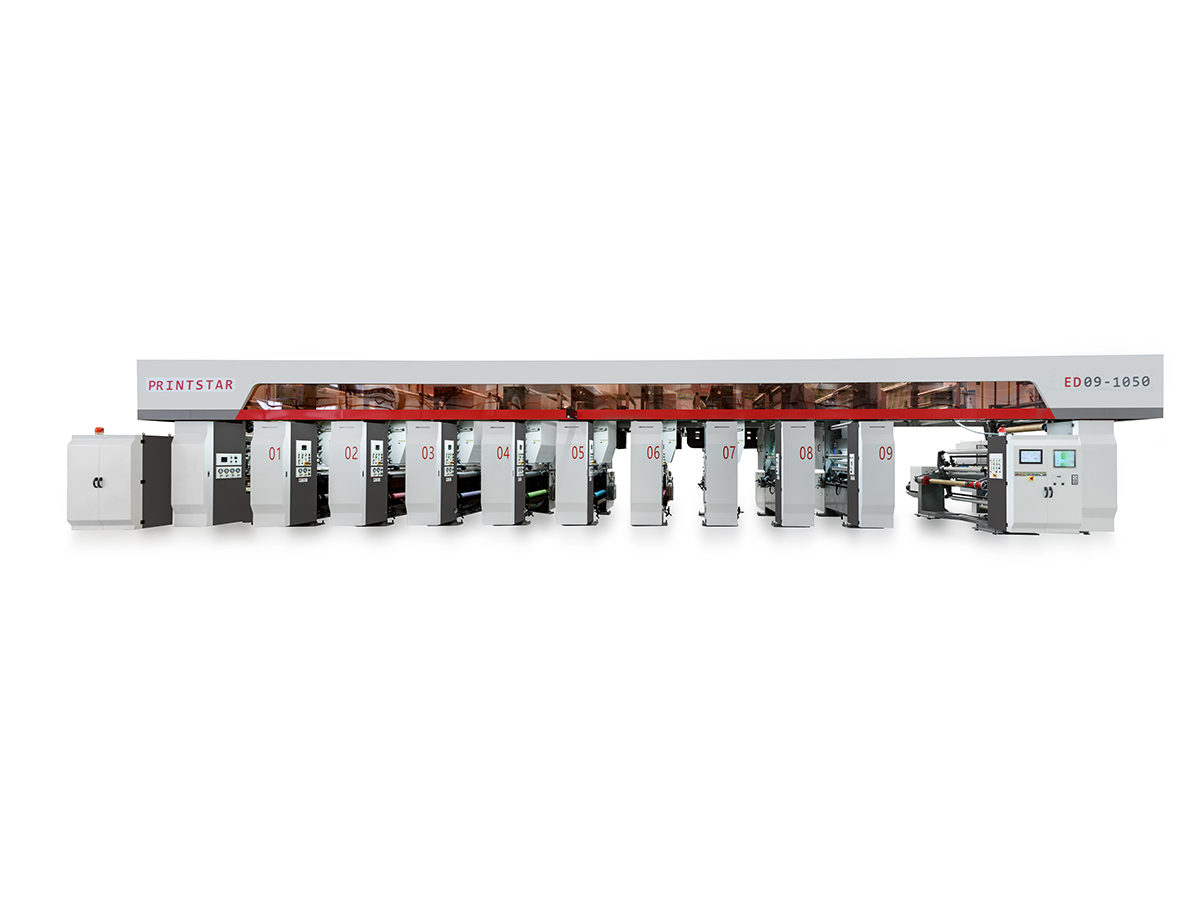
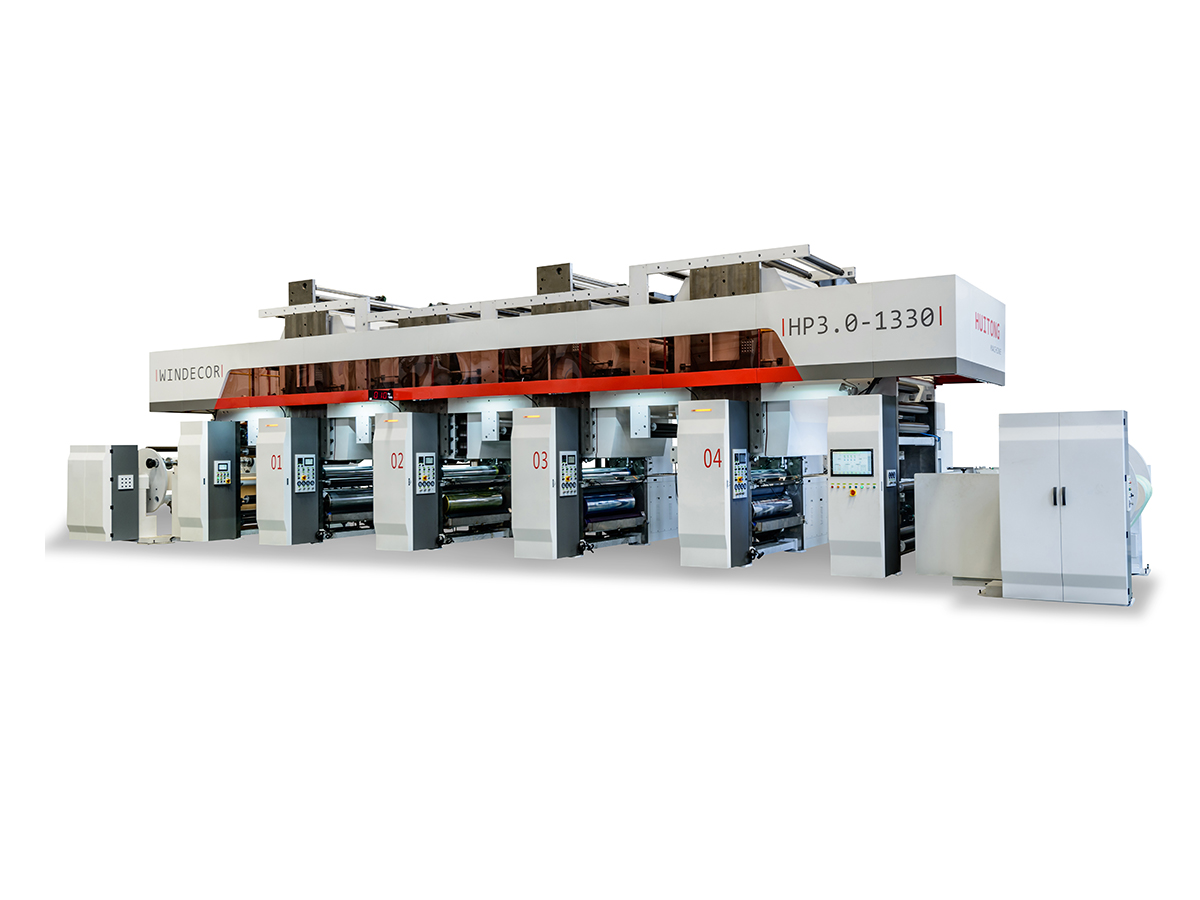
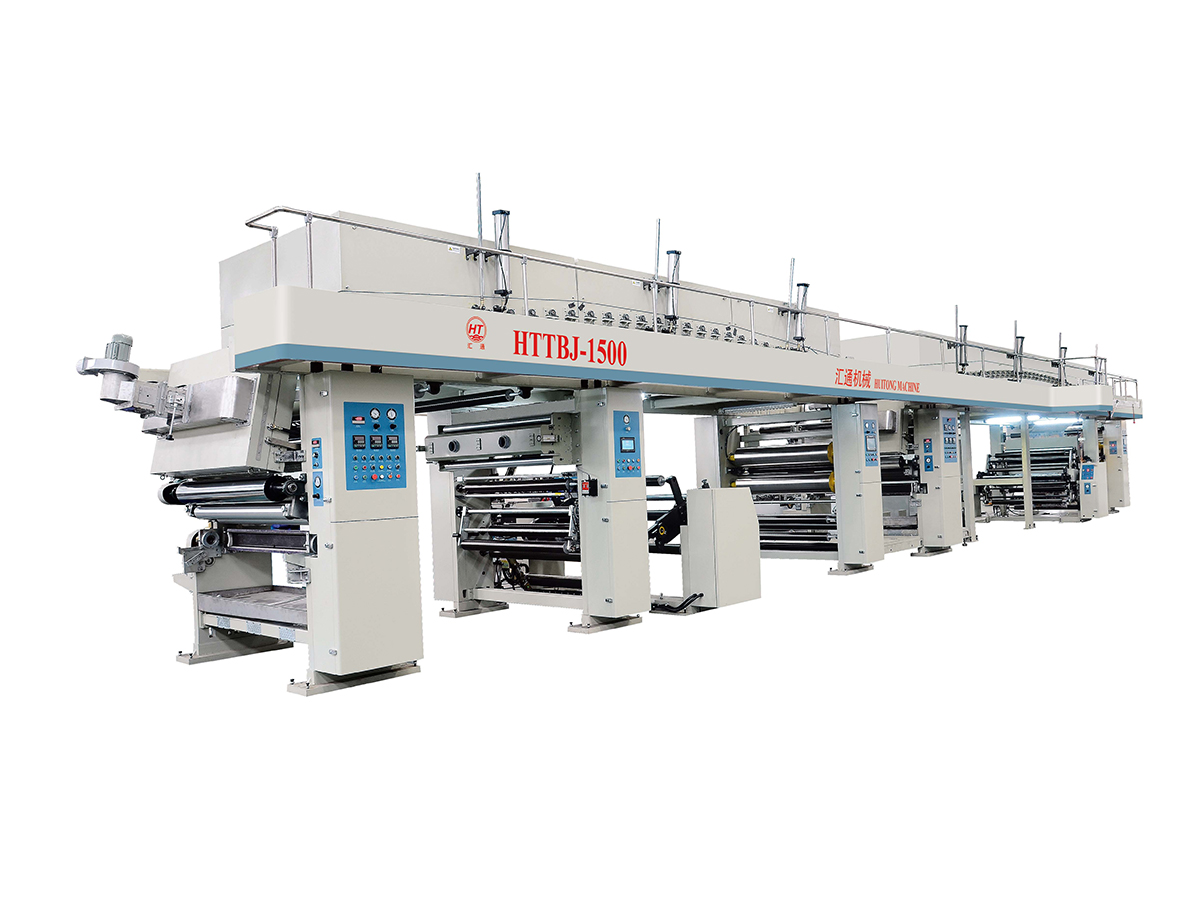
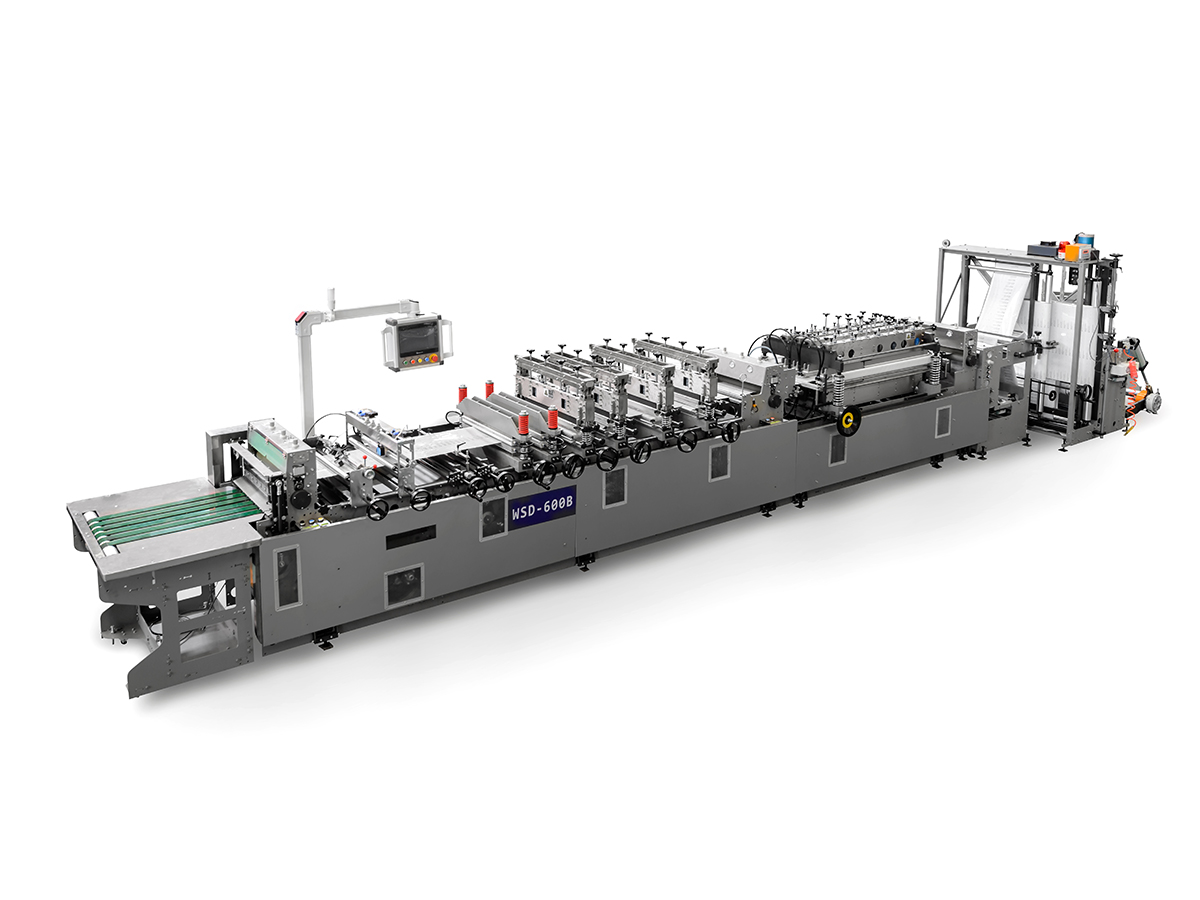
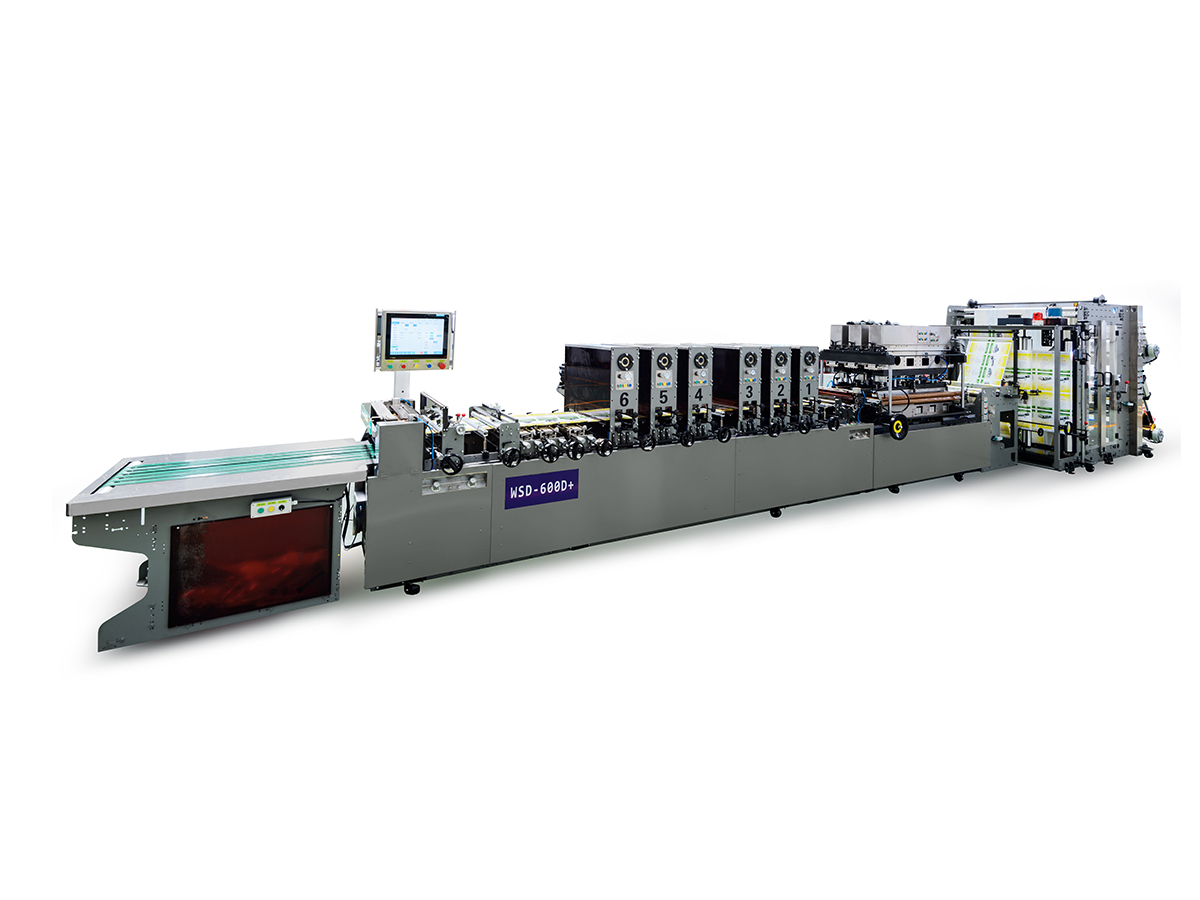
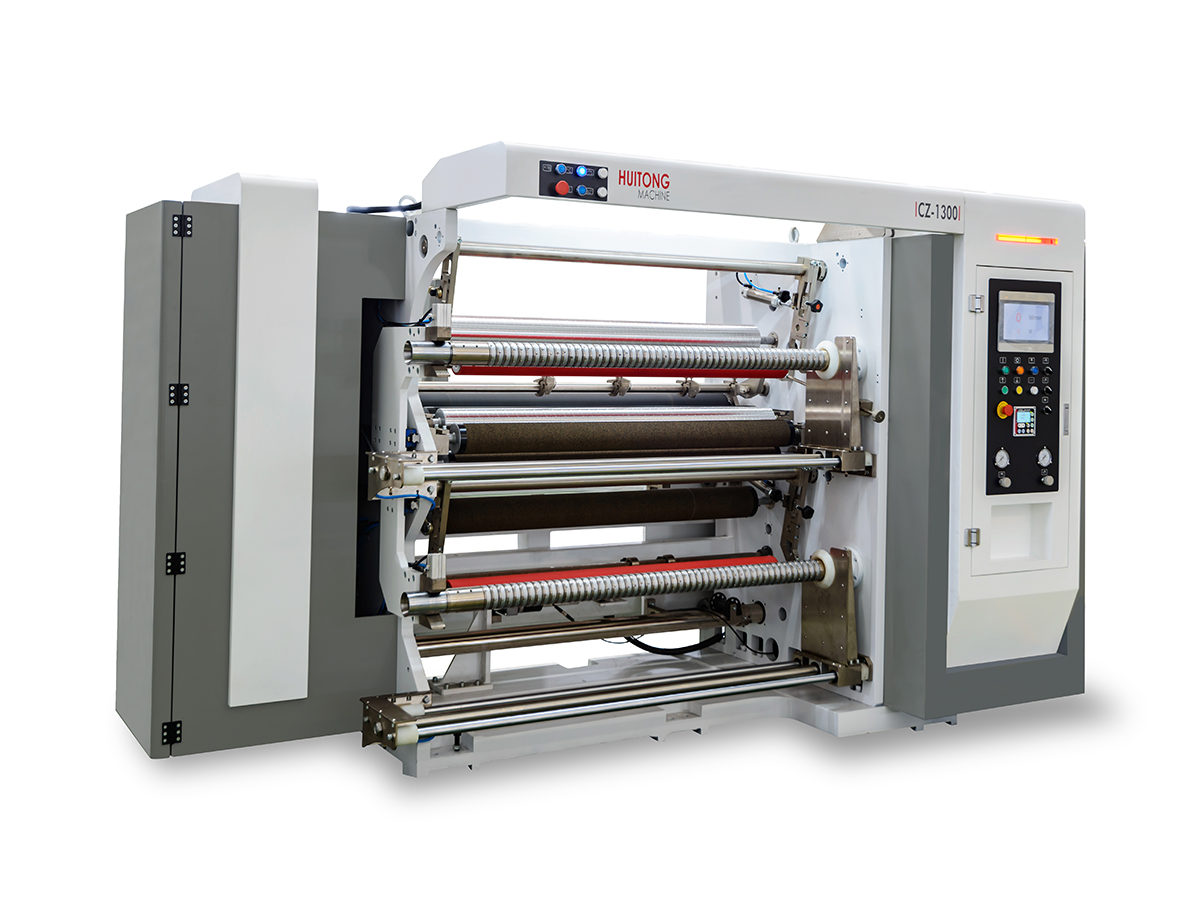
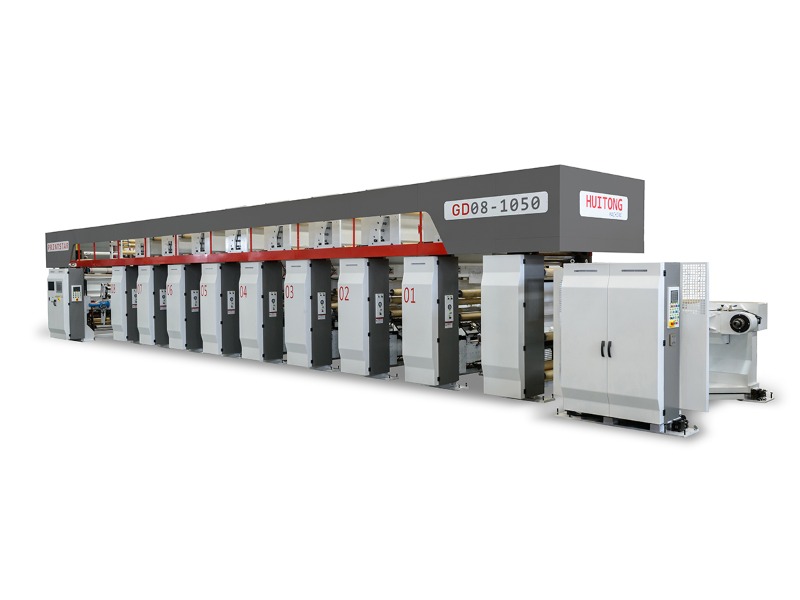
For medium-to-high volume operations, investing in an entire flexible packaging production line reduces per-unit costs by 18–25% and cuts changeover time by up to 40% compared to standalone machines. However, if your annual output is below 500,000 units or you need customization, standalone machinery offers lower upfront capital and operational agility.
This conclusion is based on efficiency metrics from over 200 packaging facilities. Choose a full line when speed and consistency dominate; choose standalone when product variety or budget constraints lead.
Quantitative differences decide the right choice. Below are industry benchmarks from flexible packaging operations:
These figures come from real-world audits of flexible packaging machinery in food, medical, and consumer goods sectors.
If you produce more than 2 million units per month of the same pouch, stand-up bag, or quad-seal package, a fully integrated line from unwinding to sealing reduces waste by 12–17% annually through centralized tension and print registration control.
Entire lines enable real-time material tracking. One converter reported 31% reduction in raw material inventory after switching from standalone bag makers to a synchronized line because of predictable consumption.
Complete lines provide full traceability and repeatable sterilization parameters. Standalone machines often introduce variability in seal temperature or dwell time, raising rejection rates by 5–8%.
For batches under 10,000 units with frequent size changes, standalone machines allow tooling swaps in under 15 minutes, while a full line may require 2–4 hours of reconfiguration. This makes standalone ideal for contract packers handling 50+ SKUs weekly.
If your budget is below $350,000, start with a high-quality standalone form-fill-seal (FFS) machine and add pre-make bag feeders, checkweighers, or cartoners over 12–18 months. 74% of growing SMEs use this modular approach to avoid over-leveraging.
When you have multiple small facilities, moving standalone machinery between lines is practical. Entire lines are rarely mobile and require fixed foundations and utilities.
Use this table as a quick filter: if three or more line characteristics match your reality, a full production line likely pays back within 18 months.
Leading flexible packaging operations now deploy a "spine-and-spoke" model: a complete extrusion/printing/laminating line for high-volume base materials, plus standalone pouch cutters or resealable zipper applicators for special orders. This hybrid reduces changeover losses by 28% compared to pure standalone clusters while keeping 80% of the line’s efficiency.
Data from 2023 shows hybrid setups achieve 76% OEE – significantly above standalone-only (68%) and only 9 points below a pure line (85%). For mid-sized packagers, this is often the balance.
Answer honestly – 89% of packaging line regrets come from misaligning volume assumptions with machinery architecture.
Contact Us
Recommended Products
Joining Hands With Huitong
Customize Your Flexible Packaging Equipment Solution
Inquire now
Products
contact us

Tel: +86-0510-86328508
+86-0510-86324508
Mob: +86-13914908980
Email: [email protected]
ADD: No. 429 Xizhang Road, Gushan Town, Jiangyin City, Jiangsu Province, China

 English
 русский
 Español
 عربى
عربى