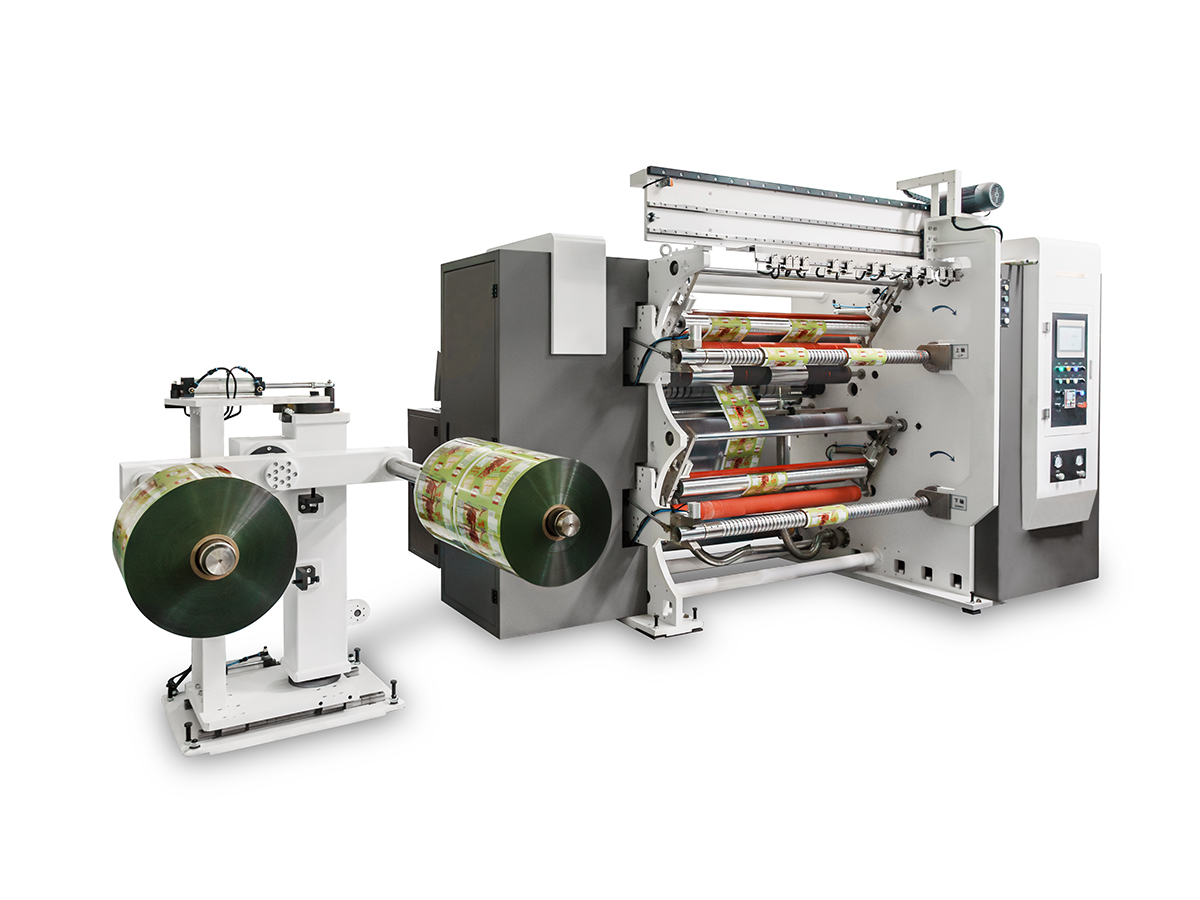
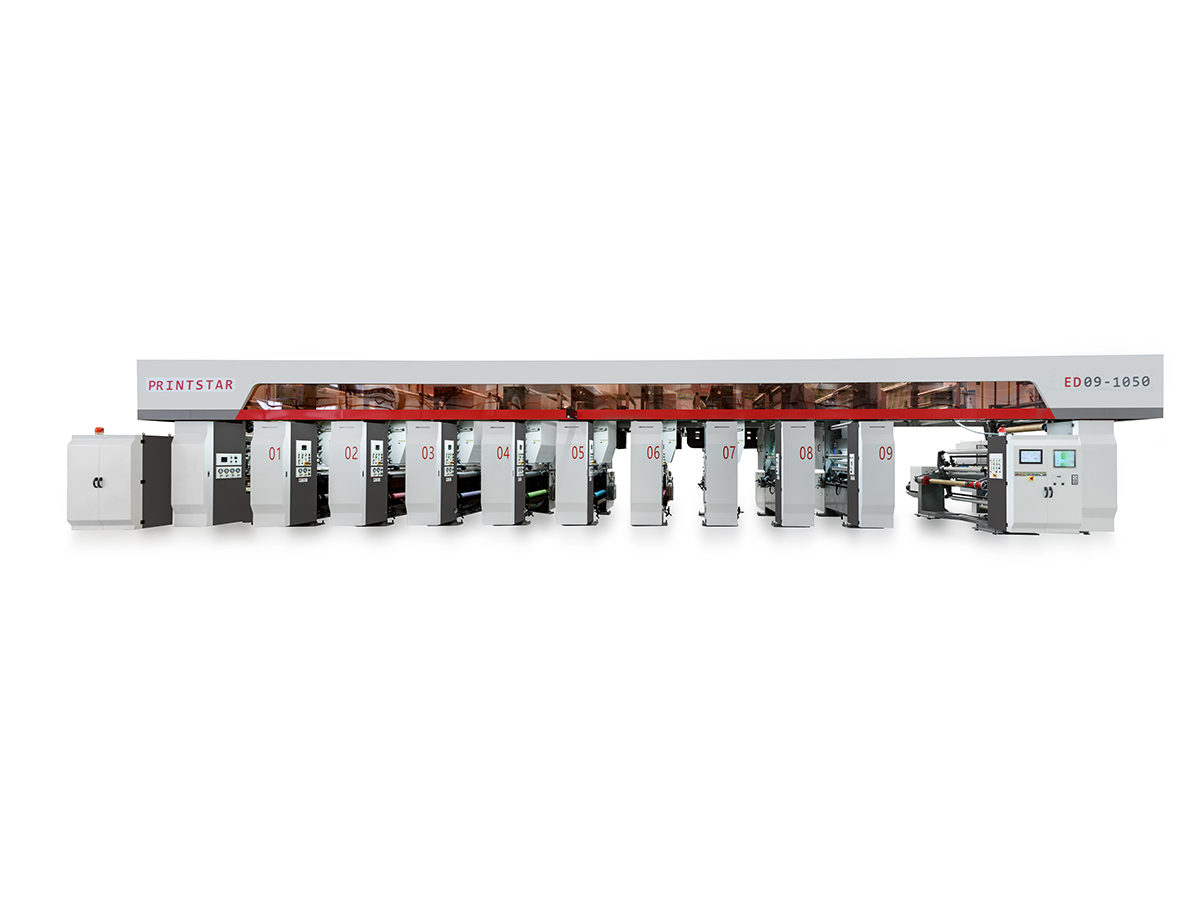
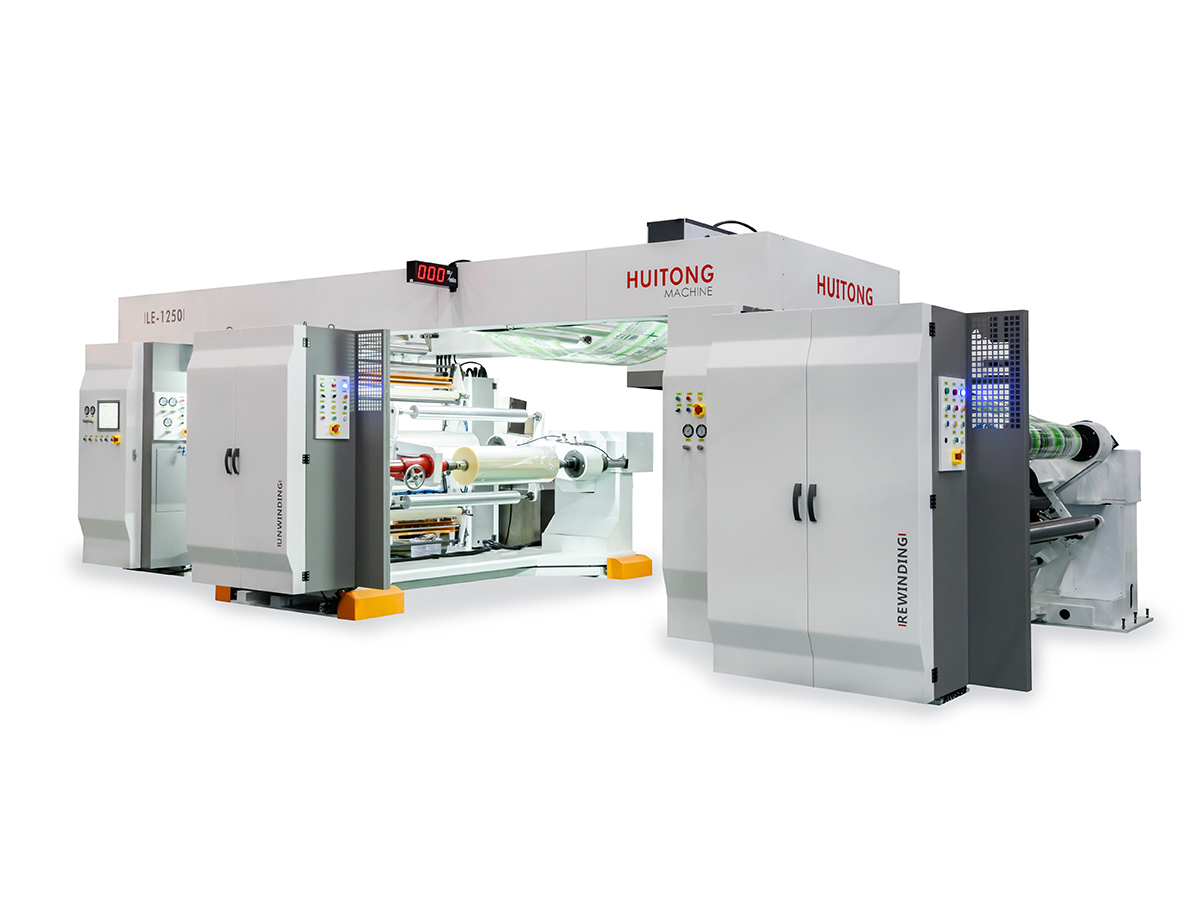
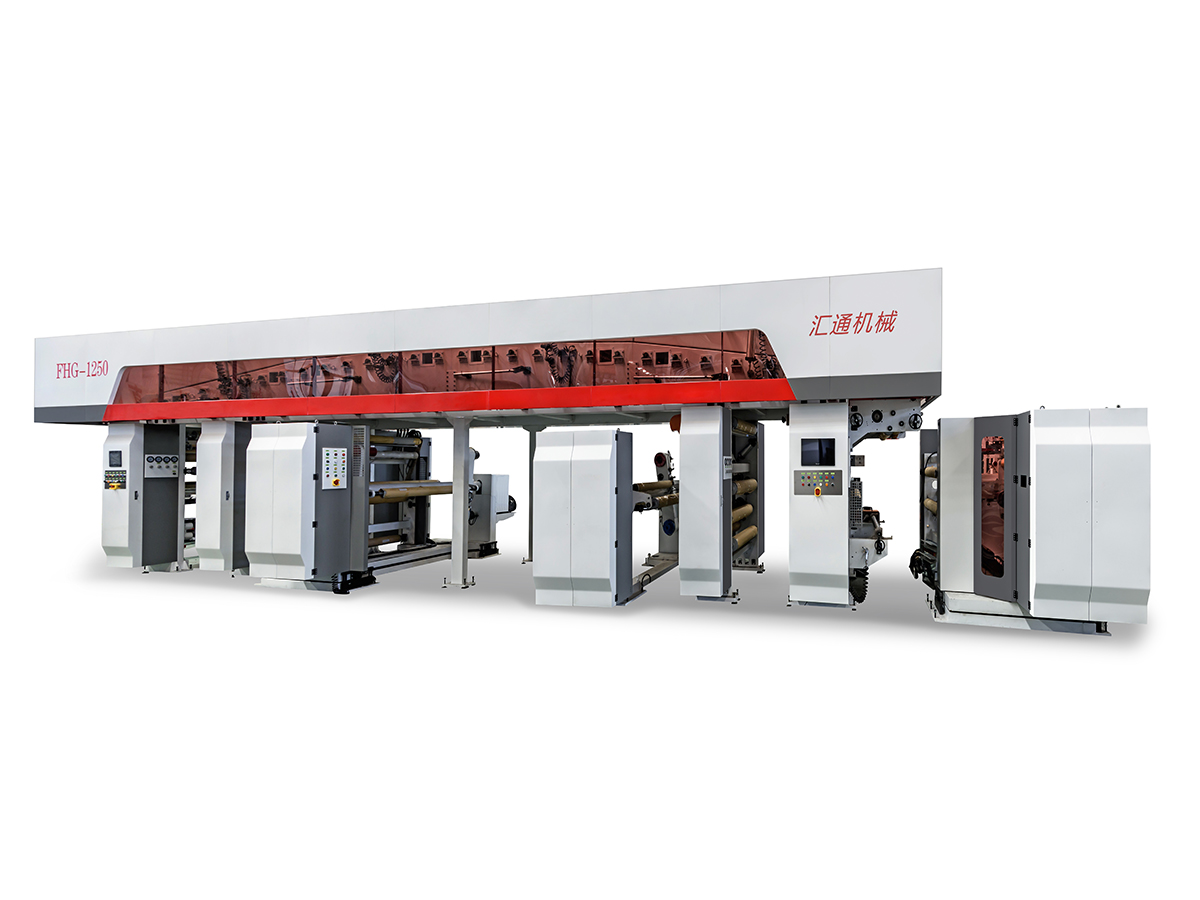
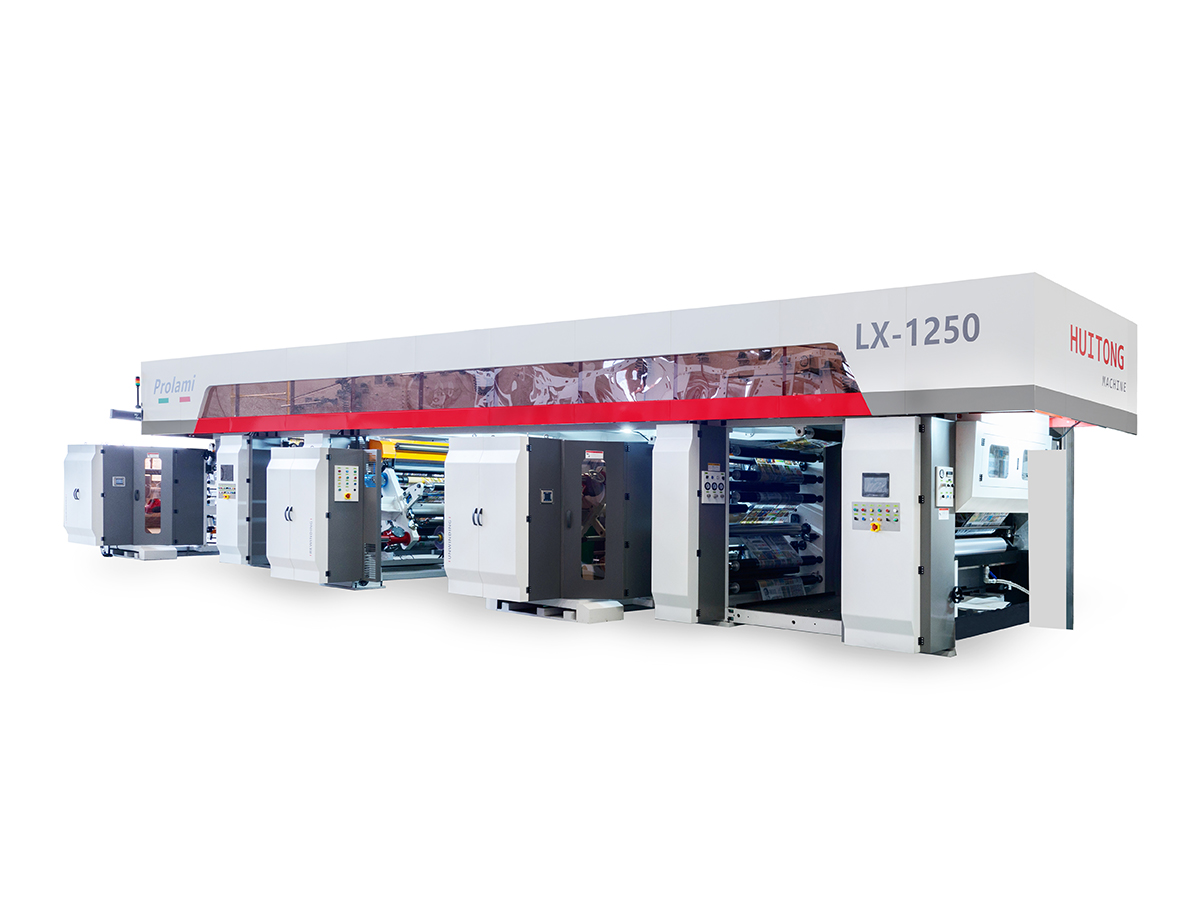
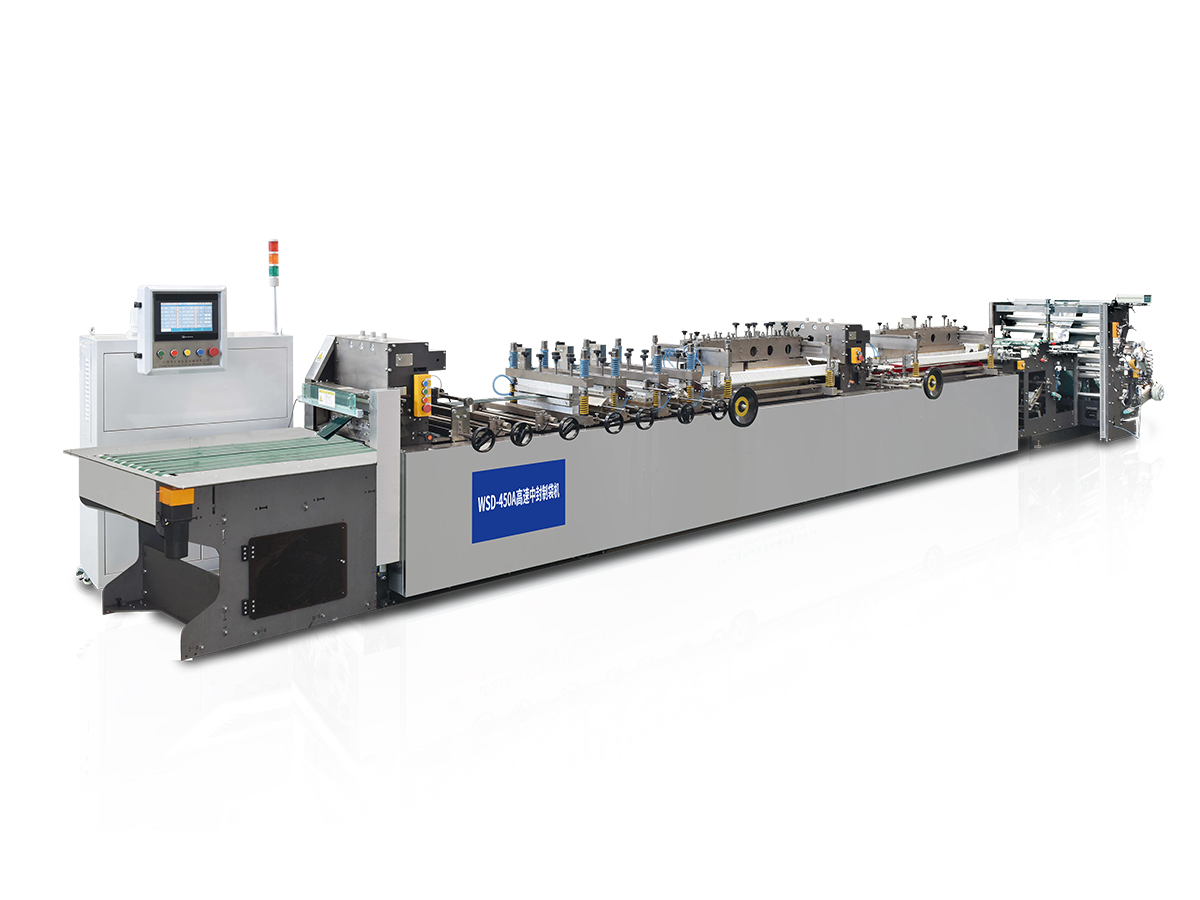
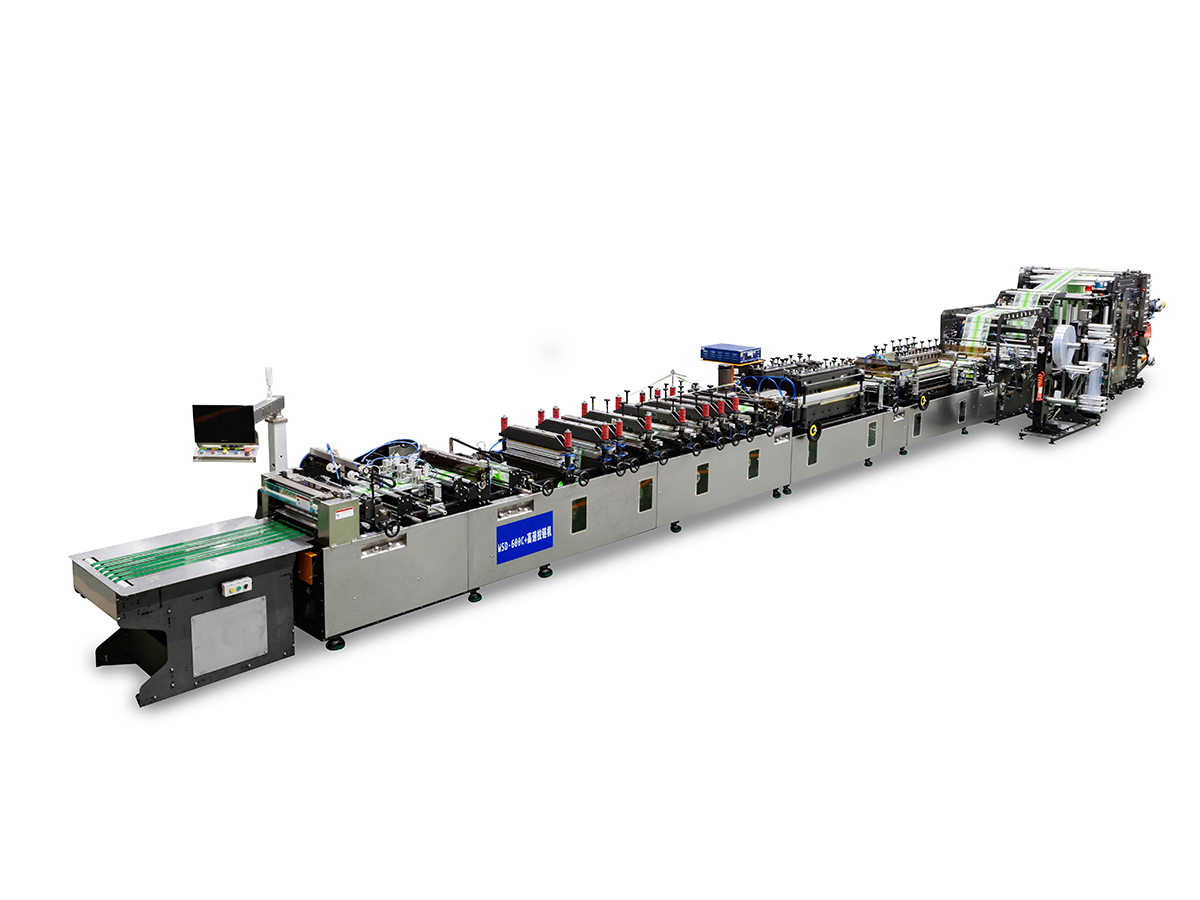
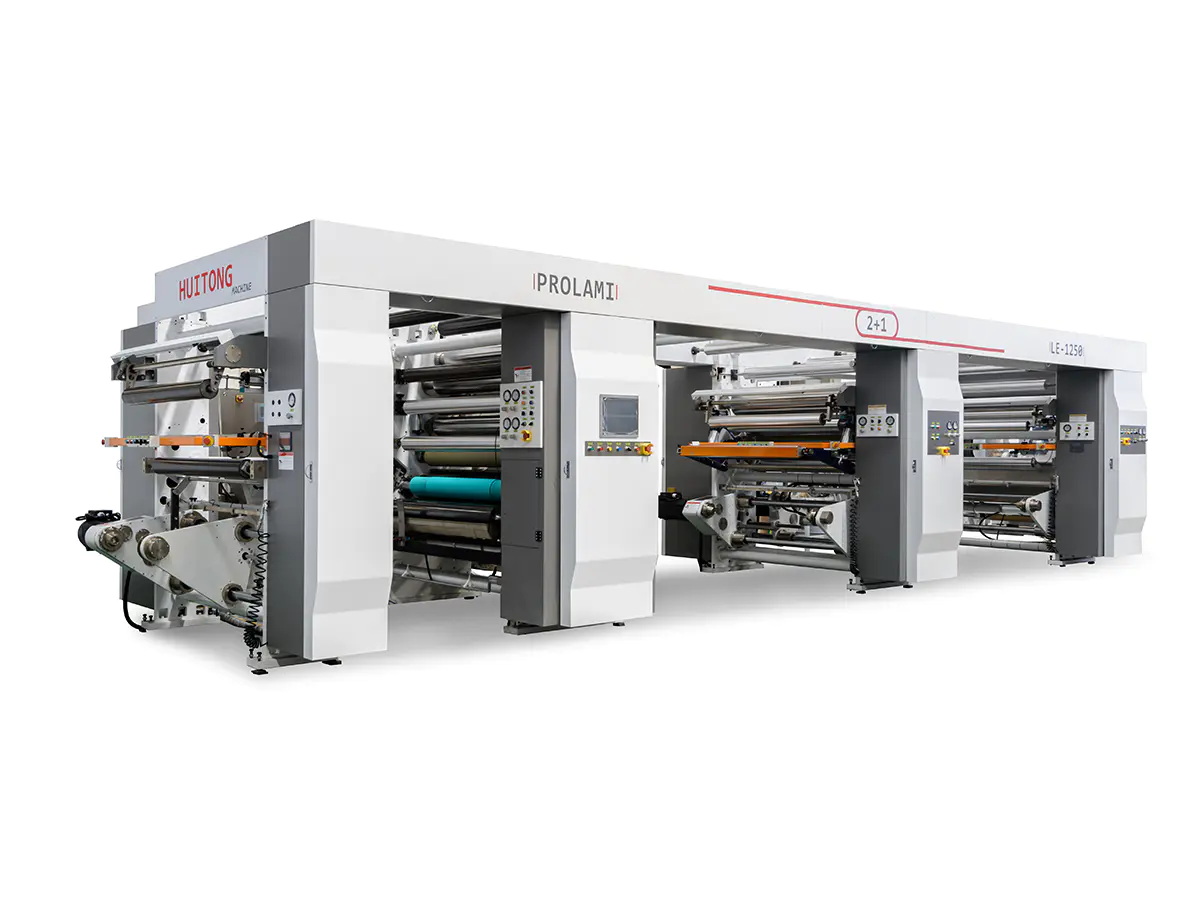
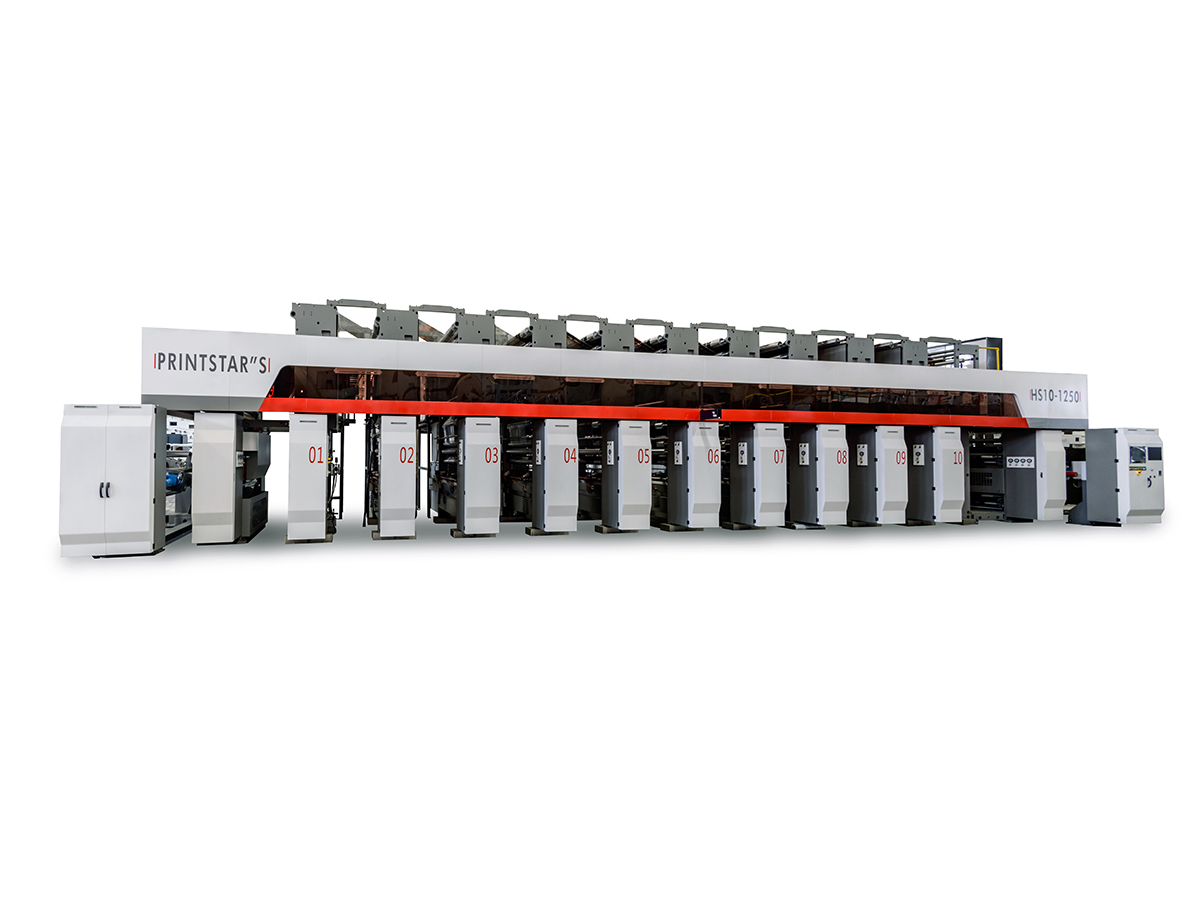
Modern flexible packaging equipment is engineered to handle an exceptionally wide spectrum of products—from fine powders and high-viscosity pastes to whole nuts, liquid soaps, and even medical devices. As long as the product can be gravity-fed, pumped, or volumetrically dosed, and the packaging film can be heat-sealed or cold-sealed, the equipment can package it efficiently. Typical industrial machines support bag widths from 80 mm to 650 mm, film thicknesses between 25 µm and 150 µm, and production speeds up to 180 bags per minute (depending on product characteristics and bag style).
This capability covers over 95% of retail and industrial flexible packaging needs, including stand-up pouches, three-side-seal sachets, pillow bags, quad-seal packs, and spouted or zippered bags.
Based on real-world industrial applications, flexible packaging systems routinely process the following product categories. Each category demands specific feeding, sealing, and material handling adaptations.
Dry solids (granules, powders, flakes): Coffee beans, rice, sugar, flour, powdered milk, spices, and instant soup mixes. Equipment uses auger fillers or multi-head weighers with ±0.5% accuracy for powders and ±1-2 granules for whole-piece items.
Liquids & semi-liquids: Cooking oils, sauces, ketchup, honey, yoghurt drinks, and purees. Equipped with corrosion-resistant piston fillers or peristaltic pumps, achieving fill speeds up to 120 cycles/min for 200ml sachets.
Snacks & fragile items: Potato chips, popcorn, pretzels, and cookies. Gently sloping feeding chutes and gas flushing (nitrogen) maintain product integrity and extend shelf life by 30-50%.
Tablets, capsules, effervescent powders, medical wipes, and adhesive bandages. Equipment integrates metal detection and tablet counting with ±0% counting error for exact dosages. High-barrier films (Alu/PET) maintain ≤1% moisture ingress over 24 months.
Liquid detergents, fabric softeners, shampoo sachets, wet wipes (single or multi-packs), and dishwasher tabs. Corrosive-resistant liquid filling systems and quick-change tooling allow handling pH ranges from 2 to 12 without downtime.
Seeds, fertilizers, granular pesticides, silica gel desiccants, and cement additives. Heavy-duty flexible packaging equipment supports bag weights up to 25 kg for industrial fillings, with heat-sealing systems that can seal through dusty or oily surfaces.
The versatility of flexible packaging equipment comes from adjustable modules and precision engineering. Below are core parameters that define what products a machine can handle.
The following steps illustrate the generic workflow, with each stage adjustable for product type, viscosity, particle size, and bag style.
Changeover between products (e.g., from chips to liquid detergent) typically takes 15–30 minutes using quick-release tooling and recipe presets on the HMI.
Selecting the right combination of bag style and sealing method maximizes efficiency and shelf appeal. The table below summarizes industry practices.
| Product Type | Typical Bag Formats | Key Equipment Feature |
|---|---|---|
| Powders (milk, flour, protein) | Quad-seal, pillow bag with gusset | Auger filler + dust extraction nozzle |
| Granules (coffee, rice, seeds) | Stand-up pouch, back-seal bag | Multi-head weigher or volumetric cup |
| Liquids (oil, detergent, juice) | Spouted pouch, three-side-seal sachet | Liquid piston filler + anti-drip nozzle |
| Pastes & creams (ketchup, toothpaste) | Stand-up pouch with fitment or doypack | Servo-driven rotary pump (viscosity up to 100,000 cP) |
| Fragile snacks (chips, crackers) | Pillow bag with nitrogen flush | Gentle feeding system + gas flushing |
| Medical items (wipes, tablets) | Stick pack, sachet chain | In-line metal detector + counting sensor |
Yes. For viscous and sticky products, specialized piston fillers with heated jackets (for flow improvement) and Teflon-coated contact parts are available. Sealing systems incorporate ultrasonic or impulse sealing to prevent oil contamination on the seal area. Success rates for oily products exceed 99.5% in continuous running.
Powders and granules: 60–150 bags/min (depending on fill weight). Liquids: 40–120 bags/min. Heavy industrial fills (5–25 kg): 15–40 bags/min. High-end servo-driven models can reach 220 bags/min for small stick packs (5–20g).
With quick-release forming collars, tool-less seal jaw changes, and recipe memory, a complete changeover (including cleaning) takes 15–40 minutes. Frequent changeovers are supported by modular design without requiring specialized technicians.
Absolutely. Modern equipment handles PLA, paper laminates, and cellulose films. Sealing parameters adjust automatically: lower temperatures (80–120°C) and longer dwell times for bio-films to prevent material degradation.
Standard equipment handles bag widths up to 650mm and lengths up to 800mm, suitable for products up to 5 liters volume or 25 kg weight. For jumbo industrial bags (50 kg fertilizers or animal feed), specific heavy-duty flexible packaging lines exist with reinforced sealing and extra-wide forming tubes.
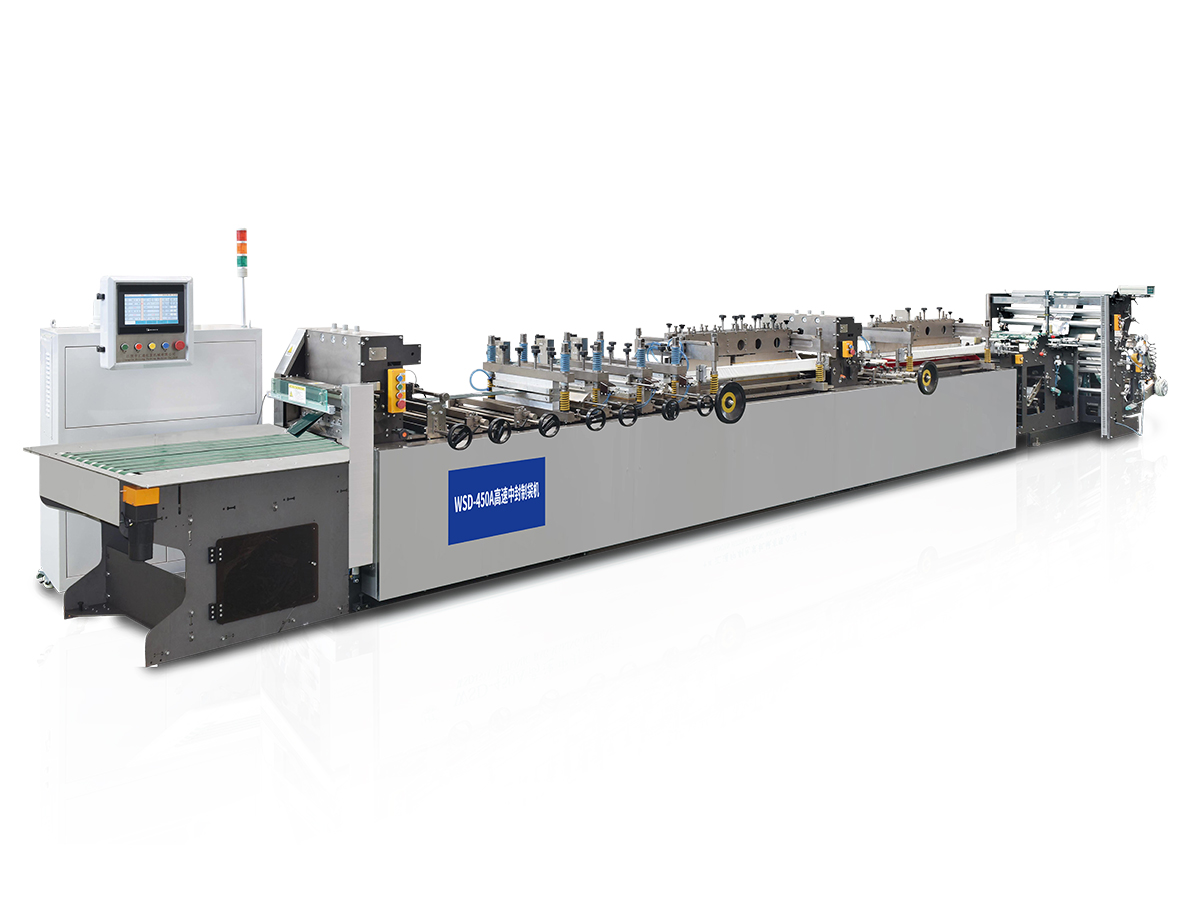
Contact Us
Recommended Products
Joining Hands With Huitong
Customize Your Flexible Packaging Equipment Solution
Inquire now
Products
contact us

Tel: +86-0510-86328508
+86-0510-86324508
Mob: +86-13914908980
Email: [email protected]
ADD: No. 429 Xizhang Road, Gushan Town, Jiangyin City, Jiangsu Province, China

 English
 русский
 Español
 عربى
عربى