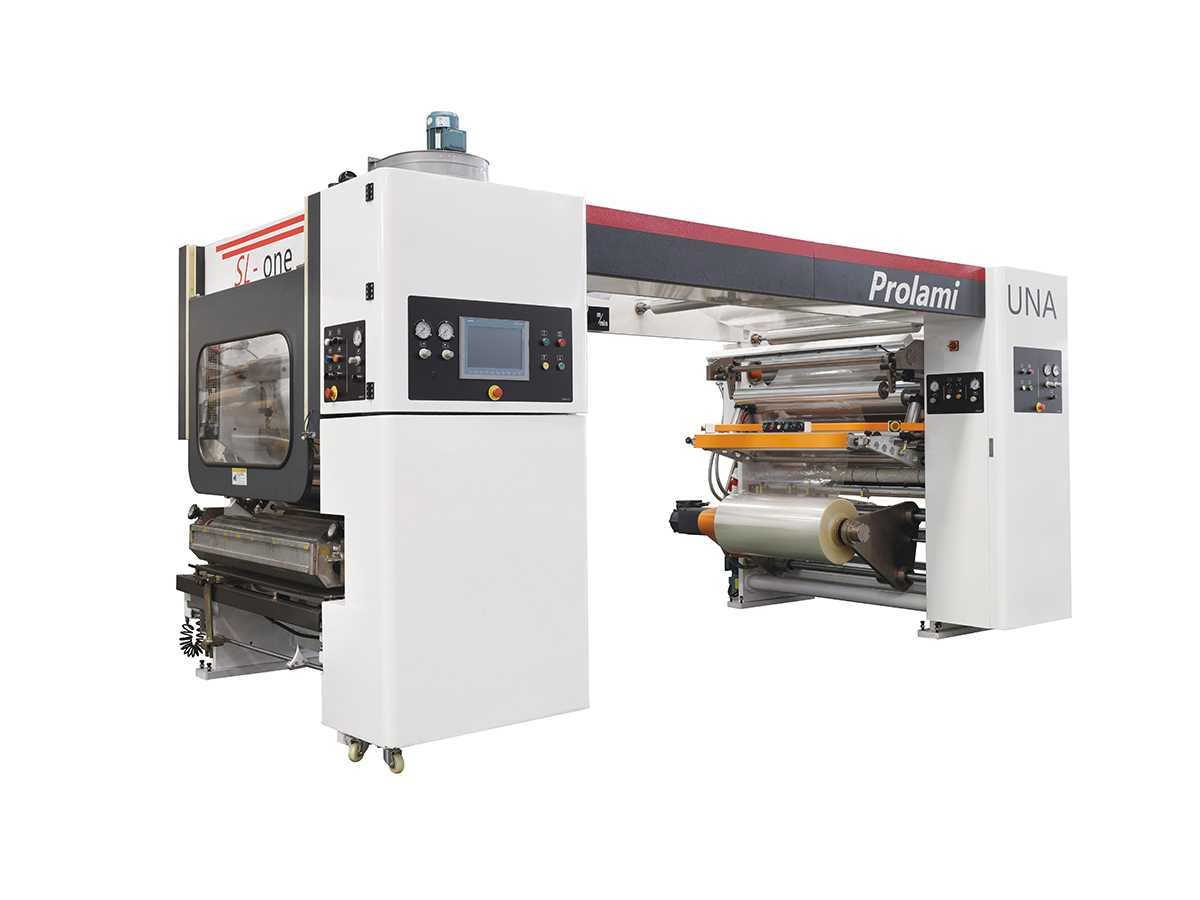
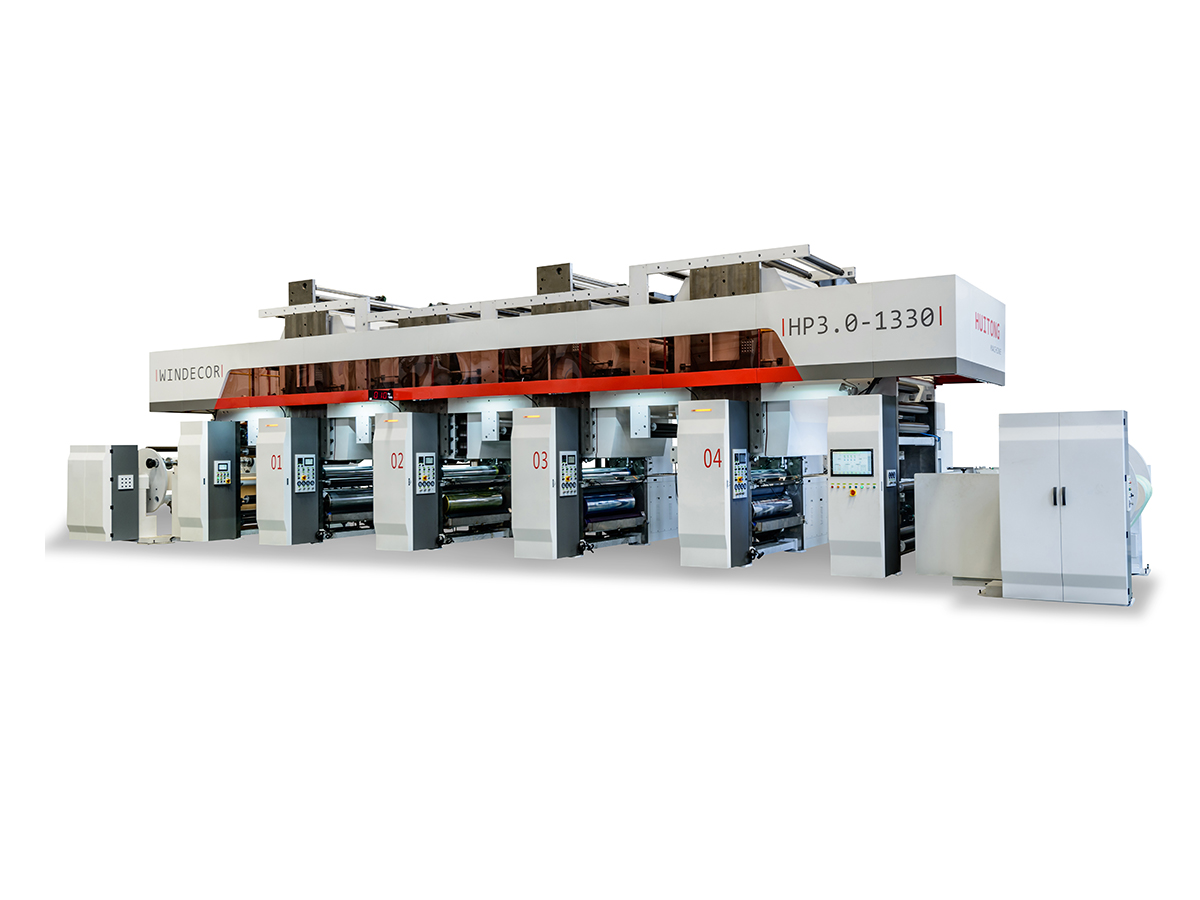
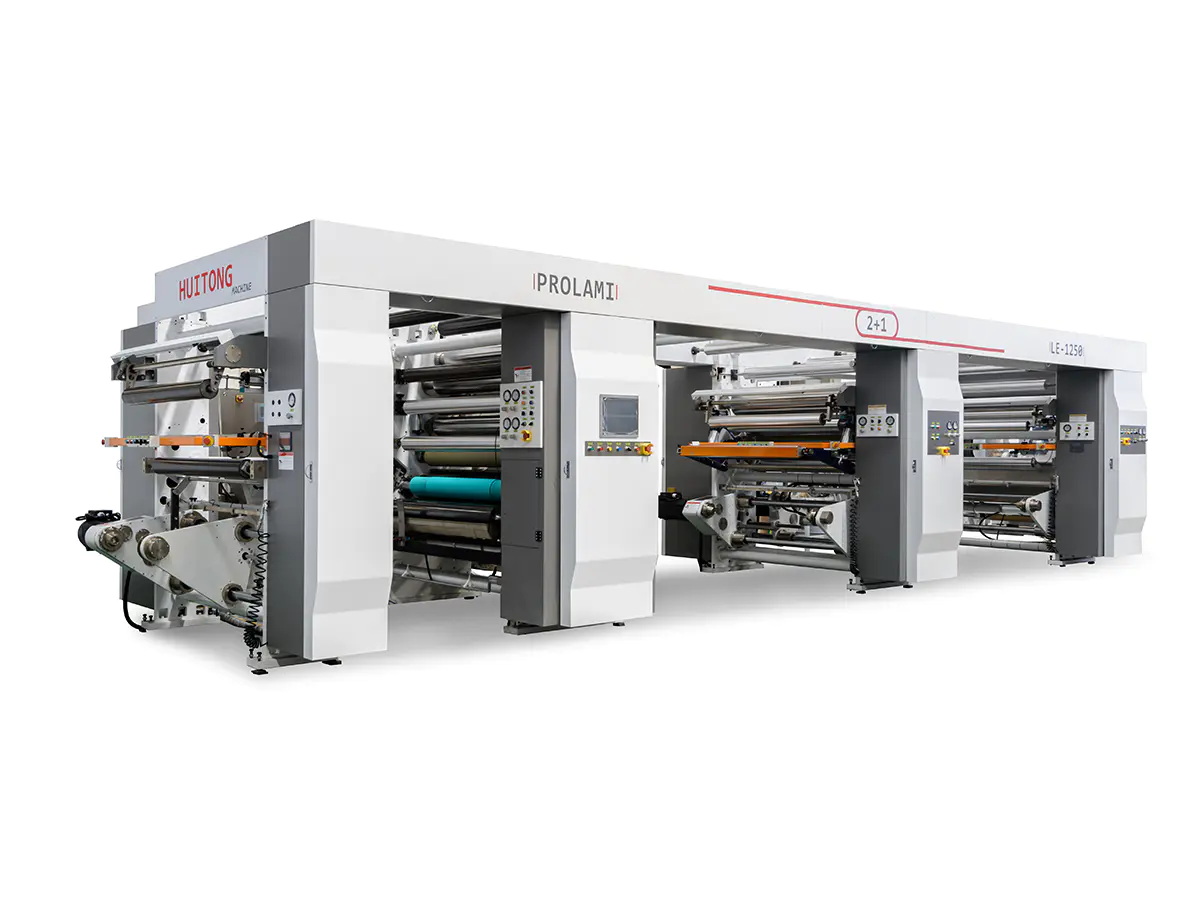
The right solvent based dry laminating machine should match your material structure, coating accuracy requirements, production speed, and long-term operational stability. Choosing based only on speed or basic configuration often leads to inconsistent lamination quality, solvent retention issues, and reduced production efficiency. A machine designed for precise tension control, uniform adhesive coating, and reliable drying performance will deliver stronger bonding and better finished product consistency.
Selecting the correct equipment requires evaluating technical performance against your actual production needs, including substrate types, film thickness range, drying capacity, and automation level.
Different flexible packaging materials require different lamination conditions. The machine must support the substrates commonly used in your production line while maintaining stable tension and adhesive transfer.
Machines with wider tension adjustment ranges and stable web guiding systems provide better compatibility across multiple substrate structures.
Adhesive coating consistency directly determines bonding strength and appearance quality. Uneven coating can cause bubbling, weak lamination, and product waste.
| Feature | Production Benefit |
|---|---|
| High-precision gravure coating | Uniform adhesive transfer |
| Automatic viscosity adjustment | Stable coating thickness |
| Closed-loop control systems | Reduced operator intervention |
Coating deviation should ideally remain within ±1.5% to ensure consistent bonding performance.
Solvent evaporation is critical in dry lamination. Inadequate drying leaves residual solvent trapped between layers, reducing bond quality and affecting downstream processing.
Machines with optimized drying tunnels improve solvent removal efficiency by 20% to 30% compared with basic airflow designs.
Automation improves repeatability and reduces production errors. Modern systems simplify operation while improving production consistency.
Higher automation reduces setup time and improves consistency across production batches.
Production needs often evolve. Choosing equipment with future scalability helps avoid premature replacement.
Look for systems that allow upgrades such as wider web widths, higher operating speeds, enhanced drying modules, and digital process integration.
A flexible solvent based dry laminating machine protects long-term production investment while supporting future process expansion.
The ideal solution balances coating precision, drying performance, material adaptability, automation, and scalability.
Choosing based on technical compatibility rather than short-term output expectations ensures higher efficiency, lower waste, and stable lamination quality over time.
Contact Us
Recommended Products
Joining Hands With Huitong
Customize Your Flexible Packaging Equipment Solution
Inquire now
Products
contact us

Tel: +86-0510-86328508
+86-0510-86324508
Mob: +86-13914908980
Email: [email protected]
ADD: No. 429 Xizhang Road, Gushan Town, Jiangyin City, Jiangsu Province, China

 English
 русский
 Español
 عربى
عربى