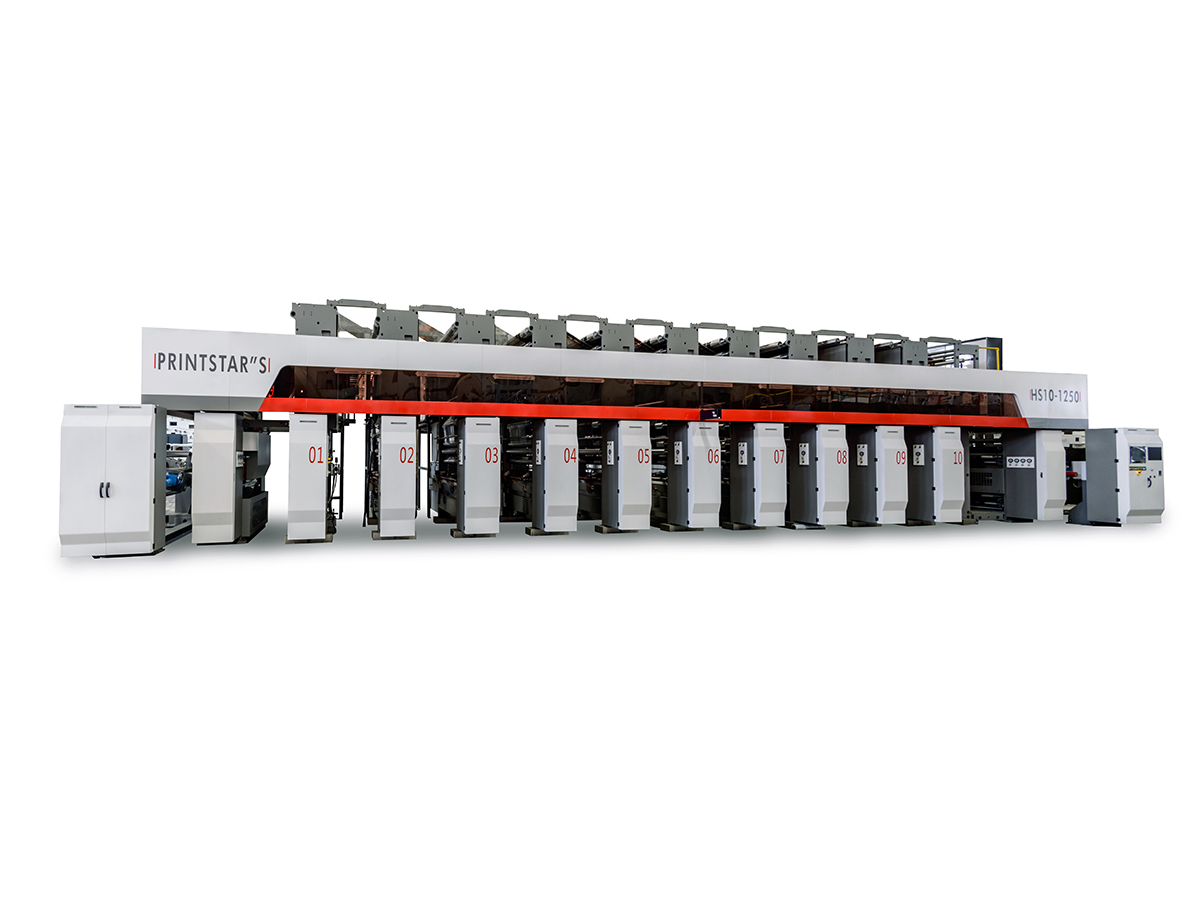
In the modern manufacturing industry, the efficiency and precision of production equipment play a significant role in optimizing workflow, reducing waste, and enhancing overall product quality. Among the key technologies that have revolutionized material processing is the high speed slitting machine. Known for its speed, accuracy, and versatility, this equipment is crucial in industries ranging from paper and film to metals and textiles.
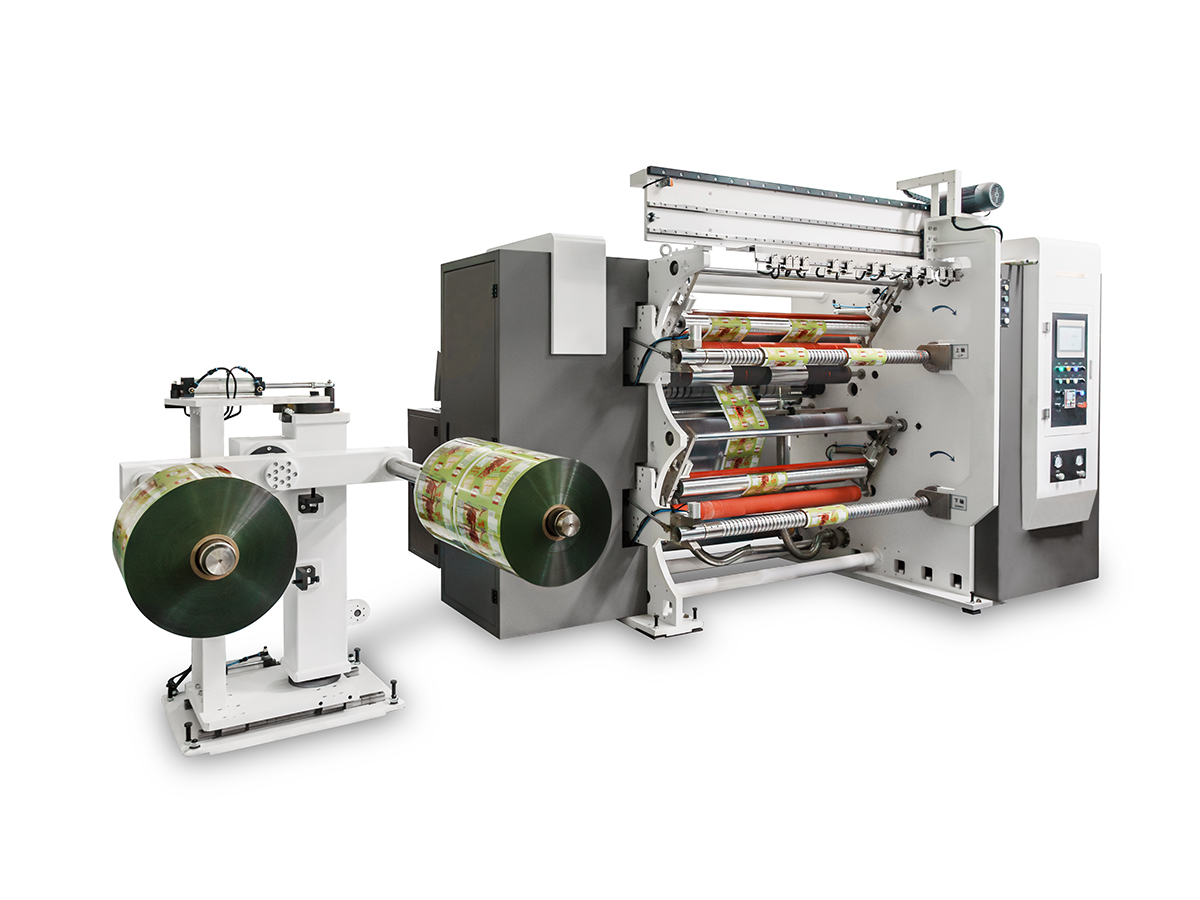
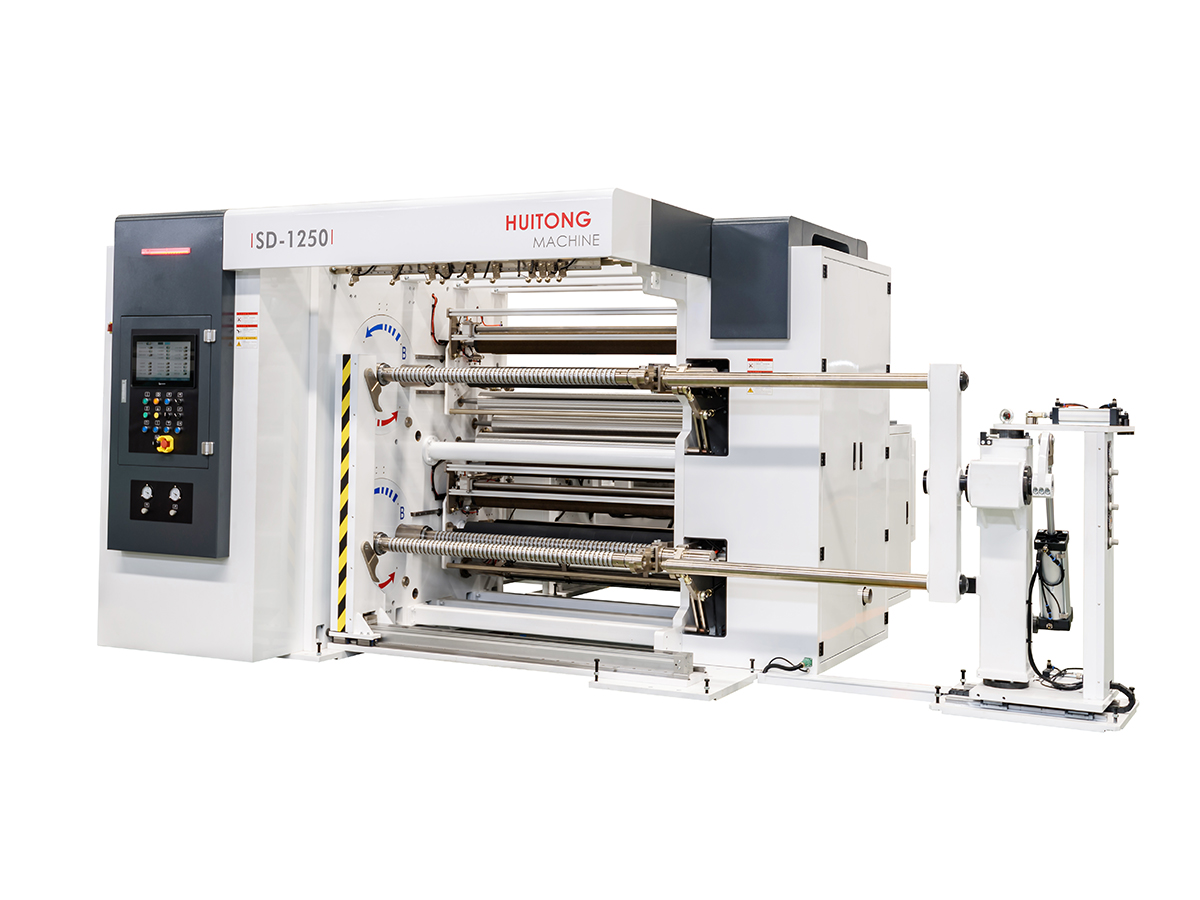
A high-speed slitting machine is designed to cut materials into narrower strips, a process essential for many industries. These machines utilize rotating blades, ensuring a clean, precise cut with minimal material waste. What sets high-speed slitting machines apart from conventional slitting tools is their ability to operate at significantly higher speeds, making them ideal for large-scale production environments.
While slitting machines are used across a variety of materials, the high speed variants excel in processing different types of substrates, including metals, paper, plastics, textiles, and more. By increasing cutting speed, these machines offer substantial improvements in both production rates and the quality of the finished product.
The obvious benefit of using a high speed slitting machine is the enhanced productivity. With faster cutting speeds, these machines can process large quantities of materials in a fraction of the time it would take conventional machines. The ability to handle higher speeds without sacrificing cutting precision allows manufacturers to meet tight deadlines and high-volume demands.
In industries like paper, where roll-to-roll processing is common, using high-speed slitting machines results in a more streamlined production process. By increasing the slitting speed, manufacturers can meet customer demands quickly while reducing the amount of manual labor required.
Precision is a critical factor in industries that rely on slitting machines. High speed slitting machines are equipped with advanced control systems that ensure each cut is made with a high degree of accuracy. This feature is especially important in industries such as electronics, where exact dimensions are essential for the functionality of products.
For example, when cutting films or foils, high-speed slitting machines can ensure that the strips are uniform in width and meet the required tolerances. This minimizes waste, reduces rework, and ensures that the final product performs as expected.
High-speed slitting machines contribute to material savings by reducing waste during the cutting process. The enhanced precision offered by these machines ensures that the material is utilized efficiently, which is particularly valuable when working with expensive materials like metals or specialty plastics.
Moreover, the ability to maintain high throughput without sacrificing quality also leads to cost reductions in labor and machine downtime. The increased automation of these machines reduces the need for manual intervention, saving time and resources.
One of the key features of high-speed slitting machines is their adaptability to a wide range of materials. These machines are designed to handle different substrates, including metals, plastics, textiles, and more. With adjustable settings, operators can modify the machine to accommodate varying material thicknesses, hardness levels, and tensile strengths.
For instance, high-speed slitting machines can be used to process thin films, thick metal sheets, and even flexible textiles. Their versatility makes them suitable for diverse industries, from packaging and automotive to construction and electronics.
Modern high speed slitting machines often come equipped with advanced automation features, allowing them to be integrated into larger production lines. These machines can be automated to perform tasks such as roll handling, tension control, and cut-off operations, reducing the need for manual intervention and human oversight.
Automation in high-speed slitting machines also ensures consistent quality and minimizes the risk of human error. Additionally, these machines can be linked to enterprise resource planning (ERP) systems for seamless production management, enabling real-time tracking of production metrics and performance.
High-speed slitting machines can process a variety of materials, each with specific requirements and considerations. Below is an overview of the common materials processed by these machines and the benefits they offer:
| Material Type | Common Applications | Benefits of High-Speed Slitting |
|---|---|---|
| Metals | Steel, Aluminum, Copper | Provides high-precision cuts with minimal deformation, essential for industries such as automotive and aerospace. |
| Paper & Cardboard | Packaging materials, Printing substrates | Improves the efficiency of large-scale packaging production by quickly processing paper rolls into desired sizes. |
| Plastics | PET, PVC, PE Films | Ensures clean cuts with minimal burr formation, which is important for applications in packaging and electronics. |
| Textiles | Woven fabrics, Nonwoven materials | High-speed cutting is ideal for textile industries, especially for producing narrow strips or creating fabric rolls for garments. |
| Composites | Carbon fiber, Glass fiber | Enables precision cutting of composite materials without delaminating or compromising the material’s integrity. |
High-speed slitting machines are equipped with a variety of features that enhance their performance, including:
When selecting a high-speed slitting machine, several factors must be taken into account:
Material Type and Thickness: Different materials and thicknesses require different cutting mechanisms and blade configurations.
Speed Requirements: The desired cutting speed should align with the production needs and throughput.
Machine Size and Capacity: Choose a machine that can handle the size and volume of materials you need to process.
Automation Features: Machines with more automation features will improve efficiency and reduce manual labor.
Maintenance and Service: Ensure that the machine is easy to maintain and that support is readily available.
High-speed slitting machines provide significant advantages across a wide range of industries, offering faster production times, higher precision, and cost savings. Whether processing metals, paper, plastics, or textiles, these machines enable manufacturers to meet demanding production schedules while maintaining consistent quality.
1. What is a high-speed slitting machine?
A high-speed slitting machine is a device used to cut large rolls of material into narrower widths. It operates at high speeds and is capable of handling a variety of materials with precision and efficiency.
2. What materials can be processed with a high-speed slitting machine?
High-speed slitting machines can process metals, paper, plastics, textiles, and composites, each requiring specific settings to ensure clean and precise cuts.
3. How does a high-speed slitting machine improve production efficiency?
By increasing cutting speeds and maintaining consistent quality, high-speed slitting machines reduce production times and manual labor, ultimately resulting in higher throughput and cost savings.
4. What are the key features to look for in a high-speed slitting machine?
Key features include high-precision blades, automatic tension control, variable speed settings, and advanced control systems that enhance performance and flexibility.
5. How does automation affect high-speed slitting machines?
Automation in high-speed slitting machines reduces the need for manual intervention, enhances consistency, and helps integrate the machines into larger production lines for seamless operation.
Contact Us
Recommended Products
Joining Hands With Huitong
Customize Your Flexible Packaging Equipment Solution
Inquire now
Products
contact us

Tel: +86-0510-86328508
+86-0510-86324508
Mob: +86-13914908980
Email: [email protected]
ADD: No. 429 Xizhang Road, Gushan Town, Jiangyin City, Jiangsu Province, China

 English
 русский
 Español
 عربى
عربى