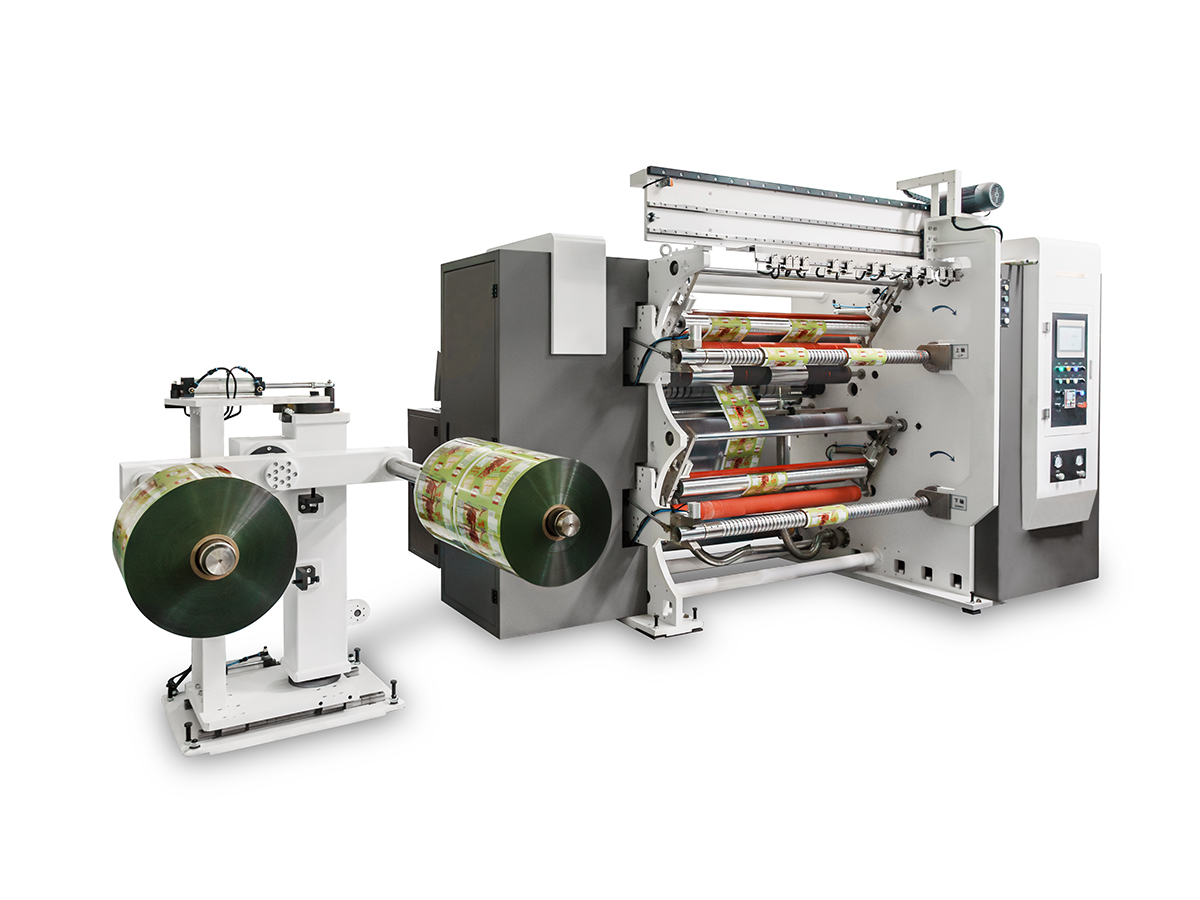
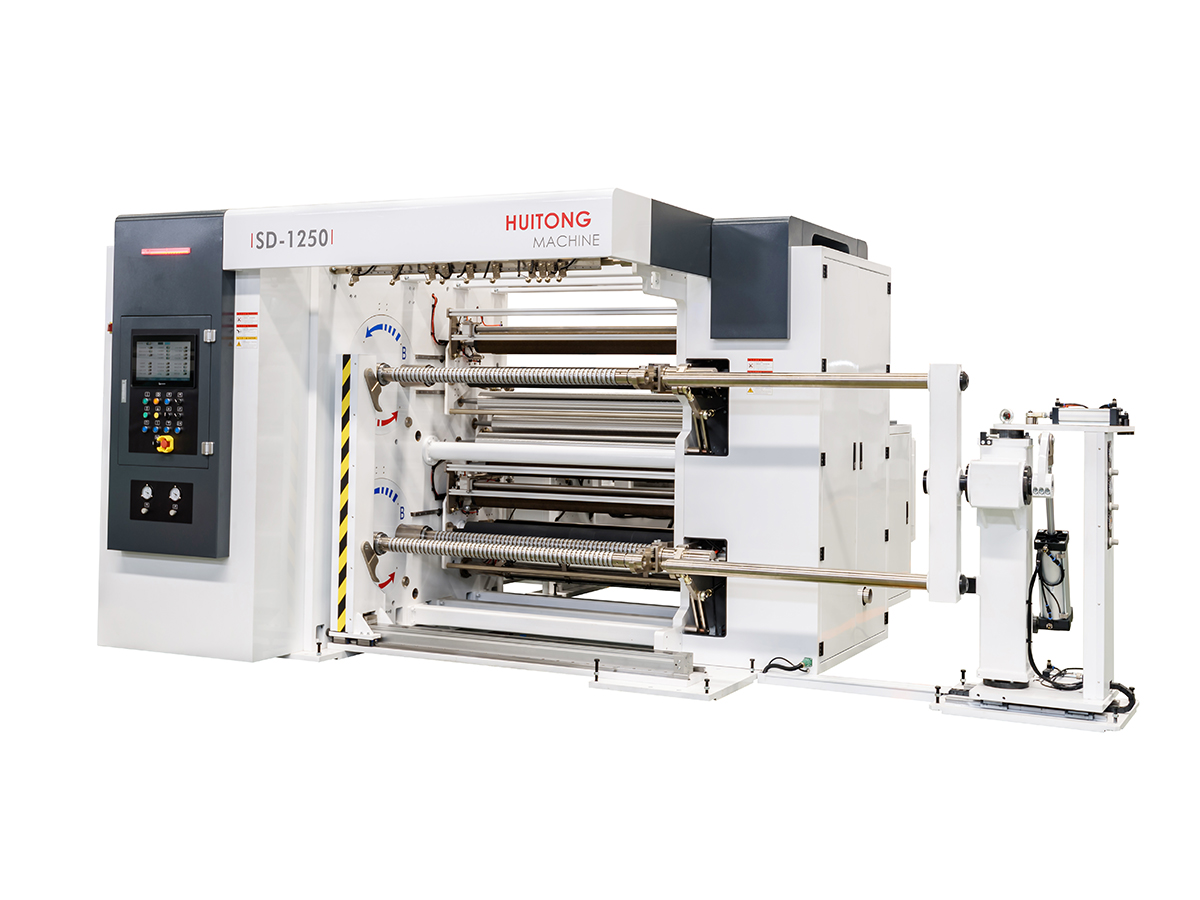
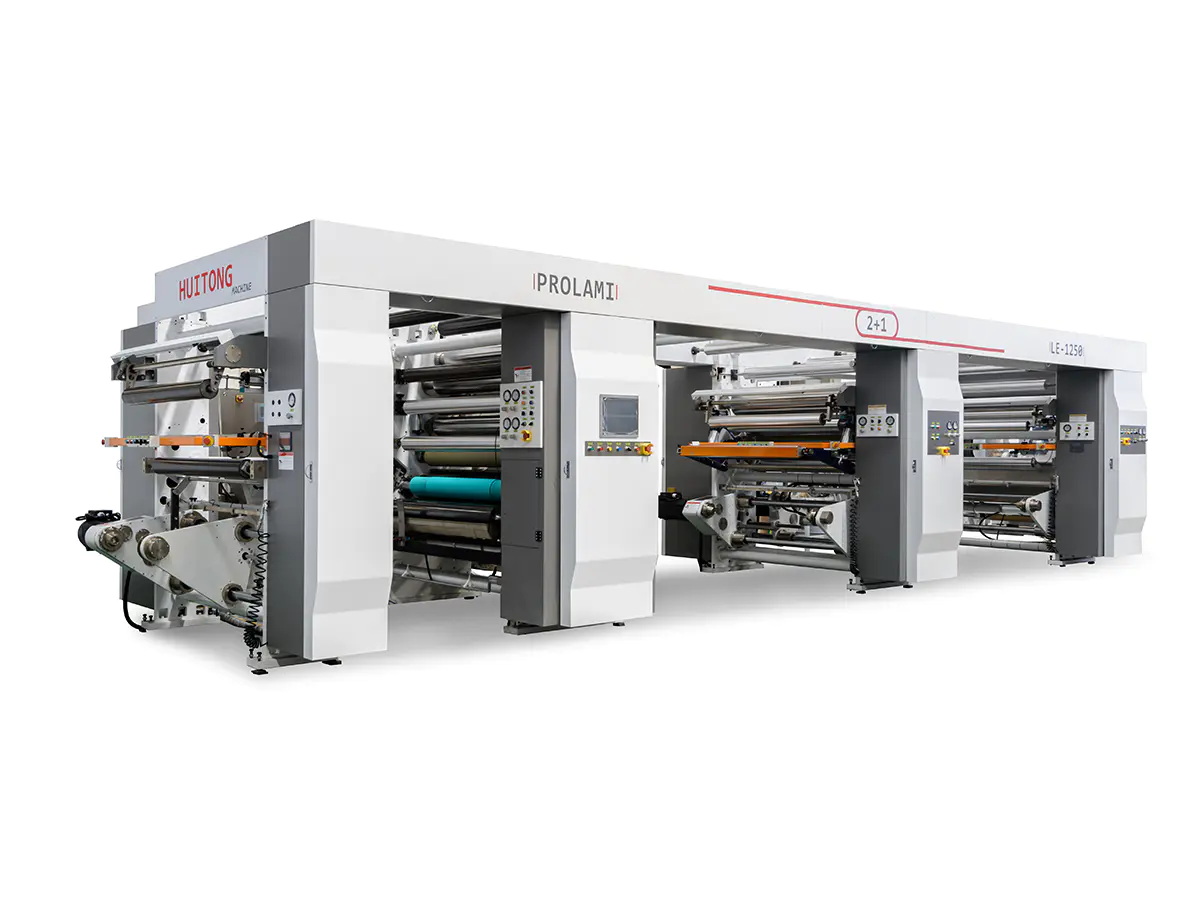
Solventless laminating technology has evolved from an emerging alternative to the industry standard for flexible packaging production. Comprehensive life‑cycle assessments confirm that solventless lamination reduces electrical energy consumption by 74.1% and CO₂ emissions by 86.37% compared to dry solvent‑based lamination, while cutting volatile organic compound (VOC) emissions by over 94.5%. With maximum machine speeds reaching 500 m/min and applied adhesive costs reduced by more than 50% versus solvent‑based systems, the technology delivers quantifiable operational advantages that directly improve profitability and sustainability.
For converters seeking to reduce energy dependency, eliminate solvent handling hazards, and produce recyclable mono‑material structures, solventless lamination is no longer optional—it is the strategic imperative that defines competitive modern packaging operations.
Solventless lamination is a bonding process that uses 100% solid adhesives containing no solvents or water. Unlike solvent‑based systems that rely on drying ovens to evaporate carriers, solventless adhesives cure through a chemical reaction between two components—typically a polyisocyanate and a polyol—that are mixed immediately before application. The two components react on the substrate surface, forming a durable bond without the need for thermal drying.
A solventless laminating machine operates through a precision‑engineered sequence:
The elimination of drying ovens is the defining differentiator. Solvent‑based machines require extensive oven sections consuming substantial energy, whereas solventless laminators operate without any drying stage—reducing machine footprint, energy demand, and capital investment simultaneously.
The performance gap between solventless and solvent‑based lamination is substantial across every critical metric. The following comparison illustrates why solventless technology is rapidly displacing traditional methods:
| Parameter | Solvent‑Based Lamination | Solventless Lamination |
|---|---|---|
| Adhesive Type | Solvent‑carried (30–70% solids) | 100% solids |
| Drying Required | Yes—energy‑intensive ovens | None—ambient cure |
| Energy Consumption | High (baseline) | 74.1% reduction |
| CO₂ Emissions | High (baseline) | 86.37% reduction |
| VOC Emissions | Significant | 94.5%+ reduction |
| Maximum Line Speed | 150 m/min | 400–500 m/min |
| Curing Time | 48–72 hours | <24 hours |
| Applied Adhesive Cost | Baseline | 50%+ savings |
| Worker Safety | Fire risk, inhalation hazards | No solvent hazards |
Modern solventless laminating machines achieve mechanical speeds of up to 580 m/min with maximum laminating speeds of 500 m/min. This represents a 167% increase over conventional solvent‑based equipment limited to 150 m/min. The speed advantage stems from the absence of drying ovens—there is no need to wait for solvent evaporation before the next processing step. This translates directly into higher daily output, faster order fulfillment, and increased capacity without additional floor space.
The elimination of drying ovens delivers profound energy savings. Solventless lamination reduces electrical energy consumption by 74.1% compared to dry lamination. The carbon footprint improvement is equally dramatic, with CO₂ emissions reduced by 86.37%. Annual natural gas consumption decreases by more than 100,000 m³ when transitioning from solvent‑based systems.
Beyond energy, the environmental benefits extend to zero VOC emissions—solventless adhesives contain no volatile organic compounds, eliminating the need for solvent recovery, incineration systems, and costly emissions compliance measures. The carbon impact reduction of solventless systems is estimated at 50–60% versus solvent‑based alternatives.
The economic case for solventless lamination is compelling across multiple dimensions:
Understanding the workflow is essential for optimizing production and troubleshooting. The solventless lamination process follows a systematic sequence:
Each step is precisely controlled to ensure consistent adhesive coating, optimal nip pressure, and proper tension management, resulting in a high‑quality laminate with excellent bond strength and optical clarity.
Eight key parameters significantly influence adhesion strength in solventless lamination:
Quality challenges in solventless lamination typically arise from three distinct mechanisms:
Solventless laminating technology accommodates a broad spectrum of flexible packaging substrates:
The technology is particularly well‑suited for food packaging applications, as solventless adhesives contain no solvent residues that could migrate into food products. Modern solventless adhesive formulations have also expanded into retortable packaging applications, with performance approaching solvent‑based levels.
Solventless lamination uses 100% solid adhesives that cure through chemical reaction, while solvent‑based lamination uses adhesives containing solvents that must be evaporated through energy‑intensive drying ovens. Solventless systems produce zero VOCs, consume significantly less energy, and operate at higher speeds.
Modern solventless laminating machines achieve maximum laminating speeds of 400 to 500 meters per minute, with mechanical speeds up to 580 m/min. Actual production speed depends on substrate characteristics, adhesive formulation, and required bond strength.
Solventless adhesives typically reach sufficient bond strength for slitting and rewinding within 4 hours at room temperature, with full cure achieved within 2 days. Curing time can extend by up to 50% in low‑humidity environments below 35% relative humidity.
Yes. Solventless adhesives contain no solvent residues that could migrate into food products, making them ideal for food contact applications. Many solventless adhesive formulations have received global food contact approvals.
White spots and bubbles typically result from physical air entrapment, poor substrate wetting, or chemical gas evolution from moisture reacting with adhesive components. Prevention requires proper nip pressure, adequate substrate surface energy (above 38 dynes/cm), and controlled humidity.
Yes. Modern solventless laminating machines are specifically designed to handle thin aluminum foil, metallized films, and other challenging substrates. Advanced adhesive formulations provide excellent bond strength to metal foils and metallized surfaces.
Coating weights typically range from 0.8 to 3.5 g/m², depending on substrate type, end‑use requirements, and adhesive formulation. Some formulations achieve effective bonding at weights as low as 1.6 to 1.8 g/m².
Contact Us
Recommended Products
Joining Hands With Huitong
Customize Your Flexible Packaging Equipment Solution
Inquire now
Products
contact us

Tel: +86-0510-86328508
+86-0510-86324508
Mob: +86-13914908980
Email: [email protected]
ADD: No. 429 Xizhang Road, Gushan Town, Jiangyin City, Jiangsu Province, China

 English
 русский
 Español
 عربى
عربى