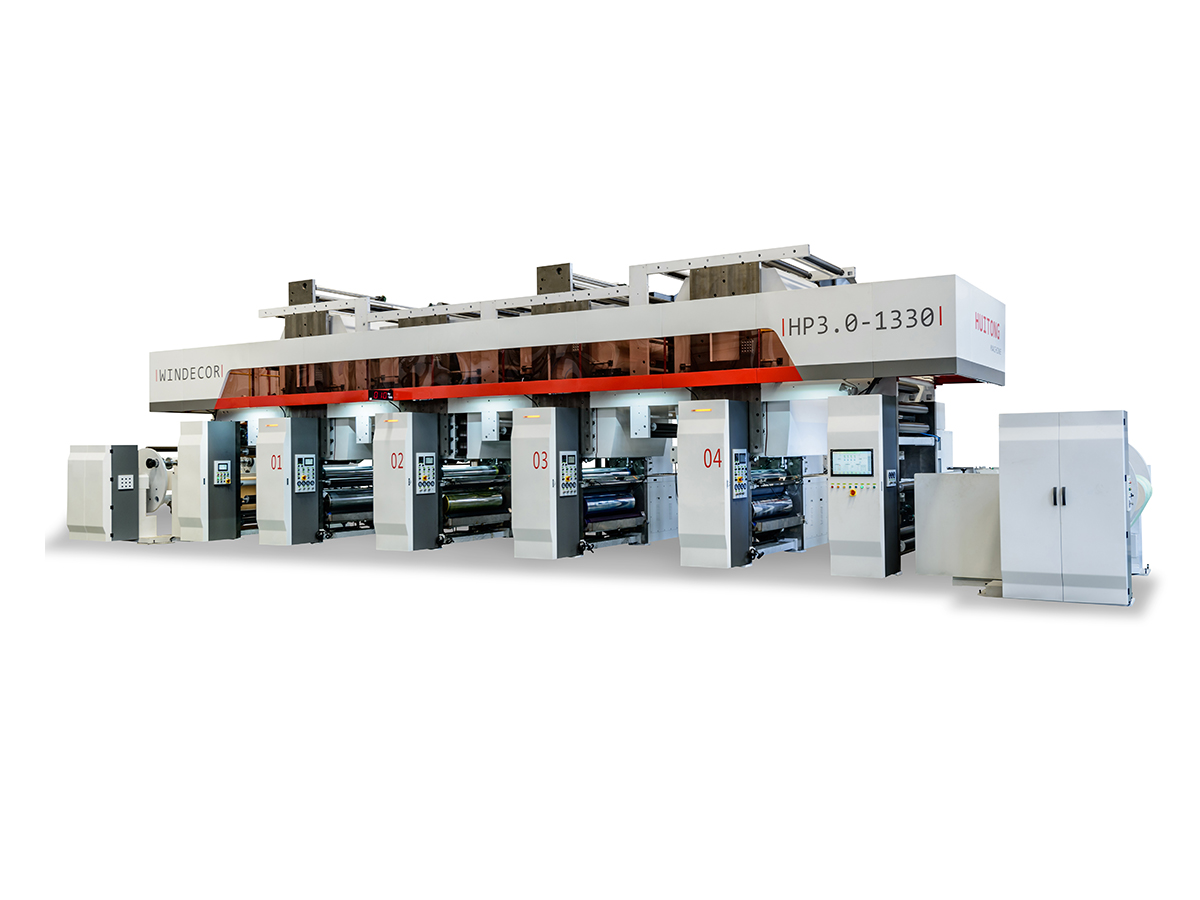
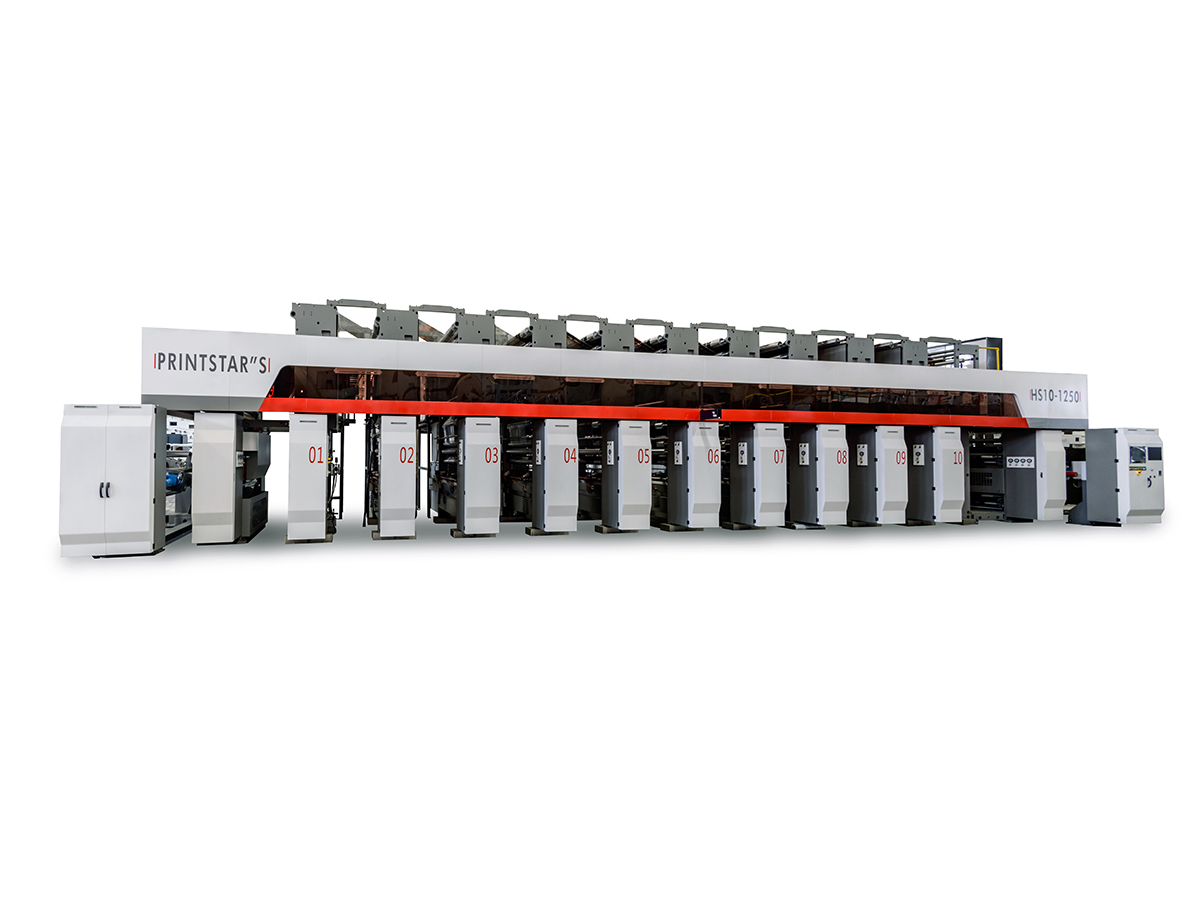
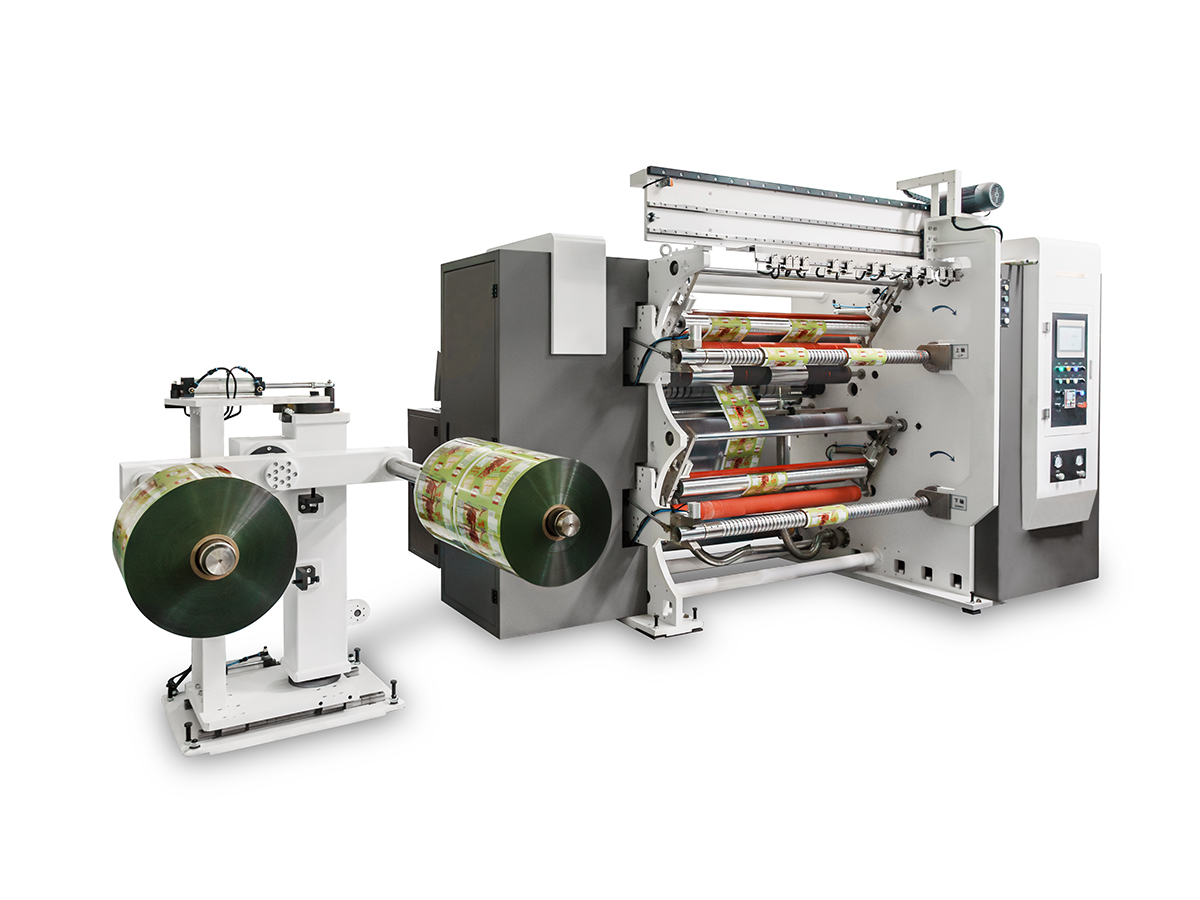
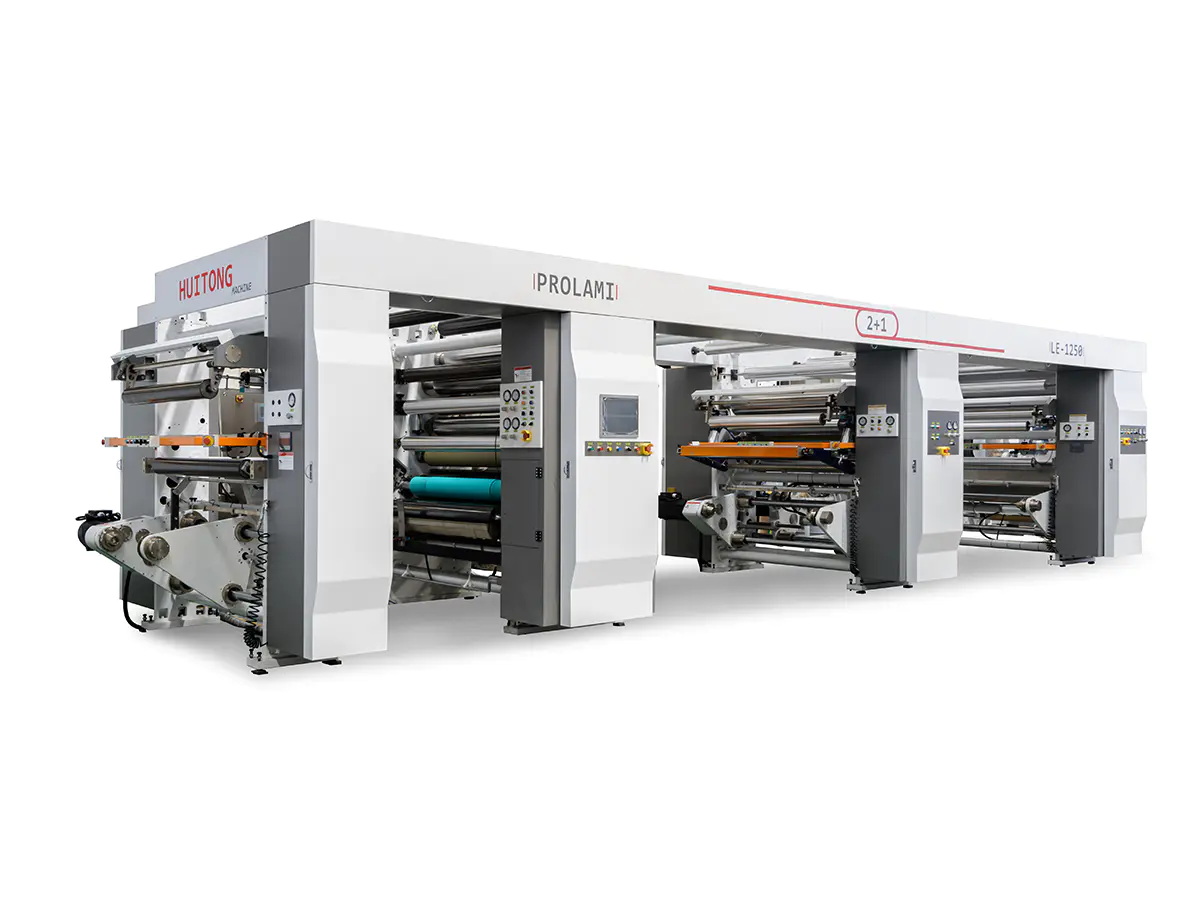
The global advancement of flexible packaging, decorative laminates, and specialty film production continues to push industrial printing toward higher efficiency and uncompromised quality. Among all printing technologies used today, the high speed rotogravure printing machine stands out for its ability to deliver consistent image density, fine tonal reproduction, and long-run stability. As production lines are increasingly required to operate at elevated web speeds—often exceeding several hundred meters per minute—manufacturers and converters must confront two core challenges that directly govern print quality: ink control and web tension optimization.
Ink management determines the accuracy of color reproduction, drying performance, adhesion to substrates, and overall print uniformity. Tension control governs register accuracy, substrate stability, and defect mitigation. In high-speed operations, even slight deviations in ink viscosity or tension can escalate into severe print defects, material waste, or downstream processing complications.
Ink control is not merely a material-handling requirement; it is a foundational discipline in rotogravure printing, affecting every stage from color deposit to drying efficiency. In a high speed rotogravure printing machine, ink consistency determines how well the engraved cells transfer pigment onto substrates such as BOPP, PET, PVC, or paper.
Rotogravure inks must flow effectively into engraved cells and release with predictable density. High-speed conditions increase shear forces, which influence ink viscosity and create a dynamic rheological environment. If viscosity drifts, even by a small margin, several outcomes may arise:
These consequences emphasize the fundamental need for real-time viscosity tracking. In modern machines, optical sensors, ultrasonic detectors, and conductive probes are integrated into the ink management loop, enabling continuous compensation for temperature fluctuation and solvent evaporation.
Ink circulation units play a critical role in maintaining homogeneity. Contemporary designs prioritize:
Automation ensures ink conditioning maintains equilibrium throughout the printing cycle, enabling operators to reduce manual adjustments and achieve smoother production runs.
High-speed drying is essential for avoiding residual tack, blocking, or retort failure in packaging applications. Ink control systems increasingly integrate solvent measurement technology to maintain ideal evaporation rates. Proper solvent balance supports:
These variables collectively reinforce the importance of synchronized ink-drying integration within the machine’s overall process architecture.
While ink stability governs color behavior, tension stability dictates substrate behavior. The high speed rotogravure printing machine relies on controlled unwinding, stable infeed, synchronized printing, and precise rewinding to maintain register and avoid defects.
Tension fluctuations can cause:
These issues become more acute as line speed increases. In flexible packaging lines, tension variation of even 1–2% can destabilize print uniformity across multiple units.
Modern systems use load cells, dancer rolls, laser sensors, and servo-driven actuators to maintain tension. Closed-loop algorithms continuously adjust based on real-time web characteristics. This enables:
In particular, servo-driven rewind and unwind units have become critical for achieving ultra-stable tension performance across various substrates.
Different machine zones handle tension differently:
| Machine Section | Tension Objective | Key Challenges | Control Mechanisms |
|---|---|---|---|
| Unwind Unit | Maintain initial uniform tension | Eccentric roll shape, splice transitions | Load cells, brake motors, auto-centering |
| Infeed & Stabilizer | Deliver smooth web to print units | Film memory, micro-wrinkling | Dancer arms, servo rolls |
| Print Units | Hold precise register | Cylinder imbalance, speed fluctuation | Servo-sync, individual unit control |
| Dryer Section | Prevent substrate shrink or sag | Heat exposure, air turbulence | Zoned tension control |
| Rewind Unit | Create stable finished rolls | Roll hardness, taper tension | Servo rewind, taper algorithms |
Such distribution ensures that tension remains harmonized across all machine components.
When ink control and tension control operate in isolation, the production line becomes vulnerable to errors. The new generation of high speed rotogravure printing machine platforms integrate these systems into shared data ecosystems, enabling cross-functional synchronization.
Automation suites now incorporate:
These tools allow the machine to respond proactively rather than merely reacting to variations.
Machine control architecture increasingly relies on synchronized high-frequency communication to integrate:
Unified systems reduce the latency that used to complicate real-time correction in earlier machines.
Advances in mechanical engineering complement automated systems, including:
Such improvements support higher speeds without compromising accuracy.
Operational discipline remains indispensable, regardless of technological sophistication.
Operators should adopt procedures such as:
Such practices maintain repeatability across different production runs.
Key guidelines include:
Preparation consistency directly influences print uniformity.
Ink consistency and transfer efficiency depend heavily on mechanical interaction. Regular checks should target:
Improper conditions can disrupt ink film thickness and generate streaks or static chatter.
Tension optimization requires both mechanical precision and automated control awareness.
Periodic roller calibration ensures:
Calibration also minimizes static, drag, and web friction.
Different materials behave differently under tension. Best practices include:
Poor conditioning can destabilize tension even in well-controlled systems.
Controlled acceleration and deceleration reduce:
Modern machines automate these transitions, but operator oversight still plays a vital role.
Ink control and tension optimization form the operational core of every high speed rotogravure printing machine. As industrial printing moves toward higher automation, greater accuracy, and more environmentally responsible practices, the interaction between ink behavior and substrate dynamics will continue to dictate production quality. Through advanced monitoring systems, precise mechanical design, and intelligent process integration, manufacturers and converters gain the ability to stabilize high-speed production environments and deliver consistent, high-fidelity results across a wide range of printing applications.
Ink viscosity affects how well ink fills and exits the engraved cells of the cylinder. Stable viscosity ensures consistent density, sharp image reproduction, and uniform color balance.
Tension variations may arise from mechanical imbalance, substrate inconsistencies, temperature changes, or improper setup of unwind, infeed, or rewind sections.
Automation significantly reduces manual intervention, but skilled operators remain essential for overseeing critical situations, validating settings, and responding to unexpected material behavior.
Films, papers, and laminates respond differently to stretching, heat, and mechanical pressure. Each substrate requires tailored tension parameters to avoid defects.
AI-based predictive maintenance, eco-friendly ink systems, enhanced real-time sensing, and hybrid print-digital configurations will shape the future of rotogravure production processes.
Contact Us
Recommended Products
Joining Hands With Huitong
Customize Your Flexible Packaging Equipment Solution
Inquire now
Products
contact us

Tel: +86-0510-86328508
+86-0510-86324508
Mob: +86-13914908980
Email: [email protected]
ADD: No. 429 Xizhang Road, Gushan Town, Jiangyin City, Jiangsu Province, China

 English
 русский
 Español
 عربى
عربى