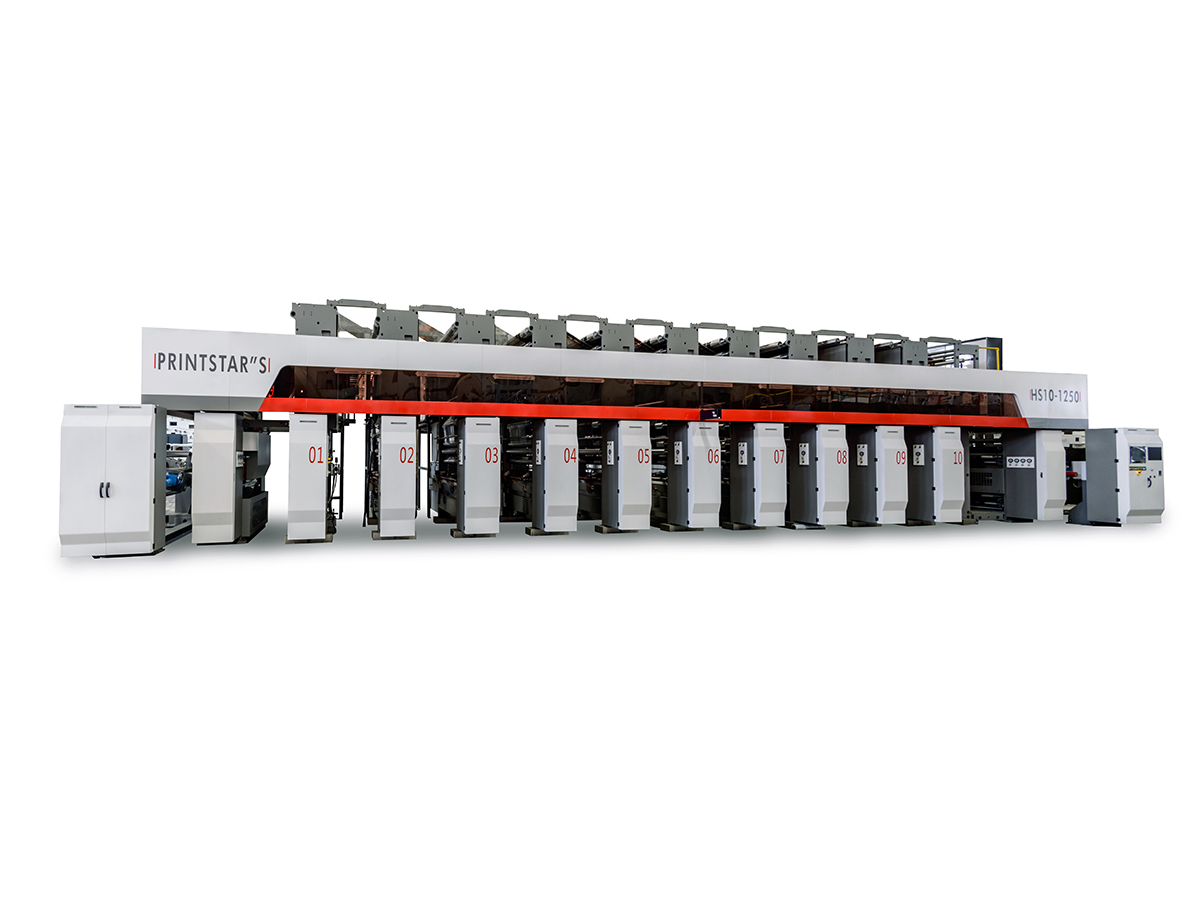
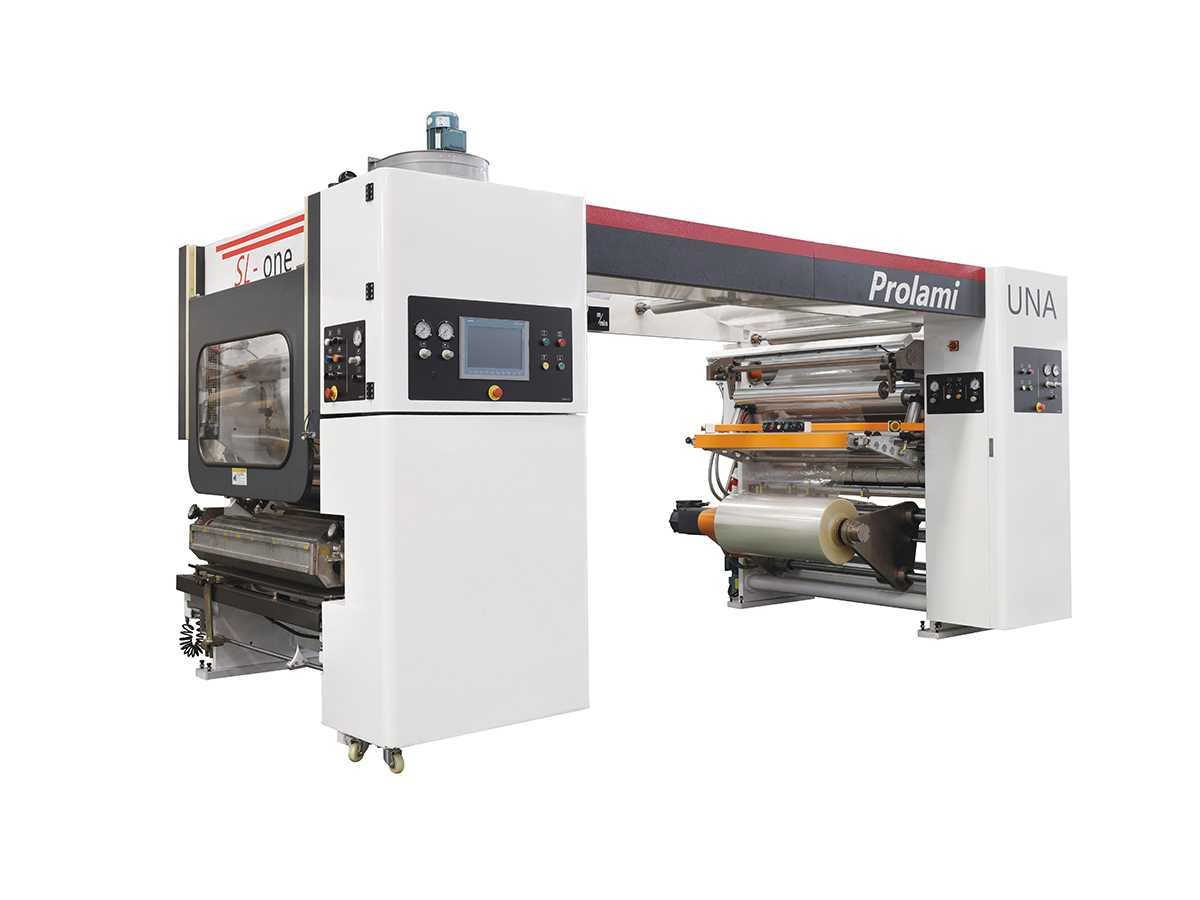
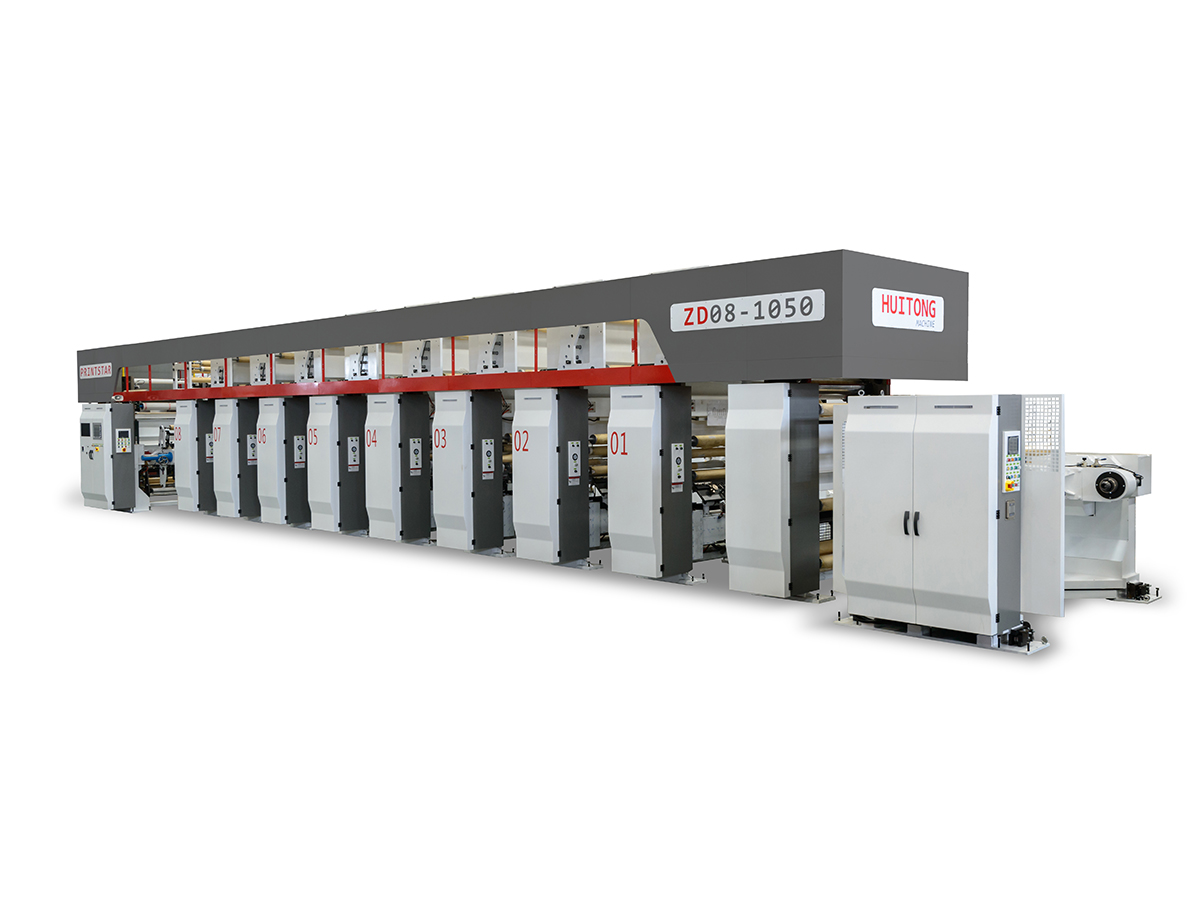
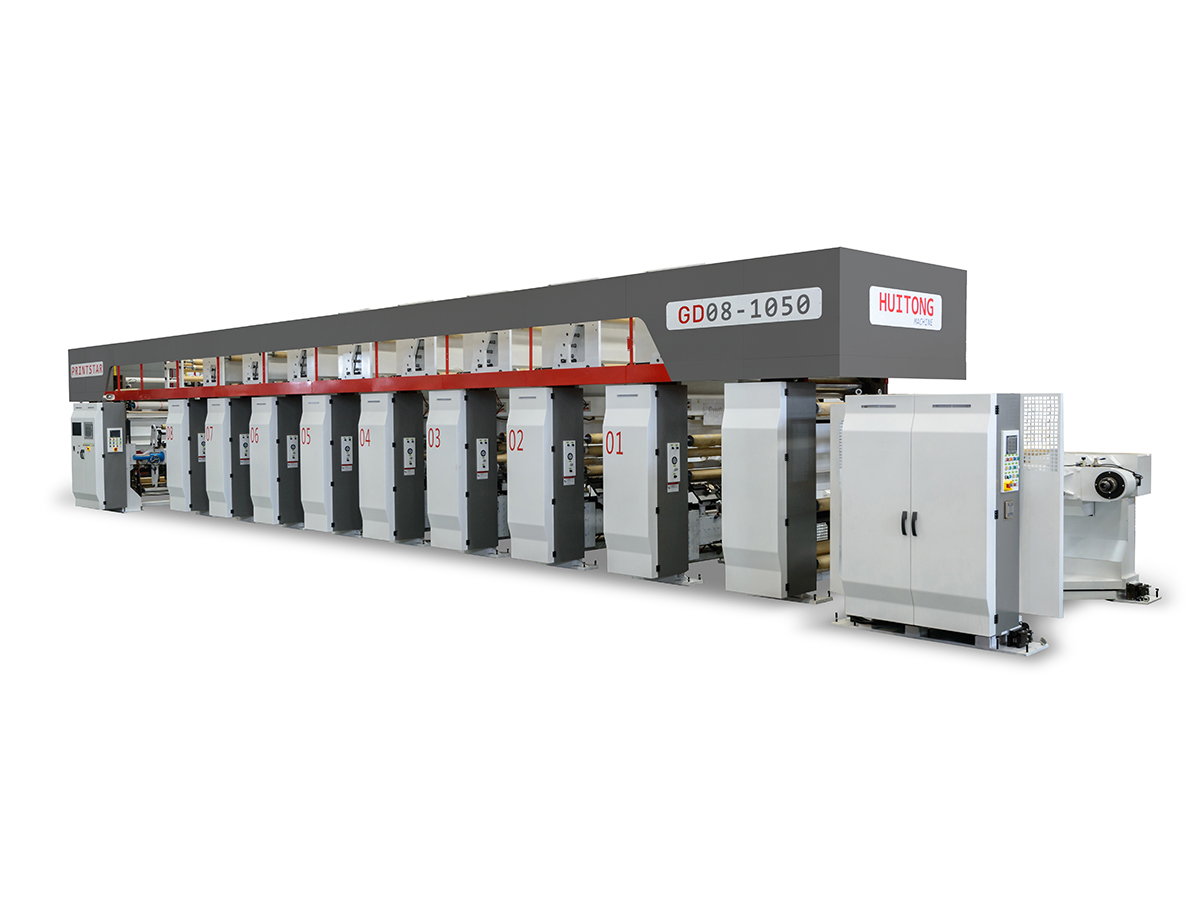
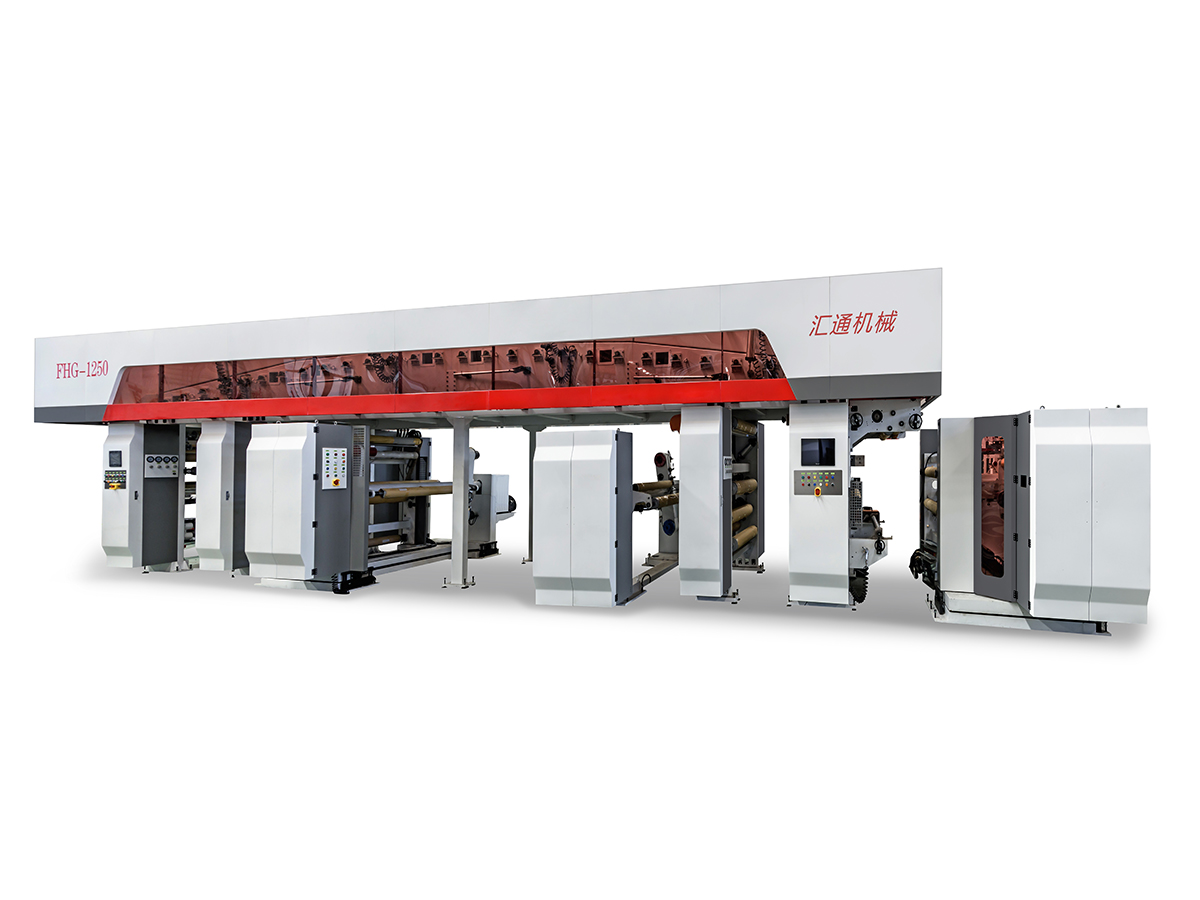
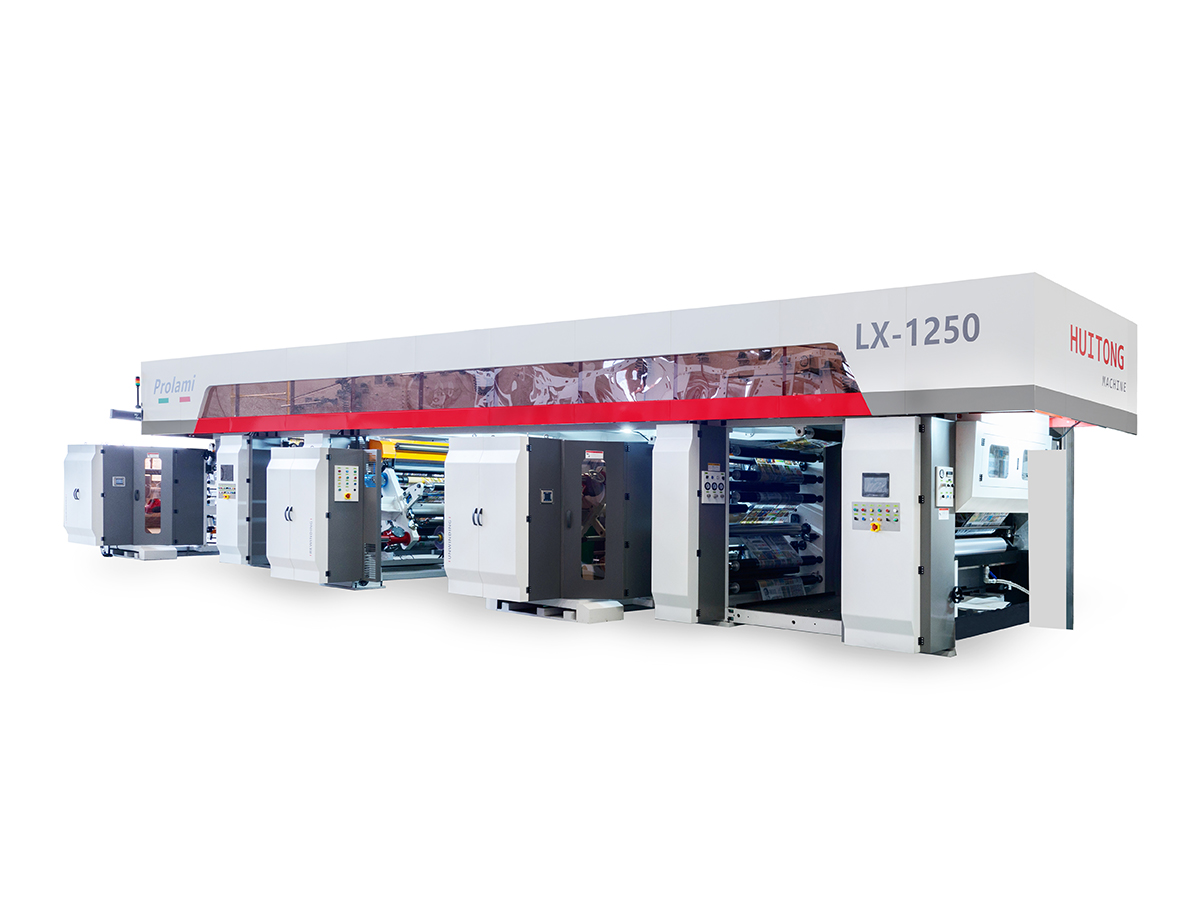
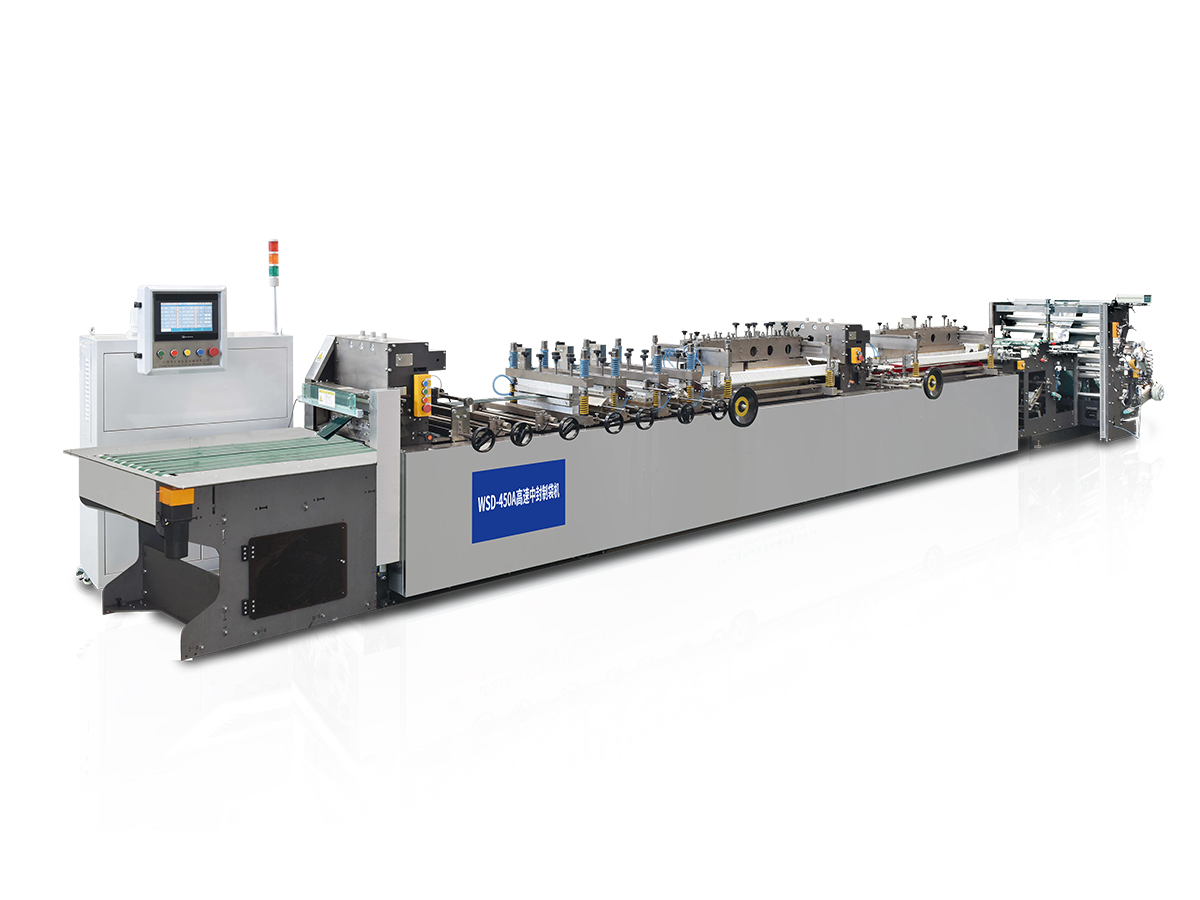
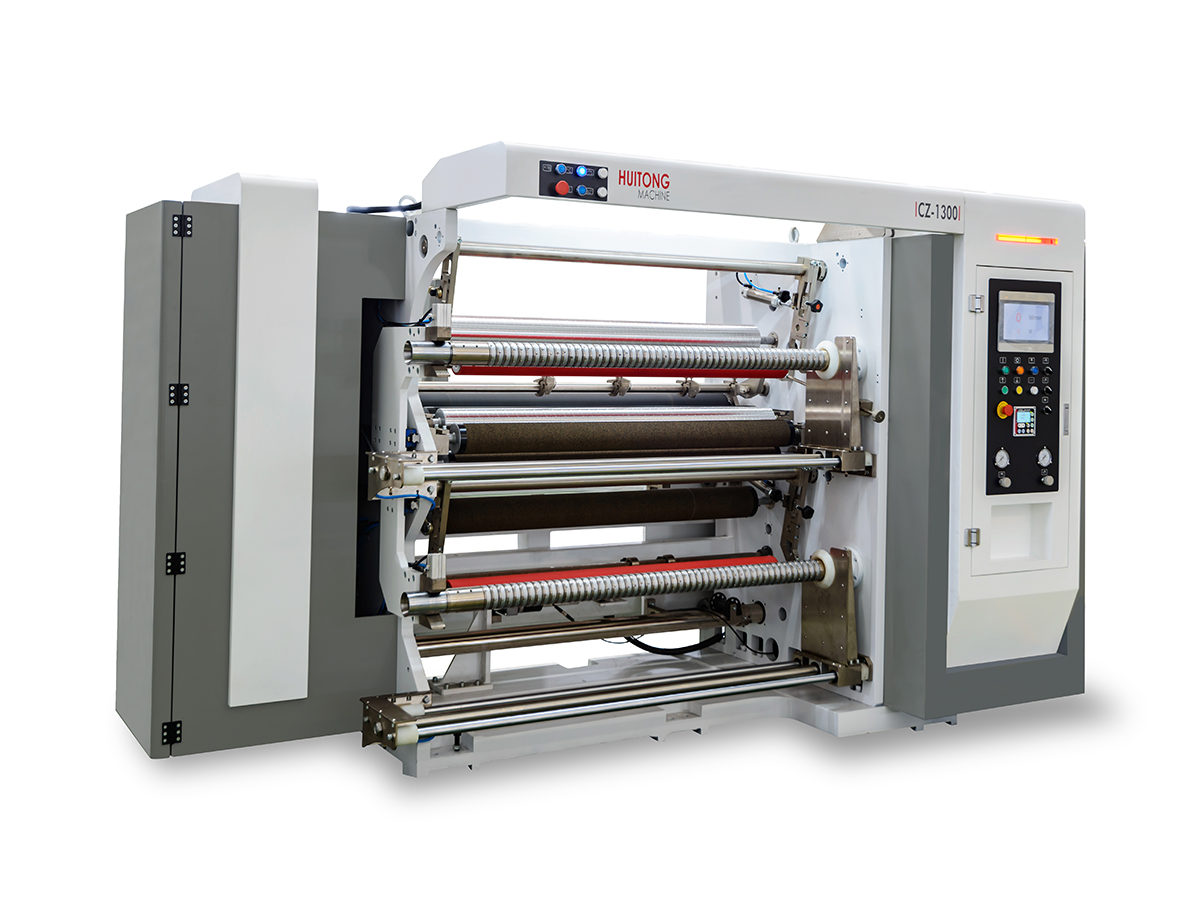
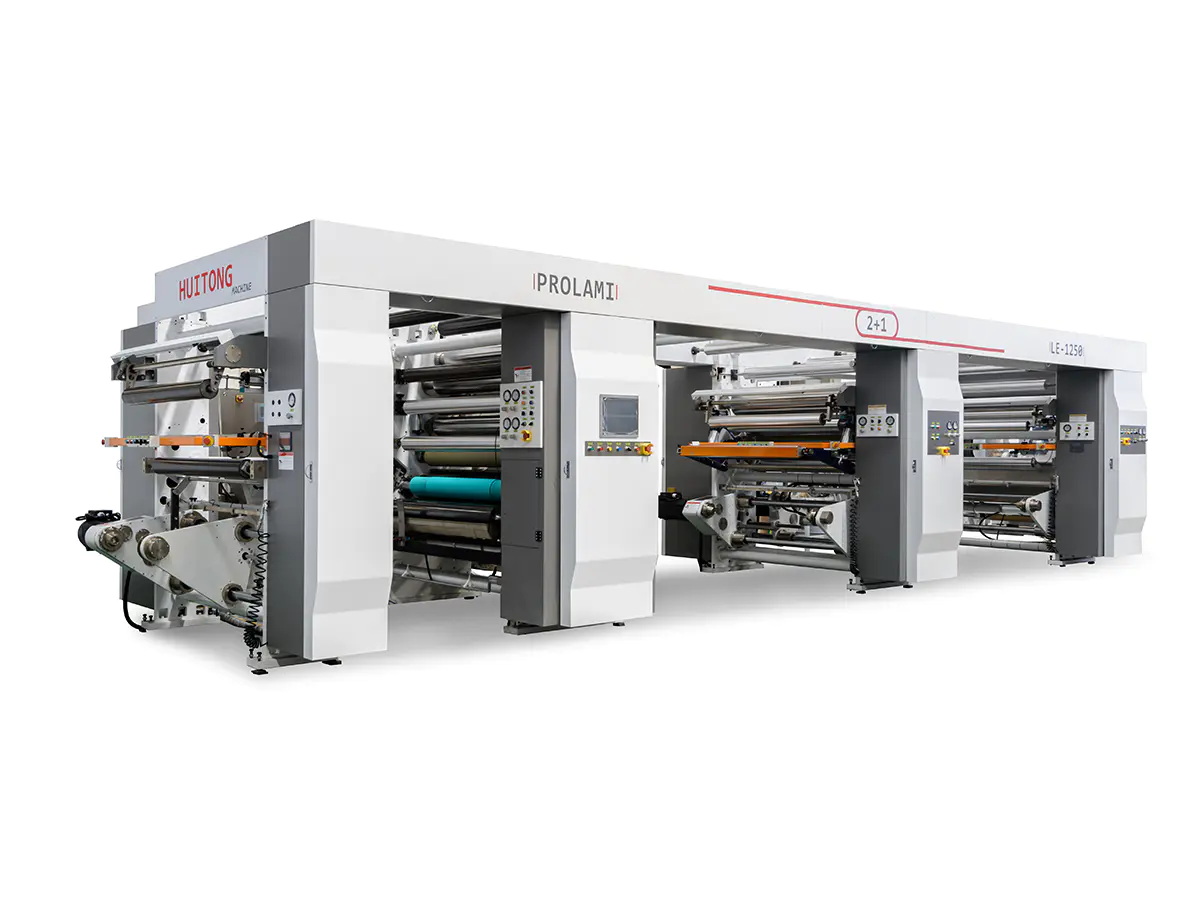
In recent years, flexible packaging has become one of the dynamic segments of the global packaging industry. Driven by changing consumer preferences, sustainability considerations, and the need for efficient logistics, flexible packaging is now widely used across food, beverage, pharmaceutical, personal care, and industrial sectors. At the center of this transformation lies flexible packaging equipment—the machinery that enables manufacturers to convert raw materials into functional, attractive, and market-ready flexible packages.
Flexible packaging equipment refers to a category of industrial machinery designed to produce, process, fill, seal, and finish packaging made from flexible materials. These materials typically include plastic films, paper, aluminum foil, or multilayer laminates that can bend, fold, or stretch without losing integrity.
Unlike rigid packaging systems, flexible packaging relies on precision-controlled processes that handle lightweight and often delicate materials. The equipment must ensure consistency, hygiene, and efficiency while supporting high-speed production.
From an industry perspective, flexible packaging equipment is not a single machine but a coordinated system. It may include film unwinding units, forming mechanisms, filling stations, sealing modules, cutting devices, and inspection components. Together, these elements transform flat or rolled materials into finished packages such as pouches, sachets, bags, and wraps.
The growing adoption of flexible packaging is closely tied to its functional and economic advantages. Flexible packages typically require less material than rigid alternatives, reducing transportation costs and storage space. They also offer strong barrier properties against moisture, oxygen, and light, helping to extend product shelf life.
Flexible packaging equipment enables manufacturers to capitalize on these benefits by offering scalable production, fast changeovers, and compatibility with a wide range of products. As production lines become more automated, the equipment increasingly integrates digital controls and monitoring systems, aligning with broader trends in smart manufacturing.
Although configurations vary by application, flexible packaging equipment systems share several core components. Understanding these elements helps clarify how the equipment functions as a whole.
This system holds and feeds rolls of flexible material into the machine. Precise tension control is essential to prevent wrinkles, misalignment, or tearing. Advanced equipment may include automatic roll splicing to maintain continuous operation.
The forming section shapes the flat material into a three-dimensional structure. Depending on the package type, this may involve folding, shaping around a forming tube, or creating gussets and contours.
The filling unit dispenses the product into the formed package. It can be designed for liquids, powders, granules, or solid items. Accuracy and cleanliness are critical, especially in food and pharmaceutical applications.
Sealing is one of the critical steps. Heat sealing, ultrasonic sealing, or pressure-based methods are used to close the package securely. The seal must be strong enough to protect the contents while remaining easy to open for the end user.
After sealing, the packages are cut to size and discharged for further handling. This stage may include perforation, trimming, or stacking, depending on downstream requirements.
The operation of flexible packaging equipment follows a logical and repeatable workflow. While machine designs differ, the general process remains consistent across applications.
Material Loading
Flexible material rolls are mounted onto the unwinding system. Sensors ensure correct alignment and tension before the material enters the production line.
Material Forming
The flat material is guided through forming tools that shape it into the desired package structure. This step defines the package’s dimensions and overall appearance.
Product Filling
The filling unit introduces the product into the formed package. The timing of filling is synchronized with material movement to avoid spillage or contamination.
Sealing and Closure
Sealing jaws or plates close the package using controlled heat, pressure, or vibration. This step ensures product protection and package integrity.
Cutting and Output
Individual packages are separated from the continuous material and transferred to the output system for inspection, packing, or secondary processing.
This streamlined process allows flexible packaging equipment to operate at high speeds while maintaining consistent quality.
Flexible packaging equipment can be categorized based on function, structure, or end-use application. The following table outlines common equipment types and their primary characteristics.
| Equipment Type | Typical Package Formats | Key Features | Common Applications |
|---|---|---|---|
| Vertical form fill seal systems | Sachets, pillow bags | Compact design, high speed | Food, powders, granules |
| Horizontal form fill seal systems | Pouches, wraps | Precise handling of flat products | Confectionery, medical items |
| Pouch making machines | Stand-up pouches, zipper pouches | Flexible design options | Retail, consumer goods |
| Filling and sealing machines | Pre-made pouches | High accuracy filling | Liquids, sauces, detergents |
| Wrapping machines | Flow wraps, overwraps | Tight seals, visual appeal | Snacks, personal care |
Each type of equipment serves a specific role within the flexible packaging ecosystem. Selection depends on product characteristics, output requirements, and operational constraints.
Flexible packaging equipment supports a wide range of industries, each with unique technical and regulatory requirements.
In the food sector, flexible packaging equipment must meet strict hygiene standards while maintaining production efficiency. Equipment is often designed for easy cleaning and material compatibility with food-grade films. Packaging formats such as pouches and sachets are widely used for snacks, condiments, and beverages.
Precision and compliance are paramount in pharmaceutical applications. Flexible packaging equipment used in this sector emphasizes accurate dosing, contamination prevention, and traceability. Packaging formats often include unit-dose sachets and protective wraps.
Products such as detergents, cosmetics, and hygiene items benefit from flexible packaging due to its convenience and visual appeal. Equipment in this segment often supports diverse shapes and closures to enhance user experience.
For industrial applications, flexible packaging equipment must handle heavier materials and provide strong seals. Durability and chemical resistance are key considerations in equipment design.
When evaluating flexible packaging equipment, manufacturers typically focus on several performance factors that directly affect productivity and cost efficiency.
A balanced combination of these factors determines the long-term value of flexible packaging equipment in an industrial setting.
Modern flexible packaging equipment increasingly incorporates automation technologies. Programmable control systems manage machine functions, monitor performance, and detect faults in real time. Digital interfaces allow operators to adjust parameters such as temperature, speed, and sealing pressure with precision.
Automation not only improves efficiency but also reduces human error. In high-volume production environments, consistent quality depends on stable and repeatable machine operation. Flexible packaging equipment designed with digital control supports these objectives while enabling data-driven optimization.
Q1: What products can be packaged using flexible packaging equipment?
Flexible packaging equipment can handle a wide range of products, including liquids, powders, granules, solids, and consumer goods across food, pharmaceutical, personal care, and industrial sectors.
Q2: How does flexible packaging equipment differ from rigid packaging machinery?
Flexible packaging equipment is designed to process lightweight, bendable materials and typically emphasizes speed, material efficiency, and adaptability, whereas rigid packaging machinery focuses on fixed-shape containers.
Q3: Is flexible packaging equipment suitable for small-scale production?
Yes, many systems are designed with scalable output and flexible changeovers, making them suitable for both small and large production volumes.
Q4: What maintenance is required for flexible packaging equipment?
Routine maintenance includes cleaning, inspection of sealing components, lubrication of moving parts, and periodic calibration to ensure consistent performance.
Contact Us
Recommended Products
Joining Hands With Huitong
Customize Your Flexible Packaging Equipment Solution
Inquire now
Products
contact us

Tel: +86-0510-86328508
+86-0510-86324508
Mob: +86-13914908980
Email: [email protected]
ADD: No. 429 Xizhang Road, Gushan Town, Jiangyin City, Jiangsu Province, China

 English
 русский
 Español
 عربى
عربى