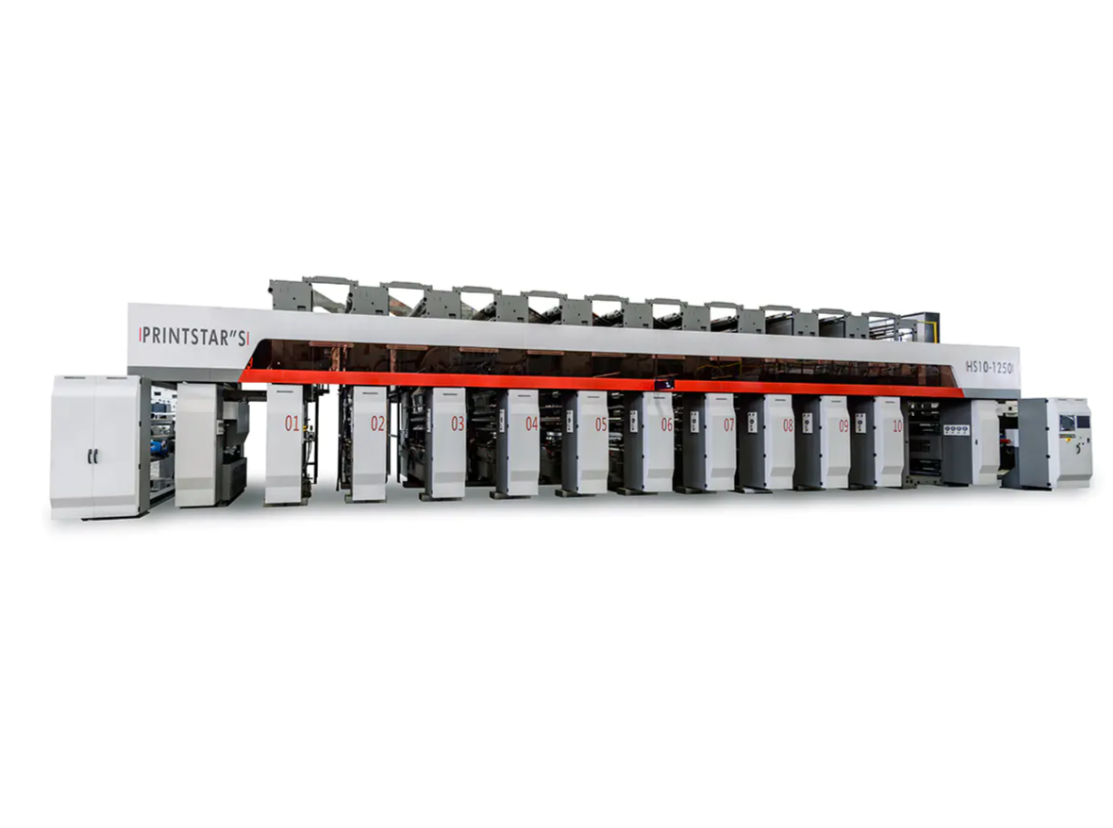
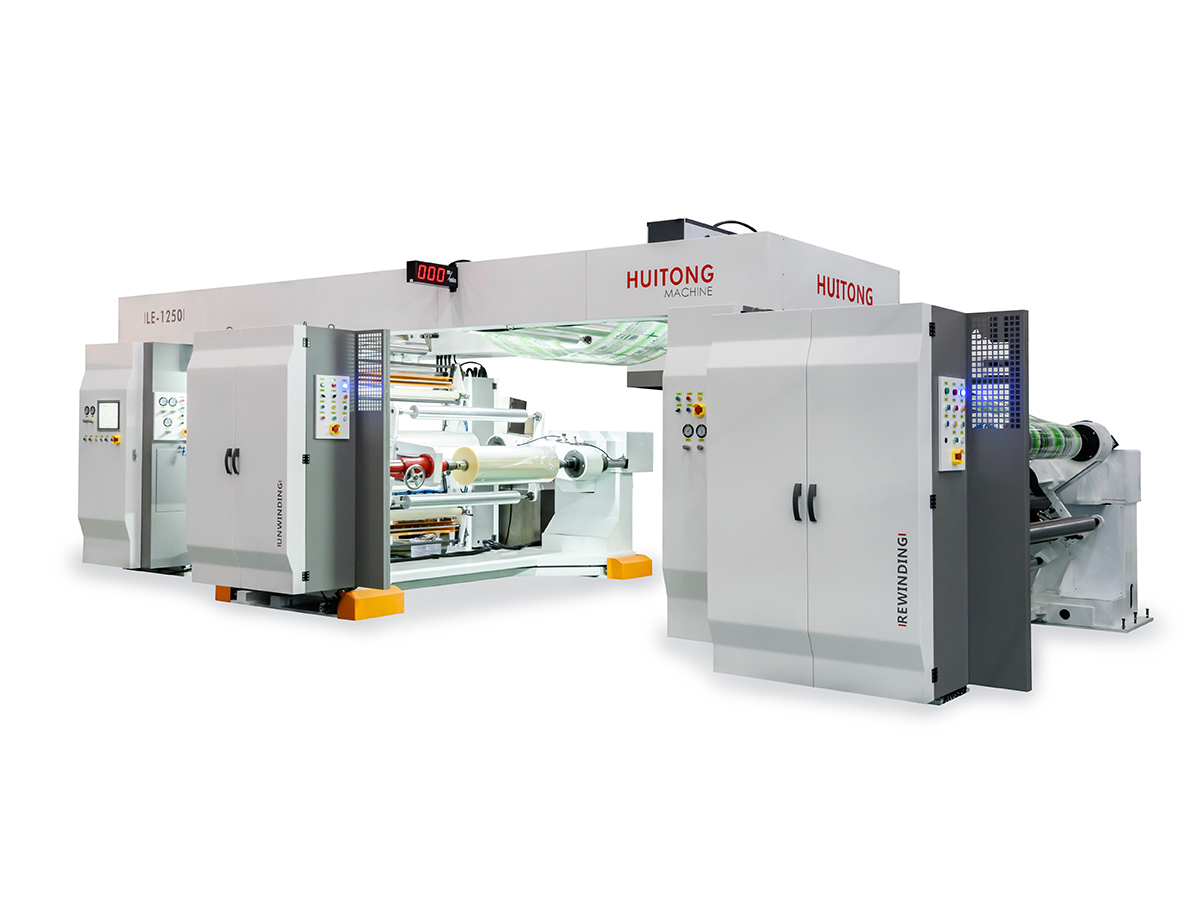
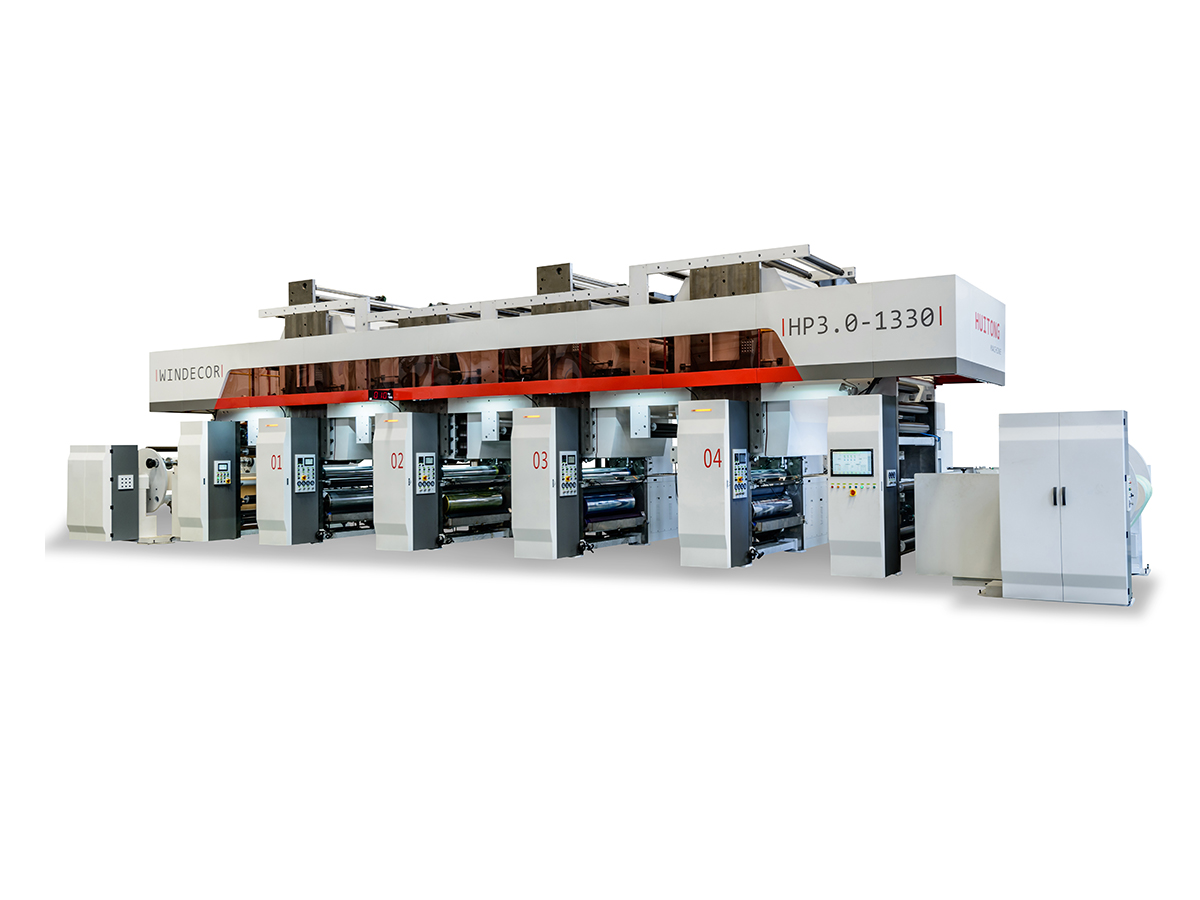
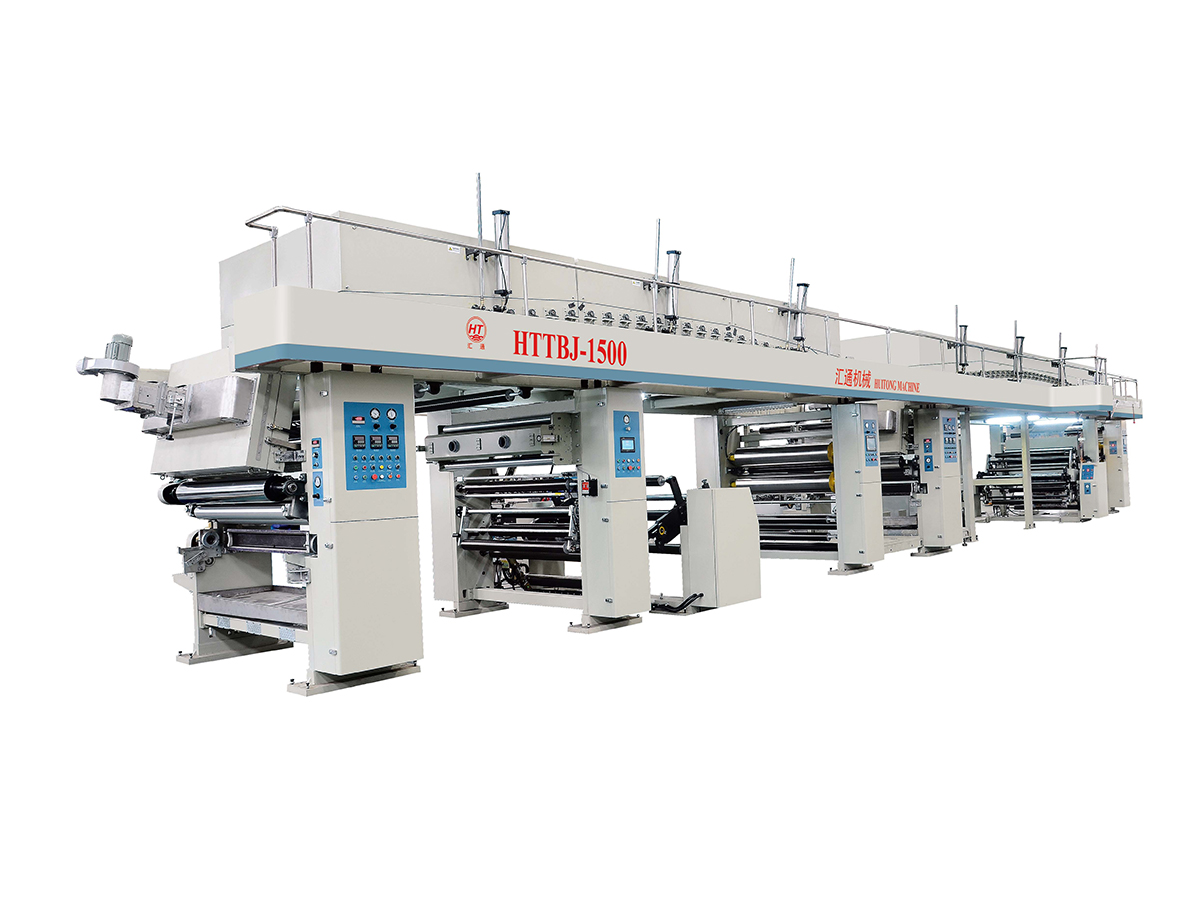
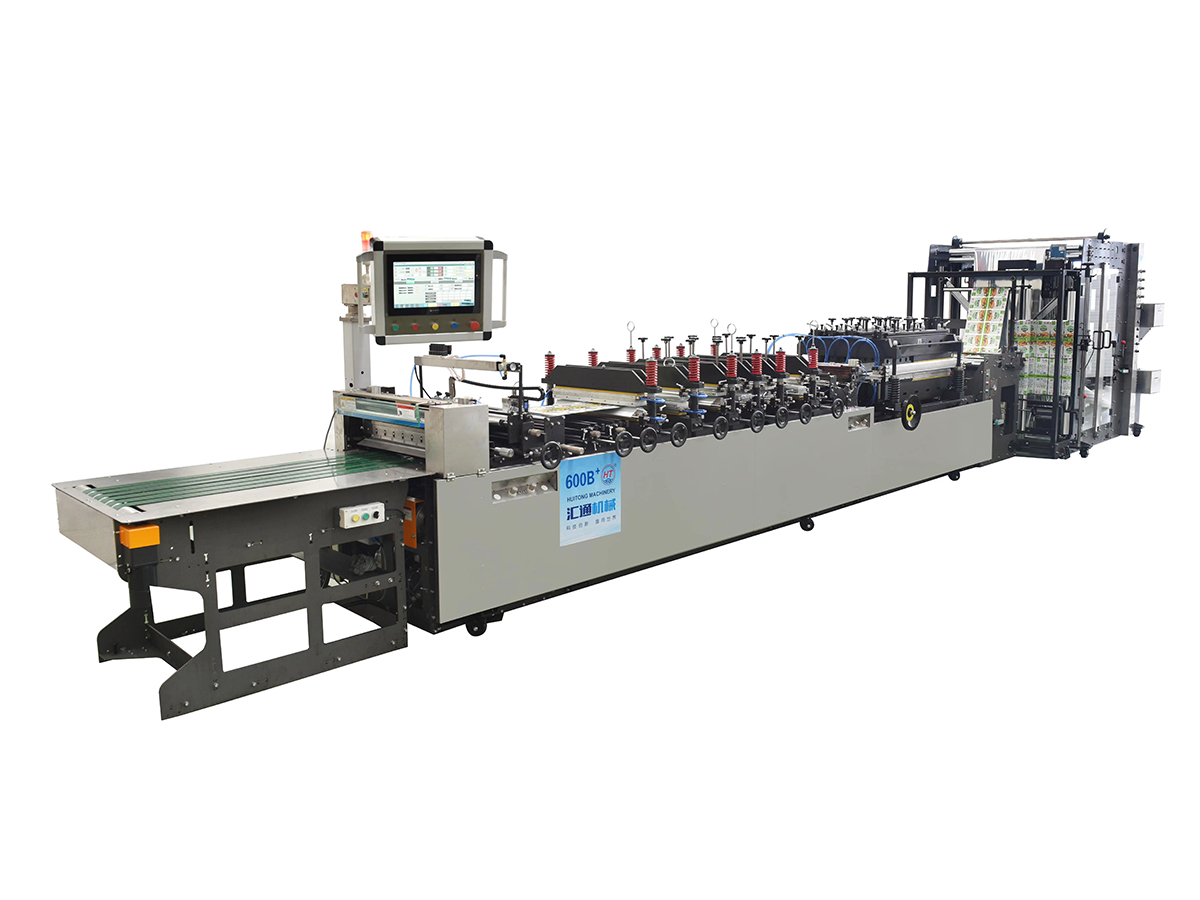
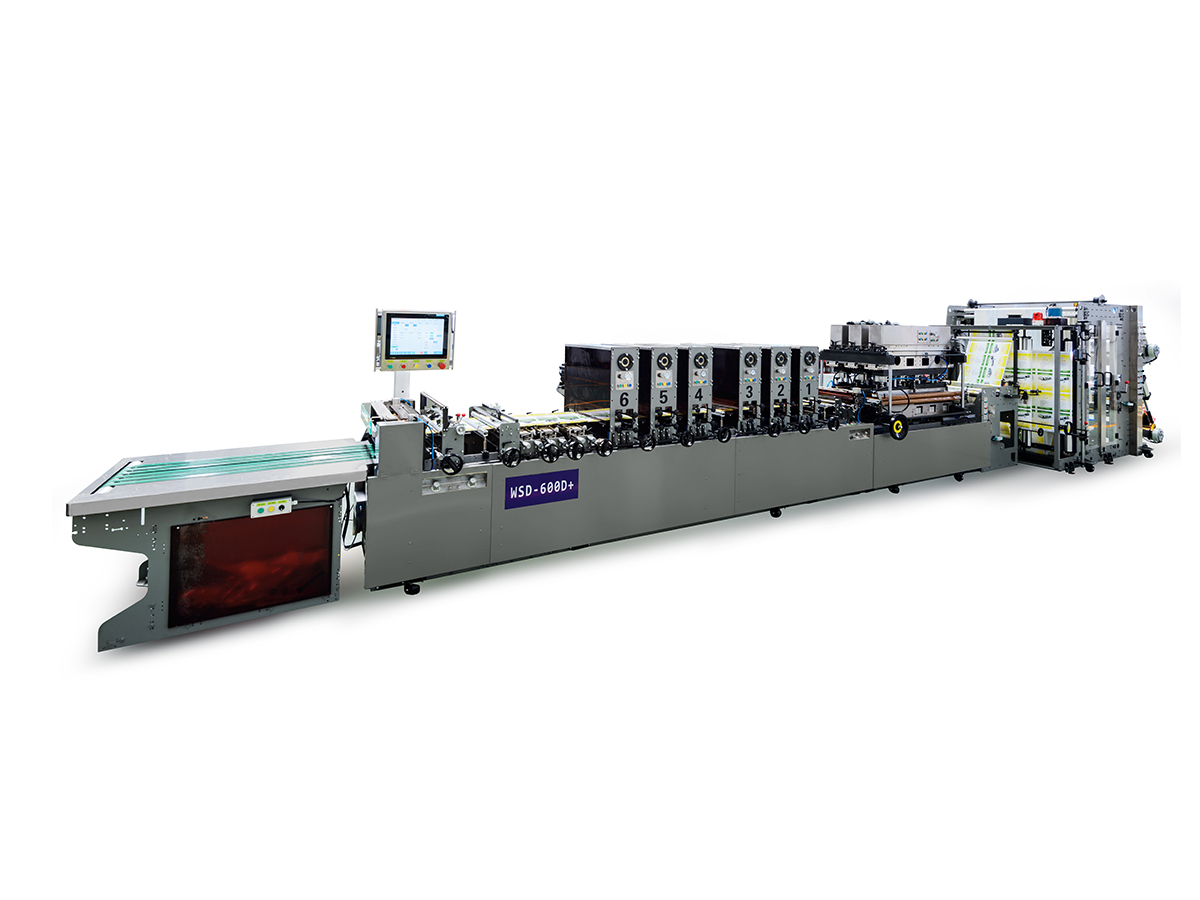
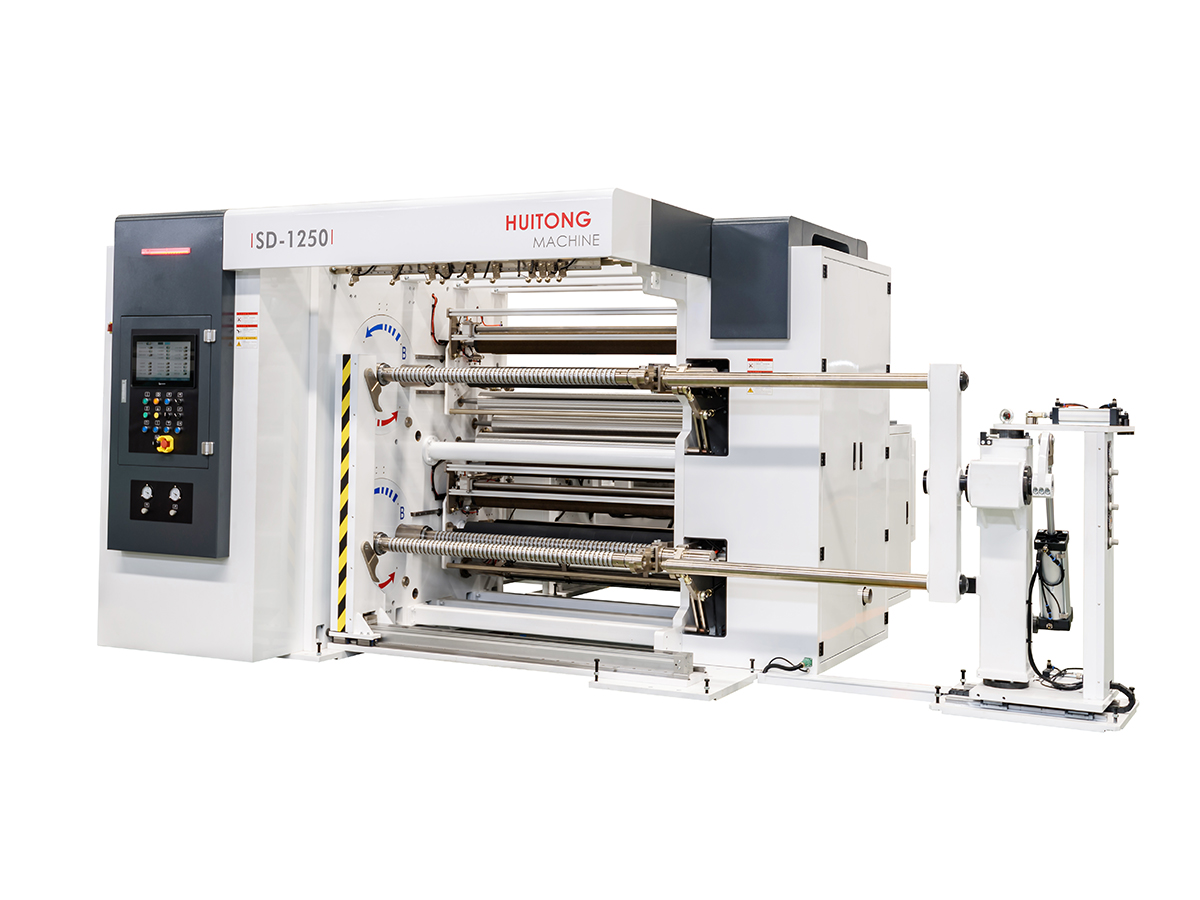
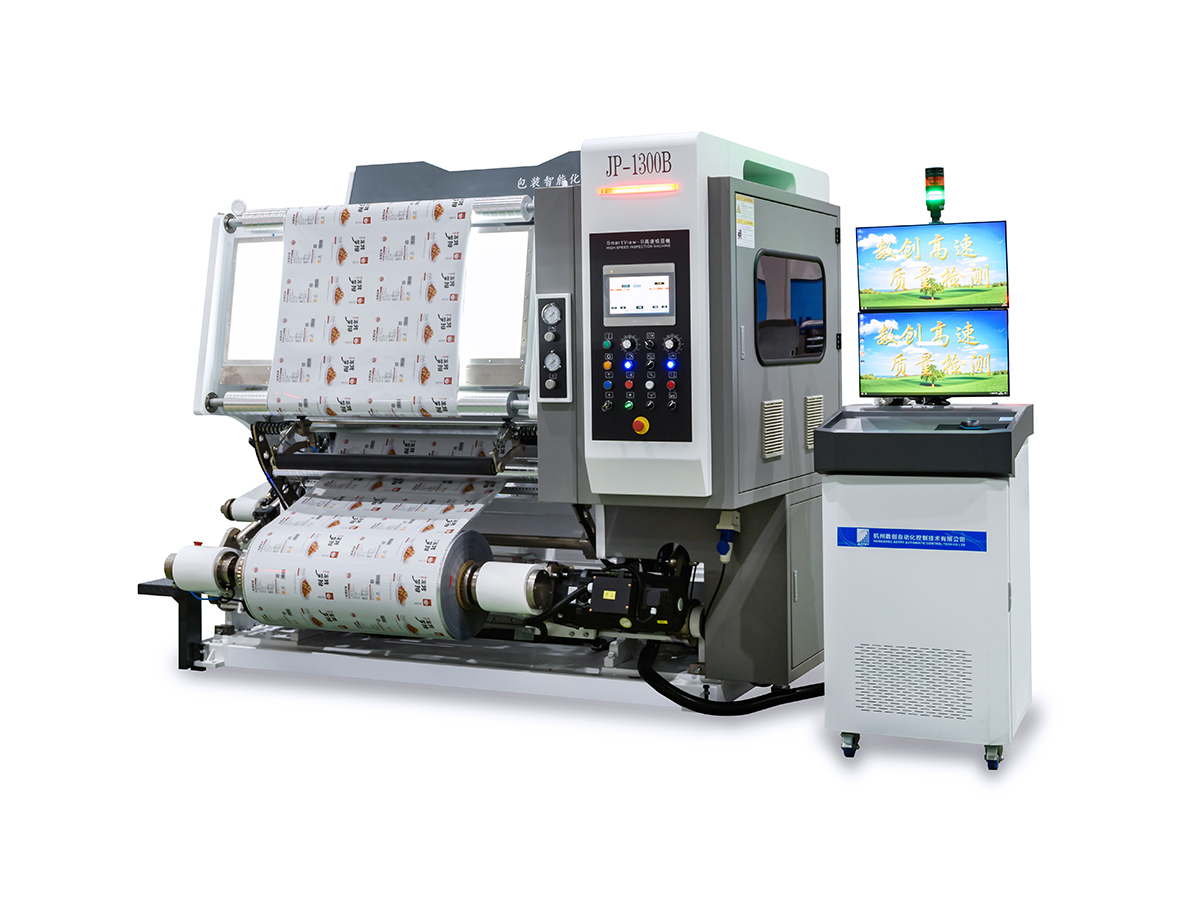
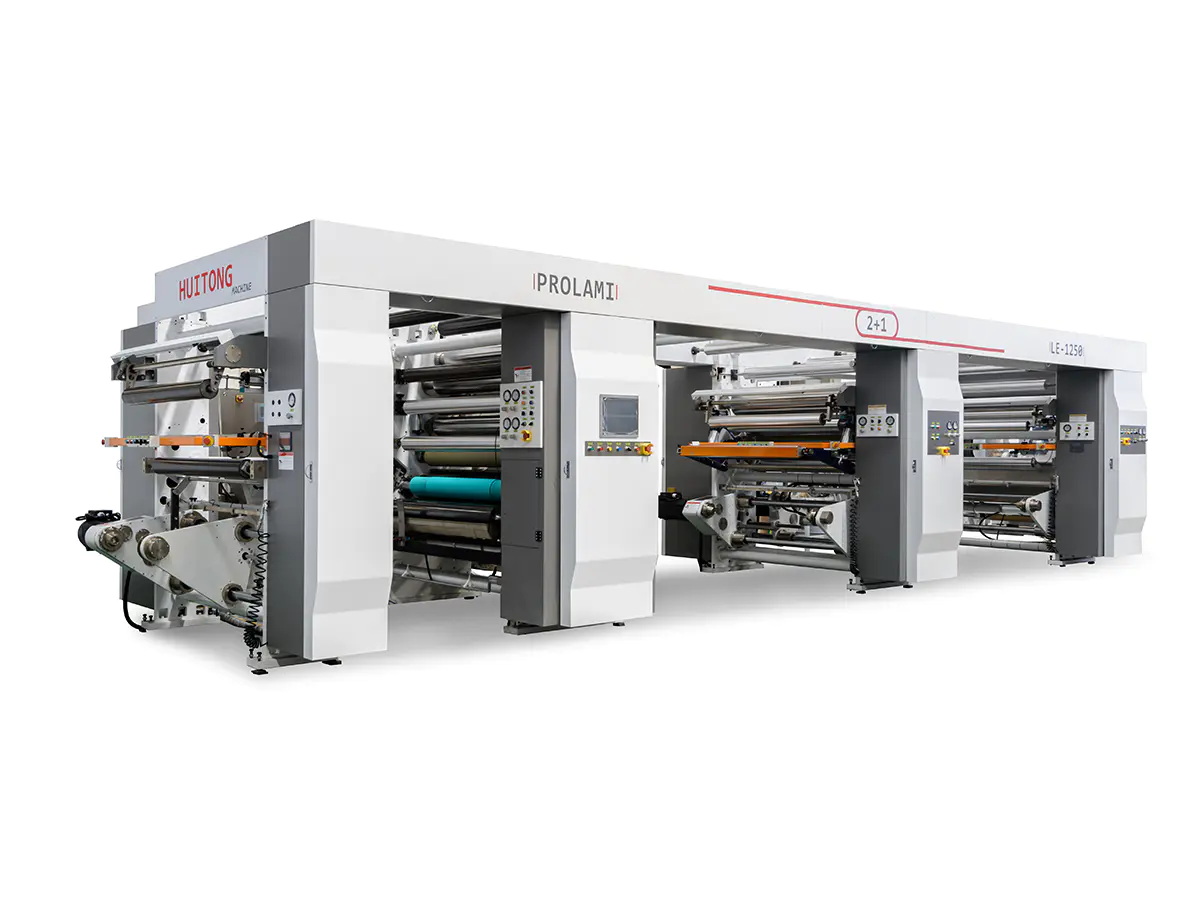
A solventless laminating machine replaces solvent-based bonding with a solvent-free adhesive system, cutting emissions, energy use, and drying time while producing the same multilayer packaging structures manufacturers rely on. This guide covers how the technology works, where it outperforms solvent-based lines, and the specifications buyers should verify before purchase.
A solventless laminating machine bonds two or more flexible substrates using solvent-free adhesive technology, eliminating the solvent evaporation stage that traditional laminators depend on. A complete system integrates an unwinding unit, adhesive mixing system, coating unit, laminating rollers, tension control, rewinding unit, and a curing stage.
Production follows a fixed sequence: material unwinding, two-component adhesive mixing, even coating application, roller-pressed film bonding, chemical curing, and finished laminate rewinding. Because there is no solvent to evaporate, the line runs with fewer processing steps and lower heat input than a solvent-based system.
Buyers switching to a solventless laminating machine typically evaluate five recurring benefits.
Solvent-free adhesive bonding with lower energy consumption, fewer processing steps, and simplified maintenance since there is no exhaust or solvent handling equipment.
Requires solvent evaporation and drying before curing, higher energy demand, and ongoing solvent handling and exhaust maintenance.
| Specification | Why It Matters |
| Maximum web width | Determines compatible material sizes for production runs |
| Laminating speed | Directly affects daily output capacity |
| Adhesive mixing accuracy | Controls bonding strength consistency across the roll |
| Tension control accuracy | Prevents wrinkling or misalignment during bonding |
| Automation level | Impacts labor requirements and production consistency |
Start by defining application requirements — material types, production capacity, and required lamination performance. Then evaluate product performance factors such as maximum working speed, coating accuracy, and automation level. Next, confirm technical specifications including web width, adhesive mixing accuracy, and power requirements. Finally, assess supplier capability: manufacturing experience, engineering support, customization ability, installation service, and technical training.
A qualified solventless laminating machine manufacturer should provide documented coating accuracy and curing performance data for your specific substrate combination, not generic speed ratings alone.
Flexible packaging producers use a solventless laminating machine for snack, beverage, and retort packaging films. Pharmaceutical packaging lines rely on the same solvent-free process for medical pouches and protective barrier materials, while electronics manufacturers apply it to protective films and insulation composites. Industrial film and paper-printing operations use it for barrier films and decorative paper-film composites.
Yes, the absence of residual solvent makes solventless lamination well suited to food-contact and pharmaceutical packaging, where strict material safety standards apply.
Savings depend on line configuration, but eliminating the solvent drying stage removes a major heating load, which is the primary source of energy reduction compared to solvent-based laminators.
Web width varies by manufacturer and machine class, so buyers should confirm the maximum width against their specific packaging film dimensions before ordering.
Properly calibrated solventless systems achieve comparable or stronger bonding, since precise two-component adhesive mixing produces a more uniform coating than many solvent-based processes.
Contact Us
Recommended Products
Joining Hands With Huitong
Customize Your Flexible Packaging Equipment Solution
Inquire now
Products
contact us

Tel: +86-0510-86328508
+86-0510-86324508
Mob: +86-13914908980
Email: [email protected]
ADD: No. 429 Xizhang Road, Gushan Town, Jiangyin City, Jiangsu Province, China

 English
 русский
 Español
 عربى
عربى