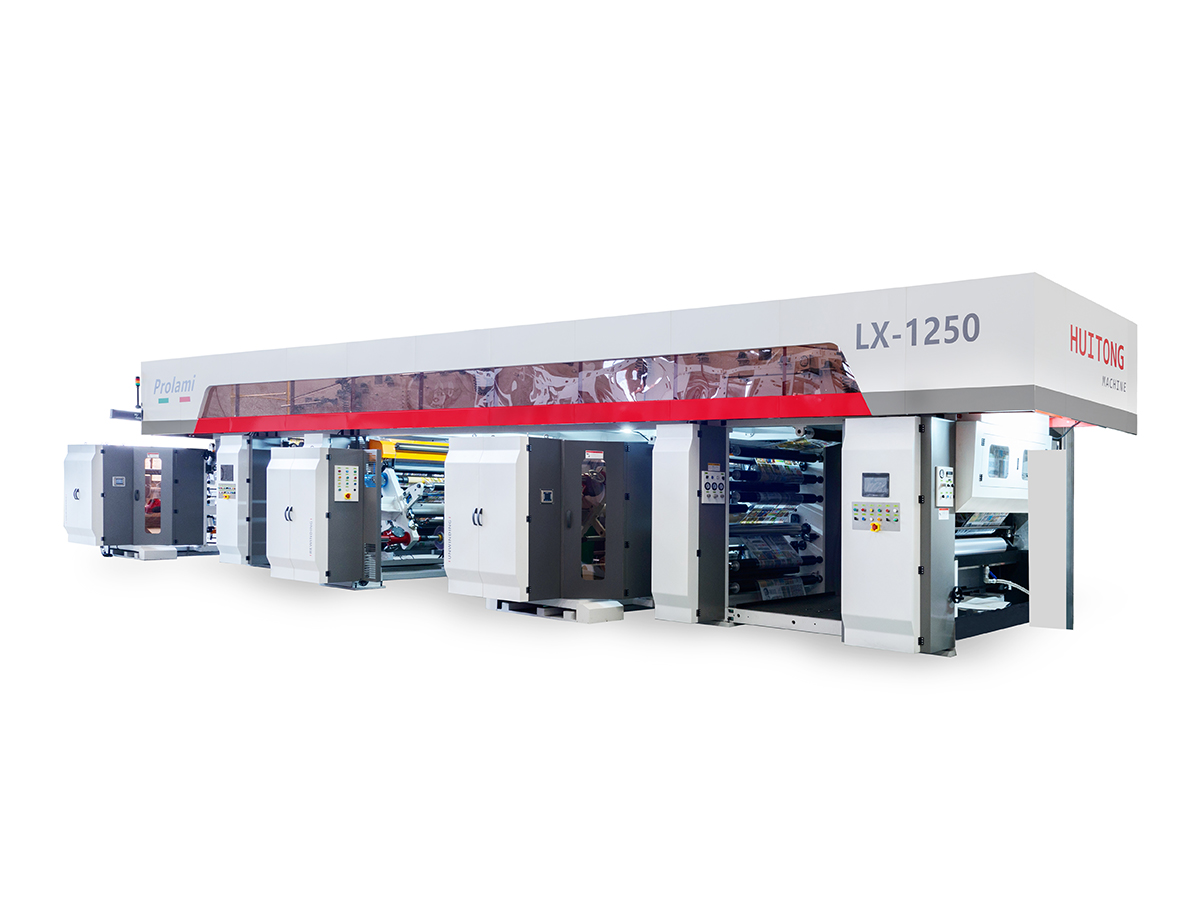
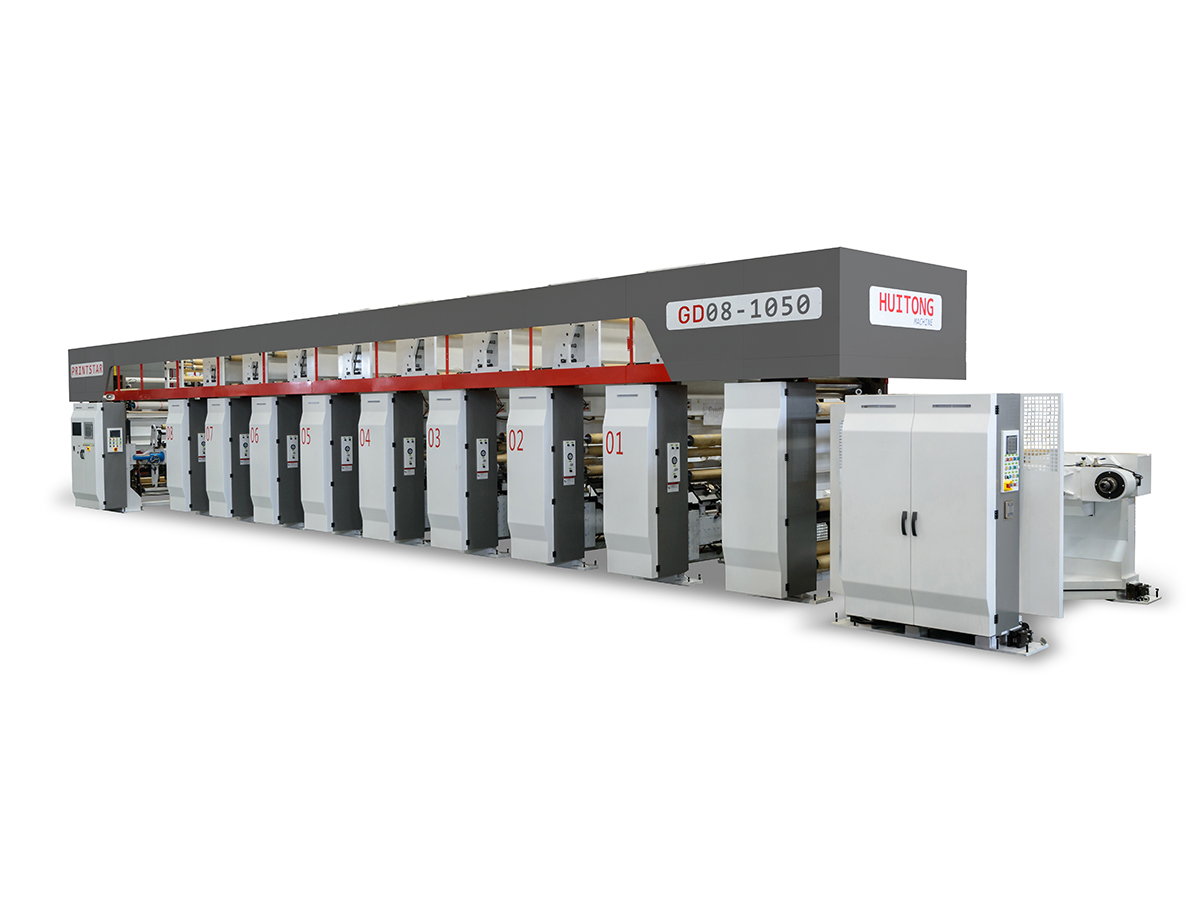
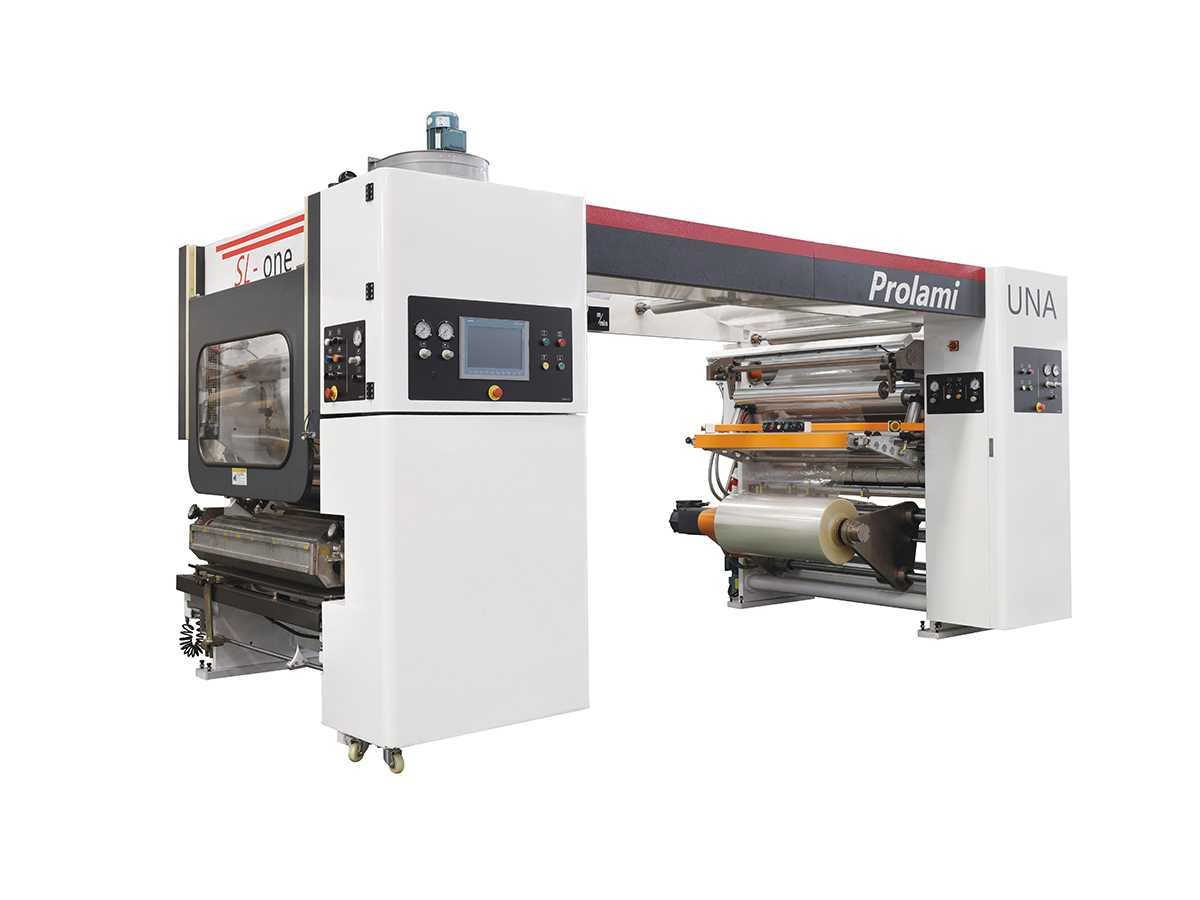
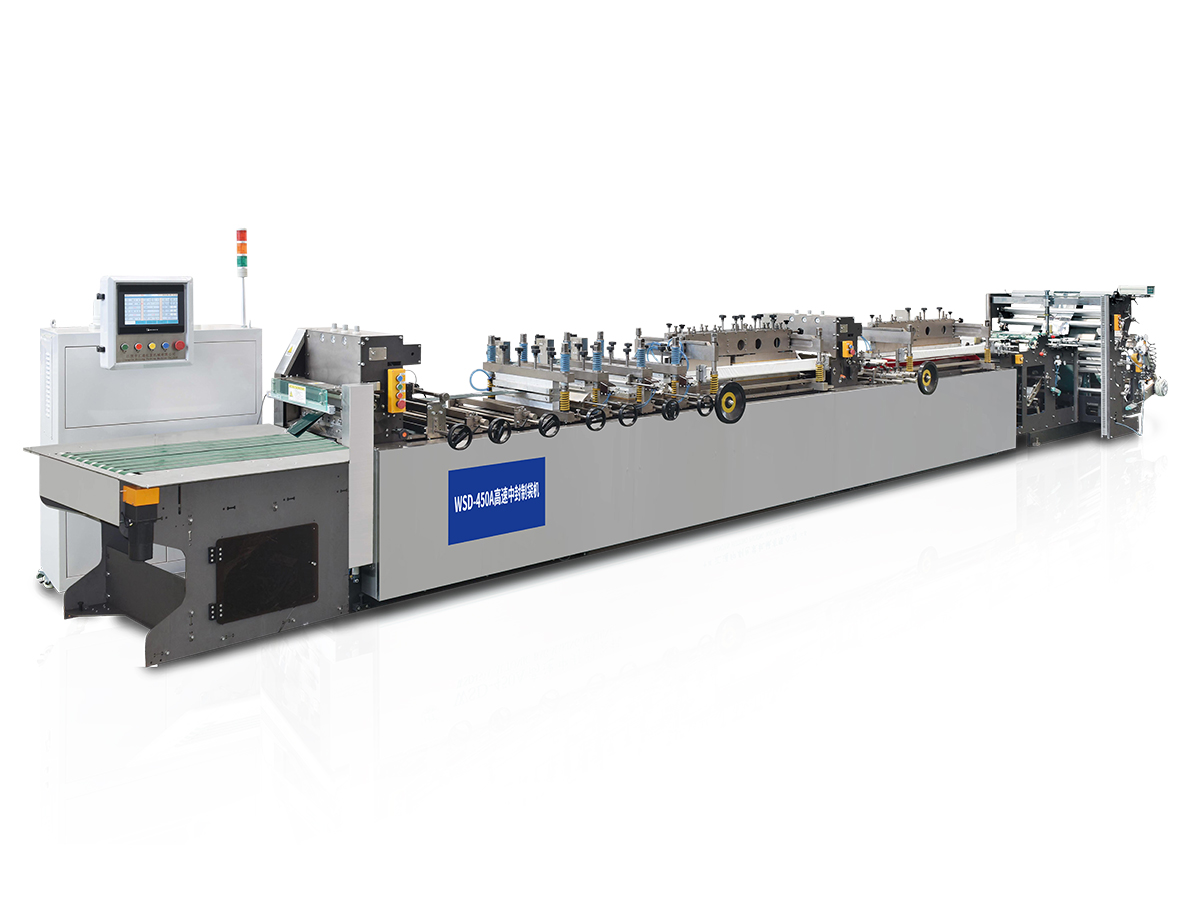
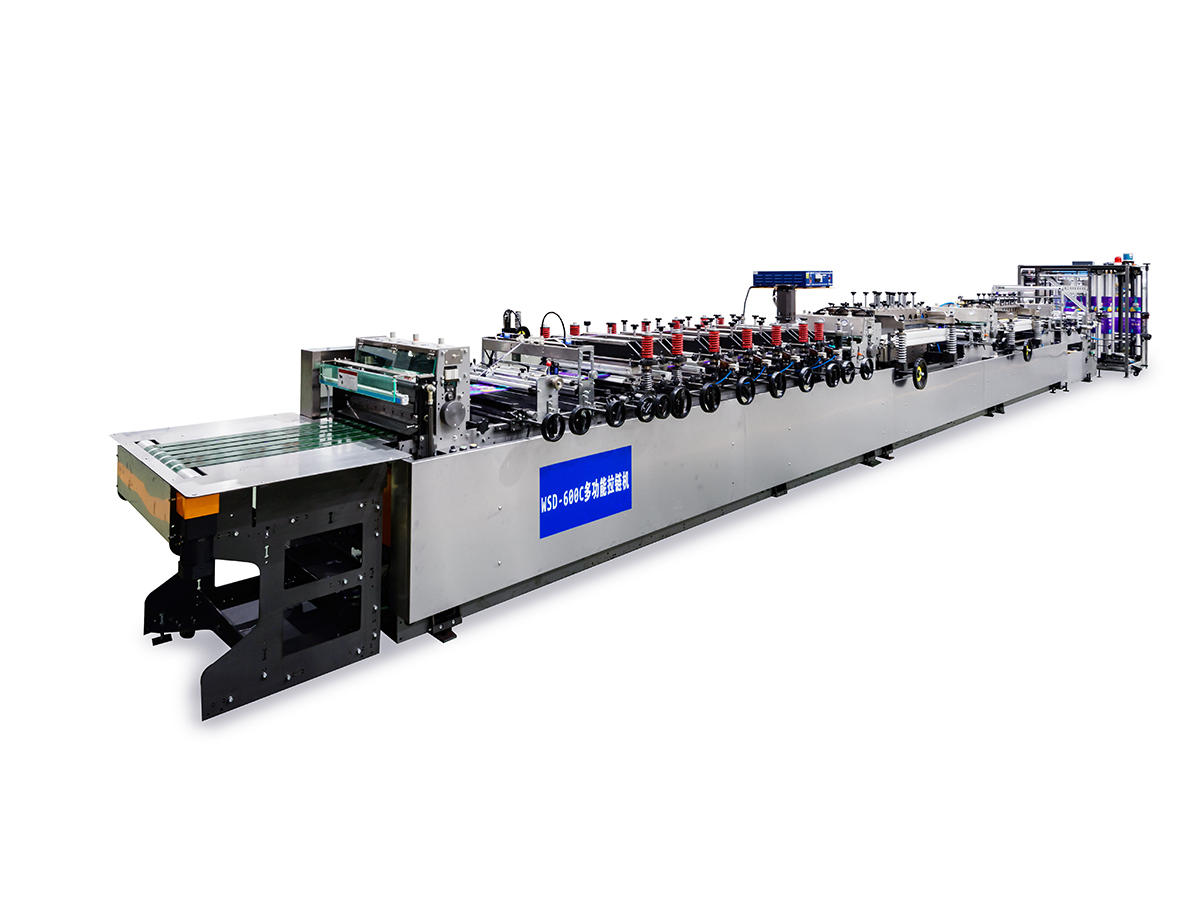
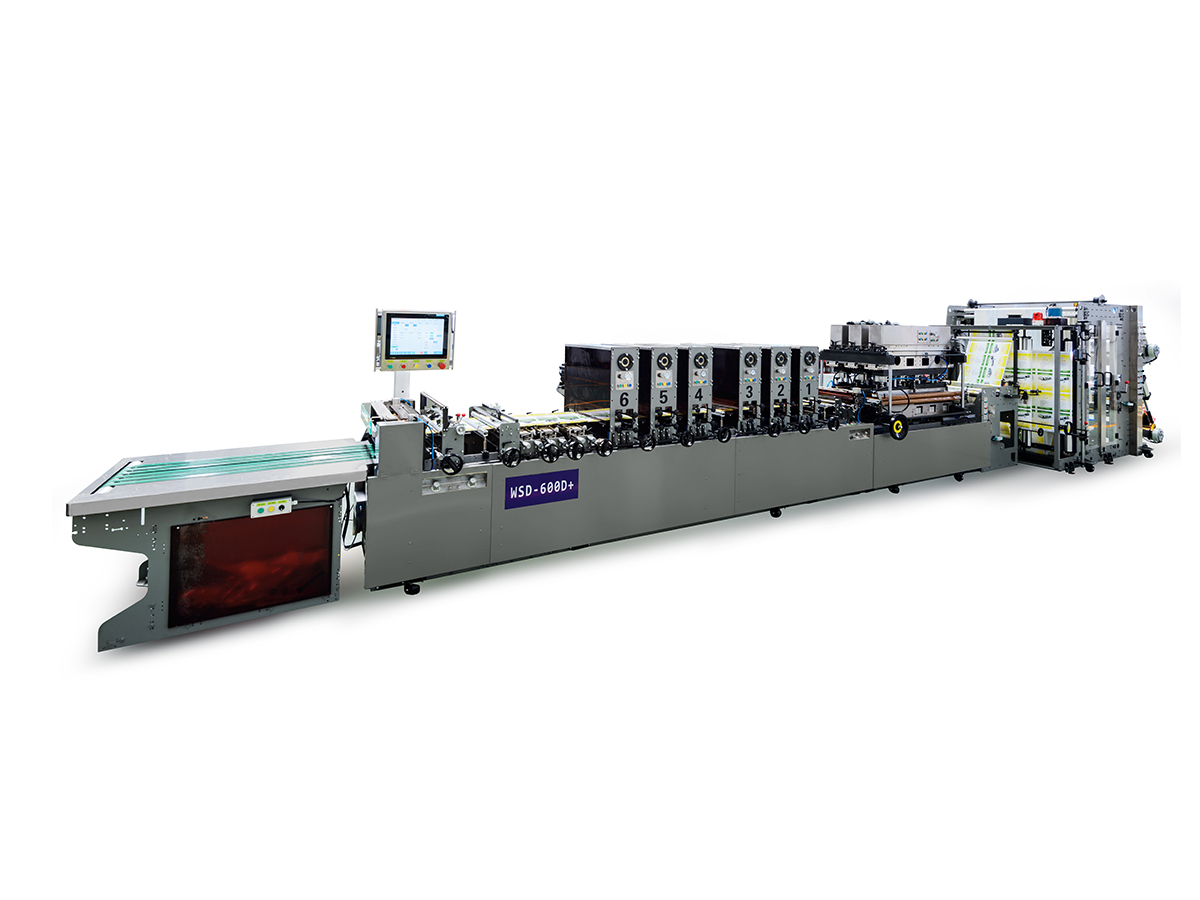
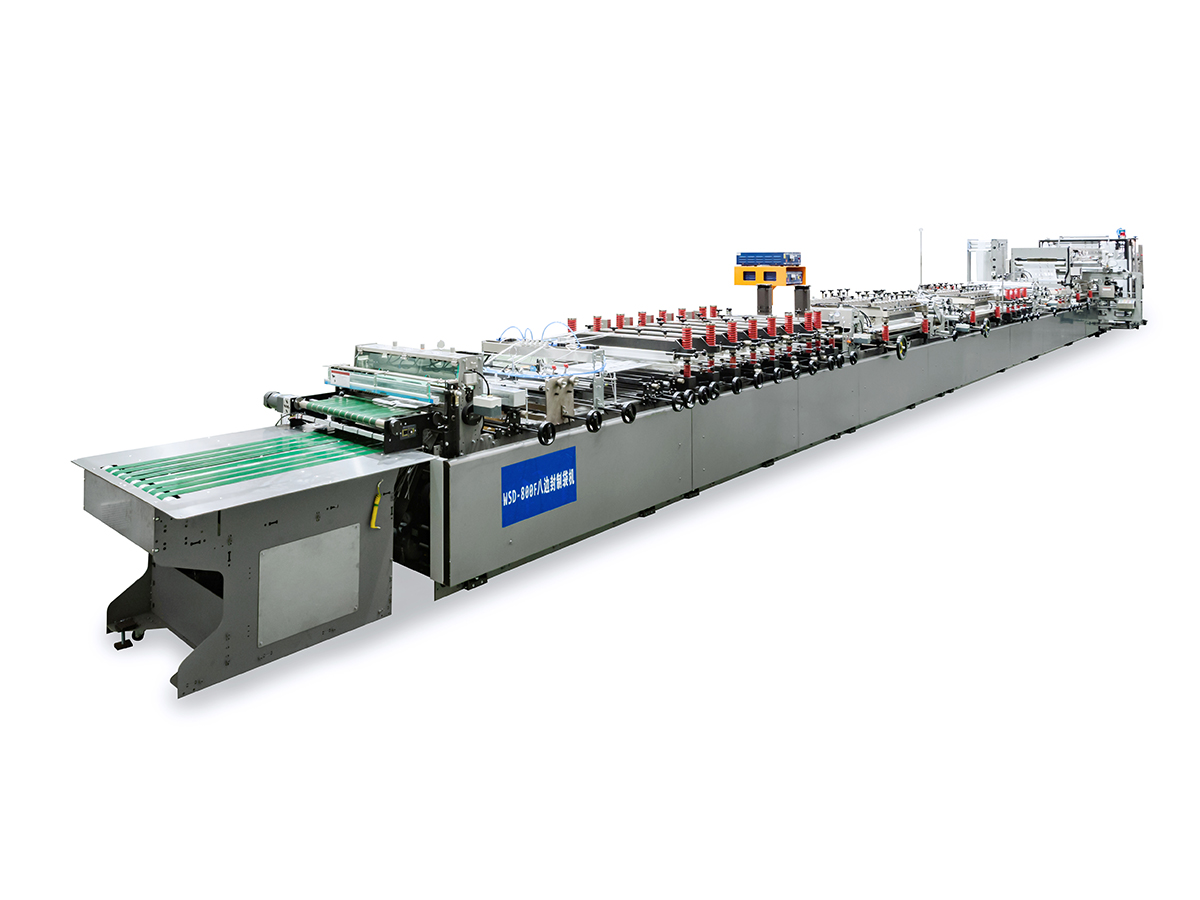
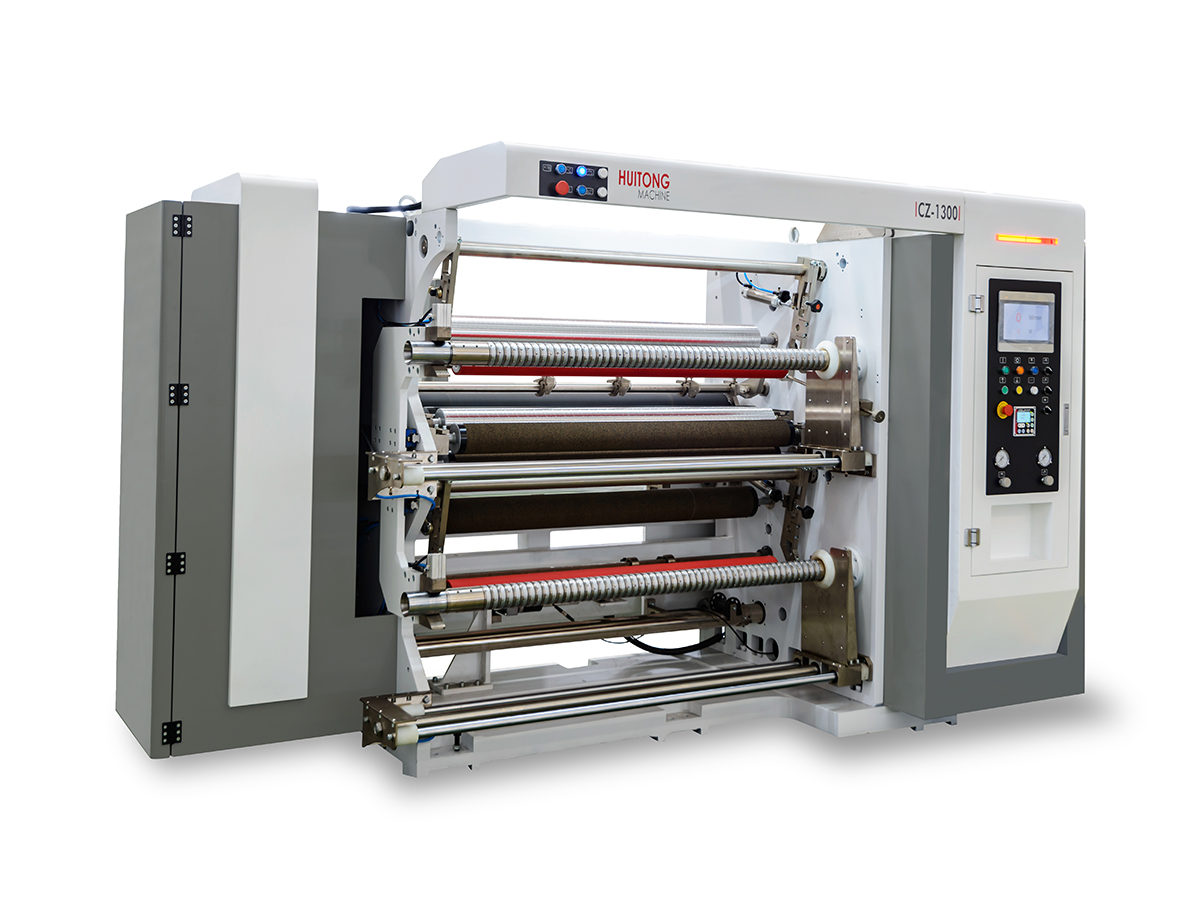
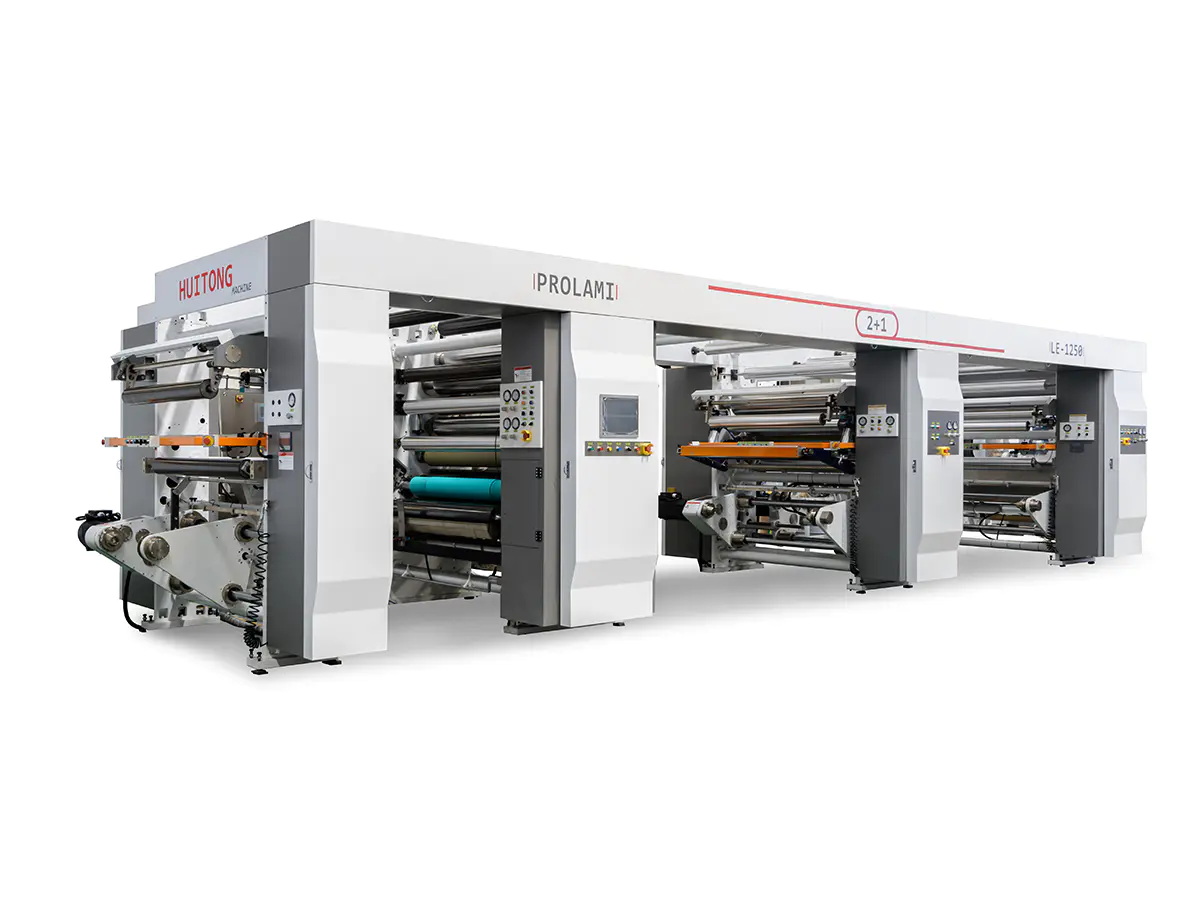
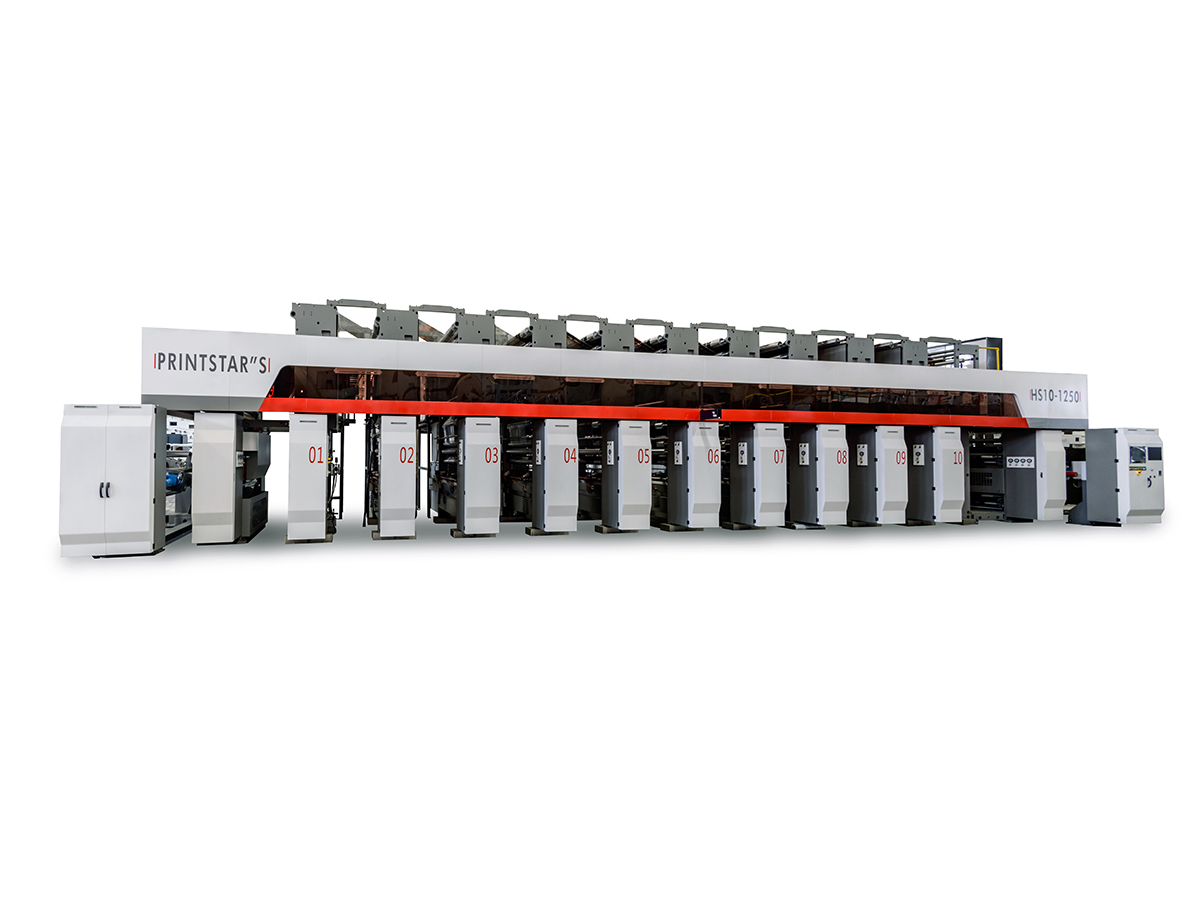
A high speed rotogravure printing machine uses engraved cylinders to push ink onto film, paper, or laminate at production speeds that flexo or offset presses can't match on long runs. The catch is that cylinder quality, drying capacity, and tension control all have to scale together, or speed becomes the thing that ruins the print.
Rotogravure printing transfers ink from thousands of engraved micro-cells on a rotating cylinder directly onto a moving substrate, producing detailed, consistent images at continuous roll-to-roll speed.
Printing speed on a rotogravure line is rarely limited by the press itself - it's limited by how fast the drying system can remove solvent between printing units and how tightly the tension control system holds the web. A machine rated for 300 meters per minute on paper may need to run slower on thin plastic film simply because the substrate stretches under tension.
Two machines with the same headline speed rating can behave very differently once real production materials run through them.
| Factor | Rotogravure Printing Machine | Traditional Printing Equipment |
| Ideal run length | Long, high-volume production runs | Shorter or general print jobs |
| Image detail | High, fine gradients and detail | Varies by press type |
| Cost per unit at scale | Lower on large orders | Higher unit cost at scale |
| Setup investment | Higher due to cylinder engraving | Often lower upfront |
Before selecting a high speed rotogravure printing machine supplier, confirm cylinder engraving precision, drying system capacity per printing unit, and what registration accuracy the machine holds after eight continuous hours of operation, not just at startup.
Rotogravure uses engraved cylinder cells to hold and transfer ink, producing finer detail and more consistent color over long runs, while flexo relies on raised printing plates that wear faster at high volume.
Many industrial machines are rated up to 400 meters per minute, though actual sustainable speed depends on substrate type, ink drying time, and tension control performance.
Cylinder engraving adds upfront cost, so rotogravure is most economical for long, high-volume runs rather than small or frequently changing print jobs.
Routine maintenance includes cylinder inspection and cleaning, servo and tension system checks, and drying system upkeep to maintain consistent registration and color accuracy over time.
Contact Us
Recommended Products
Joining Hands With Huitong
Customize Your Flexible Packaging Equipment Solution
Inquire now
Products
contact us

Tel: +86-0510-86328508
+86-0510-86324508
Mob: +86-13914908980
Email: [email protected]
ADD: No. 429 Xizhang Road, Gushan Town, Jiangyin City, Jiangsu Province, China

 English
 русский
 Español
 عربى
عربى