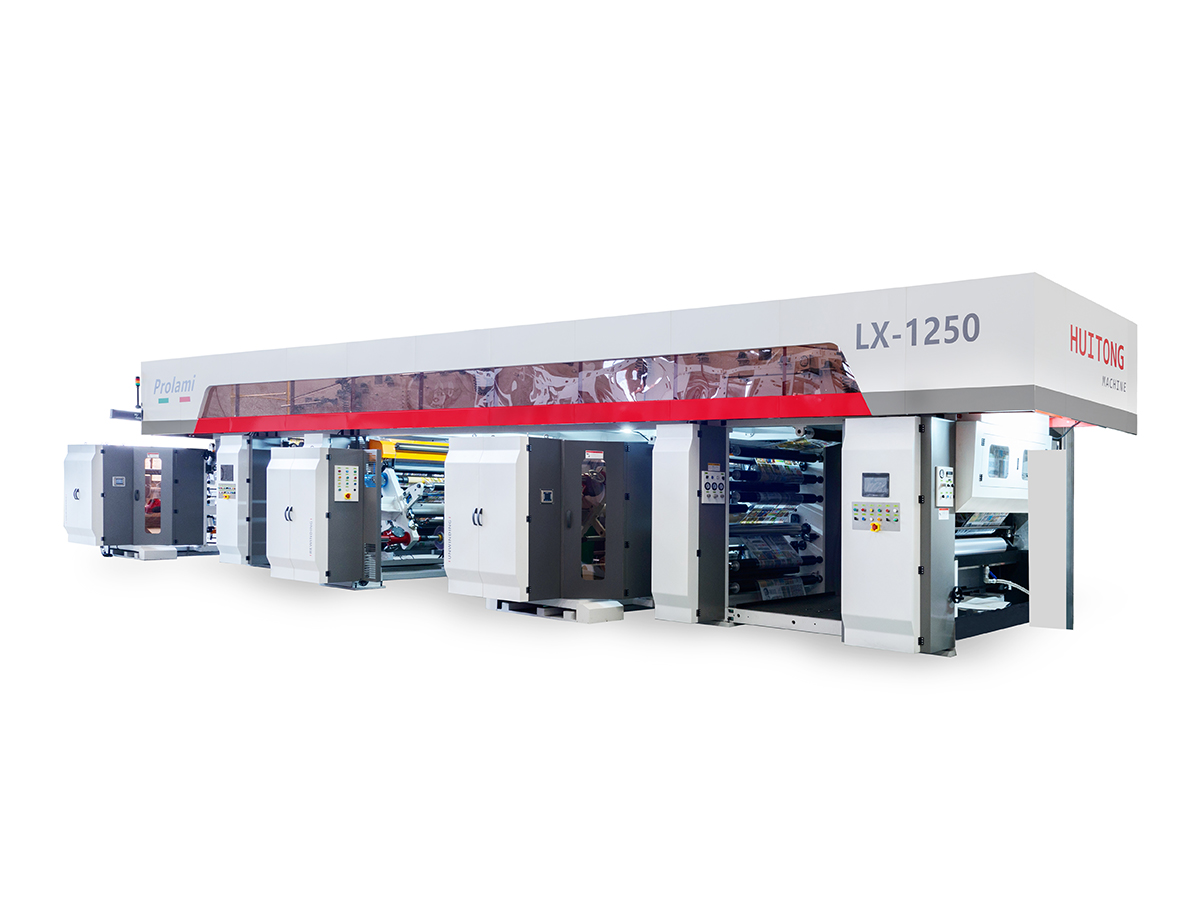
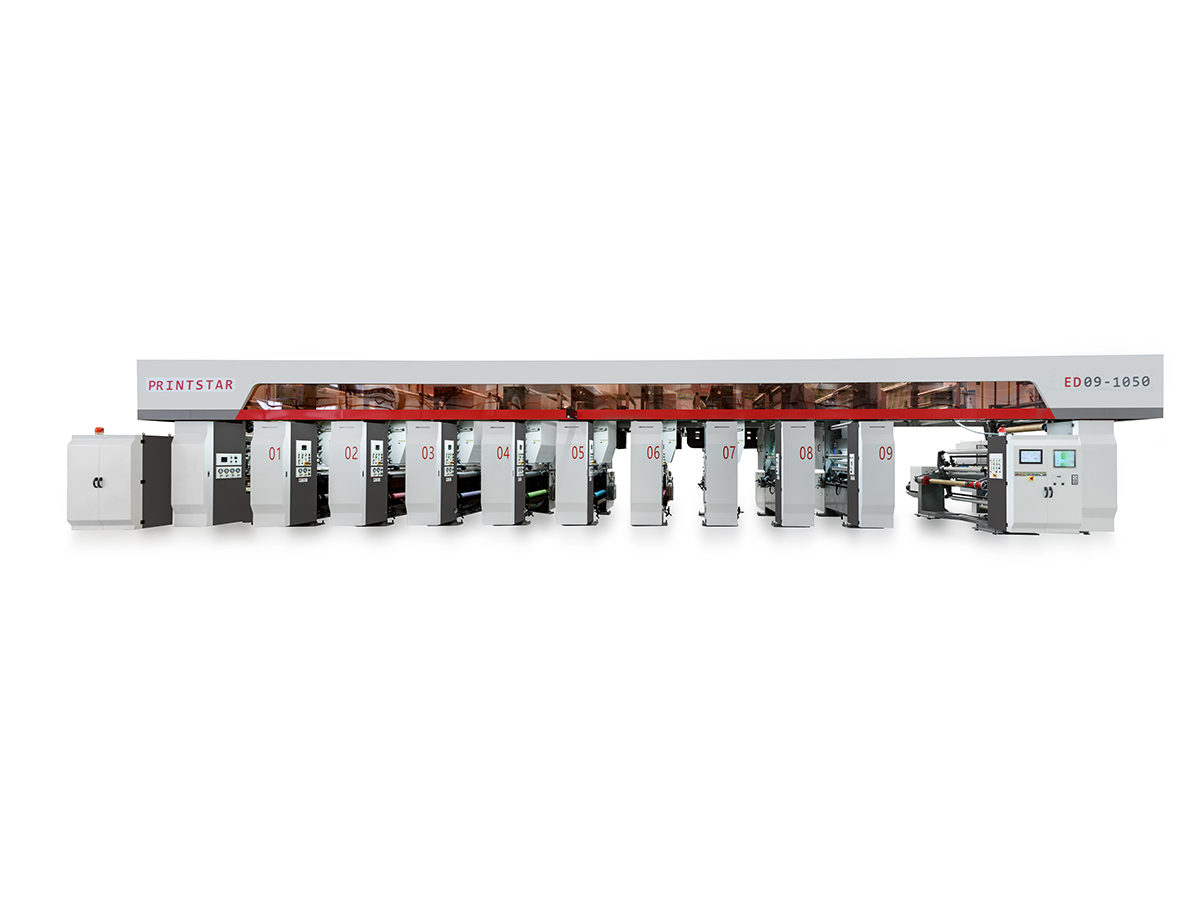
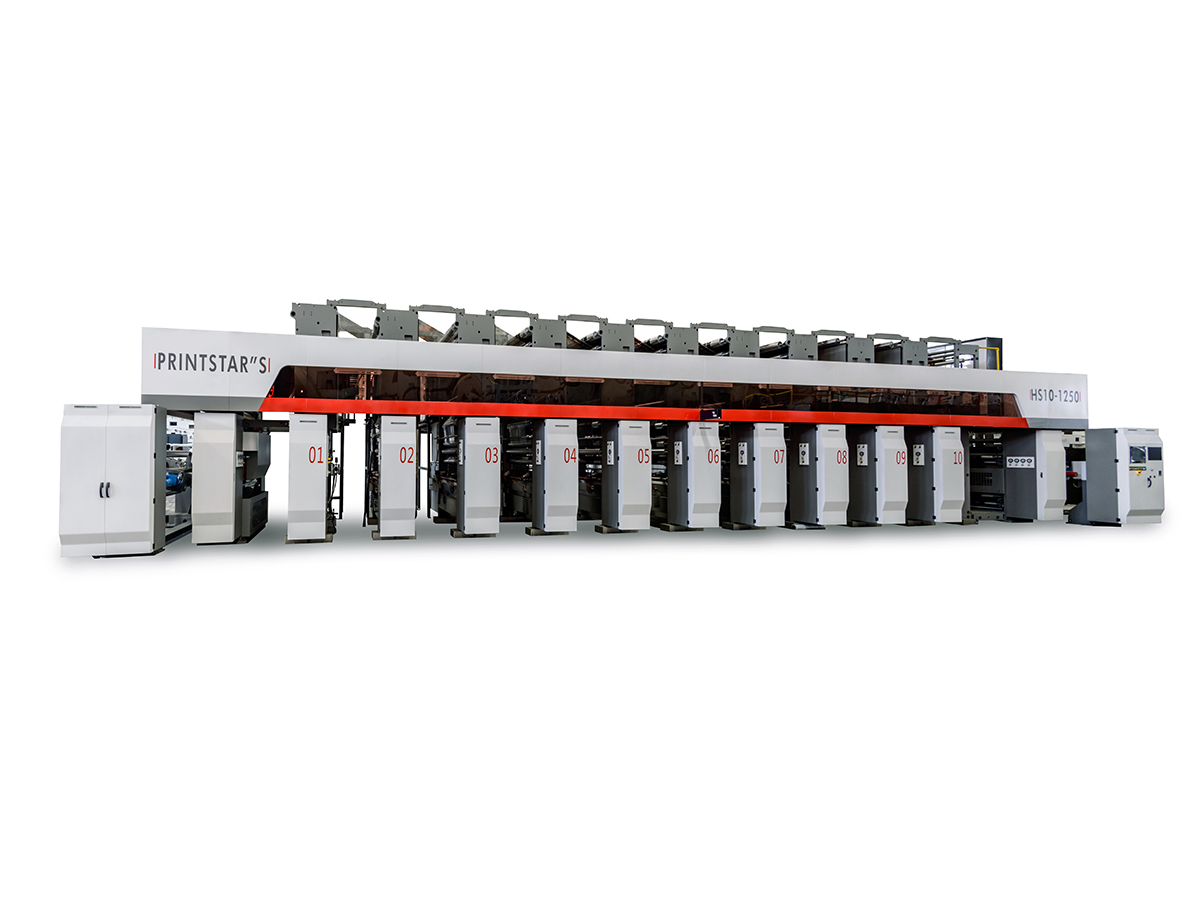
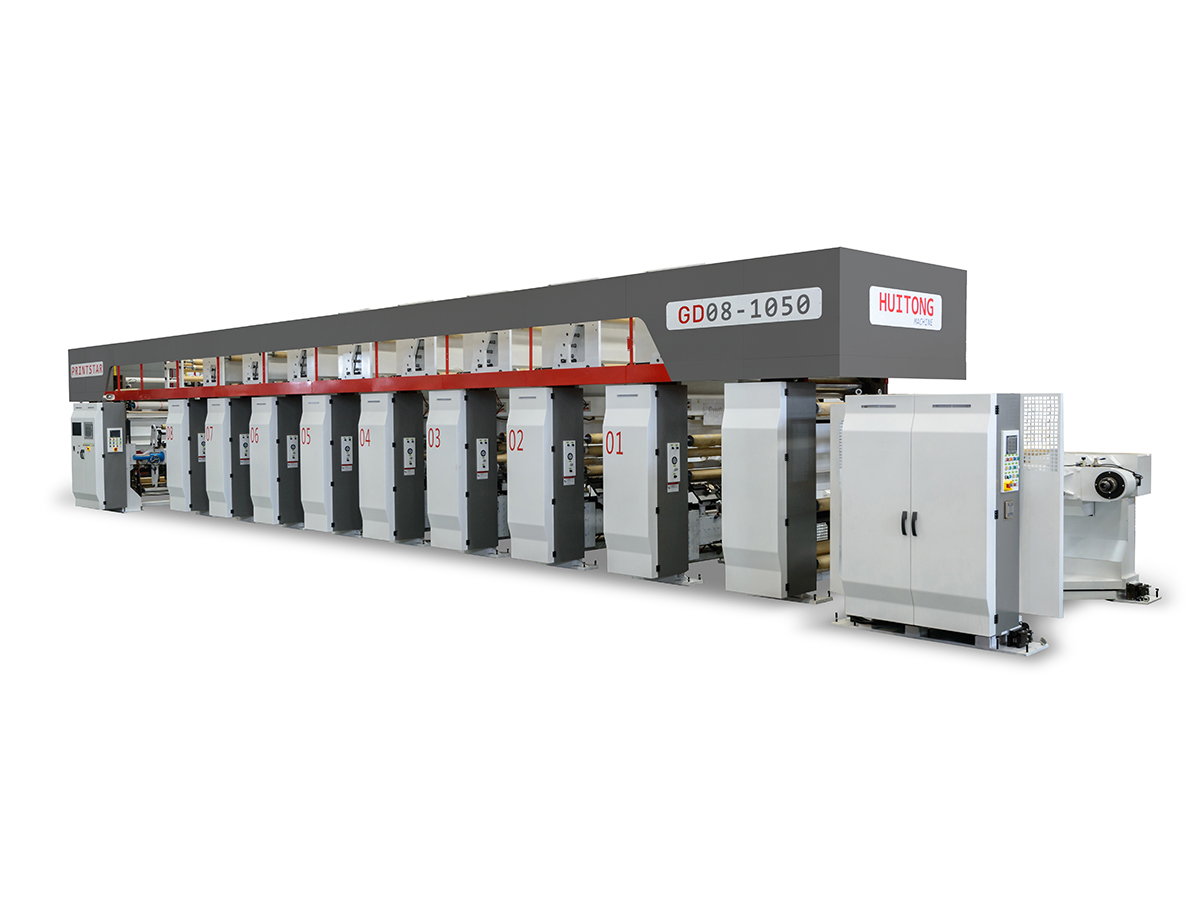
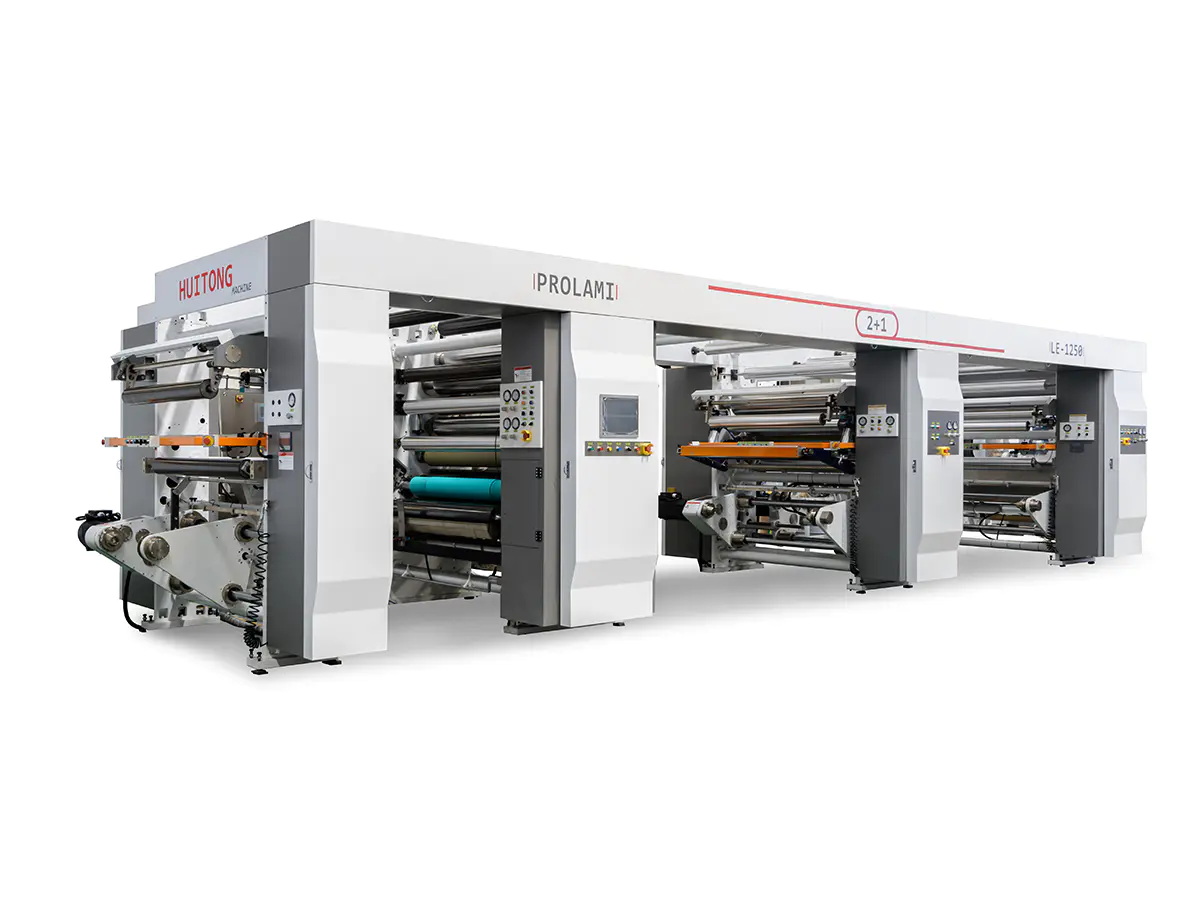
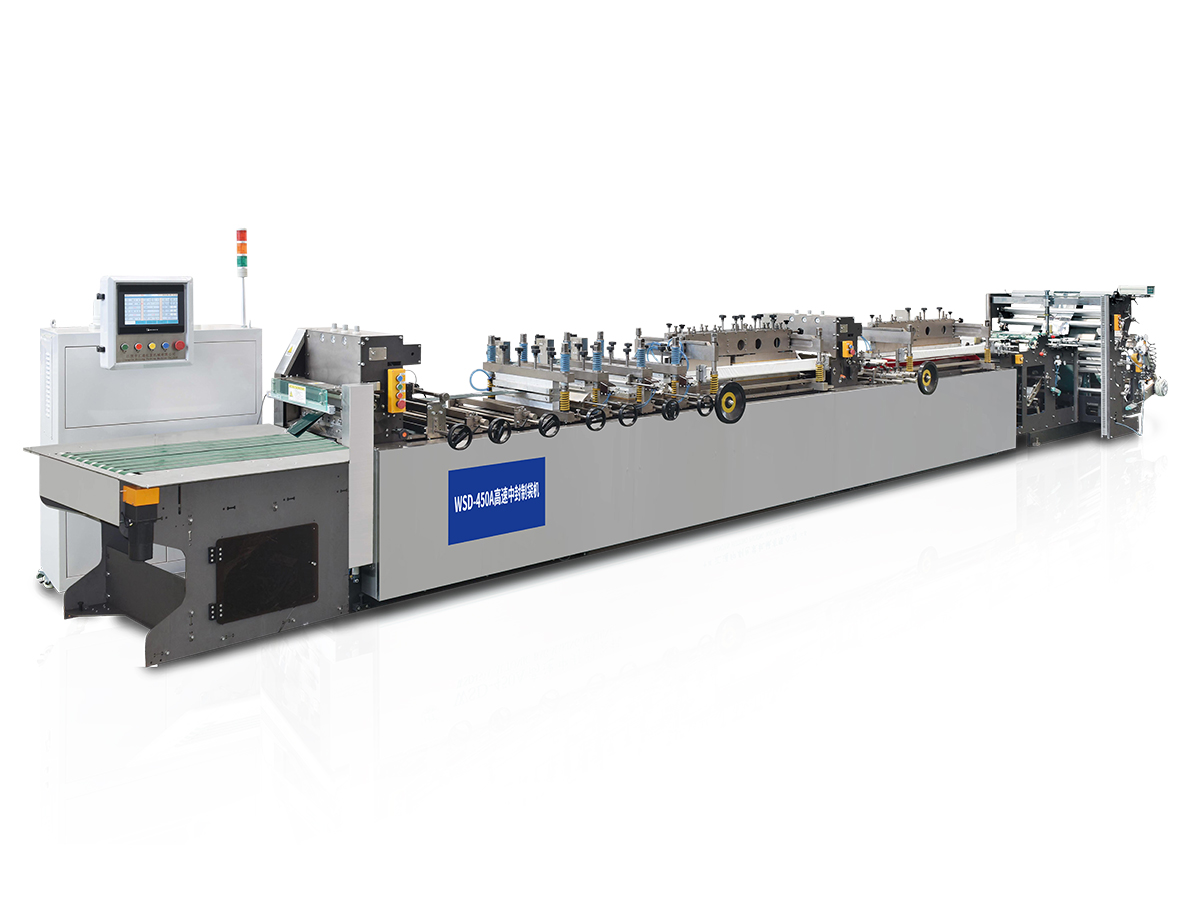
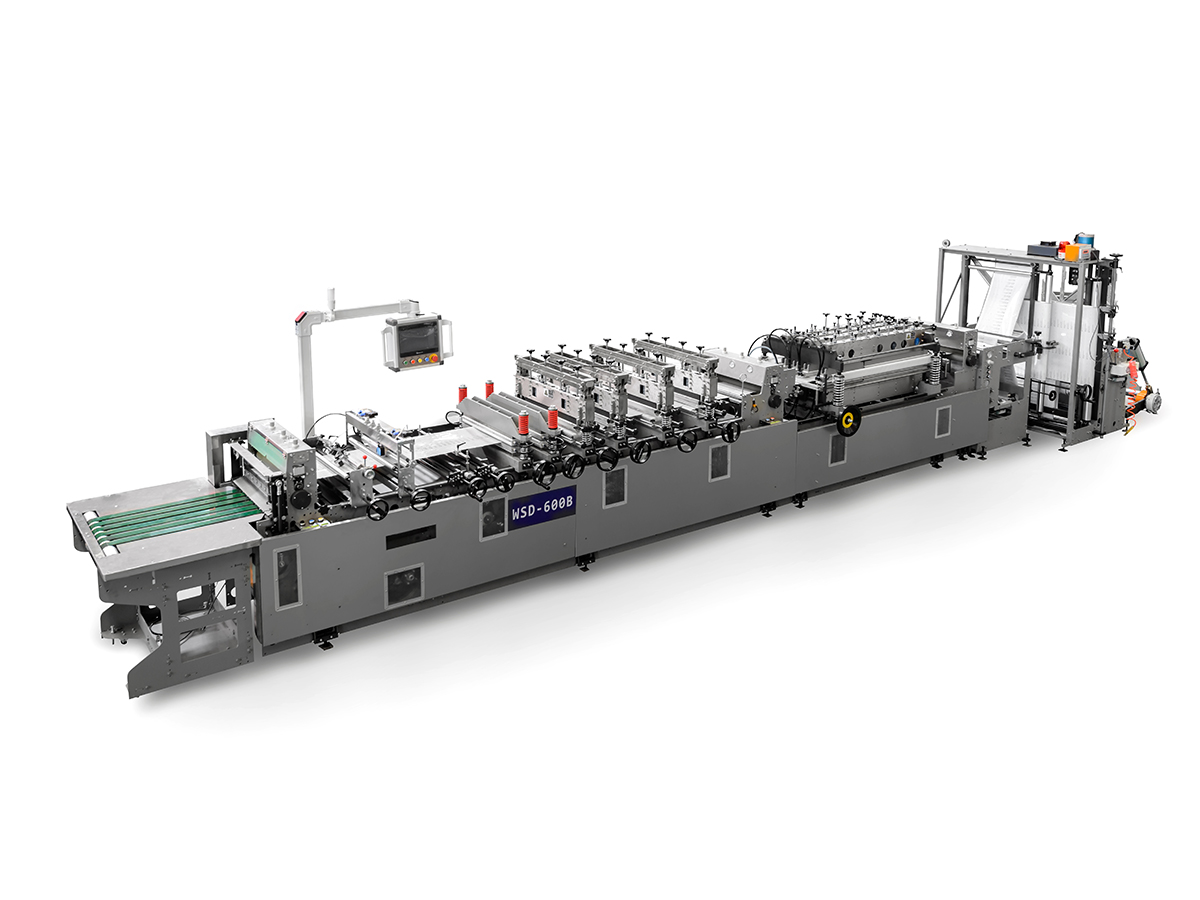
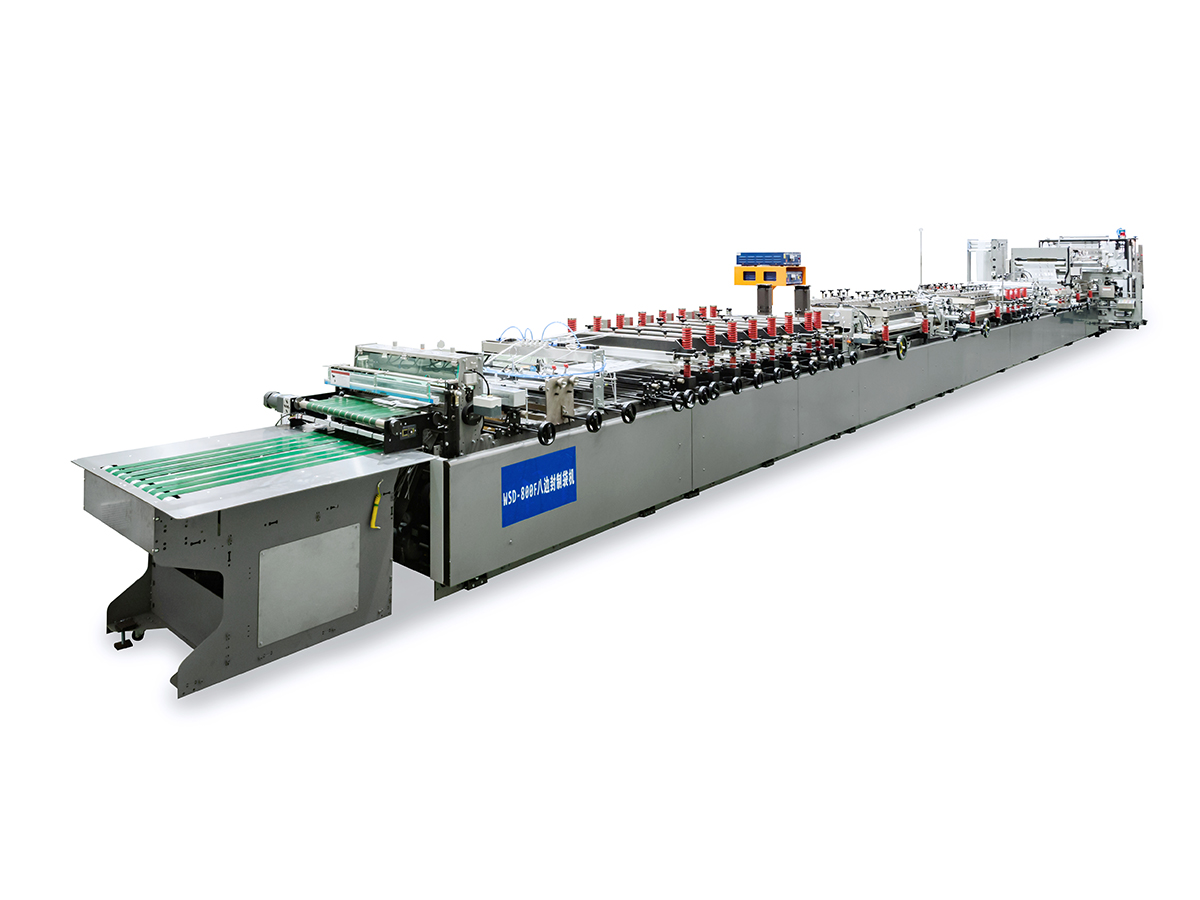
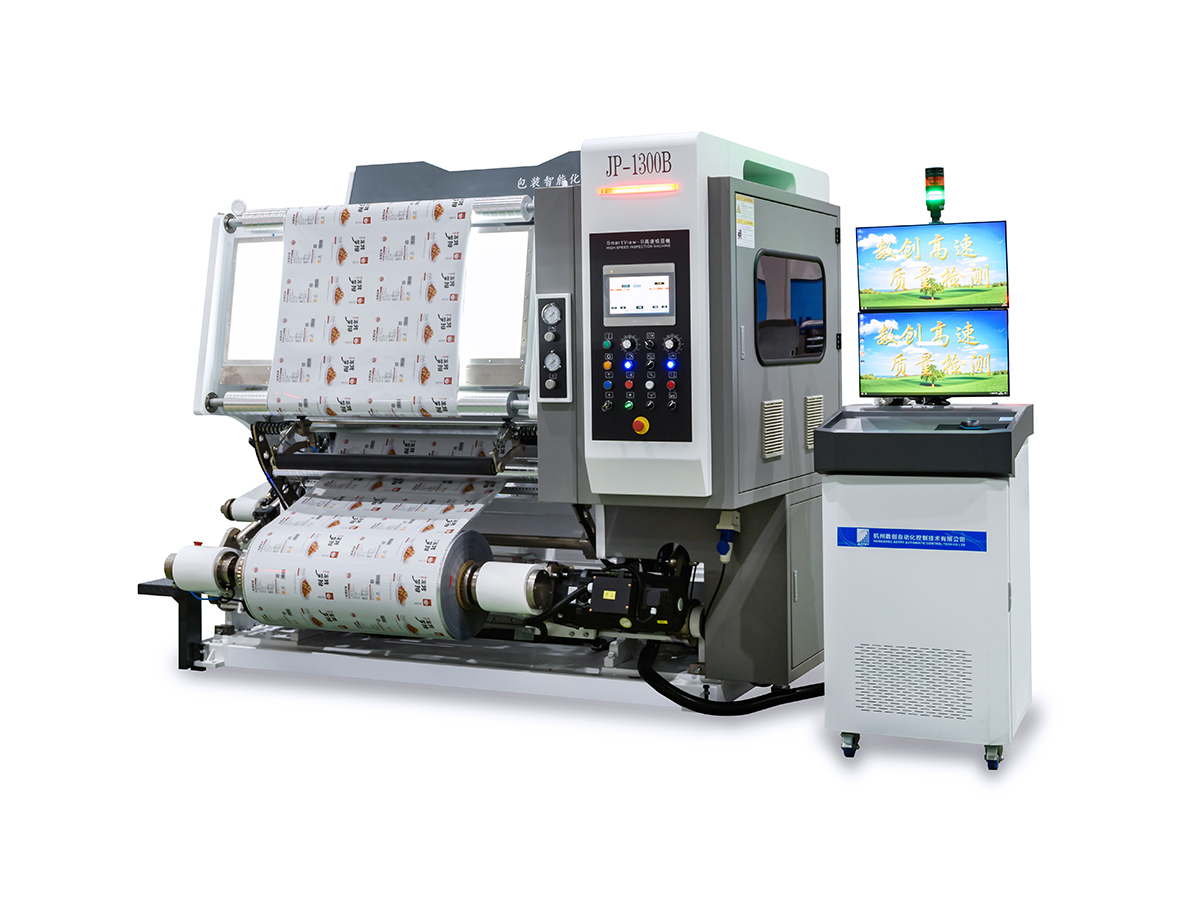
A flexible packaging entire production line represents a sophisticated convergence of mechanical engineering, process automation, and materials science. Unlike rigid packaging formats, flexible packaging—pouches, bags, sachets, and flow-wraps—demands production systems that can handle thin-gauge films, manage precise sealing temperatures, and execute rapid format changes without compromising output quality. The contemporary flexible packaging production line is no longer a series of disconnected machines; it is an integrated, digitally orchestrated manufacturing ecosystem.
Recent industry data indicates that facilities operating fully integrated flexible packaging manufacturing lines report up to 22% higher overall equipment effectiveness (OEE) compared to those using standalone units. This improvement stems from synchronized speed controls, shared human-machine interfaces (HMIs), and centralized data logging. A complete flexible packaging production line typically encompasses six primary zones: unwinding, printing (if applicable), lamination, slitting, pouch/bag making, and end-of-line packaging. Each zone contributes specific value, but their true potential emerges when they communicate seamlessly.
Key insight: The shift from isolated machinery to a unified flexible packaging system reduces changeover time by an average of 35% and cuts material waste by up to 18%, according to a 2025 survey of 150 production managers across Europe and Asia.
Modern flexible packaging equipment integrates mechanical precision with digital intelligence. Below are the core technological pillars that define a high-performance industrial packaging production line.
Independent servo motors on each station enable electronic line shafting, eliminating mechanical gearboxes. This allows individual speed ratio adjustments on the fly, critical for handling different film structures. For example, a typical automatic flexible packaging machine uses 12 to 16 servo axes, providing registration accuracy within ±0.2 mm even at 150 cycles per minute.
Sealing is the heart of any packaging film production line. Modern systems employ:
A 2026 benchmark study showed that ultrasonic sealing reduced seal-related rejections by 42% compared to conventional constant-heat systems in a high-moisture product environment.
Vision systems using AI-based defect detection are now standard on a complete flexible packaging production line. These systems inspect for print misregistration, seal integrity, and foreign particles at up to 300 m/min. Data from a recent installation in the snack industry indicated that inline vision reduced customer complaints by 56% within six months.
OPC UA and MQTT protocols are now embedded in most flexible packaging machinery. This enables remote diagnostics, predictive maintenance, and real-time OEE dashboards. A European converter reported a 27% reduction in unplanned downtime after implementing cloud-based condition monitoring across its six flexible packaging machine lines.
The table below contrasts a traditional line with a modern fully automated flexible packaging entire production line.
| Parameter | Conventional Line | Automated Line (2026 standard) |
|---|---|---|
| Changeover time (avg) | 45–60 min | 12–18 min |
| Rejection rate | 4.2% | 1.1% |
| Operator per shift | 6–8 | 3–4 |
| Energy consumption (kWh/ton) | 185 | 142 |
| Integration with MES | Optional | Native |
Data compiled from 2025–2026 production audits across 12 food packaging facilities in Germany and the US.
Beyond individual machines, the flexible packaging system encompasses controls, material handling, and information flow. A well-engineered complete flexible packaging production line integrates these elements:
Leading flexible packaging equipment manufacturers now provide centralized control platforms that unify all these subsystems. This reduces the learning curve for operators and provides a single source of truth for production performance.
Figure 1: Material flow in a flexible packaging entire production line. Dashed lines indicate central control communication.
Investing in a fully coordinated flexible packaging manufacturing line yields measurable advantages beyond simple speed:
A prominent dry-foods producer transitioned from a fragmented setup to a single-supplier flexible packaging system and achieved a 14% increase in overall throughput while reducing its floor space by 18%.
When evaluating flexible packaging equipment manufacturers, consider these technical dimensions:
Industry benchmarks suggest that lines with modular designs have 40% lower lifetime cost of ownership compared to fixed-configuration alternatives.
Practical advice: Request a factory acceptance test (FAT) that runs your specific film structures through the entire flexible packaging machine line at rated speed. This reveals integration issues that appear only during full-line operation.
The next generation of flexible packaging entire production lines will be defined by:
A 2026 pilot project in Scandinavia demonstrated that a complete flexible packaging production line equipped with AI-based quality prediction reduced its scrap rate to 0.8% while increasing line speed by 9%.
Figure 2: Emerging technologies that will shape future flexible packaging equipment systems.
A flexible packaging machine line usually refers to the core forming and sealing machinery, while a complete flexible packaging production line includes upstream unwinding, downstream end-of-line packaging, and centralized control systems. The complete line is a turnkey solution.
Industry averages range from 8 to 14 weeks from delivery to full-rate production, depending on line complexity and the number of automation options. A well-prepared site with pre-installed utilities can shorten this to 6 weeks.
Success depends on using OPC UA or MQTT for data exchange, defining clear data tags for each machine, and aligning production recipes between the MES and the line's HMI. Many manufacturers now provide pre-configured MES interfaces.
Yes, but biodegradable films often have lower heat resistance and different friction coefficients. Modern flexible packaging equipment can be configured with specialized sealing jaws, tension control, and web guidance to accommodate these materials.
Based on 2025 industry data, the ROI period ranges between 18 and 30 months, driven by labor savings, reduced waste, and improved throughput. Higher-speed lines with advanced automation tend to pay back faster.
Contact Us
Recommended Products
Joining Hands With Huitong
Customize Your Flexible Packaging Equipment Solution
Inquire now
Products
contact us

Tel: +86-0510-86328508
+86-0510-86324508
Mob: +86-13914908980
Email: [email protected]
ADD: No. 429 Xizhang Road, Gushan Town, Jiangyin City, Jiangsu Province, China

 English
 русский
 Español
 عربى
عربى