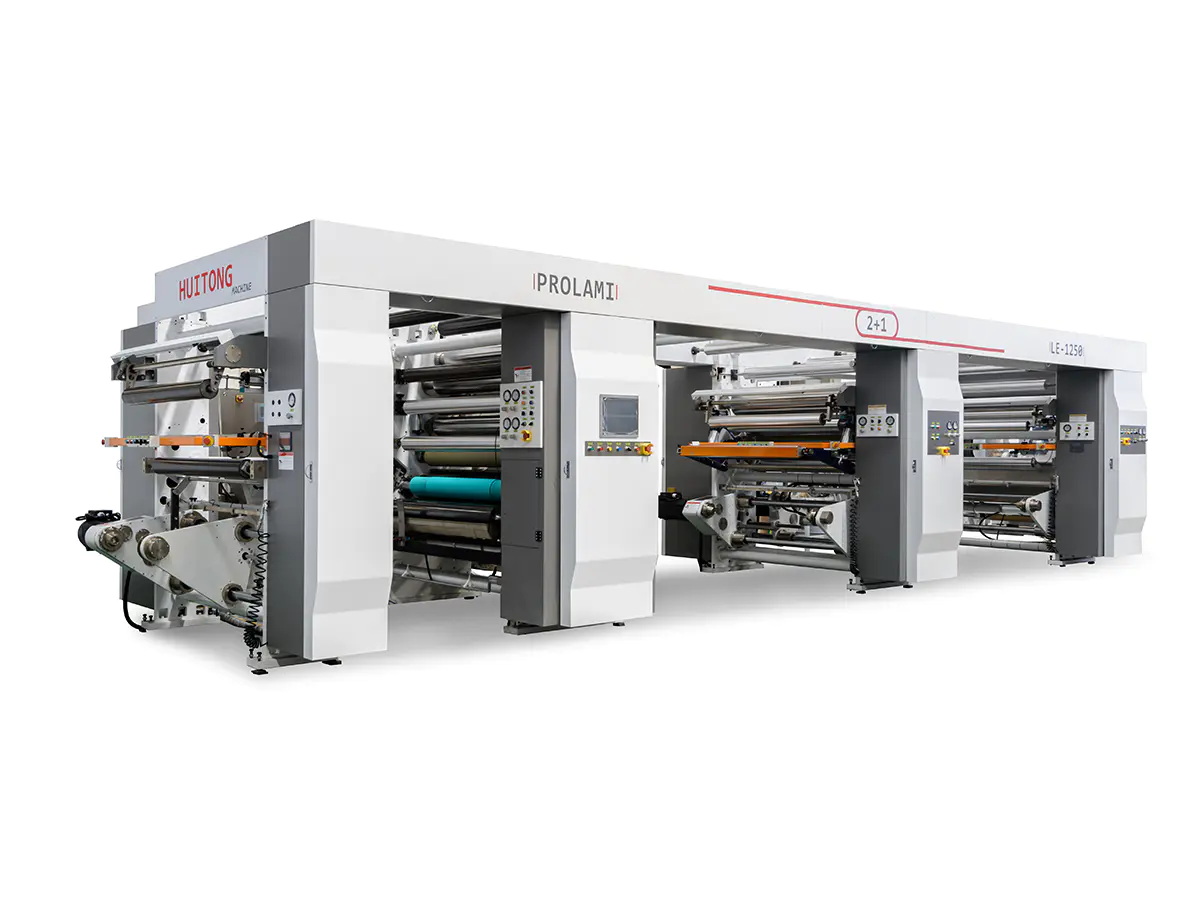
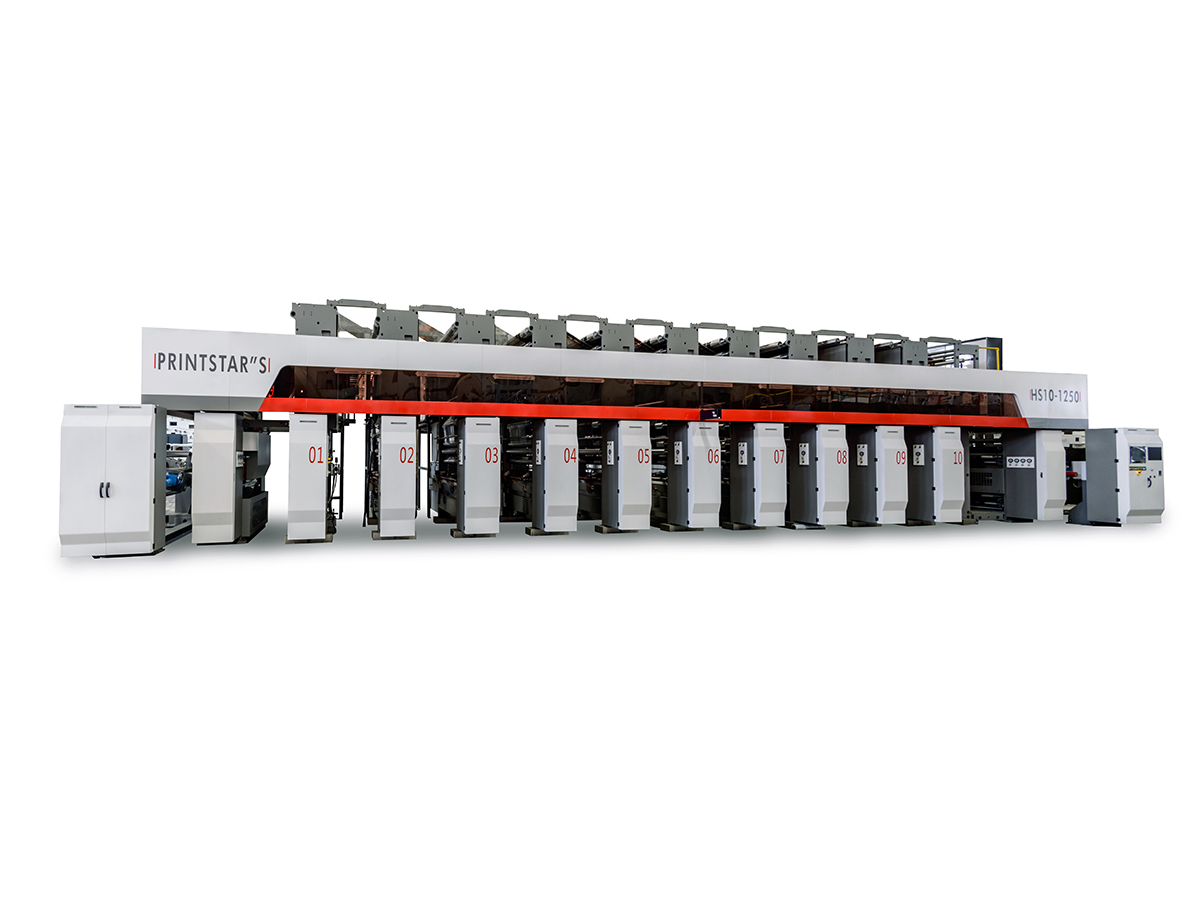
In the world of packaging, the laminating process plays a pivotal role in ensuring the durability, appeal, and functionality of the product packaging. Among the different types of laminating techniques, the solvent based dry laminating machine is one of the widely used for its versatility and efficiency.
Packaging serves as both a protective layer and a promotional tool. It shields the product from external environmental factors such as moisture, light, and air, while also providing an opportunity to create visually appealing designs. Laminating, the process of bonding two or more layers of material, is a common method used to enhance packaging. Among various lamination techniques, solvent-based dry lamination has gained substantial traction due to its efficiency and cost-effectiveness.
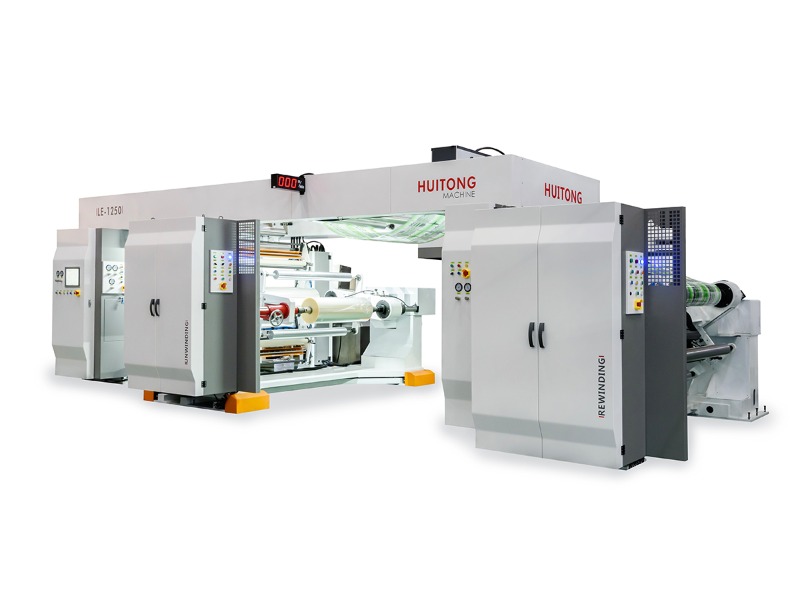
A solvent-based dry laminating machine utilizes a solvent to activate the adhesive, which is then applied to the substrates (films, papers, etc.). The solvent evaporates during the lamination process, leaving the adhesive to bond the materials together. This technique results in strong, durable, and flexible laminated products suitable for a variety of packaging needs.
While both solvent-based and solventless laminating machines serve similar purposes, their mechanisms differ. Solvent based systems rely on chemical adhesives that require the use of solvents, whereas solventless systems use adhesives that do not need solvents.
Below is a comparison table between these two types of machines:
| Feature | Solvent-Based Dry Laminating Machine | Solventless Laminating Machine |
|---|---|---|
| Adhesive Type | Solvent-based adhesive | Solvent-free adhesive |
| Processing Speed | Higher processing speed | Slower processing speed |
| Environmental Impact | Emissions due to solvent use | Lower environmental impact |
| Cost | Generally more cost-effective | Higher operational cost |
| Bond Strength | Strong bond | Strong bond |
| Flexibility in Material Types | Can be used with a variety of materials | Limited to specific materials |
Cost Efficiency
One of the primary advantages of solvent-based dry laminating machines is their cost-effectiveness. The raw materials used, such as solvents and adhesives, are generally more affordable compared to the specialized materials required for solventless laminating. Moreover, solvent-based machines tend to have a quicker processing time, increasing throughput and lowering operational costs.
Versatility in Material Compatibility
Solvent-based dry laminating machines are highly versatile and compatible with a wide range of materials such as plastics, paper, films, and foils. This flexibility allows packaging companies to work with diverse substrates, making it an ideal choice for manufacturers producing various packaging types for food, pharmaceuticals, and consumer goods.
Improved Bonding Strength
The lamination process using solvent-based systems results in strong bonds between layers, providing durability and structural integrity to the packaging. The chemical nature of the adhesive ensures that the bonding is effective even under challenging conditions such as temperature fluctuations, moisture, and physical stress, which are often encountered during storage and transportation.
Faster Production Speed
With its efficient drying mechanism, a solvent-based dry laminating machine can laminate a high volume of materials in a shorter amount of time. The rapid evaporation of the solvent allows for quick processing speeds, which is beneficial for manufacturers needing to meet high-volume production demands while maintaining quality standards.
Enhanced Packaging Appearance
In addition to its functional benefits, the solvent-based dry laminating process also enhances the visual appeal of the packaging. The bonding provides a smooth, high-quality finish that is resistant to wear and tear, contributing to the premium feel and appearance of the packaged product.
Durability and Protection
The laminated packaging produced by solvent-based systems is known for its protective qualities. It offers resistance to moisture, UV light, and chemicals, all of which are crucial for products such as food, medical supplies, and electronics that require extended shelf life and protection.
Environmental Impact Considerations
Although solvent-based machines involve solvent use, advances in technology have led to the development of low-VOC (Volatile Organic Compounds) solvents, which reduce the environmental footprint. Additionally, many solvent-based laminating systems are designed with efficient ventilation and filtration systems to minimize solvent emissions, helping to meet regulatory standards and improve workplace safety.
While solventless laminating machines offer environmental benefits by eliminating solvent use, solvent-based systems remain a preferred choice for many manufacturers due to their faster production speeds, lower costs, and broader compatibility with materials. The decision between using a solvent-based or solventless laminating machine depends on the specific needs of the packaging project, including material type, production volume, and environmental considerations.
Food Packaging
Solvent-based dry laminating machines are commonly used in food packaging, where the packaging material must protect against moisture, contamination, and spoilage. The laminated structure helps maintain the product’s freshness and extends its shelf life.
Pharmaceutical Packaging
Pharmaceutical products require packaging that ensures safety and compliance with strict regulations. The solvent-based lamination process ensures a secure seal and offers protection against environmental factors that could compromise the integrity of the medicines.
Cosmetic Packaging
The cosmetic industry often relies on solvent-based dry laminating machines for creating attractive, functional packaging that protects the product inside. The smooth, durable surface provided by the lamination process helps preserve the product’s quality and enhances its aesthetic appeal.
Solvent-based dry laminating machines offer several key advantages in packaging, including cost efficiency, versatility, speed, and durability. These machines play a crucial role in producing high-quality, reliable packaging for various industries, ranging from food to pharmaceuticals. While solventless laminating machines may offer some environmental benefits, solvent-based machines remain a popular choice due to their ability to deliver bonding strength, faster production speeds, and compatibility with a wide range of materials.
1. What are the environmental impacts of using a solvent-based dry laminating machine?
The environmental impact of solvent-based dry laminating machines can be minimized with the use of low-VOC solvents and advanced filtration systems. Proper ventilation and emission control systems further reduce solvent exposure in the production environment.
2. How does the speed of production compare between solvent-based and solventless laminating machines?
Solvent-based dry laminating machines typically offer faster production speeds compared to solventless laminating machines, making them ideal for high-volume manufacturing.
3. Are solvent-based dry laminating machines suitable for all types of packaging materials?
Yes, solvent-based dry laminating machines are compatible with a wide range of materials, including films, foils, paper, and plastics, providing manufacturers with flexibility in material choice.
4. What industries benefit from solvent-based dry laminating machines?
Industries such as food, pharmaceuticals, cosmetics, and electronics packaging rely heavily on solvent-based dry laminating machines for their cost efficiency, speed, and high-quality bonding.
5. How does the durability of packaging produced by solvent-based laminating machines compare to other methods?
Packaging produced by solvent-based dry laminating machines is known for its durability and resistance to factors such as moisture, UV light, and physical stress, offering extended shelf life and protection for the packaged product.
Contact Us
Recommended Products
Joining Hands With Huitong
Customize Your Flexible Packaging Equipment Solution
Inquire now
Products
contact us

Tel: +86-0510-86328508
+86-0510-86324508
Mob: +86-13914908980
Email: [email protected]
ADD: No. 429 Xizhang Road, Gushan Town, Jiangyin City, Jiangsu Province, China

 English
 русский
 Español
 عربى
عربى