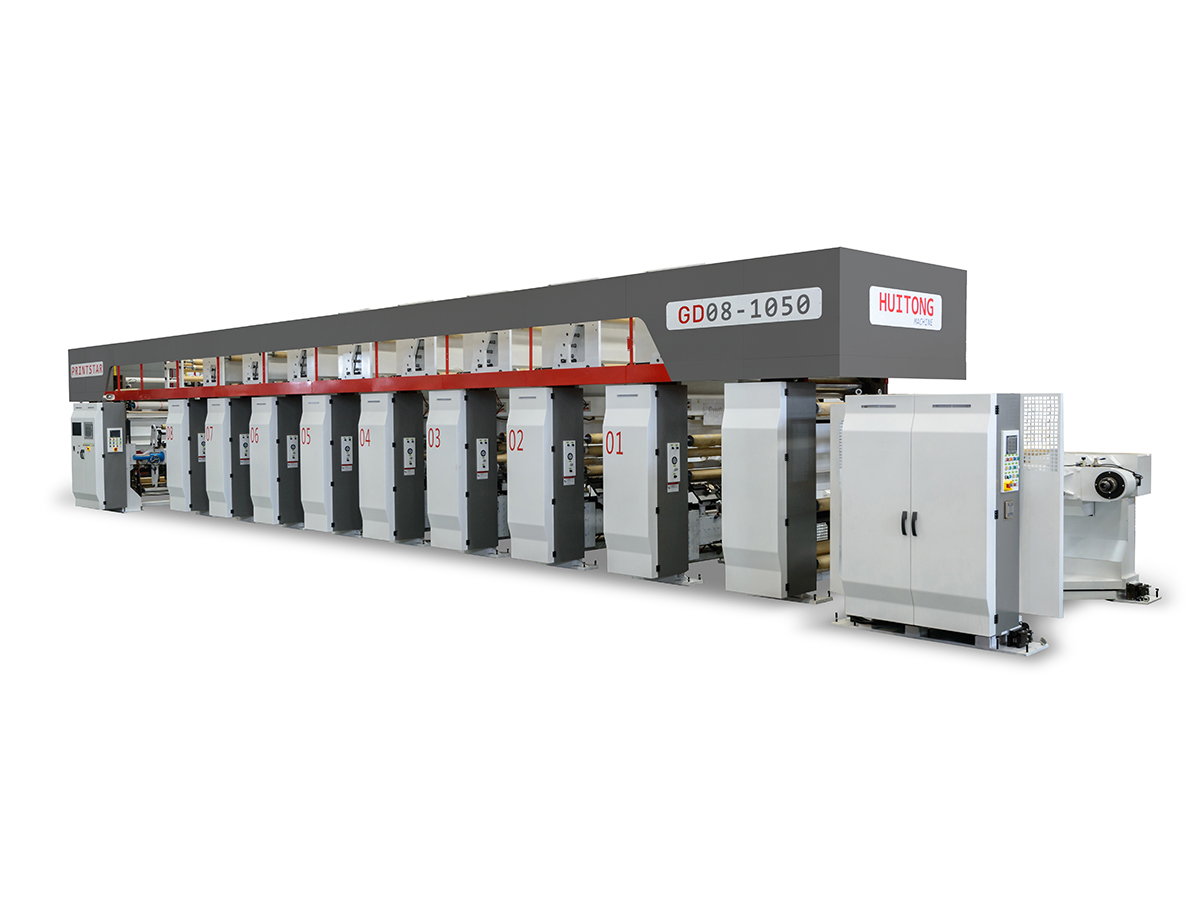
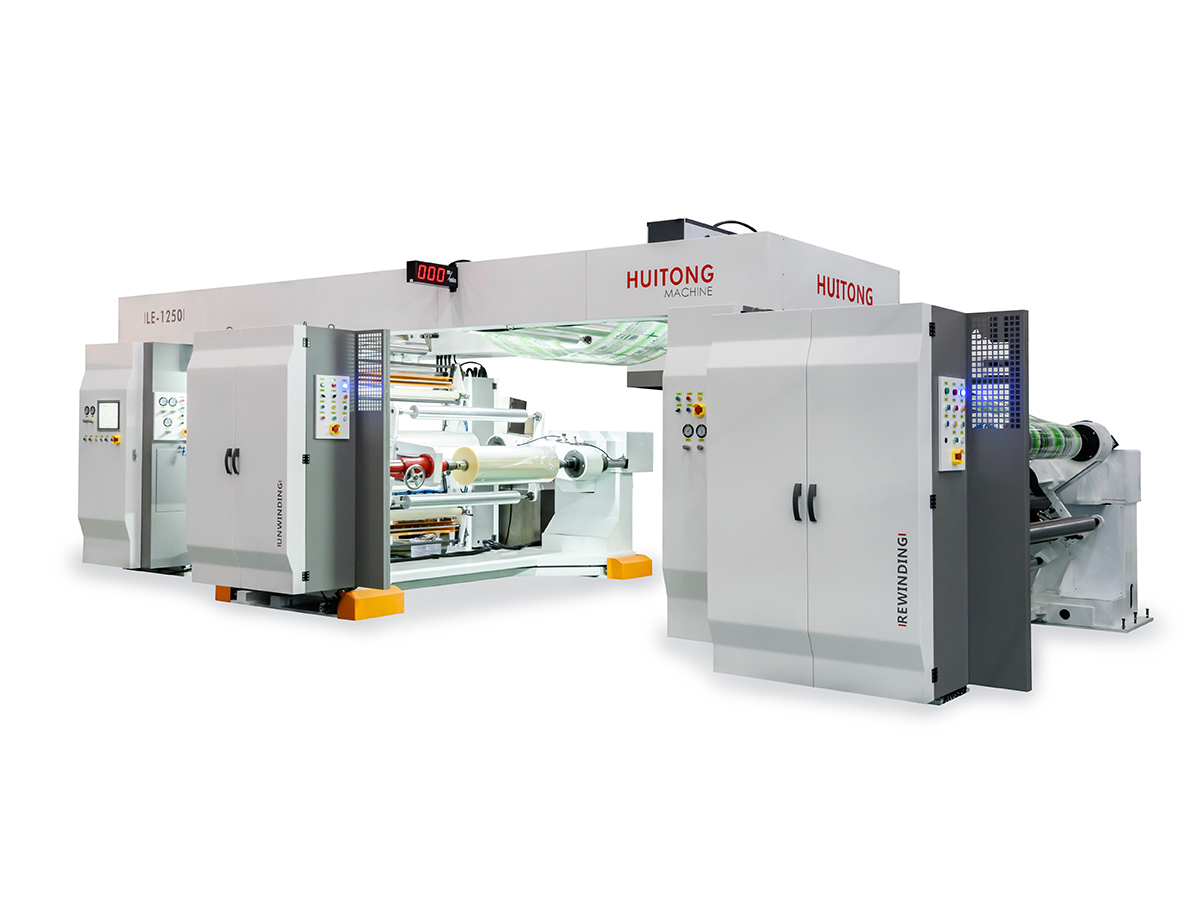
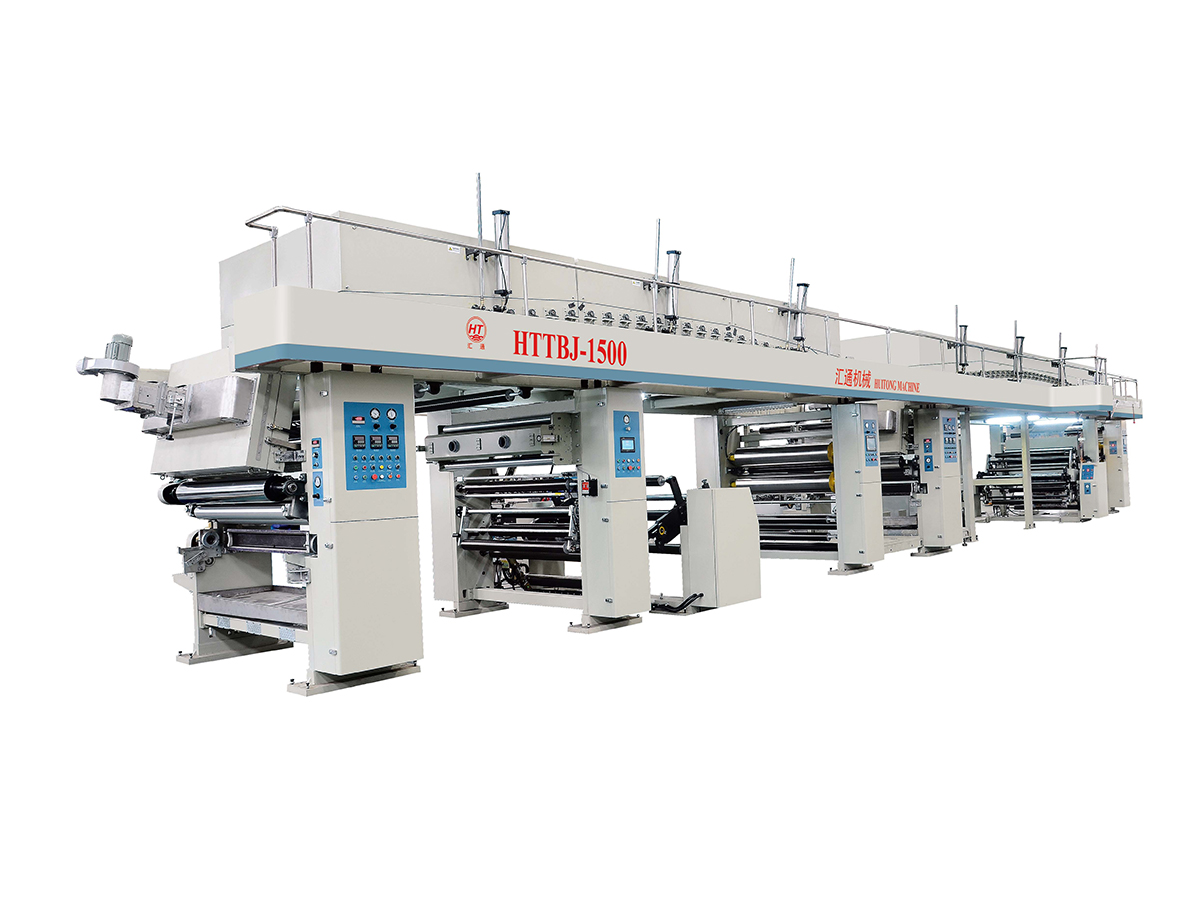
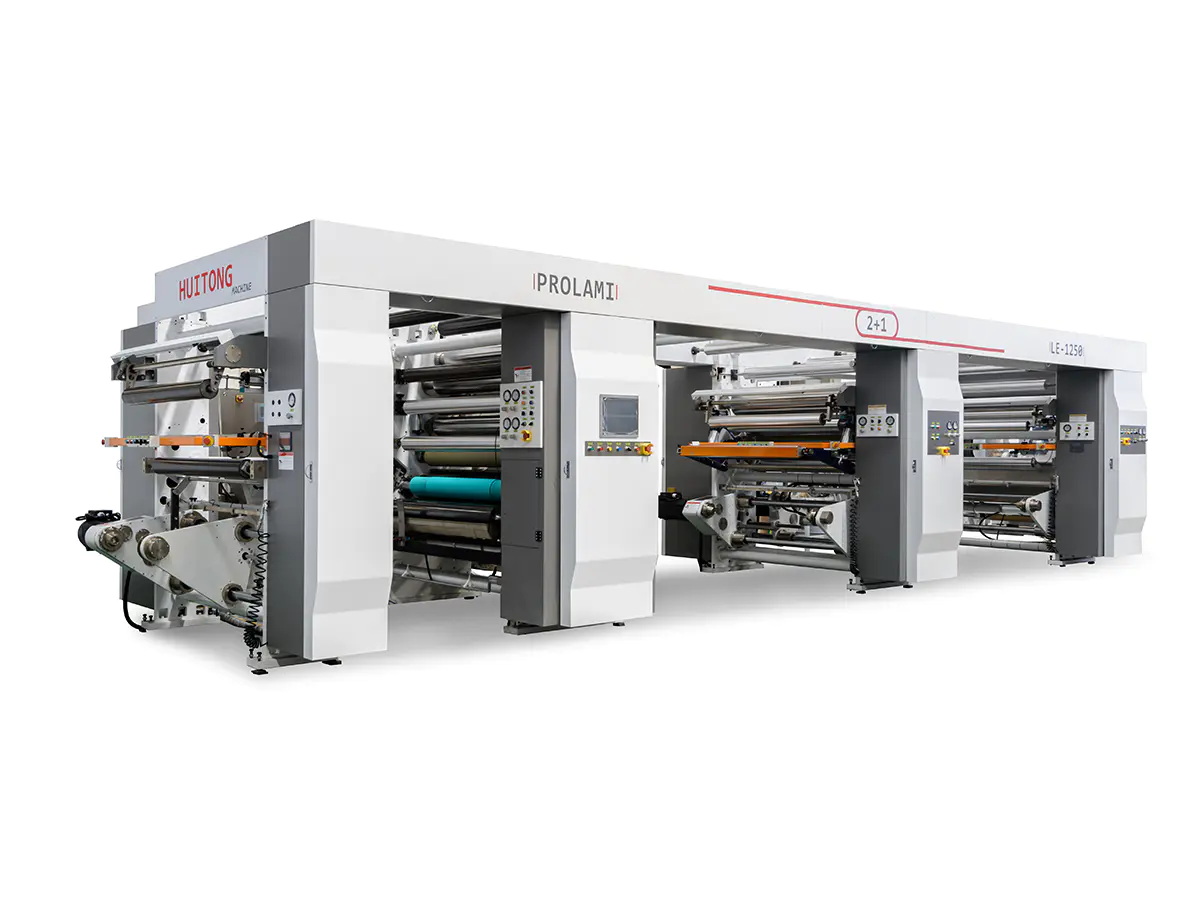
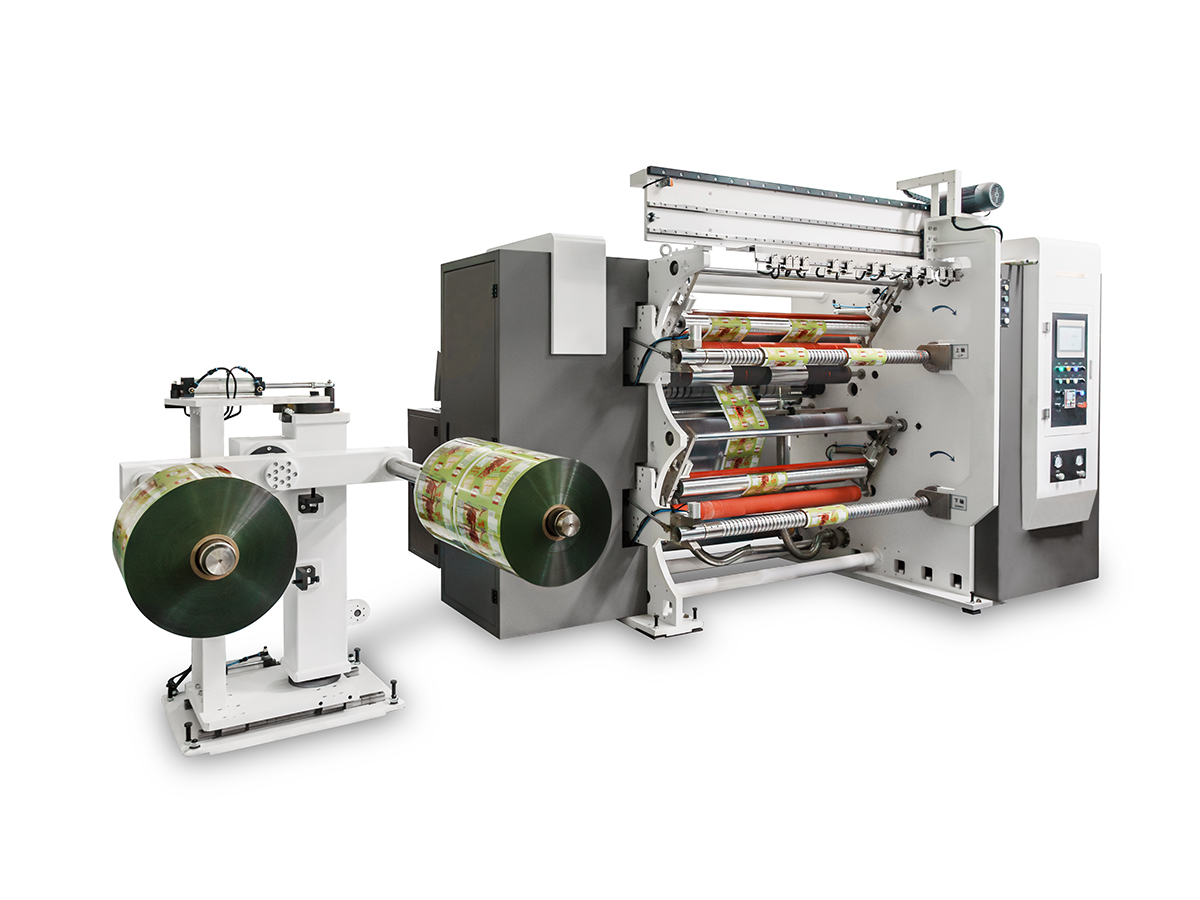
A solventless laminating machine represents a fundamental shift in flexible packaging manufacturing. Unlike traditional solvent-based systems that rely on volatile organic compounds to dissolve adhesives, solventless laminators employ a two-component chemical system where a resin and curing agent react at the molecular level to create durable bonds without solvent emissions.
This technology has transformed how converters approach production economics and environmental compliance. By eliminating the need for drying tunnels, solvent recovery systems, and extensive ventilation infrastructure, solventless systems deliver simultaneously lower operating costs and superior bond strength.
For flexible packaging converters facing margin pressure and regulatory tightening, understanding solventless lamination has become essential to staying competitive. This guide addresses the core questions that drive purchasing decisions: what specifications matter most, how much will you actually save, and which machine configuration fits your production profile.
Solventless lamination operates on a principle fundamentally different from solvent-based systems. A two-component adhesive consisting of an epoxy resin and a reactive hardener is precisely metered and applied to a substrate. Within seconds of contact, a polymerization reaction begins, creating cross-linked polymer chains that bond materials together through mechanical interlocking and chemical adhesion.
This chemistry eliminates the environmental burden of solvent recovery and the operational complexity of managing volatile emissions. Energy consumption drops dramatically because you are not heating large air volumes to evaporate solvents. Throughput accelerates because production does not pause for drying cycles.
Solventless laminators bond effectively across a wide range of flexible packaging substrates. BOPP film, PET film, polyethylene, aluminum foil, metallized film, and paper-based materials all work successfully. The two-component adhesive system adapts to different surface energies without requiring separate adhesive formulations for each substrate combination. This versatility reduces inventory complexity and allows rapid job changeovers.
The decision to adopt solventless technology typically centers on cost reduction. Converters switching from solvent-based dry lamination report consistent patterns in their cost structures:
| Cost Component | Solvent-Based Dry Lamination | Solventless Lamination |
|---|---|---|
| Adhesive consumption per kg substrate | 12-18 grams | 2.5-4 grams |
| Annual energy cost (per 1000 hours) | $8,000-12,000 (heating/drying) | $1,500-2,500 (metering only) |
| Solvent recovery maintenance | $3,000-5,000 annually | Eliminated |
| Environmental compliance (VOC testing) | $2,000-4,000 annually | Minimal |
For a mid-size converter running 2,000 production hours annually, these differences accumulate to savings between $25,000 and $45,000 per year, depending on substrate mix and current adhesive costs. Most converters achieve return on equipment investment within 18-28 months.
Regulatory frameworks governing VOC emissions continue tightening across North America, Europe, and Asia. Solventless laminators eliminate VOC emissions at the source, simplifying compliance with current standards (EU 2004/42/EC, US EPA regulations, California Title 17) and positioning operations ahead of anticipated regulatory changes. This compliance benefit extends beyond cost—it strengthens relationships with brand owners and retailers increasingly auditing supplier environmental practices.
Solventless systems operate at maximum line speed continuously. Solvent-based systems typically cannot exceed 250-300 m/min effectively due to solvent evaporation kinetics. A solventless laminating machine configured for high-speed production maintains 350-450 m/min without quality degradation, translating directly to increased throughput on the same floor space.
The two-component epoxy chemistry creates bonds that exceed mechanical strength expectations for solvent-based systems. Peel resistance, particularly in hot and humid environments where solvent systems weaken, remains consistent throughout the product lifespan. For demanding applications like retort pouches and high-temperature storage, solventless bonds significantly outperform traditional adhesives.
Available web widths range from 600mm to 1300mm or wider. Selection depends on your primary substrate dimensions and the need to run multiple narrower products simultaneously. A 900mm machine accommodates most flexible packaging applications while maintaining optimal compaction force distribution. Wider machines improve economics for large-format work but reduce flexibility for job changeovers.
Production speed directly impacts equipment cost and throughput potential. Standard configurations operate at 150-250 m/min, suitable for complex structures requiring precise register or multi-layer bonding. High-speed models reach 350-450 m/min, optimized for simple two-layer work with forgiving tolerances. Throughput at maximum speed on a 1000mm web width yields approximately 450-540 kg per hour.
Two primary metering systems exist:
Adhesive uniformity directly affects final product quality. Most modern systems employ electronically controlled metering with closed-loop monitoring to maintain tolerances within plus/minus 10% across the web width.
Core diameter typically ranges from 76mm to 152mm. Maximum parent roll weight on most machines reaches 500-800 kg, determining how long production runs before rewinding. Automatic roll feeding and web-edge control systems reduce operator intervention and scrap rates, particularly on shorter production runs.
Before specifying equipment, confirm all materials you intend to run:
Compact, single-position machines with web width 600-900mm and speed 180-250 m/min deliver optimal return on investment. These configurations require minimal floor space and operator training. Setup time between jobs typically averages 15-20 minutes, suitable for job-shop environments with frequent changeovers. Capital requirement ranges from $120,000 to $160,000 USD.
Duplex (dual-station) machines or high-speed single-station models operating continuously at 350+ m/min match volume requirements while maintaining quality control. Automated roll handling, servo-driven tension control, and integrated cleaning cycles minimize downtime. These systems justify investment of $220,000 to $300,000 through consistent throughput.
Modular machines with quick-change roller systems and flexible adhesive metering accommodate two-layer, three-layer, and four-layer laminations without equipment changes. This versatility proves valuable for converters serving multiple markets with different barrier and structural requirements. Investment typically ranges $180,000 to $250,000.
Enhanced adhesive formulation and precision coating systems ensure bond durability under extreme conditions. These configurations add approximately 20% to standard machine cost but deliver performance advantages impossible with solvent-based alternatives.
A solventless laminating machine price reflects several design and capability factors:
Based on standard configurations with moderate automation and mid-range speed capabilities:
ROI typically emerges from three sources:
Annual production volume 5,000 tons at 3.5 grams adhesive per kg substrate (solventless) versus 15 grams (solvent system). Adhesive cost averaging $18 per kg yields annual savings of approximately $52,500.
Eliminating drying tunnels and solvent recovery equipment saves $8,000-$12,000 annually in operating costs, plus an additional $2,000-$4,000 in environmental compliance and testing expenses.
Operating 15-20% faster than comparable solvent systems while running longer production cycles increases effective throughput by 300-500 tons annually on the same equipment.
Combined annual benefit typically ranges $65,000-$85,000 for mid-size converters. At these levels, investment payback occurs in 24-30 months, after which the equipment generates pure margin improvement.
Verify supplier capabilities regarding warranty terms, spare parts availability, and service response times. Equipment useful life extends 10-12 years with proper maintenance, meaning your investment provides margin improvement across nearly two product generations.
Most modern solventless laminators are modular, floor-standing designs requiring only standard electrical connection (typically 380V three-phase, 60-100 amps) and basic compressed air (6-8 bar). Installation teams typically complete setup within 3-5 days. Unlike solvent systems, no special foundation, ventilation ducting, or solvent recovery plumbing is required, reducing installation cost by 40-60% compared to dry lamination equipment.
Equipment suppliers typically provide 2-3 days of on-site training covering setup procedures, adhesive metering adjustment, web tension control, and cleaning protocols. Most operators achieve production-ready competency after 20-30 practice runs. Documentation is critical—detailed job specifications and adhesive formulation records enable repeatable results across shifts and product restarts.
Essential spare components to maintain in inventory include metering pump seals, application roller sets, dancer roller bearings, and heating element assemblies. Scheduled maintenance at 500-hour intervals (typically 2-3 times yearly) extends equipment life significantly. Preventive maintenance costs average $3,000-$5,000 annually.
Implement peel testing protocols at regular intervals (typically hourly during production runs) to verify bond strength meets specifications. Most equipment includes real-time pressure monitoring and web-edge sensors that alert operators to deviation conditions before quality is compromised.
Two-component adhesives require proper storage (temperature 18-25 degrees Celsius optimal) and accurate component ratio mixing. Most modern systems include automated mixing modules that eliminate manual ratio errors and reduce waste from incorrect batches. Component shelf life typically reaches 12 months in unopened containers.
This comparison demonstrates why solventless technology has gained dominant market share in flexible packaging. The combination of superior bond strength, lower operating cost, and environmental compliance creates a compelling economics case that alternatives cannot match.
A converter producing retort pouches for food applications faced declining margins as energy costs for drying tunnels increased and labor requirements for manual solvent recovery grew. By transitioning to solventless lamination, they reduced per-unit adhesive cost from 22 cents to 4 cents, achieved consistent bond durability under high-temperature autoclaving, and eliminated regulatory compliance expenses. The investment of $185,000 returned to cash flow within 26 months. Within two years, margin improvement enabled expansion of product range to include three-layer structures previously economically unfeasible.
A converter operating at 95% capacity on solvent equipment faced either growth limitations or significant capital expenditure for additional dry lamination lines. A duplex solventless system operating at 380 m/min increased effective capacity by 220% while reducing operating cost per kilogram by 34%. The equipment paid for itself in 22 months through combined throughput and efficiency gains.
A custom converter running 200+ different jobs annually struggled with drying time variations between substrates and quality inconsistency on exotic material combinations. A modular solventless system with adjustable metering eliminated substrate-specific drying adjustments, reduced scrap rates from 6.2% to 1.8%, and simplified operator training through consistent process parameters. Investment of $162,000 achieved payback in 31 months, with significant reduction in customer complaints and rework.
Before requesting quotations, document these specifications to receive accurate pricing and optimal equipment recommendations:
Yes, solventless systems perform excellently with aluminum foil substrates, including thin gauge foil down to 6 microns and metallized film. The two-component adhesive bonds effectively to metallic surfaces without requiring substrate pretreatment. The key consideration is managing foil tension during the application stage; most modern machines include automated tension control for optimal results. For ultra-thin foil under 9 microns, verify metering precision with your equipment supplier.
Most operators transition from solvent systems within 15-25 practice runs, typically 2-3 production days. The process is more intuitive than solvent-based lamination because you eliminate drying variables and solvent recovery monitoring. Initial training provided by equipment suppliers typically covers all critical procedures. Operator proficiency stabilizes after approximately 50 production runs, at which point consistent quality becomes routine.
Two-component solventless adhesive components maintain performance for 12 months when stored at temperatures between 18 and 25 degrees Celsius, away from direct sunlight. Unopened containers are sealed and stable; once opened, the active component begins gradual crosslinking and should be consumed within 6-8 weeks. Most modern systems include component storage monitoring to prevent usage of out-of-spec material.
Partially. Operators experienced with lamination fundamentals understand substrate handling and web control, accelerating transition to solventless systems. However, the two-component adhesive system and absence of drying variables require process-specific training. Budget 3-5 days for supplier-provided training, plus 2-3 weeks of supervised production runs to achieve full competency. This is significantly less training burden than hiring and training completely new operators.
Preventive maintenance at 500-hour intervals (typically 2-3 times annually for standard production schedules) keeps equipment operating at peak efficiency. Critical spare parts to maintain in inventory include metering pump seals, application roller sets, dancer roller bearings, and web guides. Most suppliers provide detailed spare parts lists; budgeting 3-5% of equipment cost annually for maintenance and emergency parts covers most normal operating scenarios.
Some modular machine designs support operation with alternative adhesive systems, including certain solvent-based formulations, though this negates most environmental and efficiency advantages. The optimal approach is switching to dedicated solventless adhesive systems matched to your substrate combinations. Adhesive suppliers provide formulations optimized for BOPP, PET, aluminum, and most other common flexible packaging substrates. Switching costs are minimal because solventless adhesive consumption is one-fifth that of solvent systems.
Standard delivery typically ranges 12-16 weeks from purchase order to installation-ready equipment, depending on supplier manufacturing capacity and customization requirements. Rush timelines of 8-10 weeks are sometimes available for additional cost. Installation itself requires 3-5 days. For converters requiring immediate capacity, used or refurbished equipment from previous installations can sometimes be sourced in 4-6 weeks at 40-50% cost reduction.
Temperature and humidity variations impact two-component adhesive reactivity and cure speed. Equipment should operate in environments between 15 and 30 degrees Celsius with relative humidity below 70%. Most facilities meet these parameters through standard HVAC systems. For outdoor or non-climate-controlled environments, verify adhesive performance data with suppliers before equipment commissioning. Adhesive component storage always requires climate control regardless of production environment.
Maintain detailed production logs recording adhesive batch numbers, metering pressure settings, line speed, ambient temperature, and humidity for each production run. This traceability enables troubleshooting of any eventual quality issues and provides documentation for customer audits or regulatory inquiries. Most modern laminators include integrated data logging; ensure your system captures these parameters automatically rather than relying on manual recording.
Solventless bonds typically exceed existing contract specifications for peel strength and temperature resistance. Communicate technology transition to customers proactively, with emphasis on improved performance characteristics. In most cases, the upgrade requires no contract modification; existing specifications are comfortably exceeded. For demanding applications like retort or high-temperature storage, solventless performance often enables specification upgrades that command premium pricing.
The transition from solvent-based lamination to solventless laminating machine technology represents one of the highest-return equipment investments in flexible packaging manufacturing. The combination of significantly lower operating costs, superior product quality, simplified environmental compliance, and increased production capacity creates a compelling economic case across virtually all converter profiles.
The technology is proven and mature. Thousands of installations across North America, Europe, and Asia have operated for 8-12 years, demonstrating reliability and consistency. Performance data is abundant; equipment ROI timelines are predictable and achievable.
Your next step is straightforward: document your production specifications using the selection checklist provided in this guide, then request detailed quotations from multiple qualified suppliers. Reputable manufacturers will provide equipment specifications, customer references, comprehensive warranties, and transparent pricing breakdowns that enable confident comparison.
Market conditions continue favoring solventless adoption. Operating costs for solvent-based systems are rising while solventless equipment pricing remains stable. Regulatory pressures on VOC emissions continue increasing globally. These trends strengthen the economic advantage of conversion with each passing year.
If you operate a flexible packaging converter generating $500,000 to $5,000,000 in annual revenue, solventless lamination economics almost certainly justify equipment investment within your current strategic planning horizon.
The decision to adopt solventless lamination technology is fundamentally a decision about competitive positioning and operational efficiency. Equipment suppliers are ready to support your transition; the right technology partnership accelerates your journey toward improved margins and sustainable growth.
Contact Us
Recommended Products
Joining Hands With Huitong
Customize Your Flexible Packaging Equipment Solution
Inquire now
Products
contact us

Tel: +86-0510-86328508
+86-0510-86324508
Mob: +86-13914908980
Email: [email protected]
ADD: No. 429 Xizhang Road, Gushan Town, Jiangyin City, Jiangsu Province, China

 English
 русский
 Español
 عربى
عربى