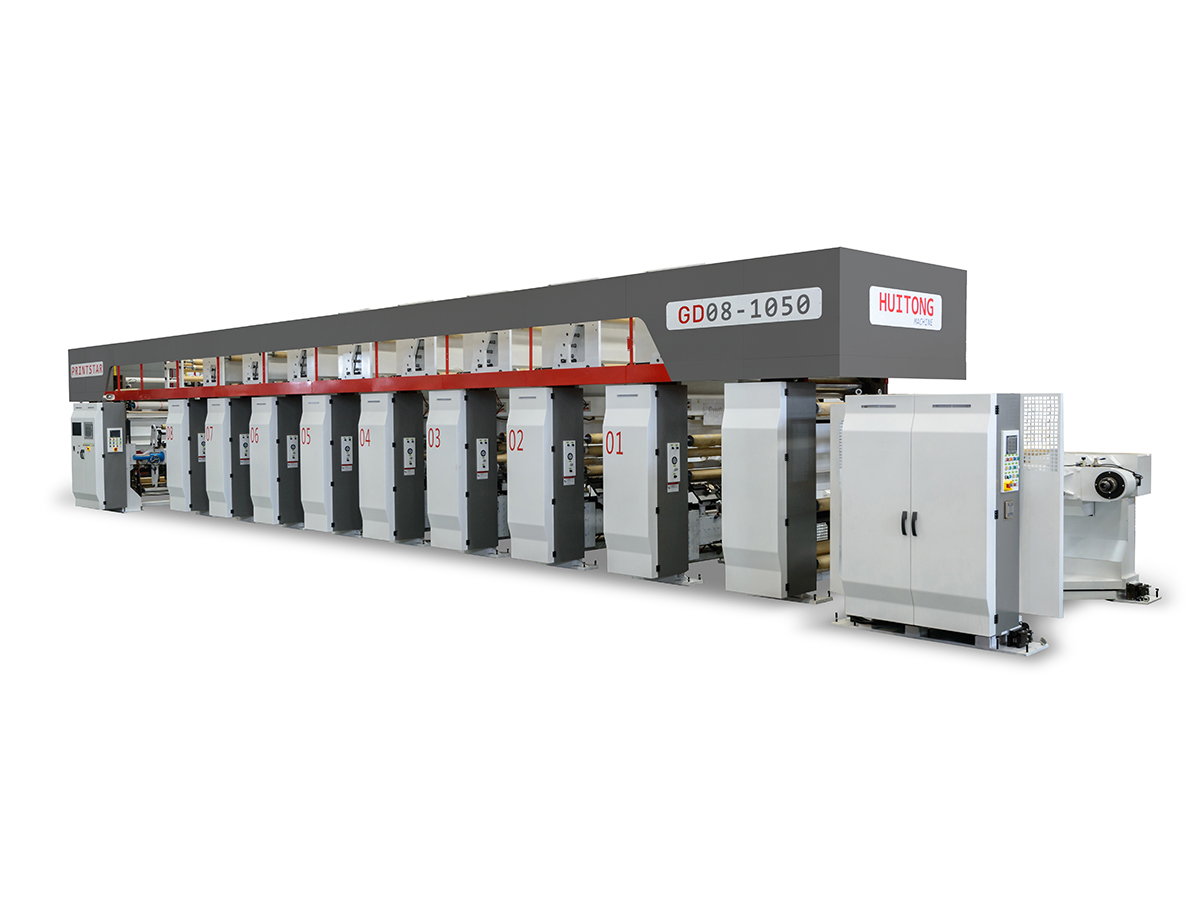
Flexible food packaging barrier performance is usually credited to material selection. EVOH, PVDC, aluminum foil, and metallized films dominate technical discussions. Yet two converters can run the same barrier film structure on different machines and achieve dramatically different oxygen transmission rate and water vapor transmission rate results. The material provides the potential. The equipment decides how much of that potential is actually delivered.
This gap between specification and reality is where food packaging equipment optimization becomes a barrier performance strategy. Process deviations can damage barrier layers, create coating unevenness, and introduce lamination interface defects. None of these problems appear on a resin datasheet. All of them shorten shelf life.
Key insight: Substrate surface debris and particles can create pinhole defects. At those points, the barrier layer may be missing entirely, and gas barrier performance drops sharply even when the film specification looks correct on paper.
The coextrusion die is the first place where barrier performance is either protected or compromised. Layer distribution control precision determines whether an EVOH or PA barrier layer forms a continuous, defect-free barrier. If the die channels distribute melt unevenly, the barrier layer develops thin spots. Those thin spots become preferential pathways for oxygen and moisture.
Screw design must also match the processing window of different barrier resins. PA, EVOH, and PVdC each have narrow thermal stability ranges. Excessive shear heating or poor mixing can degrade the barrier resin or cause thickness fluctuation. A dedicated screw design that handles everything from commodity resins to specialty engineering resins without replacement gives converters a practical advantage: fewer changeover risks and more consistent barrier layer quality.
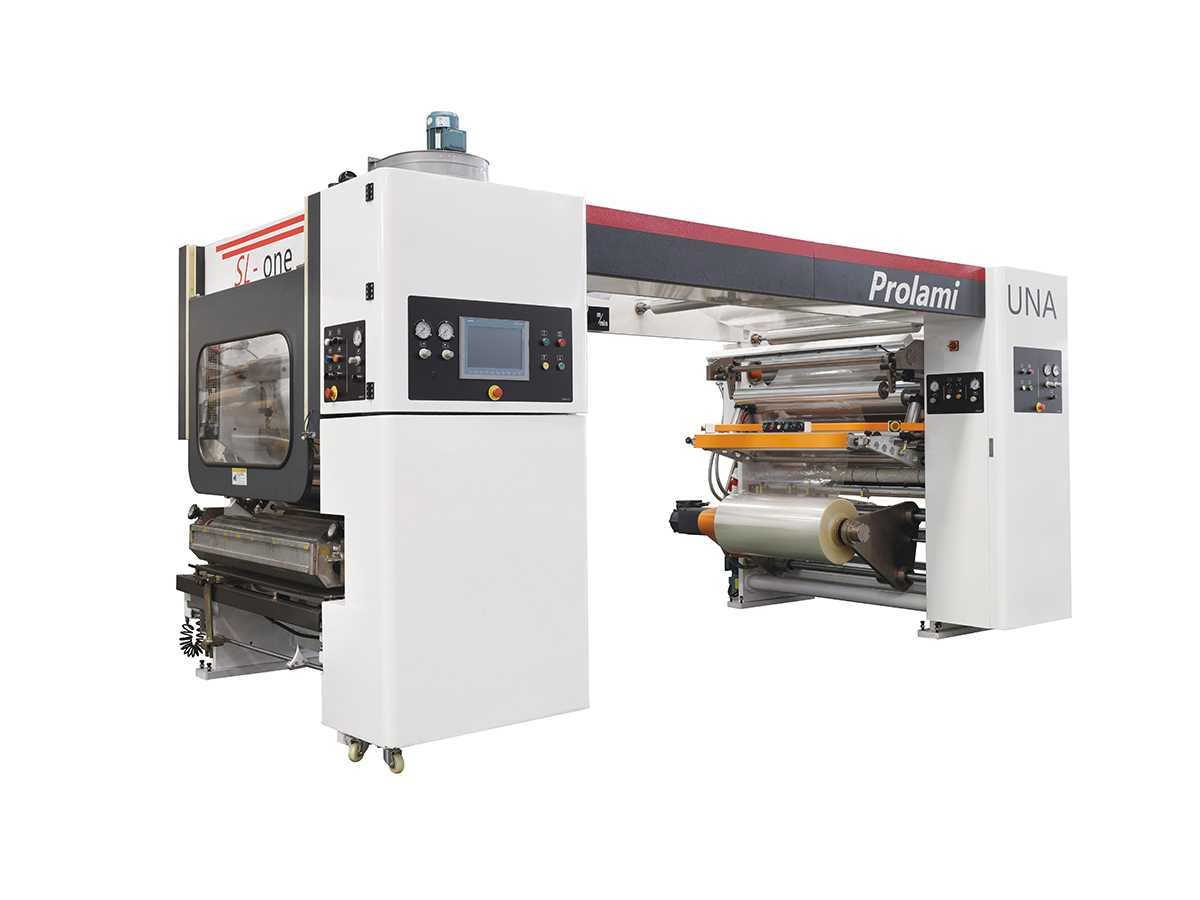
Solventless lamination coating uniformity directly affects interlayer bond strength. A poorly bonded interface becomes a channel for moisture and oxygen. Even microscopic unbonded areas can allow gas migration along the interface, bypassing the barrier layer entirely.
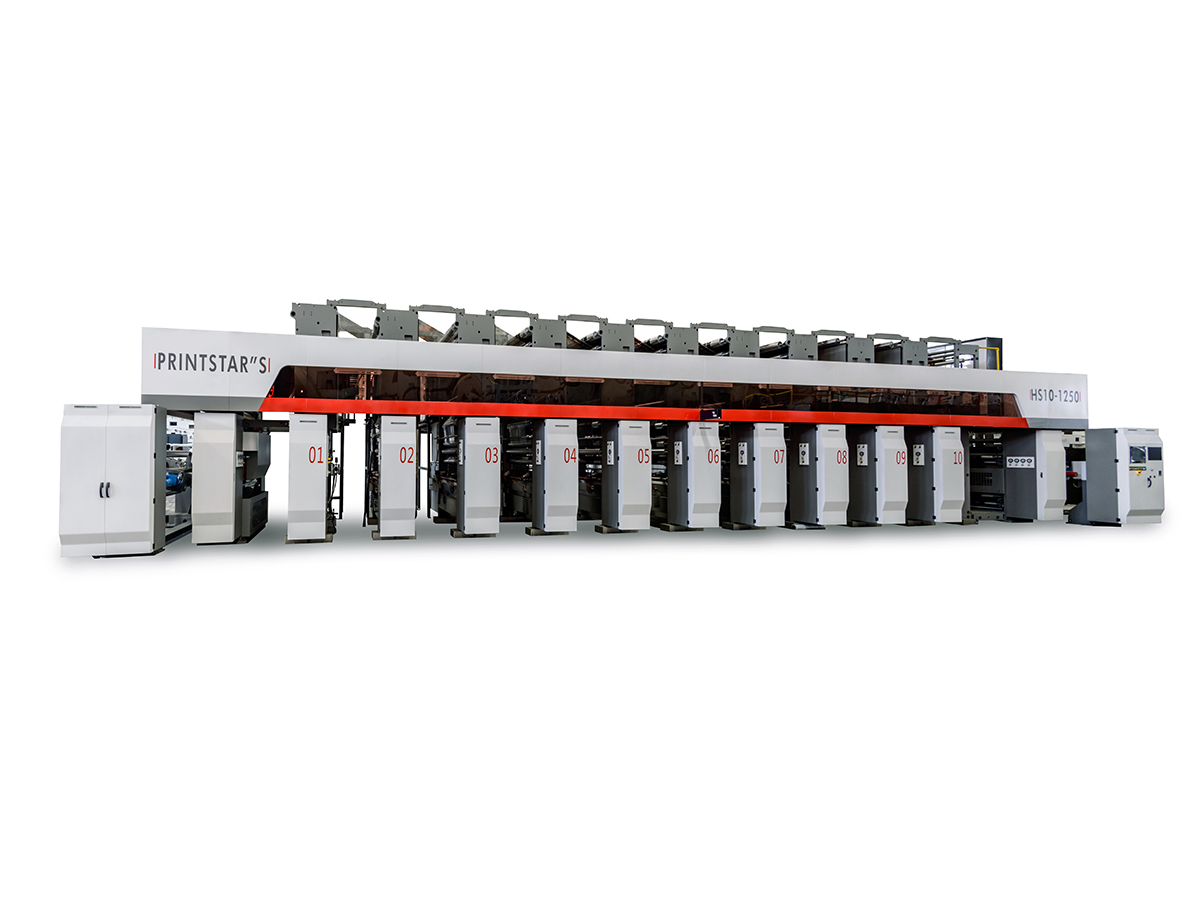
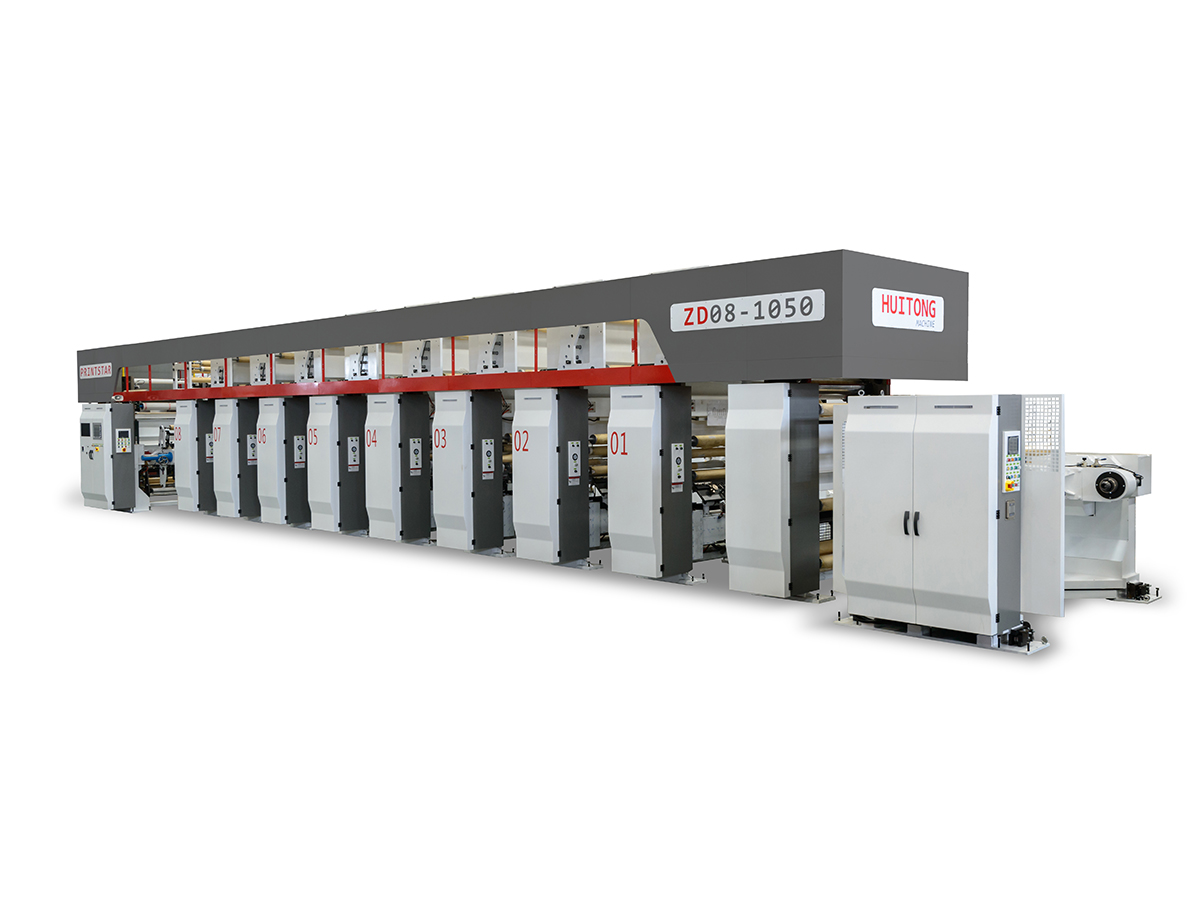
Reverse gravure coating has been shown to deliver exceptionally uniform coatings without pinholes, which is critical for barrier applications. The difference between a uniform coating and one with minor defects is not cosmetic. It is functional. Barrier coating defects such as pinholes and cracks, even when they occupy a very small area percentage, can significantly reduce overall barrier performance.
Heat seal temperature, pressure, and time deviations can produce incomplete seals. A package with excellent barrier film can still fail if the seal is not airtight. For packaging containing fatty or moist foods, seal contamination and seal inconsistency are especially damaging.
High-precision heat seal control systems matter most when the product is aggressive or when the packaging line runs at high speed. A seal that looks acceptable visually may still leak at a microscopic level.
The following table connects common machine parameters to their barrier performance impact pathways and typical problems. Each row also includes a brief equipment-oriented solution direction.
| Equipment Parameter | Impact Path on Barrier Performance | Typical Problem | Equipment Solution Direction |
|---|---|---|---|
| Extrusion temperature | Too high causes barrier resin degradation; too low causes poor plasticization | EVOH has a narrow thermal stability window | Precise multi-zone temperature control with resin-specific profiles |
| Die layer distribution precision | Directly affects barrier layer thickness uniformity | Local thin spots become permeation weak points | High-precision die gap adjustment and layer ratio control |
| Lamination tension control | Tension fluctuation causes microcracks in barrier layer | Especially damaging for metallized and coated films | Closed-loop tension control with dancer or load cell feedback |
| Coating weight uniformity | Coating thickness deviation causes barrier performance fluctuation | Main source of pinhole defects | Reverse gravure or optimized coating head design |
| Heat seal parameter precision | Seal integrity determines final barrier result | Leak rate directly linked to shelf life | High-accuracy temperature, pressure, and dwell time control |
These parameters do not act in isolation. A thin barrier layer from poor die distribution can be further damaged by tension spikes during lamination. A pinhole in a coating can be masked by a good seal during initial testing but fail after storage. Equipment optimization means controlling the entire chain, not just one station.
Barrier performance should not wait for finished product testing. Inline thickness and coating weight inspection systems can monitor barrier layer uniformity in real time. Transparency inspection can identify coating defects such as pinholes and cracks. When these systems are integrated with closed-loop control, the machine can adjust parameters before a batch of non-conforming material is produced.
Consistency of barrier performance matters more than a single highest value. A recipe management system that allows one-touch recall of common process parameters reduces parameter drift during changeovers. This ensures batch-to-batch barrier stability, which is especially important for converters running multiple short orders on the same line.
Sustainable barrier solutions such as bio-based coatings and water-based coatings place new demands on equipment. Drying system optimization is critical for uniform water-based coating formation. Gentle radiation crosslinking technology can improve film strength without damaging the EVOH barrier layer. Equipment that can adapt to these new materials without sacrificing barrier integrity gives converters a forward-compatible production platform.
When a package fails oxygen or moisture barrier tests, the cause is not always the film specification. The following diagnostic checklist helps trace the problem back to equipment and process history.
This diagnostic approach reflects a deeper understanding of the equipment-barrier relationship. It also builds technical authority by showing that barrier performance is a system output, not a material property alone.
Key equipment factors include extrusion temperature control, die layer distribution precision, lamination tension stability, coating weight uniformity, and heat seal parameter accuracy. Each factor can either protect or degrade the barrier layer during production.
EVOH has a narrow thermal stability window. Too high a temperature causes degradation, which reduces barrier function. Too low a temperature causes poor plasticization, leading to uneven layer thickness and potential barrier gaps.
The film may be correct, but equipment process deviations can damage the barrier layer. Common causes include die distribution errors, tension-induced microcracks, coating pinholes, and incomplete heat seals. Reviewing process parameter history is the first diagnostic step.
Yes. Inline thickness and coating inspection can detect uniformity problems and pinholes in real time. Closed-loop control then adjusts parameters before large volumes of non-conforming material are produced.
Recipe management reduces parameter drift during changeovers. When the same barrier structure is run multiple times, consistent machine settings produce consistent barrier performance, which is essential for shelf life predictability.
Flexible food packaging barrier performance is a system engineering result. Materials provide the potential. Equipment determines how much of that potential is realized. When selecting equipment, converters should evaluate barrier layer protection capability, process parameter control precision, and batch-to-batch stability.
The practical question is simple: is your equipment helping or hindering your barrier performance? The answer often lies in the details of temperature control, die precision, tension stability, coating uniformity, and seal accuracy.
Contact Us
Recommended Products
Joining Hands With Huitong
Customize Your Flexible Packaging Equipment Solution
Inquire now
Products
contact us

Tel: +86-0510-86328508
+86-0510-86324508
Mob: +86-13914908980
Email: [email protected]
ADD: No. 429 Xizhang Road, Gushan Town, Jiangyin City, Jiangsu Province, China

 English
 русский
 Español
 عربى
عربى