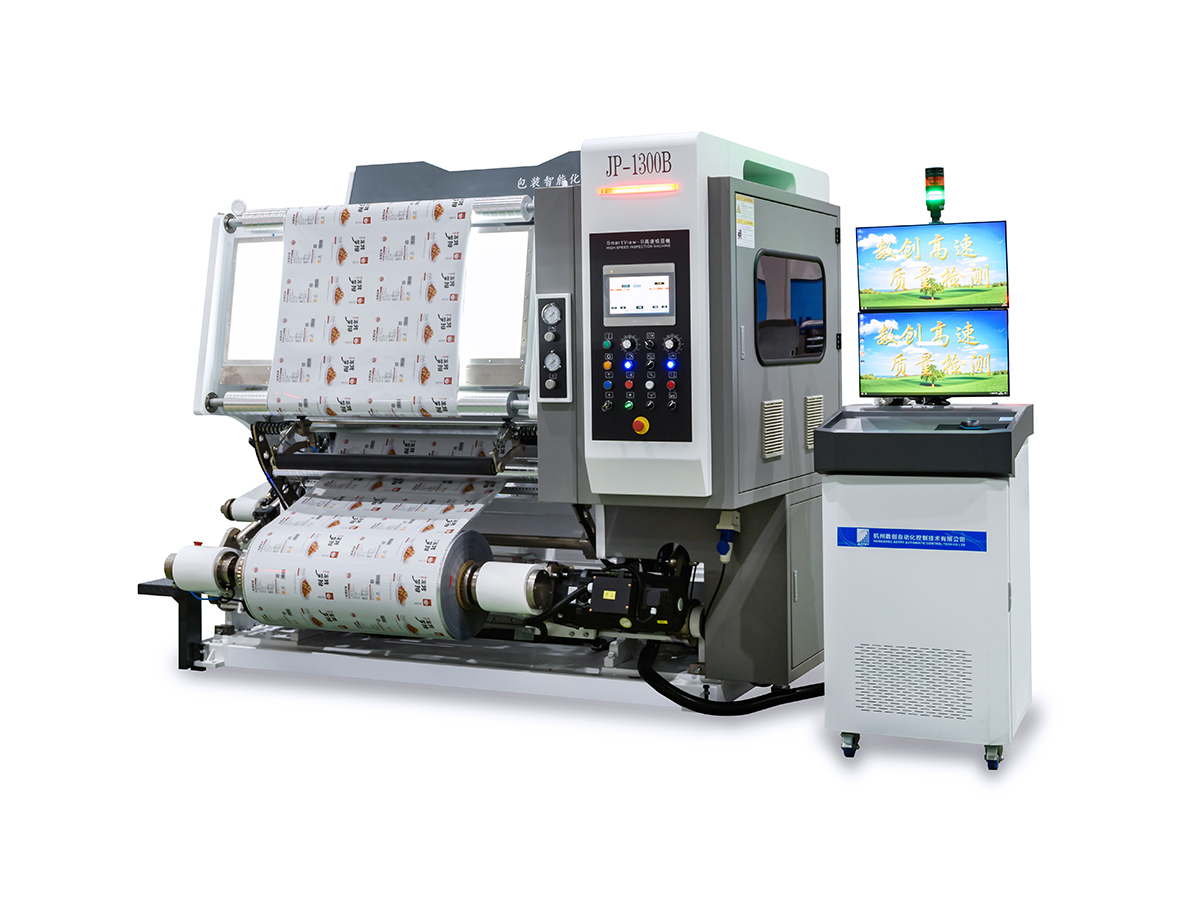
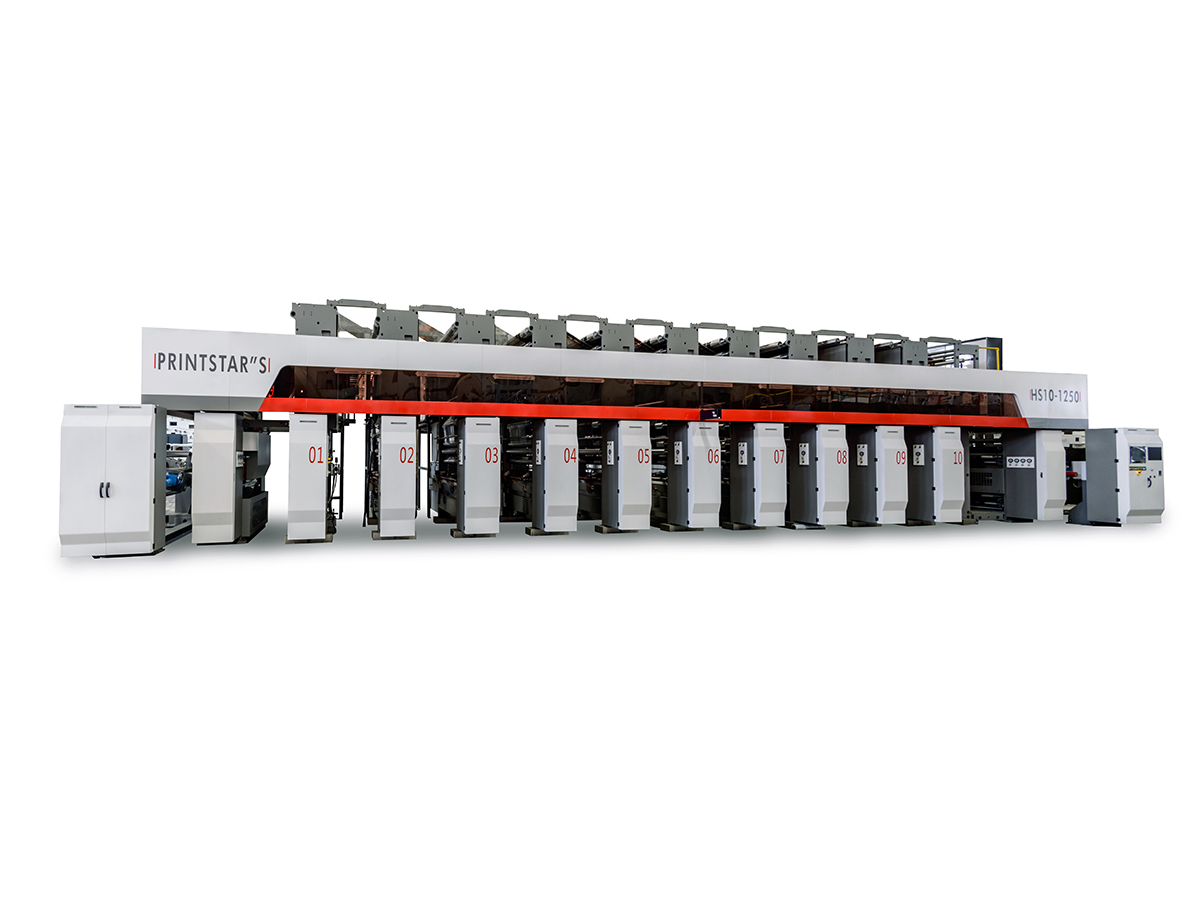
The rapid evolution of modern manufacturing has reshaped how products are protected, transported, and presented to end users. Among the influential developments is the widespread adoption of flexible packaging equipment, which has become a cornerstone of efficient, adaptable, and material-diverse packaging operations. As product categories expand and sustainability expectations rise, manufacturers increasingly rely on equipment that can seamlessly handle a wide range of packaging materials without compromising performance, quality, or operational efficiency.
Flexible packaging refers to packaging formats made from materials that can easily bend, fold, or conform to product shapes. These materials include films, foils, papers, laminates, and various composite structures. Unlike rigid containers, flexible formats demand equipment that can accommodate constant changes in material thickness, tensile strength, surface friction, and sealing behavior.
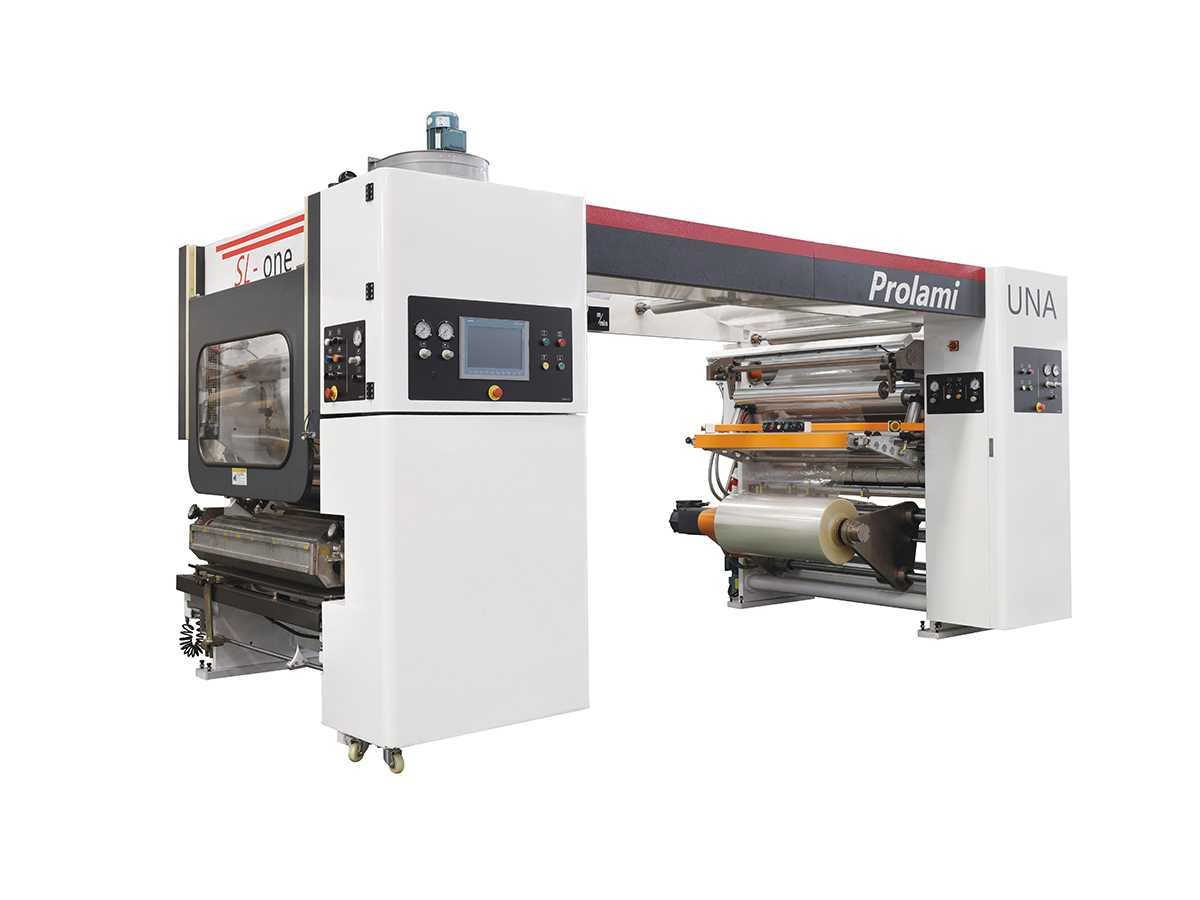
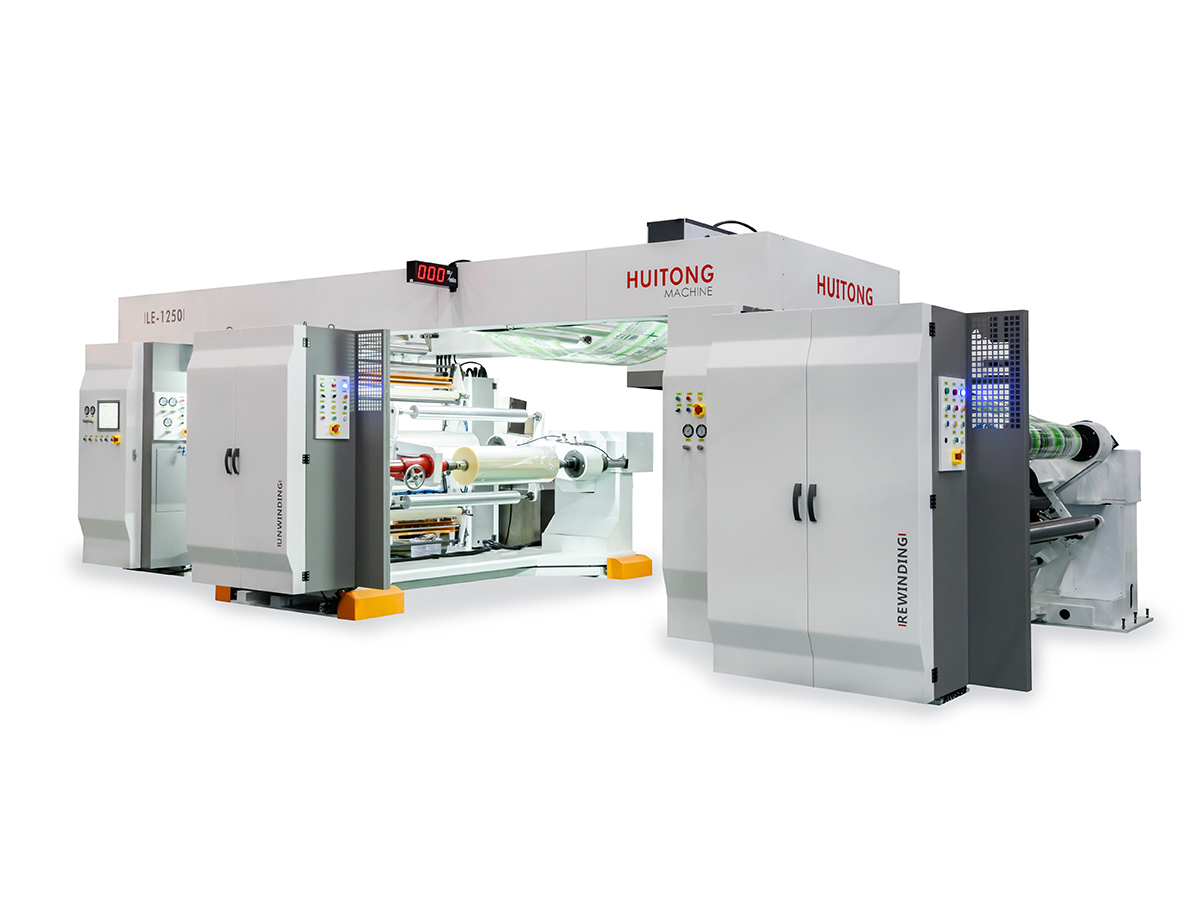
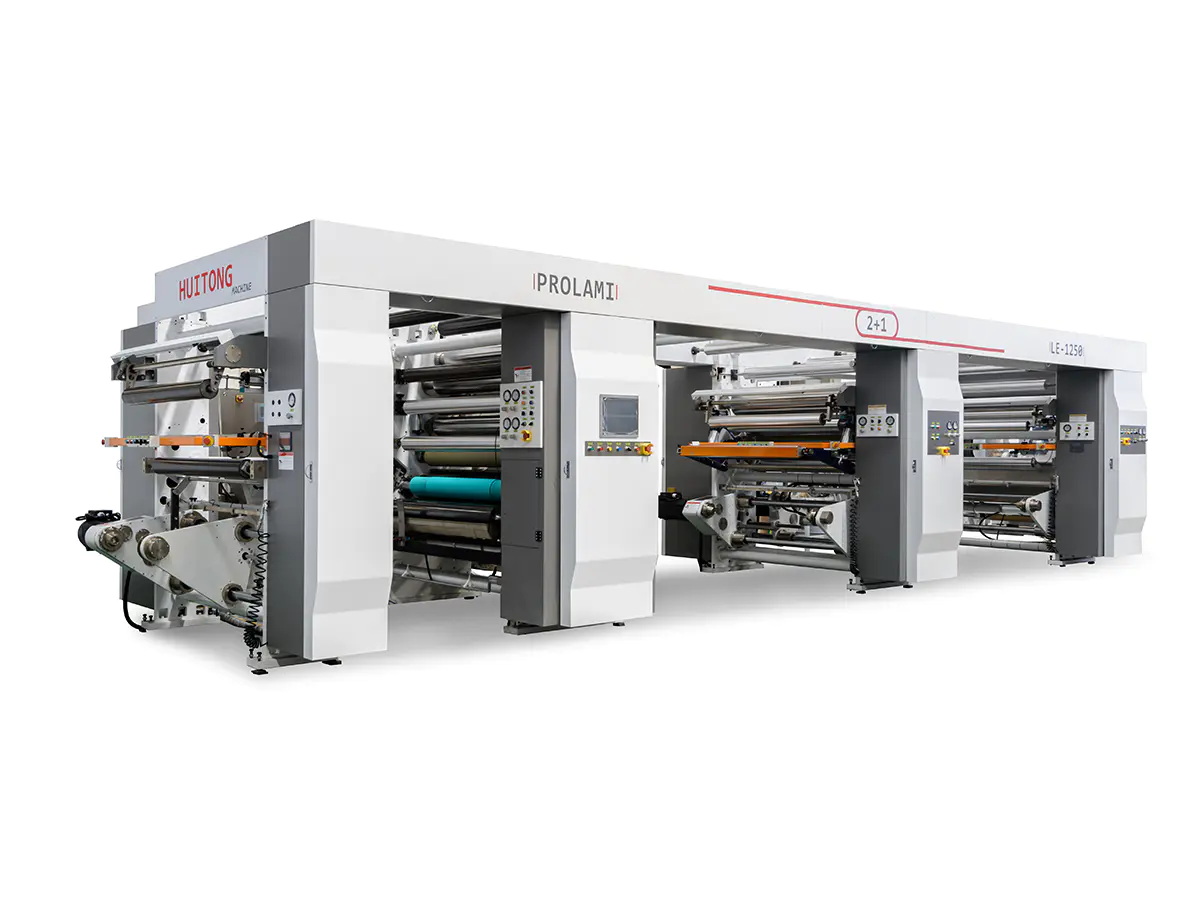
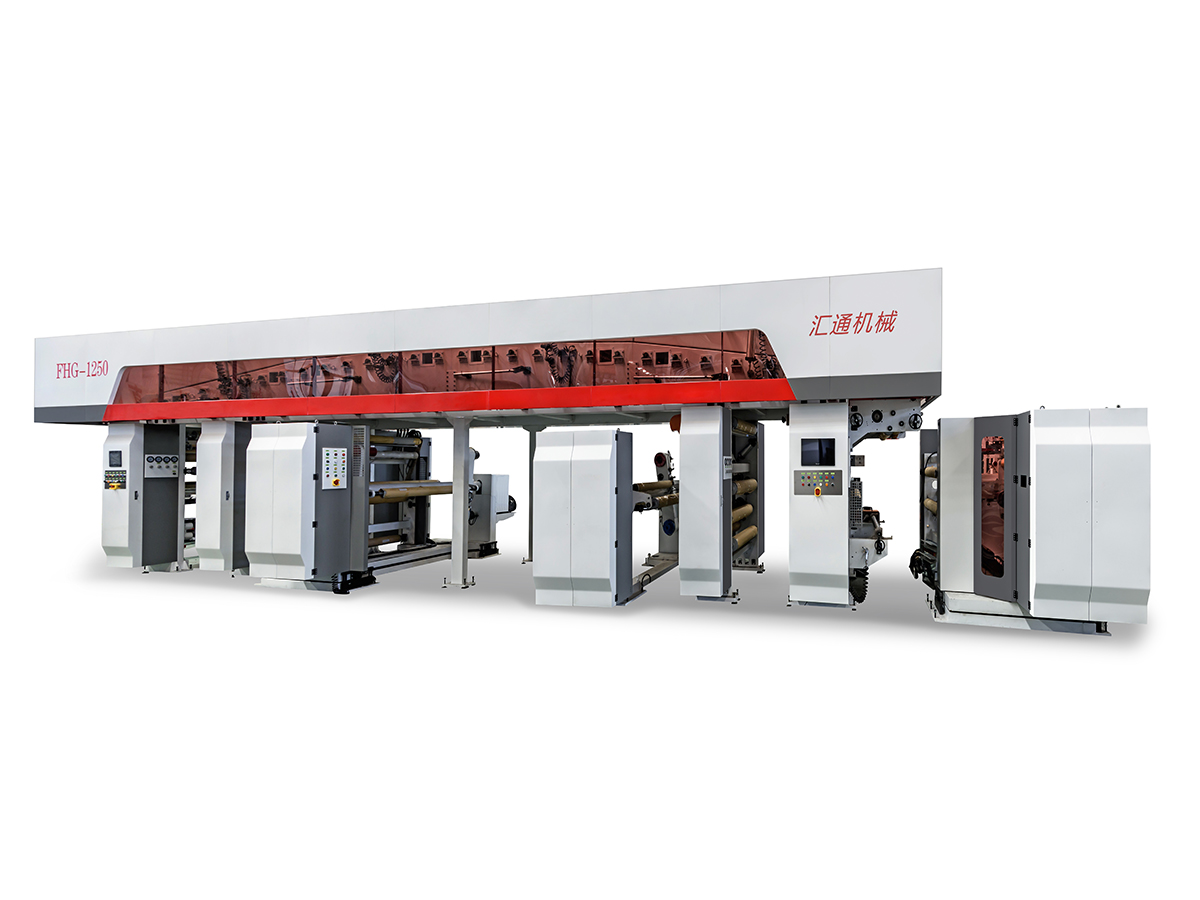
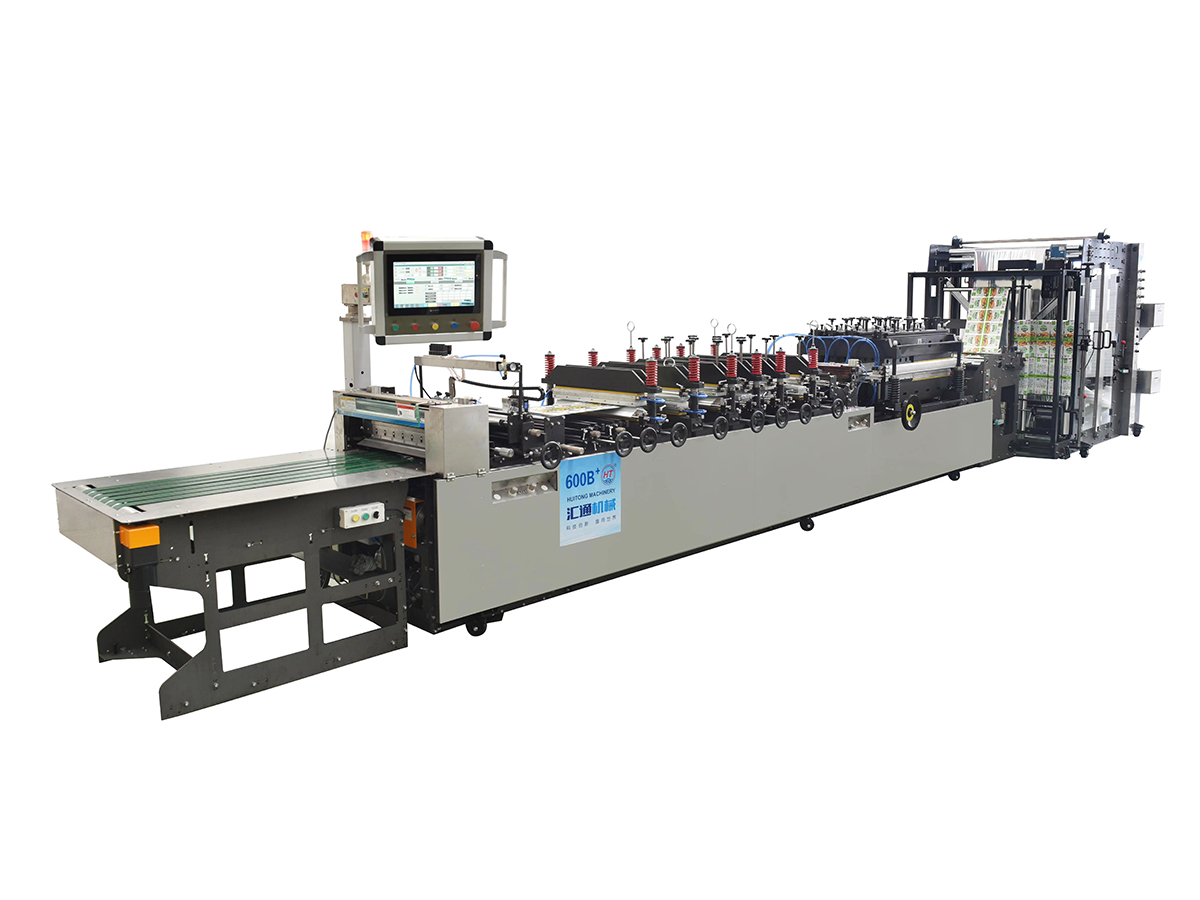
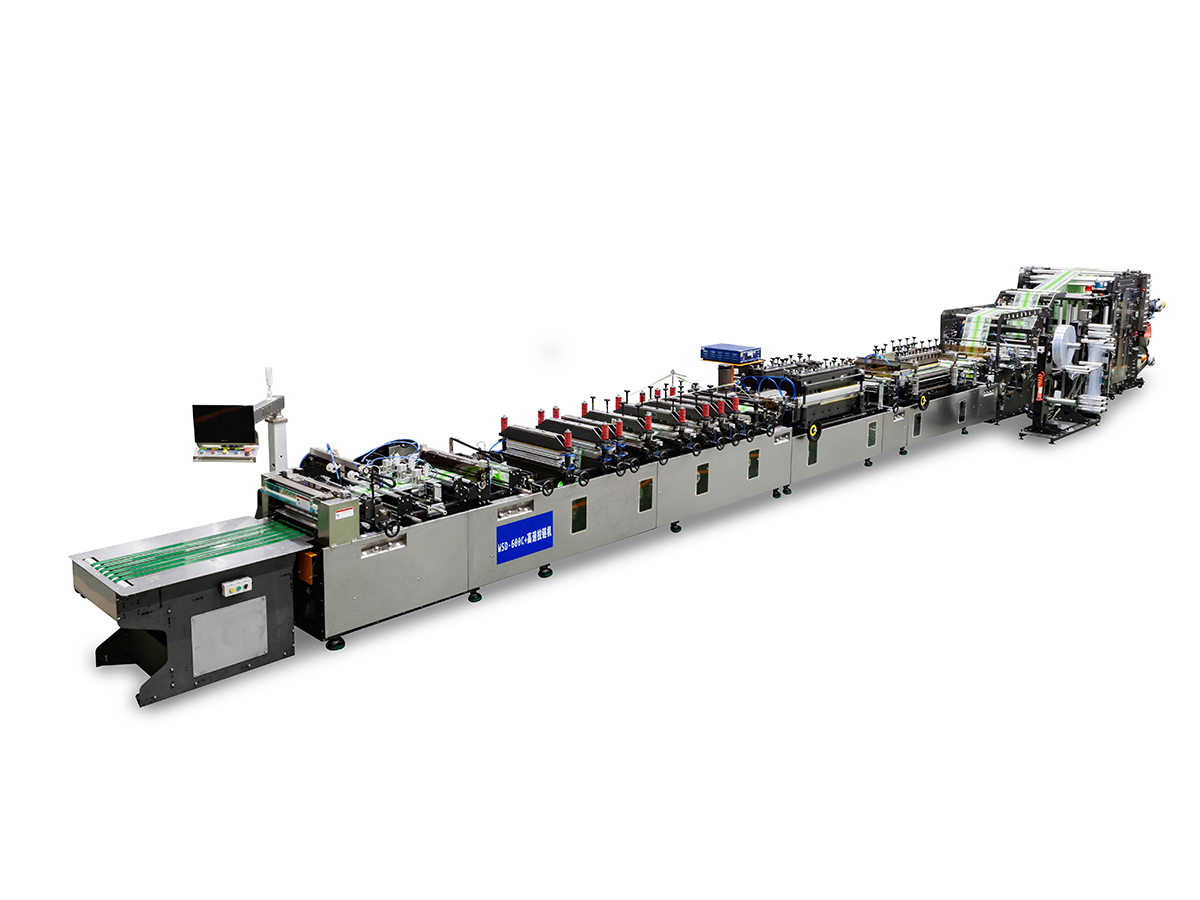
Flexible packaging equipment is engineered to manage this variability. Rather than being locked into a single material type, it relies on modular designs, precise control systems, and adaptable handling mechanisms. This flexibility allows manufacturers to shift between packaging materials as product requirements evolve, without major downtime or extensive retooling.
The ability of flexible packaging equipment to support diverse materials is rooted in its fundamental design. Several principles guide this adaptability:
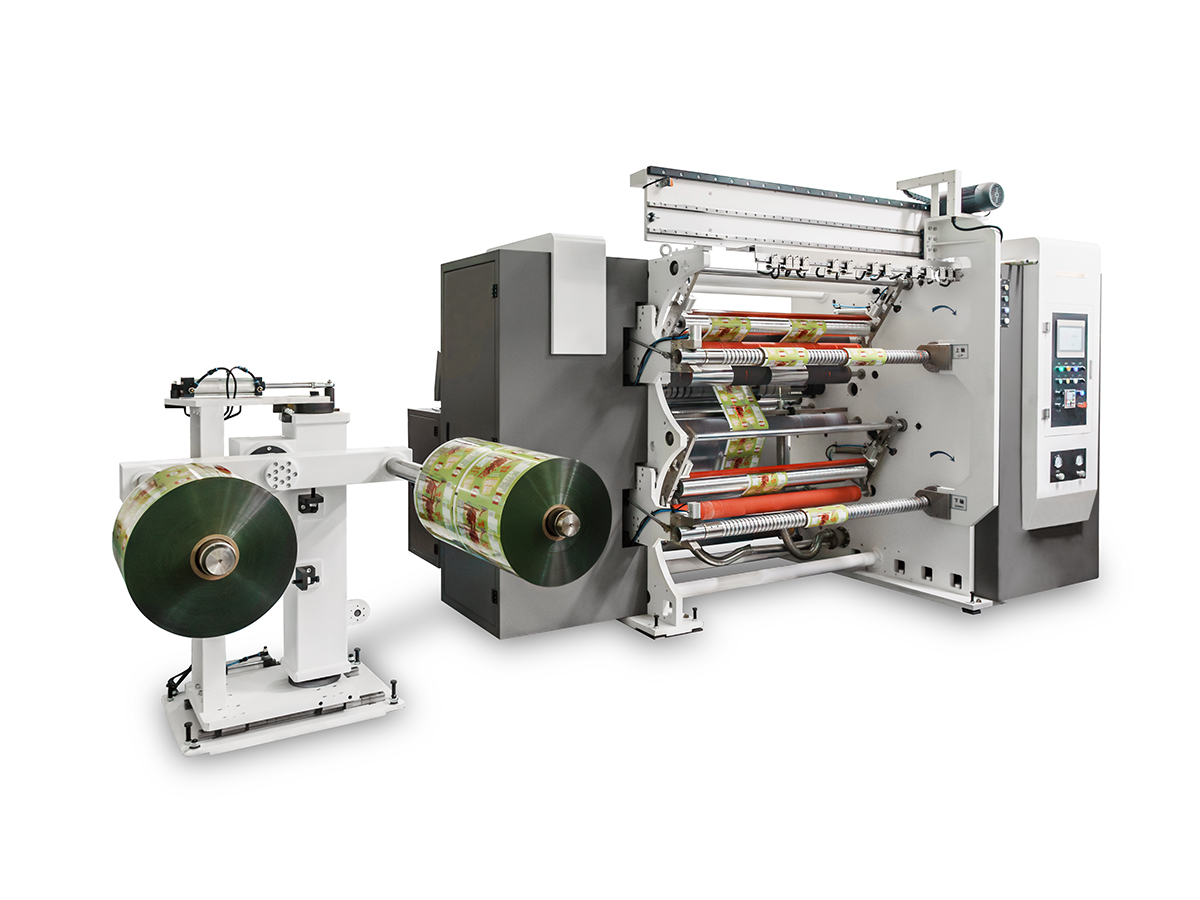
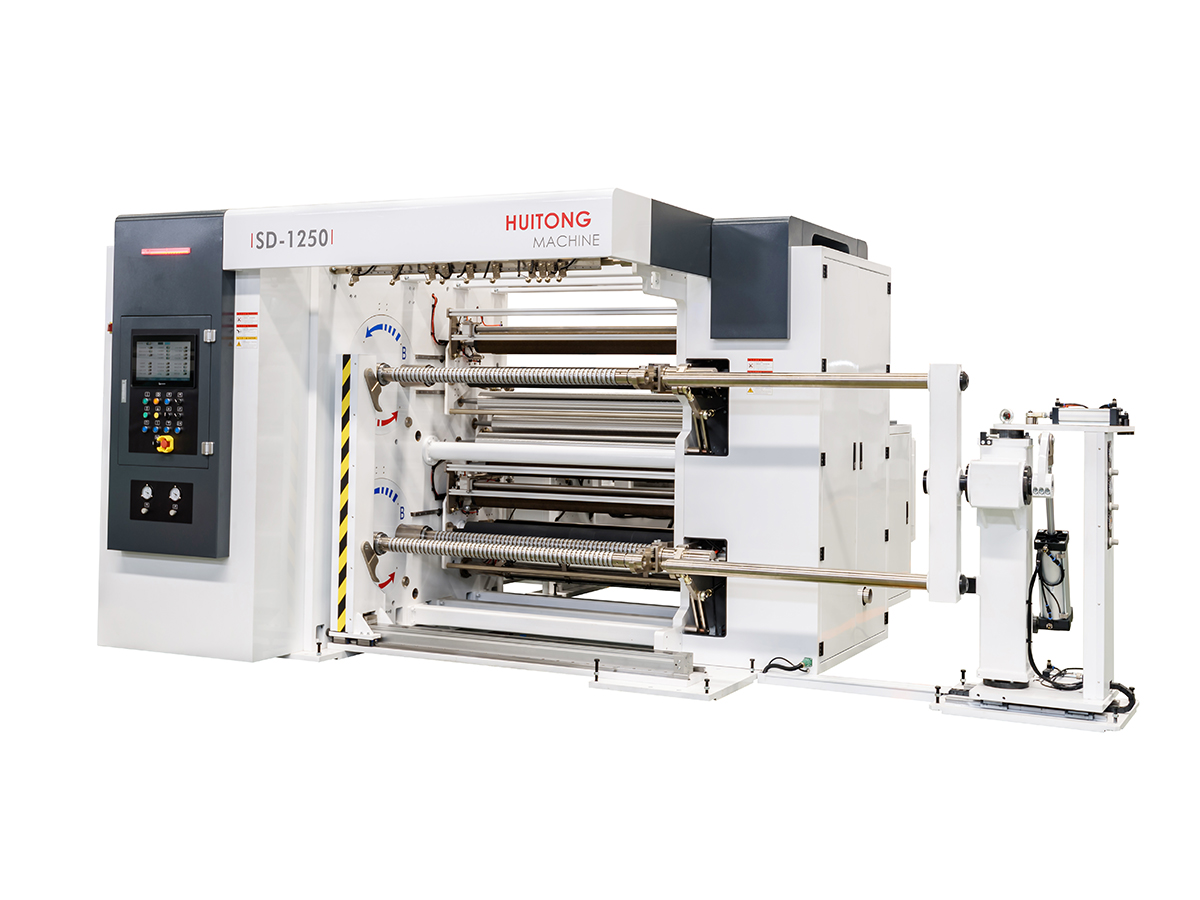
Equipment components such as unwinders, sealing units, cutting systems, and forming modules are often designed as interchangeable or adjustable elements. This allows operators to modify configurations based on material characteristics.
Advanced control systems regulate tension, temperature, pressure, and speed. These parameters are critical when switching between materials with different thermal and mechanical properties.
Rollers, guides, and transport belts are designed to minimize abrasion and deformation. This ensures delicate films or coated papers are processed without damage.
Together, these principles create a platform that is not material-specific but material-responsive.
Flexible packaging equipment supports a wide range of materials, each with unique requirements. Understanding how equipment adapts to these materials highlights its operational versatility.
Plastic films are widely used due to their barrier properties and formability. Equipment supports them through:
Foil offers barrier protection but is sensitive to creasing and tearing. Equipment adaptations include:
Paper introduces challenges related to rigidity and fiber integrity. Equipment accommodates paper by:
Multi-layer laminates combine different materials for enhanced performance. Equipment supports these through:
The following table outlines core equipment features and how they support different packaging materials:
| Equipment Feature | Functional Role | Material Adaptation Benefit |
|---|---|---|
| Adjustable Tension Control | Regulates material feed | Prevents stretching or tearing |
| Multi-Zone Sealing System | Applies variable heat | Ensures compatibility with diverse seal layers |
| Modular Tooling | Enables fast changeovers | Reduces downtime between materials |
| Servo-Driven Motion | Enhances accuracy | Maintains consistency across material types |
| Integrated Monitoring | Detects material variation | Improves quality control |
These features allow flexible packaging equipment to function as a universal processing platform rather than a single-material solution.
Material diversity often requires frequent changeovers. Flexible packaging equipment is designed to minimize the impact of these transitions.
Quick-adjust mechanisms enable operators to modify settings without disassembling major components. Digital recipes store parameters for each material type, allowing rapid recall and reducing the risk of operator error. As a result, production lines can move from one material to another with minimal waste and disruption.
This efficiency is particularly important in short production runs, customized packaging, and seasonal product variations.
Maintaining consistent quality across different materials is a central challenge in flexible packaging. Equipment addresses this through integrated inspection and feedback systems.
Sensors monitor material alignment, seal integrity, and thickness variations in real time. When deviations occur, control systems automatically adjust processing parameters. This closed-loop approach ensures that regardless of material choice, the final package meets predefined quality standards.
By embedding quality assurance into the equipment itself, manufacturers reduce reliance on post-production inspection and rework.
As sustainability becomes a strategic priority, new packaging materials continue to emerge. These may include recyclable films, biodegradable laminates, or lightweight paper-based alternatives. Flexible packaging equipment plays a critical role in enabling the adoption of such materials.
Rather than requiring entirely new machinery, adaptable equipment allows manufacturers to trial and implement innovative materials with minimal investment. Adjustable sealing profiles and gentle handling systems make it possible to process materials that may be more sensitive than traditional options.
In this way, flexible packaging equipment supports sustainability goals while maintaining production efficiency.
Material support is only one dimension of equipment performance. The same features that enable material adaptability also deliver broader operational advantages.
Uniform control systems ensure repeatable results across different material runs.
Reduced material waste and faster changeovers lower operational costs.
Equipment can support production growth by handling new materials without major redesign.
These benefits make flexible packaging equipment a strategic asset rather than a purely operational tool.
Modern flexible packaging equipment increasingly integrates with digital manufacturing environments. Data collected during material processing feeds into analytics platforms, enabling predictive maintenance and performance optimization.
When processing different materials, historical data helps identify settings and anticipate potential issues. This digital layer enhances the equipment’s ability to adapt intelligently rather than reactively.
Such integration positions flexible packaging equipment as a key component of smart factories.
Flexible packaging equipment supports different packaging materials by combining modular design, precise control, and intelligent monitoring into a unified system. Its ability to adapt to plastic films, foils, papers, and laminates makes it an indispensable solution in modern packaging operations.
Beyond material compatibility, such equipment enhances efficiency, supports sustainability, and integrates seamlessly with digital manufacturing strategies. As material innovation accelerates, the role of flexible packaging equipment will only become more central to competitive and responsible production.
Q1: How does flexible packaging equipment handle materials with different sealing requirements?
Flexible packaging equipment uses adjustable and multi-zone sealing systems that allow precise control of temperature, pressure, and dwell time, ensuring compatibility with various seal layers.
Q2: Can one machine process both paper-based and film-based materials?
Yes, flexible packaging equipment is designed to support both material types through adjustable forming, tension control, and specialized handling components.
Q3: Does material switching increase production downtime?
Modern equipment minimizes downtime through quick-change tooling and stored parameter settings, enabling efficient transitions between materials.
Q4: How does equipment support sustainable packaging materials?
By offering gentle handling and adaptable sealing profiles, flexible packaging equipment allows manufacturers to process recyclable and biodegradable materials without major modifications.
Q5: Is flexible packaging equipment suitable for future material innovations?
Its modular and adaptive design makes it well-suited to accommodate new materials as they emerge, ensuring long-term usability and return on investment.
Contact Us
Recommended Products
Joining Hands With Huitong
Customize Your Flexible Packaging Equipment Solution
Inquire now
Products
contact us

Tel: +86-0510-86328508
+86-0510-86324508
Mob: +86-13914908980
Email: [email protected]
ADD: No. 429 Xizhang Road, Gushan Town, Jiangyin City, Jiangsu Province, China

 English
 русский
 Español
 عربى
عربى