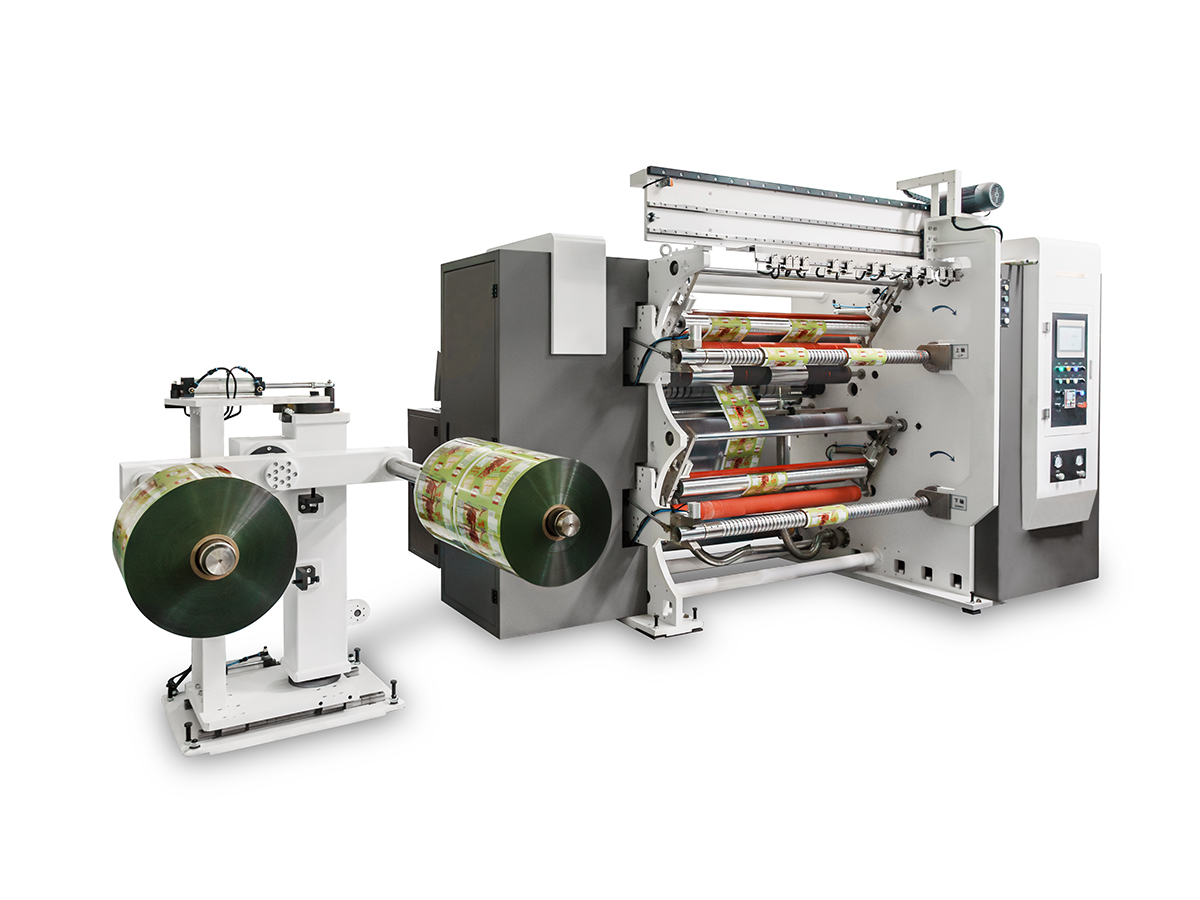
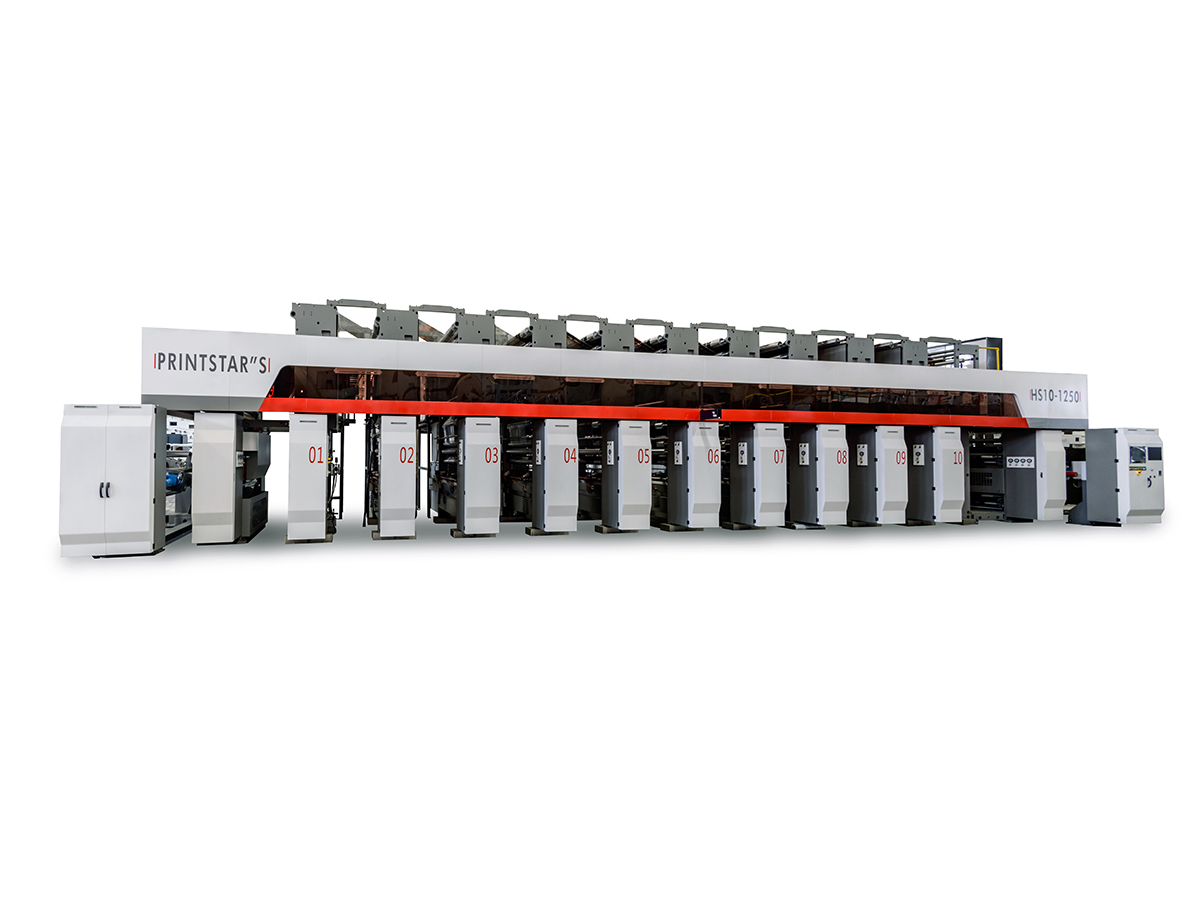
In the rapidly evolving packaging industry, material performance, safety compliance, and production efficiency are becoming decisive factors for converters and brand owners alike. Among the various lamination technologies available today, the solvent based dry laminating machine continues to play a critical role in delivering high-performance packaging structures. Despite the emergence of alternative technologies, solvent-based dry lamination remains indispensable for specific packaging solutions that demand bonding strength, process stability, and broad material compatibility.
Dry lamination is a process in which an adhesive is applied to a substrate, dried to remove solvents, and then bonded to a second substrate under heat and pressure. In solvent-based systems, the adhesive is dissolved in an organic solvent, enabling precise coating, wetting, and strong interlayer bonding.
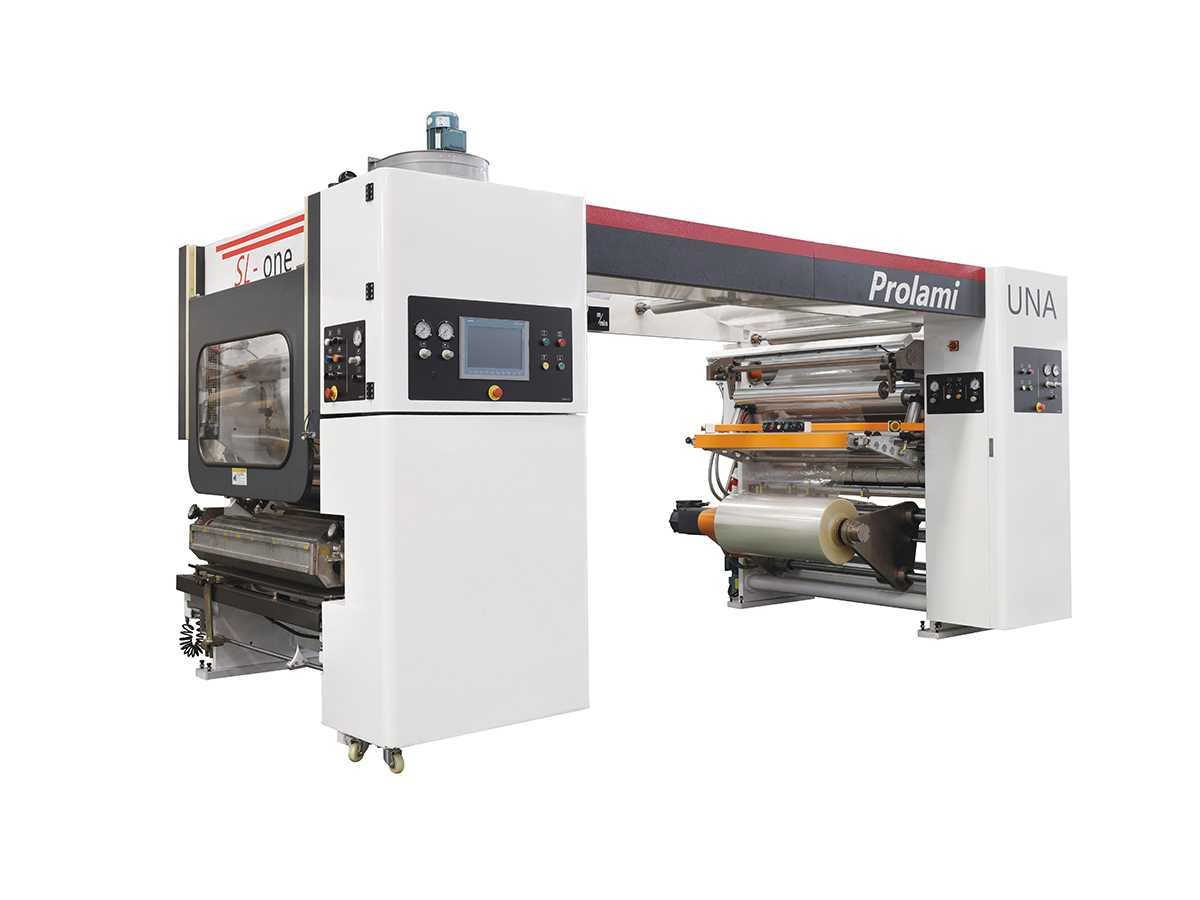
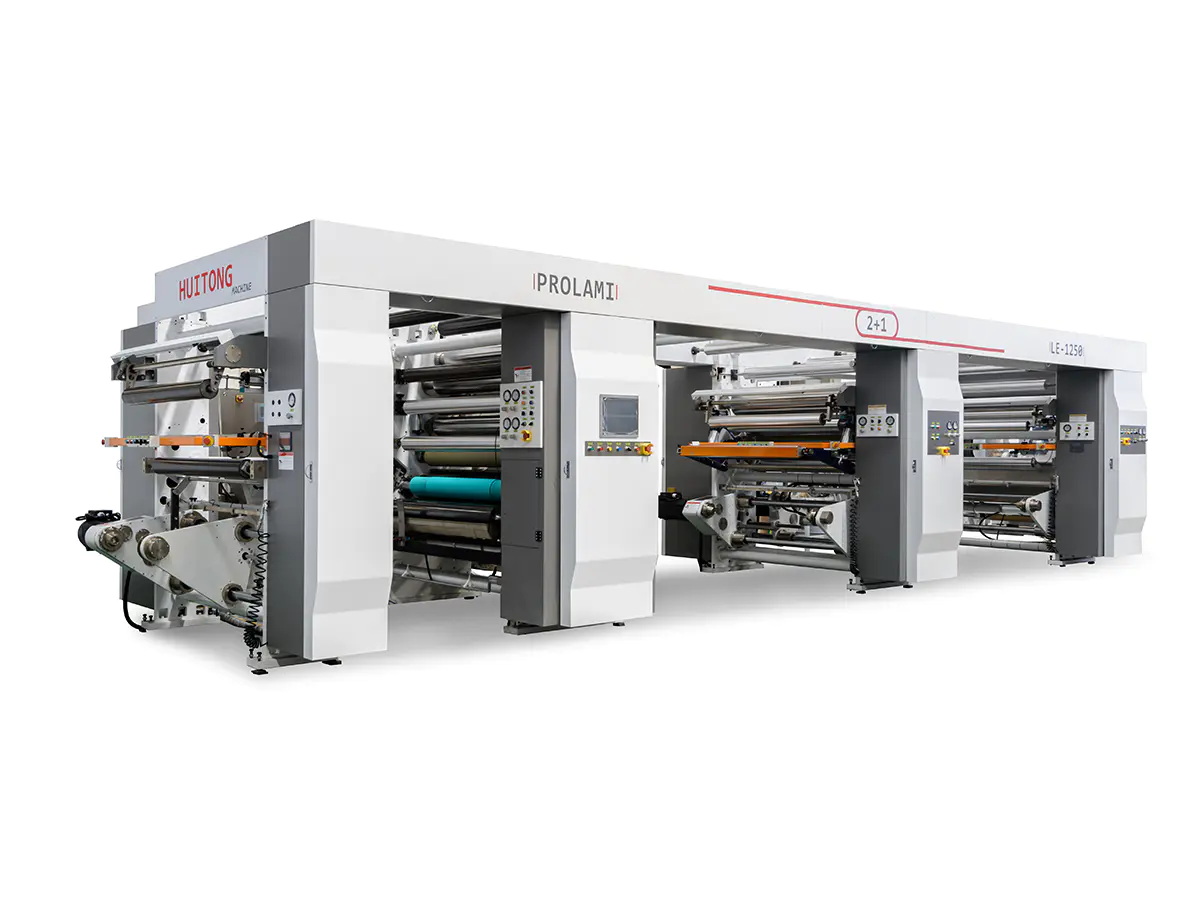
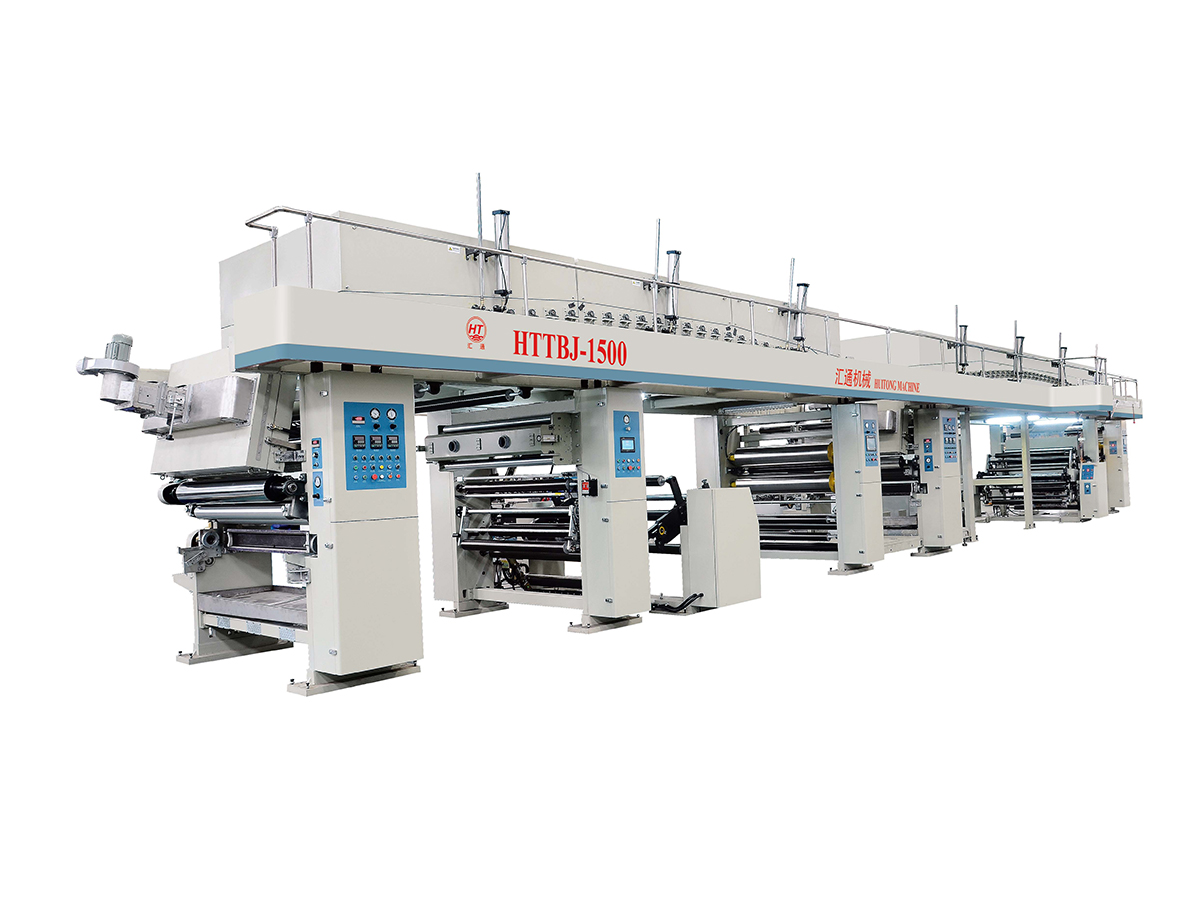
A solvent based dry laminating machine is specifically designed to handle this process efficiently and safely. It integrates controlled adhesive coating, solvent evaporation, tension management, and lamination pressure into a continuous production workflow. The result is a laminated structure that delivers mechanical durability, chemical resistance, and long-term stability.
Not all packaging applications are equal in terms of performance requirements. Some packaging solutions face conditions during filling, transportation, storage, or end use. These conditions often exceed the bonding capabilities of water-based or solvent-free systems.
The following core attributes explain why solvent-based dry lamination is essential for specific packaging solutions:
These attributes make solvent-based systems particularly suitable for complex, high-value packaging structures.
High-barrier packaging is designed to protect products from oxygen, moisture, light, and aroma loss. Typical structures involve multiple layers of plastic films, aluminum foil, or metallized materials.
Solvent-based dry lamination ensures uniform adhesive penetration and strong bonding between barrier layers. This is critical to maintaining barrier integrity over time, especially in applications where shelf life is a primary concern.
Key characteristics of high-barrier packaging include:
Without solvent-based lamination, delamination risks increase significantly under real-world conditions.
Many food packaging formats undergo heat sealing, retort processing, or hot filling. These processes introduce thermal stress that can weaken adhesive bonds if lamination quality is insufficient.
A solvent based dry laminating machine enables the use of specialized adhesives that withstand elevated temperatures while maintaining food-safe performance. This makes it suitable for:
In such applications, lamination failure is not an option, as it directly impacts food safety and product integrity.
Pharmaceutical packaging demands precision, cleanliness, and consistent performance. Packaging materials must protect products from moisture, oxygen, and contamination while remaining stable throughout the product lifecycle.
Solvent-based dry lamination is preferred for pharmaceutical blister lidding, sachets, and medical device packaging due to its ability to deliver:
These requirements often exceed the performance range of alternative lamination technologies.
Packaging for chemicals, lubricants, and industrial products must resist aggressive substances and prevent leakage. The adhesives used in these structures must be chemically inert and mechanically robust.
Solvent-based dry lamination supports these needs by allowing precise formulation control and strong adhesion to films designed for chemical resistance. Applications include:
Here, lamination performance directly affects safety and compliance.
In premium packaging segments, visual quality is as important as functional performance. Smooth surfaces, clarity, and print protection are essential to brand presentation.
Solvent-based lamination offers optical properties and ink compatibility, making it suitable for:
The process ensures that graphics remain intact and visually appealing throughout distribution.
One of the defining strengths of a solvent based dry laminating machine is its broad substrate compatibility. This flexibility allows converters to respond to diverse packaging demands without compromising quality.
| Primary Substrate | Secondary Substrate | Typical Application |
|---|---|---|
| PET film | PE film | Food and beverage packaging |
| BOPP film | CPP film | Snack and confectionery packs |
| Aluminum foil | Plastic film | High-barrier and pharmaceutical packaging |
| Metallized film | Sealant film | Premium consumer goods |
This compatibility supports innovation in multilayer film design and functional packaging development.
Solvent-based adhesives penetrate substrates more effectively, resulting in uniform bonding even at high production speeds. This consistency reduces waste and rework.
A solvent based dry laminating machine is engineered for stable operation across long production runs. Precise tension control and drying efficiency contribute to repeatable results.
For large-scale packaging operations, solvent-based systems provide the throughput and reliability needed to meet tight delivery schedules without sacrificing quality.
While solvent-based lamination involves the use of organic solvents, modern systems are designed to address environmental and regulatory requirements. Advanced solvent recovery and exhaust treatment systems significantly reduce emissions.
From a regulatory perspective, solvent-based dry lamination remains widely accepted for food, pharmaceutical, and medical packaging when operated under controlled conditions. The ability to meet strict compliance standards reinforces its role in regulated industries.
Rather than replacing other technologies, solvent-based dry lamination occupies a specific position in the packaging landscape. It is chosen when performance requirements exceed the capabilities of alternative methods.
| Requirement | Solvent-Based Dry Lamination | Other Lamination Methods |
|---|---|---|
| High bond strength | Excellent | Moderate |
| Heat resistance | Excellent | Limited |
| Substrate range | Very wide | Narrower |
| High-speed production | Stable | Application-dependent |
This alignment between technology and application ensures performance without unnecessary process complexity.
A solvent based dry laminating machine is not a universal solution for all packaging needs, but it is indispensable for applications that demand adhesion, thermal resistance, and material compatibility. High-barrier flexible packaging, food and pharmaceutical applications, chemical packaging, and premium consumer goods all benefit from the strengths of solvent-based dry lamination.
By aligning the lamination process with the functional demands of the final package, converters can achieve consistent quality, regulatory compliance, and long-term performance.
Q1: Why is solvent-based dry lamination preferred for high-barrier packaging?
A1: High-barrier packaging requires strong, uniform adhesion across multiple layers to maintain protection against oxygen and moisture. Solvent-based dry lamination delivers the bond strength and consistency needed for these structures.
Q2: Is solvent-based dry lamination suitable for food packaging?
A2: Yes. When properly controlled, solvent-based dry lamination supports food-safe adhesives and performs reliably under heat sealing and thermal processing conditions.
Q3: Can a solvent based dry laminating machine handle different substrate combinations?
A3: It offers wide substrate compatibility, including plastic films, aluminum foil, and metallized materials, making it suitable for diverse packaging designs.
Q4: How does solvent-based lamination perform under high-temperature conditions?
A4: It maintains bond integrity under elevated temperatures, which is essential for retort, hot-fill, and industrial packaging applications.
Contact Us
Recommended Products
Joining Hands With Huitong
Customize Your Flexible Packaging Equipment Solution
Inquire now
Products
contact us

Tel: +86-0510-86328508
+86-0510-86324508
Mob: +86-13914908980
Email: [email protected]
ADD: No. 429 Xizhang Road, Gushan Town, Jiangyin City, Jiangsu Province, China

 English
 русский
 Español
 عربى
عربى