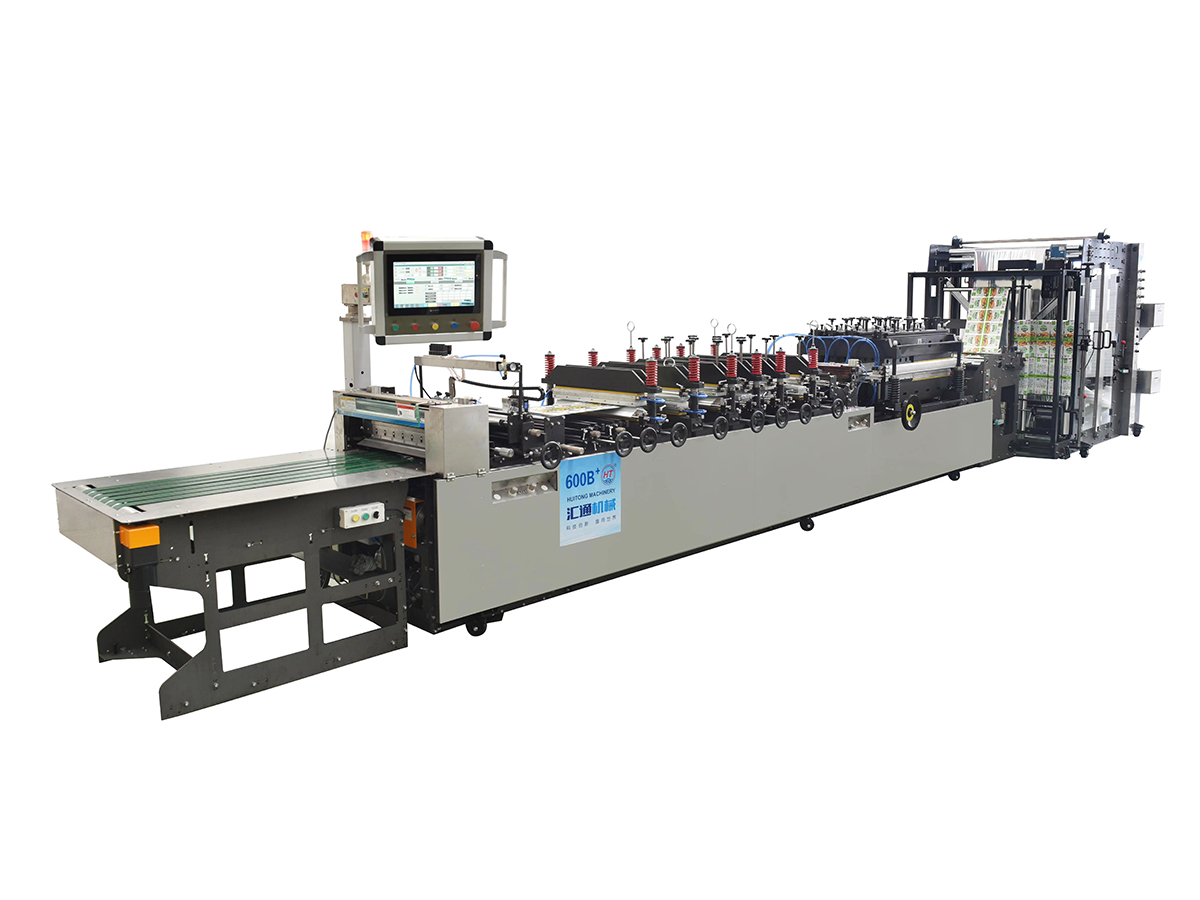
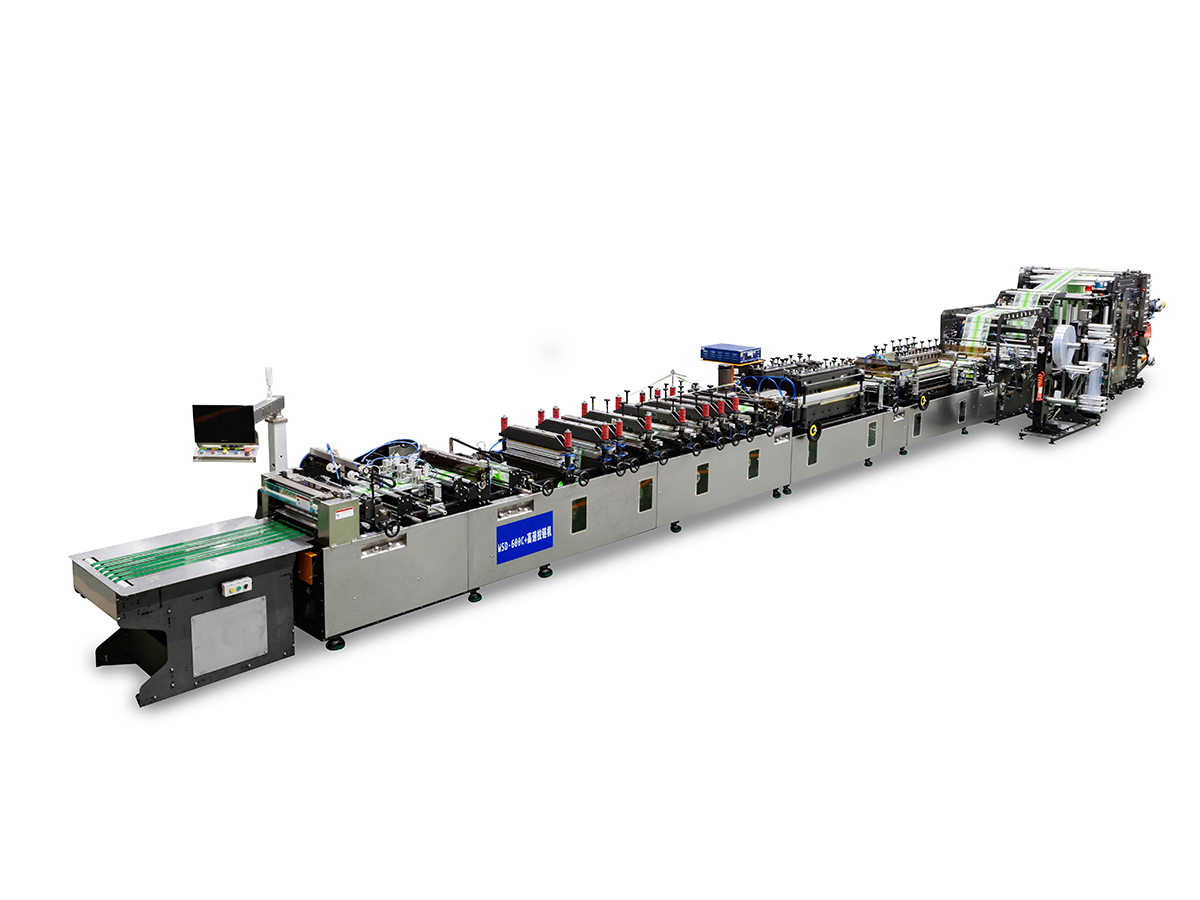
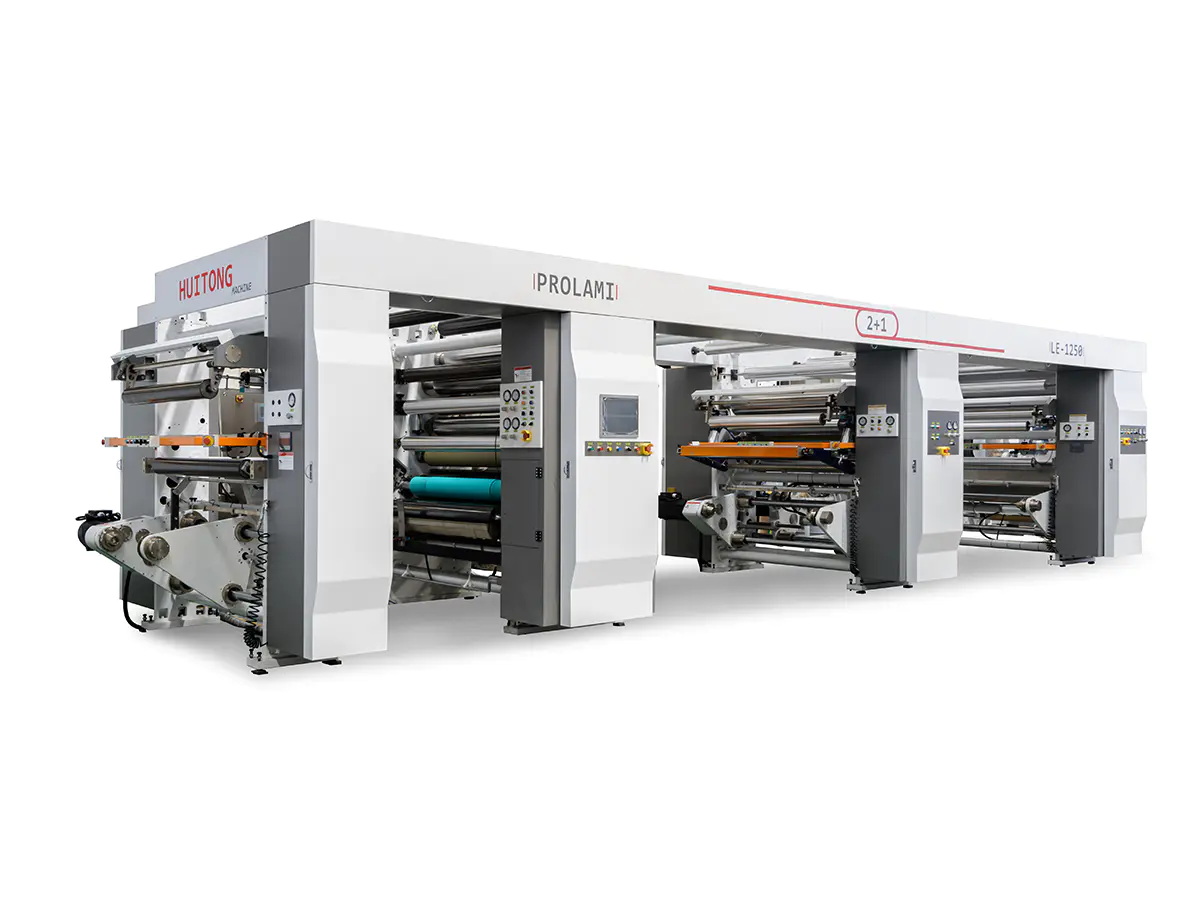
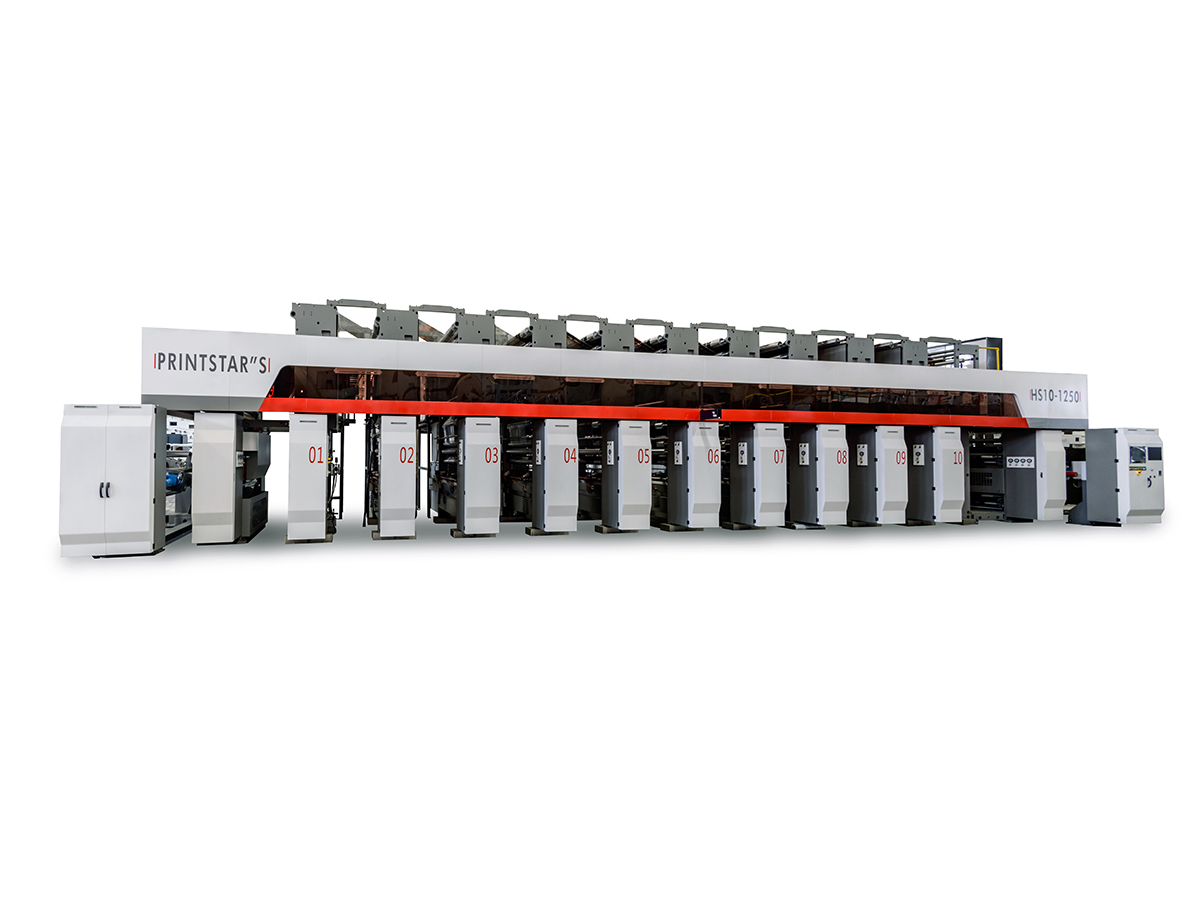
The rapid diversification of consumer goods has driven packaging formats to evolve far beyond traditional designs. From stand-up pouches to zipper bags and spouted pouches, manufacturers must respond quickly to changing market demands. In this context, flexible packaging equipment has become a cornerstone of modern production lines, offering the adaptability required to handle multiple bag styles without compromising efficiency or quality.
Flexible packaging is no longer limited to simple flat pouches. Today’s market includes a wide range of designs tailored to functionality, branding, and convenience.
| Bag Style | Key Features | Typical Applications |
|---|---|---|
| Pillow Bag | Simple structure, cost-effective | Snacks, powders |
| Stand-Up Pouch | Bottom gusset for stability | Beverages, pet food |
| Zipper Bag | Resealable closure | Dry foods, frozen items |
| Spouted Pouch | Integrated nozzle for pouring | Liquids, sauces |
| Quad Seal Bag | Reinforced edges, premium look | Coffee, grains |
| Flat Bottom Bag | Box-like shape, high shelf appeal | High-end retail products |
The increasing variety of these bag styles requires equipment capable of rapid configuration changes and precise control mechanisms.
At the heart of adaptability lies a modular and configurable design philosophy. Instead of building machines for a single function, modern flexible packaging equipment is engineered with interchangeable components and programmable systems.
This design approach allows manufacturers to switch between bag styles with minimal downtime.
The forming system is responsible for shaping packaging material into the desired bag structure. Its flexibility determines how many bag styles a machine can support.
Different bag styles require different forming geometries. Adjustable forming tubes and collars allow operators to modify dimensions such as width, depth, and gusset size.
These features enable a single machine to produce multiple bag formats efficiently.
Sealing is critical in maintaining product integrity and defining the final bag structure. Flexible packaging equipment employs various sealing technologies to accommodate different materials and designs.
| Sealing Type | Application | Adaptability Benefit |
|---|---|---|
| Heat Sealing | Thermoplastic films | Widely applicable |
| Ultrasonic Sealing | Delicate or layered materials | Reduced thermal impact |
| Impulse Sealing | Intermittent sealing processes | Energy-efficient |
| Continuous Sealing | High-speed production | Consistent output |
Advanced machines allow operators to adjust sealing temperature, pressure, and dwell time, ensuring compatibility with diverse bag styles and materials.
Automation plays a crucial role in enabling flexible packaging equipment to handle multiple bag styles with precision and repeatability.
Modern machines rely on PLC systems to store multiple production recipes. Each recipe corresponds to a specific bag style, including parameters such as:
Operators can switch between bag styles by selecting predefined settings, significantly reducing setup time.
User-friendly interfaces allow real-time adjustments and monitoring. Visual displays help operators quickly identify and correct deviations, ensuring consistent quality across different formats.
Different bag styles often require different filling methods, especially when dealing with varying product types such as powders, liquids, or solids.
| Product Type | Filling Mechanism | Equipment Adaptation |
|---|---|---|
| Powders | Auger filler | Dust control integration |
| Liquids | Piston or gravity filler | Leak-proof sealing adjustments |
| Granules | Multi-head weigher | Precision dosing |
| Viscous Products | Pump-based filling | Flow rate control |
Flexible packaging equipment integrates these systems into a unified platform, allowing seamless transitions between product types and bag styles.
The final shape and appearance of a bag depend heavily on cutting and finishing processes.
These add-ons can be integrated or removed depending on the required bag style, enhancing the machine’s versatility.
Bag styles often require different materials, such as laminated films, biodegradable substrates, or high-barrier layers.
These features ensure that the machine can handle a wide range of materials while maintaining consistent performance.
Frequent switching between bag styles can downtime if not managed properly. Modern flexible packaging equipment addresses this challenge through design and technology.
Efficient changeover capabilities are essential for manufacturers handling diverse product lines.
Maintaining consistent quality across different bag styles is a significant challenge. Advanced equipment incorporates quality control mechanisms to address this issue.
These systems ensure that each bag meets predefined standards, regardless of its design.
The ability of flexible packaging equipment to adapt to various bag styles is the result of advanced engineering, modular design, and intelligent automation. By integrating adjustable forming systems, versatile sealing technologies, and sophisticated control mechanisms, these machines provide manufacturers with the flexibility needed to meet diverse market demands.
1. What makes flexible packaging equipment adaptable to different bag styles?
Its modular design, adjustable components, and programmable control systems allow quick changes in bag size, shape, and features.
2. Can one machine handle multiple packaging materials?
Yes, modern systems are designed to process various materials by adjusting temperature, tension, and sealing parameters.
3. How long does it take to switch between bag styles?
With advanced machines, changeovers can be completed quickly using pre-set configurations and tool-less adjustments.
4. Is automation necessary for handling multiple bag types?
Automation significantly improves efficiency and accuracy, especially when frequent changes between bag styles are required.
5. What industries benefit from flexible packaging equipment?
Industries such as food, pharmaceuticals, personal care, and household products benefit greatly due to their diverse packaging needs.
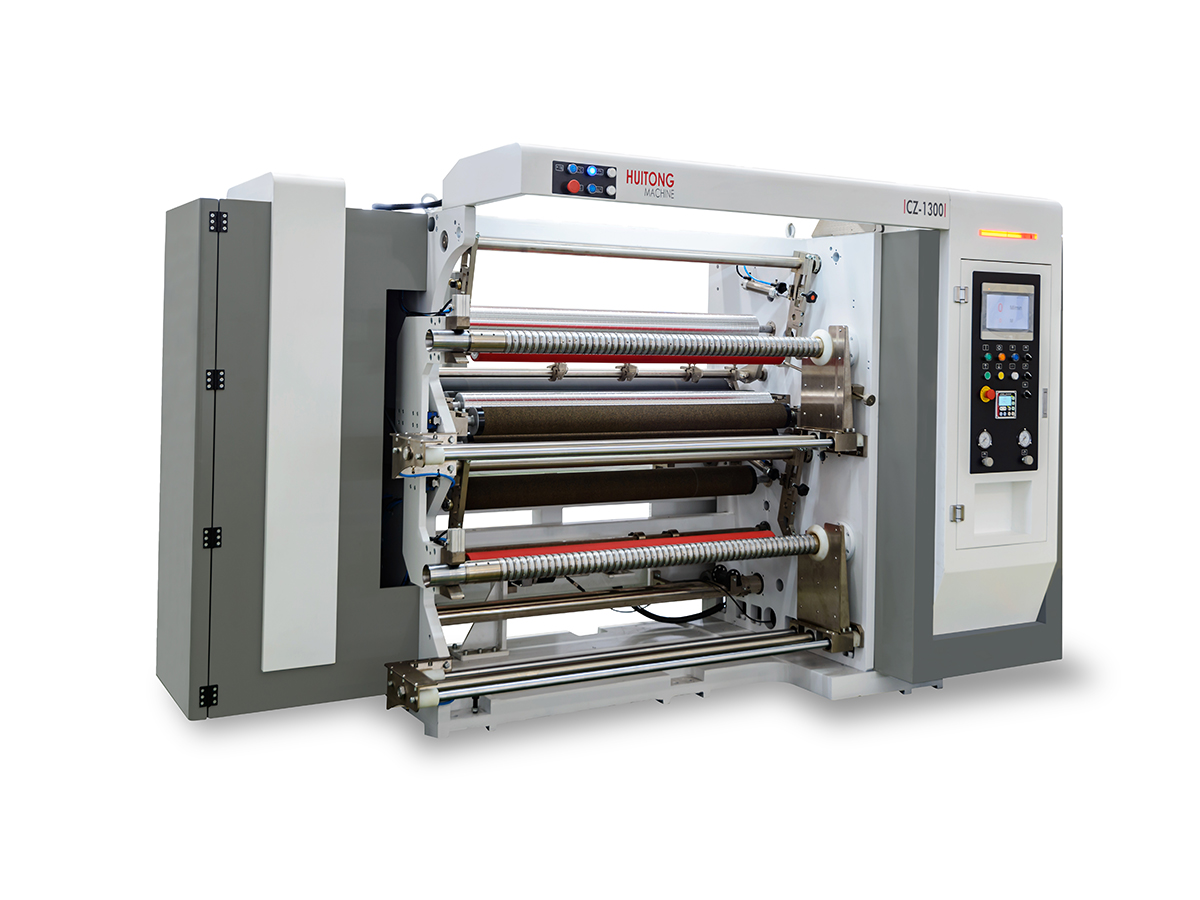
Contact Us
Recommended Products
Joining Hands With Huitong
Customize Your Flexible Packaging Equipment Solution
Inquire now
Products
contact us

Tel: +86-0510-86328508
+86-0510-86324508
Mob: +86-13914908980
Email: [email protected]
ADD: No. 429 Xizhang Road, Gushan Town, Jiangyin City, Jiangsu Province, China

 English
 русский
 Español
 عربى
عربى