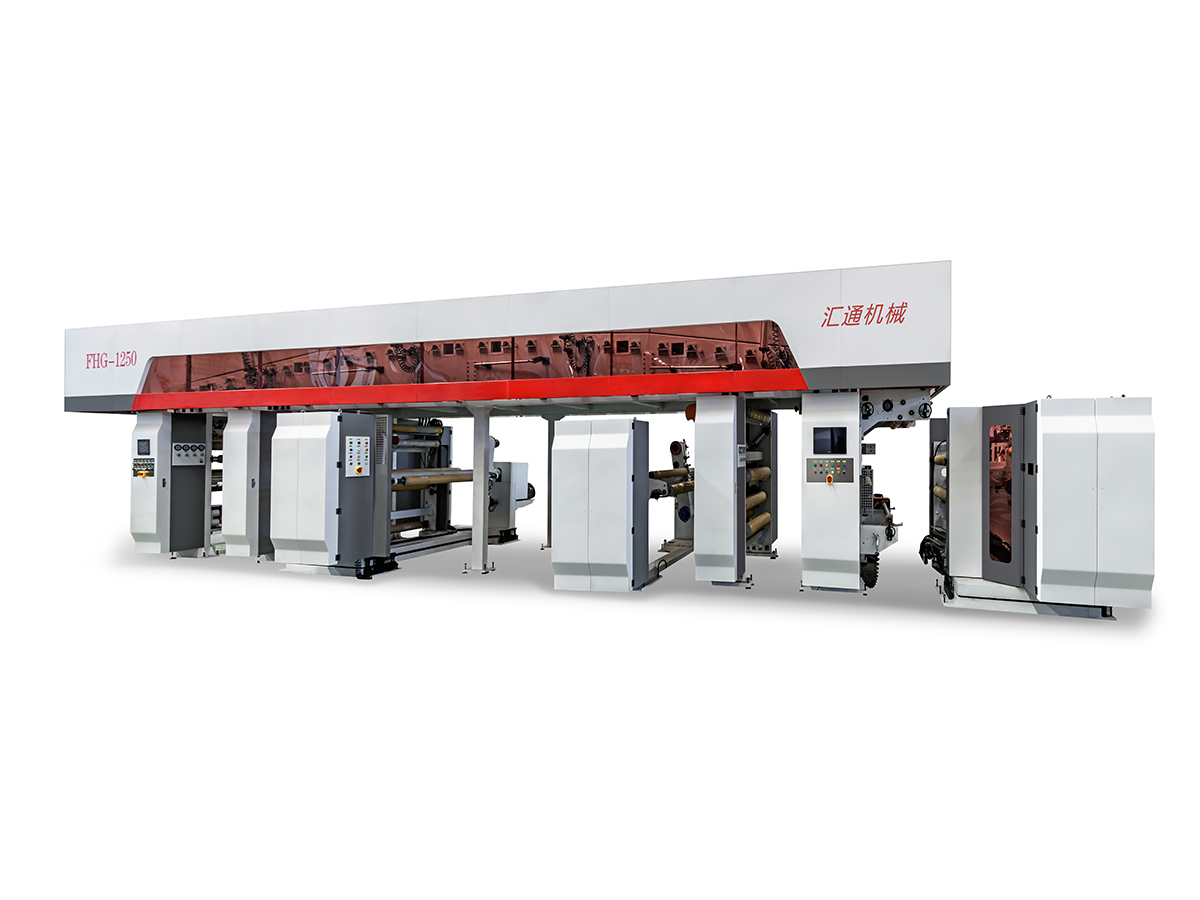
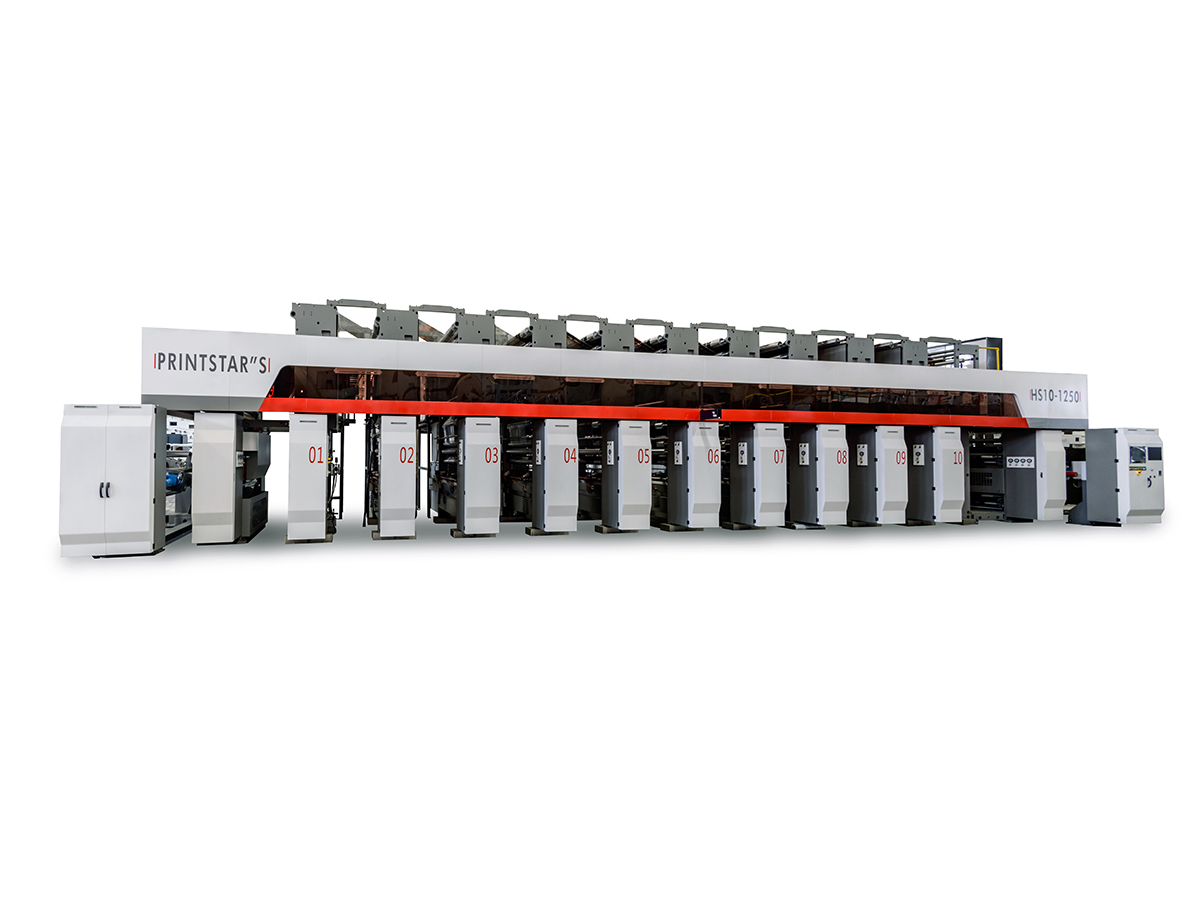
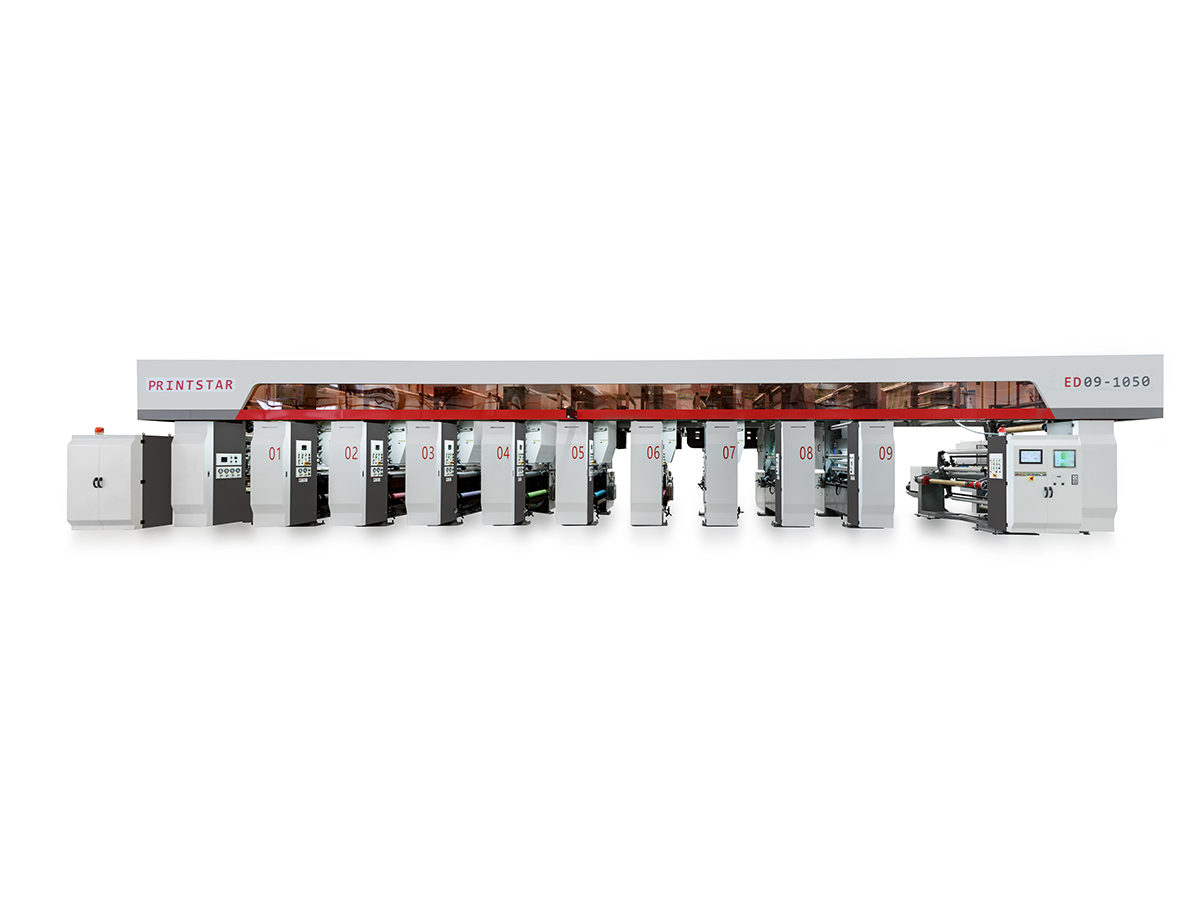
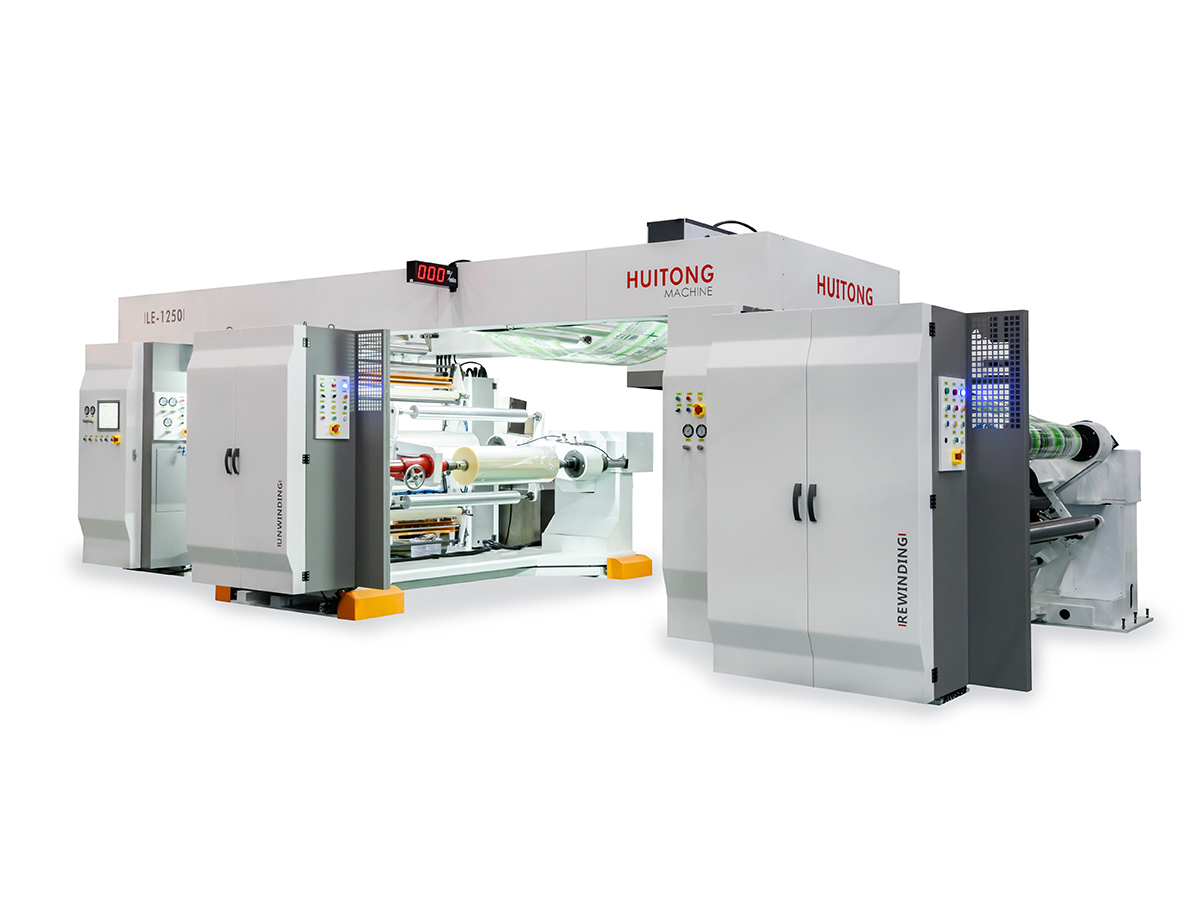
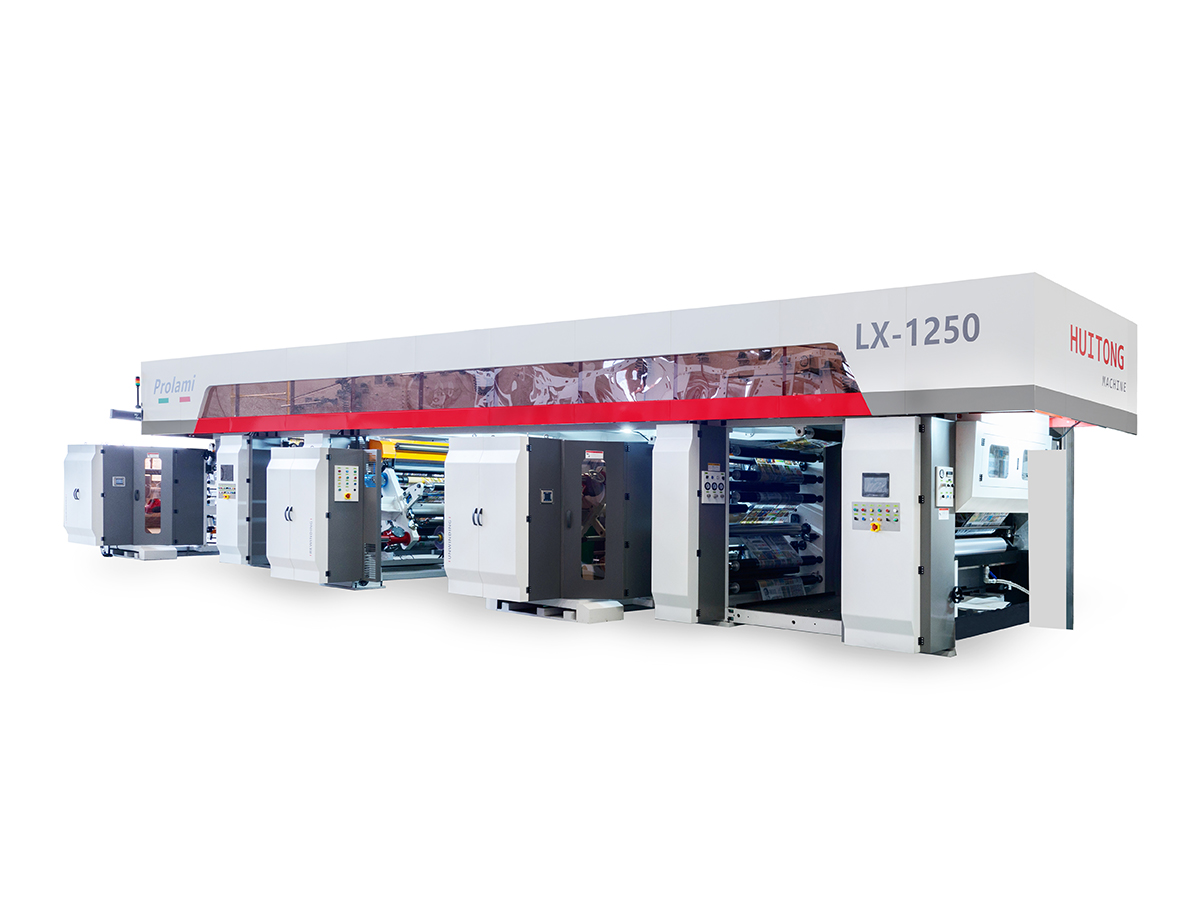
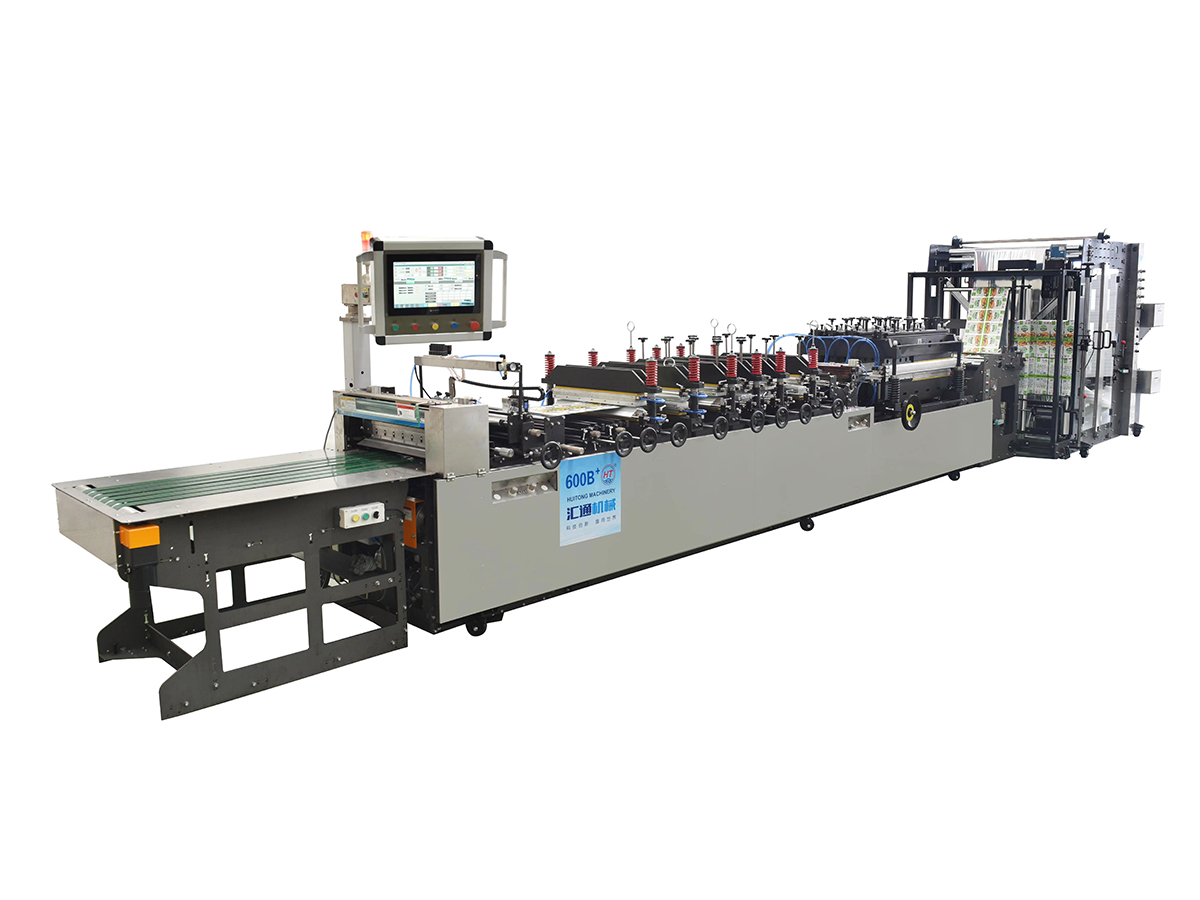
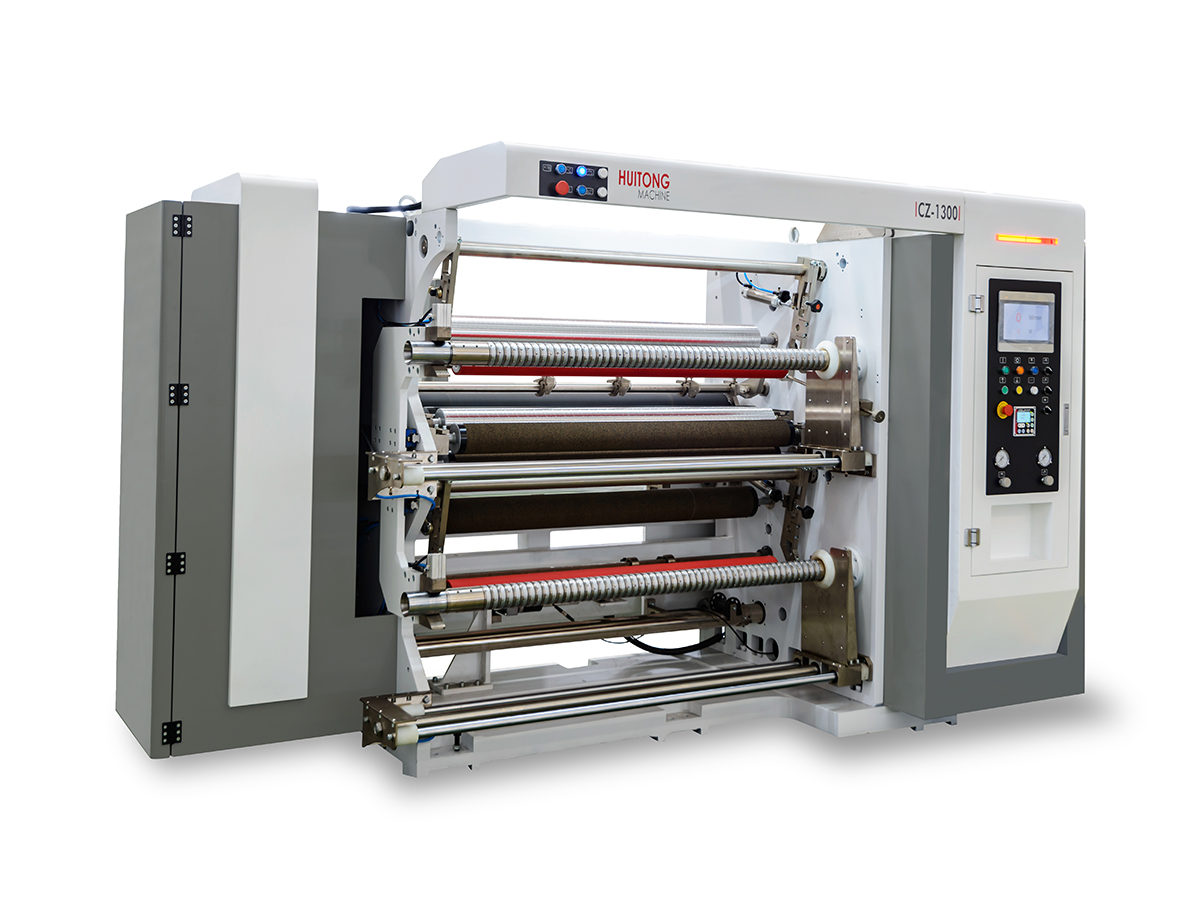
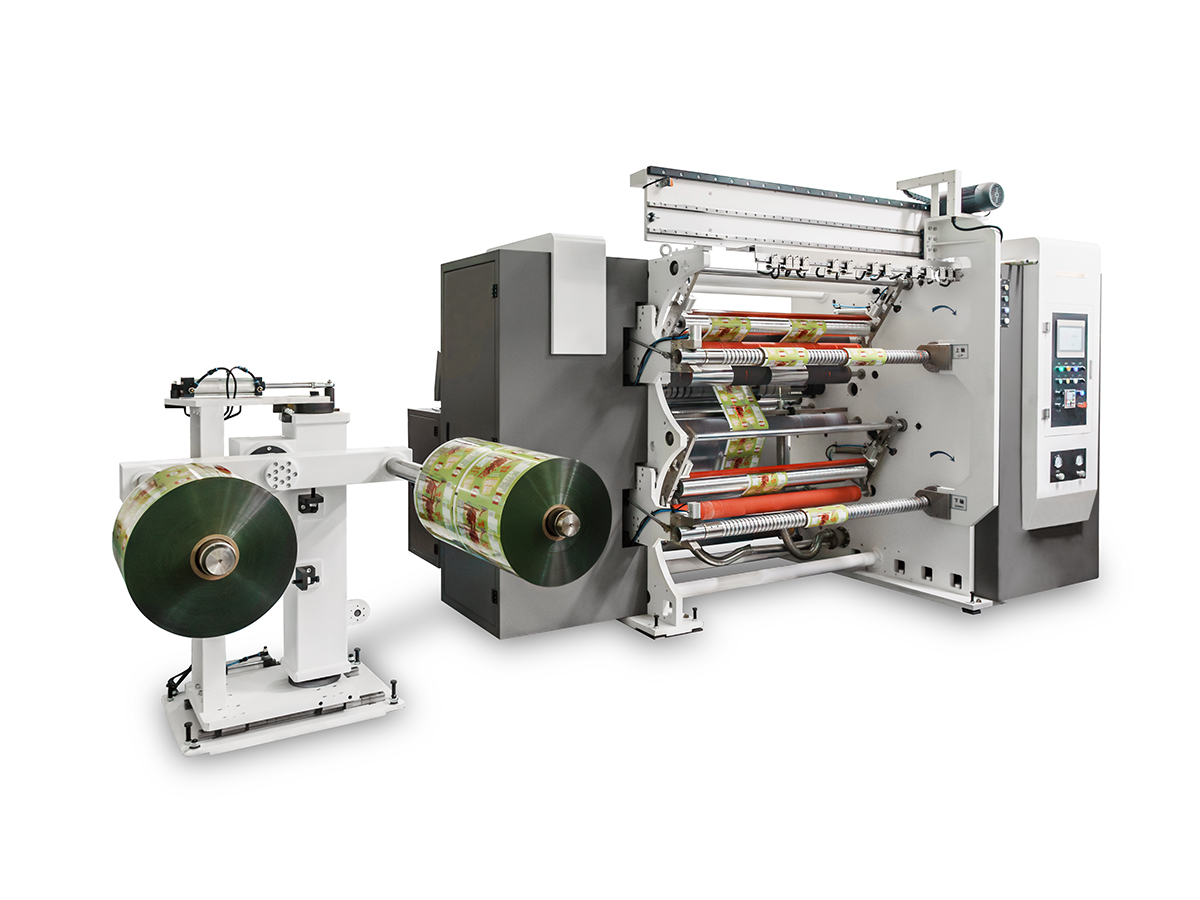
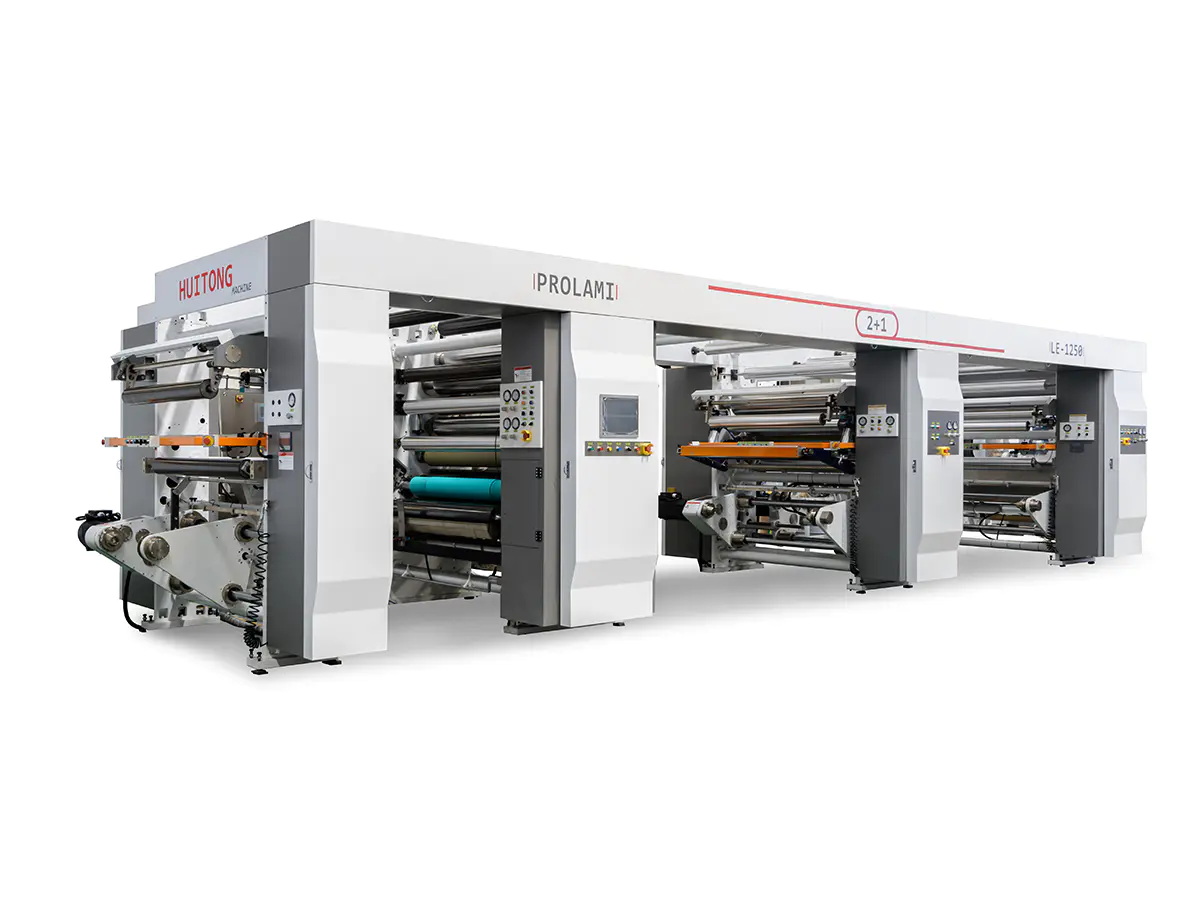
The world of manufacturing and packaging is rapidly evolving with the advent of automation. Specifically, automated flexible packaging equipment has been playing a pivotal role in enhancing the efficiency and scalability of production lines.
Automated flexible packaging equipment refers to machinery designed to streamline the packaging process, using advanced technology to automate tasks such as sealing, labeling, filling, and wrapping. Unlike traditional manual packaging methods, this equipment allows for high-speed, high-volume production with minimal human intervention.
Flexible packaging, as a method, typically involves the use of materials like films, foils, and other flexible substrates that can be easily molded into various shapes. Automated equipment can efficiently handle these materials, producing consistent, high-quality packaging at scale.
1. Speed and Efficiency:
Automated packaging systems are designed to operate at high speeds, allowing production lines to package large quantities of products in shorter time frames. This increased speed helps manufacturers meet growing demand while maintaining consistency in output.
2. Reduced Labor Costs:
By automating key packaging processes, businesses can reduce their reliance on manual labor. This not only cuts down on labor costs but also minimizes human errors, resulting in more accurate and reliable packaging.
3. Improved Product Quality:
Automated systems ensure that each package is sealed, filled, and labeled to exact specifications. This leads to higher quality products with uniform packaging, minimizing the risk of defects or inconsistencies.
4. Flexibility in Packaging Materials:
These machines are adaptable and can handle a wide range of packaging materials, from thin plastic films to thick laminates. They also accommodate various product shapes and sizes, offering greater flexibility in packaging design.
5. Enhanced Scalability:
Automated flexible packaging systems are designed to scale. As production demands increase, these systems can be upgraded or integrated with additional machinery to meet growing needs without compromising efficiency.
The automation process starts with the raw packaging material being fed into the machine. Sensors and control systems detect the material, ensuring that it is aligned correctly. From here, the machine proceeds with the following steps:
Filling: The product is inserted into the flexible packaging. Depending on the product type, this could be liquids, powders, or solids.
Sealing: The machine uses heat or pressure to seal the package securely. This step ensures the packaging is airtight and leak-proof.
Labeling and Printing: Automated systems are often equipped with label applicators and printers. This allows for the addition of barcodes, expiration dates, and branding.
Cutting and Separation: The system cuts the packaging material to the required size and separates individual packages.
Quality Control: Integrated sensors check the integrity of the packages. Any faulty units are rejected, ensuring that only high-quality products leave the production line.
Cost Efficiency
The long-term cost savings associated with automated systems are significant. These systems reduce material waste and improve the use of packaging resources. Additionally, automation cuts down on labor expenses, contributing to lower overall production costs.
Consistency and Precision
Automated systems can achieve a level of precision and consistency that manual methods cannot. This leads to uniform packaging sizes, uniform sealing, and accurate labeling, all of which improve the customer experience and brand reputation.
Reduced Downtime
Automated systems are often equipped with self-diagnostic tools that help identify potential issues before they cause significant disruptions. This minimizes downtime and keeps production running smoothly.
Increased Safety
By reducing the need for manual labor, automated systems can help minimize worker exposure to potentially hazardous tasks, such as handling hot sealing equipment or toxic chemicals, creating a safer workplace environment.
One of the significant advantages of automated flexible packaging equipment is its ability to handle high-volume production without sacrificing quality. Whether packaging thousands of items per day or scaling up during peak seasons, these systems can adapt to meet the needs of large-scale production without losing efficiency.
Moreover, as demand grows, manufacturers can scale their operations by adding more machines or integrating systems. This scalability ensures that businesses can remain competitive in a rapidly changing market.
Another factor driving the adoption of automated flexible packaging equipment is its positive environmental impact. Automated machines use fewer resources and generate less waste compared to traditional manual processes. Additionally, many of these systems are designed to use recyclable or biodegradable materials, contributing to sustainability efforts.
While automated flexible packaging equipment offers numerous benefits, it is not without its challenges. The initial investment for automated systems can be significant, which may be a barrier for some businesses. Furthermore, the complexity of these systems may require specialized training for employees, and maintenance can be more demanding than manual systems.
Automated flexible packaging equipment is revolutionizing production lines by increasing efficiency, consistency, and scalability. The integration of these systems into manufacturing processes allows businesses to meet rising demand while maintaining high standards of quality and reducing costs.
1. What is flexible packaging equipment?
Flexible packaging equipment refers to machinery used in the production of flexible packaging materials, such as films, foils, and laminates, that can be shaped into bags, pouches, and wraps.
2. How does automation improve packaging efficiency?
Automation improves efficiency by speeding up the production process, reducing human error, and eliminating manual labor, which results in more consistent and higher-quality packaging.
3. Can automated flexible packaging equipment handle various product types?
Yes, automated systems are highly versatile and can handle different product types, including liquids, powders, solids, and more.
4. What are the environmental benefits of automated packaging systems?
Automated systems help reduce material waste, improve resource usage, and support the use of eco-friendly packaging materials, contributing to sustainability efforts.
Contact Us
Recommended Products
Joining Hands With Huitong
Customize Your Flexible Packaging Equipment Solution
Inquire now
Products
contact us

Tel: +86-0510-86328508
+86-0510-86324508
Mob: +86-13914908980
Email: [email protected]
ADD: No. 429 Xizhang Road, Gushan Town, Jiangyin City, Jiangsu Province, China

 English
 русский
 Español
 عربى
عربى