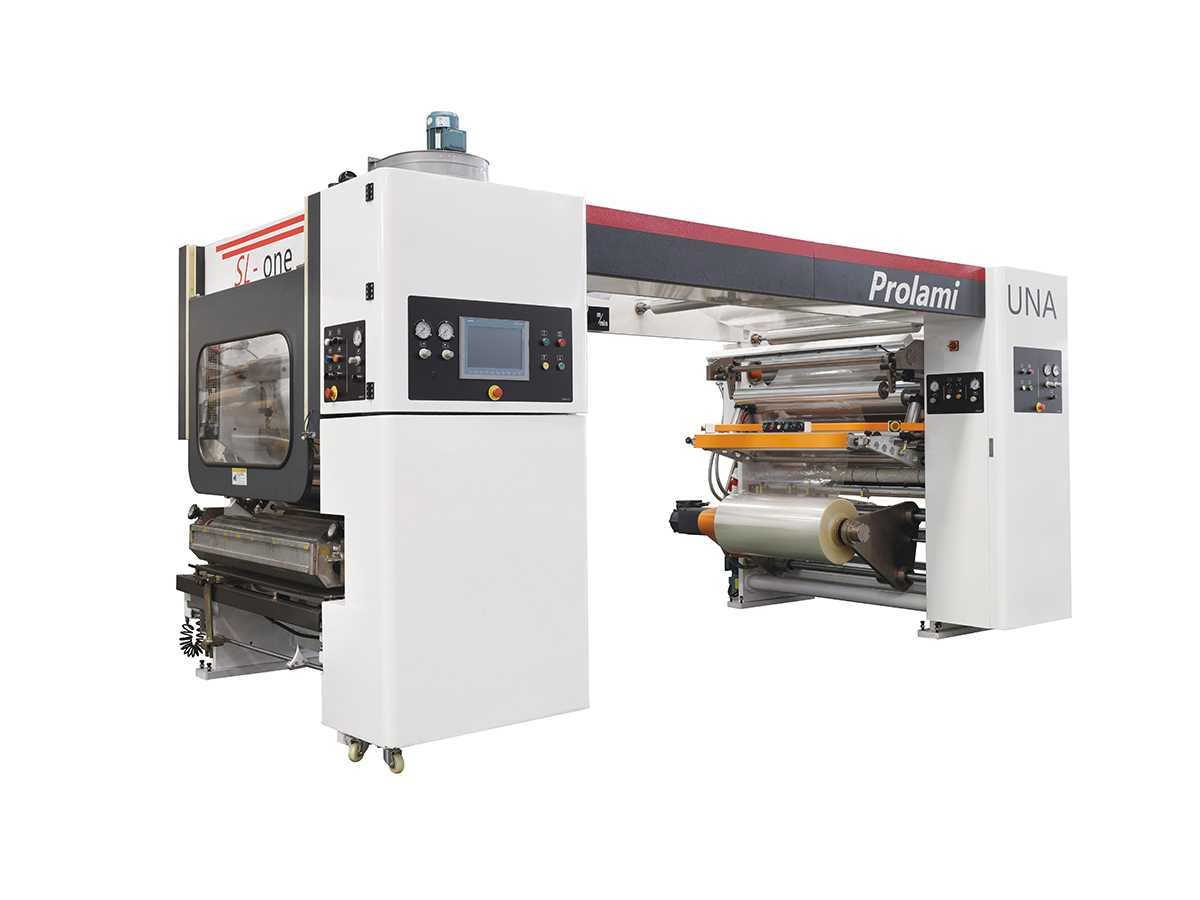
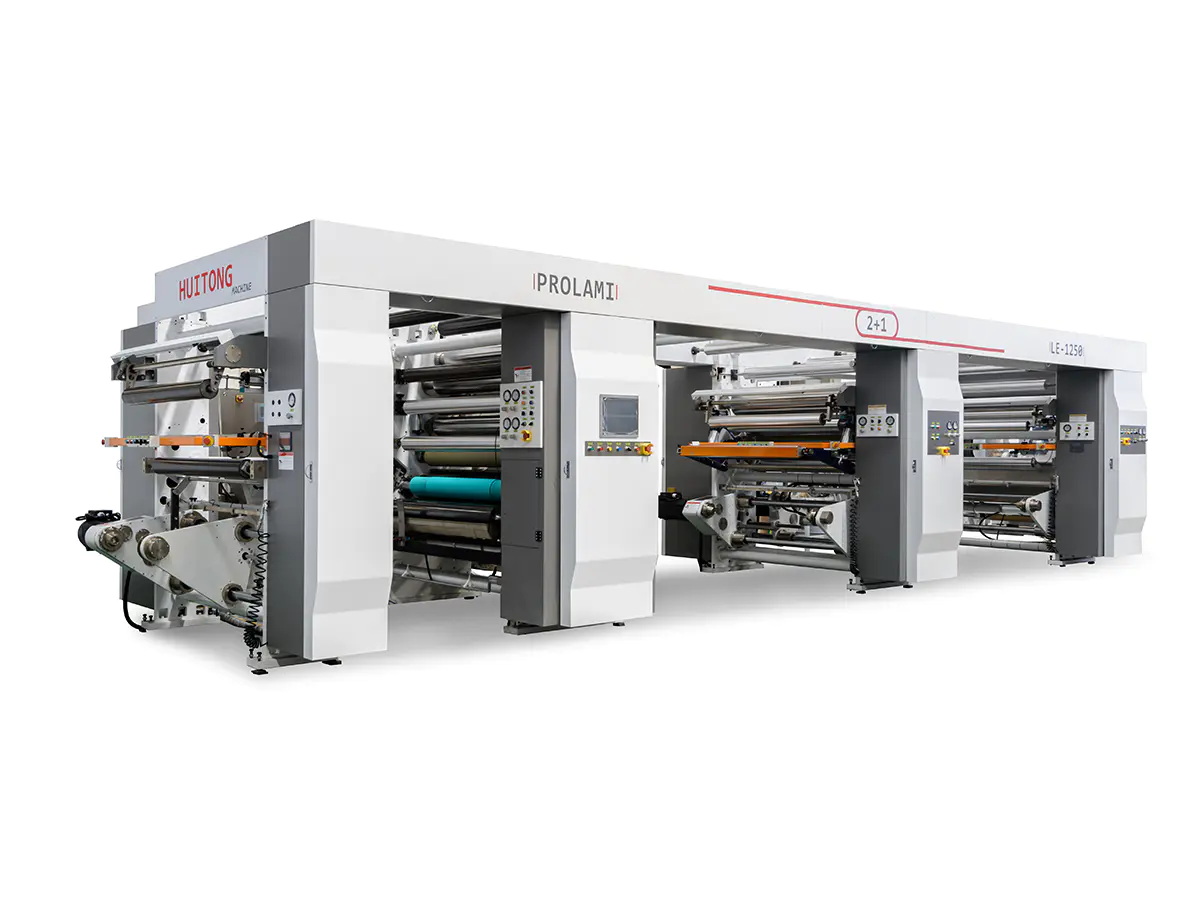
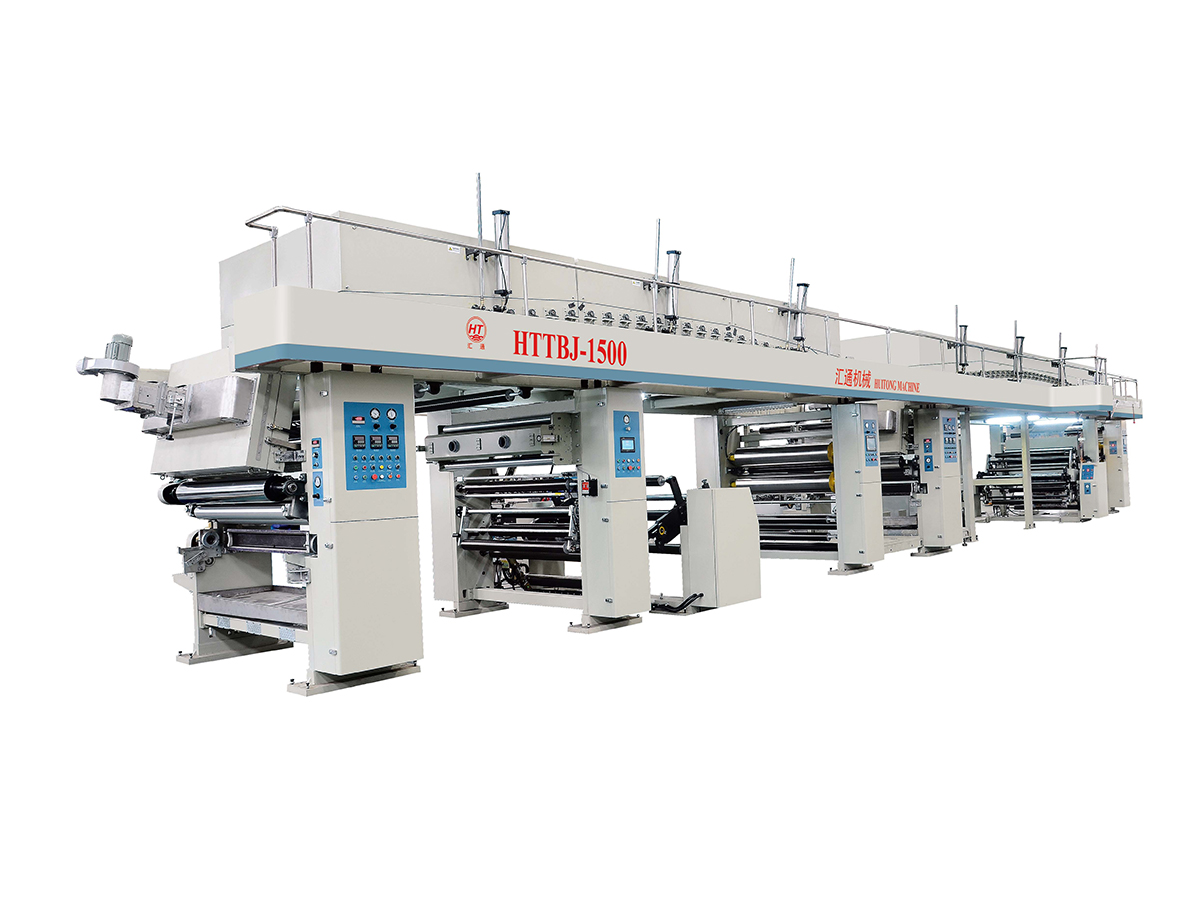
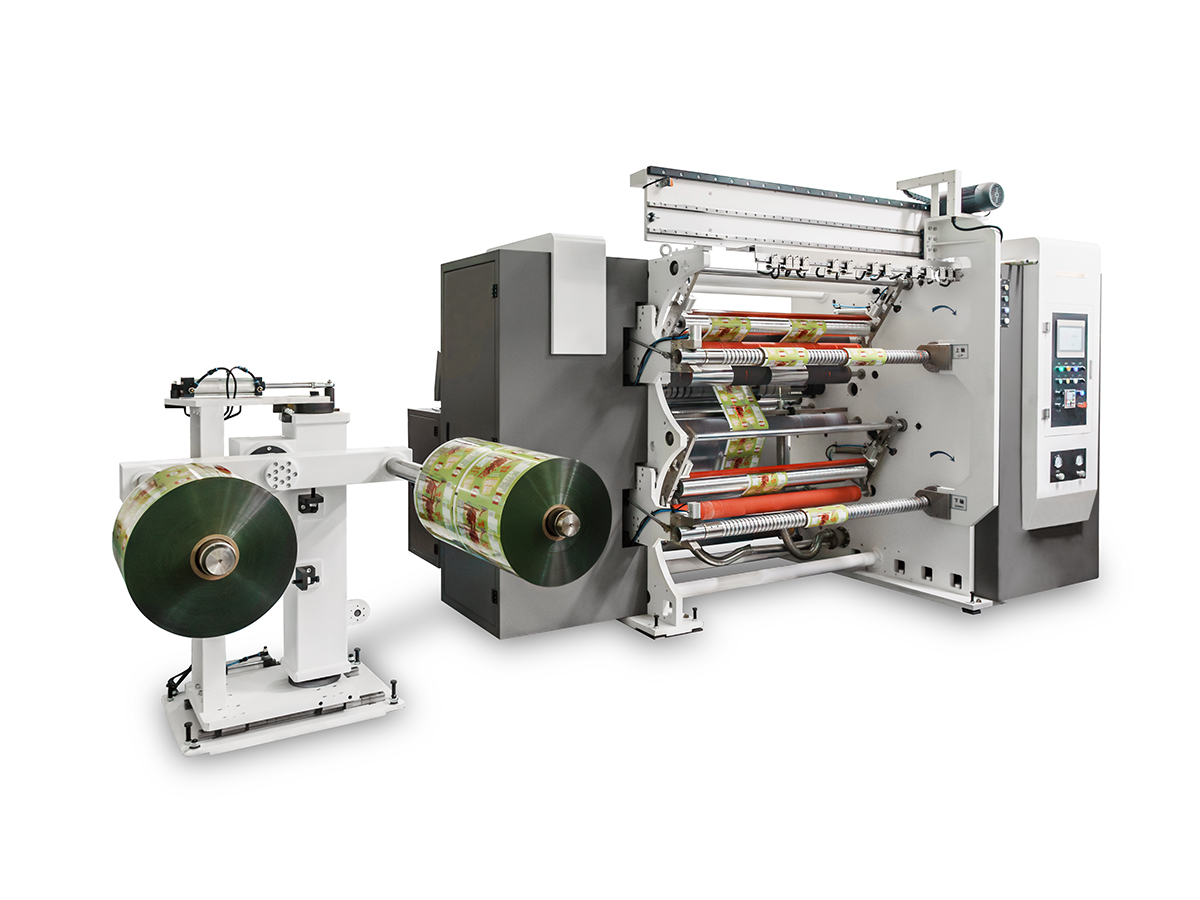
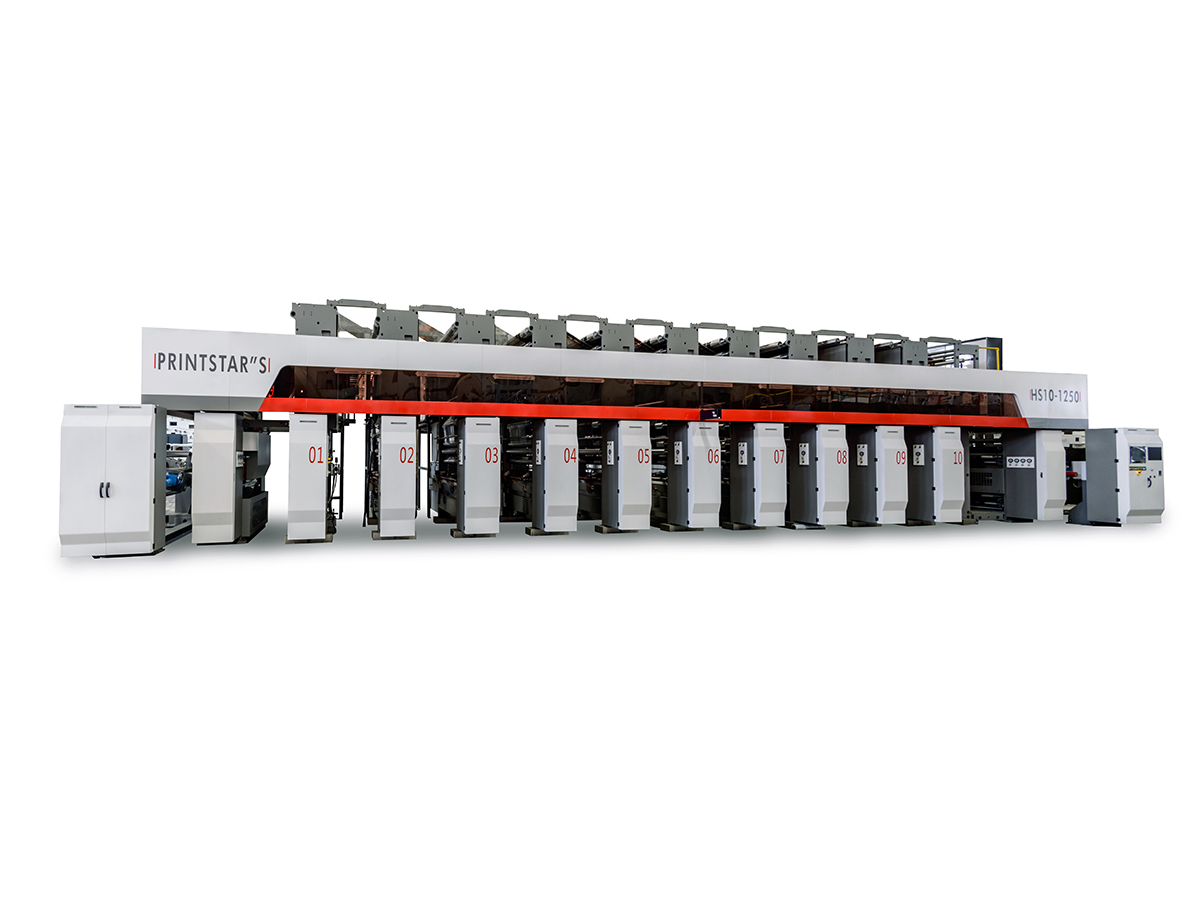
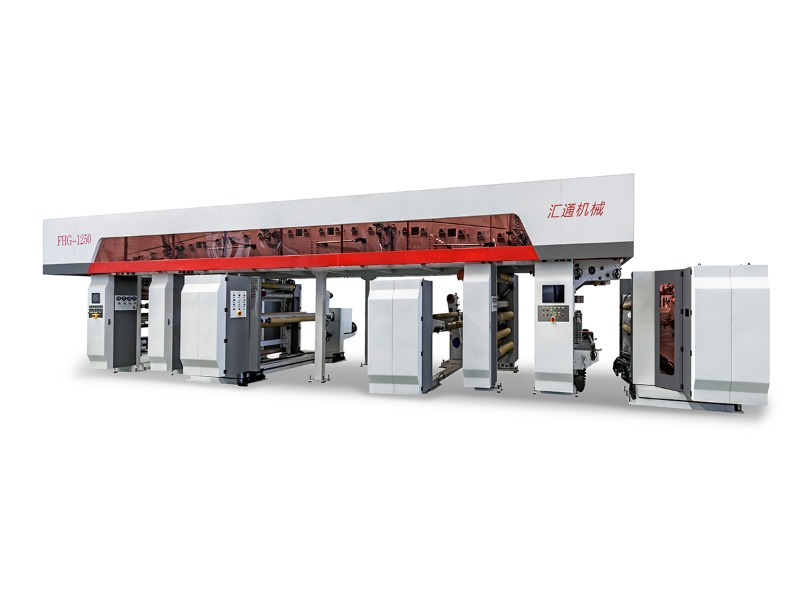
Laminating machines play an essential role in various industrial sectors, including packaging, medical, and building materials. Among the numerous types of laminators, the solvent-based dry laminating machine stands out due to its unique characteristics and advantages.
A laminating machine is used to bond two or more substrates into a single, unified layer. The substrates could be materials such as film, paper, aluminum foil, and other coils. Laminating techniques include dry, wet, and solvent-free processes. The solvent-based dry laminating machine, in particular, utilizes a solvent adhesive that volatilizes in an oven before undergoing hot-press bonding.
Unlike other lamination types, such as wet laminating (which uses water-based adhesives) or solvent-free lamination (which uses AB glue), the solvent-based dry process is more suitable for high-performance packaging, especially for high-barrier food packaging. It creates strong, durable bonds between materials while maintaining their structural integrity.
The solvent based dry lamination process involves several crucial steps:
Coating with Solvent Adhesive: The step involves applying a solvent-based adhesive to one of the substrates. The adhesive is often in the form of a liquid, which evaporates during the heating process, leaving behind a layer of glue.
Volatilization in the Oven: Once the adhesive is applied, the material is passed through an oven to evaporate the solvent. This step is crucial to ensuring that the adhesive is only left as a dry, sticky layer without excess moisture.
Hot-Press Bonding: After the adhesive has dried, the material is passed through a pair of rollers, where it undergoes hot pressing. This ensures a strong bond between the two substrates.
The unique aspect of the solvent-based dry laminating machine is the solvent’s role in the bonding process. The evaporated solvent ensures that the adhesive remains intact, providing a bond between materials without excess moisture or heat.
In wet laminating, water-based adhesives are used to bond substrates. The adhesive is directly applied to the material, which is then passed through a drying chamber. While this process is widely used for paper and plastic materials, it’s not as suitable for high-barrier packaging because the adhesive bond can be weaker, and the material may not provide the same protective qualities against moisture, oxygen, and light.
Solvent-free laminating is an eco-friendly technology that uses AB glue applied directly to substrates at room or low temperatures. This process eliminates the need for solvent evaporation, making it more environmentally friendly. However, it doesn’t provide the same level of bond strength and barrier properties as solvent-based dry lamination, making it less suitable for demanding packaging applications such as high-barrier food packaging.
Hot-press laminating, on the other hand, uses heat and pressure to bond materials without the need for adhesives. While this process is fast and simple, it’s not as versatile as solvent-based dry lamination, especially when dealing with delicate or high-performance substrates that require a precise bonding process.
| Feature | Solvent-Based Dry Lamination | Wet Lamination | Solvent-Free Lamination | Hot-Press Lamination |
|---|---|---|---|---|
| Adhesive Type | Solvent-based adhesive | Water-based adhesive | AB glue | No adhesive (heat only) |
| Bond Strength | High | Moderate | Moderate | Low to Moderate |
| Environmental Impact | High (requires solvent) | Moderate (requires drying) | Low (eco-friendly) | Very Low (no adhesives) |
| Suitable for High-Barrier Packaging | Yes | No | No | No |
| Suitable for Delicate Materials | Yes | Yes | Yes | No |
High Bond Strength: Solvent-based dry lamination offers a robust adhesive bond that can withstand harsher conditions, making it ideal for high-performance applications like food packaging.
Barrier Properties: The process enhances the barrier properties of the packaging, which is crucial for products that need to be protected from environmental factors such as moisture, oxygen, and light.
Wide Range of Substrates: Solvent-based dry laminating machines are capable of bonding various substrates, including films, foils, papers, and composites, offering versatility for different packaging needs.
Better Durability: Products laminated with solvent-based machines tend to be more durable, especially when exposed to temperature changes or physical stresses.
Precision and Quality: The solvent evaporation process ensures that the adhesive layer is evenly applied, which results in a smooth, high-quality bond.
Solvent-based dry laminating machines are commonly used in industries where strong, durable bonds are required, such as:
1. What is the main advantage of using a solvent-based dry laminating machine?
The main advantage is its ability to provide a strong, durable bond suitable for high-performance packaging, especially for high-barrier applications.
2. How does solvent-based lamination differ from wet lamination?
Solvent-based lamination uses solvent adhesives that volatilize during the process, creating a stronger bond, while wet lamination uses water-based adhesives, which can provide a weaker bond.
3. Is solvent-based dry lamination environmentally friendly?
While the process uses solvents, it can be less eco-friendly compared to solvent-free lamination, which eliminates solvent use.
4. Can solvent-based dry laminating machines handle all types of substrates?
Yes, they can laminate a wide range of substrates, including film, foil, paper, and composite materials.
5. What industries benefit from solvent-based dry lamination?
Industries like food packaging, medical, and cosmetics benefit from the strong, high-performance bonding that solvent-based dry lamination provides.
Contact Us
Recommended Products
Joining Hands With Huitong
Customize Your Flexible Packaging Equipment Solution
Inquire now
Products
contact us

Tel: +86-0510-86328508
+86-0510-86324508
Mob: +86-13914908980
Email: [email protected]
ADD: No. 429 Xizhang Road, Gushan Town, Jiangyin City, Jiangsu Province, China

 English
 русский
 Español
 عربى
عربى