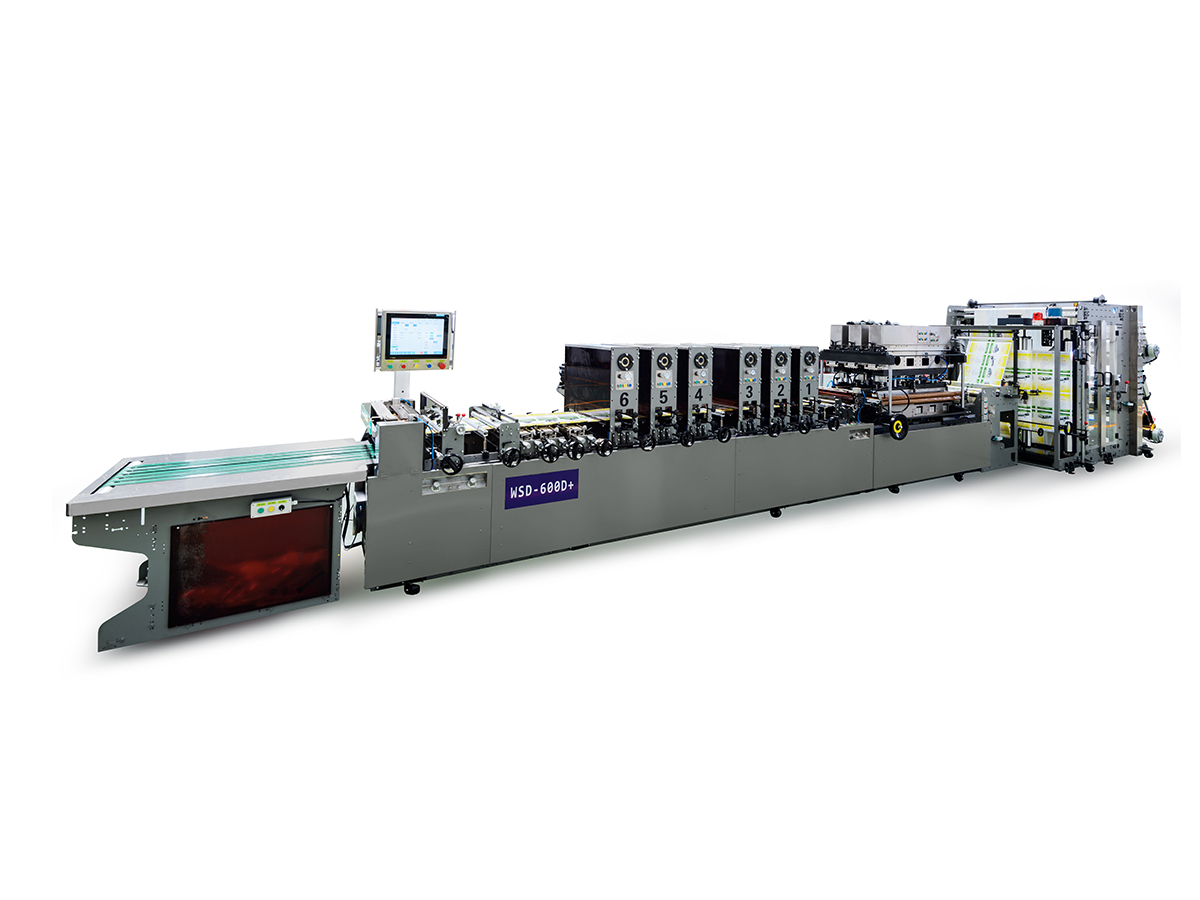
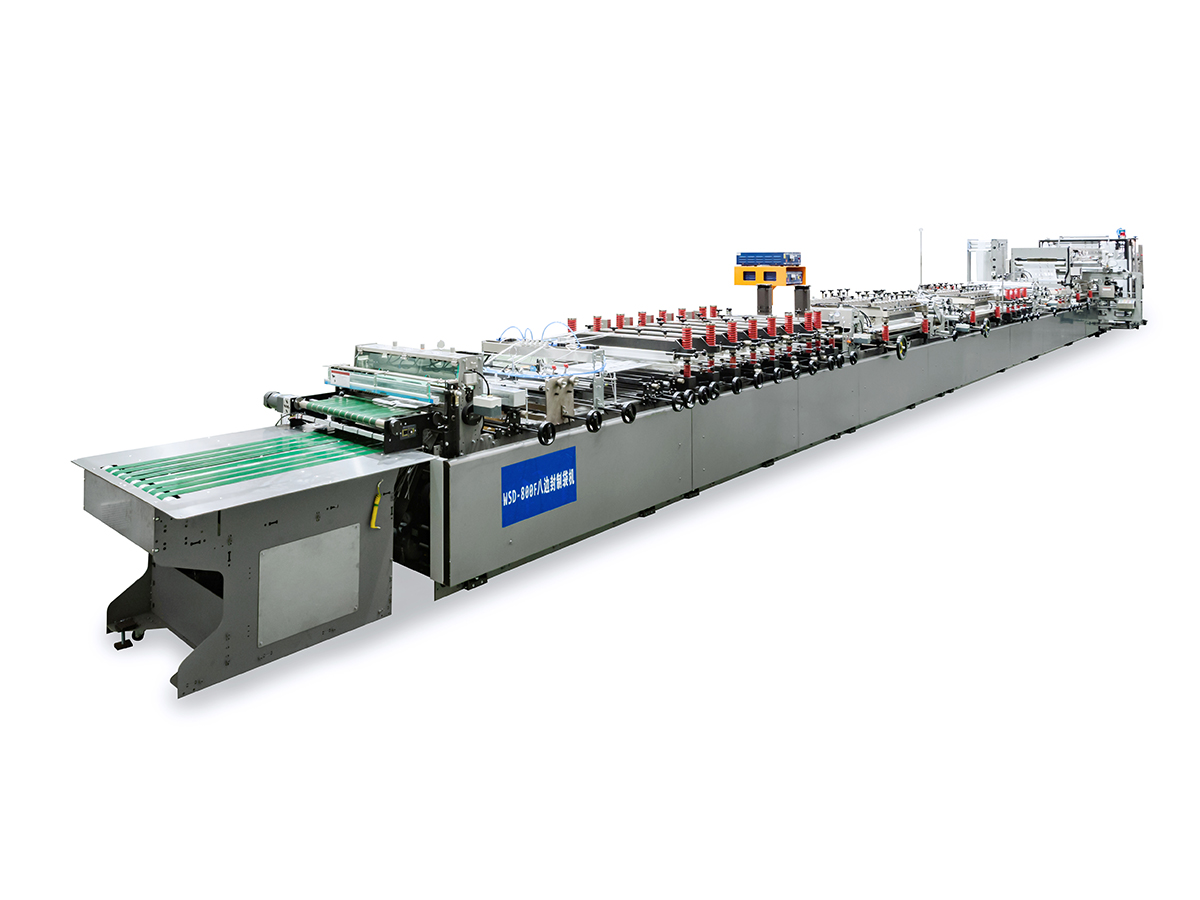
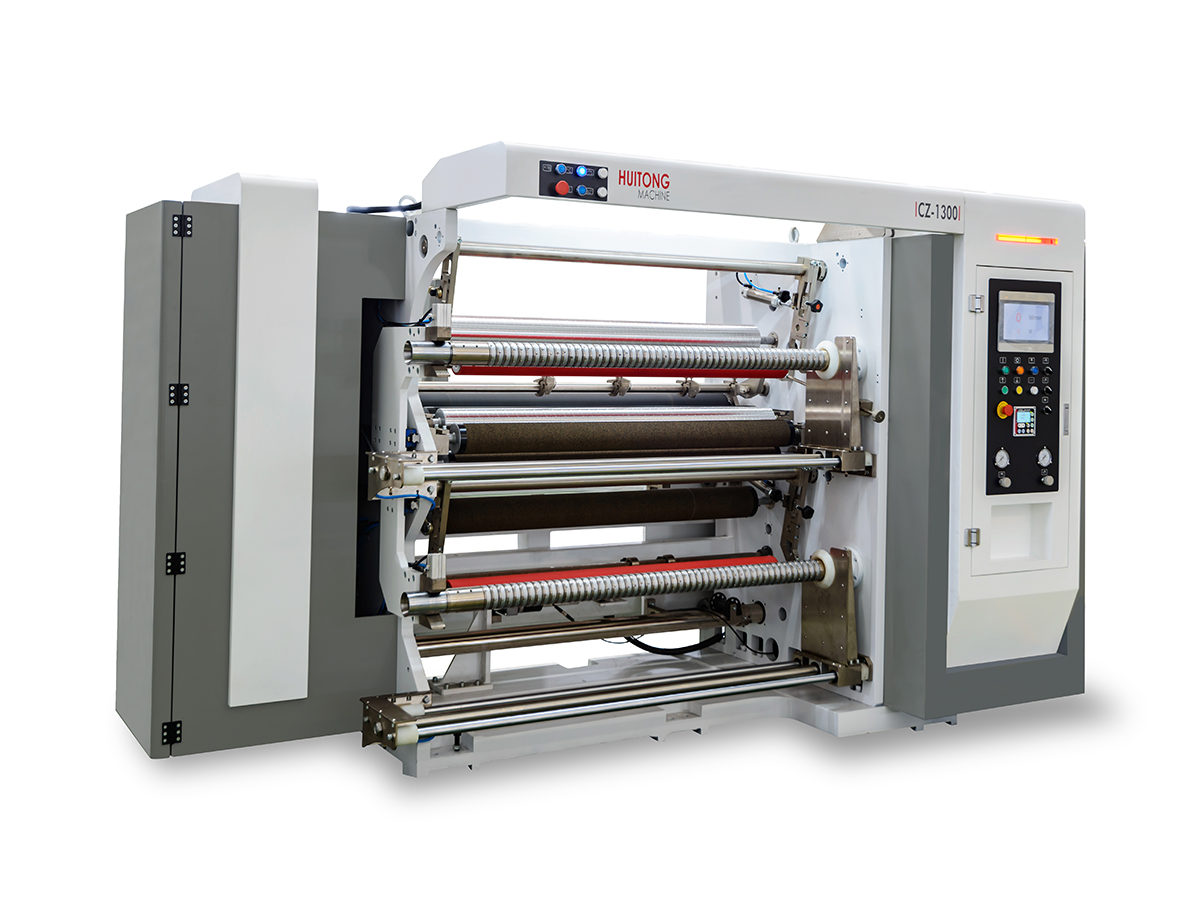
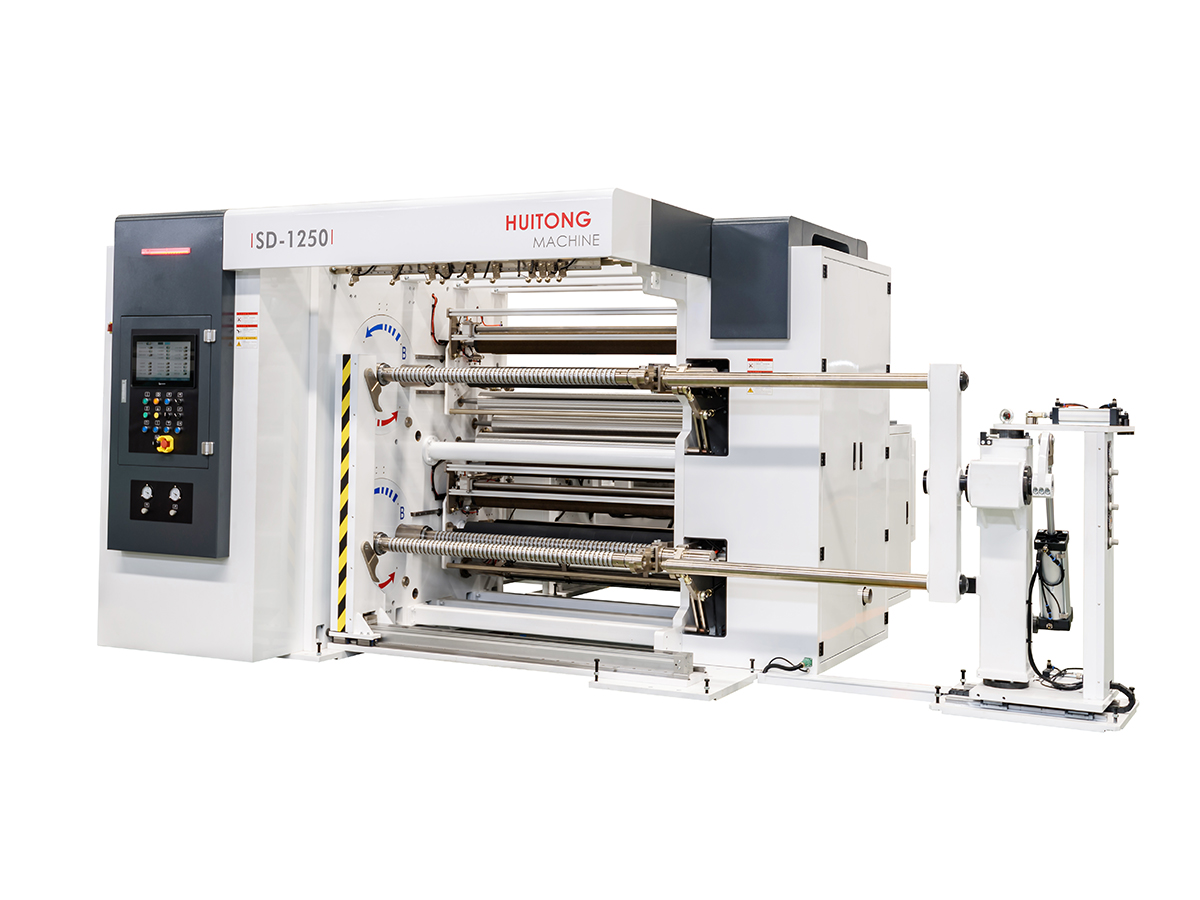
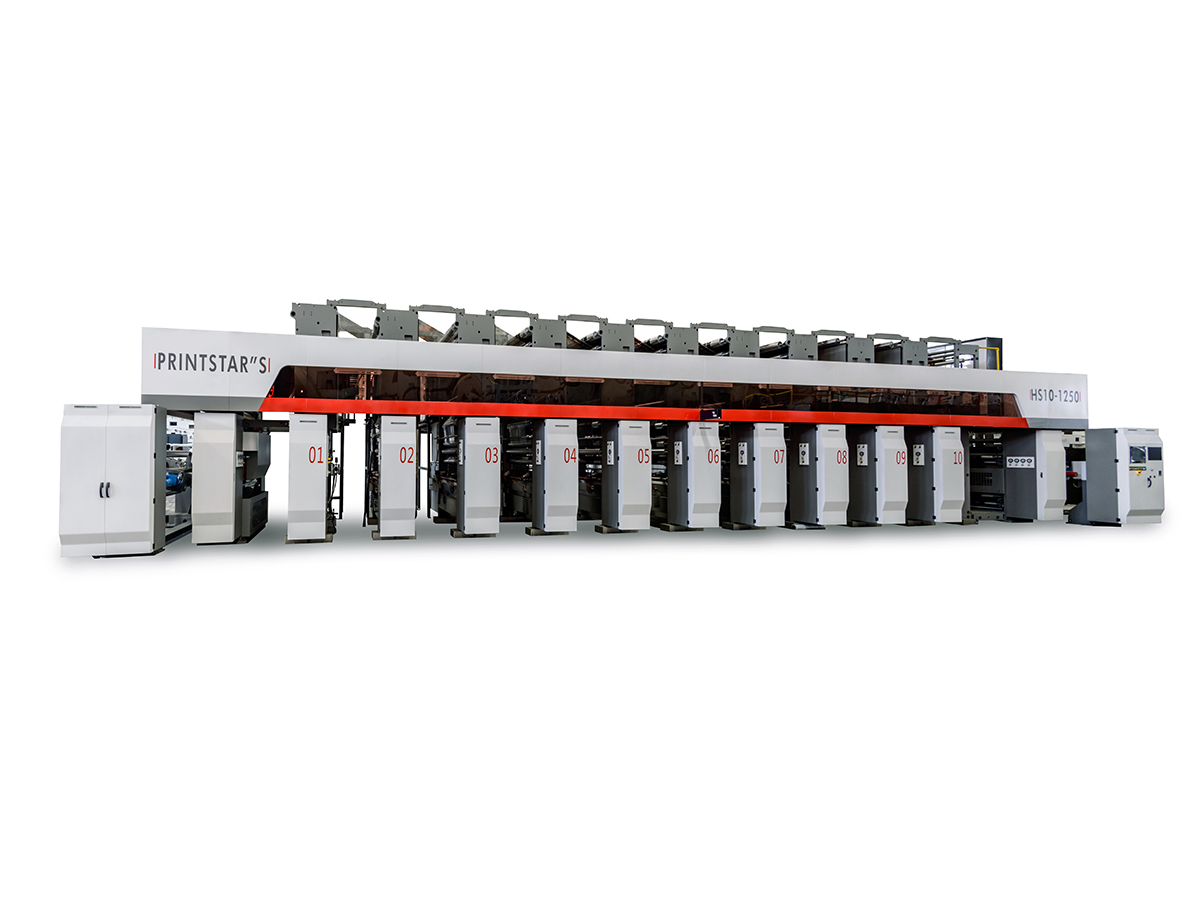
High speed slitting machines are essential tools for industries that require precise cutting of materials such as plastic films, paper, metal foils, non-woven fabrics, and more. These machines are designed to convert wide rolls into narrower, more manageable rolls, ensuring products meet the required specifications for further processing or final use. The efficiency and accuracy of these machines are crucial, as they play a significant role in the packaging, printing, electronics, and textile industries, among others. To maintain the performance and maximize the lifespan of your high-speed slitting machine, proper maintenance is key.
Before diving into maintenance, it’s important to understand the primary components of a high-speed slitting machine. This knowledge will help you better identify areas that require attention and care. Key components include:
Understanding how these components work together will help you diagnose potential issues and maintain the machine effectively.
A high speed slitting machine operates at high speeds, generating heat and friction that can wear and tear if not properly managed. Regular cleaning and lubrication are two of the important tasks in ensuring your machine operates smoothly.
Cleaning and Lubrication Schedule:
| Task | Frequency | Recommended Product |
|---|---|---|
| Slitting unit cleaning | Daily | Non-abrasive cleaner |
| Rollers and gears lubrication | Weekly | High-quality lubricant |
| Tension control system cleaning | Monthly | Soft cloth and air blower |
The slitting knives or blades are the critical part of any slitting machine. Over time, these blades can become dull or damaged, which can imprecise cutting, poor-quality products, and even strain on the motor. To prevent this, regular inspection and timely replacement of blades are necessary.
Blade Inspection Checklist:
| Inspection Item | Action | Frequency |
|---|---|---|
| Cutting edge sharpness | Inspect for dullness | Weekly |
| Blade condition | Check for chips/nicks | Monthly |
| Blade replacement | Replace if damaged | As needed |
The tension control system ensures that the material remains taut and properly aligned during the slitting process. A malfunctioning tension system can uneven cuts, material waste, and damage to the machine.
Tension Control Maintenance Schedule:
| Task | Frequency | Recommended Action |
|---|---|---|
| Inspect tension settings | Weekly | Adjust as needed |
| Check sensors for wear | Monthly | Clean and calibrate sensors |
| Inspect rewinding unit tension | Monthly | Ensure proper alignment |
The quality of the material used in the slitting process can significantly affect the performance of your high-speed slitting machine. If the materials are not handled or stored properly, they may cause issues during the slitting process.
Material Storage Best Practices:
| Material Type | Storage Conditions | Handling Tips |
|---|---|---|
| Plastic film | Dry, cool area | Handle with care |
| Paper | Moisture-free area | Avoid excessive bending |
| Metal foil | Flat, clean surface | Use proper lifting tools |
The motor and drive system are the powerhouse of the high-speed slitting machine. Without them, the machine cannot function. Regular checks of the motor and drive system are crucial to ensure that the machine operates efficiently.
Motor and Drive System Maintenance:
| Component | Maintenance Action | Frequency |
|---|---|---|
| Motor | Check for noises/vibrations | Monthly |
| Drive belts/pulleys | Inspect for wear | Monthly |
The way the machine is operated plays a significant role in its longevity. Proper training for operators is essential to ensure that they understand the importance of maintenance practices and the correct usage of the machine.
Operator Training Schedule:
| Training Topic | Frequency | Recommended Action |
|---|---|---|
| Basic operation and safety | Quarterly | Organize refresher sessions |
| Maintenance tasks and procedures | Biannually | Ensure ongoing education |
By implementing a proactive maintenance plan, including regular cleaning, lubrication, blade replacement, tension control, motor checks, and proper operator training, you can significantly extend the lifespan of your high-speed slitting machine. Consistent attention to these key areas will not only improve machine performance but also prevent costly repairs and downtime, ensuring smooth production processes for years to come.
Q1: How often should I clean my high-speed slitting machine?
A1: It’s recommended to clean the machine daily, especially the slitting unit and rollers, to prevent material buildup and ensure smooth operation.
Q2: What type of lubricant should I use for the machine’s moving parts?
A2: Use high-quality lubricants recommended by the manufacturer. Typically, grease or oil with high heat resistance is preferred for slitting machines.
Q3: How can I tell if the slitting blades need replacement?
A3: If the blades appear dull, chipped, or cause uneven cutting, it’s time to replace them to maintain product quality.
Q4: What should I do if the tension control system isn’t working correctly?
A4: Inspect the sensors, controllers, and rewinding unit for damage or misalignment. Ensure the tension settings are correctly calibrated.
Q5: How can I prevent material waste during the slitting process?
A5: Ensure that the material is properly aligned before feeding it into the machine, and regularly monitor the tension control system to maintain material handling.
Contact Us
Recommended Products
Joining Hands With Huitong
Customize Your Flexible Packaging Equipment Solution
Inquire now
Products
contact us

Tel: +86-0510-86328508
+86-0510-86324508
Mob: +86-13914908980
Email: [email protected]
ADD: No. 429 Xizhang Road, Gushan Town, Jiangyin City, Jiangsu Province, China

 English
 русский
 Español
 عربى
عربى