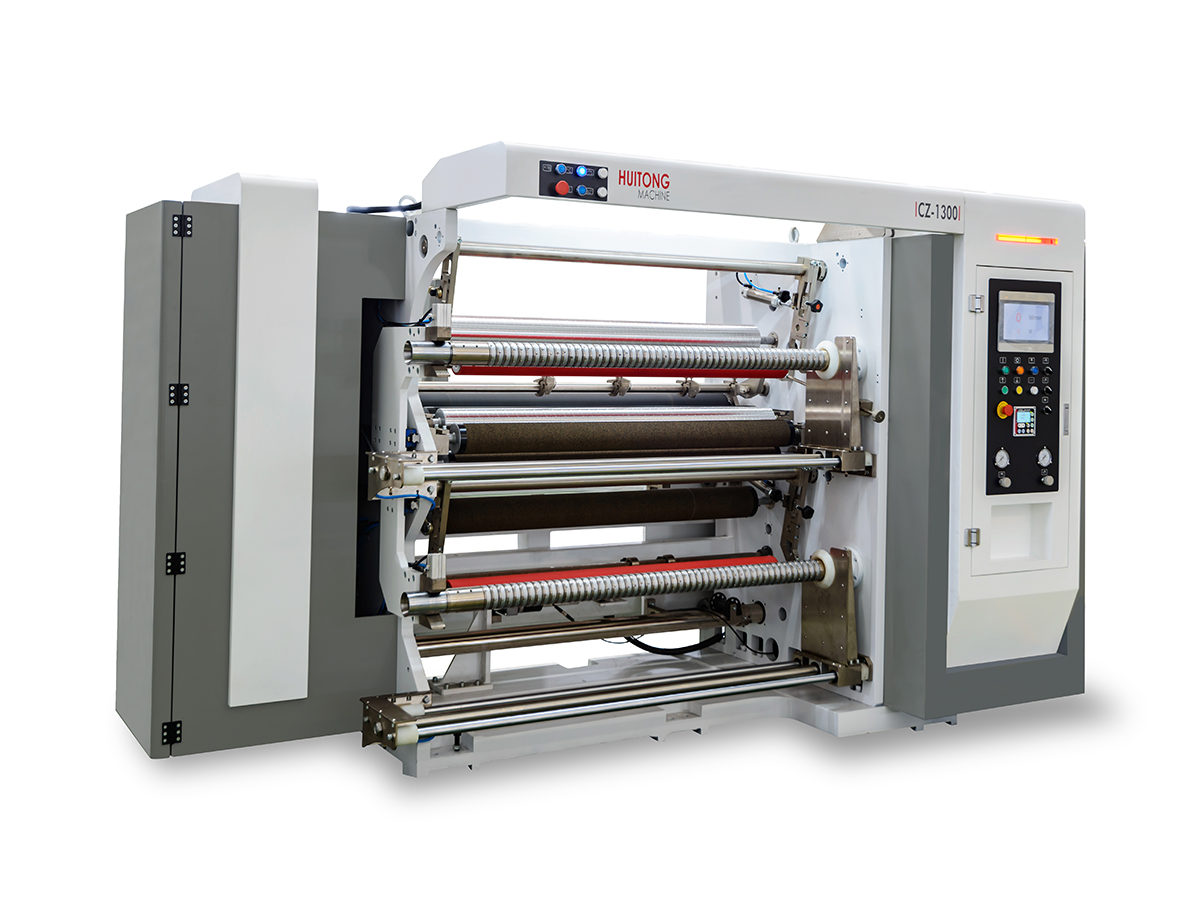
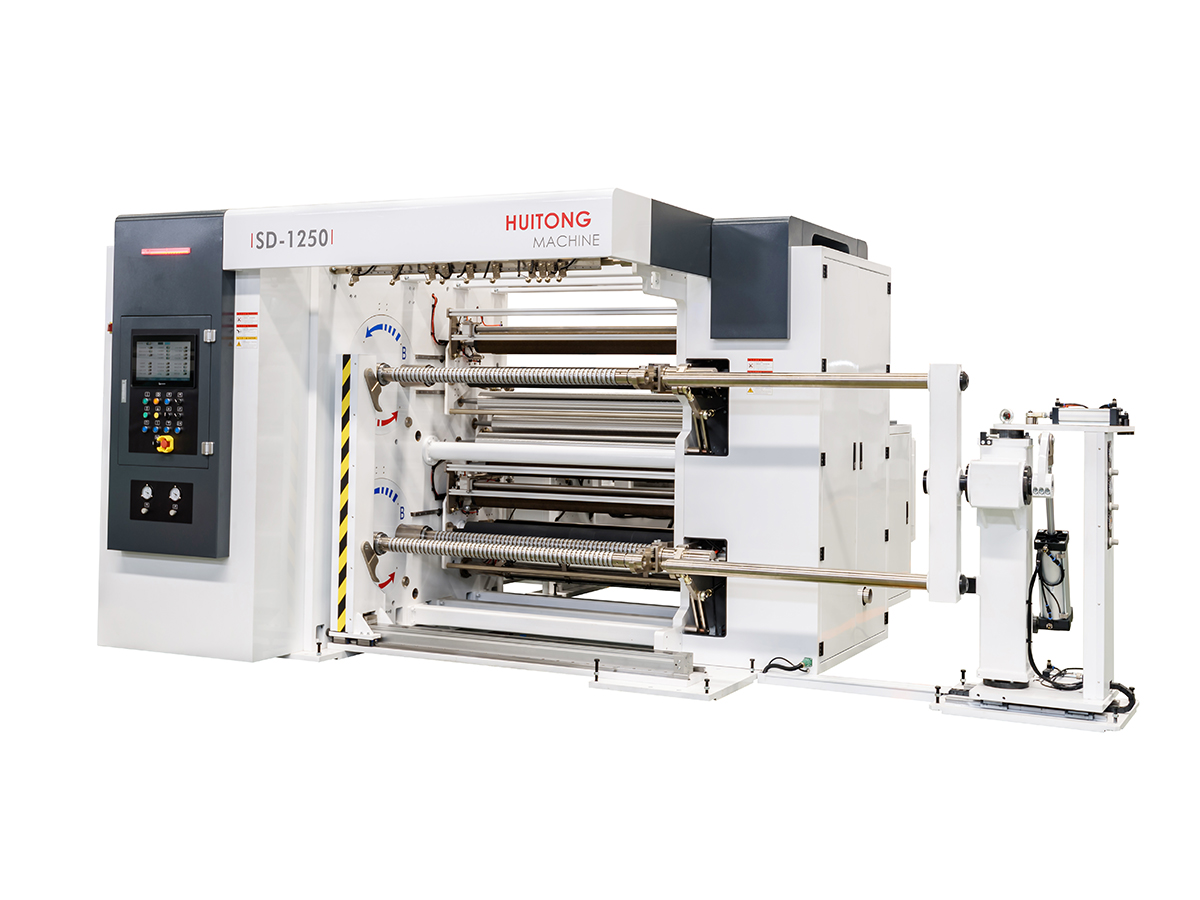
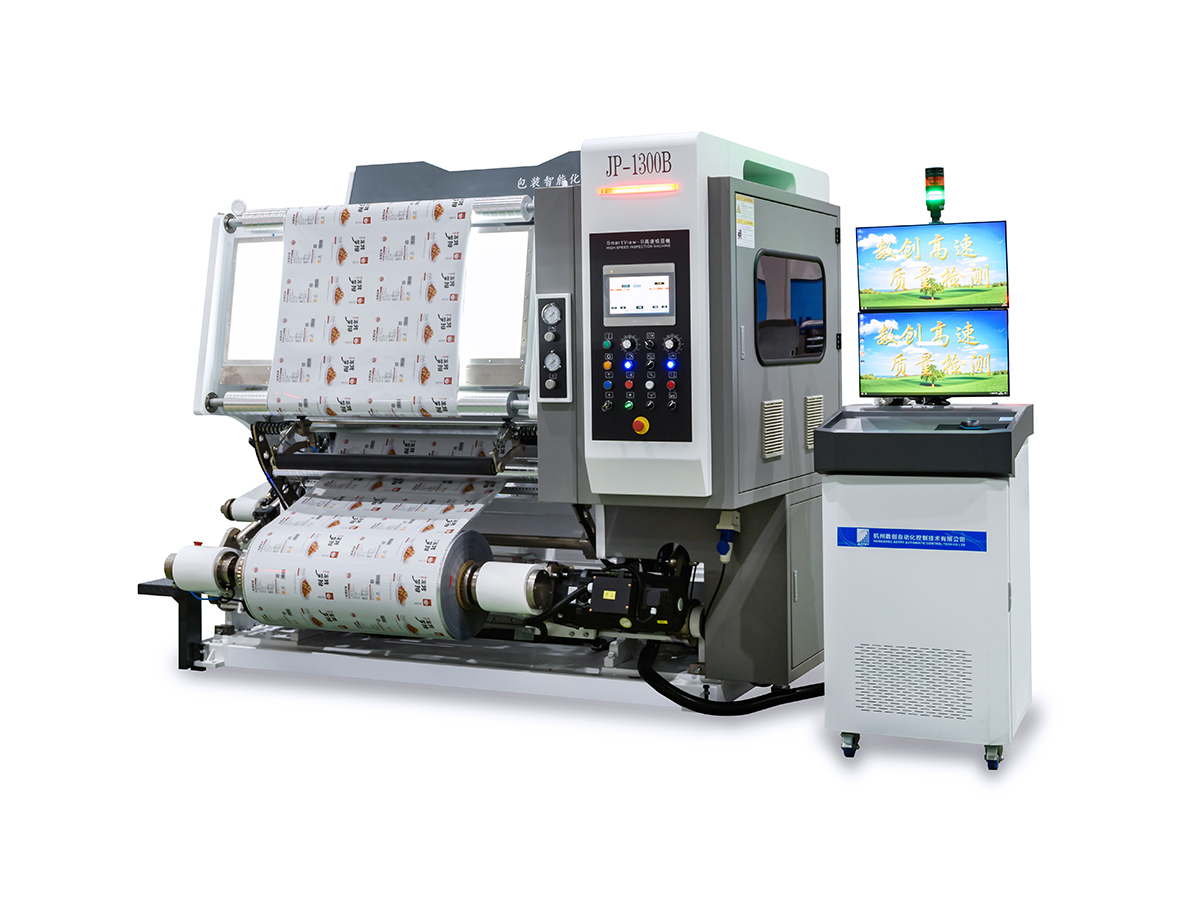
In industries where precision cutting is paramount, the high speed slitting machine plays a crucial role. This machine is engineered to handle large rolls of materials, such as plastic films, paper, metal foils, and non-woven fabrics, cutting them into narrow strips based on preset specifications. It is widely used in sectors such as packaging, printing, electronics, textiles, and new energy industries.
High speed slitting machines are designed to meet the ever-increasing demand for precision and efficiency in the cutting process. These machines enable manufacturers to achieve narrow-width slits from wide rolls of material without compromising quality or consistency.
The process is vital for creating products that require uniform dimensions for subsequent processes, such as packaging or assembly in other manufacturing lines. By utilizing high-speed slitting technology, manufacturers can ensure high throughput while maintaining tight tolerances.
Precision Cutting Technology
At the core of any high-speed slitting machine is its cutting precision. The precision is largely dependent on the cutting method employed. High-speed slitting machines typically feature several cutting methods such as circular knives, air knives, or flat knives. Each method serves different purposes depending on the material being processed and the required output.
Circular knives are for materials like film and paper, where high cutting precision and speed are essential. Air knives are ideal for lightweight materials, ensuring a clean cut without physical contact, while flat knives are used for heavy-duty tasks, offering robust precision in slicing thicker materials.
Unwinding and Rewinding Systems
A high-speed slitting machine features both unwinding and rewinding systems to manage the large rolls of material. The unwinding system allows the roll to be fed into the machine smoothly, while the rewinding system ensures that the slit material is wound back tightly and uniformly. These systems are designed to handle high speeds and large volumes without causing damage to the material or affecting the quality of the cut.
Tension control systems play a significant role in ensuring that the material remains taut and uniformly fed through the machine, preventing issues like wrinkles or misalignment during the slitting process. The rewinding unit also ensures that the narrow strips are wound with consistent tension, which is crucial for downstream processes like packaging or further processing.
Automatic Web Guiding and Edge Control
The accuracy of the slitting process heavily relies on the web guiding and edge control systems. These systems ensure that the material is aligned properly as it enters the slitting unit, preventing any deviations that could result in uneven slits. Automatic web guiding systems are particularly valuable for high-speed operations, as they make real-time adjustments to the material’s position, compensating for any misalignment caused by tension changes or machine vibrations.
Edge control is another feature that enhances cutting precision by ensuring that the edges of the material are perfectly aligned with the cutting unit, reducing the risk of uneven slits or material wastage.
Adjustable Slitting Units
Another critical feature of high-speed slitting machines is the adjustability of the slitting units. The ability to fine-tune the slitting knives allows for better control over the width and quality of the slits. Many machines come with automated adjustment systems that allow operators to change the slitting width without needing to manually adjust the knives, saving both time and labor.
Some advanced machines even feature digital controls that allow for quick and precise adjustments at the touch of a button. This flexibility is particularly beneficial in industries where different materials with varying thicknesses and properties are being processed on the same machine.
High-Speed Operation
As the name implies, high-speed slitting machines are designed to operate at high speeds without sacrificing cutting quality. These machines are equipped with powerful motors, advanced drive systems, and optimized cutting units, all of which contribute to their ability to maintain high throughput and precision in a fast-paced production environment.
Speed is crucial in industries like packaging and printing, where demand for high volumes of material is constant. The ability to process wide rolls of material at high speeds ensures that manufacturers can meet their production targets efficiently, which is a key competitive advantage.
Advanced Control Systems
The integration of advanced control systems has made modern high-speed slitting machines even more efficient. These systems allow for the continuous monitoring of the cutting process, offering real-time feedback on variables such as tension, speed, and alignment. The feedback is used to adjust the operation automatically, ensuring that the machine operates at peak performance at all times.
Additionally, operator interfaces are becoming more intuitive, with touchscreen displays and automated settings that enable easy control of the slitting process. This reduces human error and ensures that the machine is always set to the parameters for the specific material being processed.
Versatility Across Different Materials
One of the standout features of a high-speed slitting machine is its versatility. These machines can handle a wide range of materials, including plastic films, paper, metal foils, and non-woven fabrics. This flexibility makes them ideal for use in industries such as packaging, printing, and electronics, where different materials are processed for diverse end products.
The ability to handle different material types and thicknesses without compromising cutting quality makes high-speed slitting machines indispensable in many manufacturing lines.
The combination of advanced features in a high-speed slitting machine directly contributes to improved cutting precision. For instance:
These features collectively ensure that manufacturers can produce high-quality finished products in a shorter amount of time, with minimal material wastage and increased operational efficiency.
High-speed slitting machines are widely used across various industries. Some notable applications include:
Q1: What materials can be processed by a high-speed slitting machine?
A: High-speed slitting machines can process various materials, including plastic films, paper, metal foils, and non-woven fabrics.
Q2: How does tension control affect the slitting process?
A: Tension control ensures that the material is fed through the machine with consistent tension, preventing issues like wrinkles or misalignment during slitting.
Q3: What are the advantages of circular knives over flat knives in slitting?
A: Circular knives are ideal for high-speed cutting of thinner materials, offering precision and efficiency. Flat knives are better suited for thicker materials and provide more durability.
Q4: How do automatic web guiding systems improve slitting accuracy?
A: Automatic web guiding systems ensure that the material is aligned properly as it enters the cutting unit, minimizing the risk of uneven slits.
Q5: Can a high-speed slitting machine be used for multiple materials?
A: Yes, modern high-speed slitting machines are versatile and can handle different materials with varying thicknesses and properties.
Contact Us
Recommended Products
Joining Hands With Huitong
Customize Your Flexible Packaging Equipment Solution
Inquire now
Products
contact us

Tel: +86-0510-86328508
+86-0510-86324508
Mob: +86-13914908980
Email: [email protected]
ADD: No. 429 Xizhang Road, Gushan Town, Jiangyin City, Jiangsu Province, China

 English
 русский
 Español
 عربى
عربى