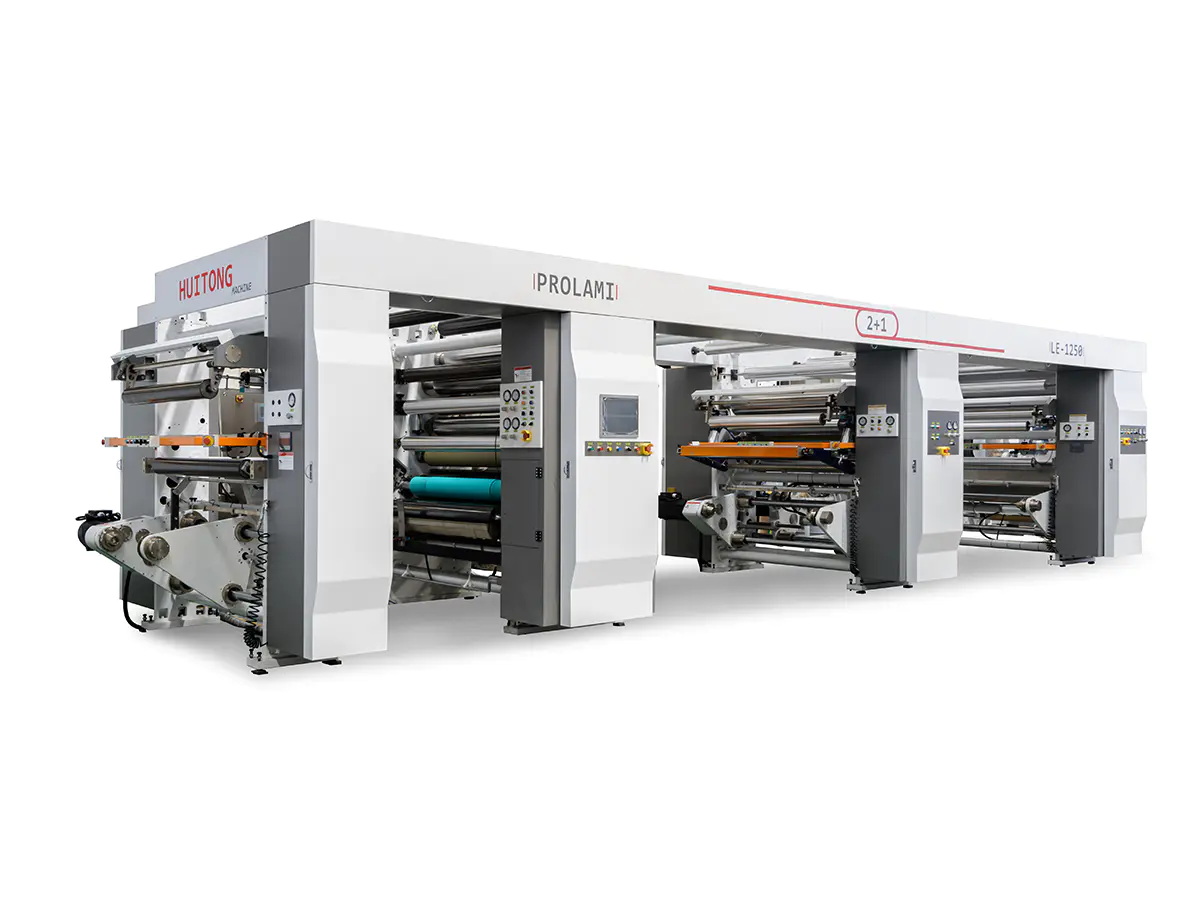
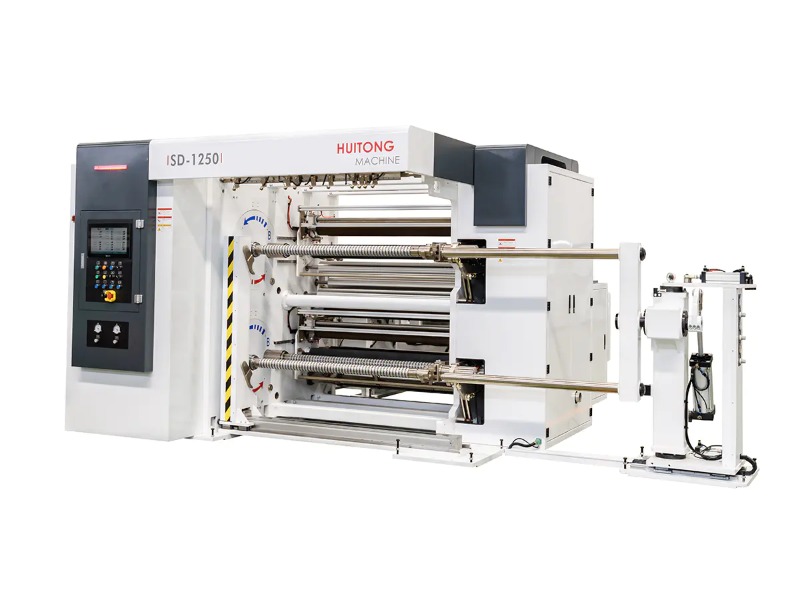
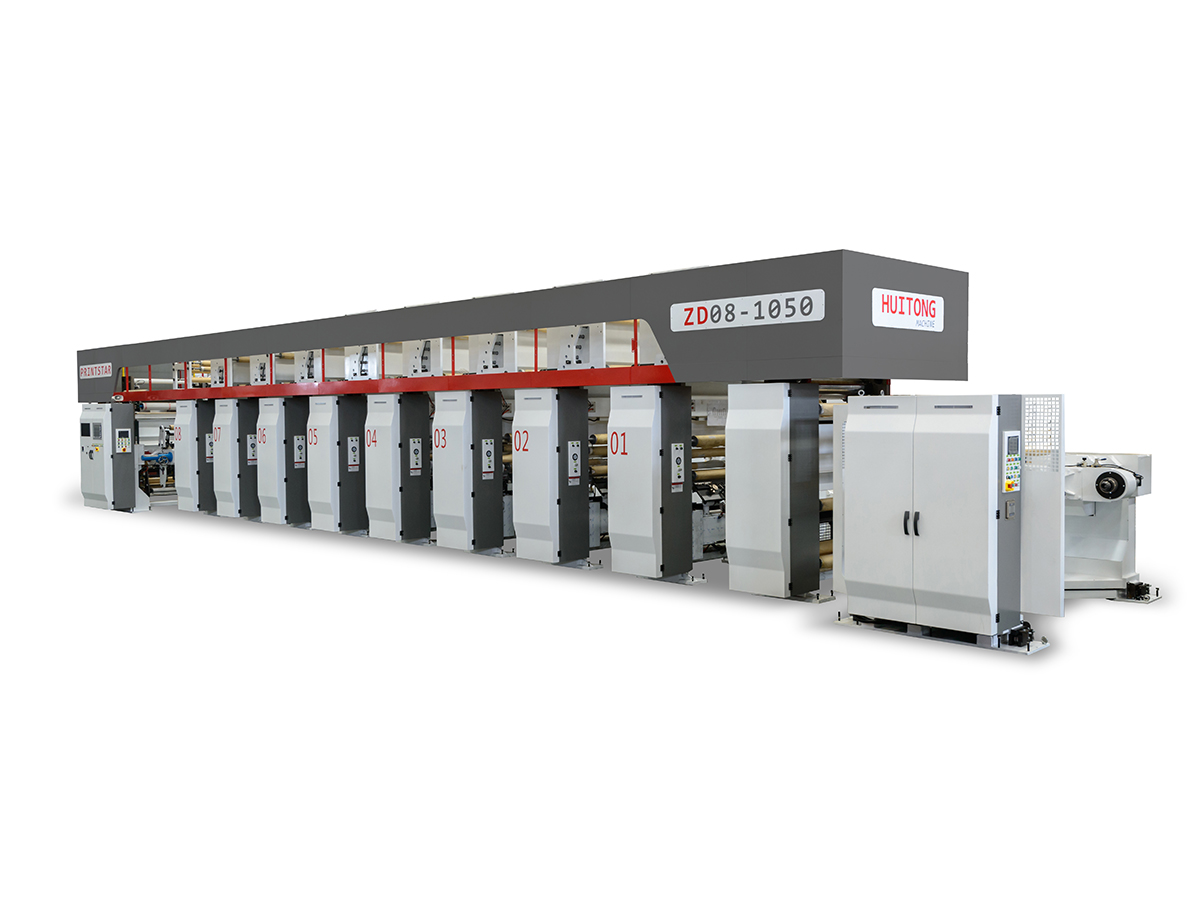
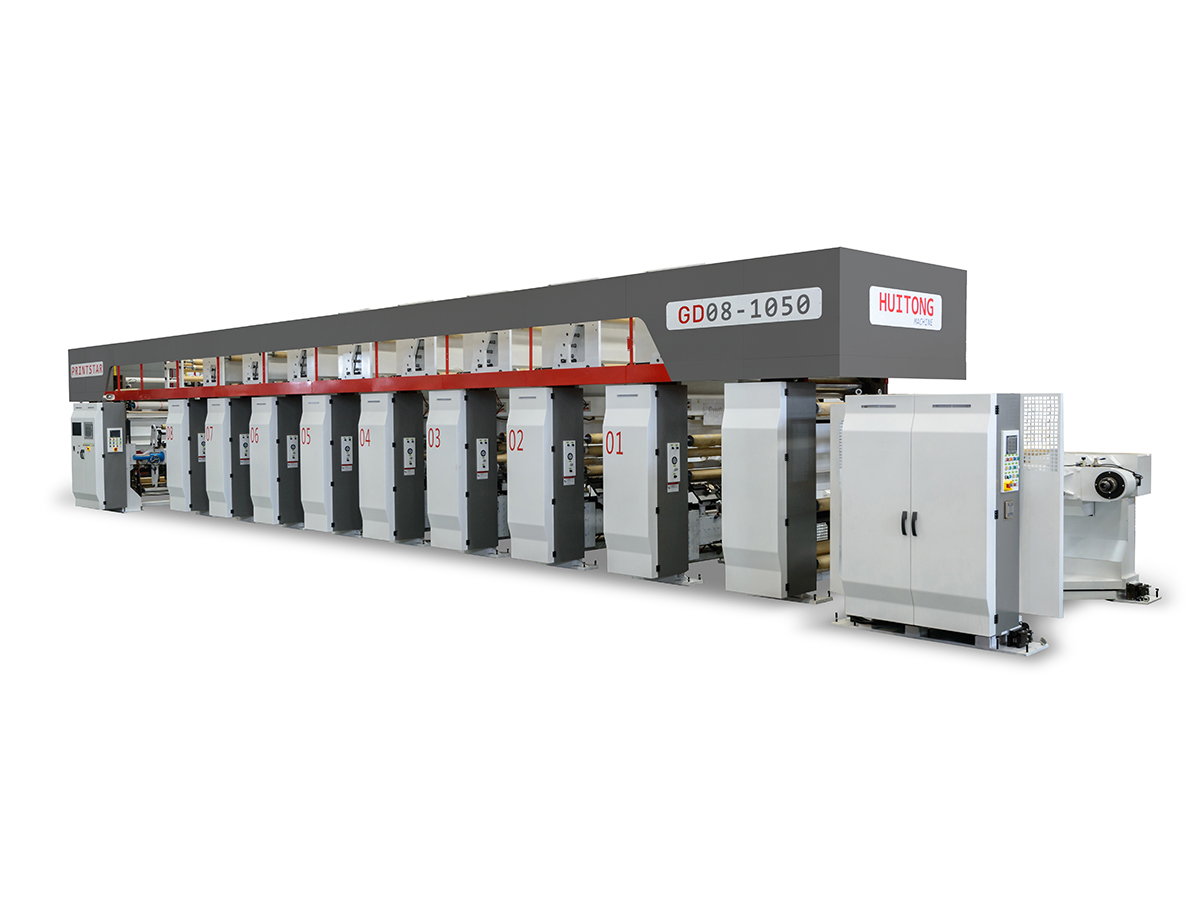
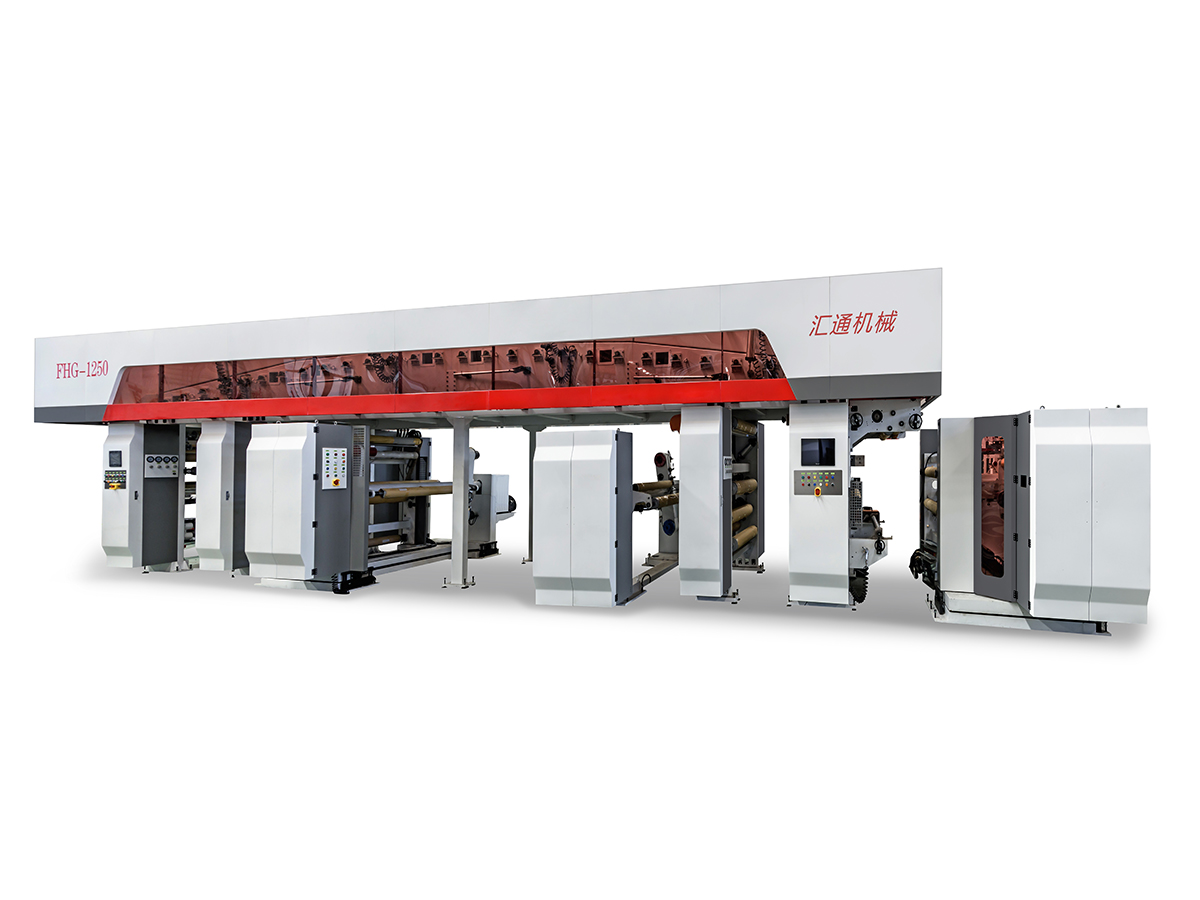
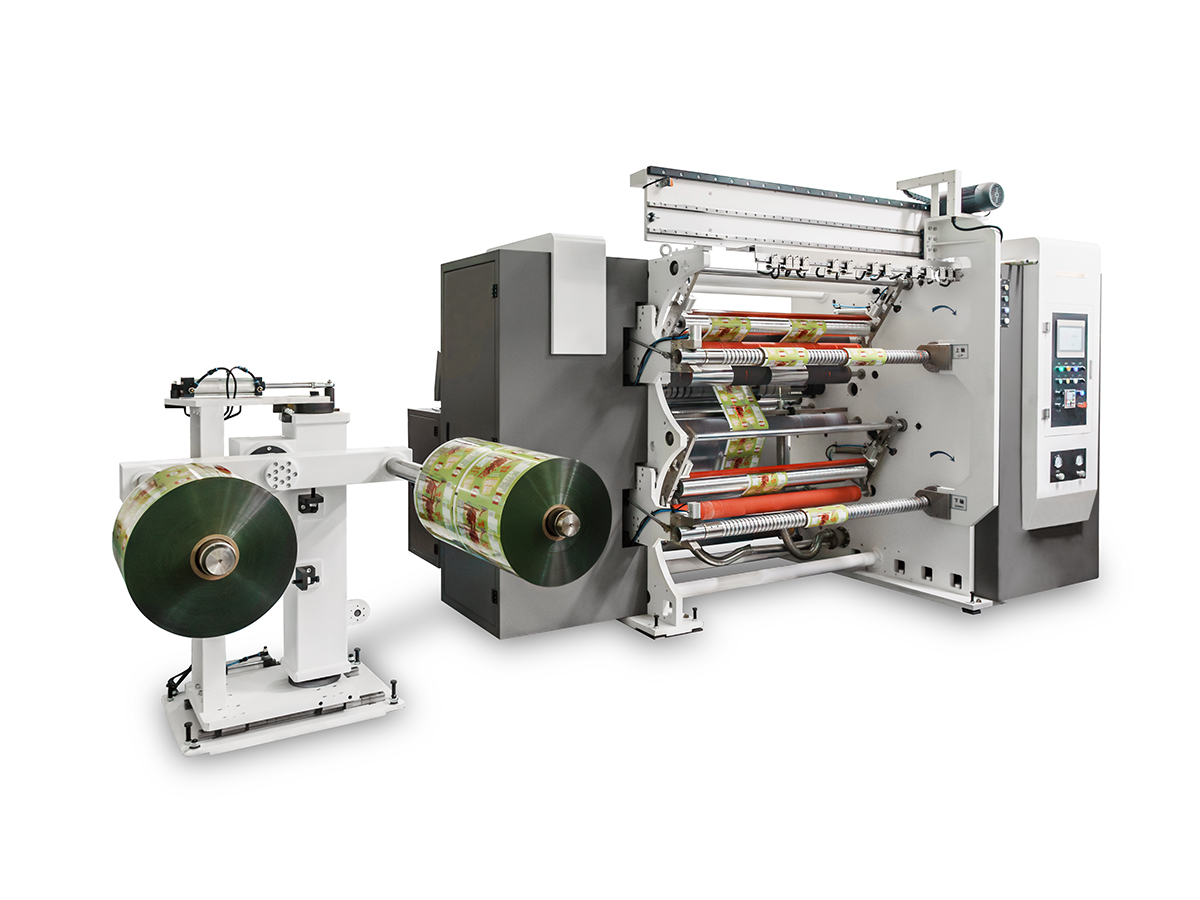
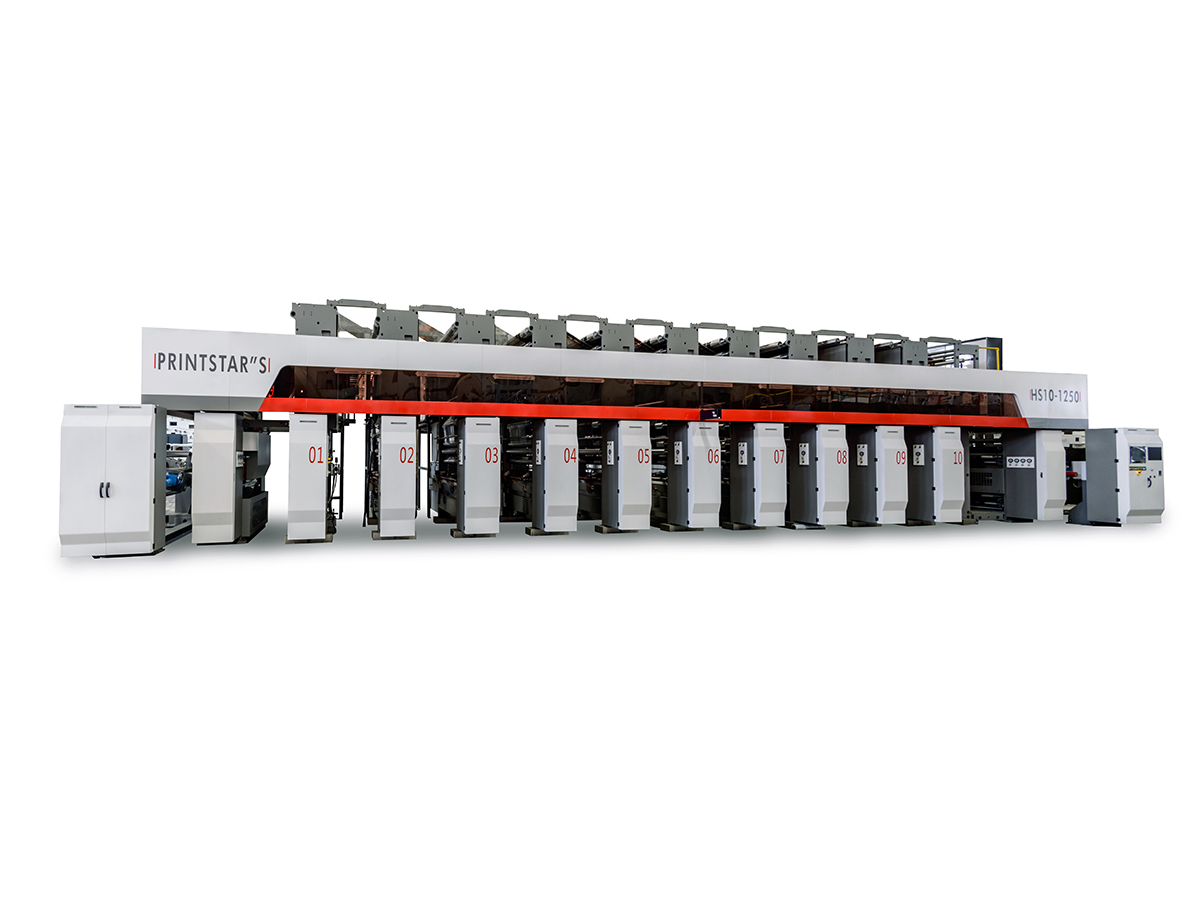
High speed rotogravure printing machines have revolutionized the packaging and printing industries by enabling rapid and high-quality production. These machines are essential for high-volume printing jobs, especially for packaging materials such as flexible films, labels, and cartons. However, like any sophisticated technology, they are prone to certain operational issues that can affect the final output quality, efficiency, and overall productivity.
One of the frequent problems with high speed rotogravure printing is ink smearing or smudging. This issue often occurs when the ink is not properly dried before the paper or substrate moves to the next station.
Prevention Tips:
Color misregistration, where the printed colors do not align properly, is another issue that can degrade print quality. This problem is especially noticeable in designs that require precision and color alignment.
Prevention Tips:
Uneven ink distribution across the substrate often leads to areas of lighter or darker print, affecting the overall consistency of the printed image.
Prevention Tips:
Web tension control is critical in high speed rotogravure printing. Improper tension can cause the substrate to either stretch or wrinkle, which results in print defects.
Prevention Tips:
Over time, rollers and cylinders can experience wear and tear, which can cause inconsistencies in print quality and result in machine downtime if not properly maintained.
Prevention Tips:
Unexpected downtime due to mechanical failures or improper maintenance can be costly for printing operations, especially in high-speed production environments.
Prevention Tips:
Fluctuations in the environment, especially in terms of temperature and humidity, can affect both the ink and the substrates, causing inconsistencies in the printing process.
Prevention Tips:
The B&R register system plays a vital role in addressing many of the above-mentioned issues, particularly in preventing misregistration of colors and uneven prints. This advanced system utilizes precision sensors and real-time feedback to make automatic adjustments during the printing process, ensuring alignment of colors and print quality. By integrating such a system, manufacturers can significantly reduce the risk of color misregistration and improve overall efficiency.
Key Advantages of Using a B&R Register System:
Regular Calibration and Maintenance:
Conduct regular calibration checks and machine maintenance to avoid print defects caused by misalignment or worn components.
Operator Training:
Properly train operators to handle the machine efficiently and to recognize the signs of potential issues before they escalate.
Advanced Technology Integration:
Implement advanced systems like the B&R register system for real-time print monitoring and adjustments to improve print quality.
Environmental Control:
Create a stable working environment by regulating temperature and humidity to prevent print quality issues.
While high-speed rotogravure printing machines are critical for efficient and high-quality production, they come with challenges that must be addressed through regular maintenance, operator training, and technological enhancements. By implementing preventive measures and using advanced systems such as the B&R register system, many of these common issues can be avoided, ensuring smoother operations and higher-quality printed materials.
1. What is the common issue with high-speed rotogravure printing machines?
The common issue is ink smearing or misregistration of colors, which can negatively impact print quality.
2. How can I prevent ink smearing on high-speed rotogravure printing machines?
Ensure the ink is properly dried and the drying system is correctly calibrated. Regular maintenance of the drying components is also essential.
3. What role does the B&R register system play in preventing printing issues?
The B&R register system helps ensure alignment of colors and reduces misregistration by making real-time adjustments during the printing process.
4. How often should high-speed rotogravure printing machines be serviced?
Regular servicing is recommended based on the manufacturer’s guidelines, but generally, a preventative maintenance schedule should be set up every few months to prevent any major issues.
5. What environmental conditions are for high-speed rotogravure printing?
Maintaining stable temperature and humidity levels is essential to avoid printing defects caused by fluctuations in the environment.
Contact Us
Recommended Products
Joining Hands With Huitong
Customize Your Flexible Packaging Equipment Solution
Inquire now
Products
contact us

Tel: +86-0510-86328508
+86-0510-86324508
Mob: +86-13914908980
Email: [email protected]
ADD: No. 429 Xizhang Road, Gushan Town, Jiangyin City, Jiangsu Province, China

 English
 русский
 Español
 عربى
عربى